Attractions and Places To See around Faleria - Top 20
Attractions and places to see around Faleria offer a blend of historical landmarks and natural beauty in the Tuscia area of Italy. The town is situated on a tuff cliff, surrounded by the Treja and Mola Rivers, providing a scenic backdrop. This region is known for its unique geological formations and historical sites, including ancient ruins and medieval structures. Visitors can explore a variety of landscapes, from river valleys to forests.
Best attractions and places to see around Faleria
- The…
Last updated: July 6, 2026
Monte Gelato Waterfalls
Highlight • Waterfall
The shady trees …
Translated by Google •
Tip by

Hermitage of Saint Sylvester
Highlight • Religious Site
Translated by Google •
Tip by

Sign up now to discover places like this
Get recommendations on the best single tracks, peaks, & plenty of other exciting outdoor places.
Sign up for free
Monte Soratte Bunker
Highlight • Monument
Translated by Google •
Tip by

Calcata Vecchia
Highlight • Settlement
Translated by Google •
Tip by

Ponzano Romano
Highlight • Settlement
Translated by Google •
Tip by

Sign up for free to discover even more attractions around Faleria.
Sign up for free
Already have an account?
Start today with a free account
Your next adventure awaits.
Login or Signup

Tips from the Community

For those arriving at Calcata Vecchia and wanting to descend into the Treja Valley, I strongly advise against taking the marked path that is not on the road: it is a pedestrian descent that can only be done with a bike in hand, and not even easily. Descend following the main asphalt road.
0
0

An open-air museum, recommended
0
0

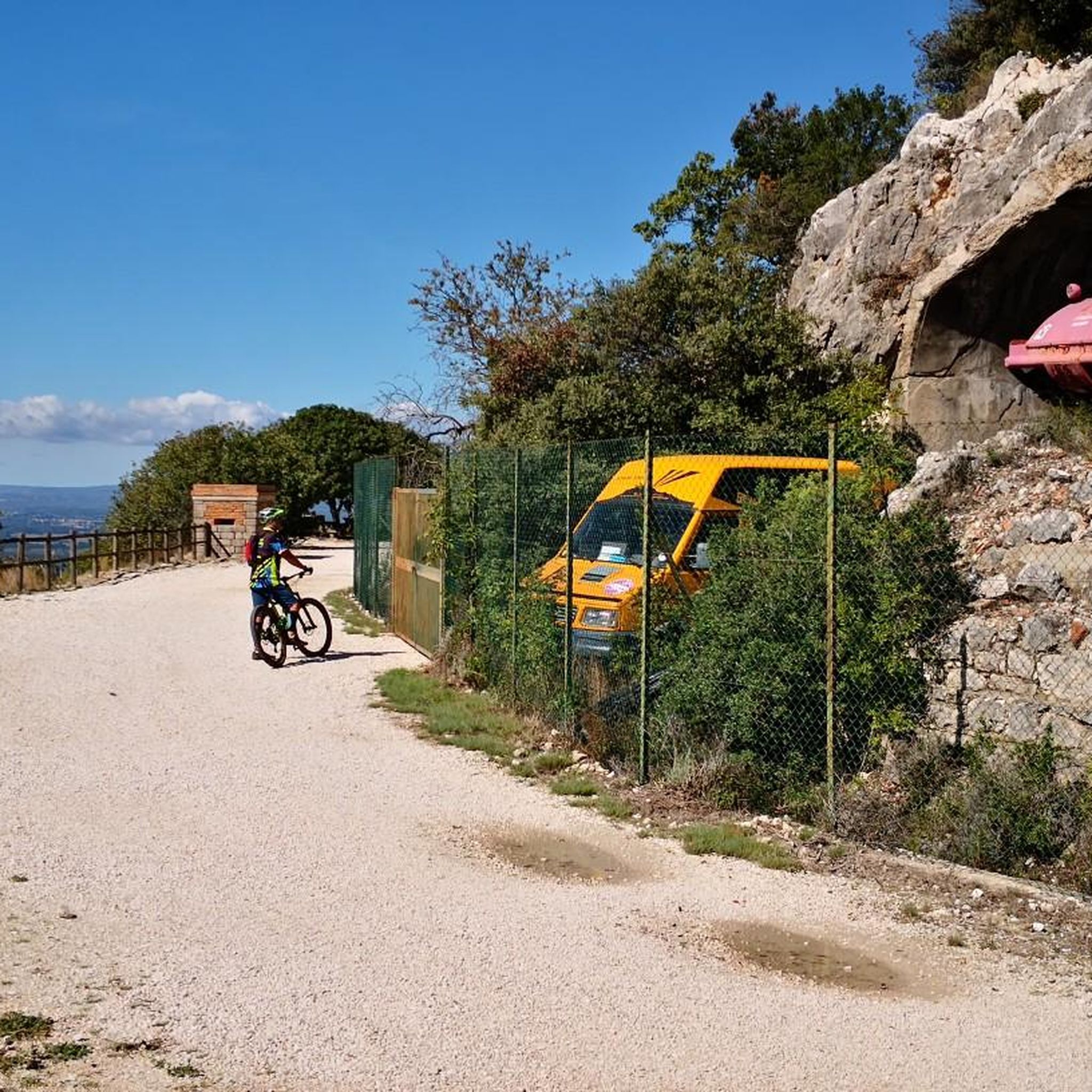
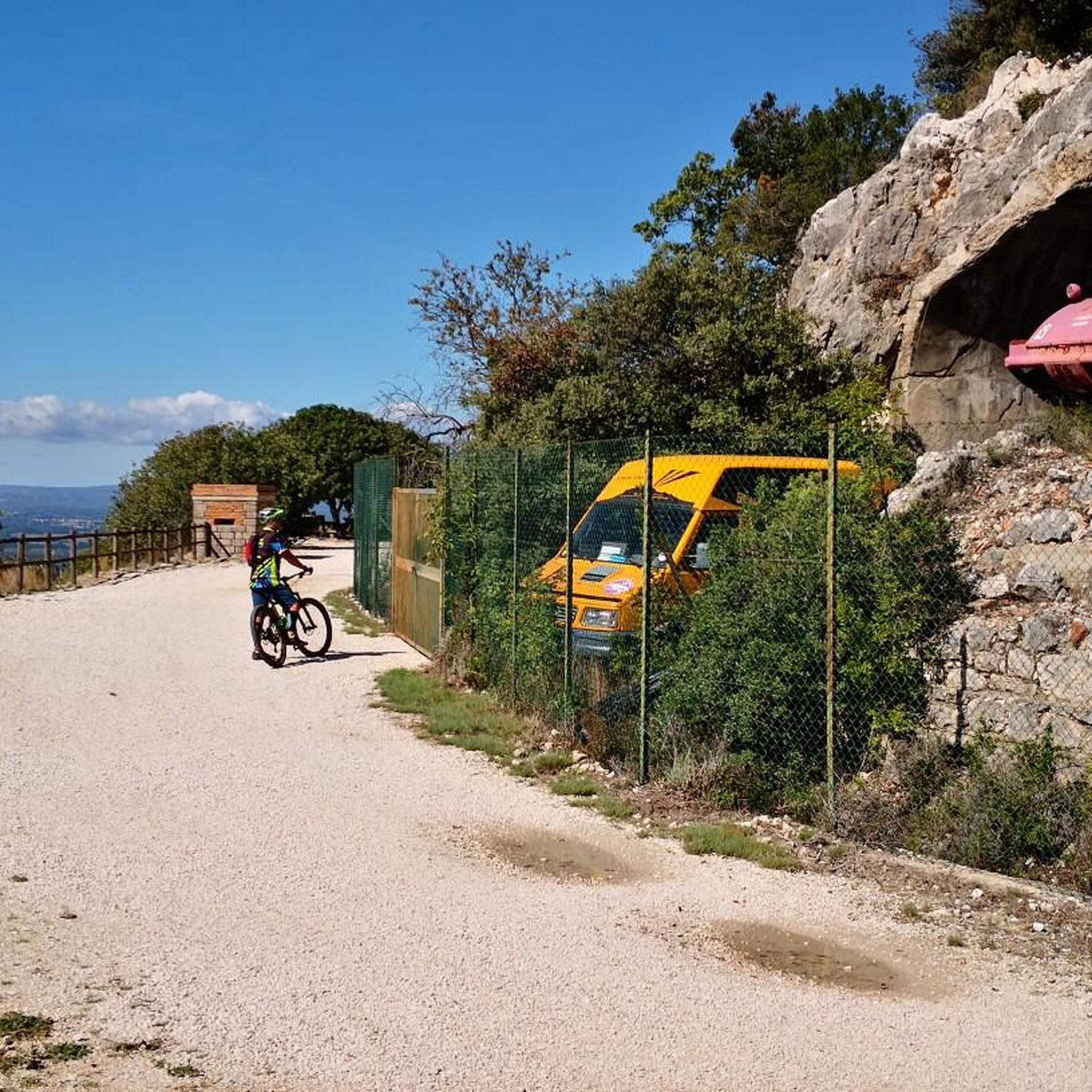
Short panoramic walk with an exhibition of military vehicles.
0
0

Beautiful waterfalls found on the Via Francigena between Sutri and Campagnano di Roma... it's a shame that their waters are particularly polluted.
1
0

On the way to the top of Soratte, just before the San Silvestro hermitage, you can take the path on the left that leads to the small San Sebastiano hermitage, of which modest wall traces remain. The latter was home to hermits in the 16th and 17th centuries, after which it began to be abandoned and fell into ruin. In the rock there is a cavity used to collect water. Short trail but to be followed with care.
0
1

This hermitage has a patronal name that is truly on everyone's lips, but only a few will know the person behind it: the feast day of Saint Sylvester (San Silvestro) is December 31st. He lived at the end of the third or beginning of the fourth century and was Bishop of Rome when Emperor Constantine - later generations gave him the nickname "the Great" - recognized Christianity as a religion with the so-called "Edict of Toleration" of Milan, thus ending - at least temporarily - the period of bloody persecution of Christians.
1
2

For the landscapes and also the roads, which however, at least for the part of the Province of Rome, should be maintained a little more (asphalt at times too ruined).
1
0

Cascata di Monte Gelato, located in the Parco Regionale Valle del Treja (Treja Valley Regional Park), is a captivating natural wonder in the Lazio region of Italy. It consists of a series of small waterfalls along the Treja River. Some of these falls are natural, while others have been shaped by human intervention. The constant flow of water over layers of volcanic rock has sculpted these picturesque waterfalls for millennia
1
0
Frequently Asked Questions
What outdoor activities and trails can I explore around Faleria?
Faleria is situated within the Regional Park of the Treja River, offering numerous paths for trekking, mountain biking, and horse riding through deep ravines and scenic landscapes. For specific routes, you can find detailed guides for MTB Trails around Faleria, Cycling around Faleria, and Road Cycling Routes around Faleria.
Are there historical sites or ancient ruins to visit in Faleria?
Yes, Faleria is rich in history. You can explore the ruins of Faleria Vecchia, an evocative ghost town abandoned in the 1950s due to cliff collapse. Another significant site is Castel Paterno, an imposing ruin on a tuff plateau that played a role in the Tuscia defense system and is known as the place where Emperor Otto III died. Additionally, the Monte Soratte Bunker offers a fascinating look into a military engineering work from World War II.
What natural attractions are there around Faleria?
Faleria is known for its natural beauty. The town itself is built on a unique tuff cliff, offering distinctive geological scenery. The Regional Park of the Treja River features deep ravines and lush forests. A popular natural highlight is Monte Gelato Waterfalls, a picturesque spot in the Treja River Park, often used as a film backdrop, ideal for a peaceful break.
What cultural experiences can I find in Faleria?
Faleria offers vibrant cultural experiences, including local festivals like the Lega dei Giganti Festival in July, and food and wine festivals such as the Wild Boar Festival and Truffle Festival. You can also enjoy traditional Italian cuisine, explore artisanal boutiques, and visit weekly markets. The surrounding hills also provide opportunities for wine-tasting tours.
Are there any family-friendly attractions in the Faleria area?
Yes, several attractions around Faleria are suitable for families. The Monte Gelato Waterfalls are considered family-friendly, offering a peaceful environment for a break. The town of Ponzano Romano, with its historical center, is also listed as family-friendly. Exploring the Regional Park of the Treja River provides opportunities for walks and outdoor activities suitable for various ages.
Where can I find panoramic views near Faleria?
For stunning panoramic views, visit the Hermitage of Saint Sylvester, located at the top of Mount Soratte. This religious building offers an isolated and suggestive atmosphere with sweeping views of the surrounding valleys and the Tiber Valley. The tuff cliff formations around Faleria also provide scenic viewpoints.
What is the Anguillara Castle and can I visit it?
The Anguillara Castle is a dominant fortress in the center of Faleria's old town, originally built in the late 13th century and renovated in the 16th century. It features a courtyard and a loggia. While it's a significant historical landmark, specific visitor access information should be checked locally or via the official Faleria tourism website, such as Visit Lazio.
What is the best time of year to visit Faleria for outdoor activities?
Faleria's Mediterranean climate makes spring (April-June) and autumn (September-October) ideal for outdoor activities. During these seasons, the weather is typically mild and pleasant, perfect for trekking, cycling, and exploring historical sites without the intense heat of summer or the cooler, wetter conditions of winter.
Are there any unique religious sites in Faleria?
Yes, Faleria has several unique religious sites. The Church of San Giuliano Ospitaliere, near Anguillara Castle, is a medieval church with an original bell tower and a recently restored fresco depicting Saint Julian. Just outside the old town, you'll find the fascinating Church of the Madonna Pietrafitta, built in 1599. Additionally, the Hermitage of Saint Sylvester on Mount Soratte offers a spiritual retreat with panoramic views.
What do visitors enjoy most about the attractions around Faleria?
Visitors particularly appreciate the blend of historical significance and natural beauty. For instance, the Monte Gelato Waterfalls are loved for their peaceful environment and scenic beauty, often serving as a refreshing break. The Hermitage of Saint Sylvester is praised for its stunning panoramic views and well-preserved state, with many recommending a guided tour. The historical depth of sites like the Monte Soratte Bunker also captivates visitors interested in the region's past.
Is there a 'ghost town' or abandoned village near Faleria?
Yes, Faleria Vecchia is considered one of Lazio's most evocative ghost towns. Located on the northern part of Faleria, this ancient ruin was abandoned in the 1950s due to the risk of cliff collapse, offering a unique and atmospheric experience for visitors interested in history and abandoned places.
Can I find any hidden gems or less crowded spots around Faleria?
Beyond the main attractions, the Tower of Fogliano, found within the Fogliano Forest, offers a sense of mystery as part of the old Castel Fogliano, alongside a church and cave dwellings. The Hermitage of San Famiano, hidden within the forest past the ruins of Castel Fogliano, is another beloved treasure for those seeking a more secluded and spiritual experience.
Most popular attractions around Faleria

Get inspired with the komoot mobile app


Explore more
Still not found the Highlight you’re looking for? See guides of the top attractions in other regions:
