Attractions and Places To See around Filacciano - Top 20
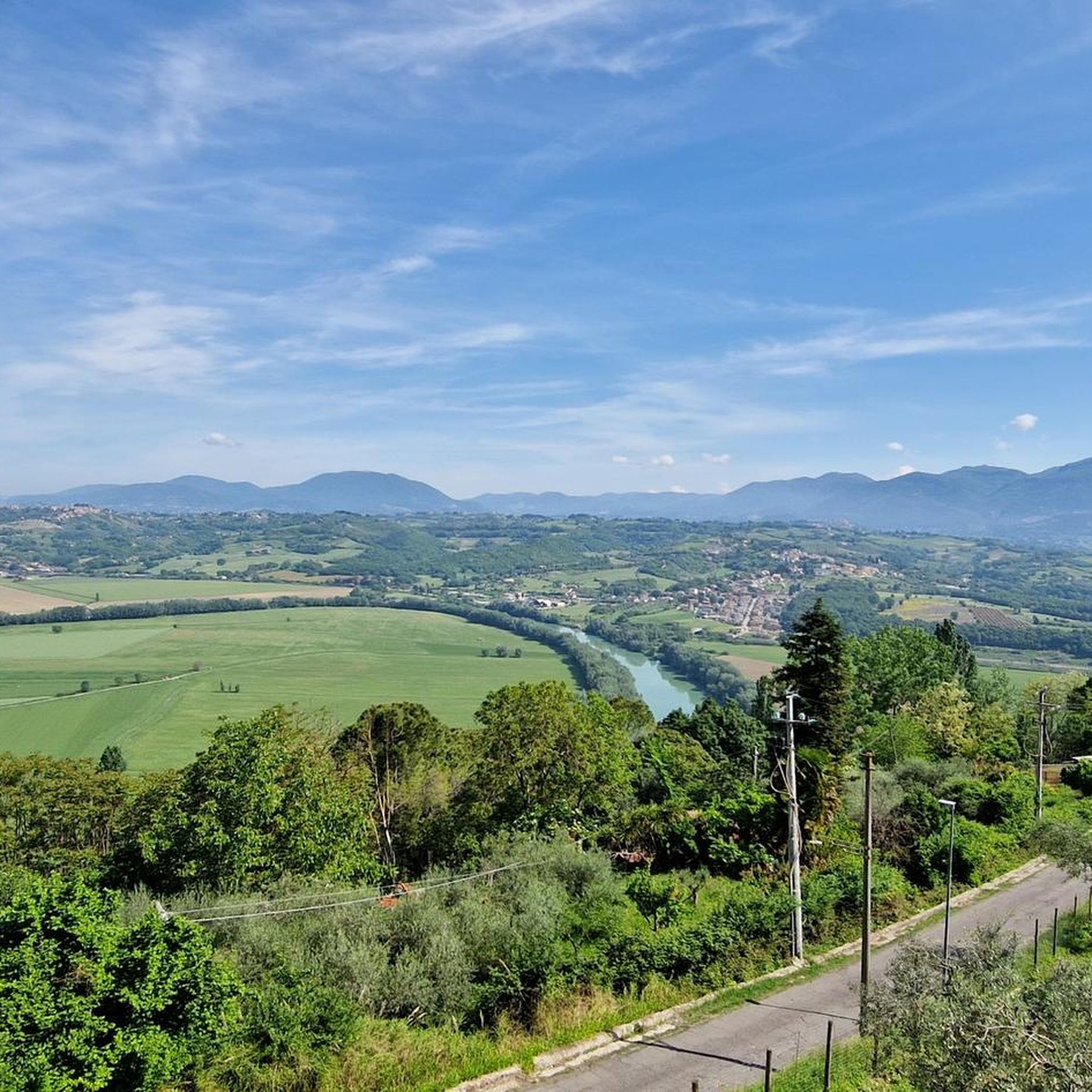
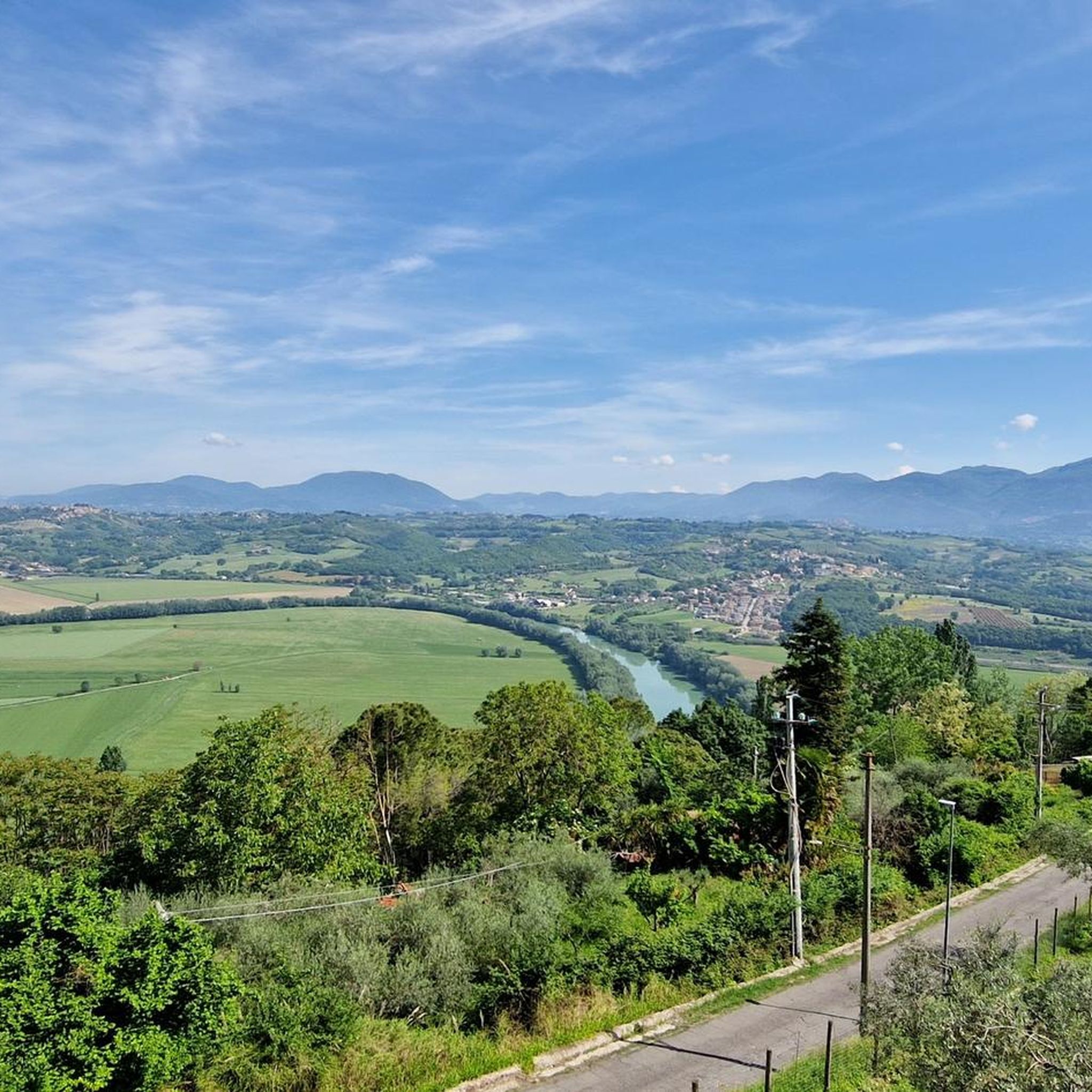
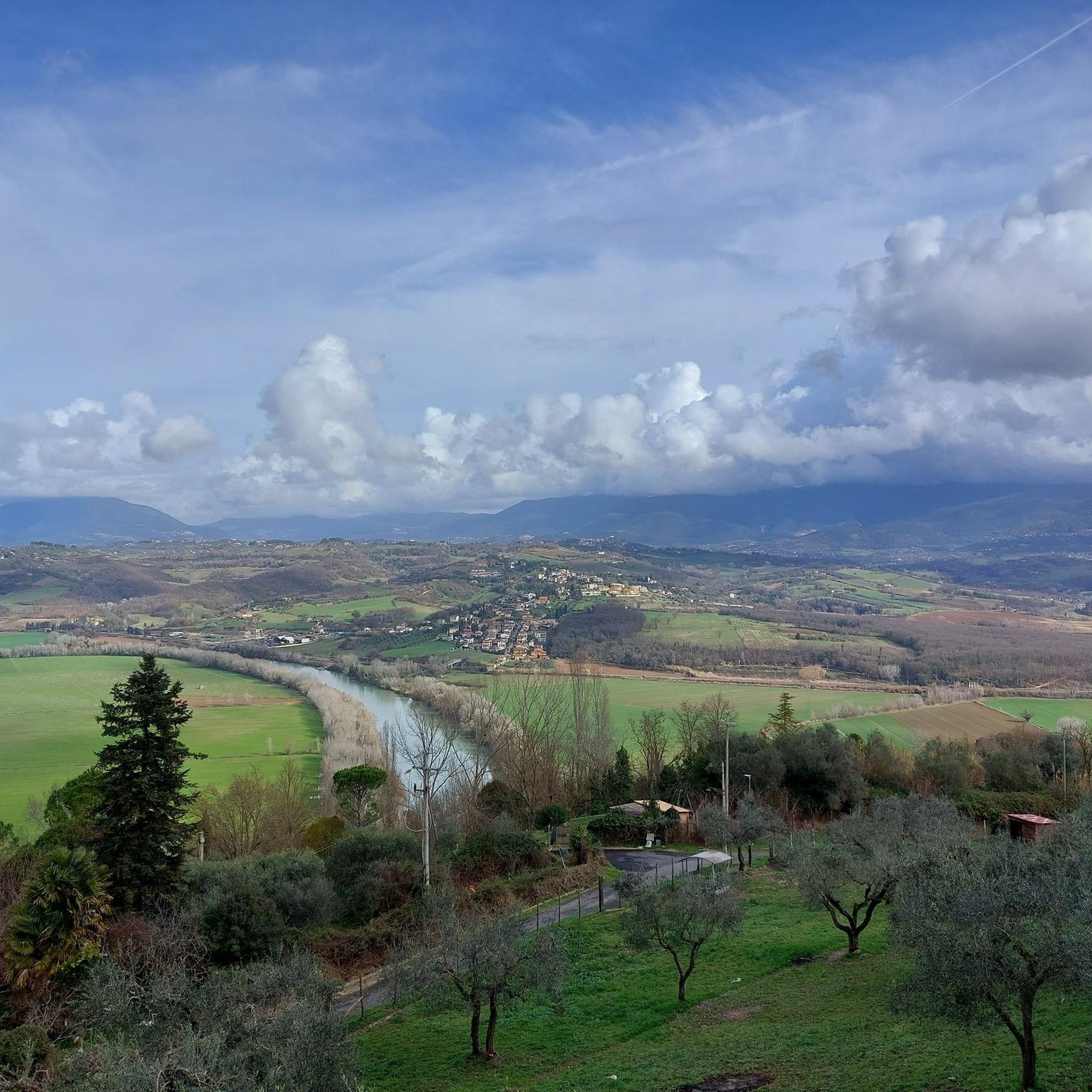
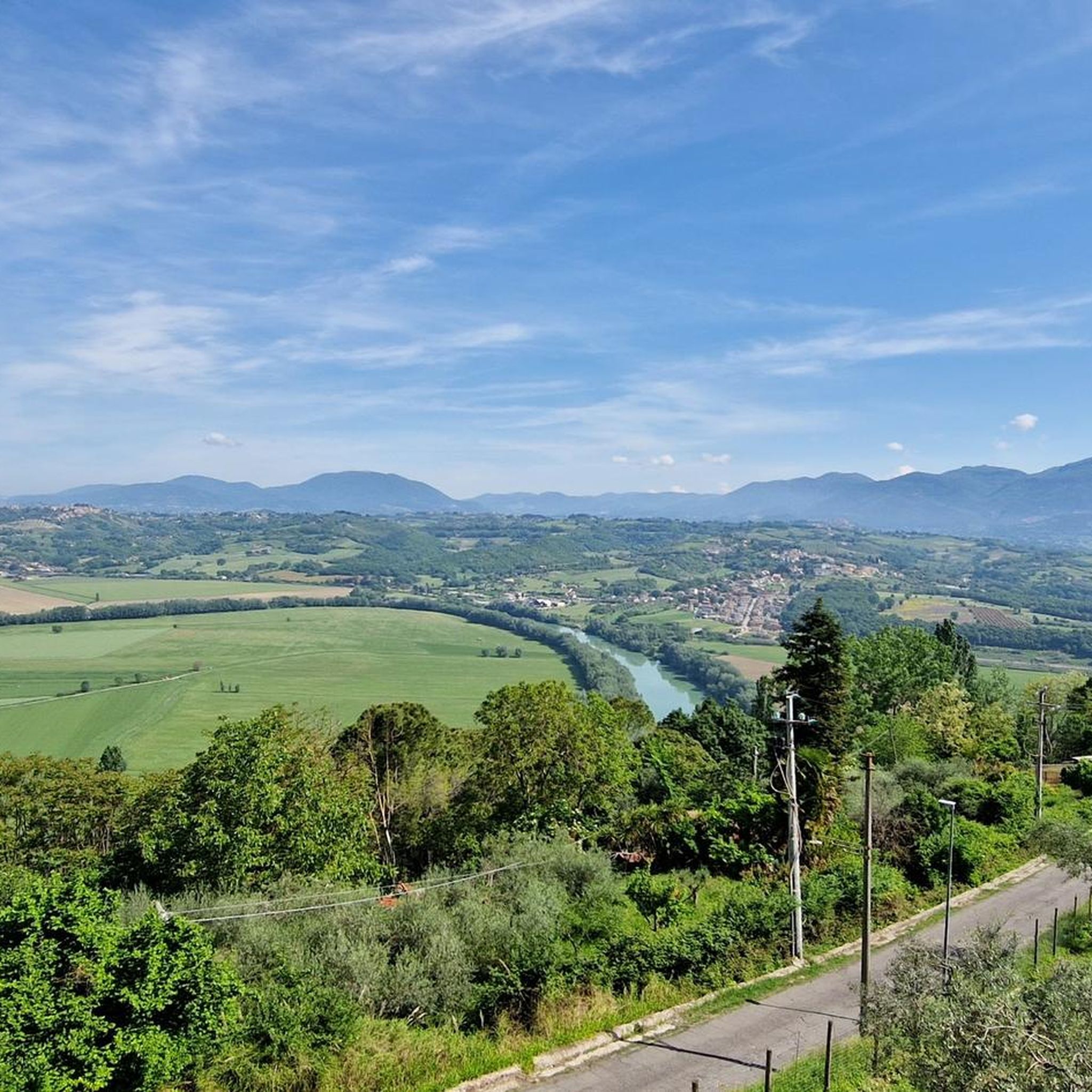
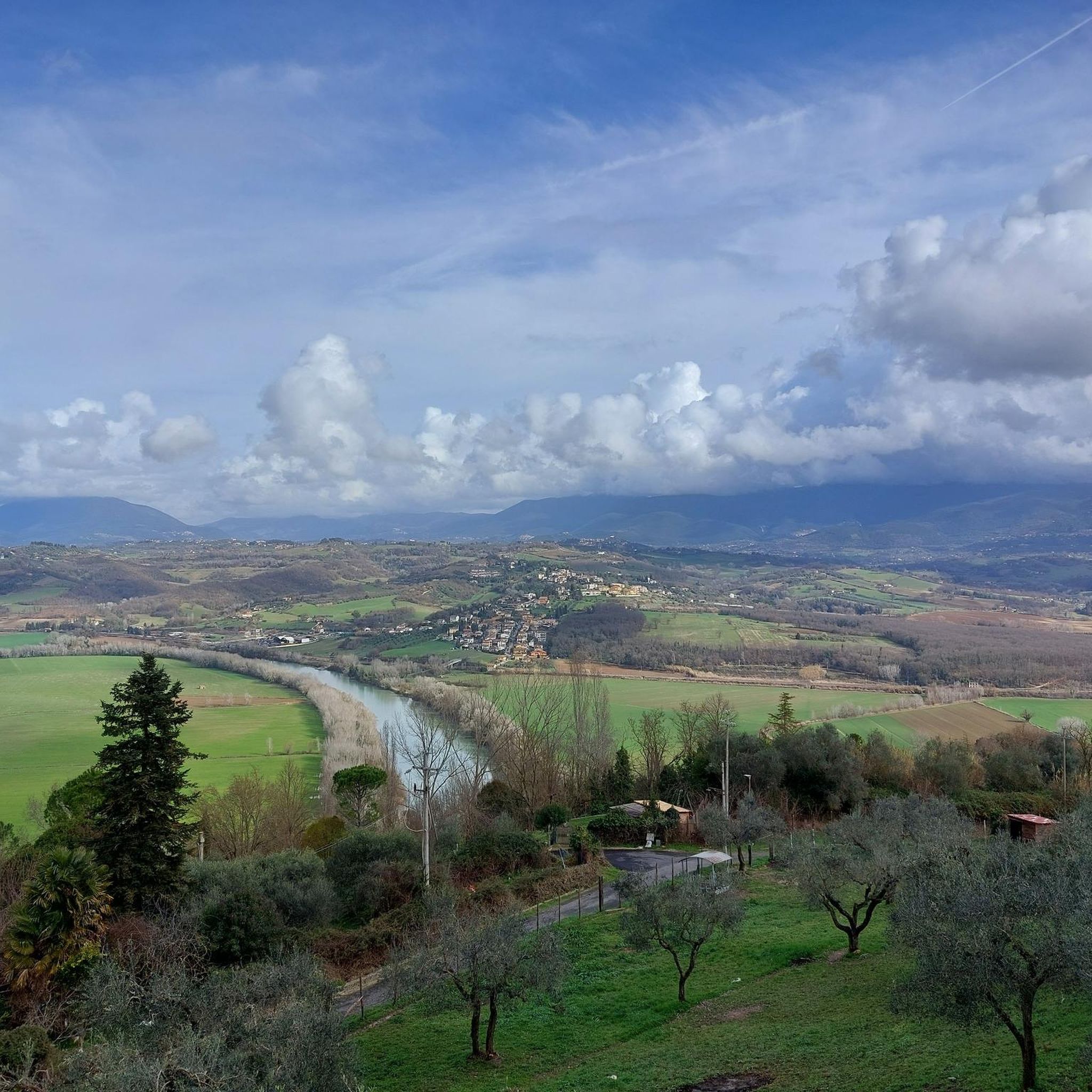
Best attractions and places to see around Filacciano include historical sites, cultural experiences, and natural beauty. This small town in the province of Rome, Lazio, Italy, is situated on a tuff spur, offering views over the green Tiber Valley. The area features a historic center with narrow streets and ancient churches, alongside a countryside of rolling hills and dense woods. Archaeological finds indicate ancient origins, providing a blend of history and nature for visitors.
Best attractions and places to see…
Last updated: July 20, 2026
Hermitage of Saint Sylvester
Highlight • Religious Site
Translated by Google •
Tip by

Nazzano Tevere-Farfa Nature Reserve
Highlight • Natural
Translated by Google •
Tip by

Sign up now to discover places like this
Get recommendations on the best single tracks, peaks, & plenty of other exciting outdoor places.
Sign up for free
Monte Soratte Bunker
Highlight • Monument
Translated by Google •
Tip by

Ponzano Romano
Highlight • Settlement
Translated by Google •
Tip by
Church of Santa Romana
Highlight • Religious Site
Translated by Google •
Tip by

Sign up for free to discover even more attractions around Filacciano.
Sign up for free
Already have an account?
Start today with a free account
Your next adventure awaits.
Login or Signup

Tips from the Community

The hermitage of Santa Romana, in Sant’Oreste sul Monte Soratte, is a rock-hewn church carved into a cave on the northeast side of the mountain, in a wooded and very evocative setting. According to tradition, it was consecrated in 1218, but the site seems to have even older origins, perhaps also linked to pre-Christian cults. The site preserves remains of walls and ruins that show how the hermitage was larger than it appears today, as well as frescoes visible on the damp cave walls. Inside there is also a marble basin that collects water dripping from the rock, traditionally used for devotion by women who lacked milk,
0
0

An open-air museum, recommended
0
0

Short panoramic walk with an exhibition of military vehicles.
0
0

The Nazzano Tevere - Farfa Regional Nature Reserve extends upstream of the Enel hydroelectric power plant in Nazzano, and includes the stretch of the Tiber river that goes from the power plant itself to the Poggio Mirteto mountain and along the course of the Farfa river up to the Granica bridge .
0
0

On the way to the top of Soratte, just before the San Silvestro hermitage, you can take the path on the left that leads to the small San Sebastiano hermitage, of which modest wall traces remain. The latter was home to hermits in the 16th and 17th centuries, after which it began to be abandoned and fell into ruin. In the rock there is a cavity used to collect water. Short trail but to be followed with care.
0
1

This hermitage has a patronal name that is truly on everyone's lips, but only a few will know the person behind it: the feast day of Saint Sylvester (San Silvestro) is December 31st. He lived at the end of the third or beginning of the fourth century and was Bishop of Rome when Emperor Constantine - later generations gave him the nickname "the Great" - recognized Christianity as a religion with the so-called "Edict of Toleration" of Milan, thus ending - at least temporarily - the period of bloody persecution of Christians.
1
2

The Eremo di San Silvestro, located at the top of Mount Soratte, offers a stunning panoramic view of the surrounding valleys. This hermitage, one of the numerous hermitages scattered in the Sabina region, stands in a clearing overlooking the beautiful Tiber Valley. Its isolated location far from the town of Sant'Oreste gives it a suggestive atmosphere.
4
0

A wonderful place still well preserved, it is worth booking a guided tour
3
0
Frequently Asked Questions
What natural attractions can I explore around Filacciano?
Filacciano is surrounded by natural beauty, including the picturesque Tiber Valley. A key natural attraction is the Nazzano Tevere-Farfa Nature Reserve, which features the Tiber River, its tributary Farfa, and the artificial Lake Nazzano. The town itself is perched on a tuff spur, offering views of rolling green hills and dense woods, ideal for nature enthusiasts.
Are there historical sites to visit in Filacciano?
Yes, Filacciano boasts a rich history. You can explore its historic center with narrow, winding streets and ancient churches. Notable historical sites include the 12th-century Church of Santa Maria Assunta, the ancient Palazzo Del Drago with its medieval tower, and the Church of Sant'Egidio, which houses a well-preserved 13th-century fresco cycle.
What outdoor activities are available near Filacciano?
The area around Filacciano is excellent for outdoor activities. You can find numerous opportunities for hiking, cycling, and mountain biking. For example, there are MTB trails and cycling routes that explore the Tiber Valley and the Monte Soratte area, catering to various difficulty levels.
Are there any family-friendly attractions in the area?
The Nazzano Tevere-Farfa Nature Reserve is considered family-friendly, offering easy gravel paths along the Tiber River in a natural and peaceful setting. The historic center of Filacciano and nearby Ponzano Romano also provide pleasant strolls for families to enjoy the historical atmosphere.
What is the best time of year to visit Filacciano for outdoor activities?
The spring and autumn months are generally ideal for outdoor activities in Filacciano. The weather is pleasant for hiking and cycling, and you can enjoy local events like the fava bean and pecorino cheese festival in May. Birdwatching is particularly rewarding in the Nazzano Tevere-Farfa Nature Reserve during migration seasons.
Can I find hiking trails around Monte Soratte?
Yes, Monte Soratte offers several hiking opportunities. You can hike to the Hermitage of Saint Sylvester, located at its summit, which provides stunning panoramic views. There are also MTB trails and cycling routes that traverse the Monte Soratte area, some of which are suitable for hiking.
What is special about the Nazzano Tevere-Farfa Nature Reserve?
The Nazzano Tevere-Farfa Nature Reserve was the first protected natural area established by the Lazio Region in 1979. It's unique for its confluence of the Tiber River and its tributary Farfa, alongside the artificial Lake Nazzano. It offers flat, peaceful gravel paths along the Tiber, making it a paradise for nature lovers and birdwatchers.
Where can I learn about the ancient history of Filacciano?
To delve into Filacciano's ancient past, you can visit the site of the Pre-Roman Necropolis in Marisano. Archaeological finds from this necropolis, indicating a culture similar to the Falisci-Capenati, are housed in the Capena Archaeological Museum. The historic center of Filacciano itself also reveals layers of history through its architecture.
Are there any unique cultural events or local products in Filacciano?
Filacciano hosts various traditional festivals and cultural demonstrations throughout the year. These include a fava bean and pecorino cheese festival in May, a fettuccine festival in August, and the Sant'Egidio Festival in September. The region is also known for its highly regarded local extra virgin olive oil.
How can I reach Filacciano and its attractions by public transport?
While specific public transport details for reaching every attraction directly might vary, Filacciano is located in the province of Rome, Lazio. It's advisable to check local bus schedules or regional train connections to nearby towns like Sant'Oreste or Nazzano, and then consider local transport or walking for the final leg to specific sites. For detailed information, local tourist offices or regional transport websites are the best resources.
What kind of views can I expect from the Hermitage of Saint Sylvester?
From the Hermitage of Saint Sylvester, located at the top of Monte Soratte, you can expect breathtaking panoramic views. It offers a stunning vista of the surrounding valleys, including the beautiful Tiber Valley, providing a suggestive atmosphere due to its isolated location.
Is there a place to experience local history related to WWII?
Yes, the Monte Soratte Bunker offers a unique historical experience related to WWII. This extensive network of tunnels inside the mountain was originally built as an air-raid shelter for Mussolini and later served as Field Marshal Kesselring's headquarters during the war. It's one of Europe's largest military engineering works.
Are there options for cycling or mountain biking near Filacciano?
Absolutely. The region around Filacciano is well-suited for cycling and mountain biking. You can find cycling routes and MTB trails that explore the scenic Tiber Valley and the Monte Soratte area. The Nazzano Tevere-Farfa Nature Reserve also features easy gravel paths perfect for a leisurely ride.
What do visitors particularly enjoy about the attractions around Filacciano?
Visitors particularly enjoy the blend of history and nature. The panoramic views from sites like the Hermitage of Saint Sylvester are highly praised. The peaceful and natural setting of the Nazzano Tevere-Farfa Nature Reserve is also a favorite, especially for its gravel paths along the Tiber. The historical significance of places like the Monte Soratte Bunker also captivates many.
Are there any other historical towns nearby worth visiting?
Yes, Ponzano Romano is a historical town located in the Tiber Valley, whose origins are connected to the river. Its historic center, built on a river terrace, offers a glimpse into ancient times with traces of a defensive system and fortified houses. It's a charming place for a historical stroll.
Most popular attractions around Filacciano

Get inspired with the komoot mobile app


Explore more
Still not found the Highlight you’re looking for? See guides of the top attractions in other regions:
