Attractions and Places To See around Poggio Catino - Top 20
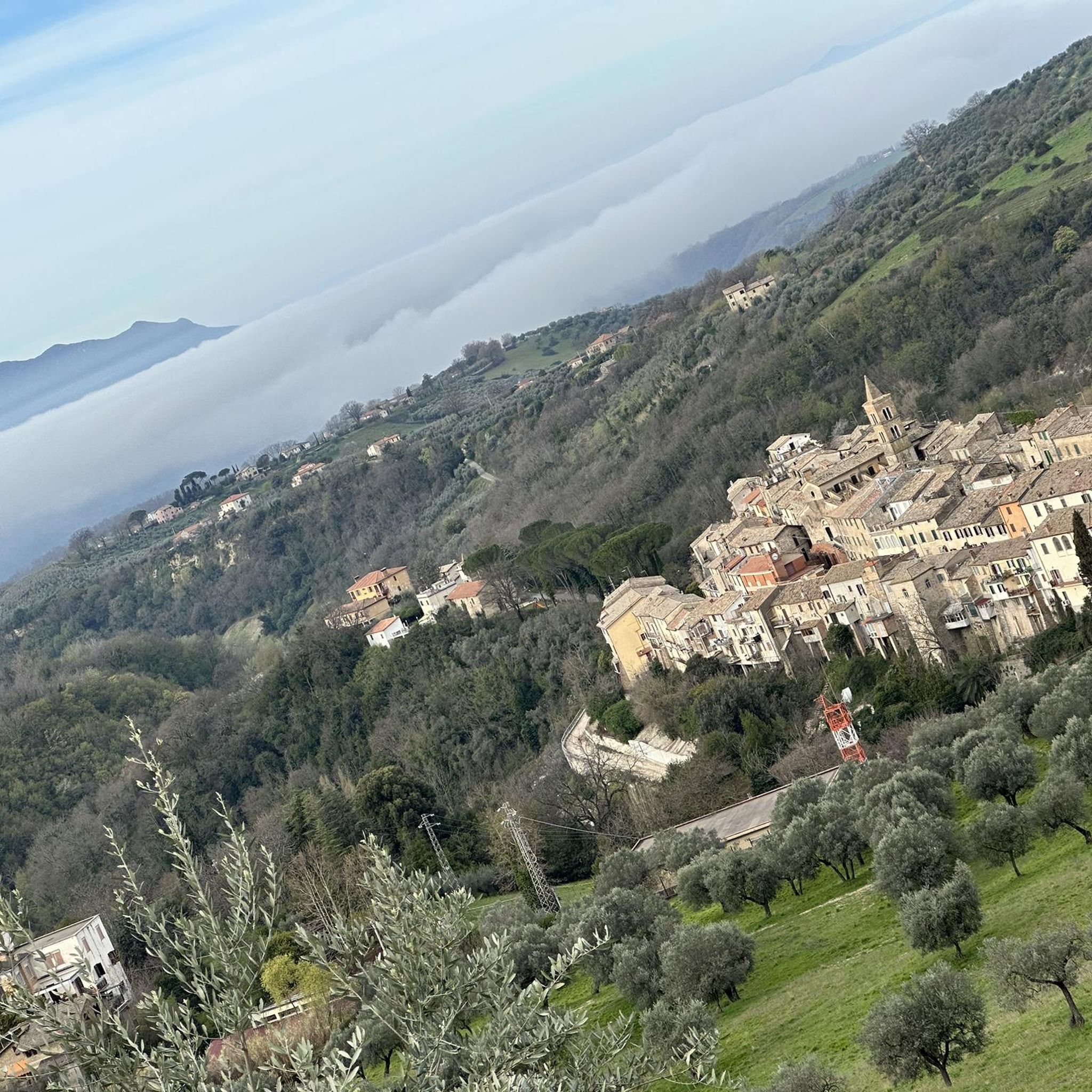
Best attractions and places to see around Poggio Catino include a variety of historical, cultural, and natural sites. This charming village is nestled in the heart of the Sabine Hills, offering a natural setting with woodlands and olive groves. Poggio Catino stands on a hill at an altitude of 387 meters, providing a base for exploring the surrounding region. The area features notable landmarks, ancient ruins, and significant natural features.
Best attractions and places to see around Poggio Catino
- The most popular attractions is Nazzano Tevere-Farfa Nature Reserve, an other natural area located in the Tiber Valley north of Rome. It is characterized by the Tiber River, its tributary Farfa, and the artificial lake of Nazzano.
- Another must-see spot is Monte Pizzuto Summit, a summit with an elevation of 1288 meters. It offers extensive panoramic views of the Tiber Valley, Mount Soratte, and the Central Apennines.
- Visitors also love Tancia Inn, a restaurant built towards the end of the Middle Ages on the pass of Mount Tancia. It served as an important stop along the Via del Tancia, a main connection between the Rieti basin and the Sabina Tiberina.
- Poggio Catino is known for its historical sites, natural features, and cultural attractions. The region offers a variety of places to see and explore, from ancient ruins to panoramic viewpoints.
- The attractions around Poggio Catino are appreciated by the komoot community, with more than 50 upvotes and 19 photos shared across various highlights.
Last updated: July 7, 2026
Nazzano Tevere-Farfa Nature Reserve
Highlight • Natural
Translated by Google •
Tip by

San Michele Cave
Highlight • Cave
Translated by Google •
Tip by

Sign up now to discover places like this
Get recommendations on the best single tracks, peaks, & plenty of other exciting outdoor places.
Sign up for free
Ponzano Romano
Highlight • Settlement
Translated by Google •
Tip by
Tancia Inn
Highlight • Restaurant
Translated by Google •
Tip by
Monte Pizzuto Summit
Highlight • Summit
Translated by Google •
Tip by
Sign up for free to discover even more attractions around Poggio Catino.
Sign up for free
Already have an account?
Start today with a free account
Your next adventure awaits.
Login or Signup
Tips from the Community

Laying of the Summit Book together with the CAI Subsection of Guidonia and the CAI Section of Monterotondo
0
0
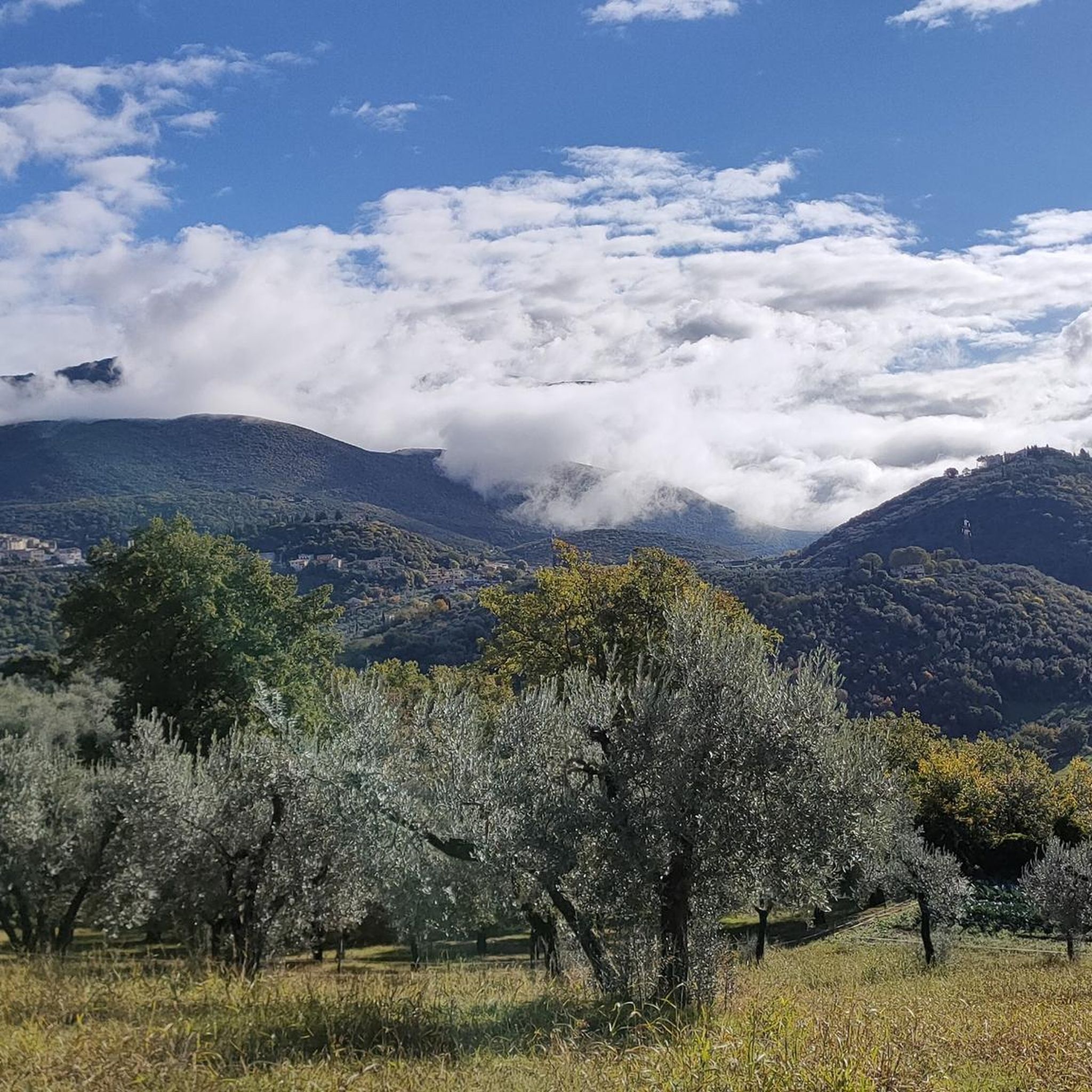
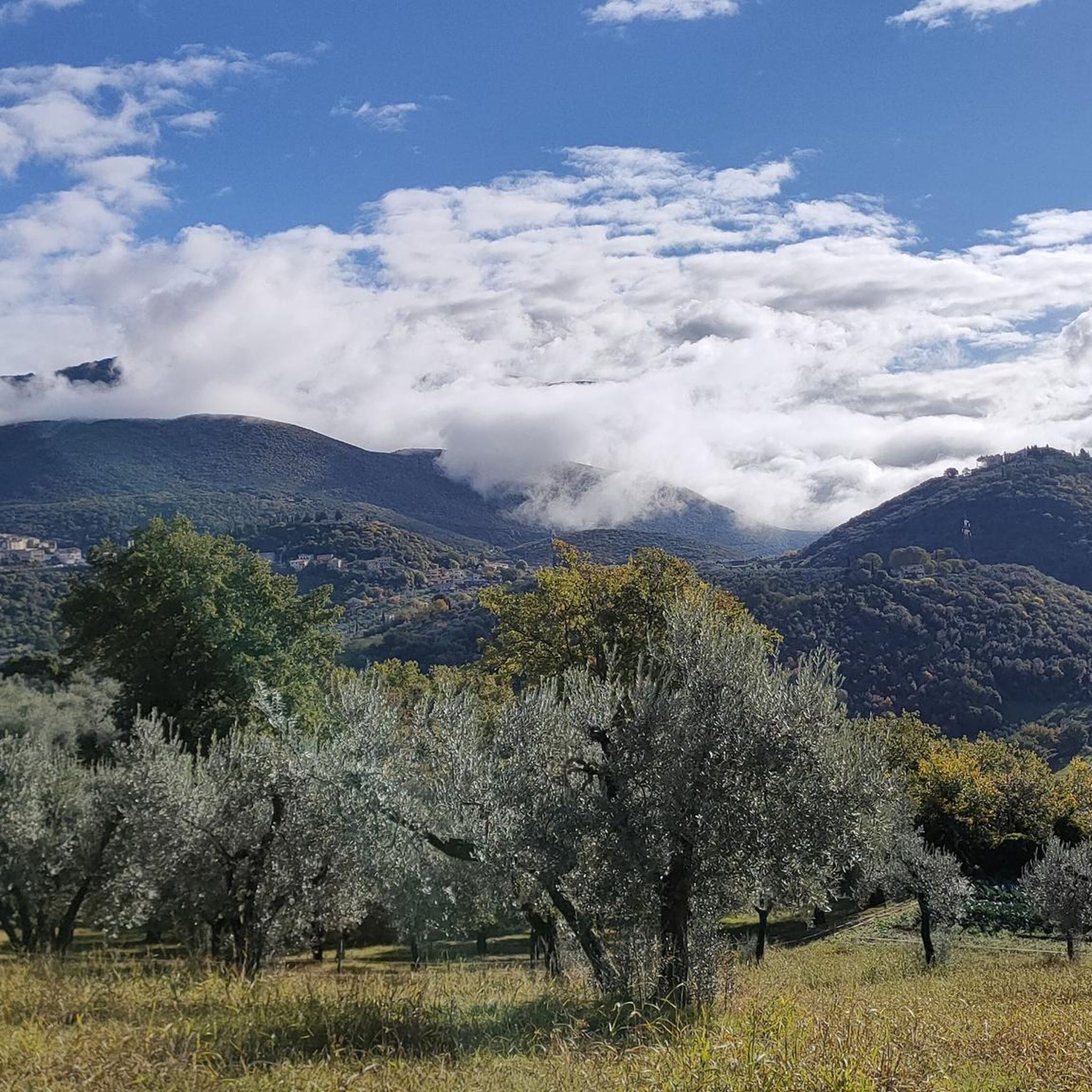
View with Mount Terminillo and Gran Sasso in the background
0
0

The Osteria del Tancia was built towards the end of the Middle Ages, around the 15th century. It arose in a strategic position, on the pass of Mount Tancia, the highest peak of the Sabine Mountains, at about 800 meters above sea level. For centuries, the Osteria del Tancia represented the most important stop along the Via del Tancia, which was the main connection between the Rieti basin and the Sabina Tiberina. This road was frequently traveled by merchants, shepherds who practiced transhumance, pilgrims and bandits.
0
0

The Nazzano Tevere - Farfa Regional Nature Reserve extends upstream of the Enel hydroelectric power plant in Nazzano, and includes the stretch of the Tiber river that goes from the power plant itself to the Poggio Mirteto mountain and along the course of the Farfa river up to the Granica bridge .
0
0

crossroads for the hermitage of San Michele
0
0
this is the hermitage of san leonardo
0
0

This grotto was dedicated to "San Michele Arcangelo". His portrait can be found as a fresco on the rock wall. The name of the archangel Michael (coming from the Hebrew language) means “Who is like God?” He is often depicted - in paintings or as a statue - with a flaming sword, and occasionally a lance. Michael is - together with Raphael and Gabriel, occasionally Uriel is also included - one of the three or four archangels who (according to human understanding) occupy the highest rank in the heavenly hierarchy of angelic beings. Their common feast day in the saints' calendar is September 29th.
0
0
Frequently Asked Questions
What kind of natural landscapes can I explore around Poggio Catino?
Poggio Catino is nestled in the heart of the Sabine Hills, offering lush woodlands and olive groves. You can visit the Nazzano Tevere-Farfa Nature Reserve, a protected area in the Tiber Valley characterized by the Tiber River, its tributary Farfa, and the artificial lake of Nazzano. For panoramic views, head to the Monte Pizzuto Summit, the second-highest peak of the Monti Sabini, offering extensive vistas of the Tiber Valley and the Central Apennines.
Are there any significant historical sites or landmarks in Poggio Catino?
Yes, Poggio Catino and its surroundings are rich in history. You can explore the striking Lombard Tower, a 33-meter high pentagonal tower, or visit the Olgiati Palace, a former noble residence now serving as the town hall. The nearby hamlet of Catino features the picturesque ruins of the Rocca of Catino, including a well-preserved pentagonal tower. Additionally, the Terme di Silla near the village cemetery are an archaeological Roman site.
What are some notable churches or religious sites in the area?
Poggio Catino has several historic churches. The Church of Sant'Agostino, possibly built before the year 1000, features various frescoes. The Church of San Rocco, dating back to the 14th century, is located in the main square. You can also find the ancient Church of Madonna dei Nobili and the Parish Church of Sant'Eustachio in Catino. Just outside the village is the 14th-century Church of San Silvestro, dedicated to the patron saint.
Are there any unique natural or spiritual sites accessible by hiking?
Yes, the atmospheric Hermitage of San Michele is hidden within a cavern and accessible by a two-hour hike. Legend says Archangel Michael trapped a demon here. It's also a destination for climbers, with a nearby limestone cliff.
What kind of outdoor activities can I do near Poggio Catino's attractions?
The region around Poggio Catino offers diverse outdoor activities. You can find numerous routes for mountain biking, road cycling, and running. For example, there are MTB trails like the 'Monte Tancia and Pozze del Diavolo Loop', road cycling routes such as the 'Southern Monti Sabini Loop', and running trails including loops around the Tevere-Farfa Nature Reserve.
Are there family-friendly attractions in Poggio Catino?
Yes, the Nazzano Tevere-Farfa Nature Reserve is considered family-friendly, offering a natural setting for exploration. The historic center of Ponzano Romano, a nearby town, is also listed as family-friendly, providing a glimpse into local history and culture.
Where can I find a place to eat or rest while exploring the area?
The Tancia Inn, built towards the end of the Middle Ages on the pass of Mount Tancia, serves as an excellent refreshment point. It offers a source of water, tables to take a break, and a panorama of the Apennines. They are known for excellent food and sandwiches for packed lunches, though it's best to check their opening hours as they often operate on weekends or by prior contact.
What can I expect from the views at Monte Pizzuto Summit?
The Monte Pizzuto Summit, at 1288 meters, offers a much wider panoramic view compared to other peaks in the Monti Sabini. From here, you can enjoy extensive vistas of the Tiber Valley and Mount Soratte on one side, and the Central Apennines, including the clearly visible massifs of Terminillo and Gran Sasso, on the other. On clear days, it's even possible to see as far as Rome.
Is there an archaeological museum in the vicinity of Poggio Catino?
Yes, the Civic Archaeological Museum, located inside Palazzo Gori, aims to collect testimonies of ancient civilizations and the Sabino settlement of Magliano, displaying findings from the area. This provides insight into the region's deep historical roots.
What is special about the Nazzano Tevere-Farfa Nature Reserve?
The Nazzano Tevere-Farfa Nature Reserve was the first protected natural area established by the Lazio Region in 1979. It's a paradise for gravel biking, with nice gravel and light dirt paths along the Tiber, offering a natural and peaceful setting. These flat paths connect the Via Tiberina with the bridge at Poggio Mirteto scalo, providing a traffic-free alternative to exploring the villages.
What do visitors enjoy most about the attractions around Poggio Catino?
Visitors particularly appreciate the stunning panoramic views from spots like Monte Pizzuto Summit, where on clear days you can see as far as Rome. The peaceful and natural setting of the Nazzano Tevere-Farfa Nature Reserve is also highly valued for its trails. The historical significance and unique atmosphere of sites like the San Michele Cave evoke deep emotion, especially after the hike to reach it.
Can I find information about the history of Ponzano Romano?
Yes, the town of Ponzano Romano, located in the Tiber valley, has a rich history connected to the river. Its origin might be linked to 'pons Jani' (bridge of Janus) or the Roman family 'gens Pontia'. Historical sources indicate a primitive residential nucleus existed before the end of the thirteenth century, with earlier traces suggesting an Etruscan period settlement used to control activity on the Tiber.
Most popular routes around Poggio Catino
Most popular attractions around Poggio Catino

Get inspired with the komoot mobile app


Explore more
Still not found the Highlight you’re looking for? See guides of the top attractions in other regions:
