Attractions and Places To See around Cantalupo In Sabina - Top 20
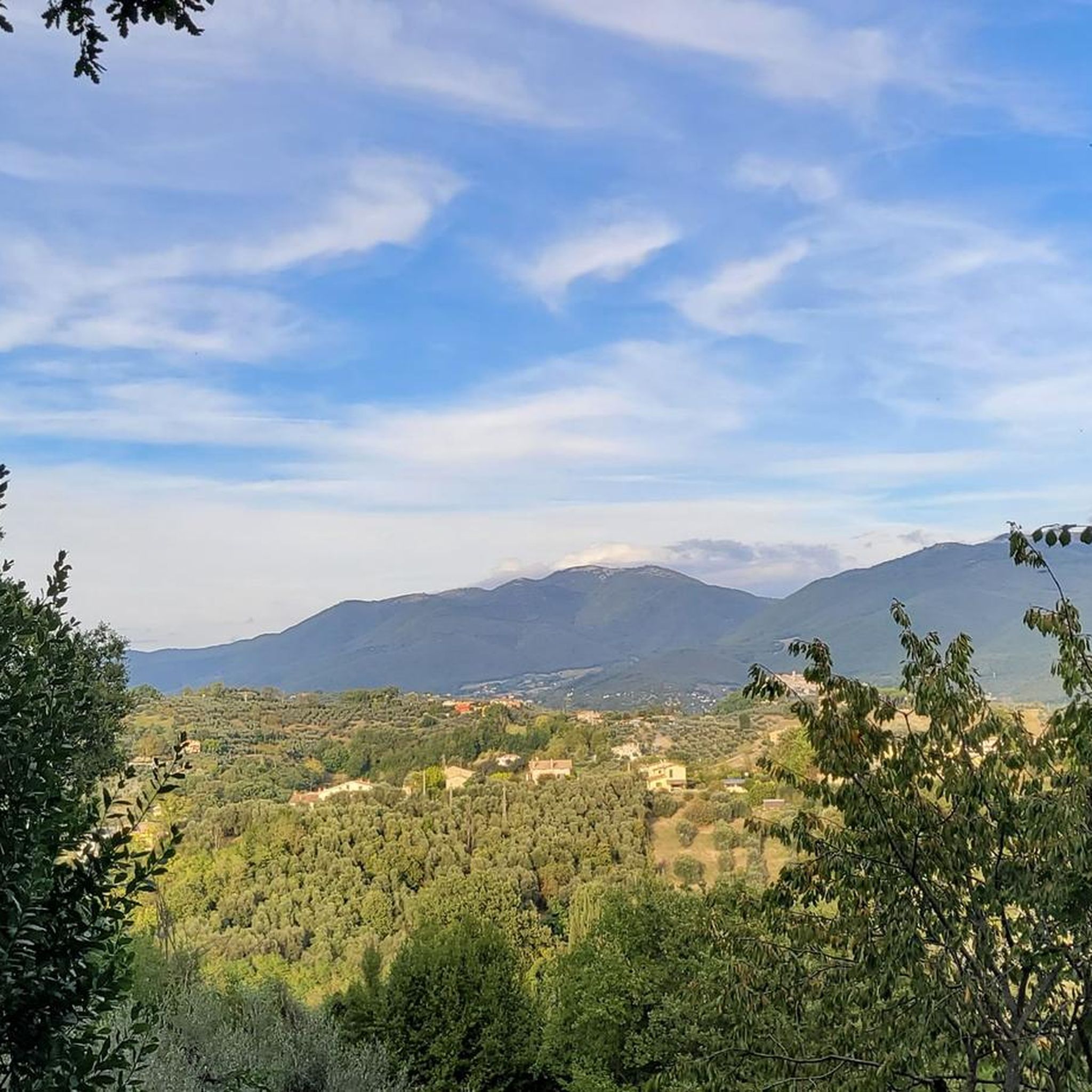
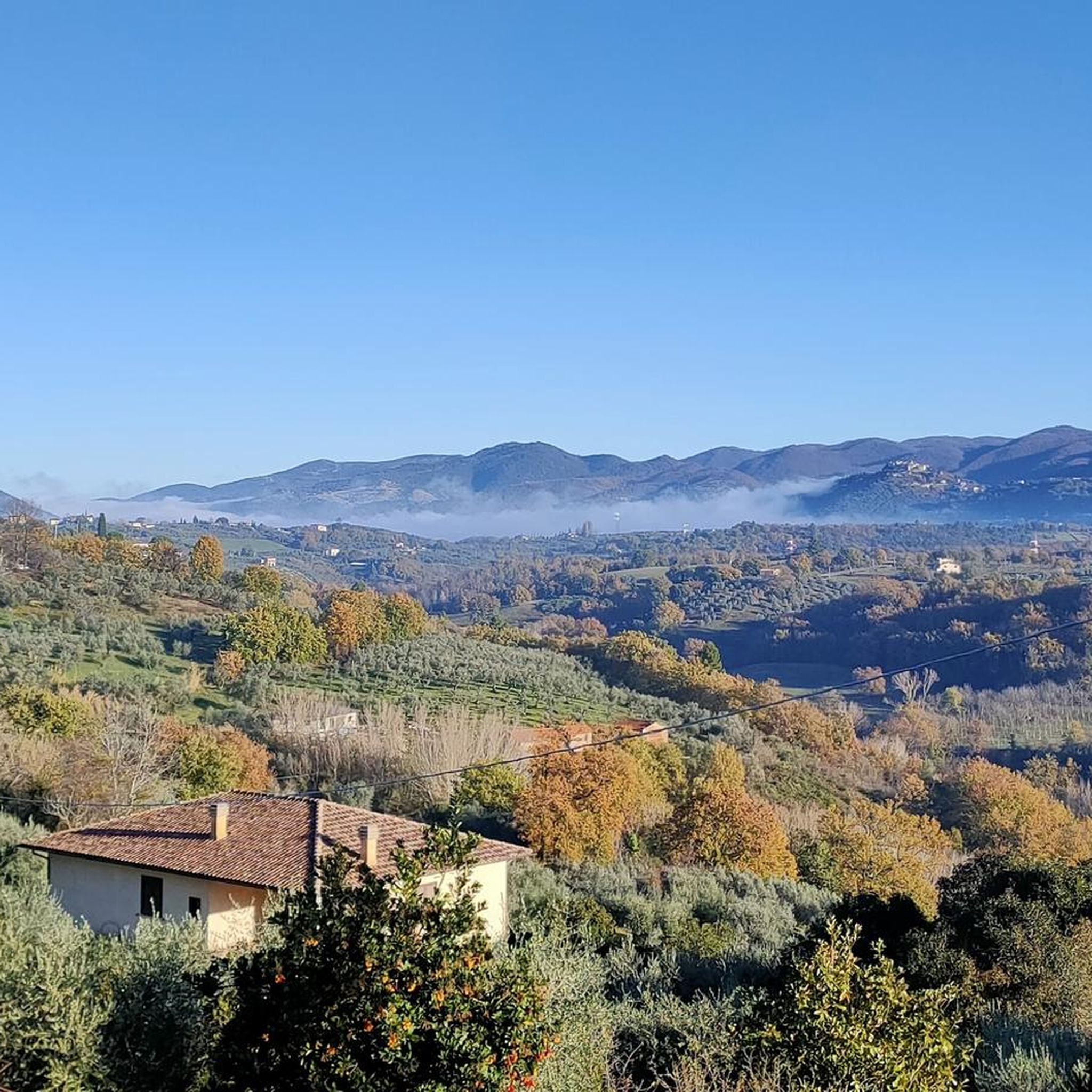
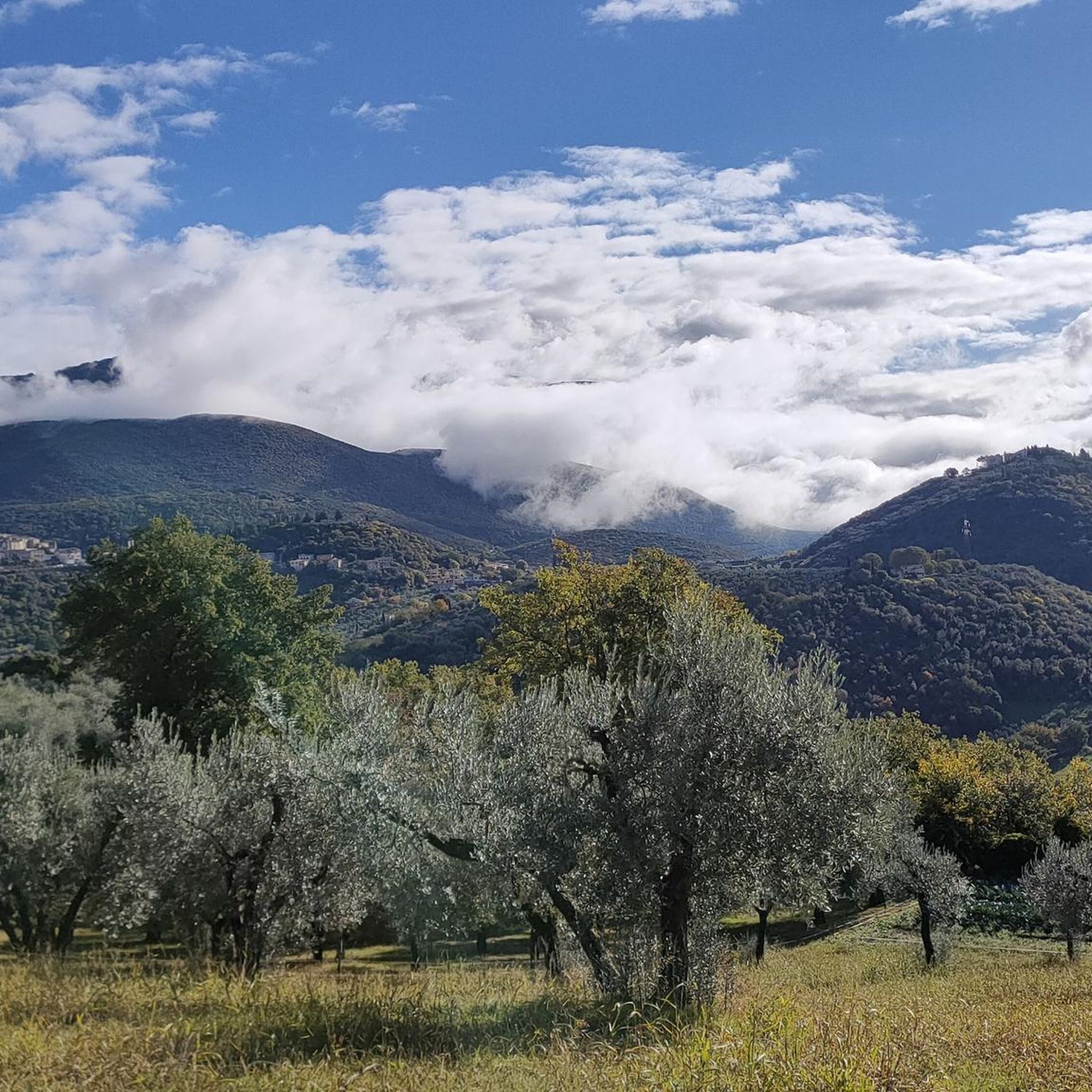
Attractions and places to see around Cantalupo In Sabina include a variety of historical, cultural, and natural sites. This charming village is nestled in the Sabine Hills of Lazio, offering a blend of ancient landmarks and picturesque landscapes. The region is characterized by its setting amidst olive groves and mountains, with historical roots dating back to Roman times. Visitors can explore significant cultural sites and natural features in and around the town.
Best attractions and places to see around Cantalupo…
Last updated: July 20, 2026
Nazzano Tevere-Farfa Nature Reserve
Highlight • Natural
Translated by Google •
Tip by

Hermitage of San Cataldo
Highlight • Religious Site
Translated by Google •
Tip by

Sign up now to discover places like this
Get recommendations on the best single tracks, peaks, & plenty of other exciting outdoor places.
Sign up for free
San Michele Cave
Highlight • Cave
Translated by Google •
Tip by

Ponzano Romano
Highlight • Settlement
Translated by Google •
Tip by
Tancia Inn
Highlight • Restaurant
Translated by Google •
Tip by
Sign up for free to discover even more attractions around Cantalupo In Sabina.
Sign up for free
Already have an account?
Start today with a free account
Your next adventure awaits.
Login or Signup
Tips from the Community

The Osteria del Tancia was built towards the end of the Middle Ages, around the 15th century. It arose in a strategic position, on the pass of Mount Tancia, the highest peak of the Sabine Mountains, at about 800 meters above sea level. For centuries, the Osteria del Tancia represented the most important stop along the Via del Tancia, which was the main connection between the Rieti basin and the Sabina Tiberina. This road was frequently traveled by merchants, shepherds who practiced transhumance, pilgrims and bandits.
0
0

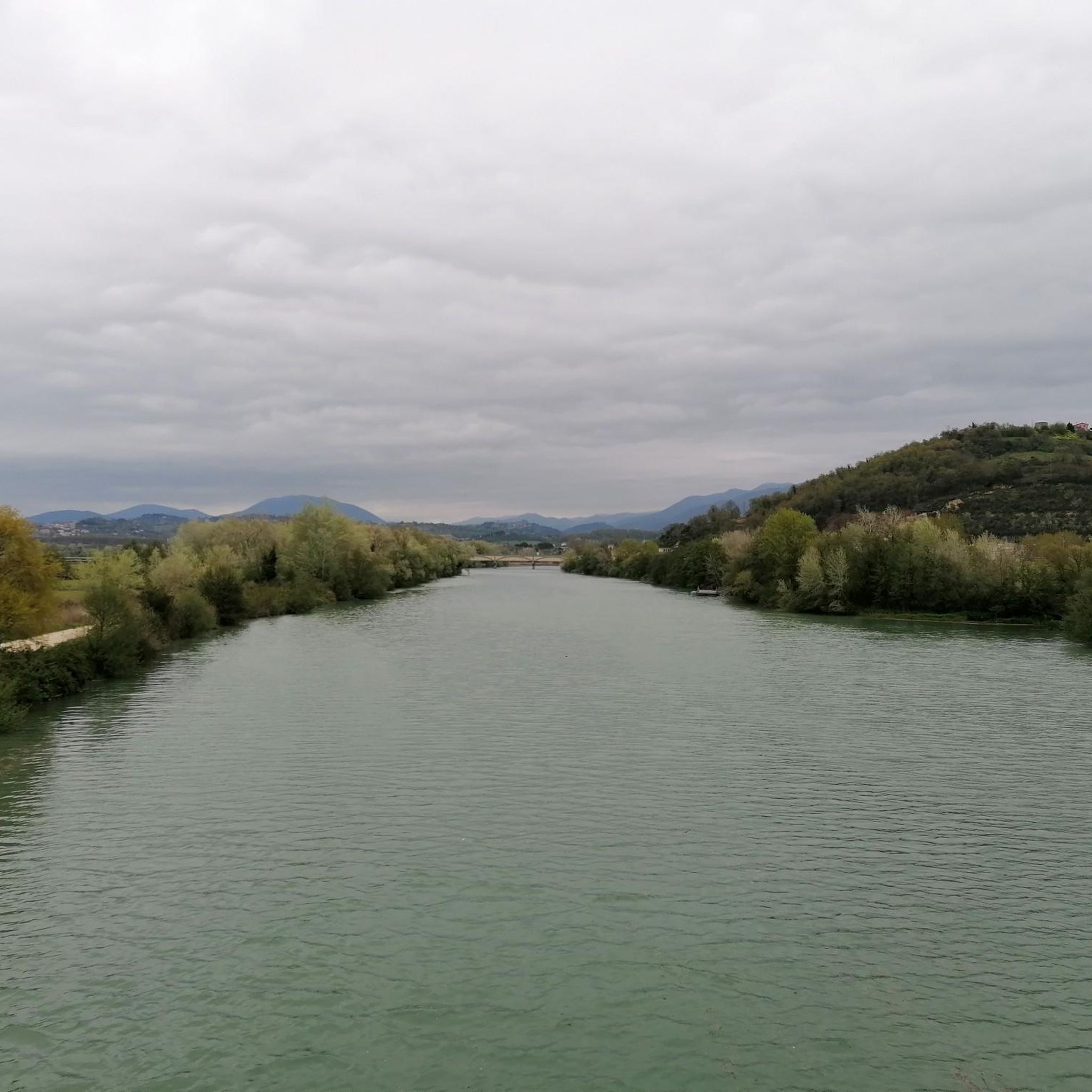
The Nazzano Tevere - Farfa Regional Nature Reserve extends upstream of the Enel hydroelectric power plant in Nazzano, and includes the stretch of the Tiber river that goes from the power plant itself to the Poggio Mirteto mountain and along the course of the Farfa river up to the Granica bridge .
0
0

crossroads for the hermitage of San Michele
0
0
this is the hermitage of san leonardo
0
0

This grotto was dedicated to "San Michele Arcangelo". His portrait can be found as a fresco on the rock wall. The name of the archangel Michael (coming from the Hebrew language) means “Who is like God?” He is often depicted - in paintings or as a statue - with a flaming sword, and occasionally a lance. Michael is - together with Raphael and Gabriel, occasionally Uriel is also included - one of the three or four archangels who (according to human understanding) occupy the highest rank in the heavenly hierarchy of angelic beings. Their common feast day in the saints' calendar is September 29th.
0
0

It seems that San Cataldo has never actually passed through these places. Yet the legends about the saint are not lacking. It is said that the rock that leads from the hermitage to the valley floor is full of hollows and fissures, marks of the elbows and feet of the saint who went to the stream every day to wash himself. Legends aside, the hermitage is a wonderful example of the union between human architecture and nature. The interior of the chapel and its ancient Byzantine fresco can be visited only during FAI days.
1
0
Arriving in this cave in the woods after having walked the stone staircase arouses a deep emotion. Legend has it that the Archangel Michael, following a battle, locked up a demon in the bowels of the mountain and that he now watches over that this being does not return to earth. This place today is above all a destination for climbers who find something to enjoy themselves in the nearby limestone cliff.
2
0
Frequently Asked Questions
What natural areas can I explore near Cantalupo in Sabina?
You can visit the Nazzano Tevere-Farfa Nature Reserve, a protected area in the Tiber Valley known for the Tiber River, its tributary Farfa, and the artificial lake of Nazzano. It was the first protected natural area established by the Lazio Region in 1979. The reserve offers peaceful gravel paths along the Tiber, ideal for walking or cycling.
Are there any significant historical landmarks in Cantalupo in Sabina?
Yes, Cantalupo in Sabina is home to several historical landmarks. The most prominent is Palazzo Camuccini, originally a medieval castle transformed into a Vignola-style residence. It features a grand facade and still retains ancient square angular towers. Another notable landmark is Porta Maggiore, the main entrance to the village, adorned with statues of Mercury and Minerva.
Where can I find panoramic views around Cantalupo in Sabina?
For expansive panoramic views, head to Monte Pizzuto Summit. Standing at 1288 meters, it offers breathtaking vistas of the Tiber Valley, Mount Soratte, and the Central Apennines, including the Terminillo and Gran Sasso massifs. It's considered to have a much wider view than the nearby Monte Tancia.
What cultural sites are worth visiting in the area?
Cantalupo in Sabina boasts several cultural sites. The Church of Maria Santissima Assunta in Cielo, a baroque church designed by Carlo Fontana, houses 17th-century paintings. The 11th-century Church of Santa Maria is an example of Romanesque architecture with captivating frescoes. You can also visit the Church of Sant'Adamo, built on the tomb of a hermit monk, and the Sabina Olive Oil Museum, which celebrates the region's olive oil tradition.
Are there any unique natural features or caves to explore?
Yes, the San Michele Cave is a unique natural feature nestled in the woods, accessible by a stone staircase. Legend says Archangel Michael locked a demon within its depths. The nearby limestone cliff also attracts climbers.
What kind of outdoor activities can I do near Cantalupo in Sabina?
The region offers excellent opportunities for outdoor activities. You can explore various cycling and mountain biking routes, such as those found in the Cycling around Cantalupo In Sabina and MTB Trails around Cantalupo In Sabina guides. The area is also rich with hiking opportunities, including the 'Path of the Sabine Villages' and stages of the 'Via di Francesco Tiberina'.
What do visitors enjoy most about the attractions around Cantalupo in Sabina?
Visitors particularly appreciate the blend of historical richness and natural beauty. Highlights like the Nazzano Tevere-Farfa Nature Reserve are praised for their peaceful, natural settings, while Monte Pizzuto Summit is loved for its expansive, breathtaking views. The historical significance of places like the Tancia Inn also captivates visitors.
Are there any family-friendly attractions or activities?
The Nazzano Tevere-Farfa Nature Reserve is considered family-friendly, offering easy, flat paths suitable for all ages. Additionally, exploring the historic village of Ponzano Romano, with its ancient origins and river terrace setting, can be an engaging experience for families.
What is the best time to visit Cantalupo in Sabina for outdoor activities?
The region's picturesque landscape, with its olive groves and mountains, is ideal for hiking and cycling. Spring and autumn generally offer the most pleasant weather for outdoor activities, with mild temperatures and vibrant scenery. Summers can be warm, but early mornings or late afternoons are still suitable for exploration.
Can I find local markets or culinary experiences in Cantalupo in Sabina?
Yes, Cantalupo's local markets are a vibrant hub for gastronomic culture. The 'Mostra Mercato delle Stagioni' takes place quarterly (second Sunday of March, June, September, and December), featuring fresh produce, regional specialties like olive oil, honey, and sheep's cheese, as well as local handicrafts. You can also visit the Sabina Olive Oil Museum for tasting sessions.
What is the history behind the Tancia Inn?
The Tancia Inn, built around the 15th century, holds significant historical importance. Located on the pass of Mount Tancia, it served for centuries as the most crucial stop along the Via del Tancia, connecting the Rieti basin and Sabina Tiberina. This route was frequently used by merchants, shepherds, pilgrims, and even bandits.
Are there any Roman-era sites or ruins nearby?
The territory of Cantalupo in Sabina has roots in Roman times, with evidence of scattered Roman villas. One such site is believed to have belonged to Marcus Tullius Cicero, known as the Villa Romana del Tulliano. These sites offer a glimpse into the region's ancient past.
Most popular routes around Cantalupo In Sabina
Most popular attractions around Cantalupo In Sabina

Get inspired with the komoot mobile app


Explore more
Still not found the Highlight you’re looking for? See guides of the top attractions in other regions:
