Attractions and Places To See around Monte San Giovanni In Sabina - Top 20
Best attractions and places to see around Monte San Giovanni In Sabina include a blend of historical landmarks, cultural sites, and natural features. This charming village is nestled on the slopes of Mount Tancia, offering panoramic views of the surrounding Sabini Mountains. The area provides a rich historical context with ancient fortifications and churches, alongside natural beauty like streams and caves.
Best attractions and places to see around Monte San Giovanni In Sabina
- The most popular attractions is Umbilicus Italiae — Geographic Center of Italy (Piazza San Rufo, Rieti), a man-made monument commemorating the geographical center of Italy. This site features a plaque and a monument in Piazza San Rufo, located amidst the historic center of Rieti.
- Another must-see spot is Church of San Lorenzo, a religious building. This evocative ruin represents the first settlement of Contigliano, offering views of the Rieti valley and the Terminillo massif.
- Visitors also love San Michele Cave, a cave and historical site. This rock sanctuary on the western slopes of Mount Tancia features frescoes and an altar, with a history dating back to ancient times.
- Monte San Giovanni In Sabina is known for its historical sites, religious buildings, and natural caves. The region offers a variety of attractions to see and explore, from ancient ruins to significant cultural landmarks.
- The attractions around Monte San Giovanni In Sabina are appreciated by the komoot community, with 7 highlights and 58 upvotes.
Last updated: July 20, 2026
Hermitage of San Cataldo
Highlight • Religious Site
iluoghidelsilenzio.it/eremo-di-san-cataldo-cottanello-ri
Translated by Google •
Tip by

Umbilicus Italiae — Geographic Center of Italy (Piazza San Rufo, Rieti)
Highlight • Monument
In Piazza San Rufo, Varronian tradition places the so-called Umbilicus Italiae, the geographical center of Italy, commemorated by a plaque.
Piazza San Rufo is located amidst the imposing buildings of the historic center, which line the main streets Via Roma and Via Garibaldi. In the center of the square, a section of wall, a remnant of the Roman city's first city walls, can be seen beneath the pavement. The value of this area is commemorated by a plaque and a monument with a unique shape, located exactly in the center of the square and aptly called "la caciotta" (the caciotta) for its rounded and circular design. The work, created between the 1980s and 1990s following the city's twinning with the Georgian capital Tbilisi, appears to resemble the base of a column and features the design of the Italian peninsula on its surface, accompanied by the inscription "Umbilicus Italiae" (Umbilicus Italiae), which runs along half the circumference of the monument itself.
Text / Source: Official Tourist Portal of the City of Rieti
visitrieti.com/2020/01/25/rieti-umbilicus-italiae
Translated by Google •
Tip by

Sign up now to discover places like this
Get recommendations on the best single tracks, peaks, & plenty of other exciting outdoor places.
Sign up for free
Grand Hotel Quattro Stagioni
Highlight • Rest Area
The hotel is located in a restricted-traffic zone within the medieval walls that surround much of the city center, overlooking the Romanesque cathedral, in front of the magnificent Italian garden of Palazzo Vincentini, two minutes from Sabina Universitas and the shopping street, and in front of the elevator leading to the newly renovated Santa Lucia Cultural Center.
The strategic location also allows visitors to walk to the center of Italy (Umbilicus Italiae, as Rieti's Marco Terenzio Varrone called it) in Piazza San Rufo, whose church houses a wonderful organ and a Guardian Angel by Caravaggio.
Text / Source: Quattro Stagioni, Piazza Cesare Battisti 14, IT-02100 Rieti RI
Internet: hotelquattrostagionirieti.com
Translated by Google •
Tip by
San Michele Cave
Highlight • Cave
Translated by Google •
Tip by

Cathedral of Santa Maria Assunta, Rieti
Highlight • Religious Site
The Cathedral of Saint Mary, Mother of God
The Cathedral of Rieti, dedicated to Santa Maria Madre di Dio and commonly known as the Cathedral of the Assumption of the Virgin Mary, was rebuilt on the foundations of the early Christian basilica, documented since the fifth century, between 1109 and 1225.
The lower basilica, consecrated in 1157 and striking for its sober and composed forms, is divided into nine naves supported by columns made from the rubble of ancient Roman buildings, among which stands out a milestone of the consular salaria.
The upper basilica, in which the architectural lines of the Romanesque plan have remained intact, demonstrates the radical changes resulting from the adaptation of liturgical norms and the change in tastes and styles. Of particular value is the decoration of the main portal, which interprets the motif of acanthus spirals, with clear classical assonance, reinterpreted in the Christian iconography of the Tree of Life.
Text / Source: Official Tourist Portal of the City of Rieti
visitrieti.com/2020/01/25/la-cattedrale-di-s-maria-madre-di-dio
Translated by Google •
Tip by
Sign up for free to discover even more attractions around Monte San Giovanni In Sabina.
Sign up for free
Already have an account?
Start today with a free account
Your next adventure awaits.
Login or Signup
Tips from the Community

Grande Albergo Quattro Stagioni, Piazza Cesare, Rieti RI Quattro Stagioni, Piazza Cesare Battisti 14, Rieti RI The hotel is located in a restricted-traffic zone within the medieval walls that surround much of the city center, overlooking the Romanesque cathedral, in front of the magnificent Italian garden of Palazzo Vincentini, two minutes from Sabina Universitas and the shopping street, and in front of the elevator leading to the newly renovated Santa Lucia Cultural Center. The strategic location also allows visitors to walk to the center of Italy (Umbilicus Italiae, as Rieti's Marco Terenzio Varrone called it) in Piazza San Rufo, whose church houses a wonderful organ and a Guardian Angel by Caravaggio. Text / Source: Quattro Stagioni, Piazza Cesare Battisti 14, IT-02100 Rieti RI Internet: https://www.hotelquattrostagionirieti.com/
13
1
Duomo di Santa Maria Assunta, Rieti The Cathedral of Saint Mary, Mother of God The Cathedral of Rieti, dedicated to Santa Maria Madre di Dio and commonly known as the Cathedral of the Assumption of the Virgin Mary, was rebuilt on the foundations of the early Christian basilica, documented since the fifth century, between 1109 and 1225. The lower basilica, consecrated in 1157 and striking for its sober and composed forms, is divided into nine naves supported by columns made from the rubble of ancient Roman buildings, among which stands out a milestone of the consular salaria. The upper basilica, in which the architectural lines of the Romanesque plan have remained intact, demonstrates the radical changes resulting from the adaptation of liturgical norms and the change in tastes and styles. Of particular value is the decoration of the main portal, which interprets the motif of acanthus spirals, with clear classical assonance, reinterpreted in the Christian iconography of the Tree of Life. Text / Source: Official Tourist Portal of the City of Rieti https://www.visitrieti.com/2020/01/25/la-cattedrale-di-s-maria-madre-di-dio/
14
0
Umbilicus Italiæ - Centro d'Italia, Rieti / Geographical Center of Italy In Piazza San Rufo, Varronian tradition places the so-called Umbilicus Italiae, the geographical center of Italy, commemorated by a plaque. Piazza San Rufo is located amidst the imposing buildings of the historic center, which line the main streets Via Roma and Via Garibaldi. In the center of the square, a section of wall, a remnant of the Roman city's first city walls, can be seen beneath the pavement. The value of this area is commemorated by a plaque and a monument with a unique shape, located exactly in the center of the square and aptly called "la caciotta" (the caciotta) for its rounded and circular design. The work, created between the 1980s and 1990s following the city's twinning with the Georgian capital Tbilisi, appears to resemble the base of a column and features the design of the Italian peninsula on its surface, accompanied by the inscription "Umbilicus Italiae" (Umbilicus Italiae), which runs along half the circumference of the monument itself. Text / Source: Official Tourist Portal of the City of Rieti https://www.visitrieti.com/2020/01/25/rieti-umbilicus-italiae/
14
0
Quattro Stagioni, Piazza Cesare Battisti 14, Rieti RI The hotel is located in a restricted-traffic zone within the medieval walls that surround much of the city center, overlooking the Romanesque cathedral, in front of the magnificent Italian garden of Palazzo Vincentini, two minutes from Sabina Universitas and the shopping street, and in front of the elevator leading to the newly renovated Santa Lucia Cultural Center. The strategic location also allows visitors to walk to the center of Italy (Umbilicus Italiae, as Rieti's Marco Terenzio Varrone called it) in Piazza San Rufo, whose church houses a wonderful organ and a Guardian Angel by Caravaggio. Text / Source: Quattro Stagioni, Piazza Cesare Battisti 14, IT-02100 Rieti RI Internet: https://www.hotelquattrostagionirieti.com/
13
1

The three entrance portals to the cathedral and the bell tower maintain the original Romanesque style.
0
0

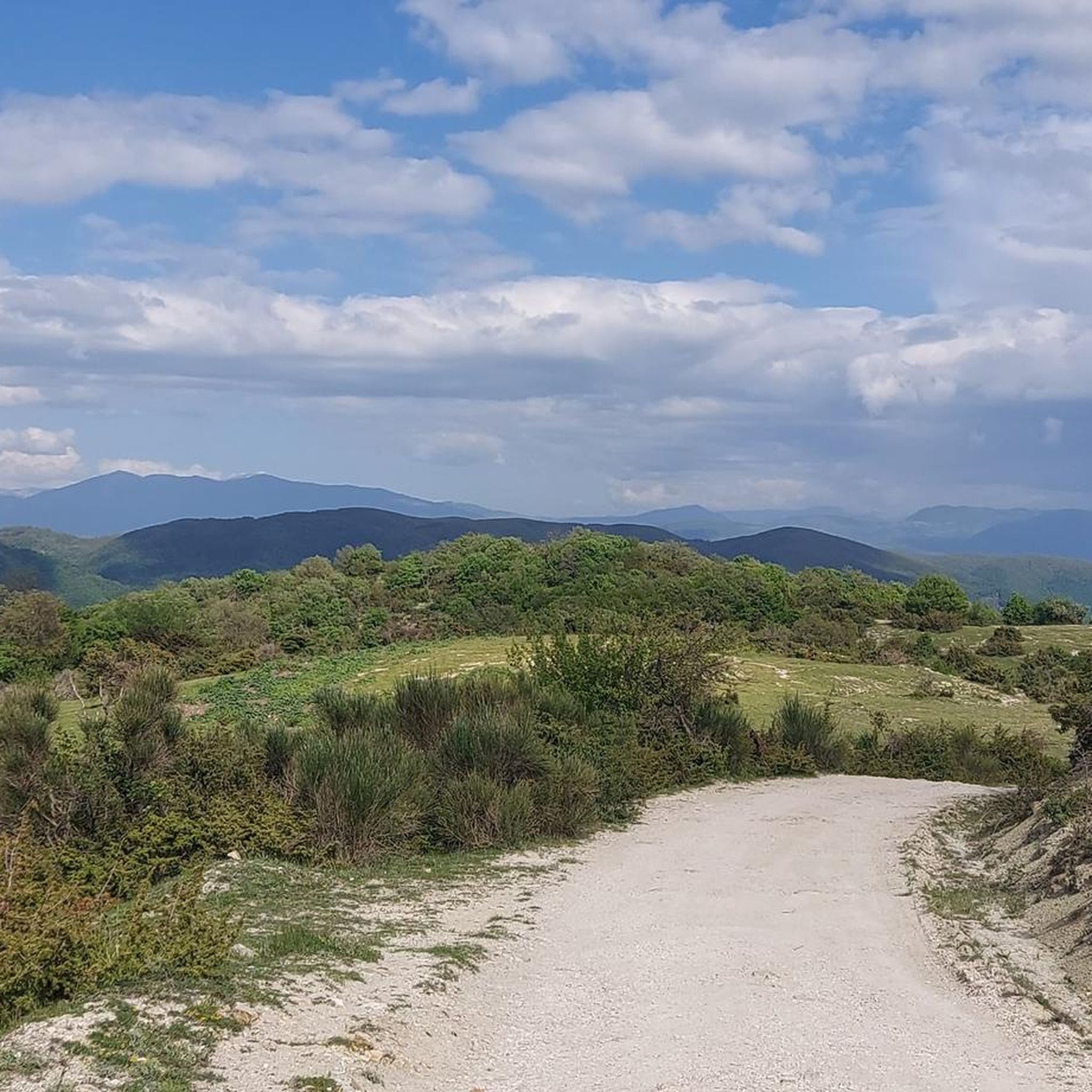
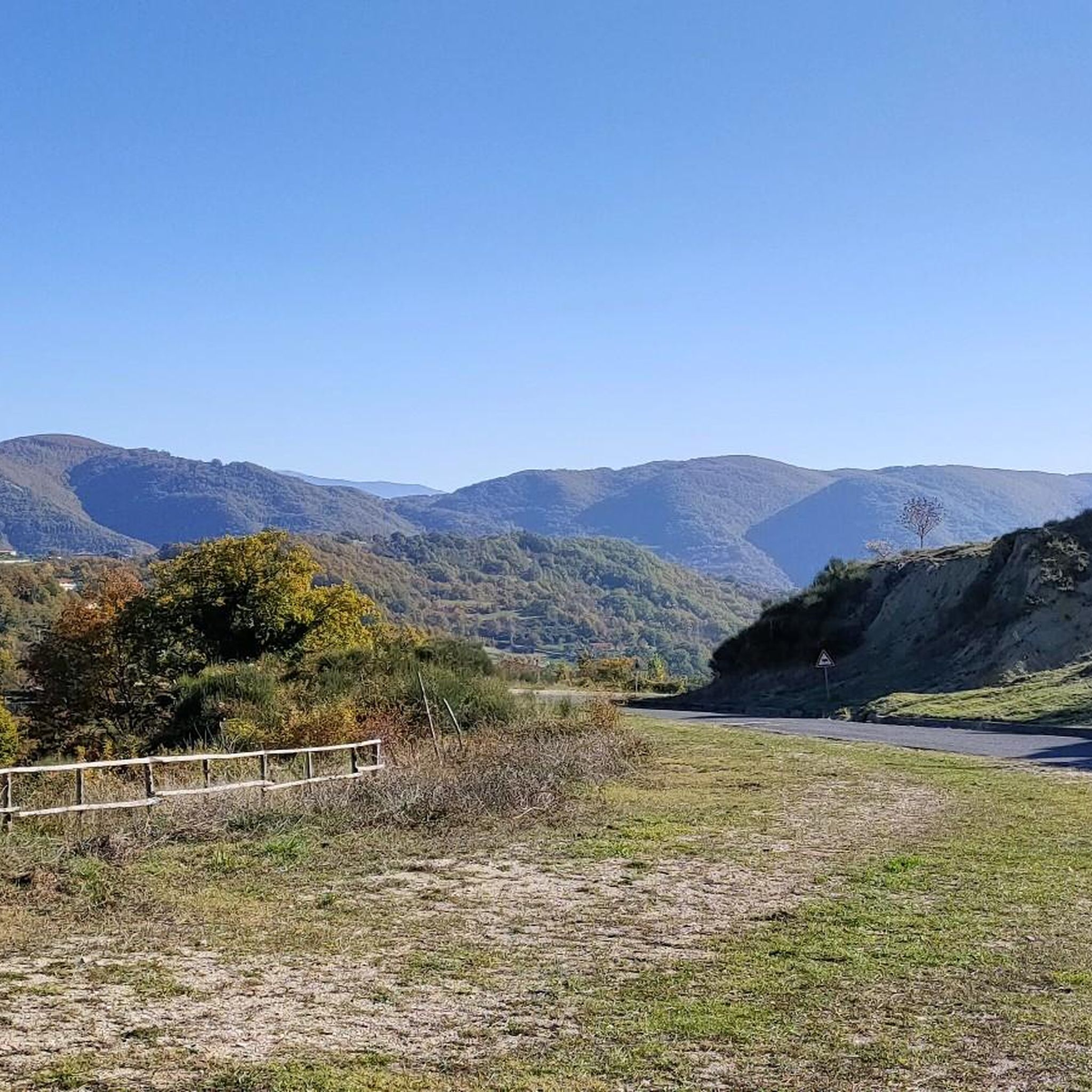
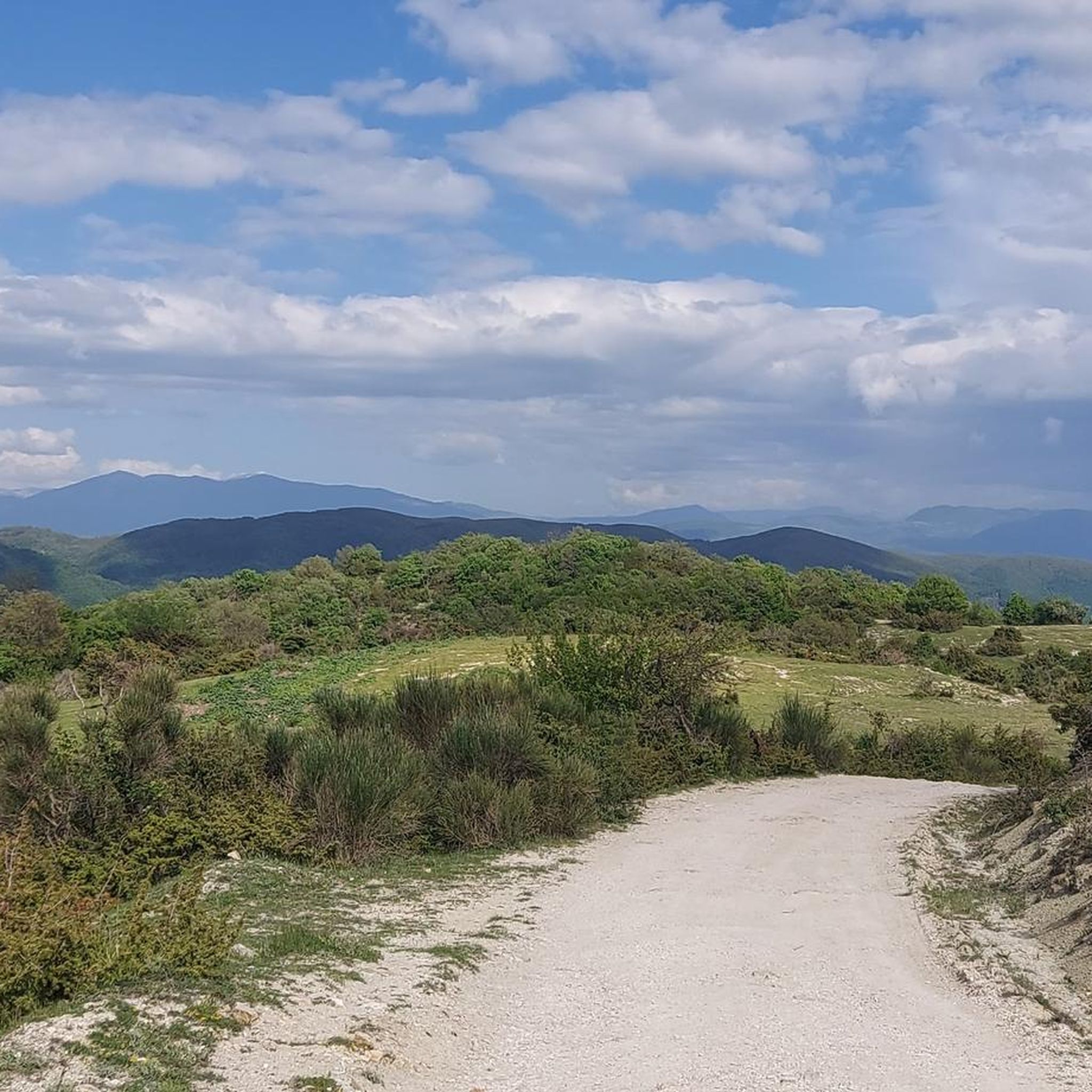
crossroads for the hermitage of San Michele
0
0
this is the hermitage of san leonardo
0
0
Frequently Asked Questions
What historical landmarks can I explore in Monte San Giovanni In Sabina?
Monte San Giovanni In Sabina is rich in history. You can explore the remnants of the village's past lordly power, including the restored tower and city walls. Other significant historical sites include the ruins of Church of San Lorenzo, which offers breathtaking views, and the ancient Castle of Capo Sabina, where only a small tower remains today. Don't miss the historic Osteria del Tancia, a medieval inn that once served shepherds and travelers.
Are there any natural attractions or features to see around Monte San Giovanni In Sabina?
Yes, the area boasts beautiful natural features. Monte San Giovanni In Sabina is situated at the foot of Mount Tancia, the highest peak of the Sabini Mountains in this area, offering a pristine natural environment. You can also admire the picturesque Galantina stream, which features a beautiful waterfall and a pond, especially when descending the historic Via Tancia.
What cultural and religious sites are worth visiting in the region?
The region offers several compelling cultural and religious sites. The Parish Church of San Giovanni Battista, built on ancient fortress remains, houses valuable 16th and 17th-century paintings. The Ancient Parish Church of San Sebastiano, dating back to 1182, features impressive 15th and 16th-century frescoes. A unique spiritual site is the San Michele Cave, a rock sanctuary on Mount Tancia's western slopes with ancient frescoes and an altar, where the cult of Archangel Michael dates back to 300 A.D.
What outdoor activities, like hiking, are available near Monte San Giovanni In Sabina?
The area around Monte San Giovanni In Sabina is excellent for outdoor activities, especially hiking. You can find various trails, including routes to the Monte Tancia Summit and loops that incorporate the Pozze del Diavolo Waterfall and the San Michele Cave. For more detailed information and specific routes, check out the Hiking around Monte San Giovanni In Sabina guide.
Are there any cycling routes around Monte San Giovanni In Sabina?
Yes, cyclists can enjoy several routes in the area. There are challenging road cycling loops like the Southern Monti Sabini Loop from Poggio Mirteto or longer rides connecting villages such as Toffia and Contigliano Alto. Mountain biking enthusiasts will also find trails, including the Monte Tancia and Pozze del Diavolo Loop. For more options, explore the Road Cycling Routes around Monte San Giovanni In Sabina guide and the MTB Trails around Monte San Giovanni In Sabina guide.
What is the best time to visit Monte San Giovanni In Sabina for outdoor activities?
While specific monthly weather data isn't provided, the region's natural beauty, especially Mount Tancia and its streams, suggests that spring and autumn would be ideal for outdoor activities like hiking and cycling. The weather is generally milder, and the landscapes are vibrant, making for a more comfortable and scenic experience.
Are there any unique historical sites related to ancient Rome or Italy's geography nearby?
Yes, a notable site is the Umbilicus Italiae — Geographic Center of Italy in Piazza San Rufo, Rieti. This man-made monument commemorates the geographical center of Italy, a tradition dating back to ancient Roman times. It's a fascinating spot to visit for its historical and geographical significance.
What can I expect from the village of Monte San Giovanni itself?
The village of Monte San Giovanni in Sabina offers a journey back in time with its ancient castle and historic streets. Its strategic position in the Tancia valley is reflected in its architecture, including the Tower-Gate which serves as the access point into its characteristic alleys. You'll find a charming atmosphere and panoramic views of the surrounding Sabini Mountains from its elevated position.
Are there any accommodations or facilities mentioned in the area?
While Monte San Giovanni in Sabina is a smaller village, the nearby city of Rieti offers facilities. For example, the Grand Hotel Quattro Stagioni in Rieti is located within the medieval walls and offers a strategic base for exploring the wider region, including the Umbilicus Italiae.
What is the significance of the Via Tancia in the region's history?
The Via Tancia is a historically significant route. It was famously traversed by shepherds and merchants heading towards Rome, serving as a crucial junction between the Sabina Tiberina and the Rieti basin. Today, it offers a scenic path where visitors can admire natural features like the Galantina stream.
What kind of views can I expect from the attractions around Monte San Giovanni In Sabina?
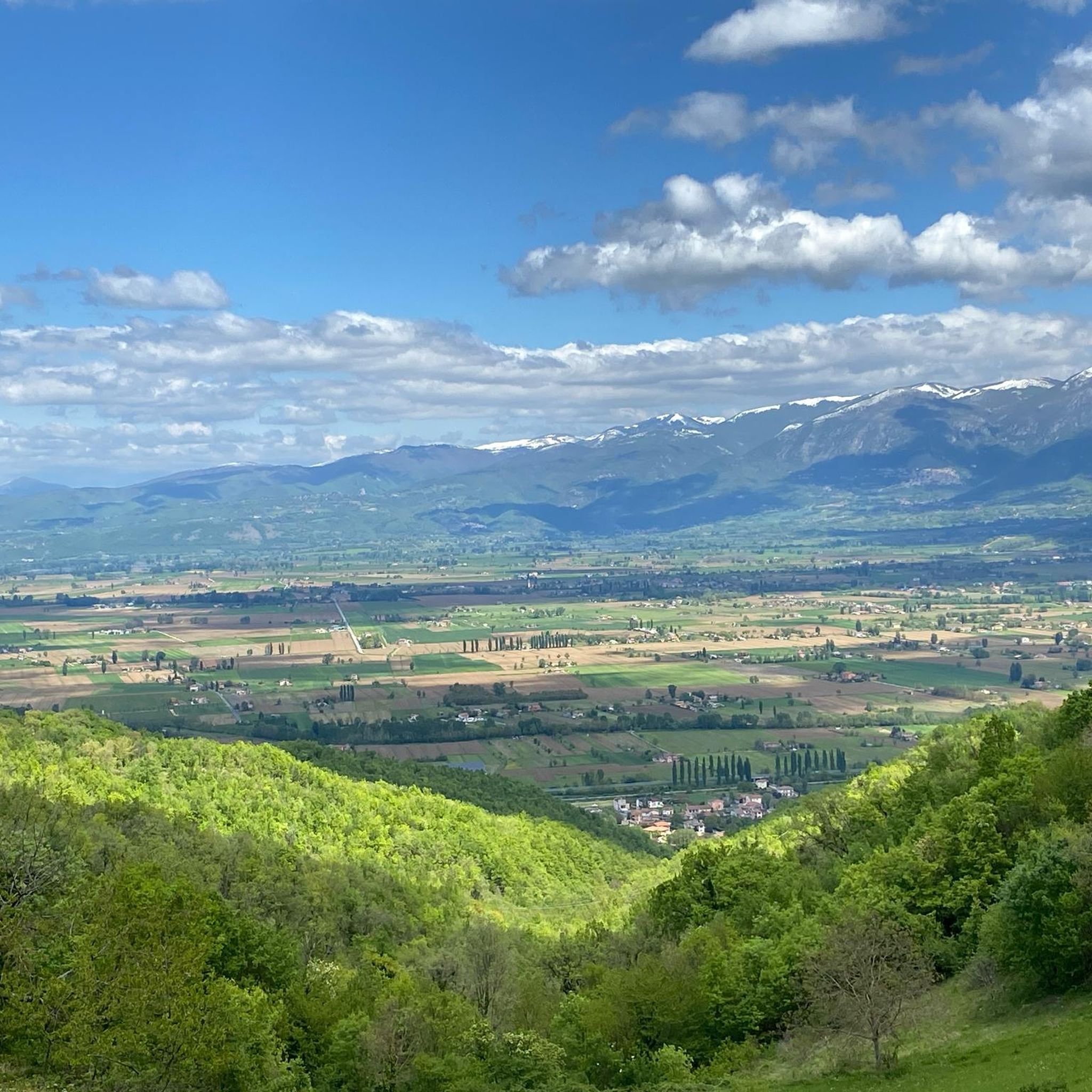
Many attractions offer stunning panoramic views. From the elevated position of Monte San Giovanni in Sabina itself, you can enjoy sweeping vistas of the surrounding Sabini Mountains. The ruins of the Church of San Lorenzo also provide breathtaking views of the Rieti valley and the Terminillo massif on the horizon.
Most popular routes around Monte San Giovanni In Sabina
Most popular attractions around Monte San Giovanni In Sabina

Get inspired with the komoot mobile app


Explore more
Still not found the Highlight you’re looking for? See guides of the top attractions in other regions:
