The best cycling routes around Civita Castellana
4.2
(126)
1,998
riders
62
rides
Touring cycling around Civita Castellana is characterized by its dramatic tufa landscapes, ancient river gorges, and diverse natural features. The region, situated on a spur of volcanic rock, offers routes that traverse deep gorges carved by tributaries of the Treja and Rio Maggiore rivers. Cyclists can explore scenic valleys, including the Treja Valley, and enjoy views of prominent landmarks like Monte Soratte. The area provides a varied terrain for touring cyclists, combining historical sites with natural beauty.
Best touring cycling…
Last updated: November 22, 2026
5
riders
60.4km
04:58
410m
410m
Moderate bike ride. Good fitness required. Mostly paved surfaces.
3.5
(2)
29
riders
Hard bike ride. Very good fitness required. Mostly paved surfaces.

5.0
(1)
22
riders
41.1km
03:03
440m
450m
Moderate bike ride. Good fitness required. Mostly paved surfaces.
3.0
(1)
19
riders
147km
09:48
2,140m
2,130m
Hard bike ride. Very good fitness required. Mostly paved surfaces.
20
riders
44.6km
03:21
700m
700m
Hard bike ride. Very good fitness required. Mostly paved surfaces.
Get access to more routes and recommendations from other explorers.
Already have an account?
Our route recommendations are based on thousands of hikes, rides, and runs completed by other people on komoot.
Start today with a free account
Your next adventure awaits.

Tips from the Community

For those arriving at Calcata Vecchia and wanting to descend into the Treja Valley, I strongly advise against taking the marked path that is not on the road: it is a pedestrian descent that can only be done with a bike in hand, and not even easily. Descend following the main asphalt road.
0
0

This is one of several tunnels that characterize Mount Soratte. The others are within the bunker system. Although short, it's a good idea to carry a torch to get through it.
2
0

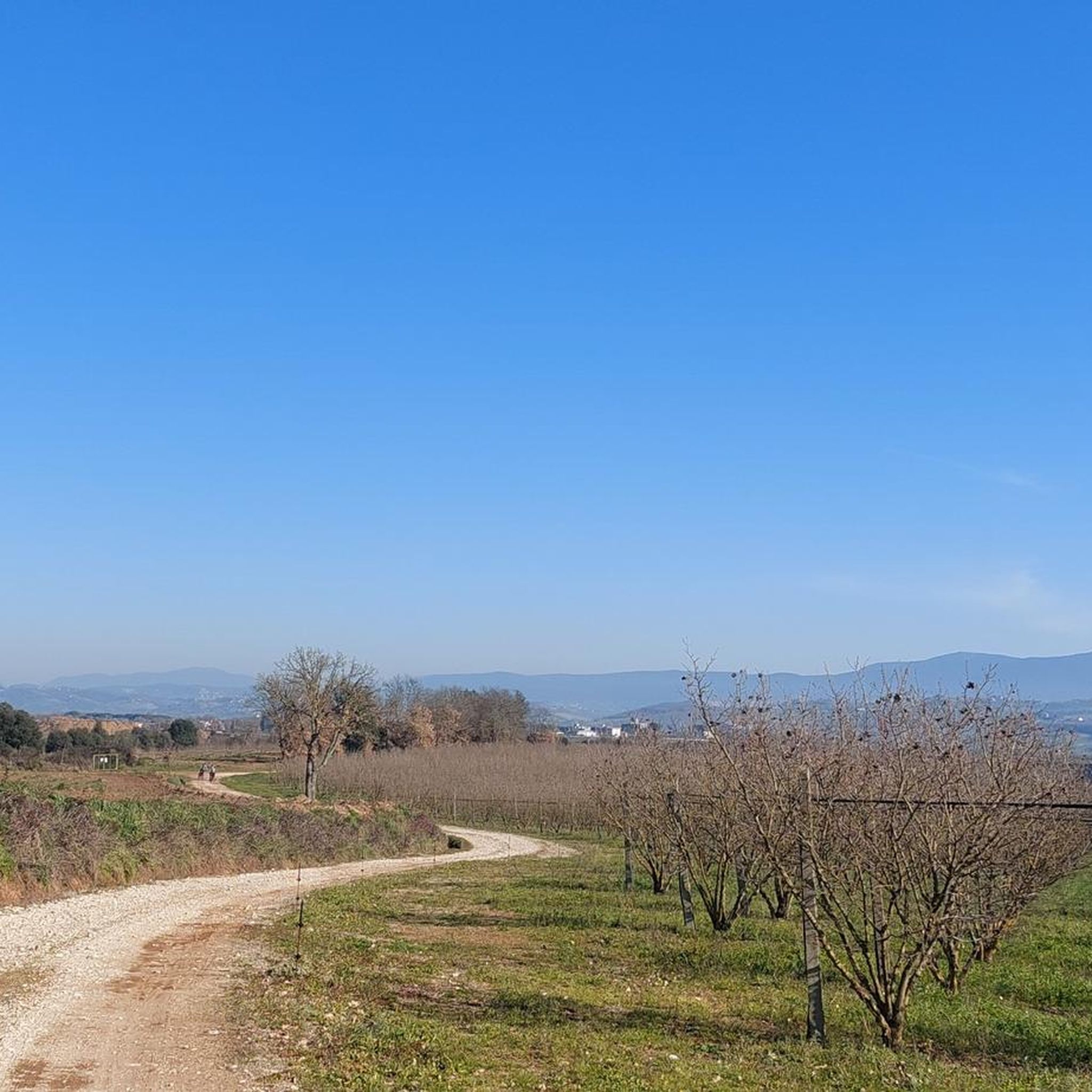
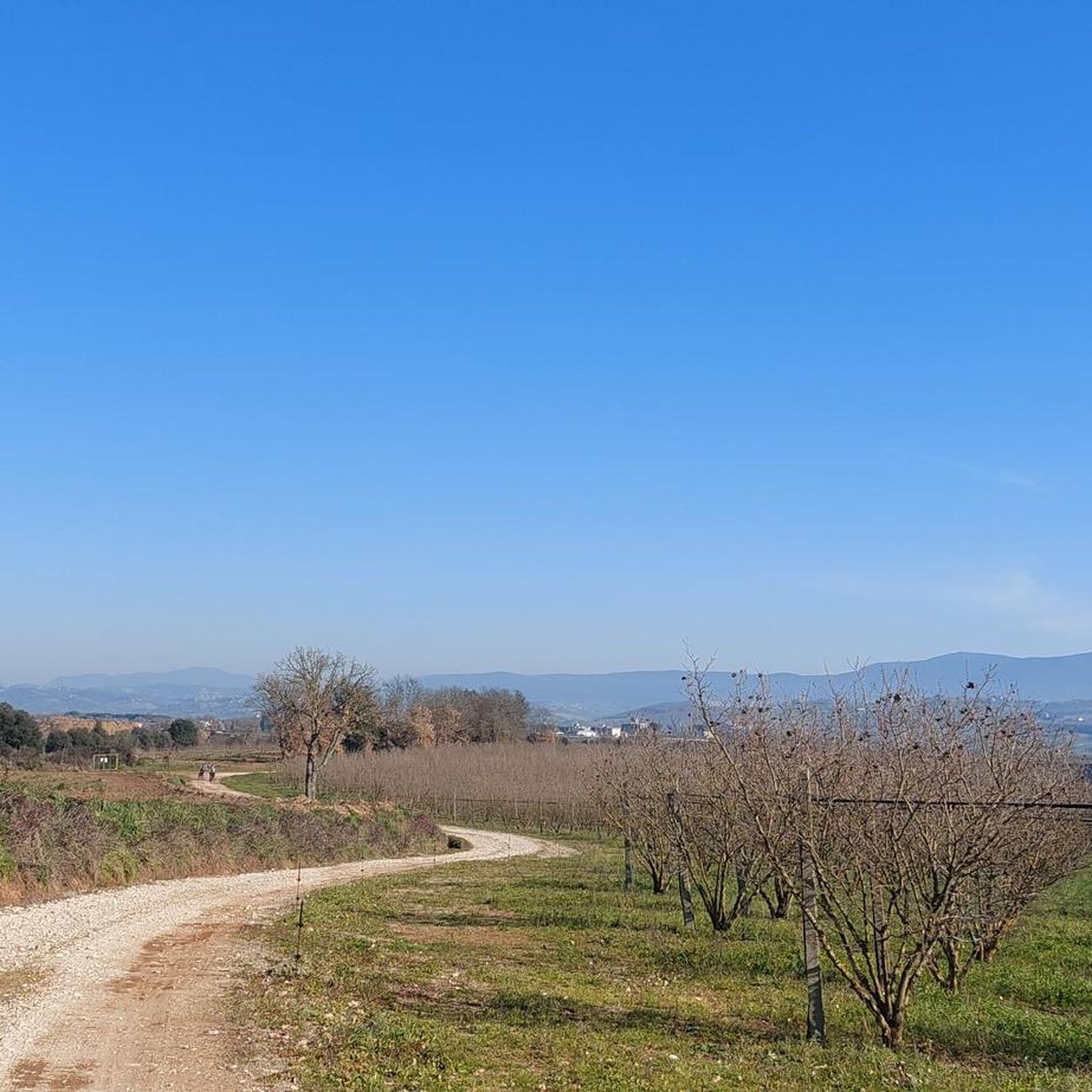
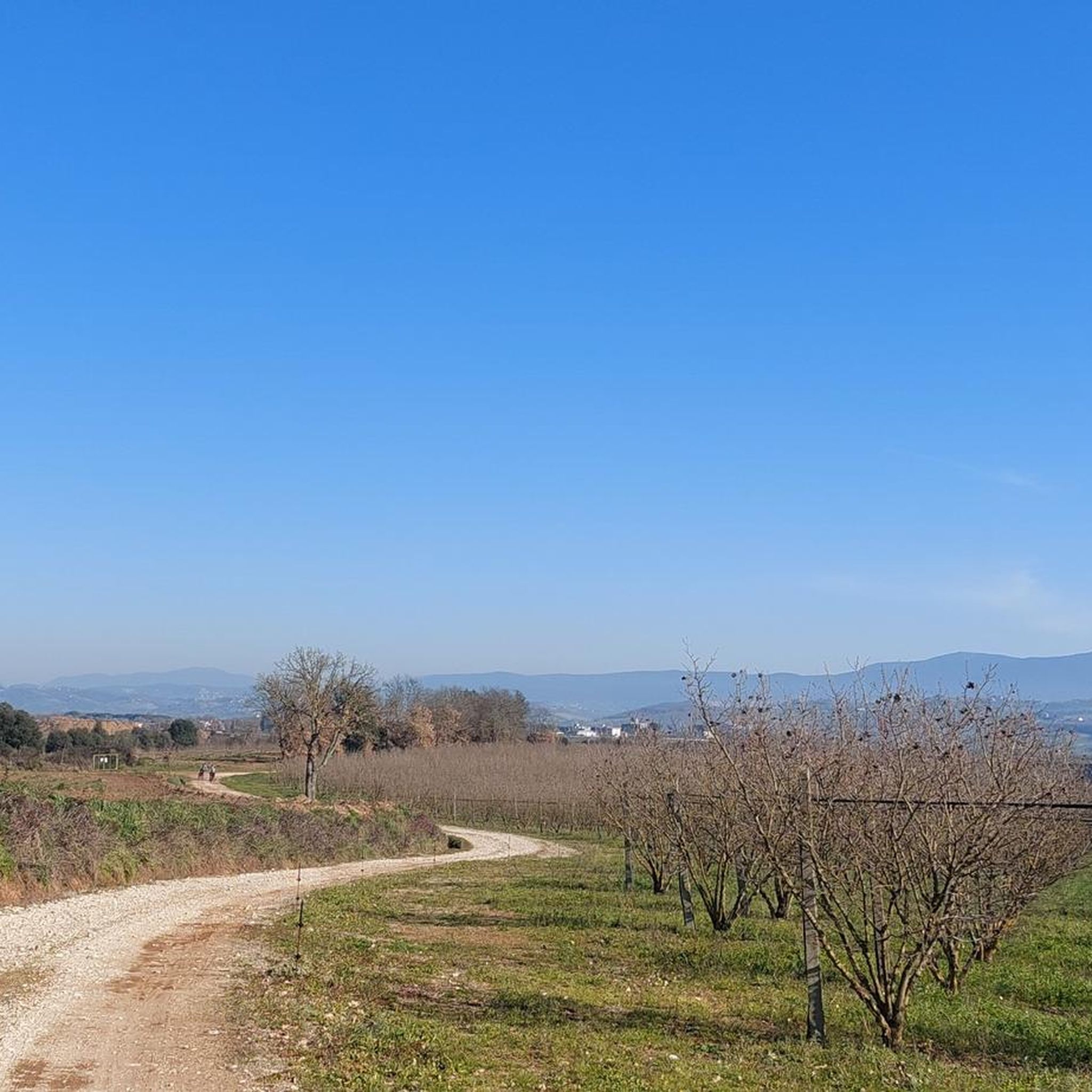
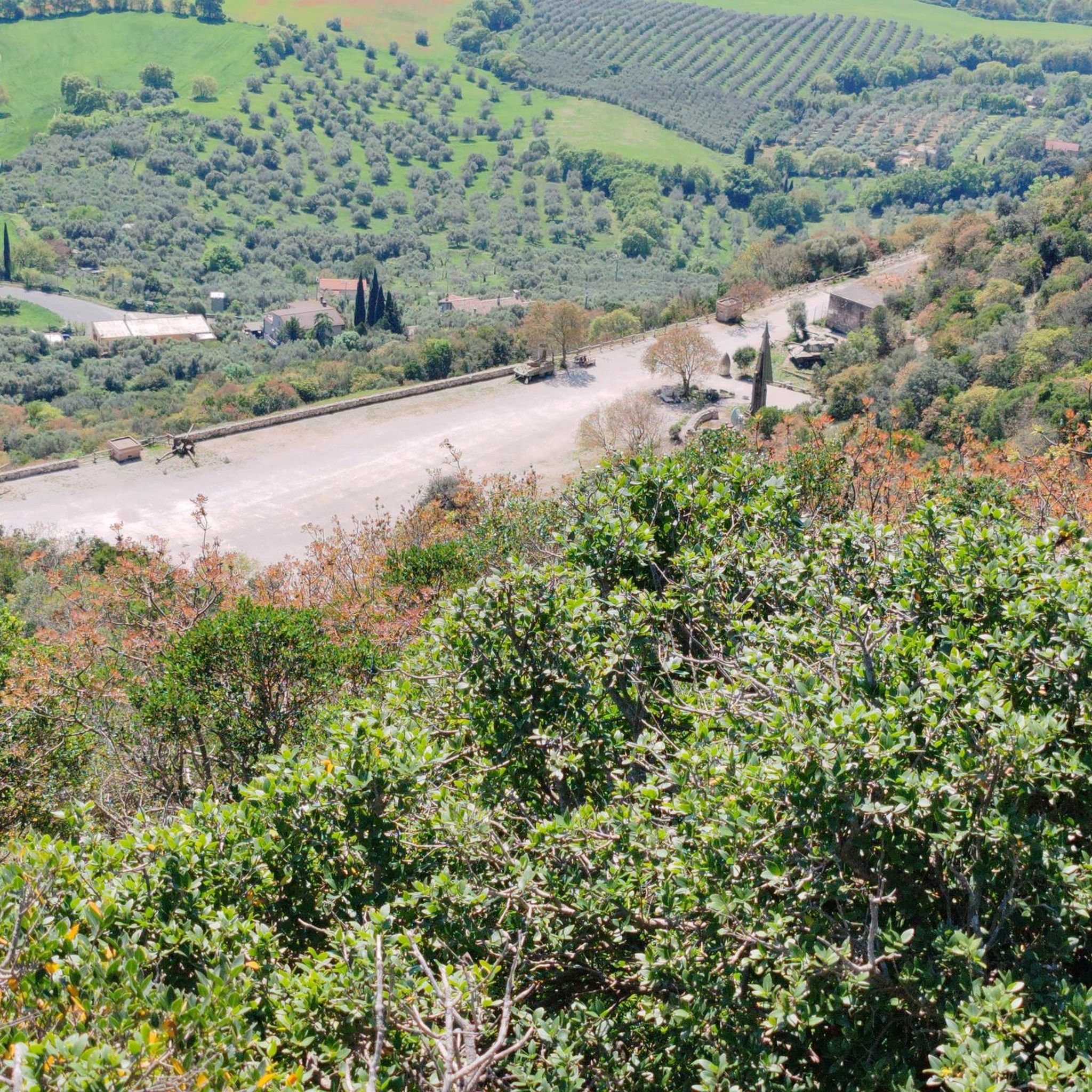
How beautiful it is to pedal among the olive trees!
0
0


great tour, coffee, everything
0
0

Corchiano is a small town in the province of Viterbo, apparently similar to many others, a little modest... and yet, it has become famous for some events, such as the infiorata, which is held at the end of May and sees the entire town involved in decorating a good part of the streets of the town with flower petals, colored sawdust, coffee grounds and in general any material that can be colored and applied in designs of great beauty. Then, in December, the living nativity scene takes place in a natural setting of great suggestion, finally, the exploration on foot of the ravines should not be overlooked, a true natural monument and archaeological site of great interest... in short, a place that is worth visiting. The difficulty in walking the paths, all equipped, is generally T (tourist) and suitable for all age levels.
1
0

The Church of the Madonna del Soccorso dates back to the 15th century, it is a work of great architectural value, so much so that it was declared a national monument at the beginning of the 20th century (1902). It is said that the project was carried out by Giuliano da Sangallo, a famous architect of the Renaissance period. The church has an imposing façade, characterized by a large staircase and decorated with columns and pillars in peperino, the typical volcanic stone of the area. The central portal is particularly elaborate and above it there is a beautiful rose window. One of the most interesting elements is the mosaic of the Madonna del Soccorso, which replaced an ancient painting unfortunately stolen in the 1930s. The walls of the church are decorated with frescoes by the Torresani brothers, which tell the story of the foundation of the church and religious scenes. Particularly notable is the Cappella del Paradiso, with its frescoes attributed to the Zuccari or Torresani. The Church of the Madonna del Soccorso is not only a place of worship, but also an important historical and artistic testimony. Its similarity to the more famous Basilica della Madonna della Quercia in Viterbo increases its interest for architecture enthusiasts. Furthermore, under the church there is an ossuary where the Augustinian fathers were buried, adding an element of mystery and history to the already fascinating structure.
0
0
Frequently Asked Questions
How many touring cycling routes are available around Civita Castellana?
There are over 60 touring cycling routes around Civita Castellana, catering to various skill levels. You'll find options ranging from easy rides to more challenging adventures through the region's unique landscapes.
Are there any easy touring cycling routes suitable for beginners or families?
Yes, Civita Castellana offers a few easy touring cycling routes, with 4 specifically categorized as easy. These routes are generally shorter and have less elevation gain, making them suitable for beginners or families looking for a relaxed ride. While specific family-friendly routes aren't detailed, the easier options provide a good starting point.
What kind of landscapes can I expect to see while cycling around Civita Castellana?
Touring cycling around Civita Castellana is defined by its dramatic tufa landscapes, ancient river gorges, and diverse natural features. You'll traverse deep gorges carved by tributaries of the Treja and Rio Maggiore rivers, explore scenic valleys like the Treja Valley, and enjoy views of prominent landmarks such as Monte Soratte. The region's volcanic rock formations create a visually stunning backdrop for your rides.
Are there any circular touring cycling routes in the area?
Yes, many touring cycling routes around Civita Castellana are designed as loops, allowing you to start and finish in the same location. An example is the moderate From Borghetto (Civita Castellana) along the Water Way — ring tour, which offers scenic views over 60.4 km.
What are some notable natural attractions or landmarks I can visit along the touring cycling routes?
The region is rich in natural and historical landmarks. You can cycle past the Nazzano Tevere-Farfa Nature Reserve, explore the Corchiano Historic Village and Gorges, or discover the ancient Vie Cave of Corchiano. For panoramic views, consider routes that offer glimpses of Monte Soratte, or even visit the Hermitage of Saint Sylvester at its summit.
What do other touring cyclists say about the routes in Civita Castellana?
The touring cycling routes in Civita Castellana are highly rated by the komoot community, with an average score of 4.5 stars from over 20 reviews. Nearly 500 touring cyclists have used komoot to explore the varied terrain, often praising the unique tufa landscapes and the blend of natural beauty with historical sites.
Are there any challenging touring cycling routes for experienced riders?
Absolutely. Civita Castellana offers 45 difficult touring cycling routes for experienced riders. These routes often feature significant elevation changes and may include unpaved segments. An example is the challenging Stele of San Famiano – Carchiano Gorges loop from Civita Castellana-Magliano, which navigates dramatic gorges and historical points of interest.
Can I find routes that offer views of Monte Soratte?
Yes, several routes provide excellent views of Monte Soratte, a prominent natural landmark in the region. The moderate View of Monte Soratte loop from Civita Castellana is specifically designed to showcase these vistas, leading through varied landscapes. Another option is the difficult Gravel Path – Monte Soratte loop from Civita Castellana.
Are there any historical sites accessible by touring bike?
Yes, the region is rich in history. Cyclists can follow ancient paths like the Via Amerina, which leads towards Falerii Novi, an important archaeological site with well-preserved Etruscan/Roman city walls. You can also visit the Ocriculum Archaeological Park or the Corchiano Historic Village and Gorges, which offer glimpses into the area's past.
What kind of terrain should I expect on the touring cycling routes?
The terrain around Civita Castellana is varied. While many routes feature mostly paved surfaces, some include unpaved segments, especially on more challenging trails. You'll encounter dramatic tufa cliffs, ancient riverbeds, and scenic valleys, offering a diverse cycling experience.
Are there any routes that explore the Treja Valley?
Yes, the scenic Treja Valley is a popular area for cycling. There are routes that specifically explore this valley, passing through historic villages and natural landmarks. The valley's unique geological formations and lush environment make for a memorable ride.
What is the best time of year to go touring cycling in Civita Castellana?
While specific seasonal data isn't provided, the region's Mediterranean climate generally makes spring and autumn ideal for cycling, offering pleasant temperatures and vibrant landscapes. Summer can be hot, especially in July and August, while winter might be cooler but still offers opportunities for cycling, particularly on milder days.
Most popular routes around Civita Castellana
Most popular attractions around Civita Castellana

Get inspired with the komoot mobile app


Explore more
Browse the best Cycling routes in other regions.
