The best walks and hikes around Gualdo Cattaneo
4.4
(194)
829
hikers
130
hikes
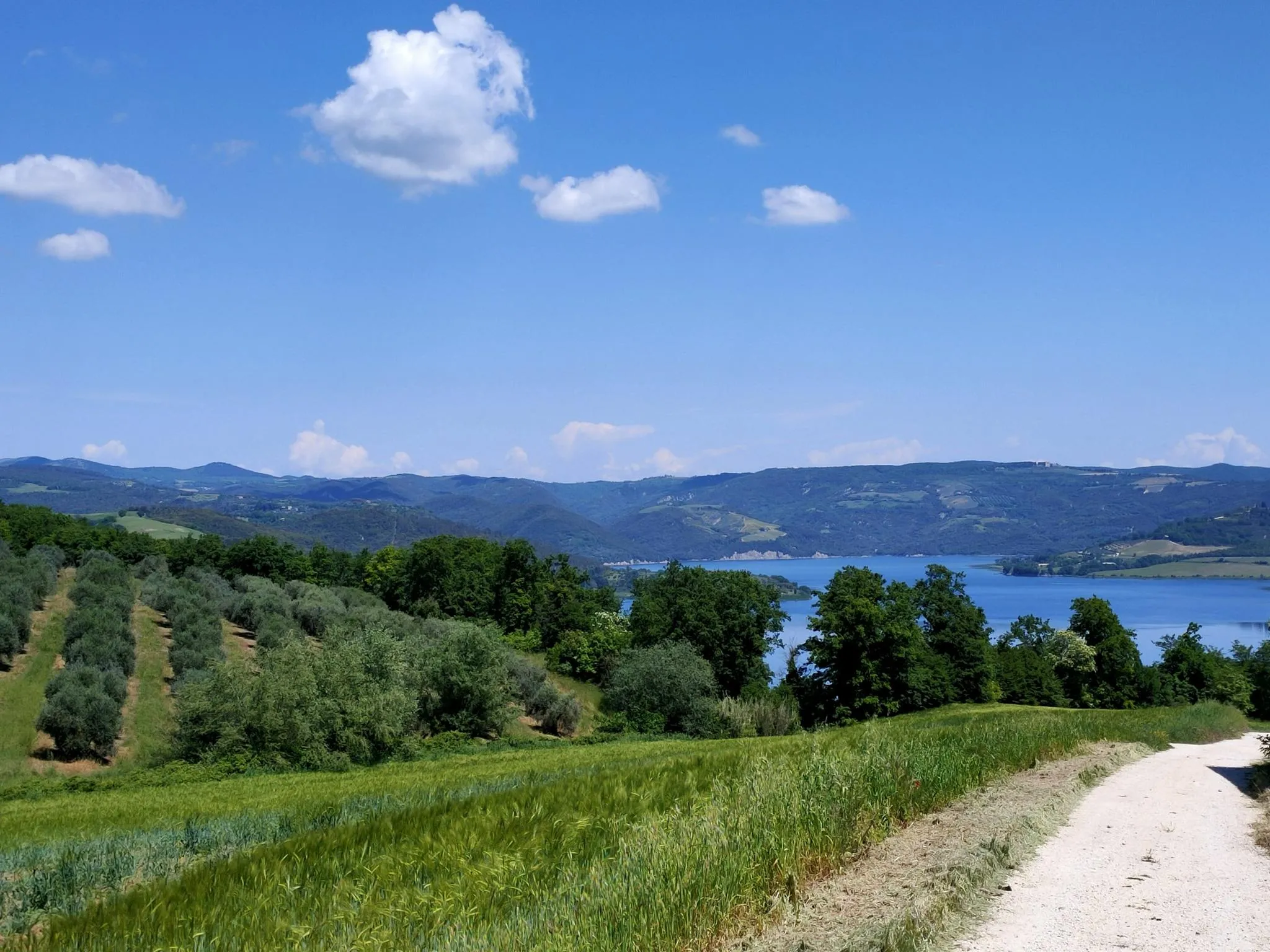
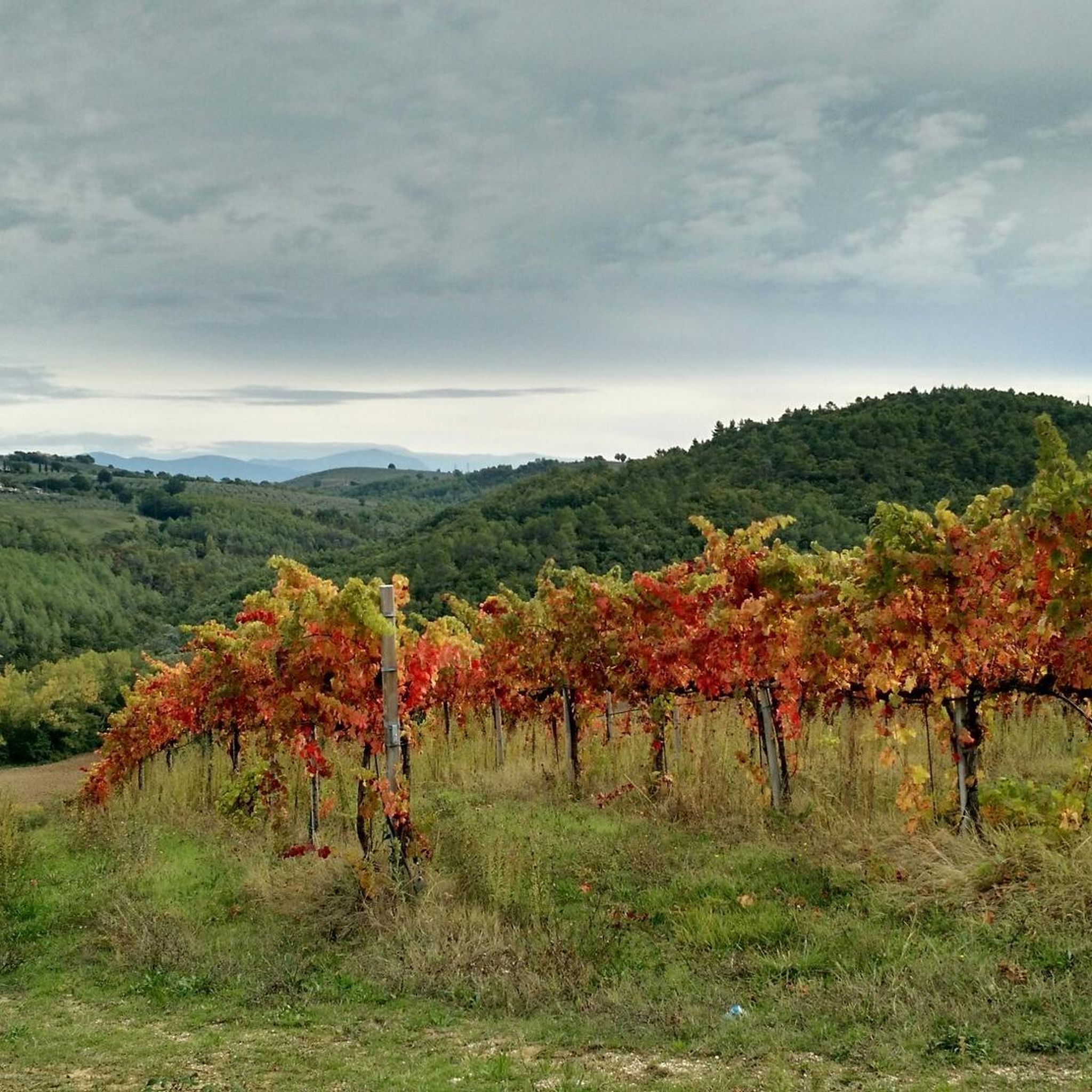
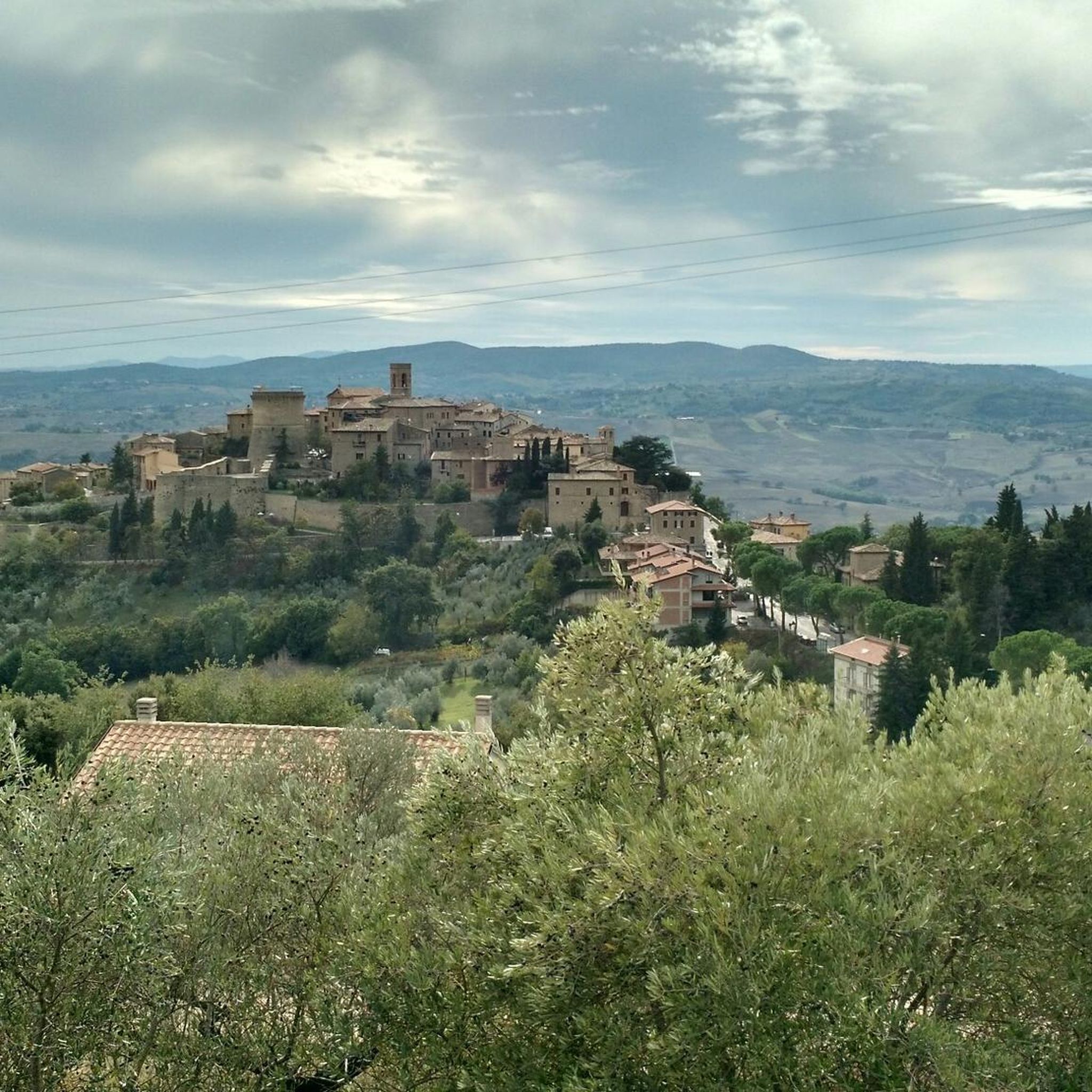
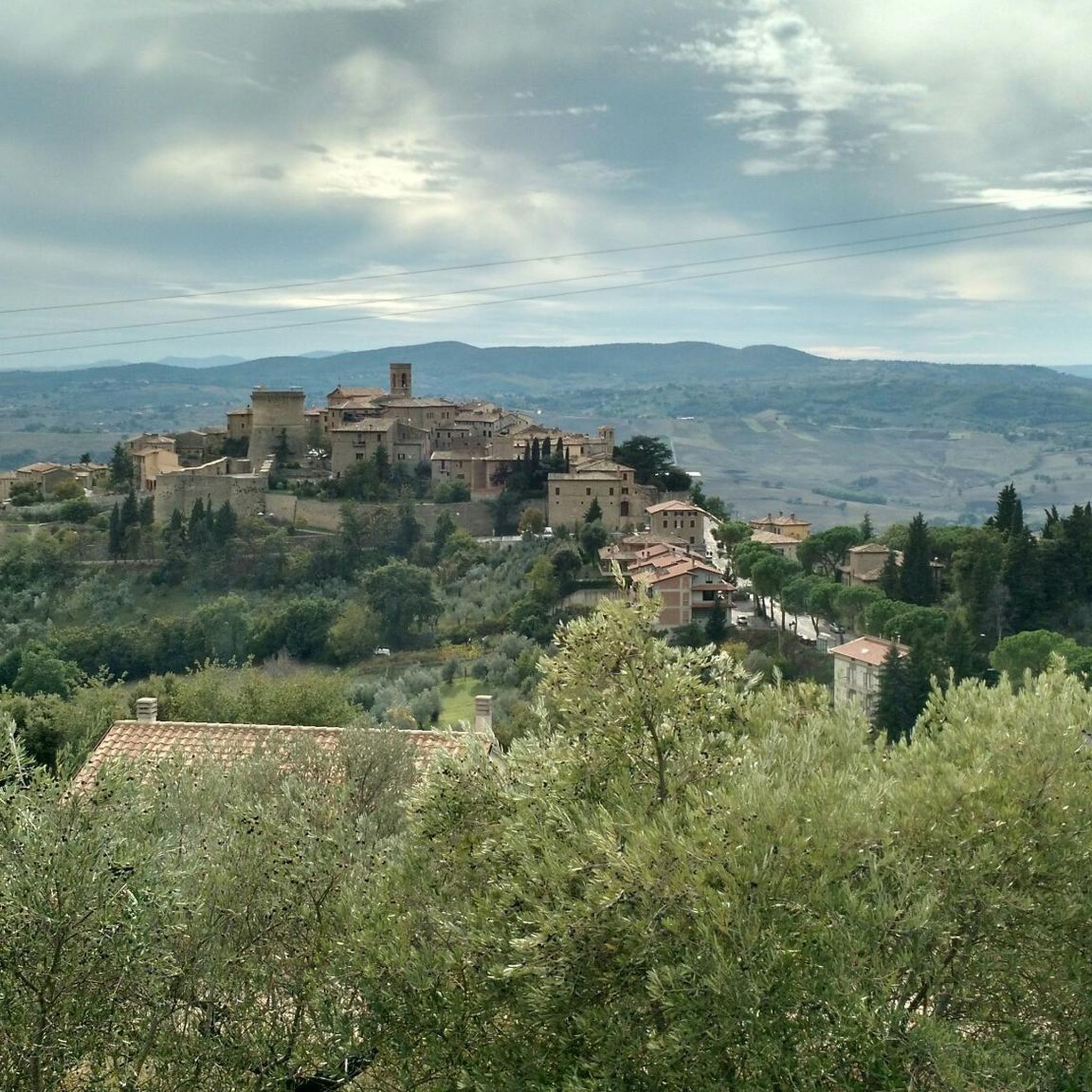
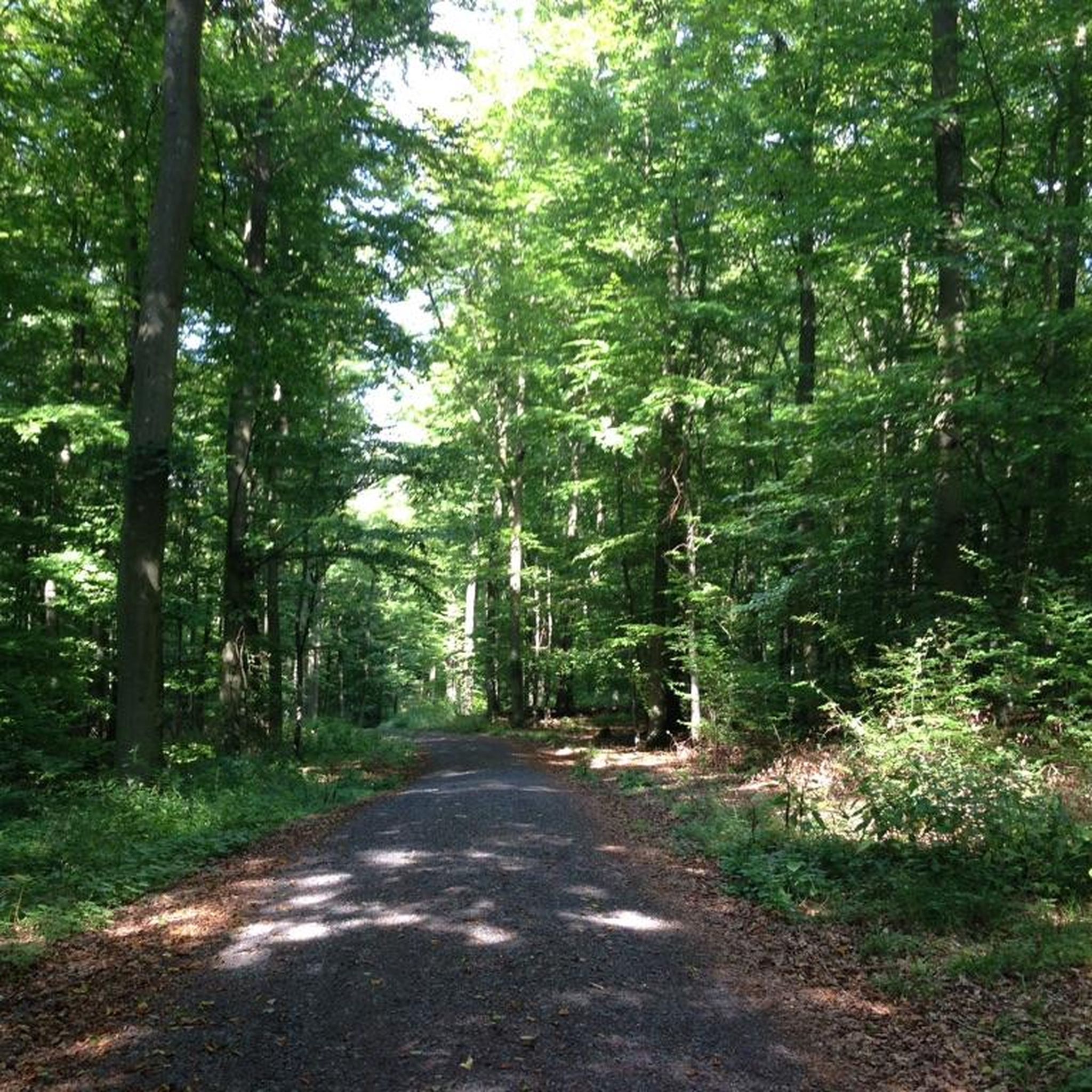
Hiking around Gualdo Cattaneo offers exploration through diverse landscapes, rich historical attractions, and natural features. The region is characterized by a blend of hills, valleys, and plateaus, with trails traversing Umbrian woods, pastures, and cultivated areas featuring vineyards and olive groves. The proximity to the Martani Mountains provides varied terrain, while historical sites like the Rocca fortress and medieval villages add cultural interest to the routes.
Best hiking trails around Gualdo Cattaneo
- The most popular hiking route is Castel Rinaldi Waterfall Trail, a 6.8 miles (10.9 km) trail that takes 3 hours 3 minutes to complete. This moderate route leads through Umbrian woods and pastures, connecting historic villages.
- Another top favourite among local hikers is Collemancio Village – Collemanico Historic Village loop from Collemancio, a moderate 5.1 miles (8.2 km) path. This loop allows for exploration of historic villages and offers scenic views.
- Local hikers also love the Antico Mulino delle Botte loop from Collazzone, a 5.1 miles (8.1 km) trail leading through varied terrain, often completed in about 2 hours 37 minutes.
- Hiking around Gualdo Cattaneo is defined by rolling hills, Umbrian woods, and expansive vineyards, offering routes that range from easy strolls to more challenging treks. The network provides options for different ability levels.
- The routes in Gualdo Cattaneo are highly rated by the komoot community with an average score of 4.3 stars from more than 180 reviews. More than 700 hikers have used komoot to explore Gualdo Cattaneo's varied terrain.
Last updated: May 11, 2026
4.5
(8)
17
hikers
10.9km
03:03
210m
210m
Moderate hike. Good fitness required. Easily-accessible paths. Suitable for all skill levels.
5.0
(3)
15
hikers
10.1km
02:57
270m
270m
Moderate hike. Good fitness required. Easily-accessible paths. Suitable for all skill levels.

Sign up for free
5.0
(1)
10
hikers
8.36km
02:41
340m
350m
Moderate hike. Good fitness required. Easily-accessible paths. Suitable for all skill levels.
5.0
(1)
6
hikers
6.53km
01:51
150m
150m
Easy hike. Great for any fitness level. Easily-accessible paths. Suitable for all skill levels.
4.0
(1)
4
hikers
5.11km
01:28
130m
130m
Easy hike. Great for any fitness level. Easily-accessible paths. Suitable for all skill levels.
Get access to more routes and recommendations from other explorers.
Sign up for free
Already have an account?
Our route recommendations are based on thousands of hikes, rides, and runs completed by other people on komoot.
Start today with a free account
Your next adventure awaits.
Login or Signup
Other adventures around Gualdo Cattaneo

Tips from the Community

The Accolta is an artificial river basin located on the edge of Bevagna's historic center, created by damming the waters of the Clitunno River. The basin was created in the Middle Ages, likely between 1200 and 1300, to regulate the river's flow and harness its driving force to power the town's mills, which were crucial to the village's agricultural and food economy. The body of water allowed for controlled accumulation, ensuring continuous operation even during periods of drought. Near the Accolta, structures associated with daily life arose, such as the public washhouse, which for centuries served as a place of work and social gathering. Today, the Accolta retains significant historical and landscape value, representing a clear example of the balanced relationship between human intervention and the natural environment that has long characterized Bevagna's history.
0
0
Porta Cannara is one of Spello's historic entrances, opening along the northern side of the city walls. The simple yet robust entrance arch reflects its defensive function and function as a gateway to the city. The stretch of wall flanking it retains the compact appearance of the fortified system. Even today, the gate marks the transition between the historic center and the surrounding agricultural landscape.
0
0

The ancient Mulino delle botte, now completely in ruins, is located along the road that runs alongside the Puglia torrent, near the crossroads for Gaglietole. It is a mill from the Etruscan era.
0
0

This church in Bevegna has a patronal name that is truly on everyone's lips, but only a few will know the person behind it: San SILVESTRO's feast day is December 31st. He lived at the end of the third and beginning of the fourth century and was Bishop of Rome when Emperor Constantine recognized Christianity as a religion with the Edict of Milan - known as the "Edict of Toleration" - and thus ended (at least temporarily) the period of bloody persecution of Christians.
1
0

In the highest part of the village of Bevagna, 225 metres above sea level, stands the Church of San Francesco. To admire the sober façade in Franciscan style, you have to climb a long staircase until you reach the entrance of the church, which consists of a polygonal portal and capitals decorated with foliage elements. The church consists of a single nave and two side chapels, namely the chapel of Gisberto Ciccoli and the chapel dedicated to the Madonna of Loreto.
1
0
Particularly charming in the medieval village of Bevagna is the old washhouse and the masonry bridge over the river Topino. When the sky is blue and the water is stagnant, the green algae on the surface of the water are particularly photogenic on sunny summer days.
0
0
The fountain in Silvestri Square was inaugurated on August 23, 1896; it was built over a medieval fountain that served to supply water to the historic center of the city.
0
0
This church was featured on one of the old lira banknotes and was visited by Prince Charles after the 1997 earthquake. It is beautiful in its simplicity with its tower on the front and side. The interior with the crypt is very interesting. The best photos of the church are from the steps of the theater opposite.
1
0
Frequently Asked Questions
How many hiking trails are available in Gualdo Cattaneo?
Gualdo Cattaneo offers a wide variety of hiking experiences, with over 100 trails to explore. These include 49 easy routes, 61 moderate routes, and 6 more challenging options, ensuring there's something for every fitness level.
Are there any hiking trails that feature waterfalls in the Gualdo Cattaneo area?
Yes, the region is home to the beautiful Castel Rinaldi Waterfall. You can experience it on the Castel Rinaldi Waterfall Trail, a moderate 6.8-mile route that winds through Umbrian woods and pastures, connecting historic villages.
What kind of landscapes can I expect to see while hiking around Gualdo Cattaneo?
Hikers in Gualdo Cattaneo will encounter a diverse landscape characterized by picturesque hills, valleys, and plateaus. Trails often traverse Umbrian woods, expansive pastures, and cultivated areas featuring vineyards and olive groves. The Martani Mountains provide a dramatic backdrop, and you'll find Mediterranean maquis adding to the ecological diversity.
Are there any family-friendly or easy hiking options in Gualdo Cattaneo?
Yes, Gualdo Cattaneo has 49 easy routes suitable for families or those seeking a more relaxed walk. An example of an easy route is the Collemanico Historic Village loop from Collemancio, which is about 3.9 miles long and takes around 1 hour 50 minutes to complete.
Can I find circular hiking routes in Gualdo Cattaneo?
Absolutely. Many trails in Gualdo Cattaneo are designed as loops, allowing you to start and end in the same location. A popular moderate circular route is the Collemancio Village – Collemanico Historic Village loop from Collemancio, which is 5.1 miles long and offers exploration of historic villages and scenic views.
What historical sites or landmarks can I explore while hiking in Gualdo Cattaneo?
The region is rich in history. You can visit the impressive Rocca di Gualdo Cattaneo fortress, offering commanding views. Many trails pass through or near medieval villages and castles like those in San Terenziano, Grutti, Marcellano, and Saragano. The Collemancio Village – Collemanico Historic Village loop from Collemancio is a great option for exploring historic villages.
What do other hikers say about the trails in Gualdo Cattaneo?
The hiking trails in Gualdo Cattaneo are highly rated by the komoot community, with an average score of 4.3 stars from over 180 reviews. Hikers often praise the diverse terrain, the blend of natural beauty with historical sites, and the well-maintained paths that lead through Umbrian woods and vineyards.
Are there any long-distance hiking opportunities or multi-day treks in the Gualdo Cattaneo area?
Yes, Gualdo Cattaneo is a stage along the extensive Italia Coast to Coast (C2C) route. Specific stages like "Assisi-Gualdo Cattaneo" (28.5 km) and "Gualdo Cattaneo-Todi" (25.3 km) offer moderate multi-day hiking experiences with splendid views, especially over the Tiber valley.
What is the best time of year to go hiking in Gualdo Cattaneo?
Gualdo Cattaneo offers captivating colors throughout the year, but spring and autumn are particularly pleasant for hiking. The weather is milder, and the landscapes are vibrant with spring blooms or rich autumn foliage. Summers can be warm, making early morning or late afternoon hikes more comfortable.
Are there any trails that offer panoramic viewpoints in Gualdo Cattaneo?
Many trails in Gualdo Cattaneo provide excellent panoramic views, especially those that ascend the rolling hills. The "Gualdo Cattaneo-Todi" stage of the Italia Coast to Coast route, for instance, is noted for its splendid views over the Tiber valley. The Rocca di Gualdo Cattaneo also offers commanding views of the medieval village and the surrounding valley.
Are there any specific trails that pass through vineyards or olive groves?
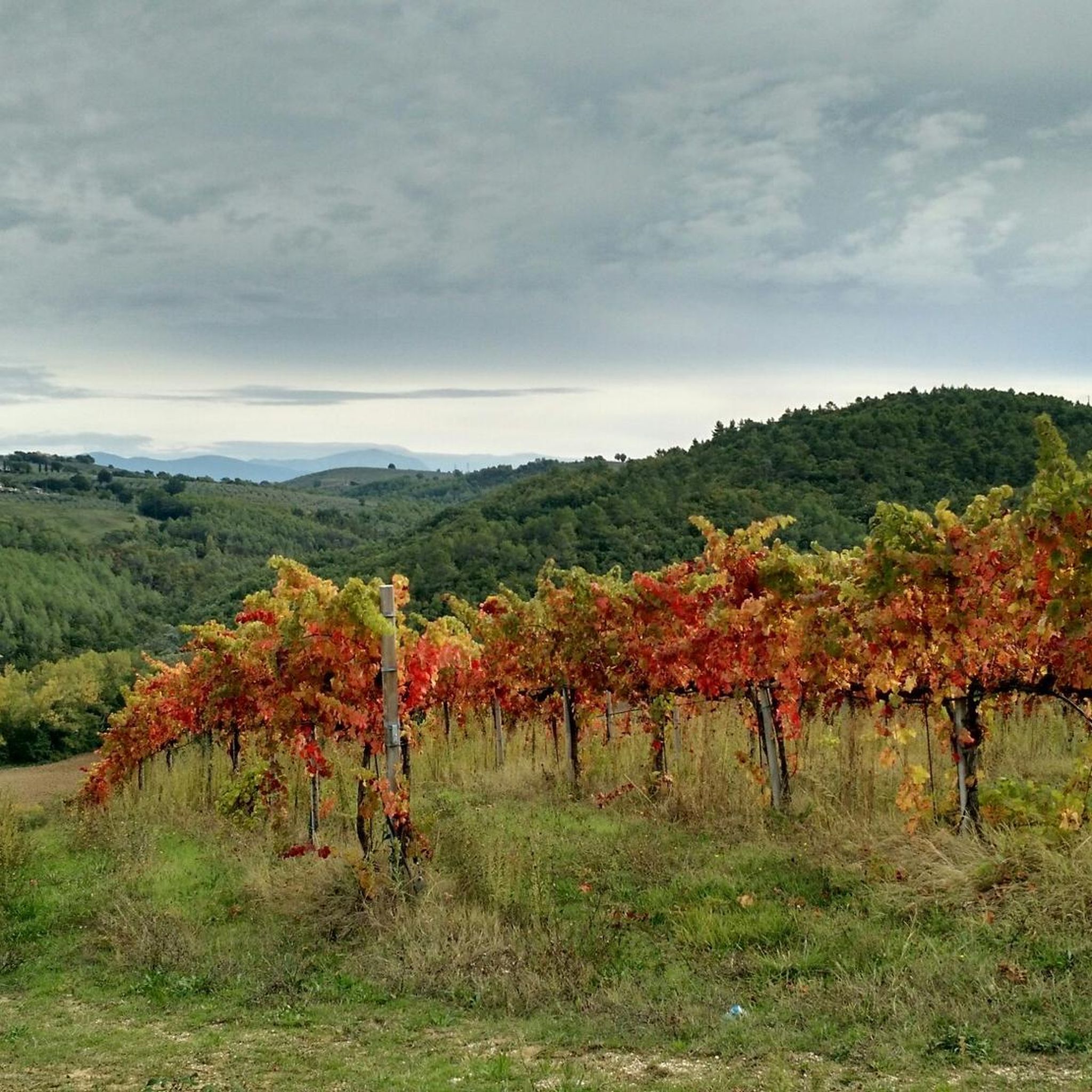
Yes, the agricultural heritage of Gualdo Cattaneo is evident in its landscapes. Many trails traverse cultivated areas featuring vineyards, particularly the renowned Sagrantino vineyards, and olive groves. While specific routes aren't named for this, you'll frequently encounter these scenic elements on hikes through the Umbrian countryside.
What is the typical difficulty level of hikes in Gualdo Cattaneo?
The majority of hikes in Gualdo Cattaneo are classified as easy or moderate. Out of over 100 routes, 49 are easy and 61 are moderate, making the area very accessible for most hikers. There are also 6 more difficult trails for those seeking a greater challenge.
Most popular routes around Gualdo Cattaneo
Most popular attractions around Gualdo Cattaneo

Get inspired with the komoot mobile app


Explore more
Browse the best Hikes in other regions.
