The best walks and hikes around Bevagna
4.5
(265)
1,235
hikers
37
hikes
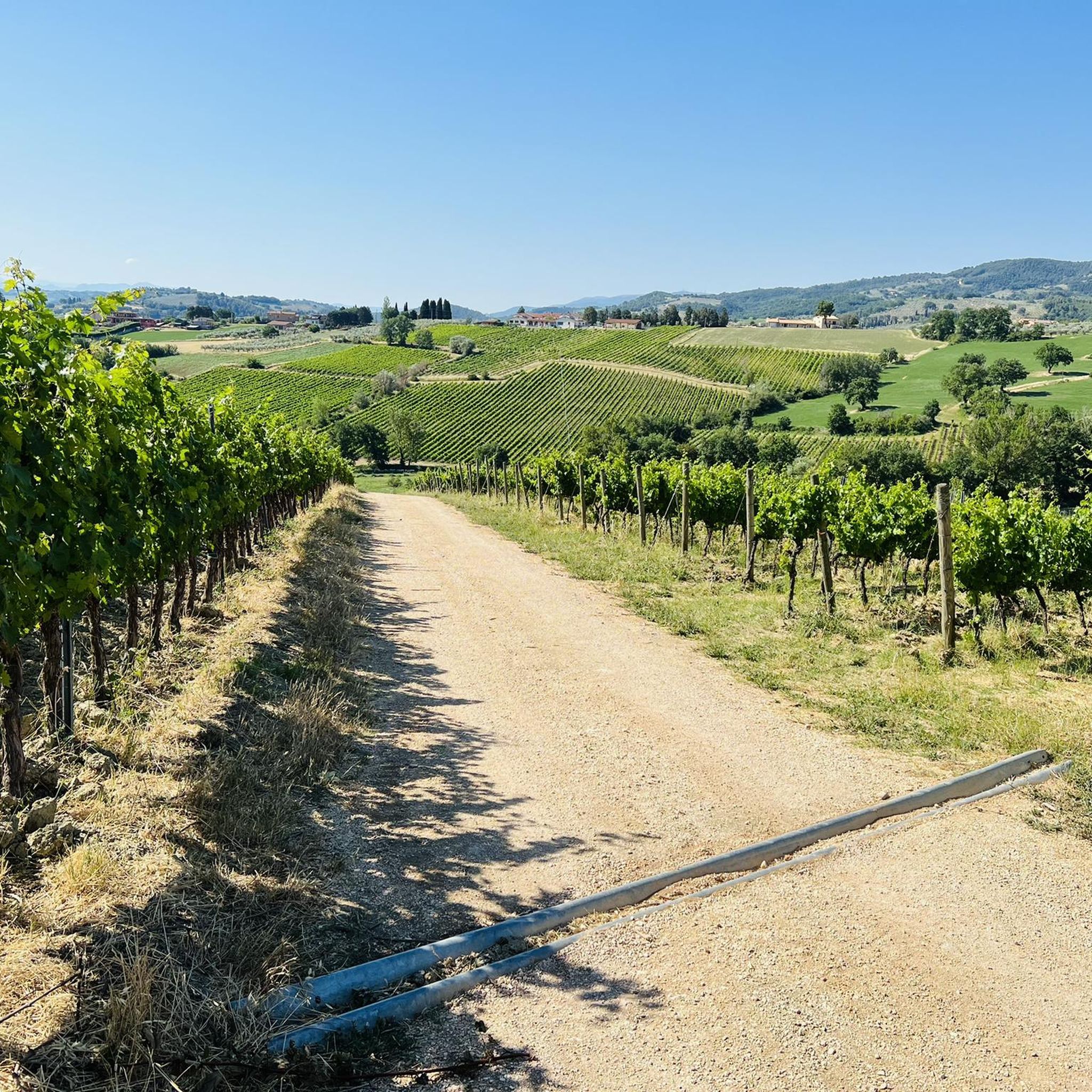
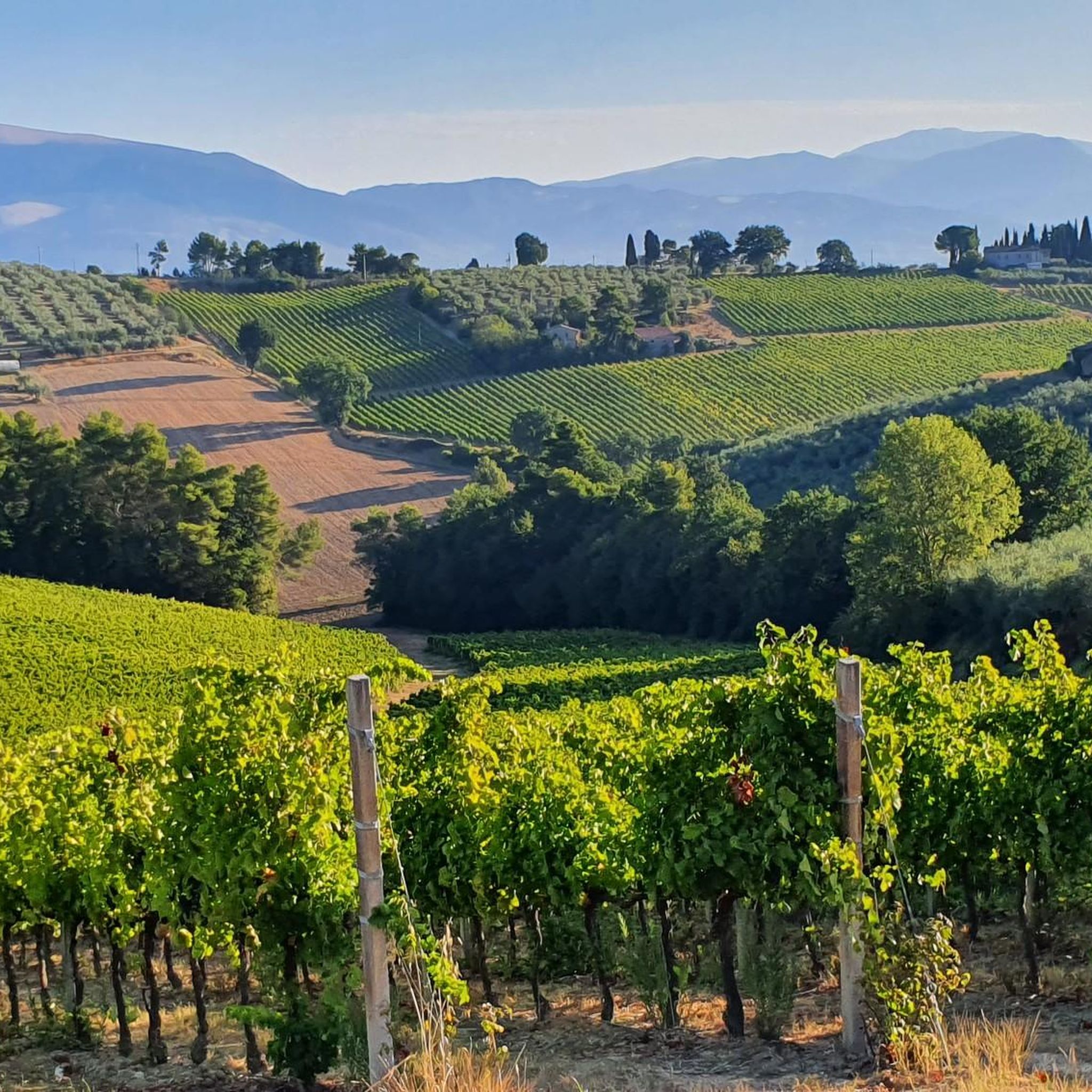
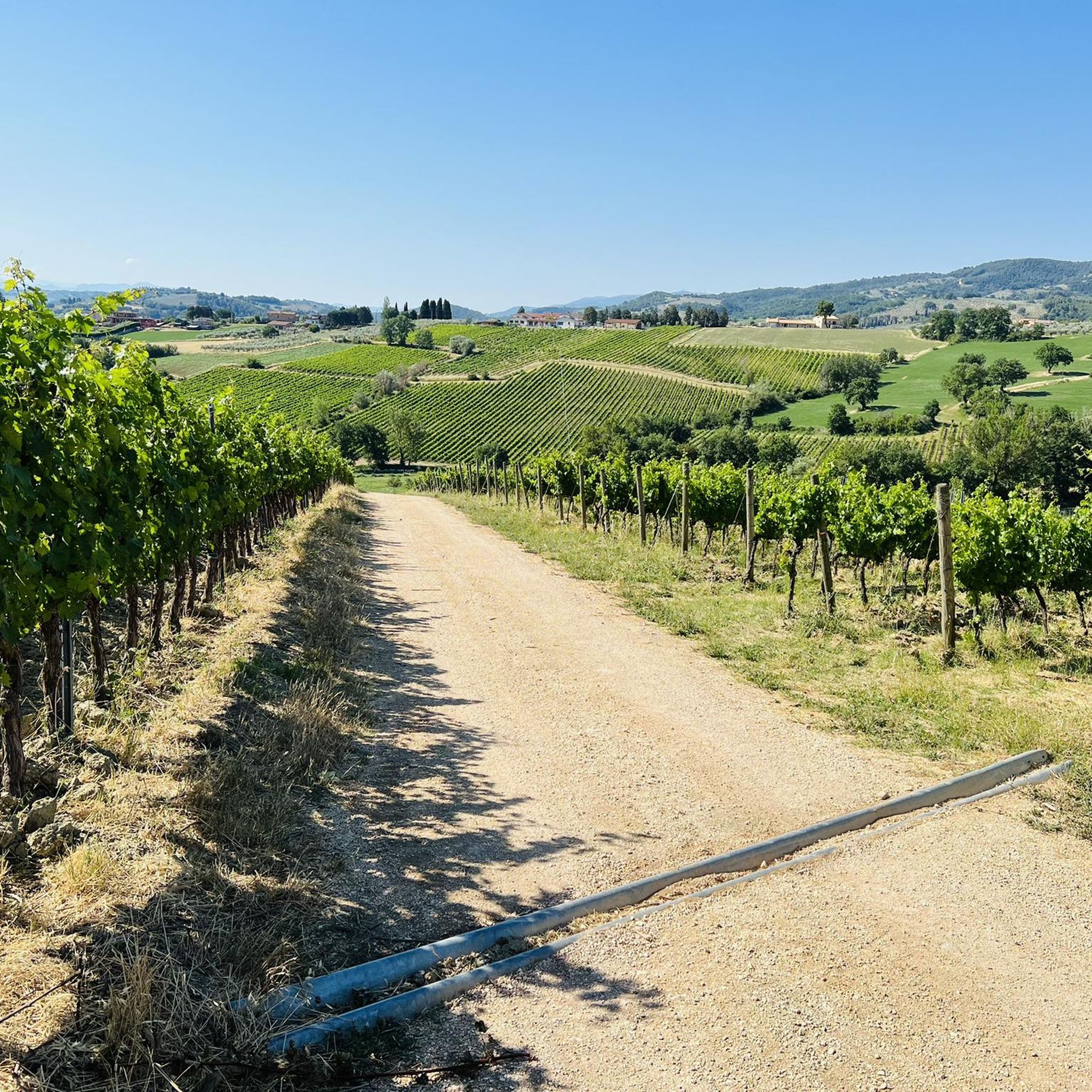
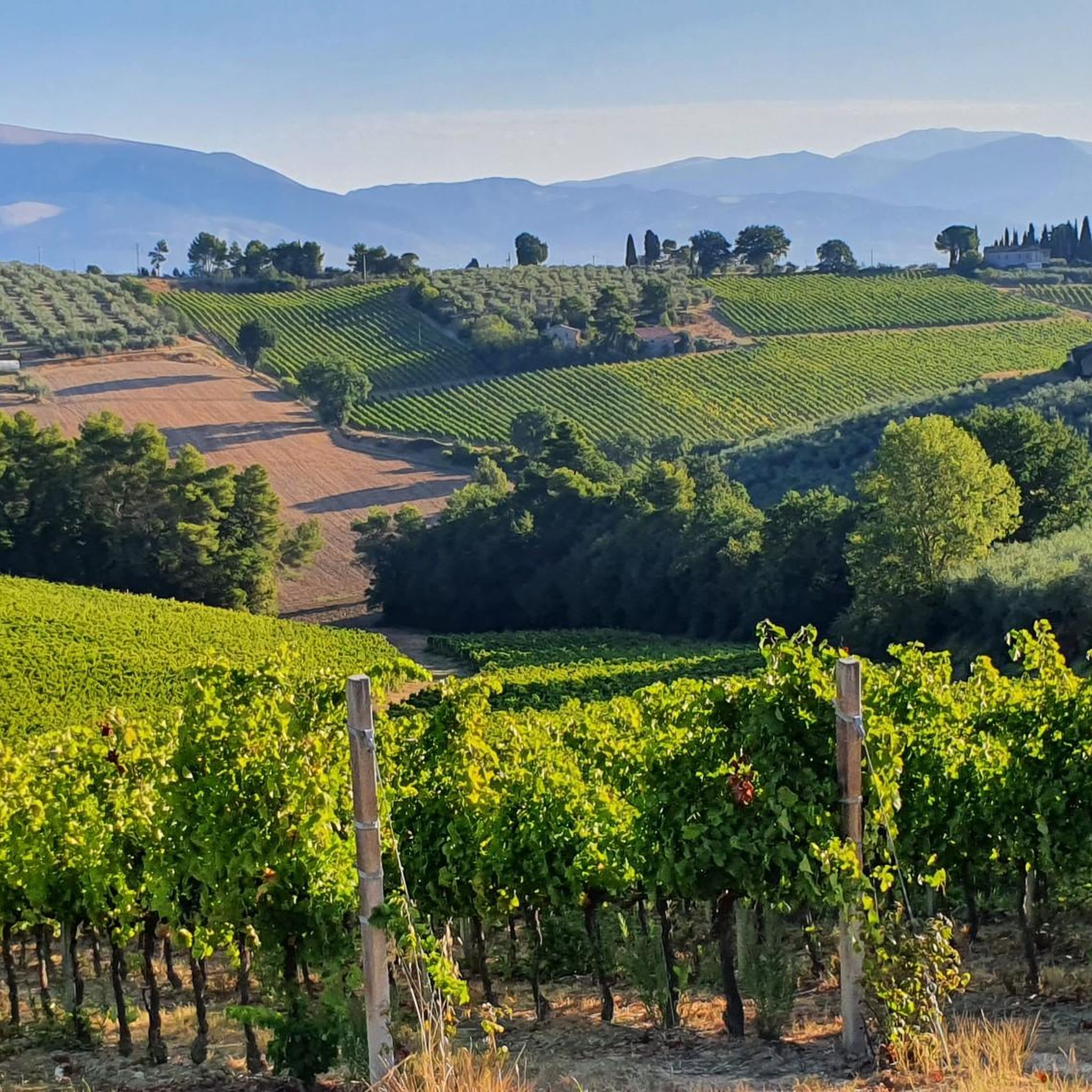
Hiking around Bevagna offers diverse landscapes characterized by rolling green hills, extensive olive groves, vineyards, and grain fields within the Valle Umbra. The region is situated in the Topino river valley, providing varied terrain for outdoor activities. Trails often feature views of Bevagna itself, as well as distant panoramas of Assisi and Mount Subasio. The area includes both open countryside and forested sections, with routes that integrate natural beauty with historical elements.
Best hiking trails around Bevagna
- The most popular…
Last updated: September 27, 2026
3.7
(9)
33
hikers
10.7km
03:11
320m
320m
Moderate hike. Good fitness required. Easily-accessible paths. Suitable for all skill levels.
5.0
(4)
22
hikers
3.49km
00:56
40m
40m
Easy hike. Great for any fitness level. Easily-accessible paths. Suitable for all skill levels.

5.0
(3)
13
hikers
Moderate hike. Good fitness required. Easily-accessible paths. Suitable for all skill levels.
5.0
(3)
14
hikers
10.1km
02:57
270m
270m
Moderate hike. Good fitness required. Easily-accessible paths. Suitable for all skill levels.
5.0
(1)
11
hikers
12.8km
03:28
180m
180m
Moderate hike. Good fitness required. Easily-accessible paths. Suitable for all skill levels.
Get access to more routes and recommendations from other explorers.
Already have an account?
Our route recommendations are based on thousands of hikes, rides, and runs completed by other people on komoot.
Start today with a free account
Your next adventure awaits.

Tips from the Community

The Accolta is an artificial river basin located on the edge of Bevagna's historic center, created by damming the waters of the Clitunno River. The basin was created in the Middle Ages, likely between 1200 and 1300, to regulate the river's flow and harness its driving force to power the town's mills, which were crucial to the village's agricultural and food economy. The body of water allowed for controlled accumulation, ensuring continuous operation even during periods of drought. Near the Accolta, structures associated with daily life arose, such as the public washhouse, which for centuries served as a place of work and social gathering. Today, the Accolta retains significant historical and landscape value, representing a clear example of the balanced relationship between human intervention and the natural environment that has long characterized Bevagna's history.
0
0
Porta Cannara is one of Spello's historic entrances, opening along the northern side of the city walls. The simple yet robust entrance arch reflects its defensive function and function as a gateway to the city. The stretch of wall flanking it retains the compact appearance of the fortified system. Even today, the gate marks the transition between the historic center and the surrounding agricultural landscape.
0
0

Bevagna / Region – Umbria / Province – Perugia (PG) The town, surrounded by a city wall with towers and gates, has an intact medieval structure (12th-13th centuries). In the upper part of the town, numerous Roman remains can still be seen: the ruins of a temple, the theater, and a thermal bath complex, of which a frigidarium with a magnificent black and white floor mosaic depicting marine figures from the 2nd century AD survives. The medieval town structure, with its squares and noble houses, developed over the Romanesque foundations: The magnificent Piazza Silvestri is home to the Palazzo dei Consoli (1270), which houses the Torti Theater, the Romanesque churches of San Silvestro and San Michele Arcangelo, both from the late 12th century, and the church of San Domenico e Giacomo (1291). Worth seeing is the Palazzo Comunale (late 18th century), which houses the historical archives, the library, and the art gallery. The Baroque churches of the Monastery of Santa Margherita and San Filippo are also very interesting. At the highest point in the town stands the Church of San Francesco (late 13th century). Next to the altar, one can see the stone on which St. Francis knelt when he preached to the flock of birds at Pian d'Arca. The 18th-century Palazzo Lepri houses the Museum of Bevagna, with works that tell the story of the town from pre-Roman times to the 18th century: archaeological finds from the ancient city of Mevania, medieval documents, and paintings by Dono Doni, Fantino, and Corrado Giaquinto. In the surrounding area, the Sanctuary of Madonna delle Grazie (late 16th century), the Sanctuary of Madonna della Valle, and the Monastery of Annunziata (11th century), formerly a defensive castle, rise up against the hillsides. Text / Source: Umbria Tourism.it contatti@umbriatourism.it https://www.umbriatourism.it/de/bevagna
15
1

This church in Bevegna has a patronal name that is truly on everyone's lips, but only a few will know the person behind it: San SILVESTRO's feast day is December 31st. He lived at the end of the third and beginning of the fourth century and was Bishop of Rome when Emperor Constantine recognized Christianity as a religion with the Edict of Milan - known as the "Edict of Toleration" - and thus ended (at least temporarily) the period of bloody persecution of Christians.
1
0

In the highest part of the village of Bevagna, 225 metres above sea level, stands the Church of San Francesco. To admire the sober façade in Franciscan style, you have to climb a long staircase until you reach the entrance of the church, which consists of a polygonal portal and capitals decorated with foliage elements. The church consists of a single nave and two side chapels, namely the chapel of Gisberto Ciccoli and the chapel dedicated to the Madonna of Loreto.
2
0
Particularly charming in the medieval village of Bevagna is the old washhouse and the masonry bridge over the river Topino. When the sky is blue and the water is stagnant, the green algae on the surface of the water are particularly photogenic on sunny summer days.
0
0
The fountain in Silvestri Square was inaugurated on August 23, 1896; it was built over a medieval fountain that served to supply water to the historic center of the city.
0
0
This church was featured on one of the old lira banknotes and was visited by Prince Charles after the 1997 earthquake. It is beautiful in its simplicity with its tower on the front and side. The interior with the crypt is very interesting. The best photos of the church are from the steps of the theater opposite.
1
0
Frequently Asked Questions
How many hiking trails are available around Bevagna?
There are over 25 hiking routes in the Bevagna area, offering a variety of experiences. These include 9 easy trails, 16 moderate routes, and 1 more challenging option, ensuring there's something for every fitness level.
What kind of landscapes can I expect to see while hiking near Bevagna?
Hiking around Bevagna offers diverse landscapes characterized by rolling green hills, extensive olive groves, vineyards, and grain fields within the Valle Umbra. Trails often provide magnificent views of Bevagna itself, as well as distant panoramas of Assisi and Mount Subasio. You'll also find routes along the Topino river valley and through forested sections.
Are there any family-friendly hiking options in Bevagna?
Yes, Bevagna offers several easy walks suitable for families. A great option is the Public Restrooms – Bridge over the Teverone stream loop from Bevagna, which is an easy 3.8 km trail that takes about an hour to complete, perfect for a gentle stroll with children.
Can I bring my dog on the hiking trails around Bevagna?
Many trails around Bevagna are suitable for dogs, especially those that traverse open countryside, vineyards, and olive groves. Always ensure your dog is on a leash and respect local regulations, particularly when passing through agricultural areas or near livestock. The serene natural landscapes are ideal for walks with your canine companion.
What are some notable landmarks or attractions I can see along the hiking trails?
Many trails integrate natural beauty with rich history. You can explore ancient castles transformed into small villages, such as those mentioned in the 'Bevagna Through The Castles Trail' concept. Specific highlights include the Historic Center of Bevagna, Rocca di Gualdo Cattaneo, and Fabbri Castle. Some routes also incorporate explorations of Bevagna's Sculpture Park.
Are there any circular hiking routes available?
Yes, Bevagna has several excellent circular routes. For example, the Cannara Gate – Garibaldi Square loop from Bevagna is a moderate 11.5 km trail leading through vineyards and olive groves. Shorter, easier loops, such as those around the Teverone stream, are also available.
What is the best time of year to go hiking in Bevagna?
The region's 'unbelievable calmness and tranquillity of its natural landscapes' can be enjoyed throughout much of the year. Spring and autumn offer pleasant temperatures and vibrant scenery, with blooming wildflowers or rich autumnal colors. Summer can be warm, making early morning or late afternoon hikes more comfortable. Winter hiking is also possible, though conditions may vary.
What do other hikers enjoy most about hiking in Bevagna?
The area is highly rated by the komoot community, with an average score of 4.4 stars from over 260 reviews. Hikers often praise the serene beauty of the Valle Umbra, the picturesque views of olive groves and vineyards, and the blend of natural landscapes with historical elements found along the trails.
Are there any hikes that connect Bevagna with nearby villages?
Yes, there are paths that connect Bevagna to nearby hamlets. An easy walking path of about 8 km connects Bevagna to Torre del Colle, traversing quiet asphalt roads and gravel paths amidst stunning grain fields, olive groves, and vineyards, offering spectacular sights over the green hills.
What is the typical duration for hikes around Bevagna?
Hike durations vary depending on the route and your pace. Easy trails like the Public Restrooms – Bridge over the Teverone stream loop can take around an hour. Moderate routes, such as the Historic Center of Bevagna – Bridge over the Teverone stream loop (7.1 km), typically take around 2 hours. Longer moderate trails, like the Cannara Gate – Garibaldi Square loop (11.5 km), can take approximately 3 hours and 11 minutes.
Are there any routes that offer a mix of cultural and natural scenery?
Absolutely. The Historic Center of Bevagna – Bridge over the Teverone stream loop from Bevagna is a moderate 7.1 km path that connects the historic center with the Teverone stream area, providing a perfect blend of cultural exploration and natural beauty.
Most popular attractions around Bevagna

Get inspired with the komoot mobile app


Explore more
Browse the best Hikes in other regions.
