The best road cycling routes around Bettona
4.4
(167)
6,312
riders
299
rides
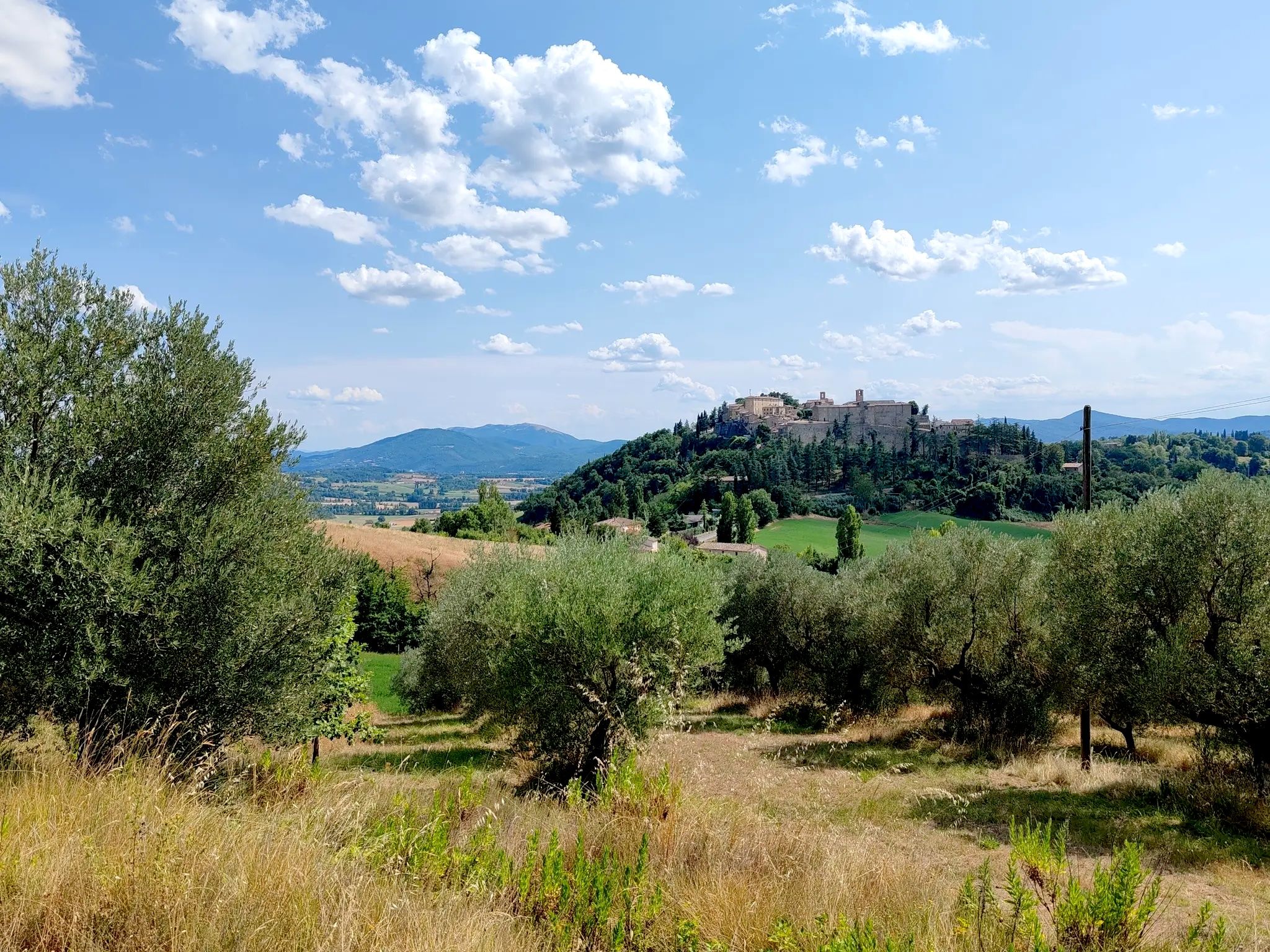
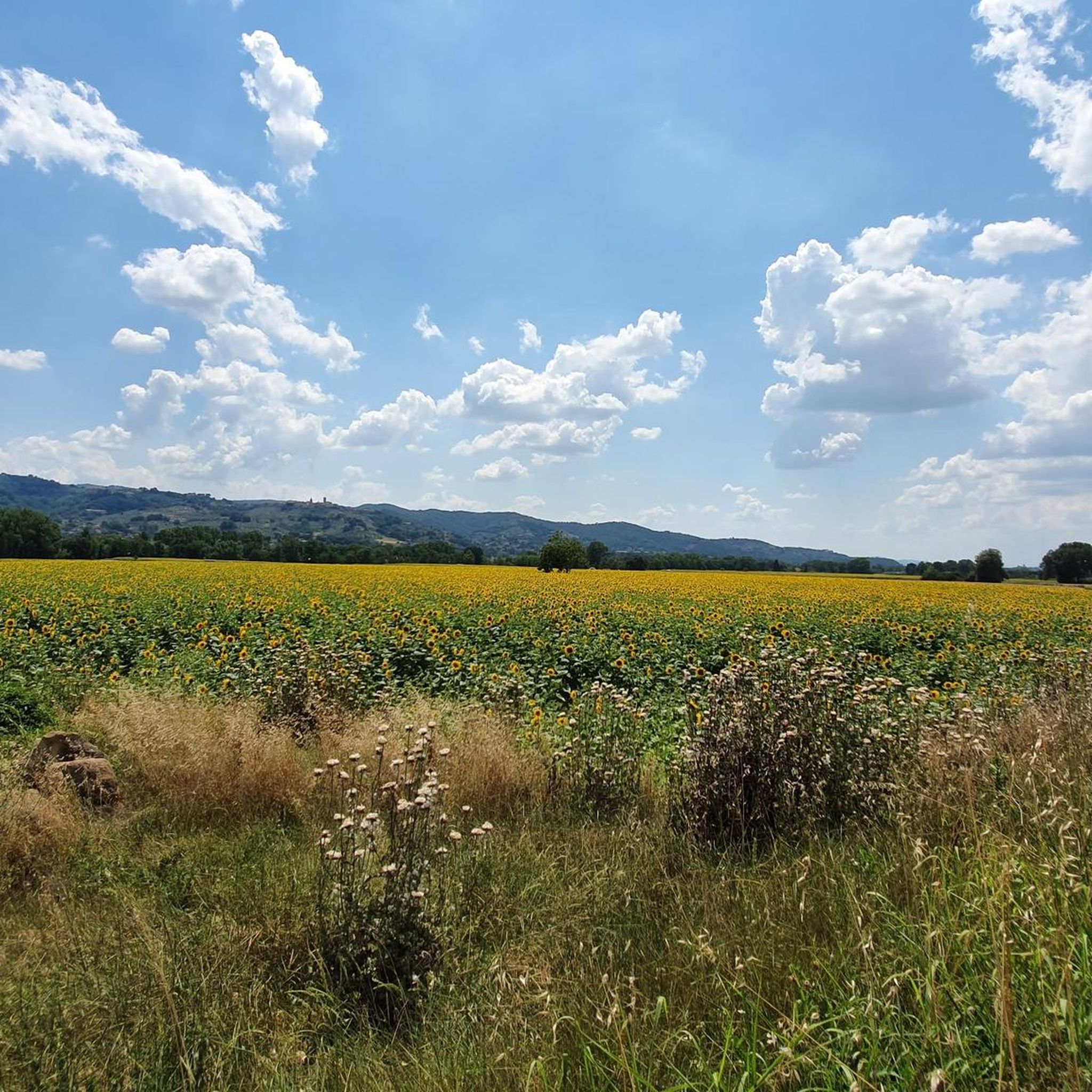
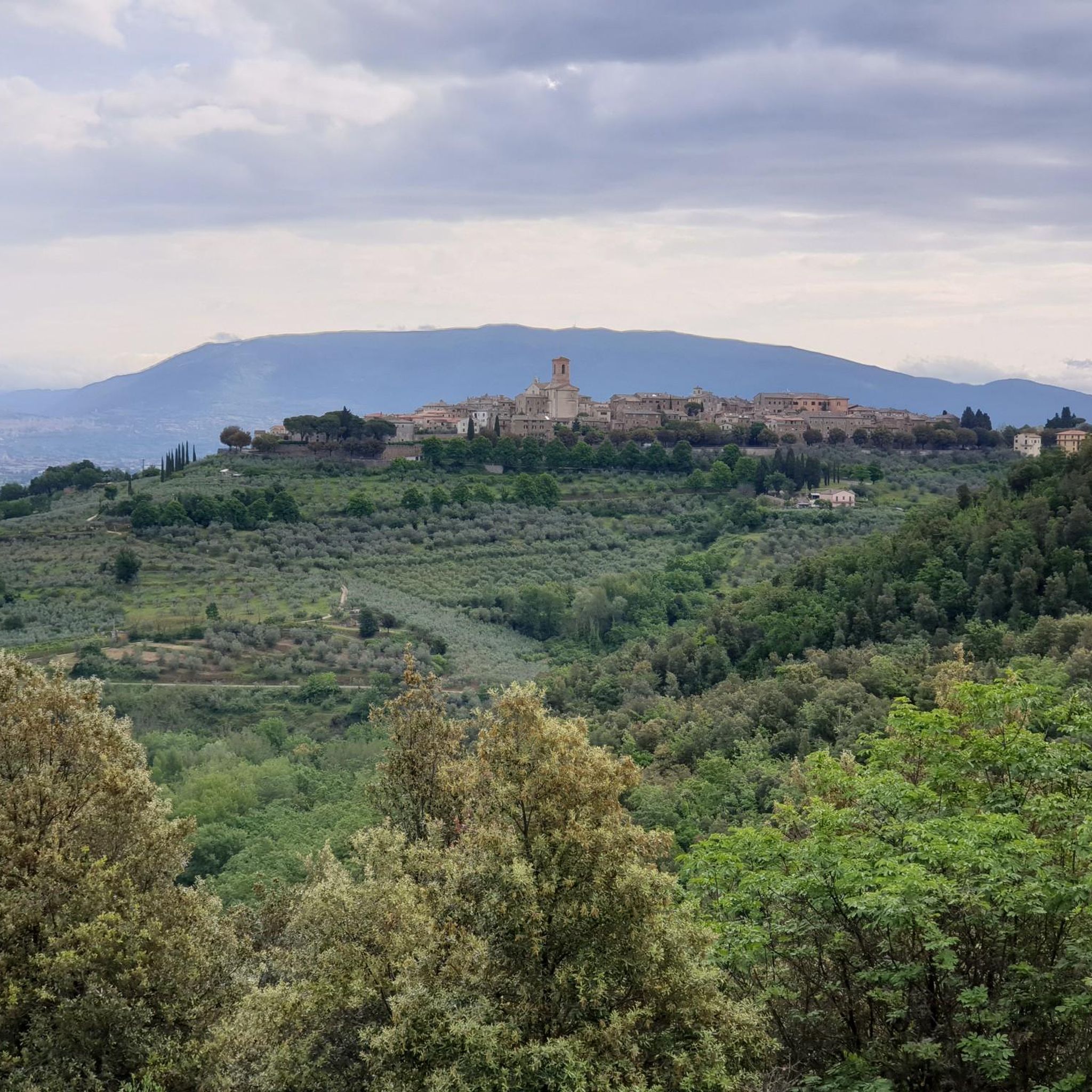
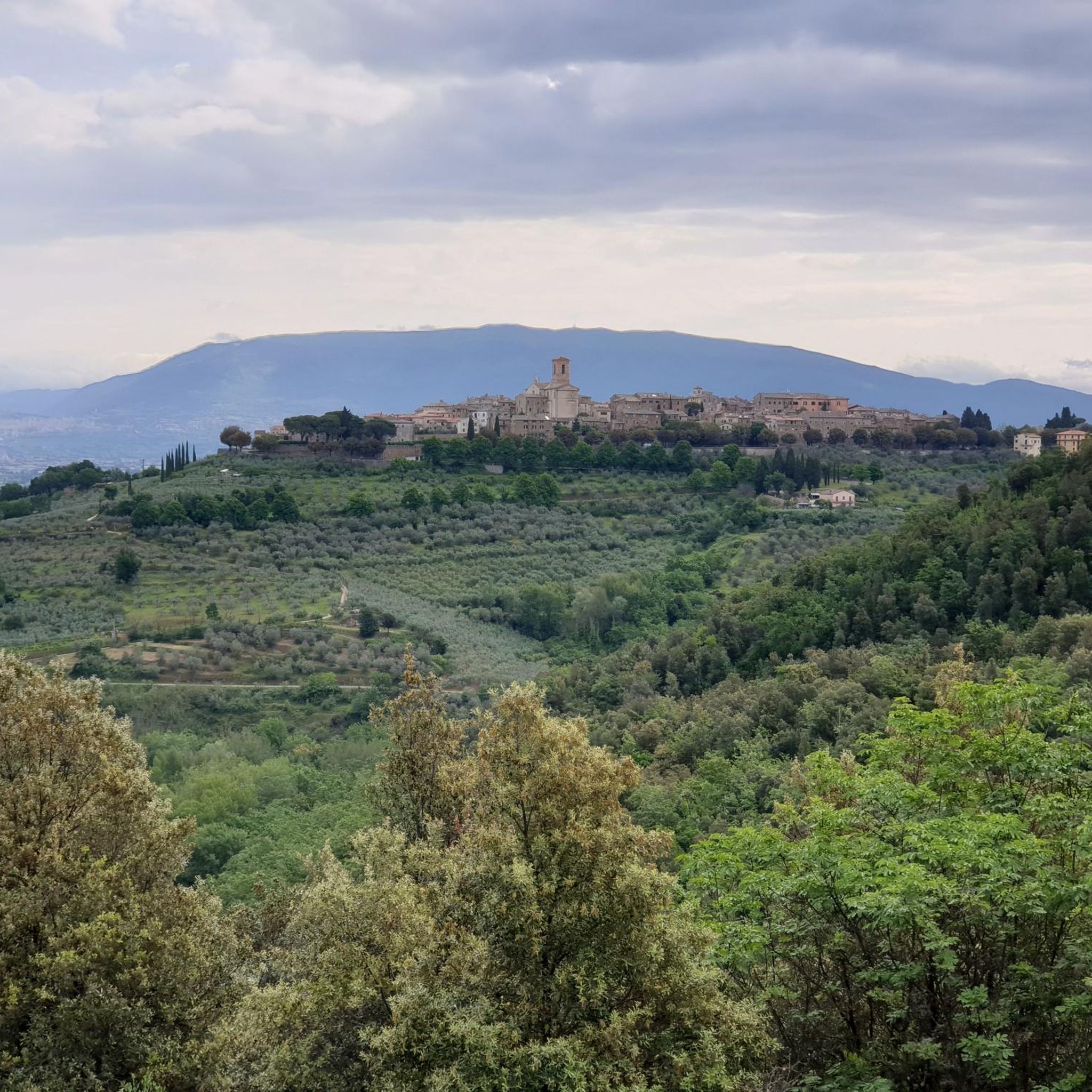
Road cycling routes around Bettona are set in the heart of Umbria, Italy, a region characterized by verdant hills, valleys, ancient olive groves, and vineyards. The terrain offers a mix of moderate climbs and well-paved surfaces, providing panoramic views that extend to landmarks like Mount Subasio and the Tiber Valley. This area is known for its diverse landscape, suitable for various cycling skill levels.
Best road cycling routes around Bettona
- The most popular road cycling route is The village of Prodo from Deruta – loop tour, a difficult 67.1 miles (108.0 km) trail that takes 5 hours 15 minutes to complete. This route features significant elevation gain through varied Umbrian landscapes.
- Another top favourite among local road cyclists is Todi and Monti Martani Loop, a difficult 52.2 miles (84.1 km) path. This route connects historic towns and traverses the hilly terrain of the Monti Martani.
- Local road cyclists also love the From Deruta to the Basilica Santa Maria degli Angeli – loop tour, a 32.3 miles (52.0 km) trail leading through agricultural areas and towards significant historical sites, often completed in about 2 hours 12 minutes.
- Road cycling around Bettona is defined by rolling hills, olive groves, and vineyards, with routes connecting to charming Umbrian villages. The network offers options for different ability levels, from moderate loops to more challenging long-distance routes.
- The routes in Bettona are highly rated by the komoot community with an average score of 4.5 stars from over 170 reviews. More than 5,700 road cyclists have used komoot to explore Bettona's varied terrain.
Last updated: May 12, 2026
3.7
(3)
91
riders
108km
05:15
1,420m
1,430m
Hard road ride. Very good fitness required. Mostly well-paved surfaces and easy to ride.
5.0
(1)
31
riders
84.1km
04:00
1,090m
1,090m
Hard road ride. Very good fitness required. Mostly well-paved surfaces and easy to ride.

Sign up for free
5.0
(1)
25
riders
52.0km
02:13
350m
350m
Moderate road ride. Good fitness required. Mostly well-paved surfaces and easy to ride.
13
riders
48.6km
02:11
470m
470m
Moderate road ride. Good fitness required. Mostly well-paved surfaces and easy to ride.
9
riders
34.1km
01:32
340m
340m
Moderate road ride. Good fitness required. Mostly well-paved surfaces and easy to ride.
Get access to more routes and recommendations from other explorers.
Sign up for free
Already have an account?
Our route recommendations are based on thousands of hikes, rides, and runs completed by other people on komoot.
Start today with a free account
Your next adventure awaits.
Login or Signup

Other adventures around Bettona

Tips from the Community

Prodo Castle dominates the small village of the same name, a hamlet of Orvieto (TR). Built in 1222 by the Prodenzani family as a trapezoidal defensive stronghold with tuff walls, square and round towers, arrow slits, and a fortified gate, it was strengthened between the 13th and 15th centuries to control the Umbrian valleys. Garibaldi's refuge in 1849, it is now privately owned. Although the interior cannot be visited, the exterior offers panoramic views of the Fosso Campione, making it ideal for excursions near the Forello Gorges.
0
0

For the first time, Todi has been recognized as a virtuous municipality in terms of environmental sustainability and quality of life, having been awarded the 2020 "Spighe Verdi" (Green Ears of Wheat) flag by the FEE Italia Foundation for Environmental Education and Confagricoltura. Numerous indicators were taken into consideration, including education for sustainable development; sustainability and innovation in agriculture; the quality of tourism; the enhancement of natural areas and landscape; the maintenance of urban furnishings; and accessibility for all.
1
0


Basilica of Santa Maria degli Angeli The small chapel of Santa Maria degli Angeli alla Porziuncola, still completely preserved inside the basilica, was, according to tradition, built by four soldiers returning from the Holy War in the wooded plain below Assisi, known as the Cerretto della Porziuncola. They brought a piece of the Madonna's tombstone with them. There, on certain autumn days, the strong wind that blew every cloud from the sky and through the leaves seemed similar to the song of angels. The chapel was administered by the Benedictine monks of the monastery of Santa Benedetto al Subasio since the 10th century. This place would probably have been completely forgotten if the paths of Francis and Clare had not led there. Thanks to them, we find the Porziuncola intact today, just as it was a good 1,000 years ago. But instead of the noisy thicket, there is now a large basilica, built between the 16th and 17th centuries, which envelops and protects the chapel like a caring mother. This view from within the building makes the chapel seem even smaller, almost impossibly small. The church was given to the poor saint by the aforementioned Benedictine monks to establish the headquarters of the newly founded Franciscan order. When Francis first came here, the church was in disrepair, and according to his saintly legend, he dedicated the third year after his conversion exclusively to the renovation of the small chapel. It was here, while reading the Gospel, that he realized that his mission was not to restore dilapidated religious buildings, but to rebuild and preach the entire Kingdom of God by living in poverty, penance, and simplicity. From here, Francis and his confreres set out to spread his message throughout Italy, and here they returned again and again. One night in 1211, a desperate and frightened Chiara d'Offreduccio, who had fled her home and her aristocratic family, knocked on the doors of Porciuncola. Text / Source: Exploring-Umbria.com https://www.exploring-umbria.com/de/entdecke-assisi/sehenswuerdigkeiten-in-assisi/basilica-santa-maria-degli-angeli-in-porziuncolabasilika-zu-unserer-lieben-frau-von-den-engeln/
13
0

The peak of Monte Peglia is over 800 meters high and is located in the municipality of San Venanzo. The roads to access it are all quite challenging, but all in all rideable, from any side the climb is generally long (even over 15 km). The peak is easily recognizable by the presence of the RAI antenna. The Monte Peglia nature reserve, in addition to the presence of fauna and flora, is also characterized by the presence of prehistoric fossil deposits and by the three volcanoes, now extinct, near the town of San Venanzo. It's cool in the summer
0
0

Deruta, the ceramic village in the green heart of Umbria
0
0

The town of Todi in the province of Perugia in Umbria is known for its beautiful medieval town center. There are numerous historical buildings lined up around the central Piazza del Popolo. Antique and medieval finds prove that the hilltop town was founded in the 8th century BC by the Indo-European-Italian Umbrian tribe.
1
0

The Basilica of San Francesco, which did not exist during the lifetime of Saint Francis of Assisi (1181/82 to 1226), is nevertheless one of the great "original shrines" of the Franciscan religious family, and a "must" for every Assisi resident. Visitors. As the church of the order's founder, it is of course very important spiritually - which is expressed, among other things, by the rare title of "Basilica major" (papal basilica); but then also in terms of art history, especially because of the great frescoes in the lower and upper churches (in the latter in particular the cycle with 28 pictures from the life of Saint Francis by Giotto Bondone). This important place of worship is therefore quite rightly on the UNESCO World Heritage List. Saint Francis (canonized in 1228, just two years after his death) became a role model for many people, they joined him, and the "Order of the Friars Minor" (Ordo Fratrum Minorum) of Francis of Assisi was created. Today there are three male branches in the broad Franciscan religious family: the Franciscans, the Minorites and the Capuchins; as well as two female ones: the Franciscan Sisters and the Poor Clares. In addition, there is the “Third” or “Secular” Order, which can be joined by women and men who do not take the classic religious vows (poverty, chastity and obedience) and continue to live in their family and their profession.
7
0
Frequently Asked Questions
How many road cycling routes are available around Bettona?
Bettona offers a wide selection of road cycling routes, with over 280 different tours available. These routes cater to various skill levels, from easy rides to more challenging long-distance options.
What kind of terrain can I expect when road cycling in Bettona?
The terrain around Bettona is characterized by verdant hills, valleys, ancient olive groves, and vineyards. You'll find a mix of moderate climbs and well-paved surfaces, offering panoramic views that extend to landmarks like Mount Subasio, Assisi, Perugia, and the Tiber Valley. The region is often referred to as the 'Balcony of Umbria' due to its stunning vistas.
Are there road cycling routes suitable for beginners in Bettona?
Yes, Bettona provides options for beginners. Approximately 50 of the available road cycling routes are classified as easy, offering a gentler introduction to the region's beautiful landscapes. These routes often wind through picturesque scenery with less demanding climbs.
What options are there for experienced road cyclists seeking a challenge?
Experienced road cyclists will find plenty of challenging routes around Bettona. There are 68 difficult routes, including longer distances and significant elevation gains. For example, the The village of Prodo from Deruta – loop tour is a difficult 67.1-mile (108.0 km) trail with substantial climbing, and the Todi and Monti Martani Loop covers 52.2 miles (84.1 km) through hilly terrain.
Can I find circular road cycling routes around Bettona?
Yes, many road cycling routes around Bettona are designed as loops, allowing you to start and finish in the same location. Examples include the The village of Prodo from Deruta – loop tour and the Todi and Monti Martani Loop, which are popular choices for their scenic circular paths.
What historical or natural landmarks can I see along the road cycling routes?
Road cycling routes around Bettona often pass by significant historical and natural landmarks. You can explore sites like the Basilica of Saint Francis, the Cathedral of San Rufino, and the Piazza del Comune in Assisi. Natural features include viewpoints like Colle San Rufino and serene spots like Lake Aiso and Fountain.
When is the best time of year to go road cycling in Bettona?
The spring and autumn months are generally ideal for road cycling in Bettona. During these seasons, the weather is pleasant, and the landscapes are particularly vibrant with blooming flowers or rich autumnal colors. Summers can be hot, while winters are cooler but still offer opportunities for cycling on milder days.
Are there family-friendly road cycling routes in Bettona?
Yes, Bettona offers family-friendly road cycling options, particularly among its 50 easy-rated routes. These routes typically feature less elevation gain and are shorter in distance, making them suitable for families with varying skill levels. The region's quiet roads and scenic agricultural areas provide a pleasant environment for family rides.
What do other road cyclists enjoy most about cycling in Bettona?
The komoot community highly rates road cycling in Bettona, with an average score of 4.5 stars from over 170 reviews. Cyclists frequently praise the stunning panoramic views, the diverse terrain that caters to all levels, and the charming Umbrian villages connected by the routes. The blend of natural beauty and cultural richness is a significant draw.
Can I combine road cycling with cultural experiences in Bettona?
Absolutely. Bettona's central location and rich history make it perfect for combining cycling with cultural exploration. Many routes connect to charming Umbrian villages like Assisi, Spello, Bevagna, and Montefalco, allowing you to visit ancient churches, archaeological sites, or even enjoy tastings at local wineries or olive mills. The town itself boasts Etruscan walls and medieval structures, including the Palazzo del Podestà which houses the Museo della Città.
Are there places to eat or drink along the road cycling routes?
Yes, as you cycle through Bettona and its surrounding villages, you'll find numerous opportunities to stop for refreshments. Many routes pass through or near towns that offer cafes, restaurants, and local trattorias where you can enjoy traditional Umbrian cuisine and beverages. Exploring these local establishments is part of the cultural experience.
What are the parking options for road cyclists in Bettona?
Parking is generally available in and around Bettona, especially in the larger towns and starting points of popular routes. Many villages have designated parking areas, and it's often possible to find street parking. For specific routes, checking the route details on komoot or local tourist information can provide more precise parking recommendations.
Are there any routes that connect Bettona to other charming Umbrian villages?
Yes, the region is well-connected, allowing cyclists to explore trails linking Bettona with other charming Umbrian villages. For instance, the Assisi and Santa Maria degli Angeli from Deruta route offers a journey through agricultural areas towards significant historical sites, including Assisi.
Most popular attractions around Bettona

Get inspired with the komoot mobile app


Explore more
Browse the best Road cycling routes in other regions.
