The best cycling routes around Fosdinovo
4.4
(844)
9,640
riders
15
rides
Touring cycling around Fosdinovo offers diverse landscapes, situated between the Apennines, Apuan Alps, and the Ligurian Sea. The region features rolling hills, coastal views, and the Val di Magra and Luni Plains. Cyclists can experience routes through vineyards, olive groves, and medieval villages, with the dramatic Apuan Alps often forming a mountainous backdrop. This area provides a blend of coastal and mountainous terrain suitable for various cycling experiences.
Best touring cycling routes around Fosdinovo
- The most popular touring cycling route…
Last updated: July 13, 2026
3.9
(12)
73
riders
88.3km
06:27
1,830m
1,830m
Hard bike ride. Very good fitness required. Mostly paved surfaces. Suitable for all skill levels.
38
riders
25.9km
02:14
620m
620m
Hard bike ride. Very good fitness required. You may need to push your bike for some segments of this route.

Sign up for free
4.8
(4)
50
riders
26.0km
01:41
340m
340m
Moderate bike ride. Good fitness required. Mostly paved surfaces. Suitable for all skill levels.
5.0
(3)
12
riders
44.0km
02:57
510m
510m
Hard bike ride. Very good fitness required. Mostly paved surfaces. Suitable for all skill levels.
13
riders
16.4km
01:18
480m
480m
Hard bike ride. Very good fitness required. Mostly paved surfaces. Suitable for all skill levels.
Get access to more routes and recommendations from other explorers.
Sign up for free
Already have an account?
Our route recommendations are based on thousands of hikes, rides, and runs completed by other people on komoot.
Start today with a free account
Your next adventure awaits.
Login or Signup

Tips from the Community

The Magra river is an important watercourse in central Italy, 62 kilometers long, flowing between Tuscany and Liguria. It represents Liguria's main watercourse by average flow rate at the mouth. It originates at an altitude of 1,401 meters from Monte Borgognone, crosses the fertile Val di Magra, and flows into the Ligurian Sea at the locality of Bocca di Magra
0
0
Bocca di Magra is a charming coastal hamlet in the municipality of Ameglia, located in the province of La Spezia at the mouth of the river of the same name, Magra. An ancient fishing village, the locality lies on the border between Liguria and Tuscany, immersed in the greenery of the Montemarcello-Magra-Vara Regional Natural Park.
0
0

The entire stretch is affected by cycle path development/modernization works, and is inaccessible 🚳.
1
0
The Citadel, also known as the Sarzana Fortress or Firmafede Fortress, was the first fortification in Sarzana, built in the 13th century. It was owned by the lord Castruccio Castracani, who made numerous significant modifications to its defenses. After its destruction by Florence in 1487, it was rebuilt on the orders of Lorenzo de' Medici. In 1494, the Republic of Genoa, having regained possession of Sarzana, completed work on the Citadel. The fortress is used as a venue for cultural events and exhibitions and also houses the Fortress Museum, an interactive exhibit that traces the history of Sarzana and the Lunigiana region.
0
0
Of the five gates that once provided access to the town, Porta Romana and Porta Parma remain on the opposite side. We are on the ancient Via Romea, and today's Via Mazzini is a vestige of it. Its current appearance, clad in white Carrara marble, dates back to 1783; on the exterior is the coat of arms of Genoa and, higher up, a statue of Mary.
0
0
It was built on the area where the parish church of San Basilio once stood, starting in 1204. Construction work ended in 1474 with the completion of the upper part of the façade by Leonardo Riccomanni. Following the completion of the work, in 1735 the statues of Saint Eutychiano in the centre, of Sergius IV on the left and of Nicholas V on the right were placed on the façade. The building, which represents the sum of all the historical-artistic production of Sarzana and the Magra Valley, has been elevated to a minor basilica. It preserves, among other works, the crucifix by Mastro Gugliermo (1138), the first dated example of a painted cross in the history of art.
0
0

The building of the Cathedral of St. Mary of the Assumption, erected on the area occupied by the previous parish church of San Basilio, is consequent to the transfer of the bishop's seat from Luni to Sarzana in 1204. È assai probabile che i lavori siano effettivamente iniziati solo alla fine del secolo XIII. In 1355, the lower part of the façade was completed (as recalled by the inscription engraved on the marble architrave of the portal), while in 1474 Lorenzo Riccomanni da Pietrasanta created the rose window that adorns the upper part. The construction of the bell tower also dates back to the 15th century, while between the end of the 17th century and the beginning of the 18th century, the two side bodies flanking the marble façade were built to open the six internal chapels. Also dating back to the 18th century are the statues placed at the crowning of the building depicting three important exponents of the Lunigiana church: Pope Sergius IV, St. Eutichiano and Nicholas V. The interior with three wide naves divided by octagonal pillars and covered by a valuable wooden coffered ceiling, created in 1670 by Pietro Giambelli from Pisa, preserves important testimonies of art and faith: among them, the Reliquary of the Precious Blood of Christ and the painted Cross by Mastro Guglielmo, a cornerstone of Italian Romanesque painting, signed and dated 1138. (c) https://visitsarzana.it/cathedral-santa-maria-assunta/
0
0
Porta Romana is one of the historic entrances to the center of Sarzana, dating back to the 15th century, once an entry point along the Via Francigena. It preserves the city's identity and is a symbol of continuity between past and present.
1
0
Frequently Asked Questions
How many touring cycling routes are available around Fosdinovo?
There are over 280 touring cycling routes around Fosdinovo, offering a wide range of options for different skill levels and preferences. You'll find everything from easier paths to more challenging routes with significant climbs.
What kind of landscapes can I expect to see while cycling around Fosdinovo?
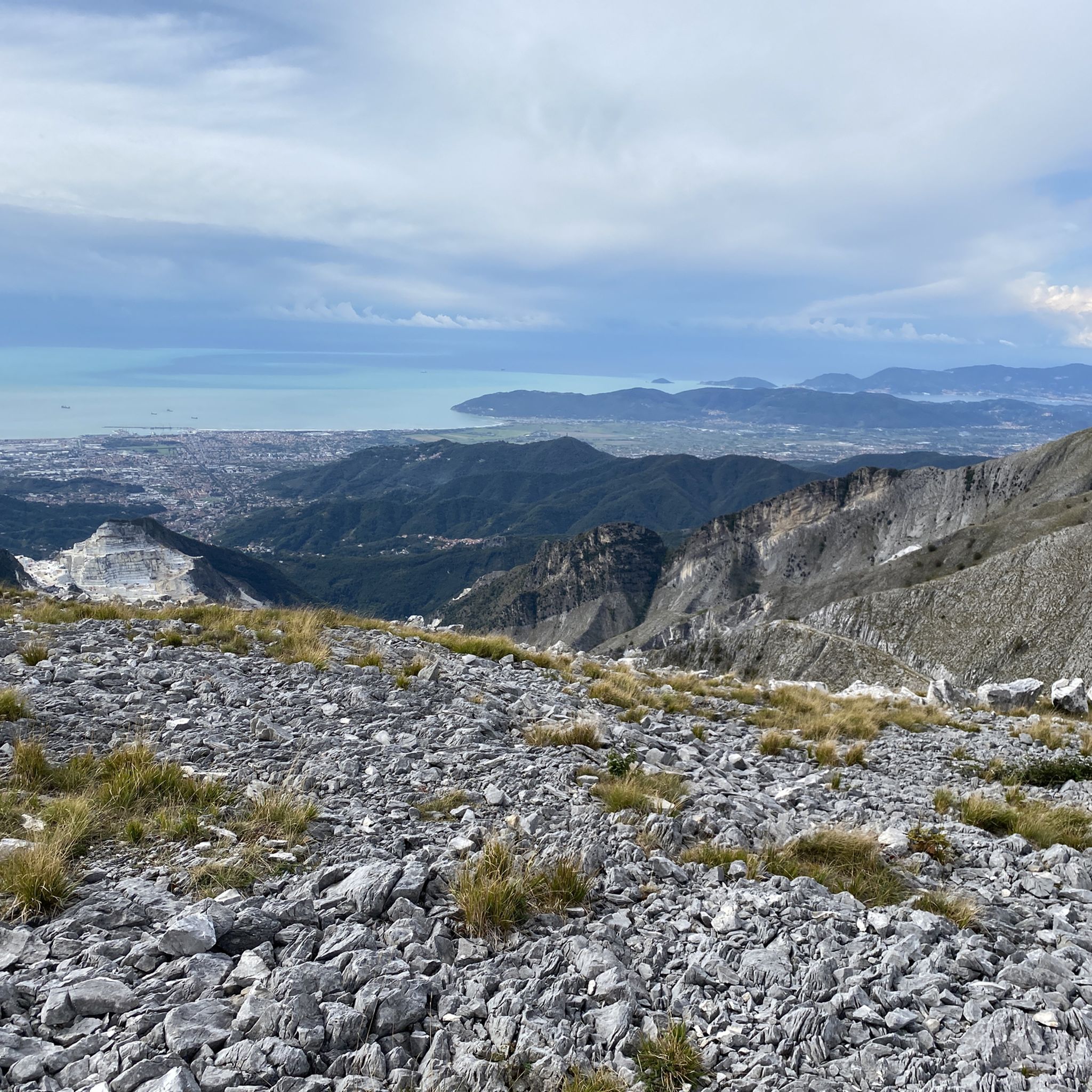
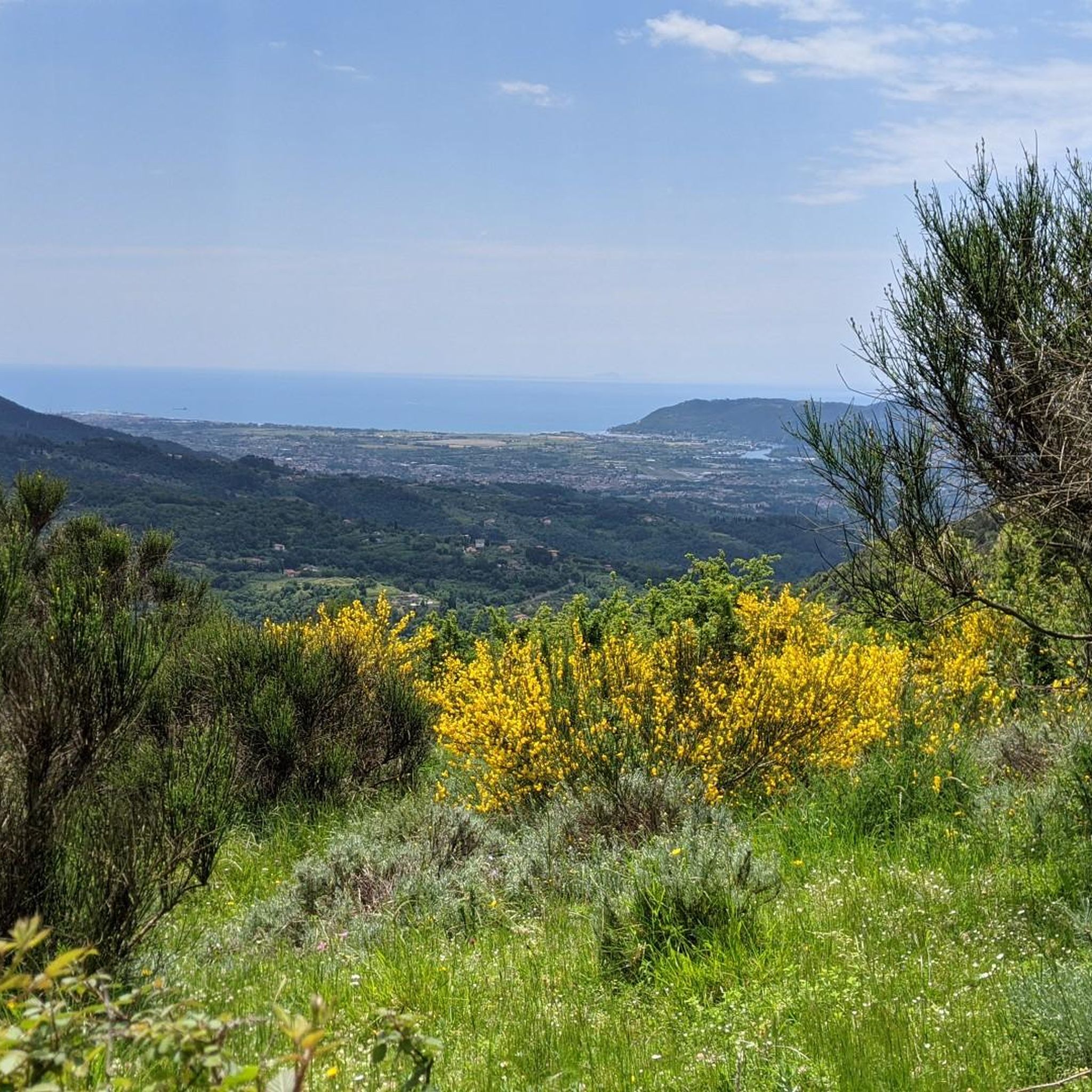
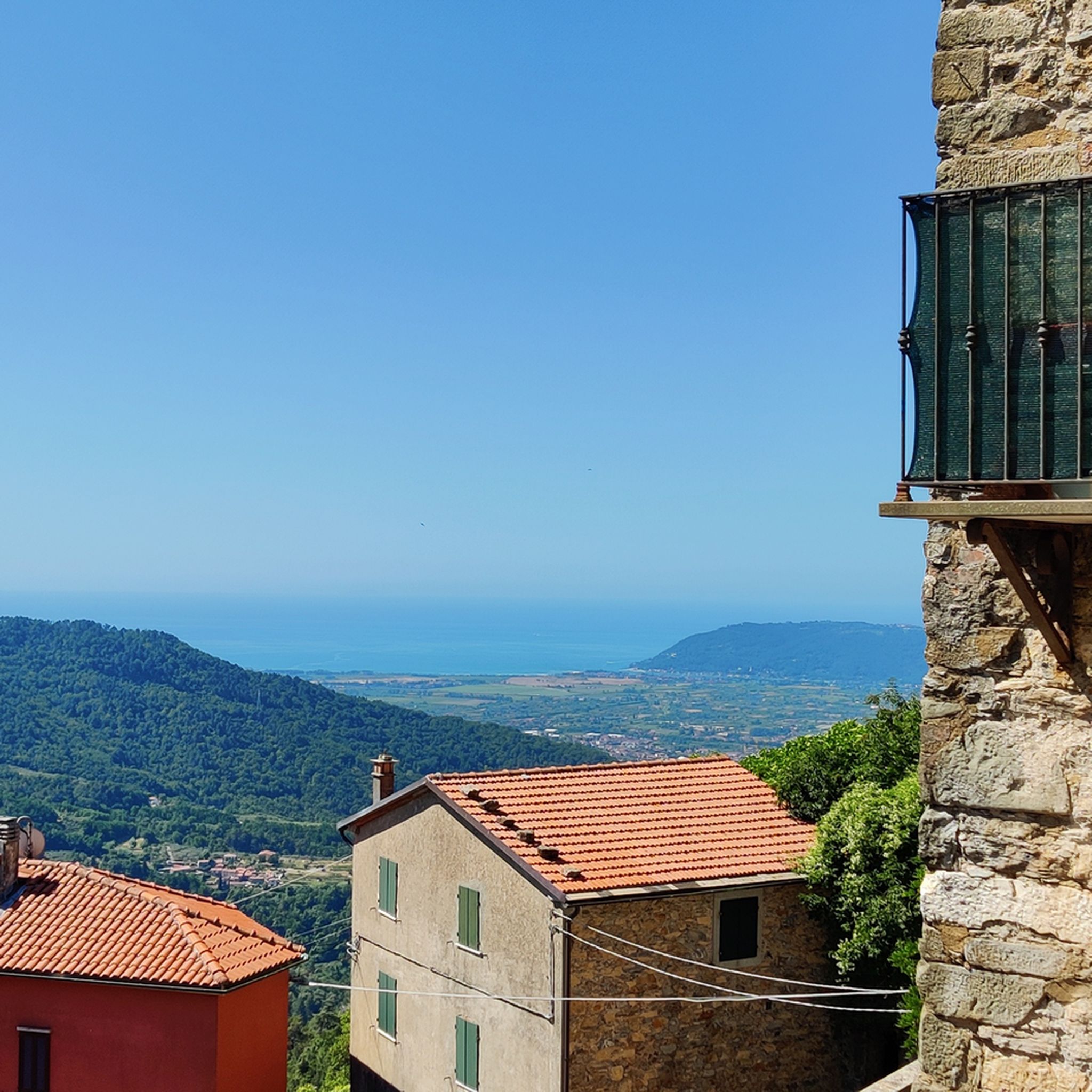
Fosdinovo offers incredibly diverse landscapes. You can expect breathtaking 360-degree panoramic views of the Val di Magra and Luni Plains, the Magra river estuary, and the Ligurian Sea coast. The dramatic Apuan Alps provide a stunning mountainous backdrop, contrasting with the green forms of the Apennines. Many routes also wind through picturesque vineyards, olive groves, and medieval villages.
Are there historical landmarks or attractions along the cycling routes?
Yes, the region is rich in history. Many routes incorporate or pass by significant historical sites. For instance, the magnificent 12th-century Malaspina Castle dominates Fosdinovo itself. You can also explore other fortresses and historical sites such as Firmafede Fortress, Sarzanello Fortress, and Brunella Fortress. The historic Via Francigena also passes through the Lunigiana region, offering a cultural cycling experience.
Are there challenging routes with significant elevation gain?
Absolutely. Fosdinovo is situated between the Apennines and Apuan Alps, providing ample opportunities for challenging rides. For example, the Lunense Canal Cycle Path – Passo del Giogo loop from Sarzana is a difficult 94.4 km route with over 1600 meters of elevation gain. Another demanding option is the Lake Gramolazzo – Lake Gramolazzo loop from Sarzana, which covers 112.9 km with similar elevation.
Can I find routes with panoramic viewpoints?
Yes, panoramic views are a highlight of cycling in this region. Many routes offer stunning vistas, particularly those along the coast or in higher elevations. The View of La Spezia and Its Gulf – View of Cala di Montenero loop from Sarzana is specifically known for its panoramic vistas of La Spezia and its Gulf. You can also enjoy views of Portovenere, and on clear days, even Elba Island and Corsica from various points.
What do other cyclists say about touring cycling in Fosdinovo?
The touring cycling routes around Fosdinovo are highly rated by the komoot community, with an average score of 4.3 stars from over 600 reviews. Cyclists often praise the diverse terrain, stunning coastal and mountain views, and the opportunity to explore charming medieval villages.
Are there any circular touring cycling routes around Fosdinovo?
Yes, many of the touring cycling routes around Fosdinovo are designed as loops, allowing you to start and end in the same location. Examples include the Marina di Carrara Beach – Versilia River Cycle Path loop from Sarzana and the Firmafede Fortress – Cycle path to Aulla loop from Sarzana. These circular routes make planning your day trip more convenient.
Are there options for different types of bikes, like gravel or mountain bikes?
While this guide focuses on touring cycling, the region around Fosdinovo does offer options for other bike types. The 'Sentiero dei Ducati' trail, for example, provides both mountain biking and gravel cycling opportunities, featuring ancient roads, mule tracks, and technical paths. This indicates a varied terrain suitable for different cycling disciplines.
What is the best time of year for touring cycling in Fosdinovo?
The region generally offers good cycling conditions for much of the year. Spring and autumn are often ideal, with pleasant temperatures and lush landscapes. Summer can be warm, especially in coastal areas, but higher elevation routes offer cooler conditions. Winter cycling is possible, though some mountain passes might be affected by weather.
Are there family-friendly cycling options in the area?
Yes, while some routes are challenging, there are also easier paths suitable for families. The region features cycle paths and routes with less elevation gain, particularly along river paths or flatter sections of the Val di Magra and Luni Plains. Look for routes described as 'easy' or 'moderate' for more family-friendly experiences.
Where can I park my car when starting a cycling tour in Fosdinovo?
Parking availability can vary depending on your starting point. For routes beginning in larger towns like Sarzana, you'll typically find public parking areas. In smaller villages like Fosdinovo, parking might be more limited but usually available near the historic center or designated visitor areas. It's advisable to check specific parking options for your chosen starting location.
Is it possible to reach cycling routes around Fosdinovo using public transport?
Public transport options, such as regional trains and buses, connect some of the towns and villages in the Lunigiana region. While direct access to all trailheads with bikes might require some planning, it is generally possible to reach starting points in towns like Sarzana or Aulla via public transport. Always check local schedules and bike carriage policies in advance.
Can I find places to eat or drink near the cycling routes?
Yes, the region is dotted with charming villages and towns where you can find cafes, restaurants, and trattorias. Fosdinovo itself, an 'Orange Flag' village, offers quality tourist offerings including places to eat. Many routes pass through or near these settlements, providing opportunities to refuel and experience local cuisine.
Most popular routes around Fosdinovo
Most popular attractions around Fosdinovo

Get inspired with the komoot mobile app


Explore more
Browse the best Cycling routes in other regions.
