Attractions and Places To See around Fornovo Di Taro - Top 20
Best attractions and places to see around Fornovo Di Taro include a blend of historical, cultural, and natural sites. Situated between the Po Valley and the Lunigiana Valley, Fornovo Di Taro was a significant stop along the ancient Via Francigena pilgrimage route. The area features medieval castles, historical churches, and natural parks along the Taro River. Visitors can explore a variety of landscapes, from riverine ecosystems to the unique geology of the Middle Parma Apennines.
Best attractions and places to…
Last updated: August 16, 2026
Corte di Giarola
Highlight • Historical Site
Translated by Google •
Tip by

Cyclo-pedestrian footbridge over the Baganza River
Highlight • Bridge
Translated by Google •
Tip by

Sign up now to discover places like this
Get recommendations on the best single tracks, peaks, & plenty of other exciting outdoor places.
Sign up for free
Torrechiara Castle
Highlight • Castle
Translated by Google •
Tip by
Road in the Boschi di Carrega
Highlight • Forest
Translated by Google •
Tip by

Rocca Sanvitale di Sala Baganza
Highlight • Castle
fountain. Outside there are also games for children.
Translated by Google •
Tip by

Sign up for free to discover even more attractions around Fornovo Di Taro.
Sign up for free
Already have an account?
Start today with a free account
Your next adventure awaits.
Login or Signup
Popular around Fornovo Di Taro
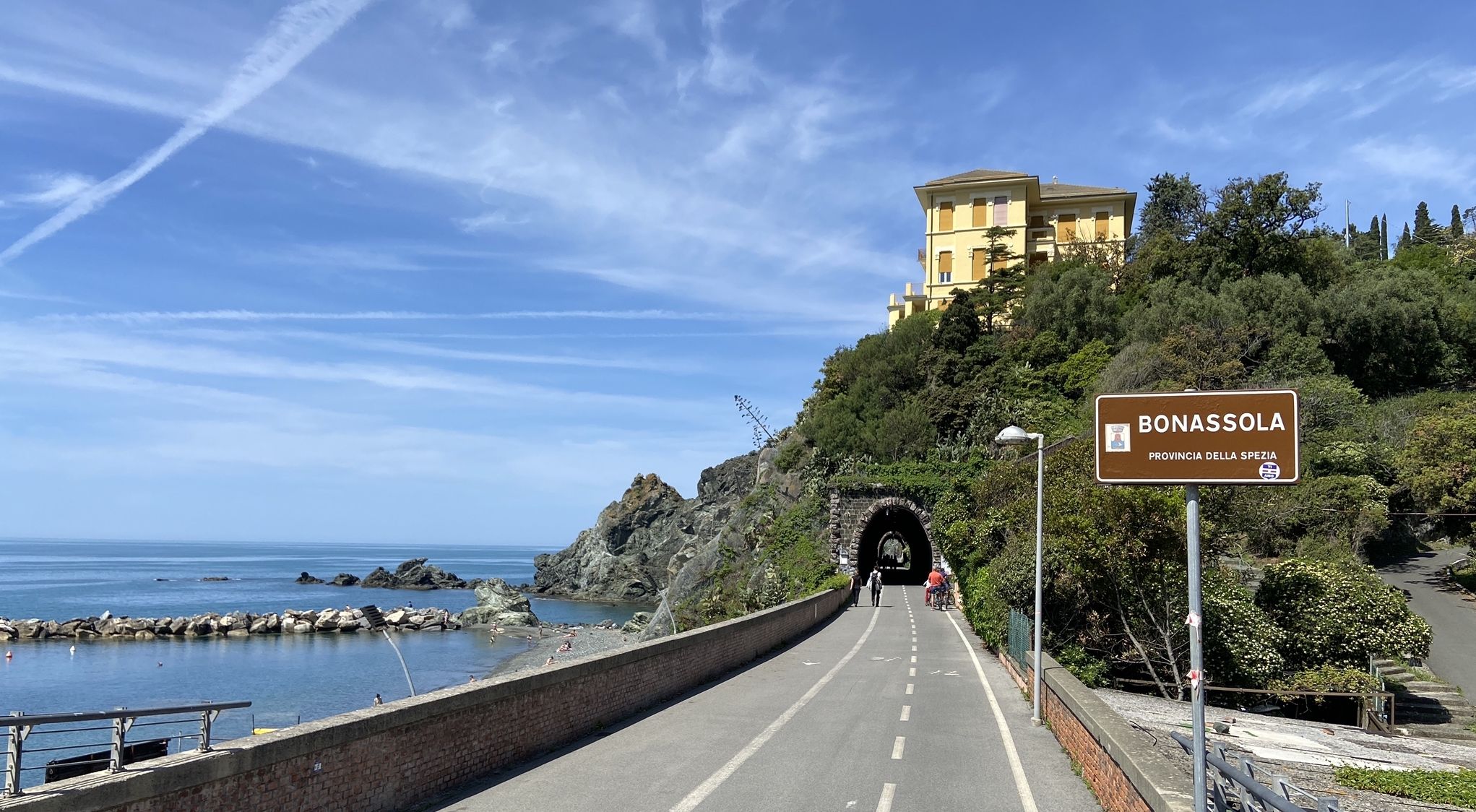
Pedalling to Portofino and the Cinque Terre — sea and mountains
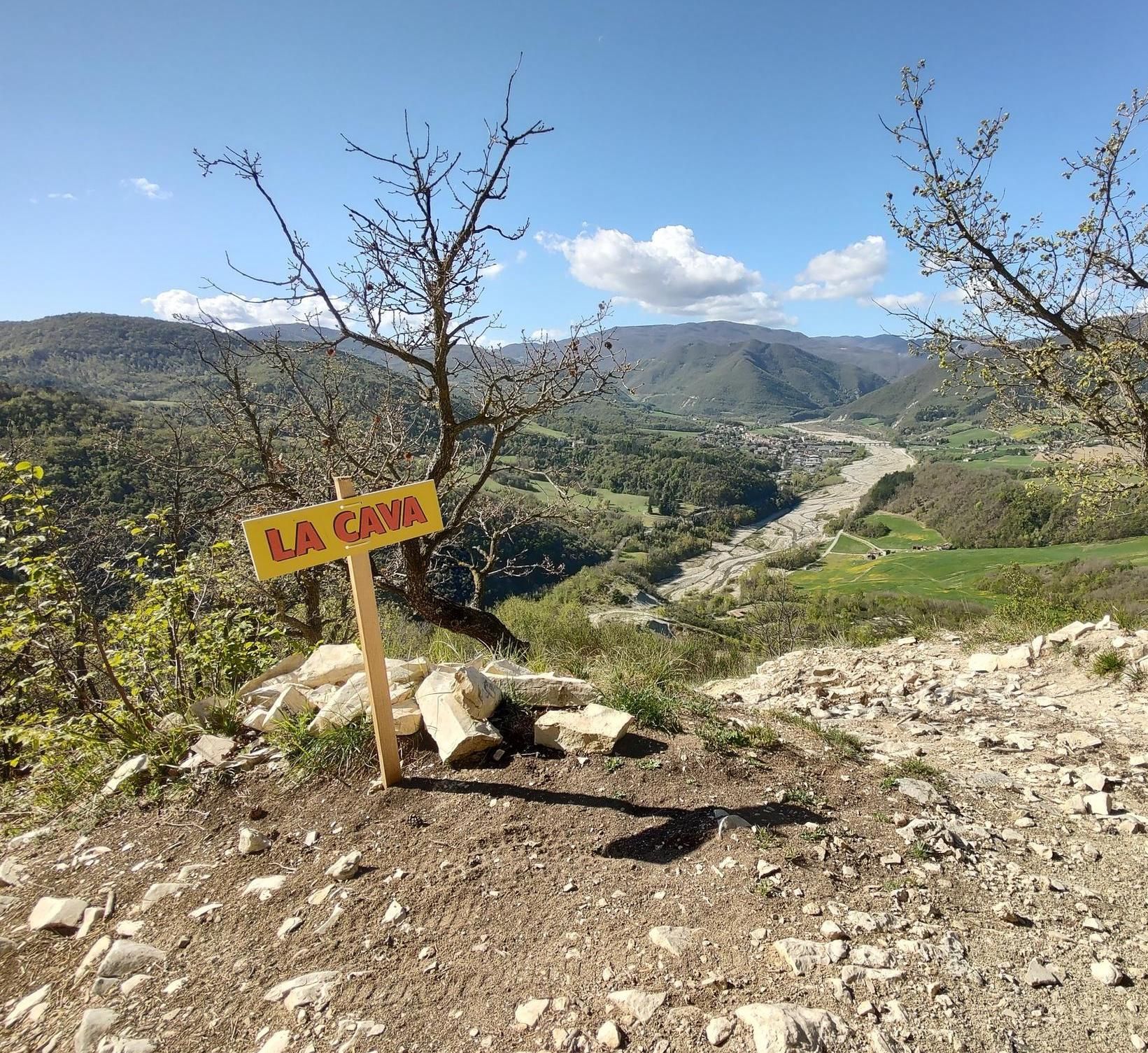
Preappennino parmense in MTB - an area to discover
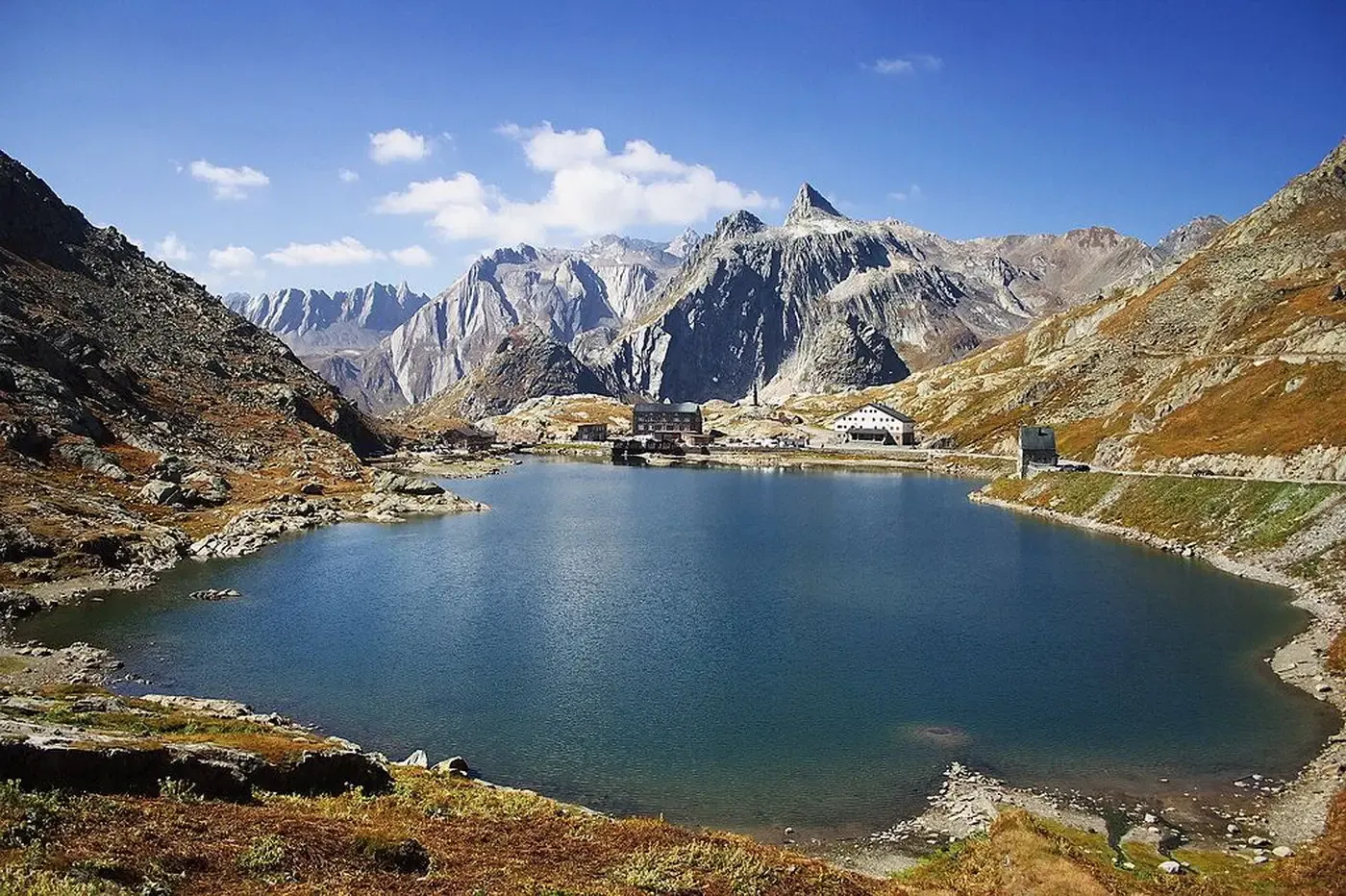
A cycling pilgrimage — history and nature on Italy’s Via Francigena
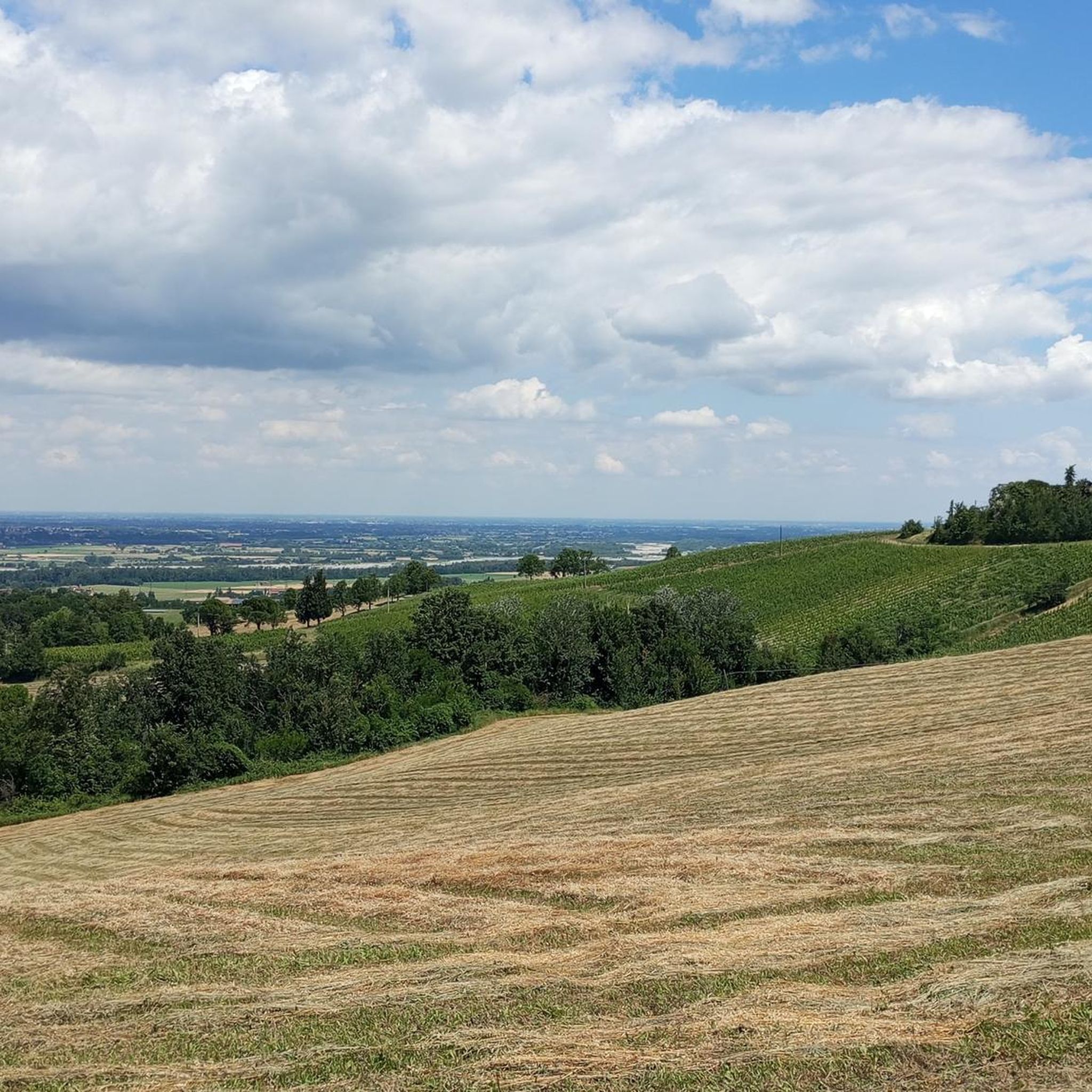
Hiking around Fornovo Di Taro

Gravel biking around Fornovo Di Taro
Road Cycling Routes around Fornovo Di Taro
MTB Trails around Fornovo Di Taro
Cycling around Fornovo Di Taro
Running Trails around Fornovo Di Taro
Other adventures around Fornovo Di Taro


Tips from the Community

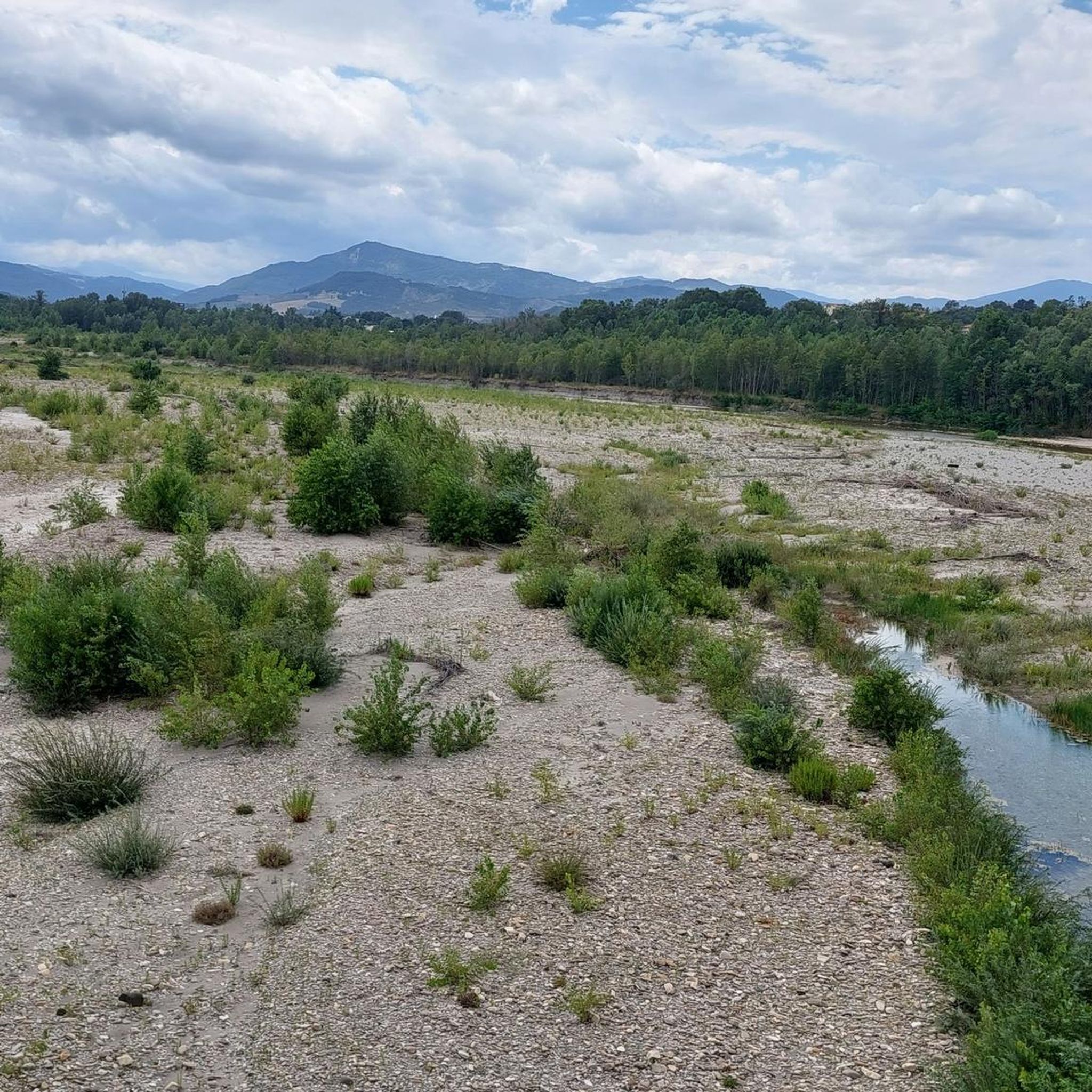
The Boschi di Carrega Regional Park was established in 1982 as the first regional park in Emilia-Romagna. It is located in the province of Parma, extending for about 1270 hectares on the river terraces between the Taro river and the Baganza stream, in the municipal territories of Collecchio, Sala Baganza and Fornovo di Taro. This green lung protects a hilly area of immense naturalistic, historical and cultural value, famous for its ducal atmospheres and its elegant landscapes.
0
0

La corte di Giarola è una corte rurale medievale dotata di chiesa interna, situata nell'omonima località presso Pontescodogna, frazione di Collecchio, in provincia di Parma; costituisce la sede dell'Ente di Gestione per i Parchi e la Biodiversità Emilia Occidentale, del museo del pomodoro, del museo della pasta, del Teatro alla Corte, del centro visite "Sotto il segno dell'acqua", di due sale convegni e di un ristorante.[1][2] È il punto di partenza per semplici camminate nel Parco del Taro. STORIA: La corte fu costruita originariamente tra l'VIII e il IX secolo per volere della casata di Ingo, nobile franco; l'edificio nacque quale presidio fortificato a controllo del vicino guado di un ramo della via Francigena attraverso il fiume Taro; a causa della sua prossimità al corso d'acqua, la località era conosciuta col nome di Glarola, forse di origine latina, in riferimento alla grande quantità di ghiaia depositata sulle sponde. La più antica testimonianza della sua esistenza risale al 1034, quando Glariola fu citata in un rogito di compravendita di terreni da parte di Alberto Prete a Giovanni di Viarolo. I discendenti di Ingo, feudatari della zona,nel 1045 donarono il castrum con la sua cappella romanica alla badessa Imila del monastero di San Paolo di Parma. L'anno seguente il vescovo Cadalo cedette alcune terre in castro clariolae alle monache. Nei decenni seguenti le religiose trasformarono la struttura in una corte agricola indipendente,[4][5] protetta da mura e dotata di abitazioni, stalle, caseificio e mulino alimentato dalle acque del canale Naviglio; le boscose e paludose terre circostanti furono bonificate e coltivate. Nel 1187 il papa Gregorio VIII emanò una bolla confermando alla badessa di San Paolo i diritti sull'Ecclesiam Sancti Nicomedi de Glarola, oltre a numerose altre del Parmense. A difesa dell'edificio e del guado il vescovo di Parma fece inoltre erigere una torre difensiva, che si aggiunse ai vicini castelli di Collecchio, Segalara, Madregolo e Carona. Nel 1308 i Rossi e i Lupi, dopo la loro cacciata da Parma, presero possesso della struttura fortificata di Giarola, che pochi mesi dopo fu contrattaccata dalle truppe di Giberto III da Correggio e distrutta al termine di un aspro combattimento; sopravvissero solo la corte agricola e la cappella. Nel 1440 ogni residua struttura fortificata fu completamente demolita o trasformata in abitazioni. Nel 1451 la corte ospitò durante il suo viaggio il duca di Milano Francesco Sforza,mentre nel 1495 vi si accamparono, in vista della battaglia di Fornovo, le truppe di Ludovico il Moro. Secondo il Catasto farnesiano del 1562, la corte, dipendente dalla magistratura di Parma e abitata da 110 persone, gestiva un territorio di 1140 biolche parmigiane, corrispondenti a circa 342 ettari, appartenenti in gran parte al monastero di San Paolo; le coltivazioni si estendevano in particolare nella pianura occidentale, in quanto all'epoca il fiume Taro scorreva molto più a ovest. Nel 1760 la chiesa romanica fu modificata in stile neoclassico. Dopo la conquista napoleonica del ducato di Parma e Piacenza, la corte rimase per alcuni anni soggetta direttamente al Comune (o mairie) di Parma, ma nel 1806 fu aggregata a quello di Collecchio. In seguito alla soppressione degli ordini religiosi che colpì anche le benedettine del monastero di San Paolo, nel 1811 la tenuta fu confiscata dal governo francese e affittata a imprenditori agricoli, primi tra tutti i conti Camillo e Alessandro Zileri. Gli abitanti della struttura raggiunsero la quota di 312 nel 1855, per calare un po' alla volta nei decenni seguenti. Le terre furono lottizzate e alienate a privati, mentre la corte fu acquistata alla fine del XIX secolo dalla famiglia Montagna, che dedicò parte dei terreni circostanti alla coltivazione di pomodori e costruì in adiacenza una fabbrica di conserva e un moderno caseificio con annesso allevamento di suini, affittati a conduttori esterni. Durante la seconda guerra mondiale, il 17 aprile 1945 la corte fu colpita dai bombardamenti alleati, che causarono la morte di nove persone[14] e il parziale crollo della chiesa di San Nicomede, di cui rimasero in piedi soltanto alcune porzioni delle murature esterne; il luogo di culto fu ricostruito nel 1950 nelle originarie forme romaniche. La fabbrica conserviera fu alienata nel 1957 all'imprenditore Ercole Azzali; pochi anni dopo fu però chiusa, mentre il caseificio sopravvisse ancora per qualche tempo. Dopo la cessazione dell'attività, il degrado aumentò, finché nel 1998 la corte e le strutture annesse furono acquistate dall'Ente Parco Fluviale Regionale del Taro, poi Ente di Gestione per i Parchi e la Biodiversità Emilia Occidentale, che ne avviò i lavori di ristrutturazione, adibendo parte dell'edificio a propria sede; nell'ala est furono inoltre ricavati un percorso espositivo e una sala auditorium. Nel 2005 fu recuperata la casa colonica esterna, destinata a Laboratorio storico. Nel 2006, su finanziamento della Regione Emilia-Romagna, del Comune di Collecchio e della Fondazione Cariparma, l'ala sud, originariamente adibita a legnaia e deposito, fu trasformata in sala teatrale; il Teatro alla Corte fu inaugurato nel settembre del 2007; nello stesso anno furono avviati i lavori di sistemazione dell'ala ovest, ove all'interno delle antiche stalle trovò spazio nel 2010 il Museo del pomodoro. Nel 2013 il cantiere dell'ala ovest fu completato recuperando anche l'antico pastificio e il mulino; l'anno seguente gli ambienti divennero la sede del Museo della pasta. Nel 2014 fu inoltre ricostruito il tetto della chiesa di San Nicomede,sede parrocchiale a servizio della frazione di Pontescodogna. Nel 2019 fu ristrutturato l'antico caseificio posto nell'ala nord ovest, al cui interno nel novembre dello stesso anno fu inaugurato l'Agrilab Giarola, un laboratorio di cucina per promuovere la biodiversità agroalimentare, i prodotti del territorio e la loro stagionalità. FONTE ed altre b notizie: https://it.wikipedia.org/wiki/Corte_di_Giarola
0
0

A short detour to visit the town center (and perhaps stop at a bar for a snack)
1
0

Very useful cycle and pedestrian bridge that crosses the Baganza stream
0
0

Small bridge over the Baganza torrent, only for cycling and pedestrians - it is located in the town of San Vitale Baganza and connects with the Poggio di S. Ilario B.
0
0

From behind the courtyard you enter the Taro Park towards the canals and the butterfly path
0
0

A few km from the city, a fantastic naturalistic island
1
0

The court of Giarola is a medieval rural court with an internal church, located in the locality of the same name near Pontescodogna, a hamlet of Collecchio. The court was originally built between the 8th and 9th centuries at the behest of the Ingo family, a Frankish noble; the building was born as a fortified garrison to control the nearby ford of a branch of the Via Francigena across the Taro river; due to its proximity to the watercourse, the locality was known by the name of Glarola, perhaps of Latin origin, in reference to the large quantity of gravel deposited on the banks.
1
0
Frequently Asked Questions
What historical and cultural sites can I explore in Fornovo di Taro?
Fornovo di Taro boasts a rich history. You can visit the ancient Pieve di Santa Maria Assunta, an 11th-century Romanesque church with unique Antelamic sculptures. The town was also a significant stop on the historic Via Francigena pilgrimage route. Additionally, the Corte di Giarola is a historical site that now hosts food museums, offering a glimpse into local traditions.
Are there any castles to visit near Fornovo di Taro?
Yes, the area is rich in medieval castles. You can explore Torrechiara Castle, one of Emilia-Romagna's best-preserved fortresses, offering impressive views. Another notable site is the Pallavicino Castle of Varano de' Melegari, an exceptional example of medieval defensive architecture strategically positioned on a sandstone rock. The Rocca Sanvitale di Sala Baganza, a former hunting residence, also features a beautiful garden.
Where can I experience nature and outdoor activities around Fornovo di Taro?
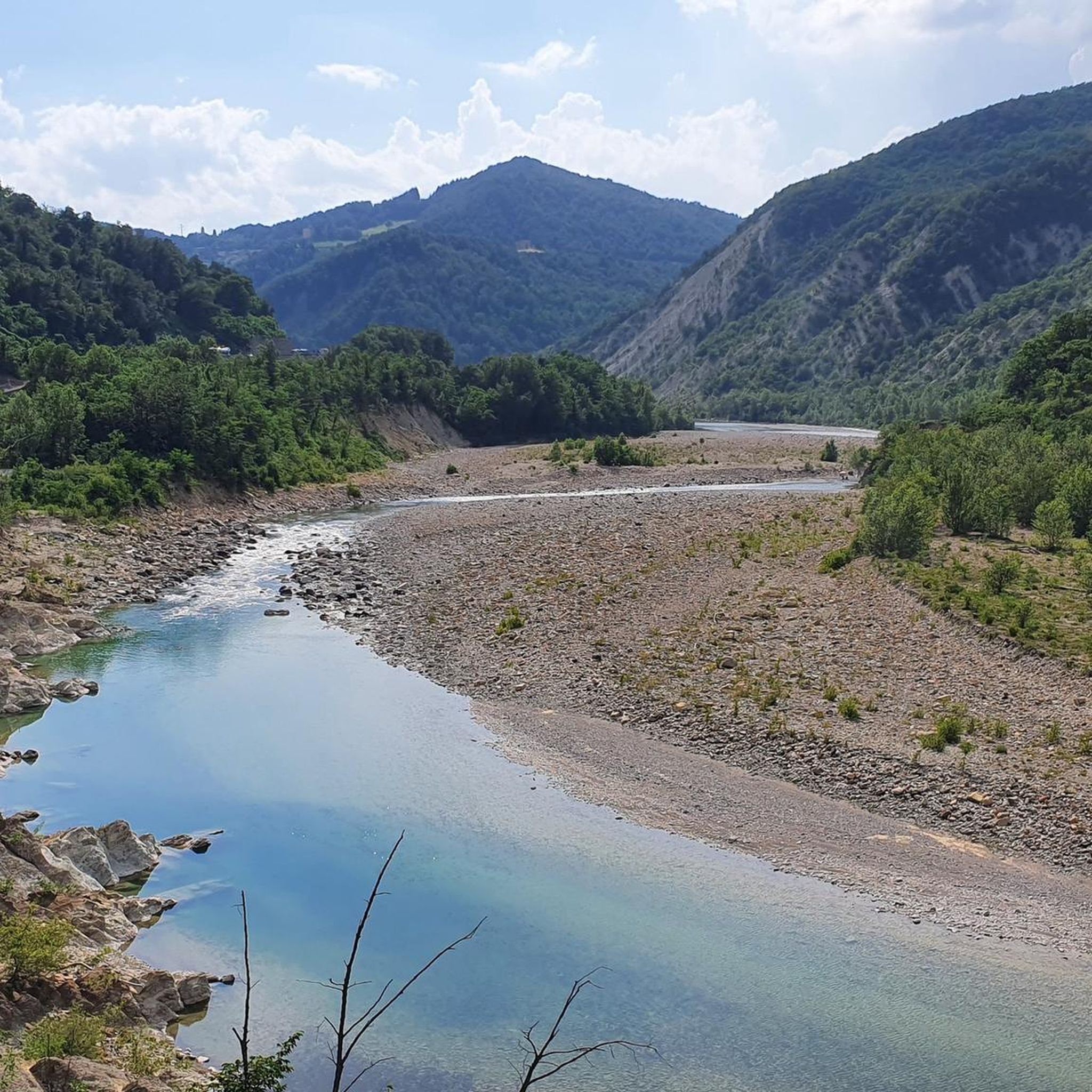
The Taro River Park is a significant natural oasis, ideal for easy hikes, cycling, mountain biking, and birdwatching, with over 250 species of birds. For a unique landscape, visit the Riserva Naturale Orientata Monte Prinzera, known for its ophiolitic outcrop and rare flora and fauna. Pietra Corva also offers panoramic views and is a crucial point on the ancient Maria Longa road.
What kind of hiking trails are available near these attractions?
You can find various hiking opportunities, especially within the Taro River Park, which offers ten well-equipped paths. The area around Pietra Corva also features trails with historical significance. For more detailed routes, you can explore the running trails guide around Fornovo di Taro, which includes options like the Fornovo di Taro – Caselle di Fornovo di Taro loop.
Are there cycling routes suitable for different skill levels?
Yes, the region offers diverse cycling routes. The Taro River Park is excellent for easy cycling. For more challenging rides, you can find routes like the 'Road in the Woods Towards Bore' or 'Bardi Castle' loops. Discover more options in the cycling guide for Fornovo di Taro.
What about mountain biking opportunities in the area?
Mountain biking enthusiasts will find several trails around Fornovo di Taro. Routes like the 'Loop of Fornovo Taro' and 'Corte di Giarola – Footbridge over the Naviglio Taro loop' offer moderate challenges. For a comprehensive list of trails, refer to the MTB trails guide around Fornovo di Taro.
Are there family-friendly attractions in the Fornovo di Taro area?
Families can enjoy several spots. Corte di Giarola is a great place for a break, offering bike rentals and food museums. The Rocca Sanvitale di Sala Baganza features a beautiful garden with games for children. For motorsport enthusiasts, the Dallara Academy near Parma offers insights and a simulator experience.
What unique natural features can I discover?
Beyond the Taro River Park, the Riserva Naturale Orientata Monte Prinzera stands out with its rare ophiolitic outcrop, creating a unique geological landscape in the Middle Parma Apennines. The park itself is known as the 'Park of Birds' due to its importance as a migration route and nesting site for numerous bird species.
Can I learn about local culture and history through museums?
Yes, the Museo Ettore Guatelli in Ozzano Taro, near Fornovo, houses over 60,000 objects from daily rural life in the 19th and 20th centuries, offering a deep dive into peasant civilization. Additionally, the Corte di Giarola hosts food museums that tell the story of the park's fauna, flora, and life around the Taro river.
What is the significance of the Via Francigena in Fornovo di Taro?
Fornovo di Taro was a historically significant stop along the Via Francigena, an ancient pilgrimage route connecting Canterbury to Rome. This makes it a point of interest for those following the ancient path, and its historical landmarks, like the Pieve di Santa Maria Assunta, bear witness to its past as a pilgrim stop.
Are there any viewpoints offering panoramic scenery?
Absolutely. Torrechiara Castle is situated on a panoramic rocky hill, offering impressive views of the Val Parma. Pietra Corva is another beautiful location known for its truly panoramic photos and scenic vistas along the ancient Maria Longa road.
What culinary experiences can I find in the Fornovo di Taro area?
The region is renowned for its culinary traditions. Visitors can indulge in Parmesan Cheese factory tours and tastings, participate in pasta cooking classes focusing on truffles and local wine, and join food tours to 'Taste Parma.' The area is also famous for its delicious porcini mushrooms.
What do visitors particularly enjoy about the attractions here?
Visitors frequently praise the well-preserved historical sites and the natural beauty. For instance, Torrechiara Castle is loved for its medieval and Renaissance features and panoramic views. Corte di Giarola is appreciated as a beautiful and tidy spot for a break, with its bike rentals and food museums. The strategic design of the Pallavicino Castle of Varano de' Melegari also captivates visitors.
Most popular routes around Fornovo Di Taro
Most popular attractions around Fornovo Di Taro

Get inspired with the komoot mobile app


Explore more
Still not found the Highlight you’re looking for? See guides of the top attractions in other regions:
