The best MTB trails around Sant'Eusanio Forconese
4.5
(471)
3,002
riders
178
rides
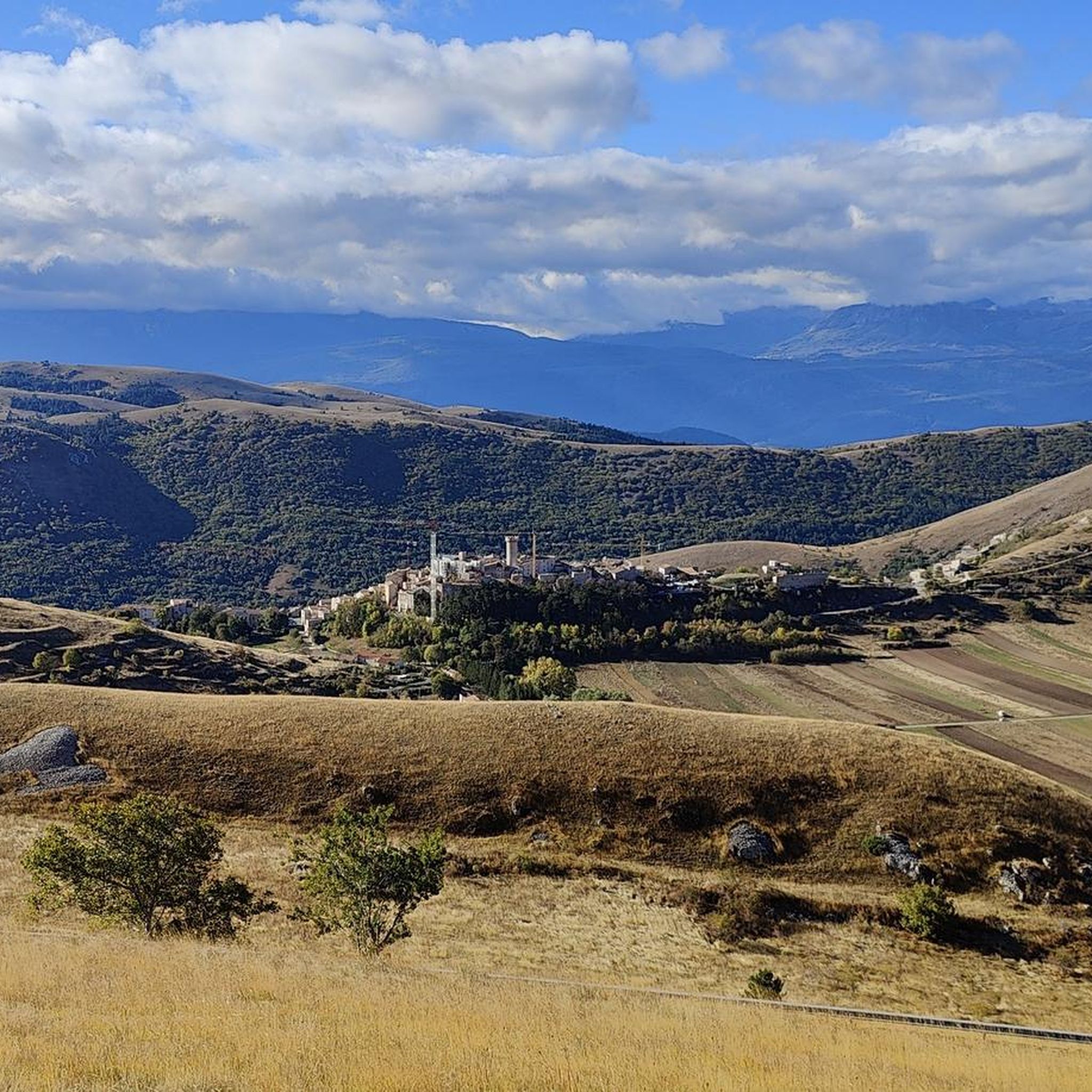
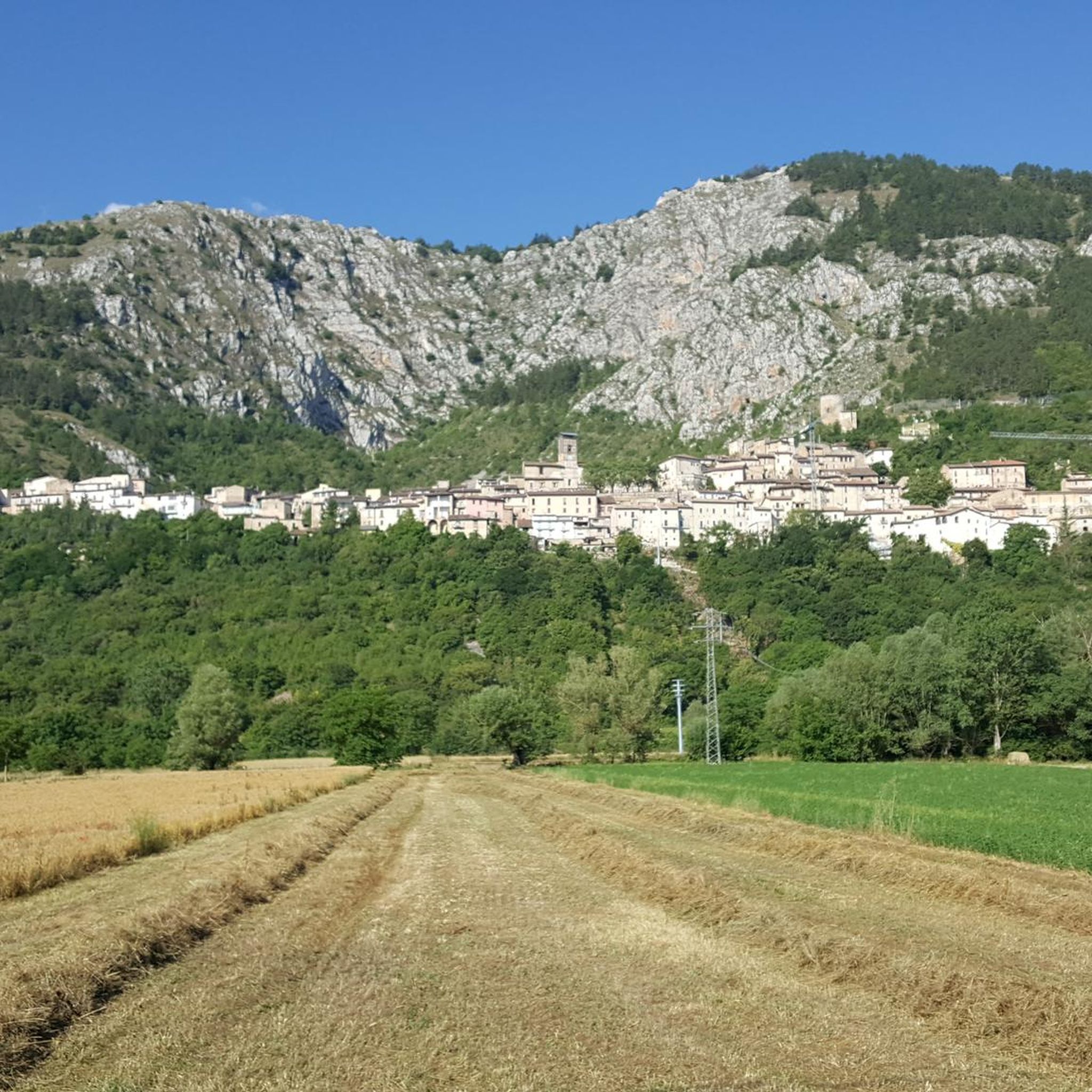
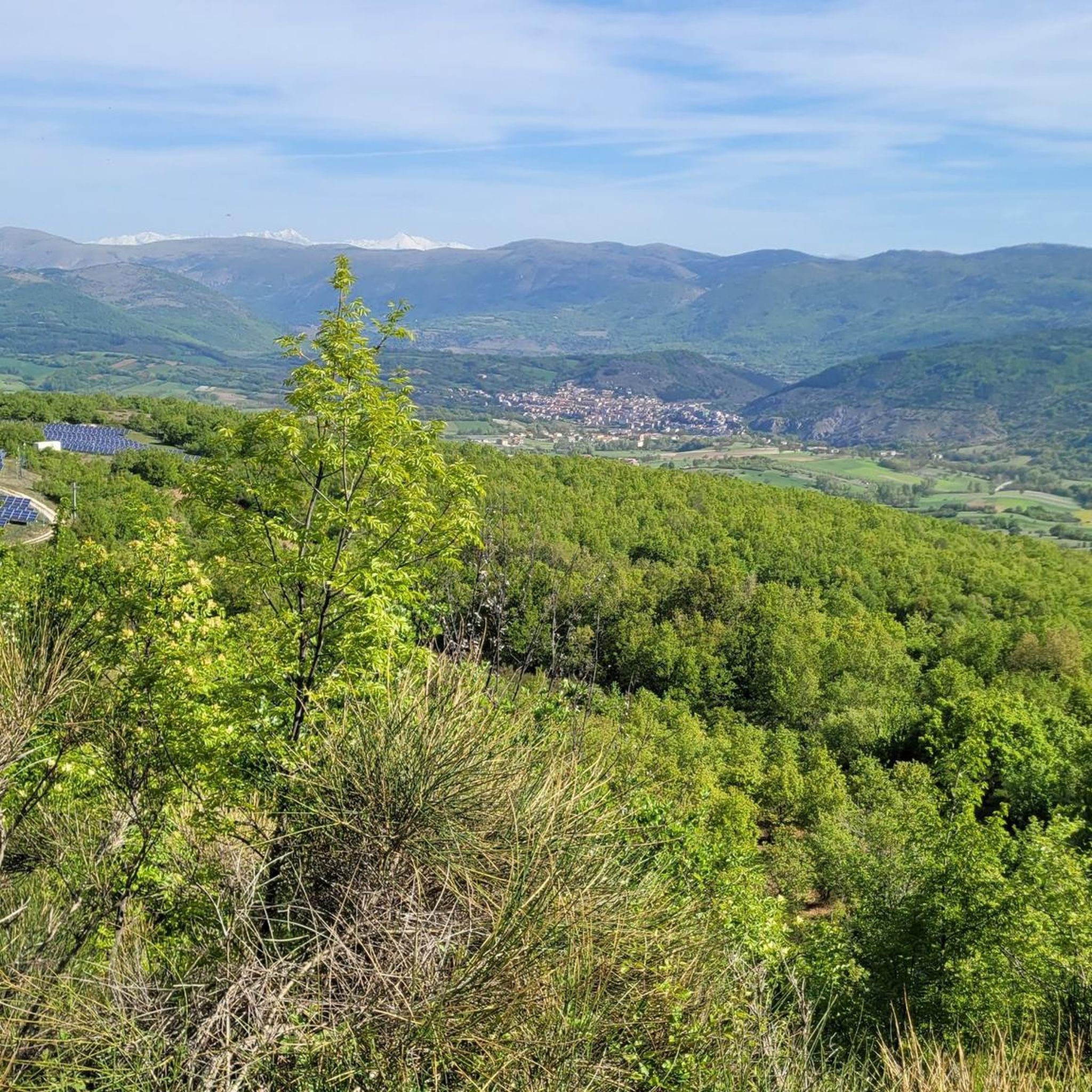
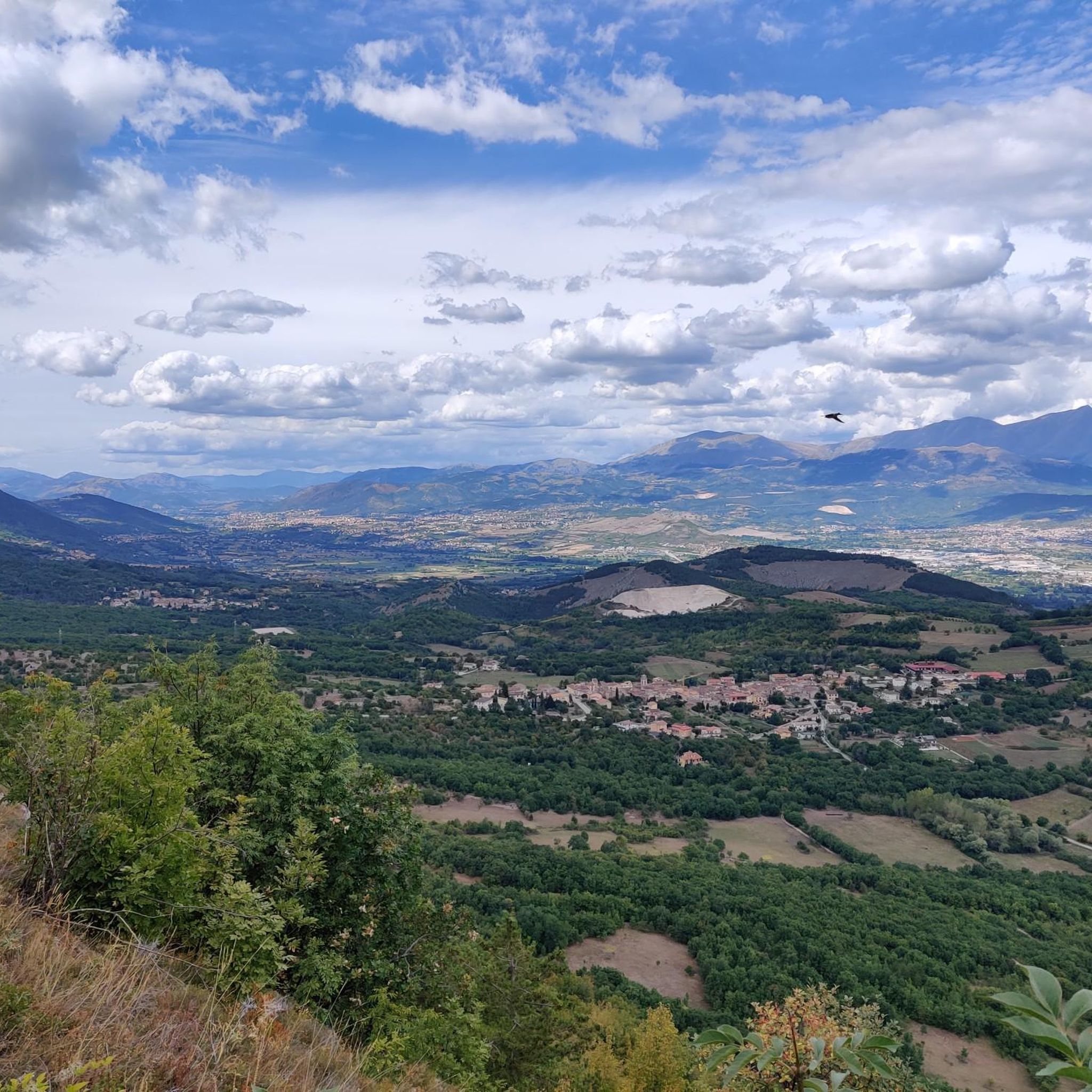
Mountain biking around Sant'Eusanio Forconese offers a diverse landscape for riders. The region features a mix of rolling hills, open plateaus, and valleys, with routes often passing by historical sites and natural springs. Terrain can vary from smooth paths to more challenging ascents and descents, characteristic of the Apennine foothills. This area provides a range of mountain bike trails suitable for different skill levels.
Best mountain bike trails around Sant'Eusanio Forconese
- The most popular mountain bike trail is Piani di…
Last updated: November 19, 2026
4.1
(7)
27
riders
47.9km
04:18
1,070m
1,070m
Hard mountain bike ride. Very good fitness required.
5.0
(10)
30
riders
38.0km
02:11
260m
260m
Moderate mountain bike ride. Good fitness required.

5.0
(1)
8
riders
51.5km
03:55
880m
880m
Moderate mountain bike ride. Good fitness required.
4.7
(3)
14
riders
Moderate mountain bike ride. Good fitness required.
8
riders
Moderate mountain bike ride. Good fitness required.
Get access to more routes and recommendations from other explorers.
Already have an account?
Our route recommendations are based on thousands of hikes, rides, and runs completed by other people on komoot.
Start today with a free account
Your next adventure awaits.

Tips from the Community

Quiet and very shaded walk to the viewpoint.
0
0

The Basilica of Santa Maria di Collemaggio, in L'Aquila, is one of the city's most important symbols and a place strongly linked to the figure of Celestine V. Here, in 1294, Pietro da Morrone was crowned pope with the name Celestine V, an event that made the basilica a fundamental reference point in the religious and civil history of L'Aquila. The church was commissioned by Pietro da Morrone and construction began in 1287. It is famous for its white and pink stone facade, with its highly recognizable Romanesque-Gothic design, and for the fact that it houses the remains of Celestine V. It is also the heart of the Perdonanza Celestiniana, the rite of forgiveness that takes place every year and is considered a tradition of great historical and spiritual value. Over the centuries, the basilica has had a complex history, with damage and restorations, but it remains one of L'Aquila's most representative sites, both for its artistic value and its symbolic significance.
0
0

Historical tidbit: the pope who said 'no' The pontificate of Pope Celestine V lasted only five months. The simple hermit did not feel at all at home amidst the political intrigues and corruption of Rome. That is why he made a decision that was unprecedented at the time: he voluntarily resigned from his office to return to his humble life in the mountains. He thus became the first pope in history to abdicate of his own accord. After his death, his body was interred in the Basilica of Collemaggio. His impressive crystal mausoleum can still be admired there today. A special link with Pope Benedict XVI After the severe earthquake that struck L'Aquila in 2009, Pope Benedict XVI visited the heavily damaged basilica. At the tomb of Celestine V, he silently laid down his own pallium, the woolen shoulder band he had received at his papal inauguration. At that moment, it seemed like a subdued tribute to his predecessor. Only four years later did this gesture take on a deeper meaning. In 2013, Benedict XVI himself voluntarily resigned as pope, the first since the late Middle Ages. His symbolic tribute to Celestine V proved, in retrospect, to be a remarkable harbinger of his own historic decision. Thus, centuries after Celestine V's abdication, the Basilica of Collemaggio once again closed a special chapter in papal history.
5
0
The Basilica of Santa Maria di Collemaggio is undoubtedly the architectural and spiritual jewel of L'Aquila. Located at the end of an impressive green lawn just outside the city walls, this 13th-century church combines a unique Abruzzian Romanesque-Gothic style with a history that forever changed the Catholic Church. The history of the basilica is closely linked to Pietro da Morrone, a devout hermit who had retreated to the remote mountains of Abruzzo. According to tradition, the Virgin Mary appeared to him with the instruction to build a church on the hill of Collemaggio. Construction began in 1287. A few years later, in 1294, the Church found itself in a deep crisis. After the death of the pope, the cardinals had failed to elect a successor for more than two years. Finally, they appointed the simple hermit Pietro as a compromise. To everyone's surprise, he accepted the choice and was crowned Pope Celestine V in this basilica – and not in Rome. Shortly after his coronation, Celestine V issued the "Bulla del Perdono", a papal bull that granted believers full forgiveness of their sins if, with sincere repentance, they passed through the Holy Door (Porta Santa) of the basilica on August 28 or 29. This created the very first Holy Year or Jubilee in the history of the Catholic Church, six years before Rome introduced its own official jubilee. This special tradition, known as "La Perdonanza Celestiniana", is still celebrated every year and has been recognized as intangible cultural heritage by UNESCO.
5
0
In L'Aquila, a rich medieval past effortlessly merges with admirable modern resilience. The proud capital of Abruzzo rises in full glory and is best discovered on foot. Wandering through the atmospheric streets, you'll encounter one architectural treasure after another. For example, start at the iconic Fontana delle 99 Cannelle, where 99 mystical stone masks continuously spout water. Climbing further up, you'll reach the massive 16th-century Forte Spagnolo. From this impressive fortress, you can enjoy a sweeping view of the rugged, often snow-capped peaks of the Gran Sasso massif. The city's rich history is also palpable in the many beautifully restored palazzi and churches. For instance, the Basilica di San Bernardino overwhelms every visitor with a breathtaking baroque ceiling adorned with gold leaf. After all the cultural immersion, lively squares like Piazza del Duomo invite you for a well-deserved break. It's the perfect place to enjoy the local cuisine and a good glass of Abruzzese wine at an outdoor cafe. As a grand finale, the Basilica di Santa Maria di Collemaggio should not be missed. This striking, pink-and-white checkered church houses a true world first: the very first Holy Door in the world. Thanks to the central, free parking facilities just outside the city walls, this compact art city is the ideal destination for a carefree and inspiring cultural walking holiday.
4
0
The Forte Spagnolo (also known as Castello Cinquecentesco) is one of the most impressive 16th-century military strongholds of Central and Southern Italy. Although it is a defensive work, its true historical significance lies in the fact that it was never built to protect the city, but rather to suppress it. After the Spanish threat diminished over time, the complex successively served as the residence of the Spanish governor, barracks for French troops in the 19th century, and headquarters for the German occupier during World War II. In 1902, it was officially declared a national monument. Shortly after World War II, it became the home of the National Museum of Abruzzo (MuNDA). Since the devastating earthquake of 2009, the fort has been undergoing a lengthy and complex restoration, but it remains one of the most impressive symbols of the city when viewed from the outside.
4
0
Parco del Castello & Forte Spagnolo – the green oasis of L'Aquila Fancy a peaceful break during your walk through L'Aquila? Then be sure to visit Parco del Castello, the city's largest city park. The park surrounds the imposing 16th-century Forte Spagnolo and combines history, nature, and beautiful views. Take a walk around the wide, dry castle moat and admire the impressive fortress walls. The shady paths under ancient pines and cedars make this a wonderful place to relax for a while. On the north side of the park, you will be rewarded with a magnificent panorama of the rugged Gran Sasso massif. Those who also visit the fort will discover a special surprise there: the almost completely intact skeleton of a prehistoric mammoth (Elephas antiquus), which was excavated in the vicinity of L'Aquila in 1954. An ideal stopover where nature, history, and culture come together.
5
0
The Basilica of Santa Maria di Collemaggio is the absolute symbol of L'Aquila. This magnificent basilica has a fascinating history full of mysteries, unique traditions, and remarkable resilience. Some interesting facts: Founded by a hermit who became Pope (and resigned) 👑 The church was founded in 1288 by the monk and hermit Pietro del Morrone. According to legend, the Virgin Mary appeared to him in a dream and instructed him to build a church here. Just a few years later, in 1294, this same hermit was crowned Pope Celestine V here. However, he found the papacy in Rome so corrupt and overwhelming that he voluntarily resigned after barely five months, one of the few popes in history to do so. His mummified body is still displayed in a glass shrine in the basilica. The world's very first "Holy Door" (The Celestinian Forgiveness) Upon his coronation, Pope Celestine V issued a papal bull: the Perdonanza Celestiniana (the Celestinian Forgiveness). Anyone who entered through the Holy Door (on the left side of the church) between August 28th and 29th and showed sincere repentance was granted full remission of sins. This was a revolutionary historical moment: it was the very first time in history that poor people could receive forgiveness for free, without having to pay for indulgences or go on a crusade. This ritual still takes place every year and is on the UNESCO list of intangible cultural heritage. The secret of the unique pink-and-white facade 🌸 The iconic facade of the basilica is world-famous for its geometric pattern of pink and white stones. The stones come from the nearby Abruzzo region (specifically from the quarries of San Demetrio). According to historians and esotericists, the pattern is not merely decorative: the play of lines contains symbolism that was linked at the time to the Knights Templar, who had close ties to the church's founder. The miraculous recovery after the 2009 earthquake 🏗️ During the devastating earthquake in 2009, the roof above the altar and the transept completely collapsed, severely damaging the unique baroque structures. The restoration of the basilica became a national prestige project.
5
0
Frequently Asked Questions
How many mountain bike trails are available around Sant'Eusanio Forconese?
There are nearly 200 mountain bike trails in the Sant'Eusanio Forconese area, offering a wide range of options for different skill levels.
What types of mountain bike trails can I find in Sant'Eusanio Forconese?
The region offers a diverse mix of trails, from rolling hills and open plateaus to valleys. You'll find routes ranging from easy paths to more challenging ascents and descents, characteristic of the Apennine foothills. There are 16 easy, 117 moderate, and 56 difficult routes available.
Are there any family-friendly mountain bike trails in Sant'Eusanio Forconese?
Yes, there are 16 easy mountain bike trails suitable for families or beginners. These routes typically feature smoother paths and less challenging terrain, allowing for an enjoyable experience for all skill levels.
What are some challenging mountain bike trails for experienced riders?
For experienced riders seeking a challenge, there are 56 difficult routes. One notable option is the Memorial Chapel – Stiffe Waterfall loop from San Demetrio de' Vestini, which covers 47.9 km and features varied, demanding terrain.
Are there any mountain bike trails that pass by interesting natural attractions?
Absolutely. Many trails navigate through scenic landscapes. For example, the difficult Memorial Chapel – Stiffe Waterfall loop from San Demetrio de' Vestini leads directly to the impressive Stiffe Waterfall. You might also encounter the Pozzo Caldaio, a natural monument.
Can I find mountain bike routes that include historical sites?
Yes, the region is rich in history. The Archaeological site of Peltuinum – Rifugio Cenerale loop from San Demetrio de' Vestini is a difficult 38.5 km route that passes by the significant Archaeological site of Peltuinum. Other routes might lead you past sites like the Chapel of Remembrance of Terranera or the Santa Lucia Abbey.
Are there any circular mountain bike routes in the area?
Many of the mountain bike trails around Sant'Eusanio Forconese are designed as loops, allowing you to start and finish at the same point. Examples include the moderate Piani di Pezza – Memorial Chapel loop from Fonteavignone and the L'Aquila – Monticchio Fountain loop from San Demetrio de' Vestini.
What do other mountain bikers say about the trails in Sant'Eusanio Forconese?
The mountain bike trails in Sant'Eusanio Forconese are highly rated by the komoot community, with an average score of 4.5 stars from over 400 reviews. Riders often praise the diverse landscape, the mix of historical sites, and the natural springs encountered along the routes.
What is the typical duration for mountain bike trails in this region?
Trail durations vary significantly based on distance and difficulty. For instance, a moderate route like the L'Aquila – Monticchio Fountain loop from San Demetrio de' Vestini (37.0 km) can be completed in about 2 hours and 6 minutes, while longer routes such as the Piani di Pezza – Memorial Chapel loop from Fonteavignone (52.3 km) typically take around 3 hours and 47 minutes.
Are there any trails that offer expansive views?
Yes, several routes provide stunning vistas across the open landscapes of the Apennine foothills. The moderate Piani di Pezza – Memorial Chapel loop from Fonteavignone is known for its expansive views.
Are there any mountain bike trails that feature natural springs?
Yes, the region is known for its natural springs. The L'Aquila – Monticchio Fountain loop from San Demetrio de' Vestini, for example, leads through areas with natural springs, offering refreshing stops along the way.
Most popular routes around Sant'Eusanio Forconese
Most popular attractions around Sant'Eusanio Forconese

Get inspired with the komoot mobile app


Explore more
Browse the best MTB trails in other regions.
