Attractions and Places To See around Montebello Di Bertona - Top 20
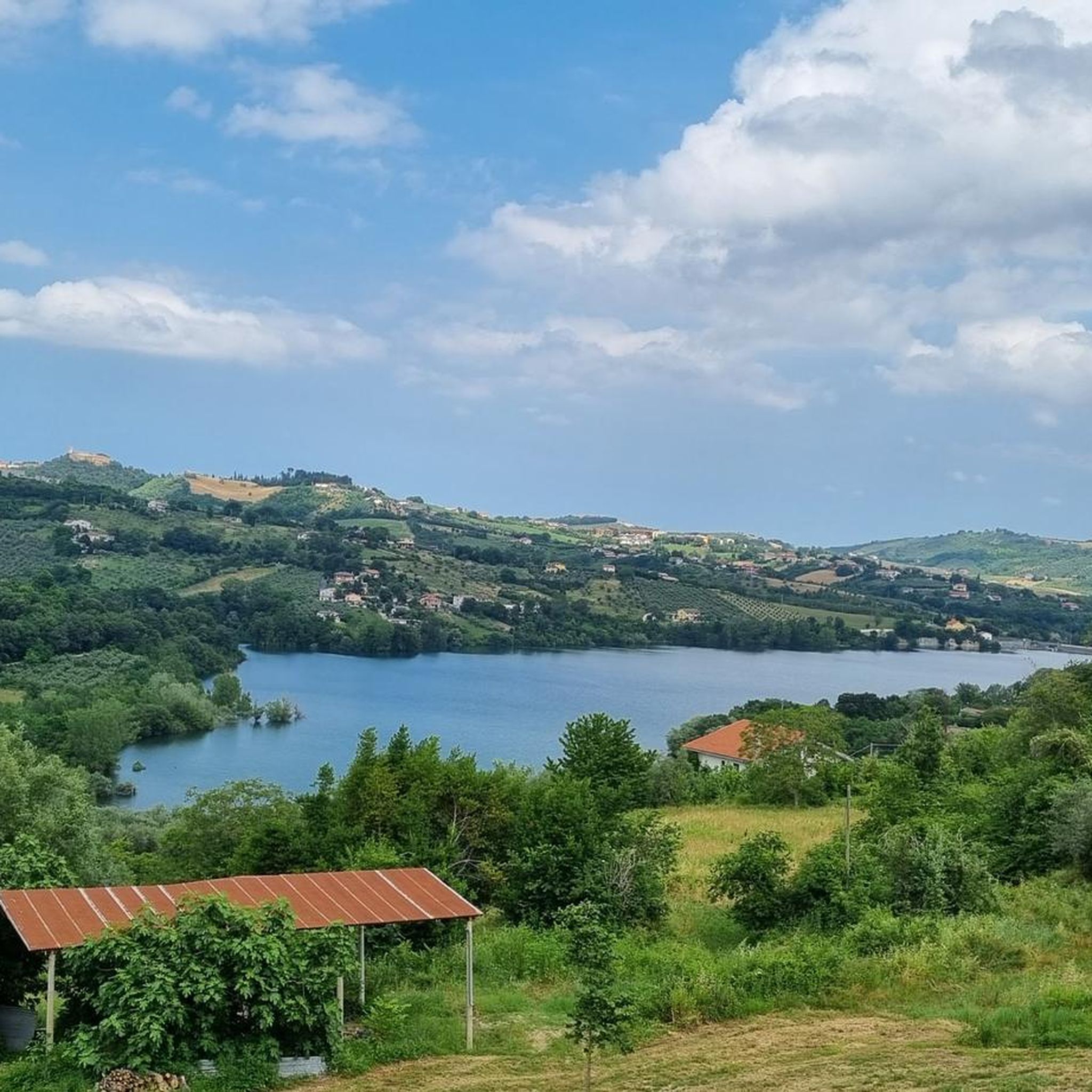
Best attractions and places to see around Montebello Di Bertona include a blend of historical sites, cultural richness, and natural beauty within the Gran Sasso and Monti della Laga National Park. This region in the province of Pescara, Italy, offers a mountainous landscape with diverse flora and fauna. Visitors can explore archaeological findings, ancient churches, and castle remains that speak to its long history. The area provides opportunities to experience both cultural heritage and the natural environment.
Best attractions and…
Last updated: July 7, 2026
Monte Camicia summit
Highlight • Summit
Translated by Google •
Tip by

Capo la Serra Pass
Highlight • Mountain Pass
Translated by Google •
Tip by

Sign up now to discover places like this
Get recommendations on the best single tracks, peaks, & plenty of other exciting outdoor places.
Sign up for free
Shepherd and Family Statue
Highlight • Monument
Showing Translation
Tip by

Mucciante Refreshment Stop
Highlight • Restaurant
Translated by Google •
Tip by
Bud Spencer and Terence Hill Film Location Sign — Campo Imperatore
Highlight • Monument
Translated by Google •
Tip by

Sign up for free to discover even more attractions around Montebello Di Bertona.
Sign up for free
Already have an account?
Start today with a free account
Your next adventure awaits.
Login or Signup
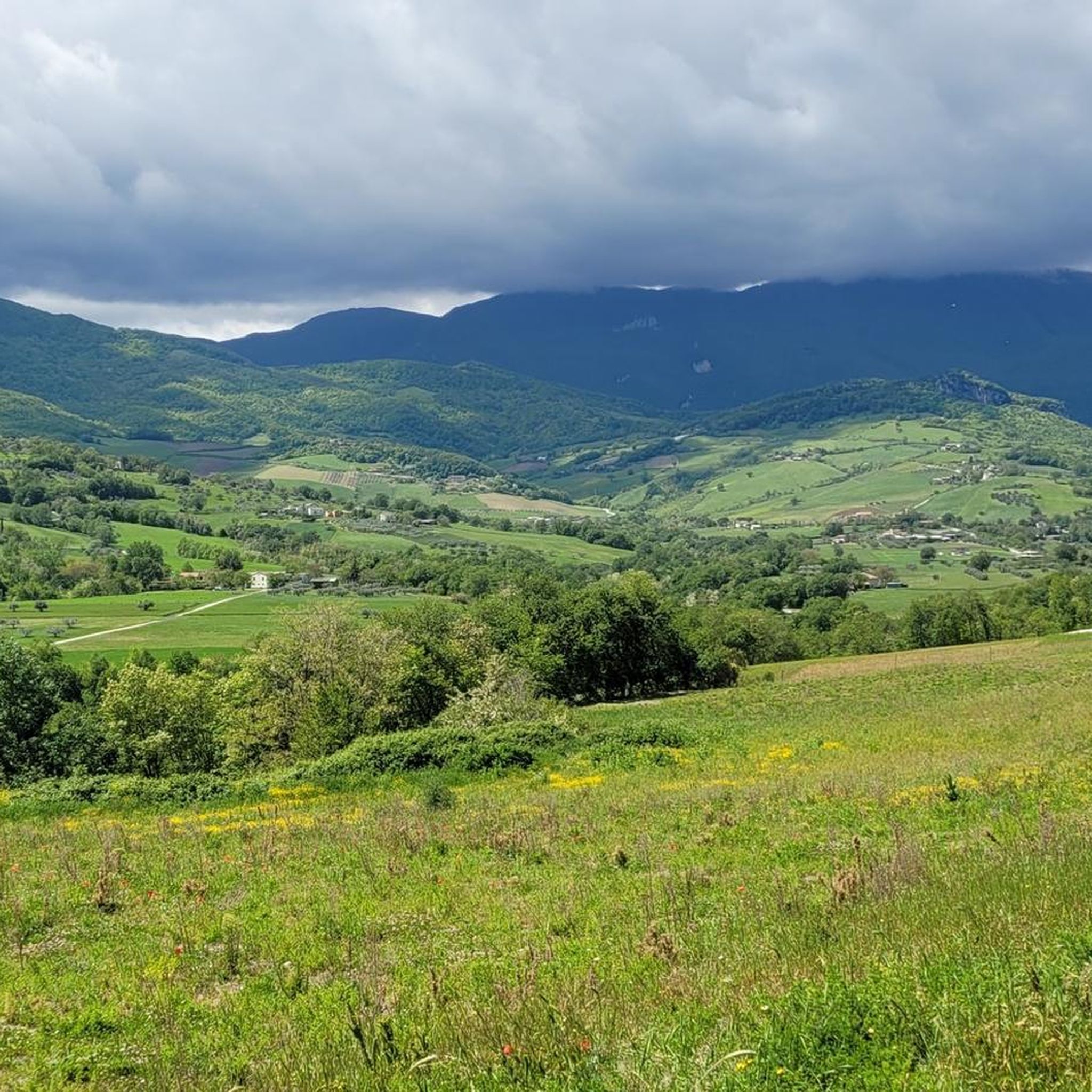
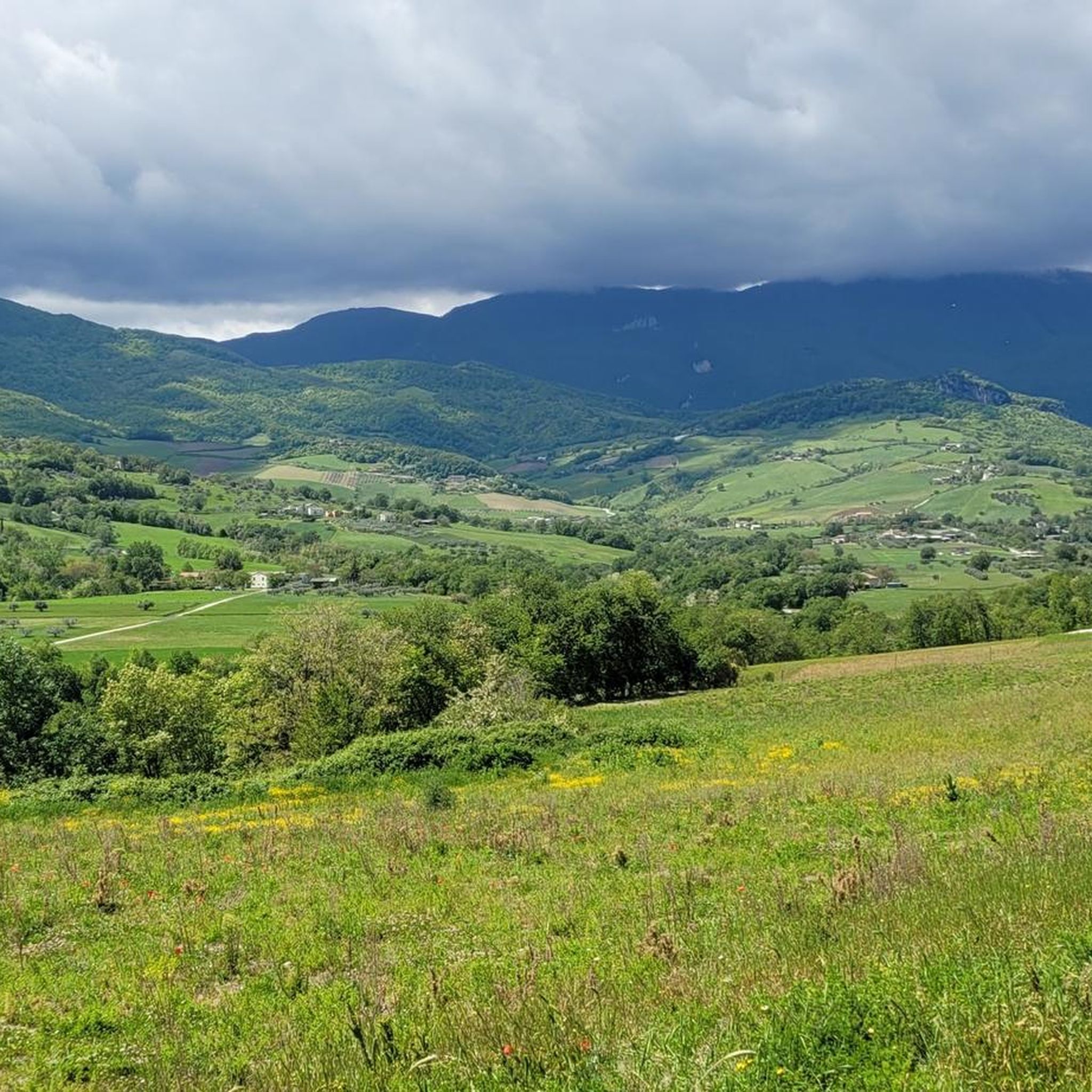
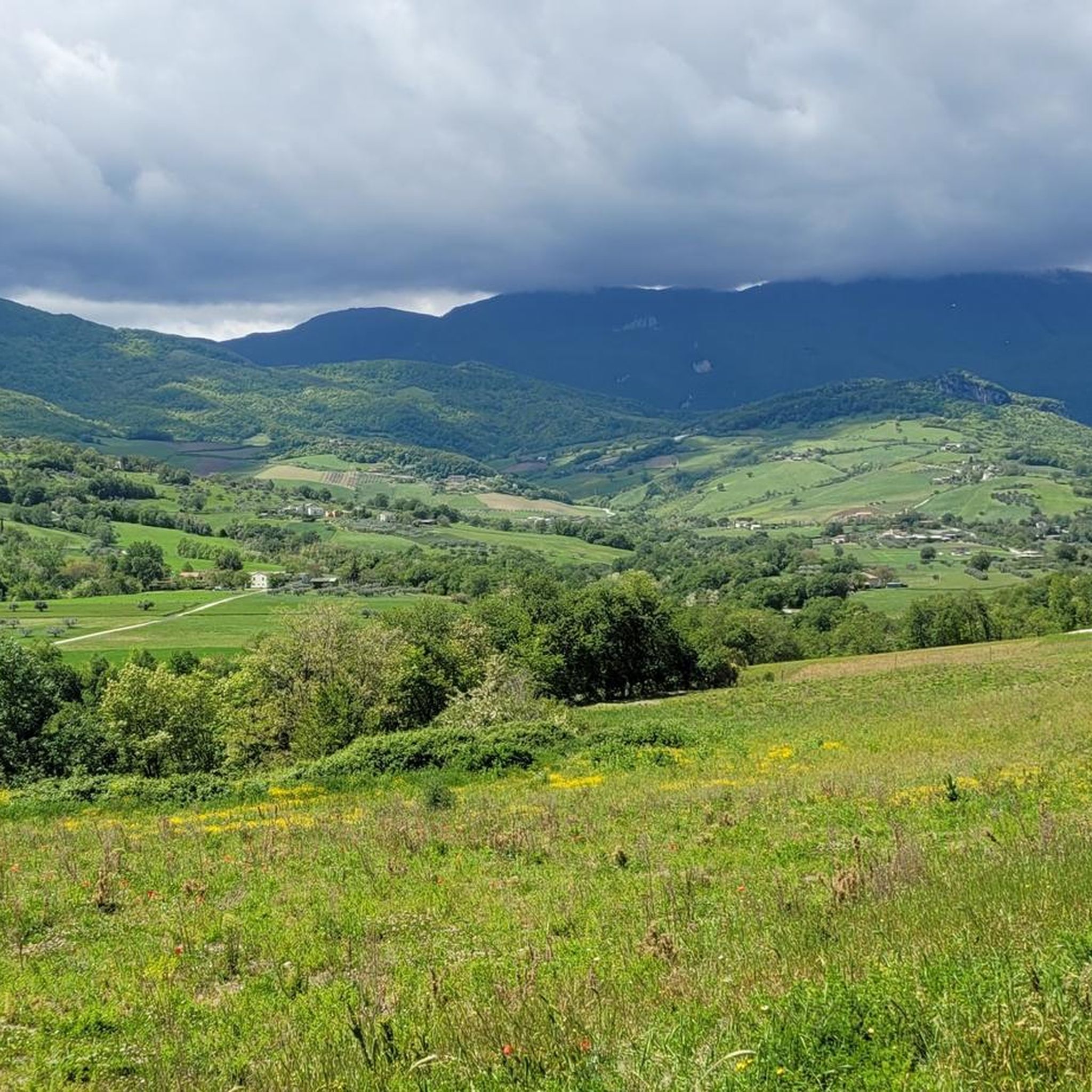
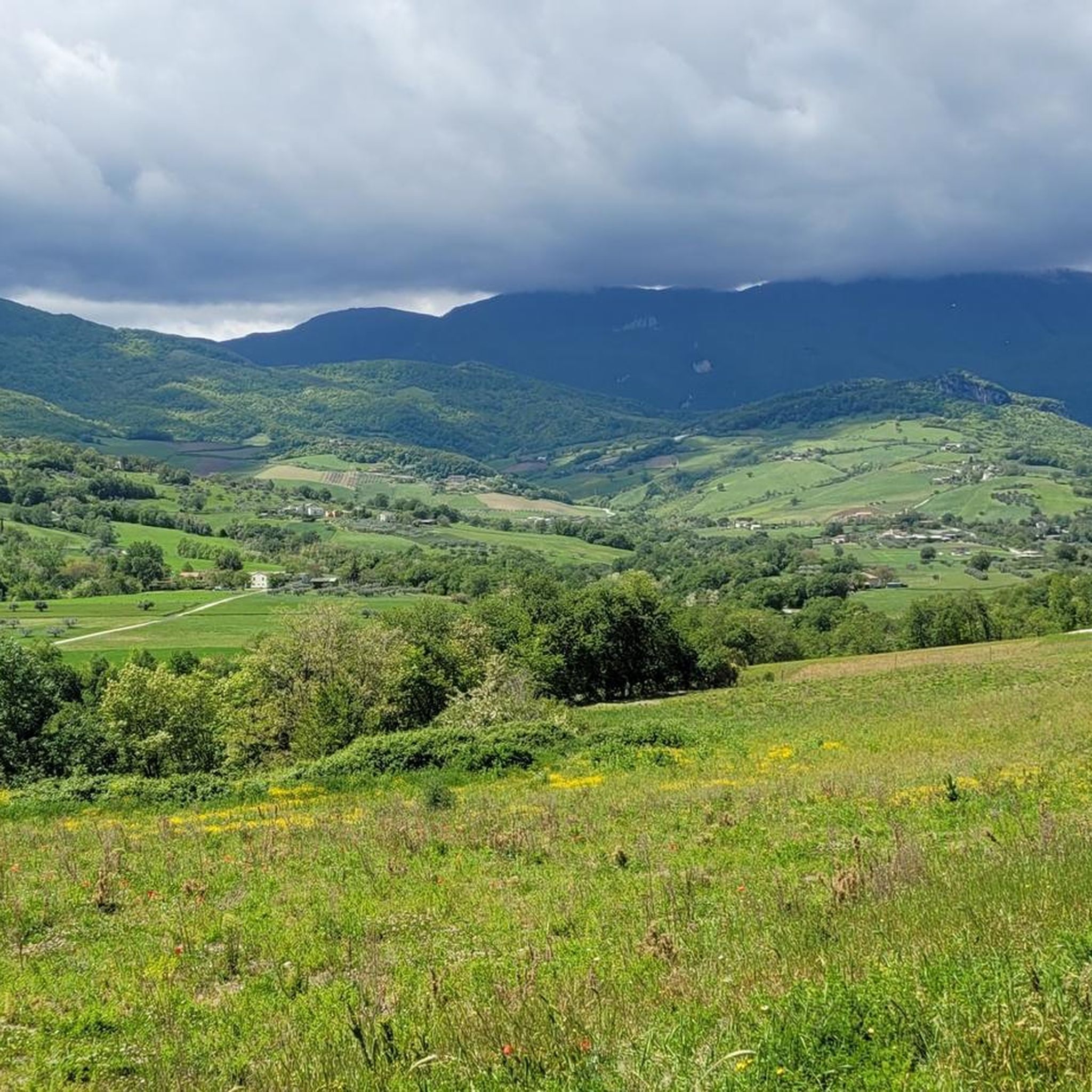
Tips from the Community

it is possible to buy meat and various foods, really well stocked if you buy meat, it is also possible to cook it on the grills they provide with hot coals always available during opening hours outside there is also a fountain with fresh drinking water
0
0

The story of Pupo Nunzio di Roio from October 1919 is one of the most poignant historical tragedies of the Abruzzo region. It symbolises the harsh and dangerous reality of the transumanza (the seasonal migration of livestock), which for centuries determined the economic and social life of this Italian mountain region. This place commemorates one of the most tragic events in the history of the transumanza, the age-old migration where shepherds drove their sheep every summer to the green pastures of Campo Imperatore and returned in the autumn to the warmer plains of Puglia. In the autumn of 1919, the 41-year-old shepherd Nunzio Pupi, better known as Pupo Nunzio, postponed the descent for a few days. The autumn was exceptionally mild, and he wanted to let his flock of no less than 5,000 sheep graze for as long as possible. But the weather unexpectedly turned. A fierce snowstorm caught him by surprise in the middle of the high plain. Together with his two young sons, Idolo (12) and Alfredo (11), and their loyal sheepdog, he became disoriented in the snow. None of them survived the icy storm. The entire flock also perished. According to local legend, his wife Ersilia Caruso could not cope with the loss of her husband, her children, and their sole source of livelihood. She died a short time later, consumed by grief. This moving story recalls the hard life of the shepherds, who were completely dependent on nature and often paid a high price for their existence. About the monument: Monument of Fonte Vetica In Fonte Vetica, on the southeastern plateau of Campo Imperatore, stands an impressive monument commemorating the tragedy of 1919. The Abruzzese sculptor Vicentino Michetti immortalised the shepherd, his two sons, and their dog as they desperately fought against the icy snowstorm. A little further away stands the statue of the mother, with outstretched arms directed towards the mountains, hoping to see her family return alive. Although the monument tells one poignant story, it has become a tribute to all the shepherds of Abruzzo who, over the centuries, risked their lives during the arduous transumanza. Anyone who stops at Fonte Vetica today immediately feels the impressive combination of overwhelming beauty and the unforgiving power of this mountain landscape.
2
0
Many visitors call it an unforgettable experience and an absolute must-do in Abruzzo. This is not an ordinary restaurant, but a unique DIY barbecue in the middle of the Campo Imperatore plateau. You choose your meat from the local butcher, your smoldering barbecue is ready for you to cook. Simply enjoy a meal with a spectacular view over the plateau. Those who want to avoid the crowds should come in May, June, September, or October. In July and August and on sunny weekends, it can be very popular and long queues often form. The location is usually open from April to November, typically daily from 09:00 to 19:00. The establishment closes during the winter months, as the plateau often disappears under a thick layer of snow.
2
0

Given the steepness, trekking poles are recommended.
0
0

what beautiful places to cycle
0
0

Easy route for any level of preparation, almost flat. You walk on grass and gravel (inside the canyon). The surrounding view is enchanting, it is worth going there. You can park in the nearby refuges or in the parking lot along the road.
0
0

Sign identifying the area where scenes from the film "Trinity Is Still My Name" with Bud Spencer and Terence Hill were shot
0
0

Too crowded, too many motorcyclists. Contrasts with the magic of the Plain
0
0
Frequently Asked Questions
What kind of natural landscapes can I explore around Montebello Di Bertona?
Montebello Di Bertona is nestled within the stunning Gran Sasso and Monti della Laga National Park, offering a mountainous landscape with diverse flora and fauna. You can explore areas like the vast high-altitude karstic highland of Campo Imperatore, often compared to a Tibetan landscape. Don't miss the dramatic Scoppaturo Canyon, known for its 'Wild West' atmosphere, or the panoramic views from Monte Camicia summit.
Are there any historical or cultural sites to visit in Montebello Di Bertona?
Yes, Montebello Di Bertona is rich in history. You can visit the Museo delle Tradizioni ed Arti Contadine, which showcases the region's agricultural and craft heritage. Explore ancient churches like the Chiesa San Pietro ad Oratorium, known for its Lombard-era bas-reliefs and the significant 'Sator Square' inscription. You can also find masonry traces of a castle and an ancient town dating back to the 9th-11th centuries on the village's highest point.
What outdoor activities are available near Montebello Di Bertona?
The region offers a variety of outdoor activities, especially hiking and cycling. For hiking, you can explore trails like the Penne Lake Loop Trail or the Mount Cappucciata loop. Cyclists can enjoy routes such as the Gran Sasso View Loop from Penne. You can find more details and routes for hiking, road cycling, and running around Montebello Di Bertona.
Are there any family-friendly attractions or activities?
Families can enjoy the BeeOdiversity Park, an interpretive trail dedicated to bees and biodiversity within the Gran Sasso and Monti della Laga National Park, offering events and workshops. Another fun stop is the Bud Spencer and Terence Hill Film Location Sign — Campo Imperatore, where you can take humorous photos at a famous filming spot.
Where can I find the best panoramic views?
For breathtaking panoramic views, head to the Monte Camicia summit, which offers impressive 360° vistas. Another excellent spot is Capo la Serra Pass, located at 1,600 meters above sea level, providing stunning views overlooking the southern slope of the Gran Sasso massif.
What is the Riserva Regionale Lago di Penne?
The Riserva Regionale Lago di Penne is a vital regional reserve covering approximately 1300 hectares around the artificial Lake Penne. It's an important area for conservation projects, protecting species like otters, amphibians, roe deer, and earth tortoises. It's also a significant nesting site for the Nitticora (Night Heron), which is its symbol.
What is the 'Bertonian Culture' and where can I learn about it?
The 'Bertonian Culture' refers to a unique Upper Paleolithic culture (18,000 to 10,000 years ago) defined by significant archaeological artifacts found in the territory of Montebello Di Bertona, particularly at Campo delle Piane. You can learn more about the region's archaeological significance, including Roman vestiges found on Mount Bertona, through local museums like the Museo delle Tradizioni ed Arti Contadine.
Are there any places to eat or get refreshments in the area?
Yes, if you're exploring the Campo Imperatore area, the Mucciante Refreshment Stop is a popular spot. It's known for its fresh beer and arrosticini (grilled meat skewers), offering a typical and satisfying stop during your adventures.
What is the best time of year to visit Montebello Di Bertona for outdoor activities?
The best time to visit for outdoor activities like hiking is generally during the spring (late April to June) and autumn (September to October) when the weather is milder and the landscapes are vibrant. Summers can be warm, especially at lower altitudes, while higher elevations like Monte Camicia can experience cold winds even on sunny days, so be prepared for varying conditions.
Can I find any unique local products or gastronomy in Montebello Di Bertona?
Montebello Di Bertona is known for its local gastronomy, offering delicious handmade pasta, hearty soups, grilled meats, and local cheeses. The village also hosts cultural events like the 'Festa del Borgo' in December, which features local artisans and traditional Christmas markets, providing an opportunity to experience local crafts and flavors.
What is the significance of the Chiesa San Pietro ad Oratorium?
The Chiesa San Pietro ad Oratorium is a historically significant church erected around 752 AD by the Lombard king Desiderius. It is particularly notable for its well-preserved Lombard-era bas-reliefs located above the portal and the presence of the unique 'Sator Square' palindromic inscription, making it a key site for history and art enthusiasts.
Most popular routes around Montebello Di Bertona
Most popular attractions around Montebello Di Bertona

Get inspired with the komoot mobile app


Explore more
Still not found the Highlight you’re looking for? See guides of the top attractions in other regions:
