The best walks and hikes around Coseano
4.4
(1140)
4,391
hikers
276
hikes
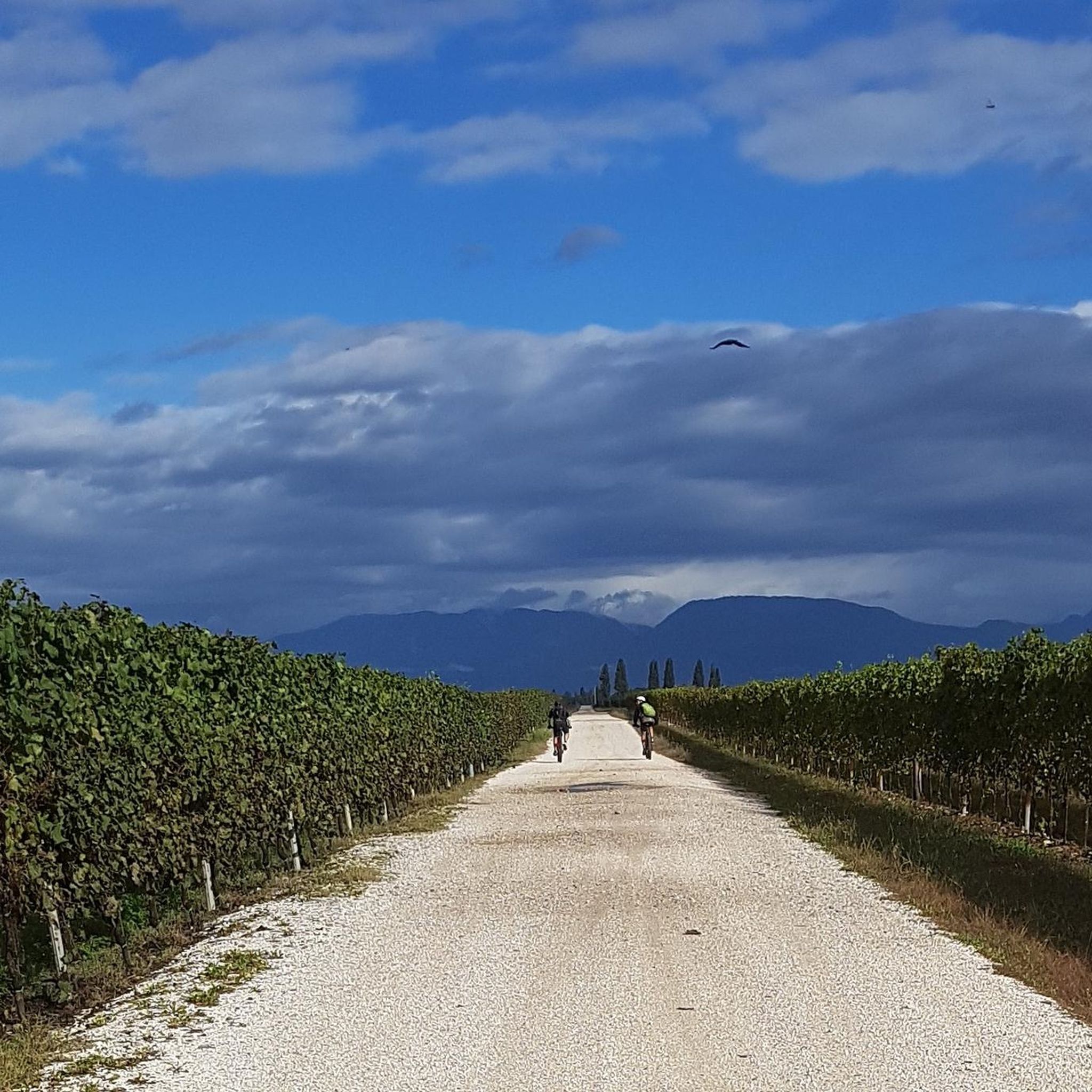
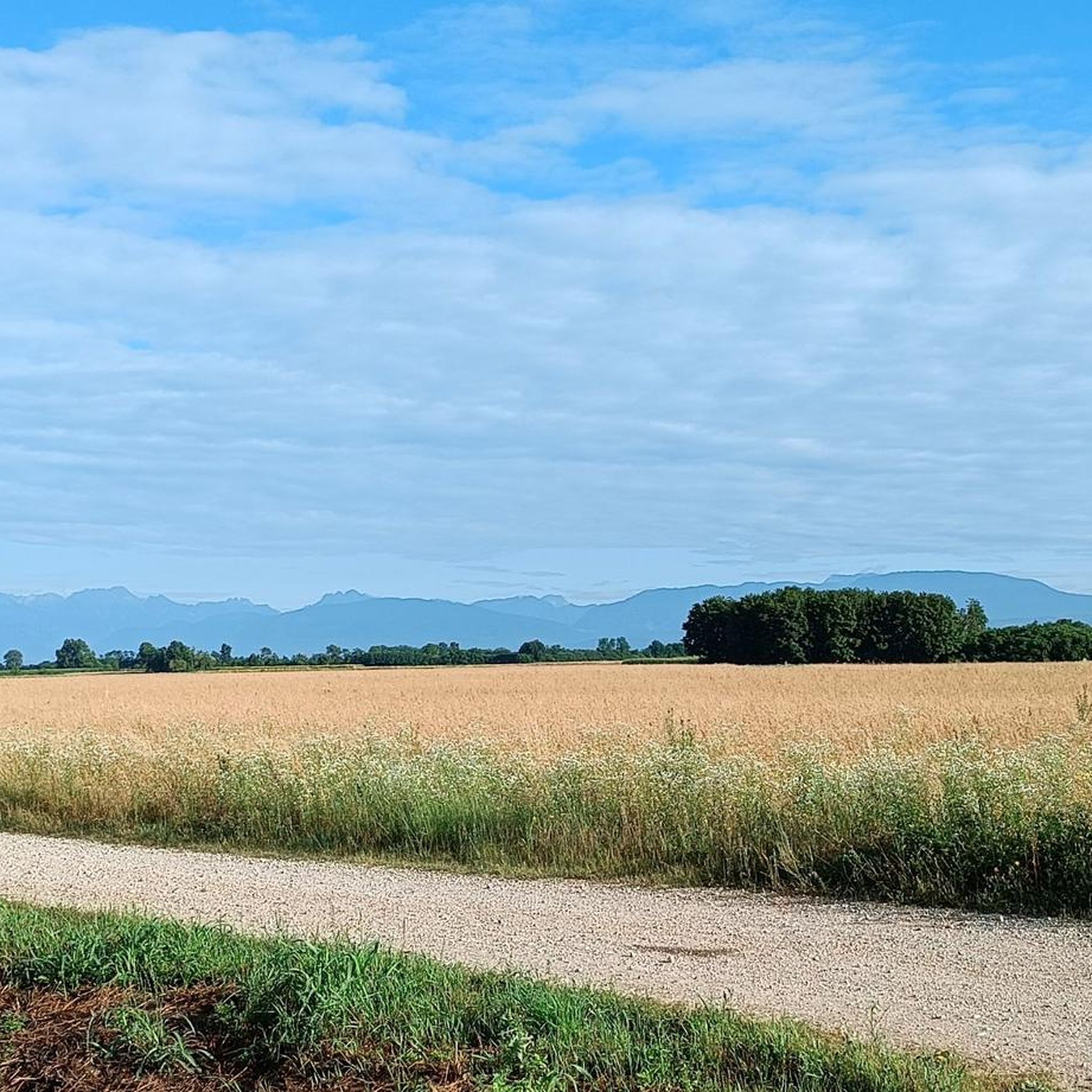
Hiking around Coseano offers a network of trails through a landscape characterized by gentle rolling hills, agricultural fields, and scattered wooded areas. The region's topography provides accessible routes with minimal elevation changes, making it suitable for various activity levels. These trails often connect small villages and historical points of interest, providing a blend of natural scenery and cultural exploration. The area's geology primarily consists of fertile plains and low-lying elevations.
Best hiking trails around Coseano
- The most popular hiking route…
Last updated: July 4, 2026
4.6
(13)
40
hikers
Easy hike. Great for any fitness level. Easily-accessible paths. Suitable for all skill levels.
4.3
(4)
25
hikers
9.66km
02:35
120m
120m
Moderate hike. Good fitness required. Easily-accessible paths. Suitable for all skill levels.

Sign up for free
4.0
(2)
21
hikers
Moderate hike. Good fitness required. Easily-accessible paths. Suitable for all skill levels.
3
hikers
6.53km
01:41
30m
30m
Easy hike. Great for any fitness level. Easily-accessible paths. Suitable for all skill levels.
4.0
(1)
9
hikers
5.63km
01:29
50m
50m
Easy hike. Great for any fitness level. Easily-accessible paths. Suitable for all skill levels.
Get access to more routes and recommendations from other explorers.
Sign up for free
Already have an account?
Our route recommendations are based on thousands of hikes, rides, and runs completed by other people on komoot.
Start today with a free account
Your next adventure awaits.
Login or Signup
Tips from the Community

Challenging section due to the presence of a cemented staircase to access the trail near Carpacco.
0
0

Military fort from the Great War, very well preserved and visitable. Check opening hours in advance on the local tourism company's website.
0
0

The course of the Tagliamento River between the municipalities of Dignano and Spilimbergo. https://it.wikipedia.org/wiki/Tagliamento
18
0

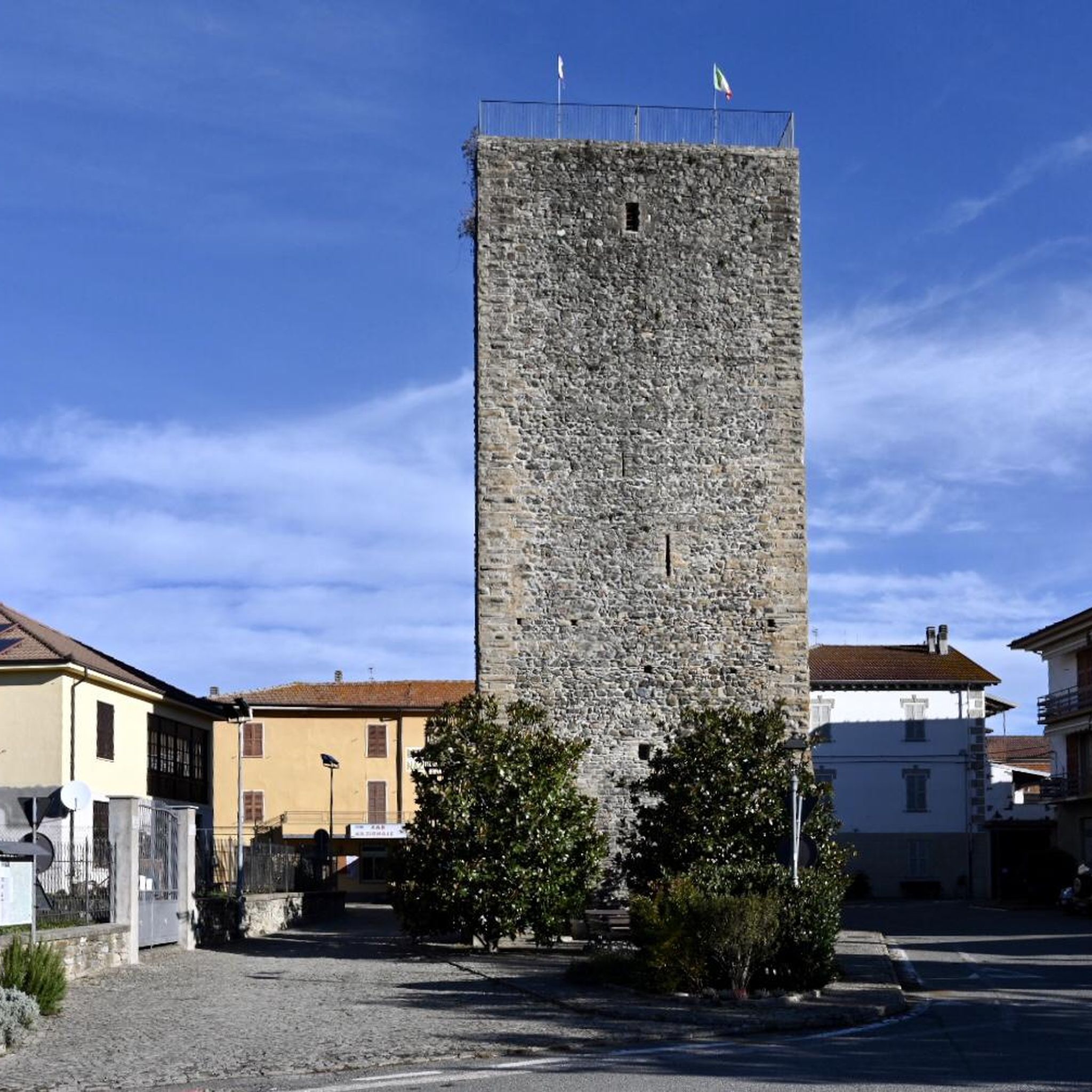
A beautifully preserved medieval castle perched on a small hill. The buildings adjacent to the castle also reflect the Middle Ages very well. A visit is like a journey back in time.
0
0

The small church of San Mauro stands on the river terrace of the Corno river and is surrounded by a pebble wall that encloses the old cemetery. The current building, from the sixteenth century, is the result of renovations and expansions of a previous church dating back to the 12th-13th centuries, as evidenced by the frescoes found inside. The building was destroyed by the Turks at the end of the 15th century and rebuilt shortly thereafter. Already a branch of the Pieve di Rive, the church has a rectangular hall with an exposed truss roof and a presbytery with a ribbed cross vault. The atrium, with two lowered arch entrances, and the sacristy are from a later period. Inside, on the right wall is the oldest fresco, dating back to around the 12th-13th centuries, depicting Christ the Youth; on the walls and on the counter-façade instead the frescoes with the Last Judgement, stories of the life of Christ, Madonna with Child, Saints and Coronation of the Virgin are from the end of the 14th century or the beginning of the following century and are attributable to the post-Vitale Friulian school. The high altar is dedicated to San Mauro while the small side altar is dedicated to the Madonna. Over the years, various sculptors and painters worked on the internal and external decorations such as Andrea Urbani and Zuan Contieri.
0
0
The Castello d'Arcano Superiore, magnificently preserved and still inhabited, still has something magical about it today due to the isolated site where it was built. It originally stood near the small church of San Mauro, on the banks of the Corno. For defensive and strategic reasons, it was later rebuilt in the place where it still stands today. The structural expansions probably date back to the 13th century. It is certain that from the 12th century it belonged to the Tricano family, hereditary marshals and gonfalonieri of the Patriarch of Aquileia. The castle still presents its suggestive medieval appearance today, with the crenellated Guelph curtain walls, the characteristic double tower and the mighty keep with, at the top, an elegant row of late Romanesque mullioned windows. Inside there is a small room frescoed by Andrea Urbani and various rooms with fireplaces and portals created by Raffaello de' Raffaelli. Info and visits Castle can be visited internally for groups through the visit office of the Consortium for the Safeguarding of the Historic Castles of Friuli Venezia Giulia. Curiosity Castle d'Arcano was the scene of a mysterious event that occurred in the 17th century, which saw Francesco d'Arcano stab his wife to death out of jealousy, who was found walled up at the beginning of the 20th century during restoration work. www.consorziocastelli.it
2
0
The Castello d'Arcano Superiore, magnificently preserved and still inhabited, still has something magical about it today due to the isolated site where it was built. It originally stood near the small church of San Mauro, on the banks of the Corno. For defensive and strategic reasons it was later rebuilt in the place where it still stands today. The structural expansions probably date back to the 13th century. It is certain that from the 12th century it belonged to the Tricano family, hereditary marshals and gonfalonieri of the Patriarch of Aquileia. The castle still presents its suggestive medieval appearance today, with the crenellated Guelph curtains, the characteristic double tower and the mighty keep with, at the top, an elegant row of late Romanesque mullioned windows. Inside there is a small room frescoed by Andrea Urbani and various rooms with fireplaces and portals created by Raffaello de' Raffaelli. Info and visits The castle can be visited internally for groups through the visit office of the Consortium for the Safeguarding of the Historic Castles of Friuli Venezia Giulia. Curiosity The Castello d'Arcano was the scene of a mysterious event that occurred in the 17th century, which saw Francesco d'Arcano stab his wife to death out of jealousy, who was found walled up at the beginning of the 20th century during restoration work. www.consorziocastelli.it
1
0
Forte Col Roncon: The restored fortress is part of the Tagliamento defense line and was built in the early 1900s. However, it was never used and was disarmed in 1915. Today the complex is used for exhibitions and events. An ideal place to come to terms with the past.
1
0
Frequently Asked Questions
How many hiking trails are available around Coseano?
Coseano offers a wide selection of hiking opportunities, with over 260 routes documented on komoot. These trails traverse the region's gentle rolling hills, agricultural fields, and wooded areas, providing diverse options for exploration.
What is the typical difficulty level of hiking trails in Coseano?
The majority of trails around Coseano are classified as easy or moderate, making the area accessible for various fitness levels. There are 120 easy routes and 134 moderate routes, with minimal elevation changes, ensuring a comfortable hiking experience.
Are there family-friendly hiking options in Coseano?
Yes, Coseano is well-suited for family outings due to its predominantly easy and moderate trails with gentle ascents. Routes like the Hiking loop from Rive d'Arcano / Rivis Darcjan, which leads through rolling agricultural fields, are ideal for families looking for a pleasant stroll.
Can I find circular hiking routes in the Coseano area?
Many of the trails around Coseano are designed as circular routes, allowing you to start and end at the same point. An example is the Aonedis Carpacco loop from Villanova di San Daniele / Vilegnove, which offers a scenic journey through the countryside.
What kind of natural attractions can I discover along the trails?
The Coseano area features several natural points of interest. You can explore highlights such as Lago di Ragogna, the Borgo Pegoraro Peat Bog, or the Oasi dei Quadris Nature Reserve. The Tagliamento River also flows nearby, offering picturesque views.
Are there historical landmarks to see while hiking around Coseano?
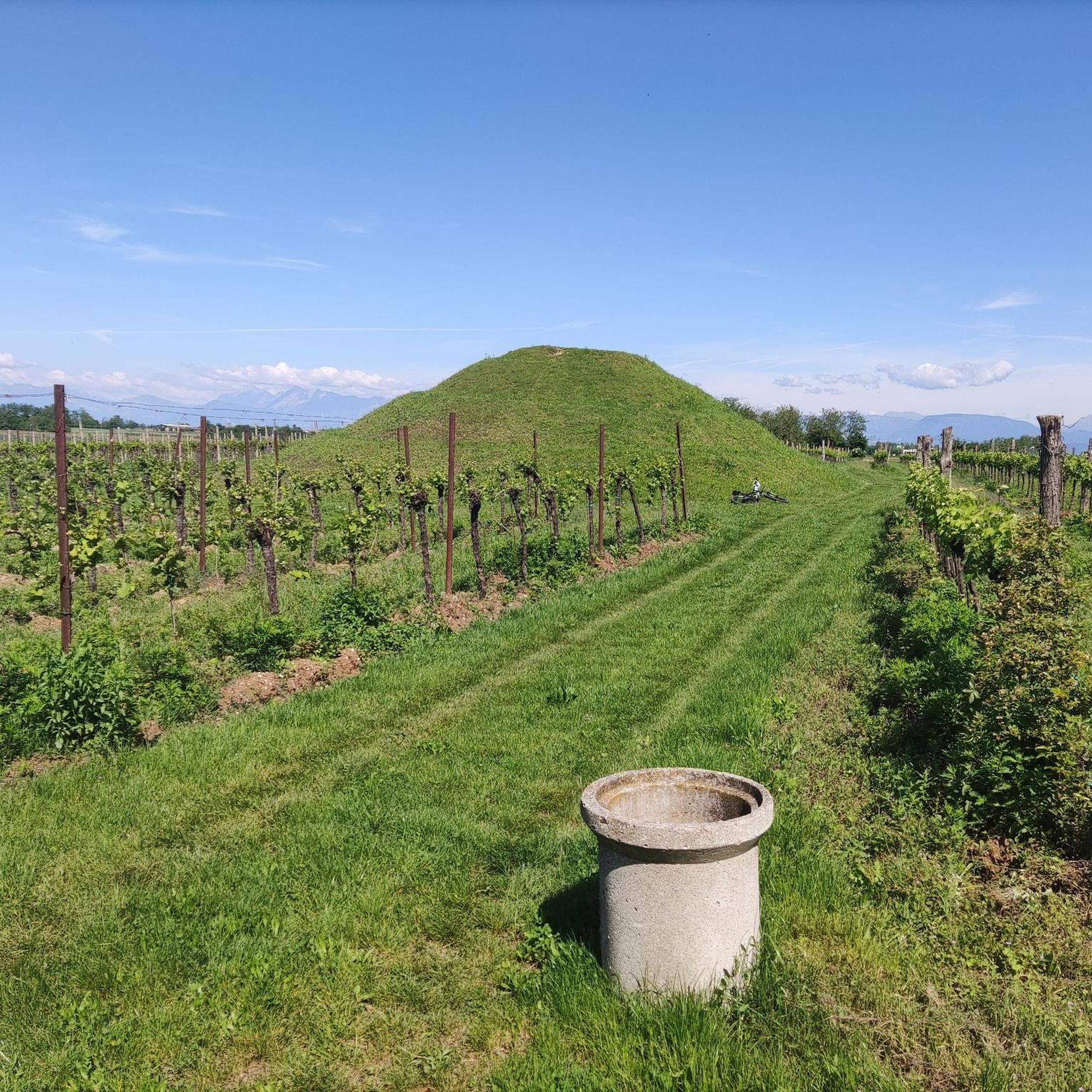
Yes, the trails often connect small villages and historical points of interest. For instance, the Church of San Mauro – Castello d'Arcano Superiore loop from Rive d'Arcano / Rivis Darcjan passes by significant historical sites. You might also encounter the The Tumbule of Foscjan or the Ruins of Samontan.
What do other hikers say about the trails in Coseano?
The hiking routes in Coseano are highly rated by the komoot community, with an average score of 4.4 stars from over 1000 reviews. Hikers often praise the well-maintained paths, the peaceful agricultural landscapes, and the blend of natural scenery with cultural exploration.
Are there any trails that offer views of fortifications or historical structures?
Certainly. The Forte Col Roncone loop from Fagagna / Feagne is a moderate path that offers views of the surrounding countryside and passes by historical fortifications, providing a glimpse into the region's past.
What is the best time of year to go hiking in Coseano?
Given the region's gentle topography and low-lying elevations, hiking in Coseano is enjoyable for much of the year. Spring and autumn offer pleasant temperatures and vibrant scenery, while summer can be warm but still suitable for early morning or late afternoon walks. Winter hikes are also possible on many trails, as heavy snow is less common in the plains.
Are there any specific trails that are particularly scenic?
Many trails offer scenic views of the rolling hills and agricultural landscapes. The Hiking loop from Rodeano Alto / Rodean dal Alt provides picturesque vistas of the Friulian countryside, characteristic of the Coseano region.
Are there any wild swimming spots near the hiking trails in Coseano?
While Coseano itself is inland, the nearby Lago di Ragogna is a natural lake that might offer opportunities for a refreshing dip, depending on local regulations and conditions. Always check for local guidelines before swimming in natural bodies of water.
Most popular attractions around Coseano

Get inspired with the komoot mobile app


Explore more
Browse the best Hikes in other regions.
