Attractions and Places To See around Palmanova - Top 20
Best attractions and places to see around Palmanova include historical sites and unique architectural landmarks. Palmanova is a fortress-city, built in 1593 by the Republic of Venice, known for its distinctive star-shaped layout. This UNESCO World Heritage Site offers insights into Renaissance military architecture and urban planning. The area provides opportunities to explore well-preserved fortifications and city gates.
Best attractions and places to see around Palmanova
- The most popular attractions is Palmanova, a historical site that is a UNESCO…
Last updated: August 29, 2026
Udine Gate
Highlight • Historical Site
Translated by Google •
Tip by

Palmanova
Highlight • Historical Site
Translated by Google •
Tip by

Sign up now to discover places like this
Get recommendations on the best single tracks, peaks, & plenty of other exciting outdoor places.
Sign up for free
Alpe‑Adria Cycle Path at Terzo d'Aquileia
Highlight (Segment) • Cycleway
Translated by Google •
Tip by

Porta Aquileia (Palmanova)
Highlight • Historical Site
Translated by Google •
Tip by
Palmanova Star Fortified Town
Highlight • Historical Site
Translated by Google •
Tip by

Sign up for free to discover even more attractions around Palmanova.
Sign up for free
Already have an account?
Start today with a free account
Your next adventure awaits.
Login or Signup
Tips from the Community

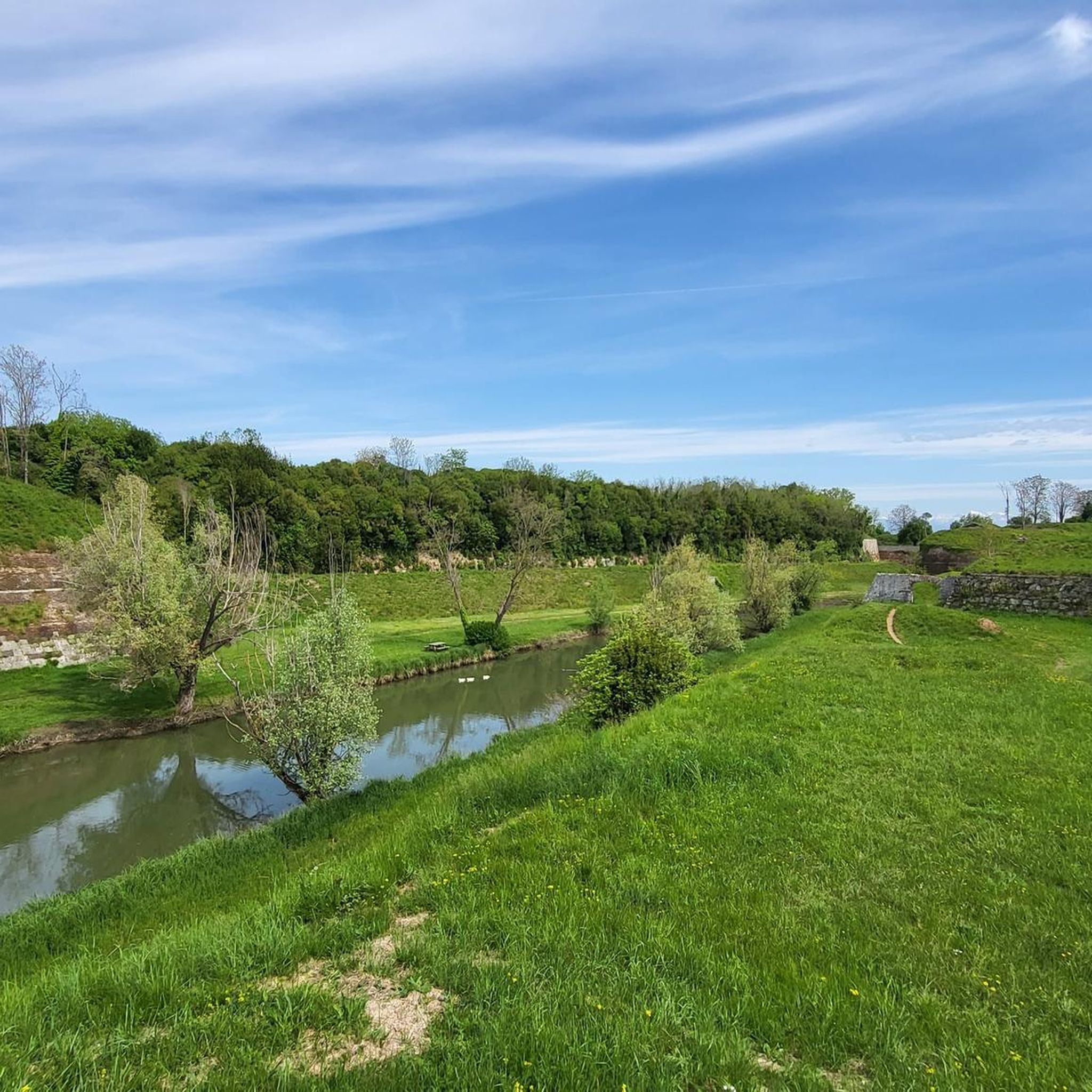
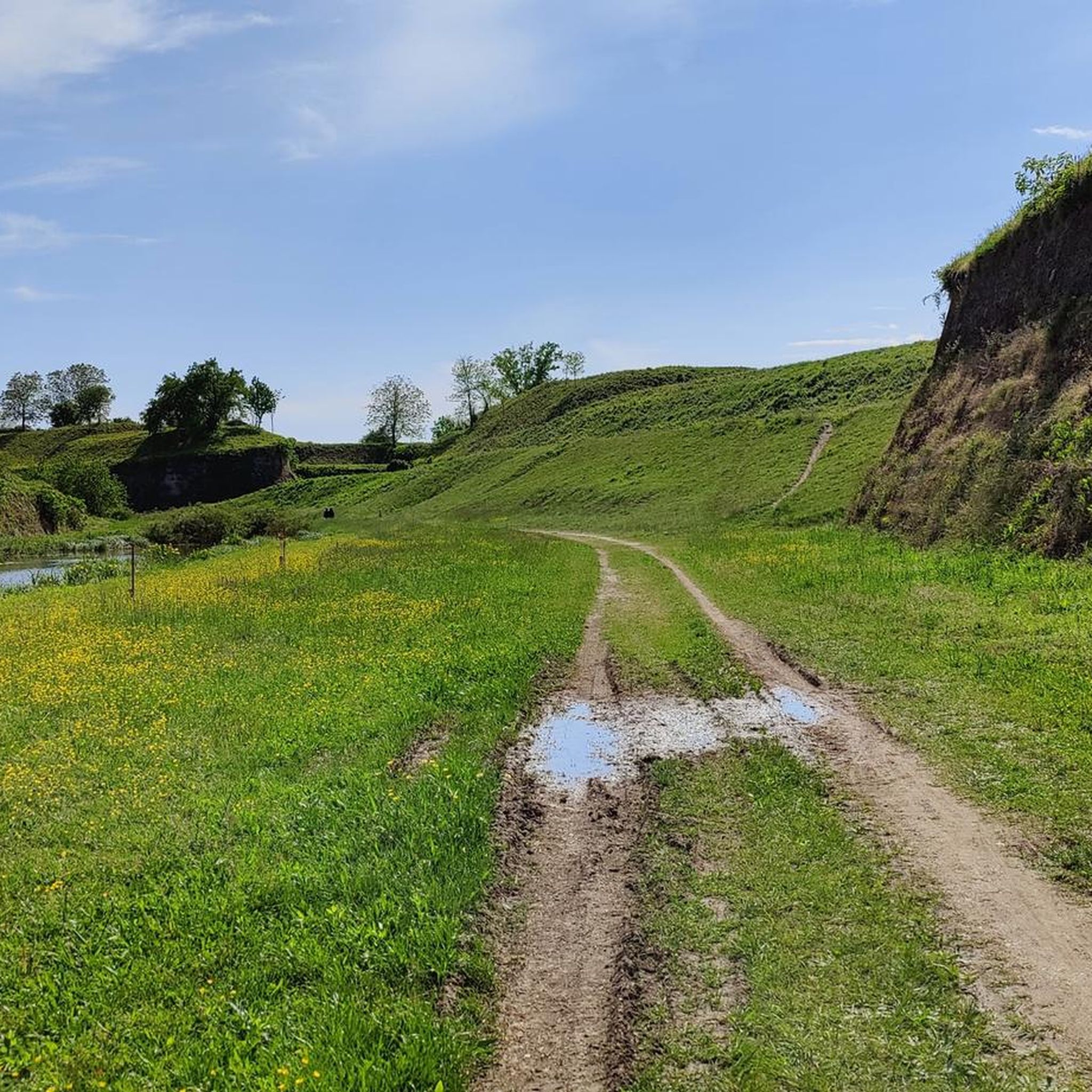
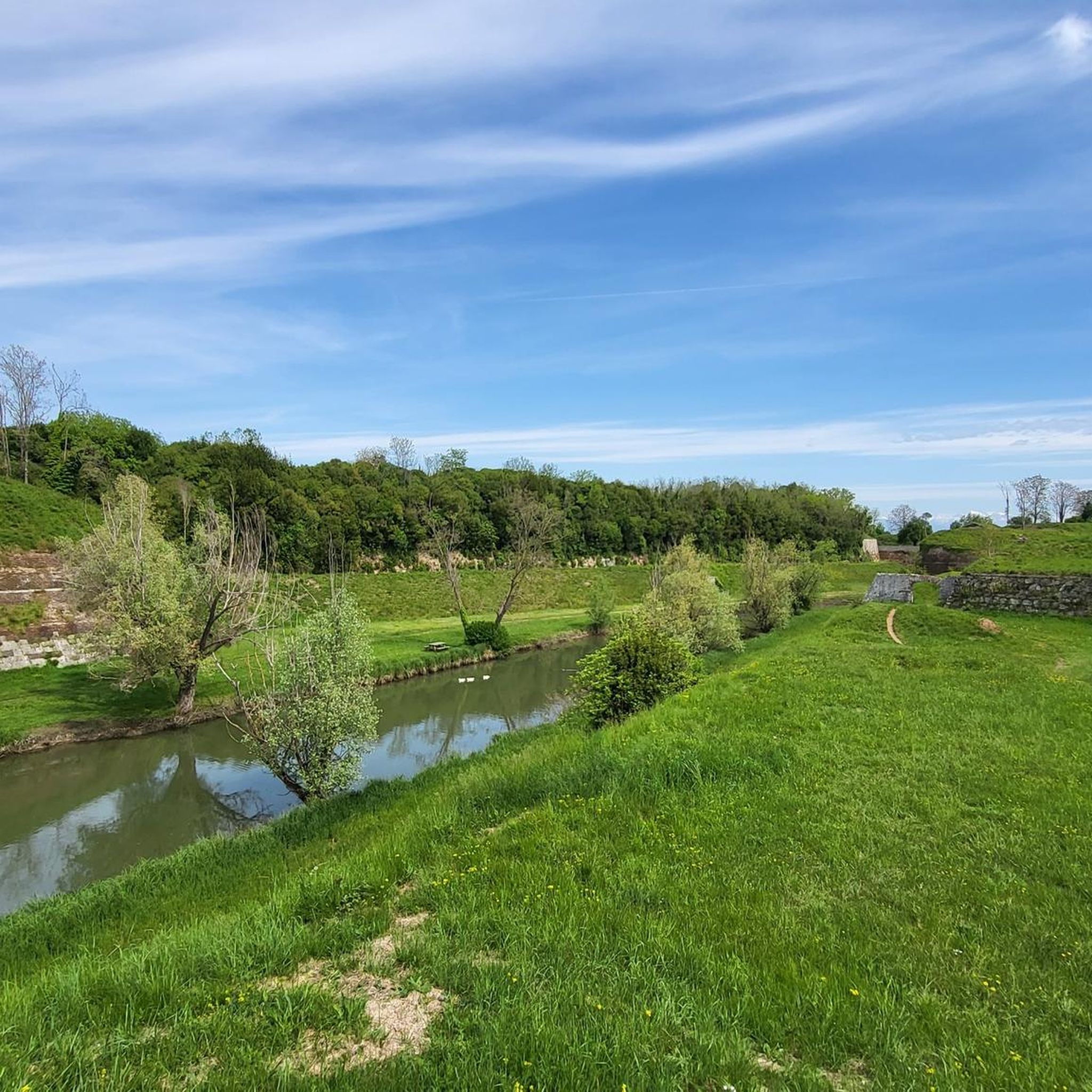
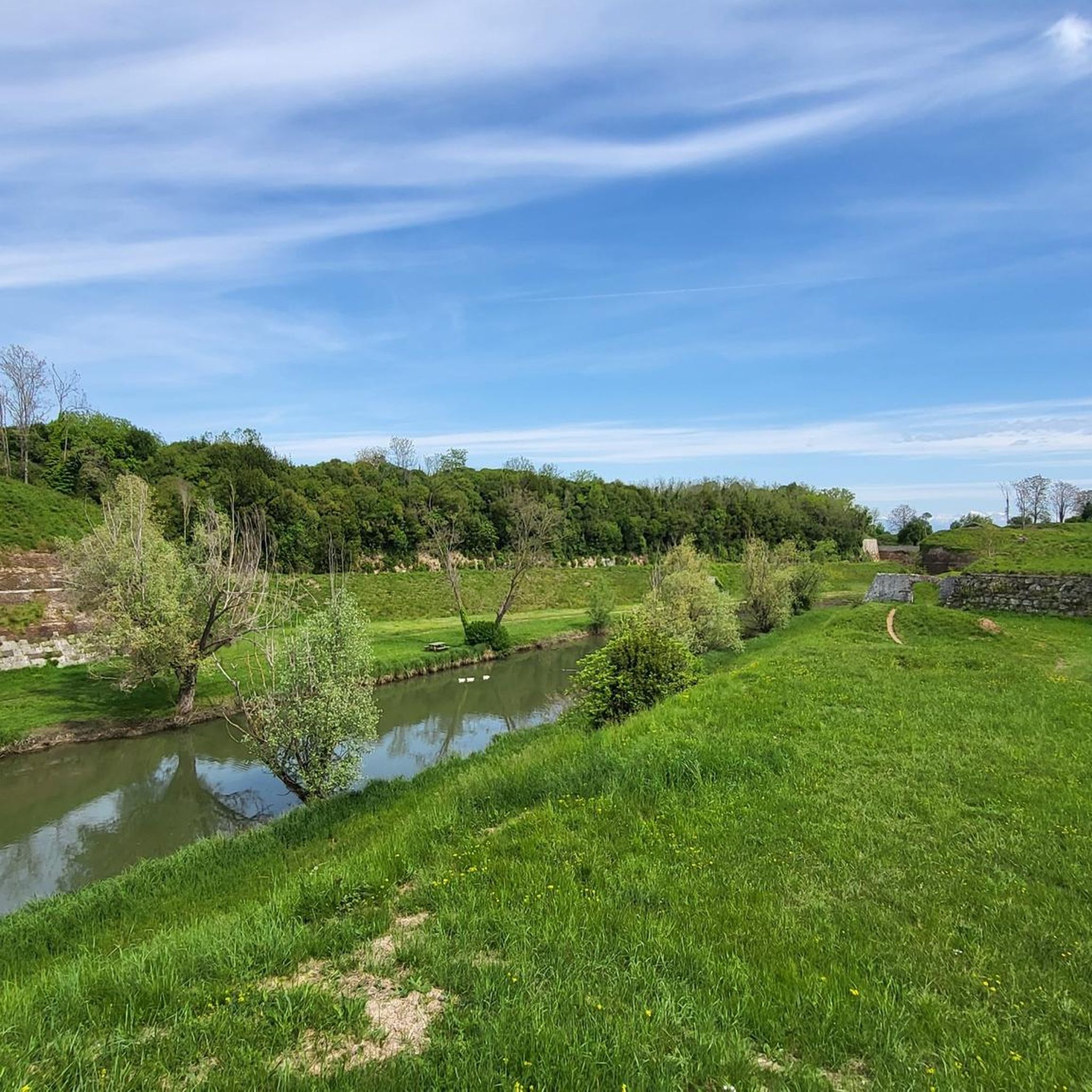
Venetian fortress from the 16th century in a typical star-shaped form.
0
0

The city lies like a fortress, partially enclosed by a wall. The barracks behind this wall were supposed to be abandoned. A construction site has now been set up for the restoration of the barracks complex.
6
0

It is a beautiful city
0
0

The star-shaped city, built by the Venetians as an unconquerable fortified town fell under the rule of Napoleon Bonaparte who added the third circle of walls
1
0


Aquileia was one of the most important cities in Roman times
4
0

The founding date is October 7, 1593, the 22nd anniversary of the victory of Lepanto and the day of St. Justina of Padua, who was declared the patron saint of Palmanova.
2
0
The fortified town of Palmanova, with its layout in the shape of a nine-pointed star, has been one of the Borghi più Belli d'Italia (the most beautiful villages in Italy) in the Friuli-Venezia Giulia region since November 2018. From a bird's eye view, the town of Palmanova looks like a star.
4
1
Frequently Asked Questions
What historical sites can I explore in Palmanova?
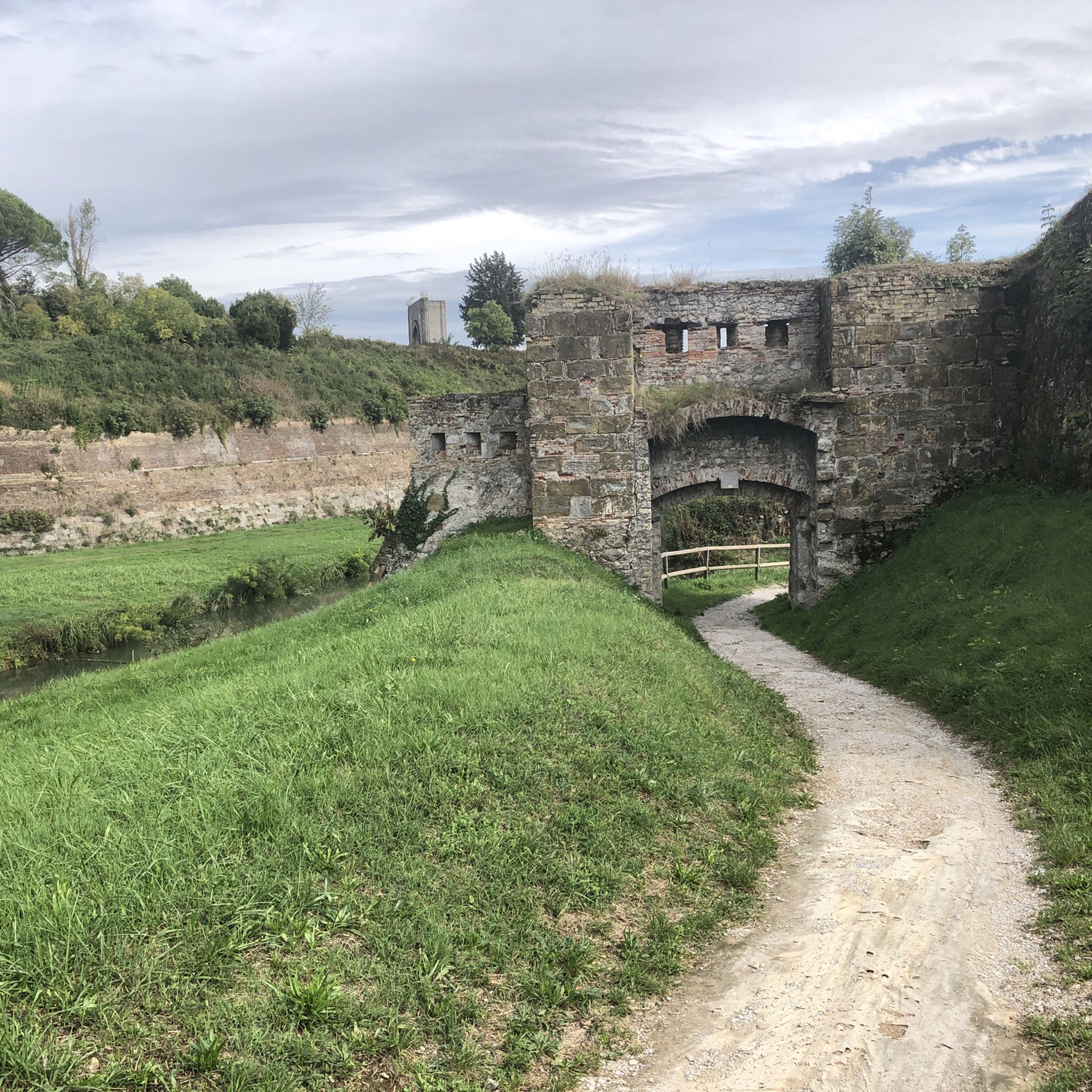
Palmanova is a UNESCO World Heritage Site, renowned as a perfectly preserved fortress-city built in 1593 by the Republic of Venice. You can explore its distinctive star-shaped layout and impressive Renaissance military architecture. Key historical sites include the city itself, Palmanova, and its three main entrances: Udine Gate and Porta Aquileia (Palmanova), both featuring typical Renaissance structures and historical details like drawbridge mechanisms.
Are there family-friendly attractions in Palmanova?
Yes, Palmanova offers several family-friendly attractions, primarily centered around its historical significance and outdoor spaces. The entire fortress-city of Palmanova, including its central Piazza Grande, is considered family-friendly for exploration. The city gates like Udine Gate and Porta Aquileia (Palmanova) are also accessible and interesting for all ages.
What kind of outdoor activities can I do near Palmanova?
The area around Palmanova is excellent for various outdoor activities, especially cycling and running. You can find numerous routes for gravel biking, road cycling, and running. For example, explore the gravel biking routes or enjoy the running trails that often incorporate the city's historical features. The Alpe-Adria Cycle Path at Terzo d'Aquileia is also nearby, offering a scenic cycling experience.
Are there cycling routes suitable for different skill levels around Palmanova?
Yes, you can find a variety of cycling routes catering to different skill levels. For road cycling, there are routes like the 'From Palmanova to Castello di Spessa – ring tour' which is rated as easy, alongside more challenging options. Gravel biking and running guides also offer routes with varying difficulty grades, from moderate to difficult, ensuring there's something for everyone. Check the Road Cycling Routes around Palmanova guide for more details.
What makes Palmanova's architecture unique?
Palmanova is celebrated for its unique star-shaped layout, a prime example of an 'ideal city' from the Renaissance period. Its fortifications and city gates, such as Udine Gate and Porta Aquileia (Palmanova), showcase advanced military architecture from the 16th century. The city's design was intended for defense and efficient urban planning, making it a fascinating site for architectural enthusiasts.
What do visitors particularly enjoy about Palmanova?
Visitors are often captivated by the extraordinary preservation of Palmanova's fortress structure and its unique star shape. Many appreciate the opportunity to explore the historical sites like the city gates and the central Piazza Grande. The area is also highly regarded for its cycling opportunities, with many enjoying the trails that wind through and around the historic town.
Can I explore the fortifications of Palmanova?
Absolutely. Palmanova is famous for its well-preserved fortifications. You can walk or cycle along the ramparts and explore the various bastions and city gates that form its distinctive star shape. The Palmanova Star Fortified Town itself is a testament to this impressive defensive architecture.
Are there any specific gates or entrances worth seeing in Palmanova?
Yes, Palmanova has three significant city gates that are historical sites in their own right. Udine Gate, built in 1605, still features the large wheels used to raise its drawbridge. Porta Aquileia (Palmanova), located in the southern part of the city, also displays typical Renaissance structure. These gates offer a glimpse into the city's defensive past.
What is the Alpe-Adria Cycle Path and is it accessible from Palmanova?
The Alpe-Adria Cycle Path at Terzo d'Aquileia is a well-known cycling route connecting Salzburg to Grado on the Adriatic. While not directly within Palmanova, it is accessible nearby and offers a beautiful cycling experience, bridging Alpine passes and coastal areas. It's a popular choice for those looking for longer, scenic rides.
Are there running trails available around Palmanova?
Yes, Palmanova offers a variety of running trails. You can find routes that loop around the city's historical features, such as the 'Porta Aquileia (Palmanova) – Udine Gate loop from Palmanova' or the 'Palmanova Star Fort – Porta Cividale in Palmanova loop from Palmanova'. These trails vary in distance and difficulty, providing options for different fitness levels. Explore the Running Trails around Palmanova guide for detailed routes.
What is the significance of Piazza Grande in Palmanova?
Piazza Grande is the vast central parade ground located exactly in the center of the fortress-city of Palmanova. It is a key feature of the city's ideal Renaissance design, serving as a focal point for military and civic life. Today, it remains a significant open space for visitors to appreciate the city's unique urban planning.
Most popular routes around Palmanova
Most popular attractions around Palmanova

Get inspired with the komoot mobile app


Explore more
Still not found the Highlight you’re looking for? See guides of the top attractions in other regions:
