Top 15 Castles around Artegna
Best castles around Artegna are situated in a region known for its historical significance and varied landscape in Friuli Venezia Giulia. The area features fortified complexes and ancient structures, many with roots tracing back to Roman and medieval periods. These sites often stand on strategic hills, offering views of the surrounding plains and valleys. The region's history of conflicts and reconstructions has shaped the architectural character of its castles.
Best castles around Artegna
- The most popular castles is Caporiacco Castle…
Last updated: July 1, 2026
Caporiacco Castle
Highlight • Castle
Translated by Google •
Tip by

Osoppo Fortress
Highlight • Historical Site
I strongly suggest taking a torch with you, to make the …
Tip by

Sign up now to discover places like this
Get recommendations on the best single tracks, peaks, & plenty of other exciting outdoor places.
Sign up for free
Coia Castle
Highlight • Castle
Translated by Google •
Tip by

Osoppo Fortress and San Rocco Hill
Highlight • Historical Site
The route follows CAI trail marker 720. Starting from the southern entrance of Rivellino Park, you cross it to the northern entrance. Crossing the park, you can already see …
Translated by Google •
Tip by

Mels Tower
Highlight • Castle
Translated by Google •
Tip by

Sign up for free to discover even more castles around Artegna.
Sign up for free
Already have an account?
Start today with a free account
Your next adventure awaits.
Login or Signup

Tips from the Community

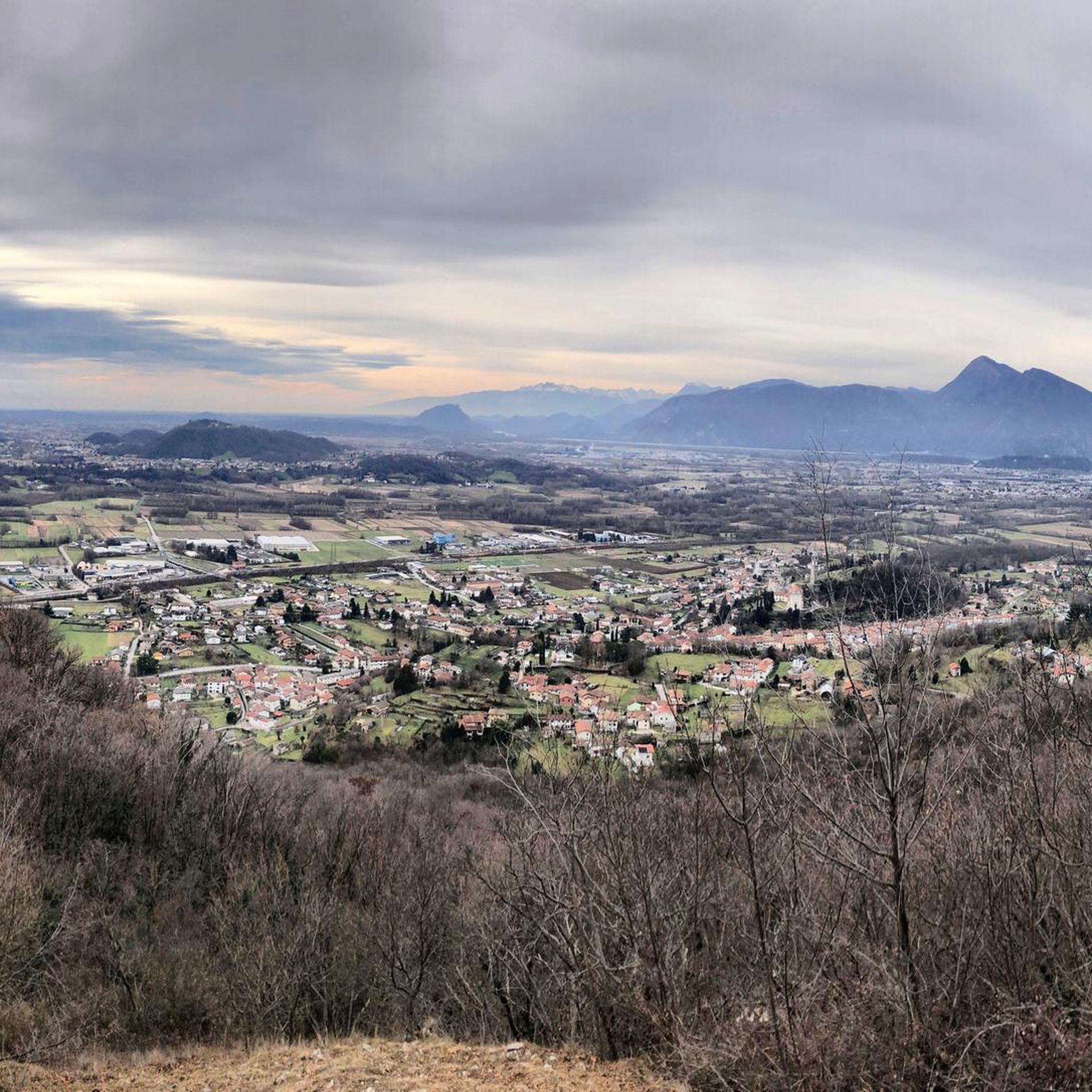
Caporiacco Castle, located in the village of the same name in the hills of Colloredo di Monte Albano, was built in the medieval period (1026-1045) as a residence-fortress for the nobles of Caporiacco. In its long history, the manor has suffered numerous damages: set on fire by enemies, looted by patriarchal troops, attacked by the population during the famous peasant revolt of Fat Thursday in 1511 and severely hit by the earthquake of the same year. But it was the 1976 earthquake that had devastating effects on the structure, leaving only the curtain wall of the facade standing. For decades it remained in a state of rubble, until the recovery work began in 1999 and concluded in 2013, with the reconstruction of the Torre Mastio, the oldest part of the site, the main body and the "casa del frate".
2
0

Beautiful place to walk and take pictures of some beautiful views. It is full of tunnels and caves. Only problem in summer if the grass is a bit high there can be ticks
0
0

Among the hills of Colloredo di Monte Albano, the Caporiacco castle belonged to the family of the same name until 1278. It was then damaged and looted several times and also suffered damage from an earthquake in 1976. Restoration work was completed a few years ago.
1
0


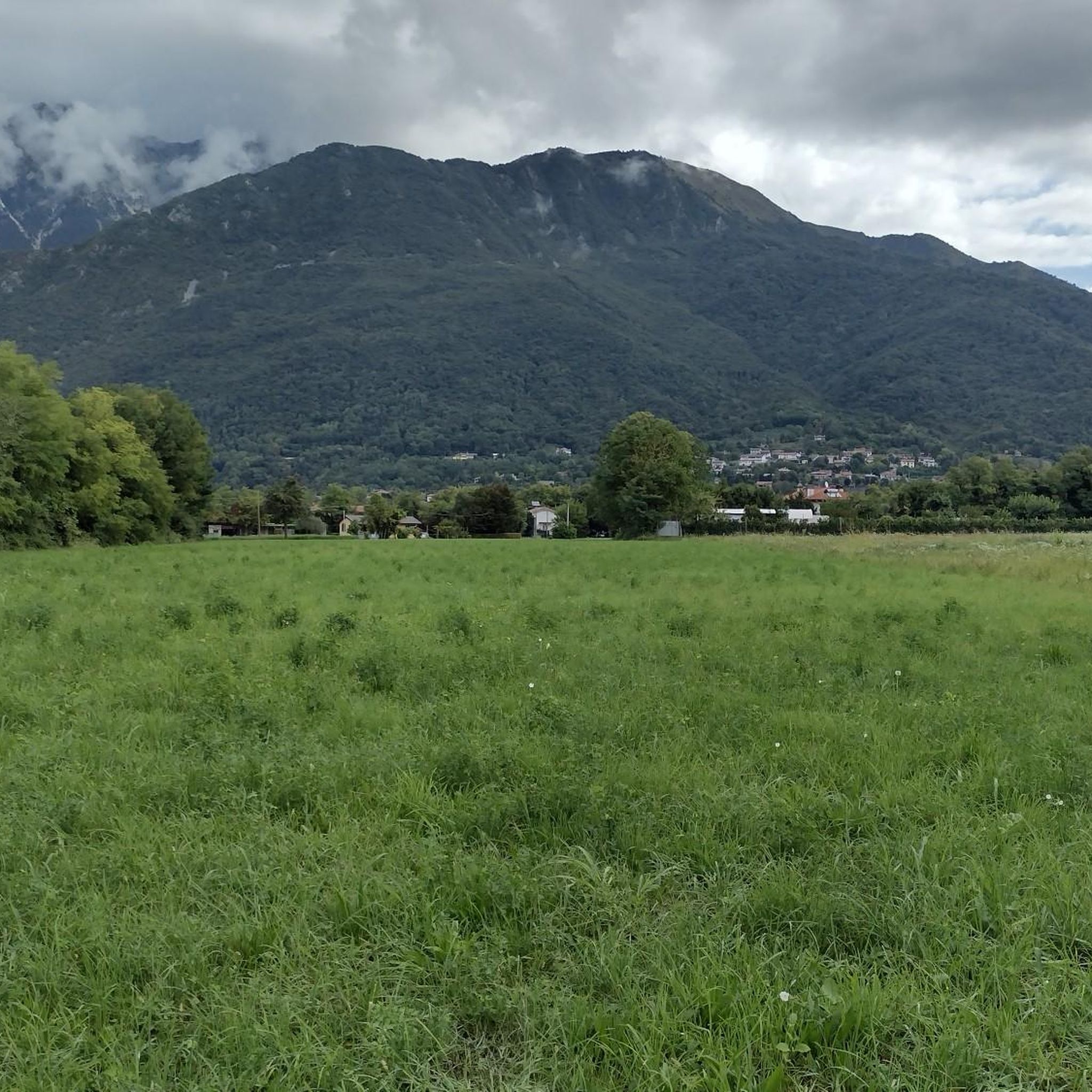
beautiful road surrounded by nature
0
1

To be visited as a documentation of our past and as a panorama
0
0

https://www.komoot.com/it-it/tour/692389420 The route follows CAI trail marker 720. Starting from the southern entrance of Rivellino Park, you cross it to the northern entrance. Crossing the park, you can already see the summit of Osoppo Hill with the flag flying on the lookout. The climb to the hill begins here, on the northern slope, and at the top of the trail, take the paved road on the left that leads to the fort. After passing the gate, on the right, there is a wide view of the Tagliamento River. On Osoppo Hill, there are many ruins worth visiting, given the strategic importance of the site since Celtic times. These include the roofless church of San Pietro, protected by a semi-cylindrical metal roof, the Savoy powder magazines, the tombs of the Savorgnans, the foundations of a Napoleonic barracks, and even the fossilized footprints of a Hipparion, the ancestor of the horse. The visit continues to the southern edge of the hill, to the Piazzale delle Cupole, where the remains of the artillery batteries are located, which can also be visited inside (a flashlight is recommended). A small path leads to the southern terrace, where the view opens up. Retracing our steps, we reach the square in front of the fort, with a small lake and the Casa del Tamburo (Drum House). On the right, there's another expansive view, this time towards Gemona. From this side of the fortress, we reach the lookout, where the Italian flag flies, the highest point on the hill, offering a 360-degree panorama. To descend from the hill, we retrace our steps and, after recrossing the gate, we leave the comfortable paved road to return to the left, taking trail 720 that descends towards the village. Once we reach the level ground, we keep right to head towards Parco delle Colonie. Here, we haven't found any sign of the trail marker, but by keeping to the south side of the soccer field and easily crossing a two-meter embankment, we reach the dirt road that leads to Colle di S. Rocco. After a right bend, on the left is the access to the steps leading up to the Colle. At a viewpoint overlooking the Tagliamento River, we also find the CAI notebook to sign our visit. Following the trail, keeping right at the first fork and then left at a second, we follow the entire crest of the Colle to the little church of San Rocco, opposite which lies the final few meters of descent. Once we reach the flat again, we keep left to return, through the village, to the starting point. 13-06-2020
0
0

From up here you have a very beautiful view of the Tagliamento, Osoppo and the countryside around Osoppo. And you can learn a lot about the history of the fortress from the information boards. There is also a small restaurant with outdoor seating.
1
0
Frequently Asked Questions
What is the historical significance of castles around Artegna?
The castles in the Artegna region boast a rich history, with roots tracing back to Roman Imperial times. Many, like the Castello di Artegna, served as crucial defensive positions and later as feudal residences. They have endured numerous conflicts, destructions, and reconstructions, including significant damage from the 1976 earthquake, which led to extensive restoration efforts. These sites offer a fascinating journey through centuries of regional history.
Are there any archaeological sites or exhibitions related to the castles?
Yes, the San Martino hill, where the Castello di Artegna stands, has yielded significant archaeological findings from the Gothic and Lombard ages. The castle itself now hosts an archaeological exhibition on its upper floors, showcasing artifacts discovered during excavations. Visitors can also explore monumental remains of a 5th-6th century cistern and ancient boundary walls on the hill.
Which castles offer the best panoramic views?
Several castles around Artegna provide excellent viewpoints. From the halls and tower of the Castello di Artegna, you can enjoy splendid views of the Campo di Osoppo-Gemona. The ascent to Osoppo Fortress is also highly recommended for its views of the plains. Additionally, Coia Castle and Mels Tower are known for their pleasant views over the Friuli plain and 360-degree panoramas, respectively.
Are there family-friendly castles to visit near Artegna?
Yes, several castles in the area are suitable for families. Caporiacco Castle, Colloredo di Montalbano, and Osoppo Fortress are all categorized as family-friendly. The Castello di Artegna also offers a cultural experience with its archaeological exhibition and exploration of the San Martino hill, which can be engaging for children.
What outdoor activities can I do near these castles?
The region around Artegna offers various outdoor activities. You can find numerous MTB trails, cycling routes, and running paths. For example, there are MTB routes like the 'Coia Castle – View from Monte Faeit loop' and cycling routes such as the 'Artegna Castle and Clock Tower – Duomo di Gemona loop'. You can explore more options on the MTB Trails around Artegna, Cycling around Artegna, and Running Trails around Artegna guide pages.
Are there hiking or walking routes that include castles?
Yes, the San Martino hill, home to the Castello di Artegna, has a designated circuit where you can walk and see ancient fortifications and other elements of the late antique and medieval settlement. For more extensive hiking, you can find routes like the 'Artegna Castle and Clock Tower loop' for running, which can also be enjoyed as a walk. Check the Running Trails around Artegna guide for more walking-friendly options.
What is the best time to visit the castles around Artegna?
The castles can be visited throughout the year, but spring and autumn generally offer the most pleasant weather for exploring the outdoor areas and enjoying the panoramic views. The Castello di Artegna is freely accessible to the public on weekends and holidays, making these times ideal for a visit.
Is parking available near the castles?
For the Castello di Artegna, parking is available, and the castle is easily reachable on foot from Piazza Marnico via a staircase. For other castles, parking availability may vary, but generally, smaller towns and villages in the region offer public parking options within walking distance of historical sites.
Can I visit the castles during winter?
Yes, you can visit the castles during winter. While the weather might be colder, the historical sites remain accessible. Some castles, like the Castello di Artegna, might have specific opening hours for their indoor exhibitions during the winter months, so it's advisable to check ahead. The 'Bonfire of the Epiphany' at Coia Castle is a notable winter event on January 5th.
Are there cafes or refreshment options near the castles?
The ground floor of the Castello di Artegna currently houses a refreshment bar. Additionally, at the top of the way to Osoppo Fortress, there is a cozy bar. In the villages and towns surrounding the castles, you will typically find cafes and restaurants.
What makes the castles around Artegna unique?
The castles around Artegna are unique due to their blend of ancient origins, strategic importance, and resilience. Many have been rebuilt and restored after significant damage, particularly from the 1976 earthquake, showcasing a continuous effort to preserve their heritage. They often combine historical architecture with archaeological insights and offer stunning views, reflecting the region's tumultuous yet rich past.
Are dogs allowed at the castles or on nearby trails?
Some highlights in the region, such as Colloredo di Montalbano and Osoppo Fortress, are marked as dog-friendly. For specific castle interiors, it's best to check individual policies. Many outdoor trails and walking routes around the castles are generally dog-friendly, provided dogs are kept on a leash.
Most popular routes around Artegna
Most popular attractions around Artegna

Get inspired with the komoot mobile app


Explore more
Looking for the best castles somewhere else? Discover other guides around Artegna:
