Attractions and Places To See around Castellaneta - Top 20
Best attractions and places to see around Castellaneta include a rich blend of historical landmarks, striking natural features, and engaging cultural sites. This historic town in Apulia features a medieval town plan with narrow streets and ancient buildings. Its most dramatic natural feature is the Gravina di Castellaneta, a deep limestone ravine with cliffs, caves, and ancient hermitages. The nearby Ionian coast offers sandy beaches and pine forests.
Best attractions and places to see around Castellaneta
- The most popular attractions…
Last updated: October 11, 2026
Grotta Croce in Laterza
Highlight • Cave
Translated by Google •
Tip by

Gravina di Ginosa Cave Dwellings
Highlight • Cave
Translated by Google •
Tip by

Sign up now to discover places like this
Get recommendations on the best single tracks, peaks, & plenty of other exciting outdoor places.
Road of the Masserie and Trulli between Gioia del Colle and Noci
Highlight (Segment) • Cycleway
Translated by Google •
Tip by

View over the Gravina di Laterza
Highlight • Gorge
Translated by Google •
Tip by

CAMMINO MATERANO - Hellenic Way
Highlight • Trail
Translated by Google •
Tip by
Sign up for free to discover even more attractions around Castellaneta.
Already have an account?
Start today with a free account
Your next adventure awaits.

Tips from the Community

amazing authentic trulli along the road but the fences on the fake new cycling path but private are soooo annoying with travel bicycle with panier
0
0

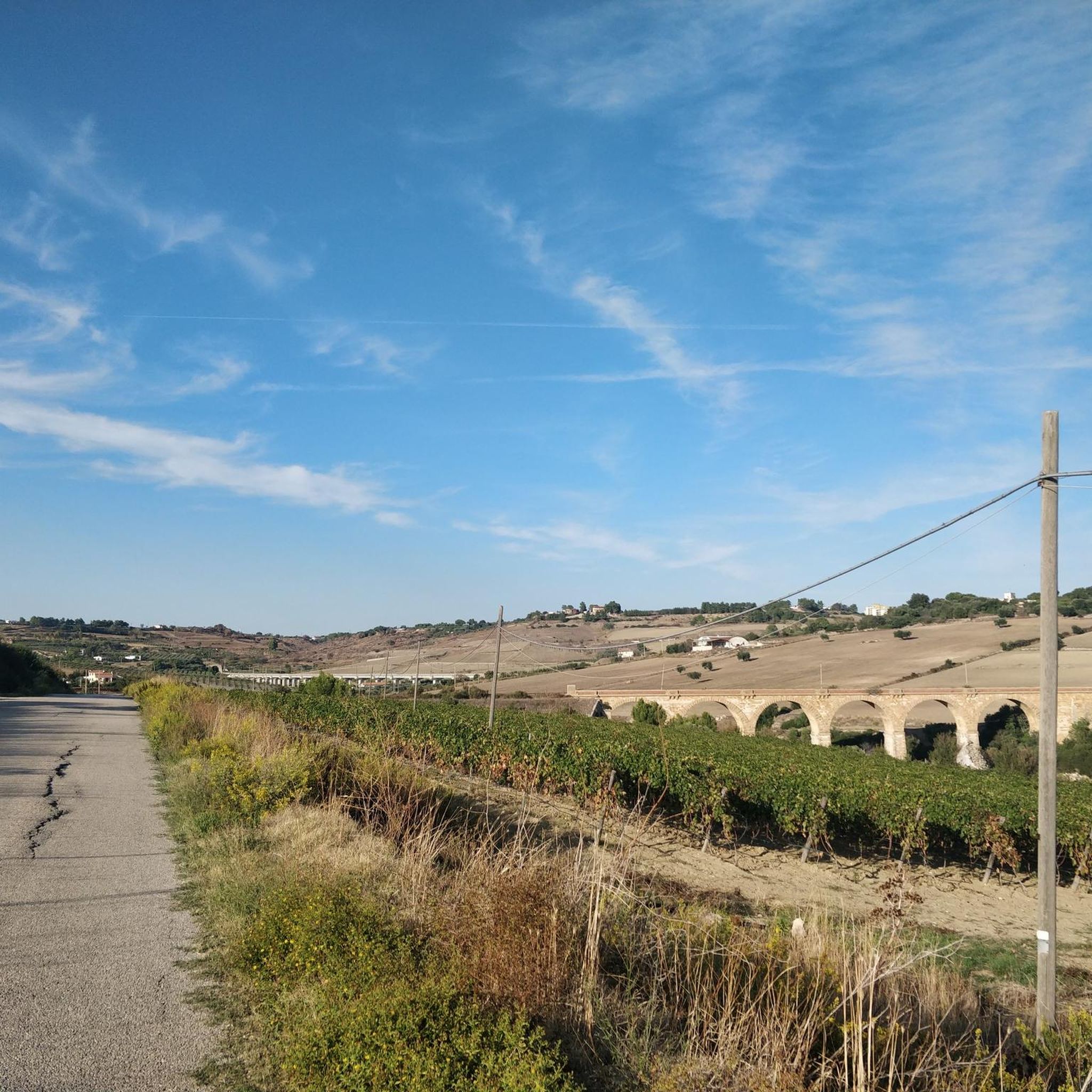
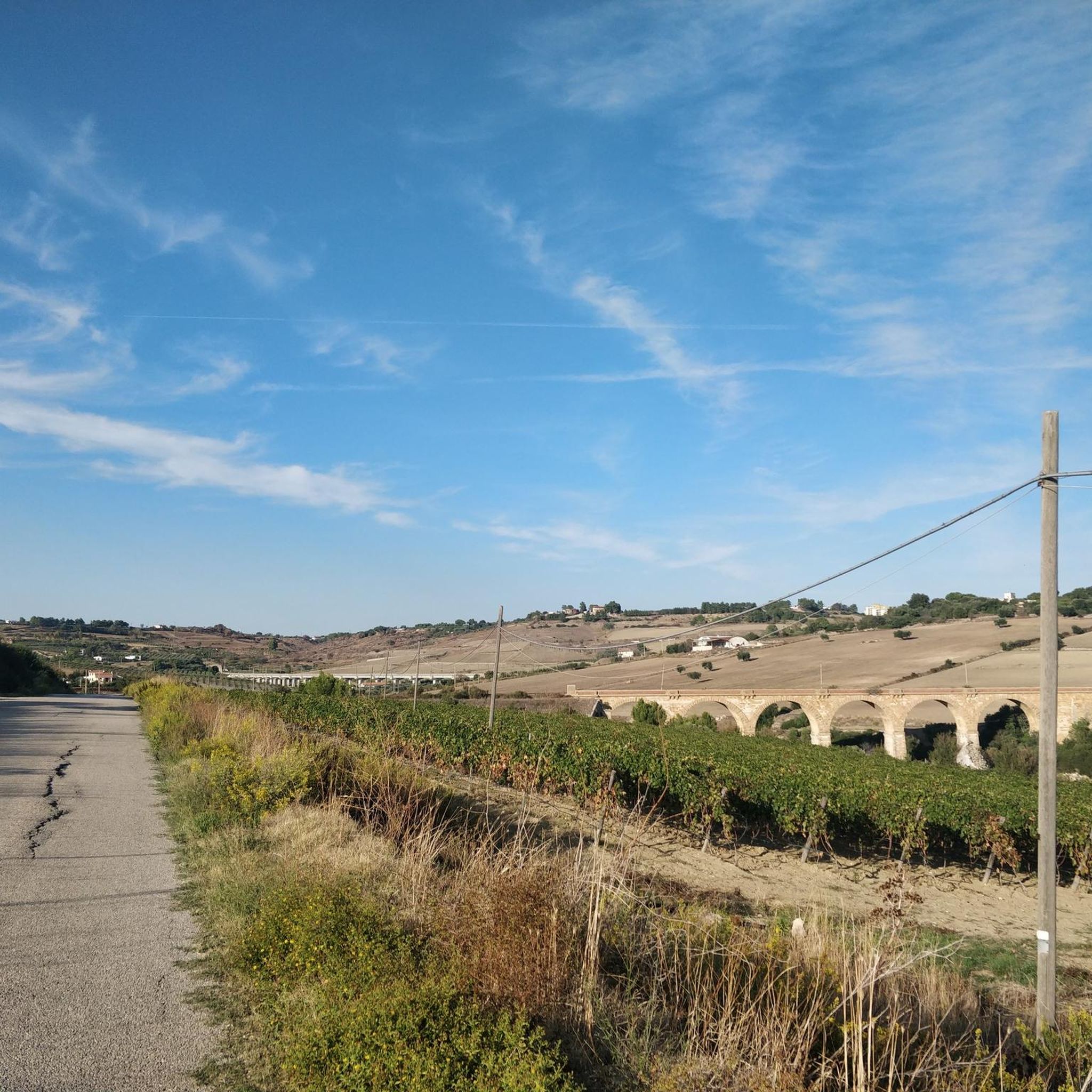
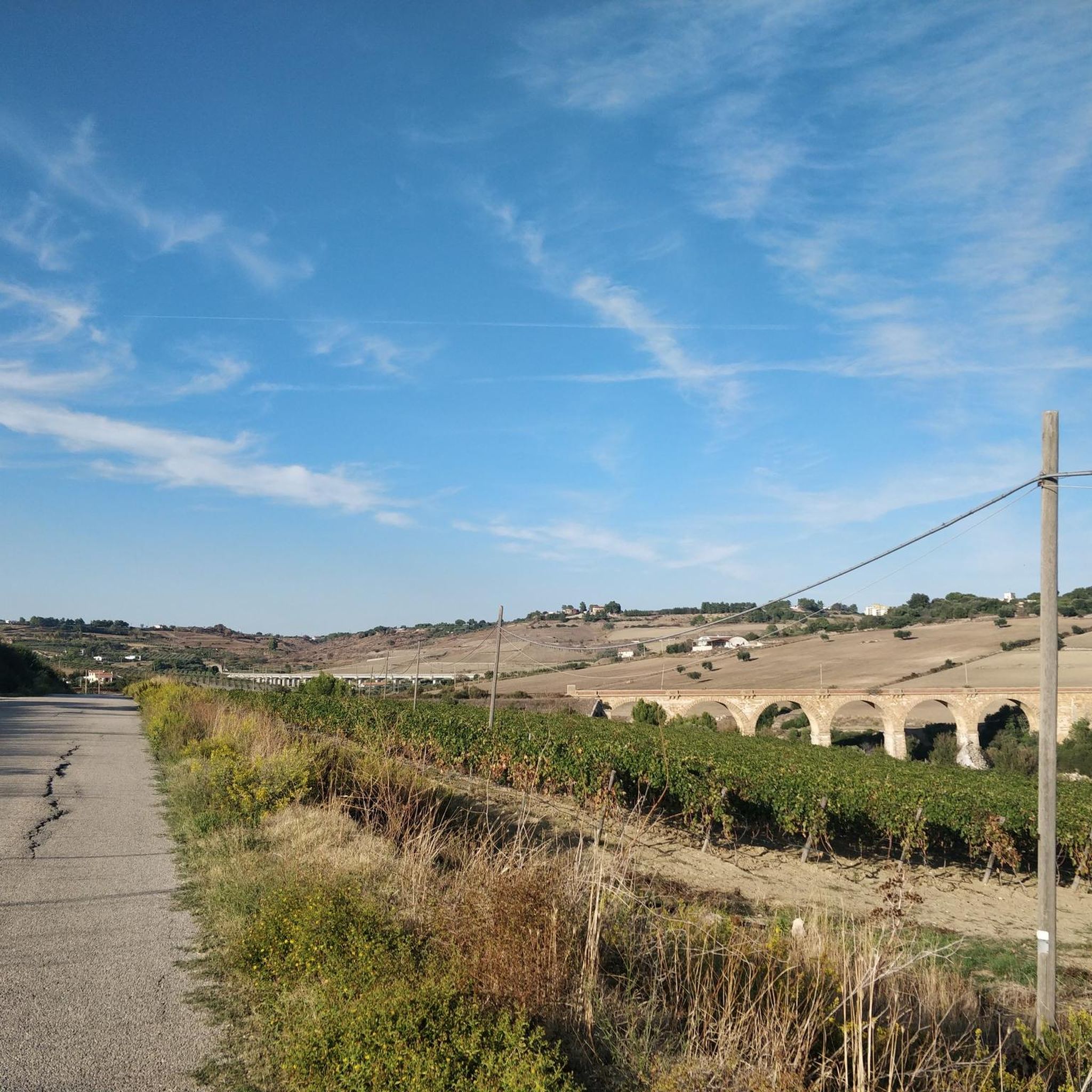
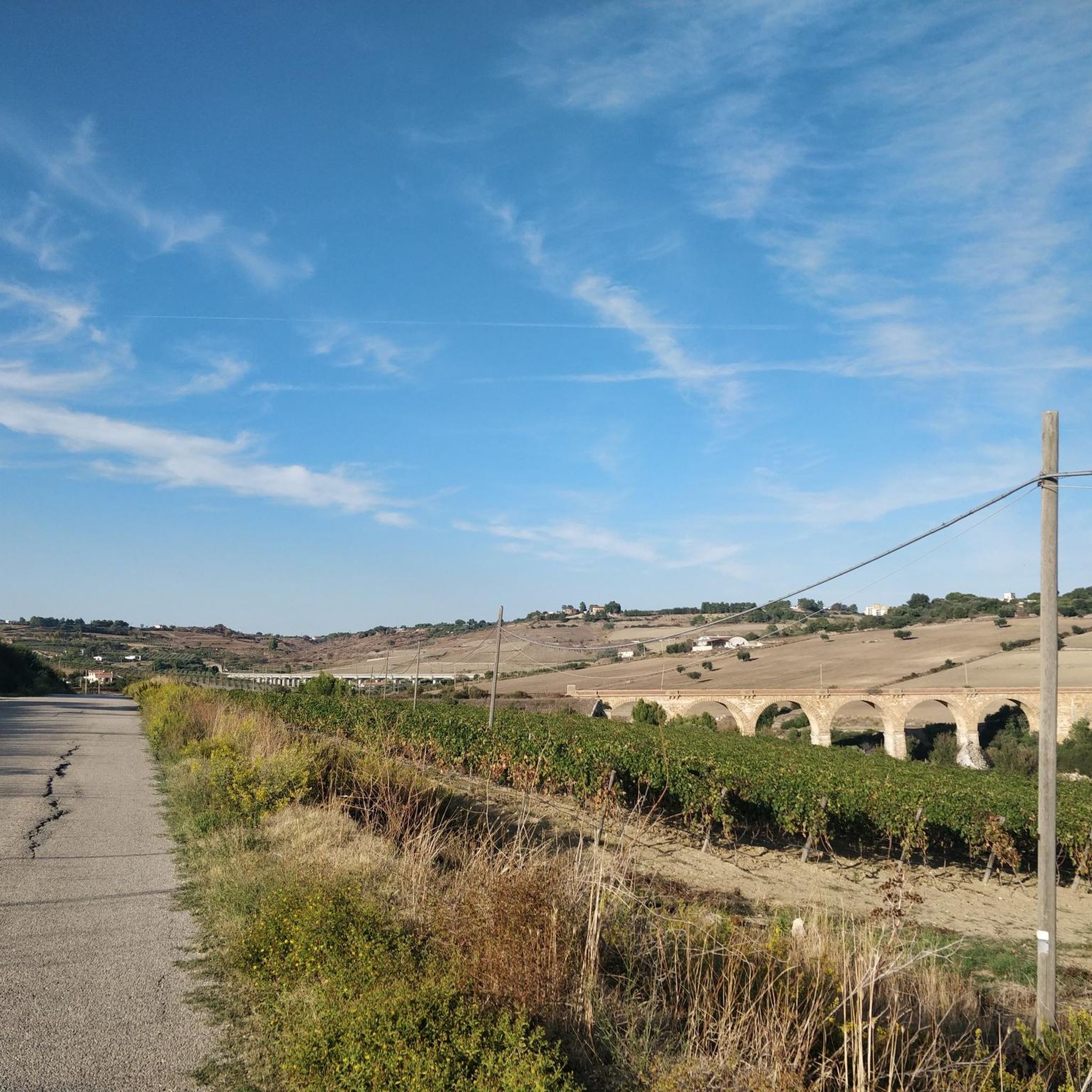
Small road, but relatively poor asphalt. Typical landscape with fields and dry stone walls. If the asphalt was better, it would be a highlight.
1
0

Gravina di Laterza is an impressive karst gorge located in Puglia, among the largest and most spectacular in Europe, with a length of over 12 km and a depth of over 200 meters. It was formed millions of years ago through the erosion of water in the limestone rocks, creating a unique landscape of steep walls and caves. From a naturalistic point of view, it hosts a rich biodiversity: rare species of flora and fauna find refuge here, including birds of prey such as the Egyptian vulture and the golden eagle. It is a paradise for hikers and nature lovers, ideal for geological explorations and birdwatching.
0
0
The Via Ellenica del Cammino Materano is one of the most evocative variants of the route, crossing breathtaking landscapes and historical sites. Passing through the Gravina di Laterza, it offers an extraordinary immersion in wild nature, between deep canyons and imposing rock walls, habitat of birds of prey and protected fauna. This stretch connects the territories of Magna Graecia, rich in history and culture, up to Matera, capital of the Sassi. Ideal for hikers looking for an authentic experience between uncontaminated nature and ancient traditions.
0
0
Grotta Croce, located in Gravina di Laterza, is one of the many karst caves in this suggestive canyon in Puglia. Famous for its natural beauty and historical interest, the cave offers spectacular limestone formations. Explored by speleology enthusiasts and hikers, it is part of the Terra delle Gravine Natural Park, an area rich in biodiversity and characterized by deep ravines and hidden caves. Grotta Croce also has archaeological value, with finds that testify to human presence in ancient times.
1
0

About six kilometers long, this segment is a fascinating way to connect Gioia del Colle and Noci. It mostly runs on asphalt in good condition and all around there are fields, dry stone walls, farms and woods: a typically Apulian landscape.
4
1

Grotta Croce is a natural cavity located in the ravine of Laterza, a deep canyon dug by the river Lato. The cave has a shape resembling a Greek cross and a vault 9 meters high, and is inhabited by many birds, such as kestrels and swifts. It is part of the Lipu Oasis, a protected area for nature conservation
2
0

asphalt section of the AQP cycle path
2
0
Frequently Asked Questions
What natural attractions can I explore around Castellaneta?
Castellaneta is renowned for its dramatic natural features. The most prominent is the Gravina di Castellaneta, a spectacular deep limestone ravine with cliffs, caves, and ancient hermitages. You can also visit Grotta Croce in Laterza, a karst cave known for its natural beauty and limestone formations, located within the Terra delle Gravine Natural Park. For coastal beauty,
Castellaneta Marina offers fine sandy beaches and crystal-clear waters along the Ionian coast, complemented by lush pine forests like Bosco Pineto.
Are there any historical or cultural sites worth visiting in Castellaneta?
Absolutely. The town boasts a rich history. You can explore the Castellaneta Cathedral, originally built in 1220 and reconstructed in Baroque style, or visit the Rudolph Valentino Museum, dedicated to the famous silent film actor born here. The historic center features charming narrow streets, ancient buildings, and significant churches such as San Francesco and San Domenico. Don't miss Historic Center and Ravine of Laterza, a historical site overlooking a verdant ravine.
What kind of outdoor activities can I do near Castellaneta's attractions?
The area around Castellaneta offers diverse outdoor activities. You can find numerous routes for hiking, running, and cycling. For example, there are moderate hiking trails like the 'View of Castellaneta loop' or the 'Grotta Croce in Laterza – View of the Gravina Canyon loop'. Cyclists can enjoy routes such as the 'FS 851.113 locomotive – Main square Castellaneta loop' or the 'View of the Gravina di Laterza loop' which are part of the cycling guide. Runners can explore routes like the 'Parco Terra delle Gravine loop' found in the running guide.
Are there family-friendly attractions or activities in the Castellaneta area?
Yes, there are several options for families.
Castellaneta Marina, with its sandy beaches and clear waters, is perfect for a family day out. For adventure, the Torremattoni Adventure Park in Castellaneta Marina offers activities like horseback riding and orienteering. Additionally, the Norman-Swabian Castle of Gioia del Colle is a historical site that can be engaging for all ages, housing a national archaeological museum.
Where can I find ancient cave dwellings or rupestrian settlements?
The Gravina di Castellaneta is home to numerous natural and man-made caves that were once inhabited, with some even serving as churches. These rupestrian settlements offer a fascinating glimpse into prehistoric and medieval life. The Grotta Croce in Laterza is another example of a karst cave with archaeological value, indicating ancient human presence.
What is the best time of year to visit Castellaneta for outdoor activities?
The best time to visit Castellaneta for outdoor activities is generally during the spring (April to June) and autumn (September to October). During these seasons, the weather is pleasant, with milder temperatures ideal for hiking, cycling, and exploring the gravine and historical sites. Summers can be quite hot, especially in July and August, which is more suitable for enjoying the beaches at Castellaneta Marina.
Can I find any unique cycling routes in the region?
Yes, the area offers unique cycling experiences. A notable route is the Road of the Masserie and Trulli between Gioia del Colle and Noci. This 6 km segment provides a fascinating journey through fields, dry stone walls, farms, and woods, showcasing a typical Apulian landscape. It's an excellent way to experience the rural charm of the region by bike.
Are there any long-distance walking routes or pilgrimage paths nearby?
Yes, the CAMMINO MATERANO - Hellenic Way is an evocative route that crosses breathtaking landscapes and historical sites. Passing through the Gravina di Laterza, it offers an immersive experience in wild nature, deep canyons, and imposing rock walls. This stretch connects territories of Magna Graecia up to Matera, making it ideal for hikers seeking an authentic journey through nature and ancient traditions.
What is the main square in Castellaneta and what can I find there?
The main square in Castellaneta is Piazza Umberto I. It serves as the vibrant heart of the town, bordered by stately buildings, lively cafés, and market stalls. It's a central hub for festivals and concerts, offering a unique backdrop of cobblestones and views of the canyon, making it a great place to soak in the local atmosphere.
Where can I find information about the famous silent film actor Rudolph Valentino?
Castellaneta is the birthplace of Rudolph Valentino. You can visit the Rudolph Valentino Museum, which is dedicated to his life and career. The museum preserves around 40,000 volumes, personal items, posters, and films related to him. There is also a monument to him in the city, celebrating his legacy.
What is the Terra delle Gravine Natural Park and what does it offer?
The Terra delle Gravine Natural Park is a protected area rich in biodiversity, encompassing the dramatic limestone ravines, or 'gravine,' of the region, including the Gravina di Castellaneta. It's an area characterized by deep canyons, hidden caves, and unique ecosystems. The park is ideal for nature lovers, offering opportunities for hiking, birdwatching (especially for birds of prey), and exploring ancient rupestrian settlements.
Are there any castles or ancient fortresses to visit near Castellaneta?
Yes, a short distance from Castellaneta, you can visit the Norman-Swabian Castle of Gioia del Colle. This impressive castle stands out in a village known for its Byzantine origins and narrow, white streets. It houses the national archaeological museum and is considered one of the best-preserved Staufer forts in Italy, with historical ties to Friedrich II.
Most popular routes around Castellaneta
Most popular attractions around Castellaneta

Get inspired with the komoot mobile app


Explore more
Still not found the Highlight you’re looking for? See guides of the top attractions in other regions:
