The best walks and hikes around Valstagna
4.4
(826)
3,834
hikers
55
hikes
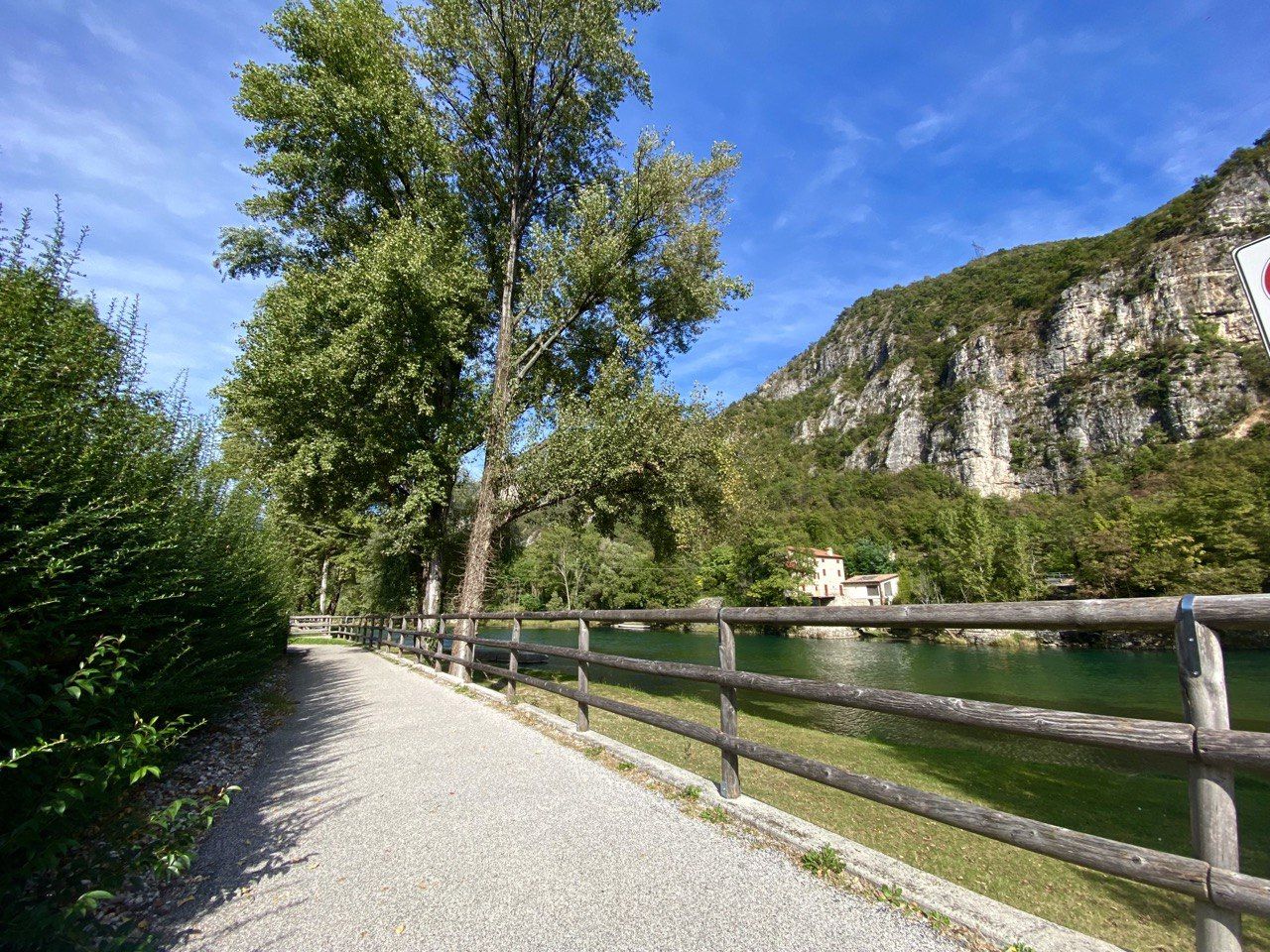
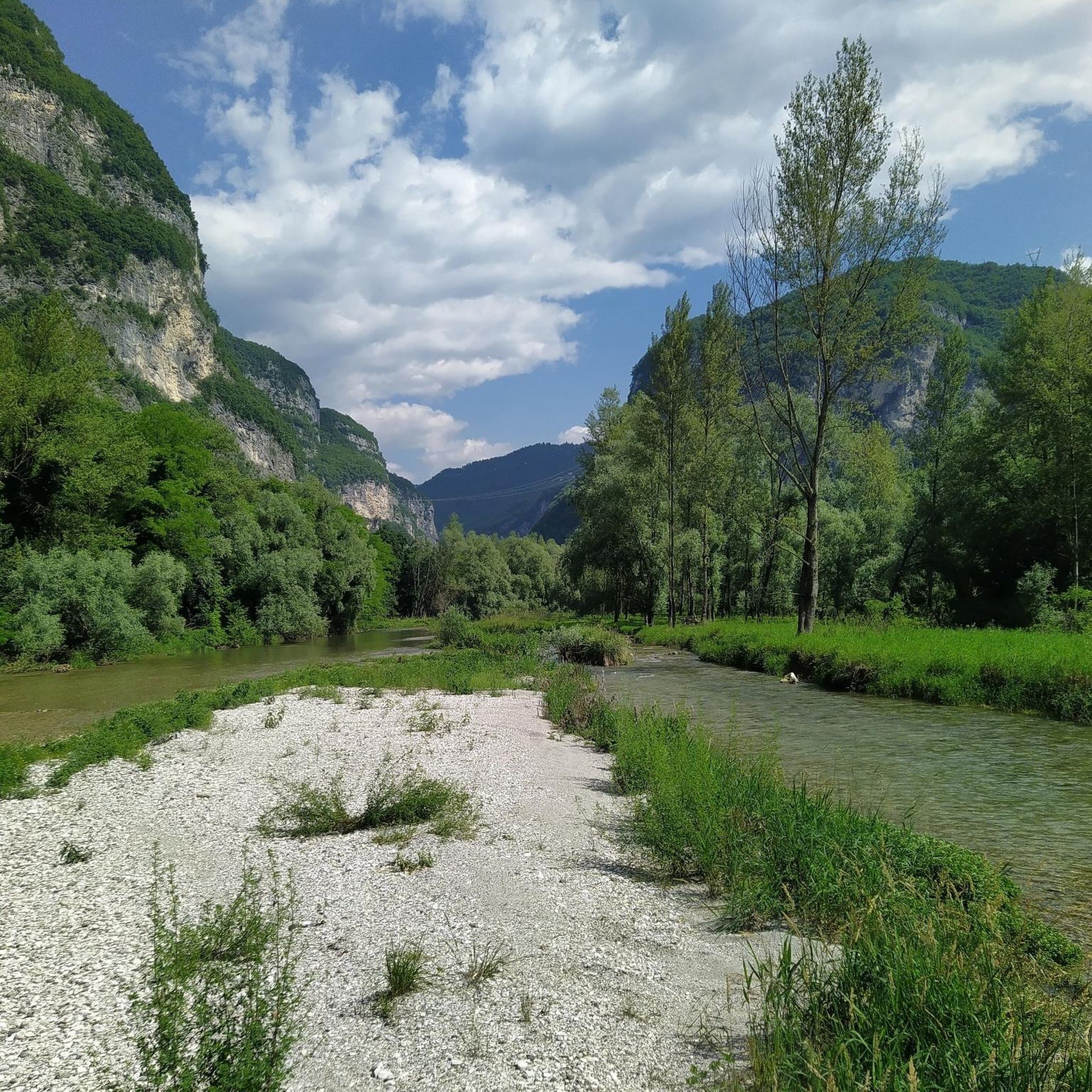
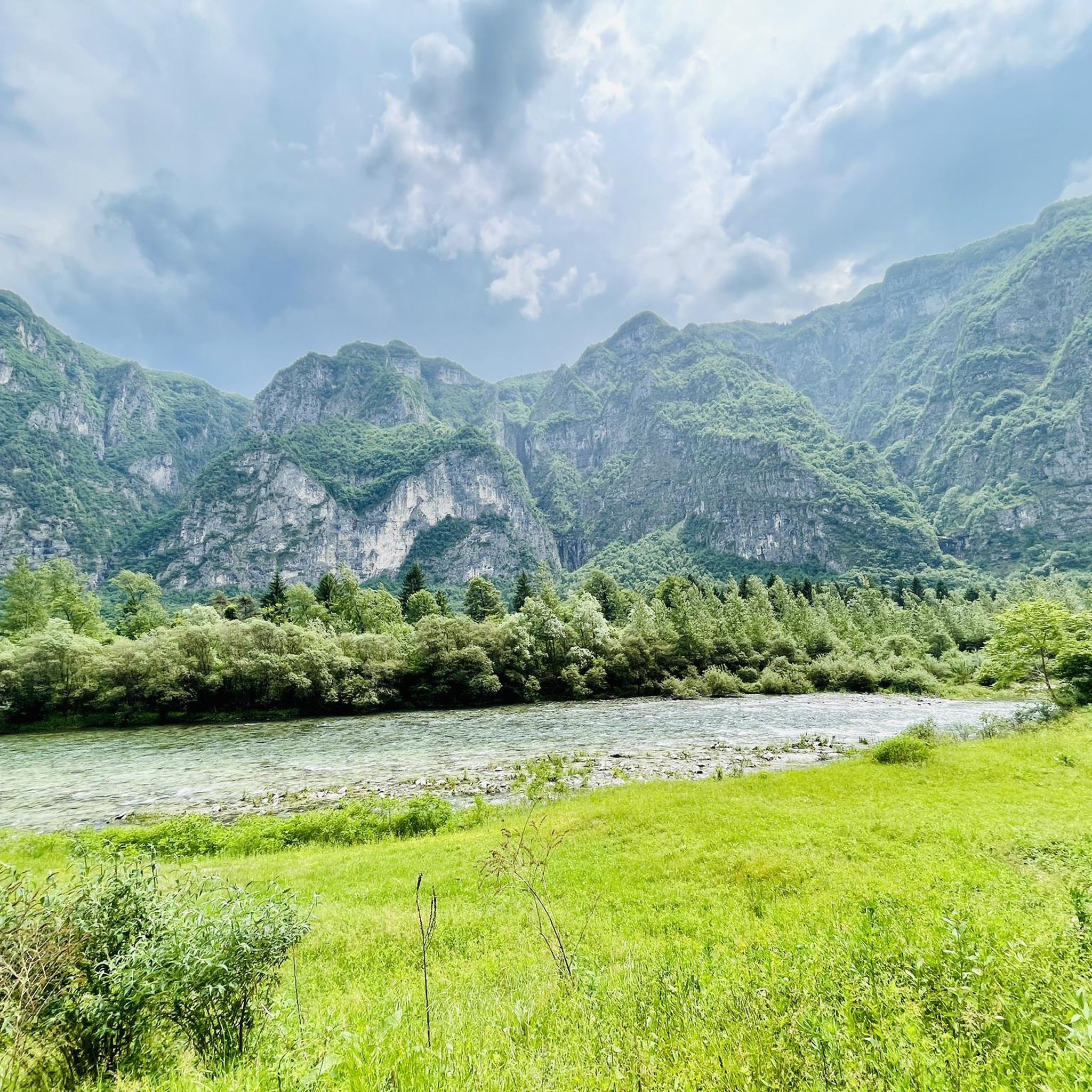
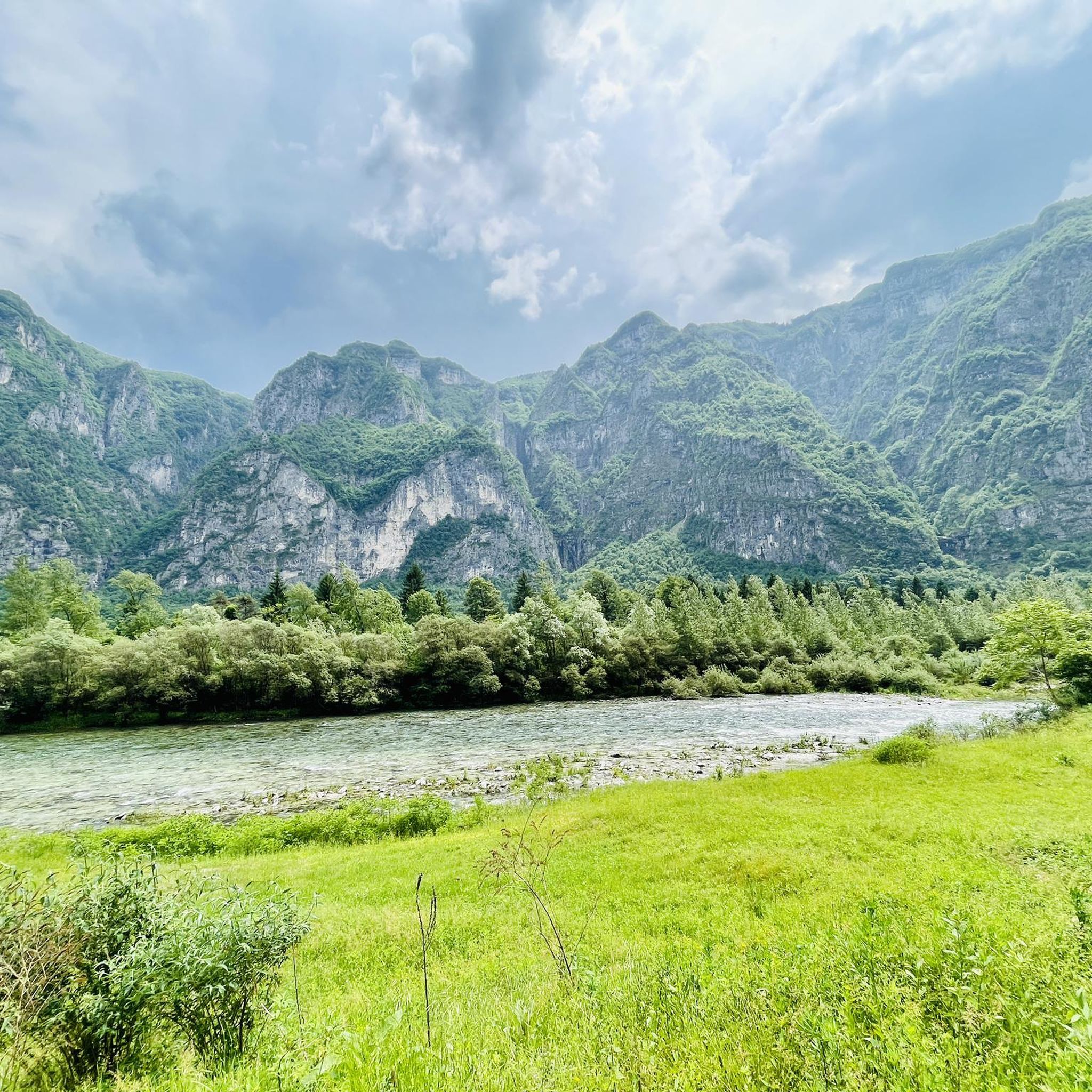
Hiking trails around Valstagna are situated in Italy's Brenta Valley, characterized by the fast-flowing Brenta River and terraced hillsides known as "marocche." The region features lush mountains and impressive rock formations, offering varied terrain for exploration. These natural features provide a diverse landscape for hikers, ranging from river-level paths to higher mountain routes.
Best hiking trails around Valstagna
- The most popular hiking route is Calà del Sasso – The 4,444 Steps Trail from Valstagna, a 4.4 miles (7.1 km) trail that takes 3 hours 14 minutes to complete. This route follows a historic stone staircase through a shaded forest.
- Another top favourite among local hikers is From Oliero to Col d'Astiago WWI Tunnels (via CAI 771), a difficult 6.5 miles (10.5 km) path. This historic climb offers sweeping views of the Brenta Valley.
- Local hikers also love the Valgadena Gorge Trail to Stoner Village (Route 784), a 6.3 miles (10.2 km) trail leading through dramatic gorge passages, often completed in about 5 hours 17 minutes.
- Hiking around Valstagna is defined by the Brenta Valley, terraced hillsides, and lush mountains. The network offers options for different ability levels, from accessible paths to more challenging routes.
- The routes in Valstagna are highly rated by the komoot community with an average score of 4.4 stars from over 870 reviews. Nearly 4,000 hikers have used komoot to explore Valstagna's varied terrain.
Last updated: October 10, 2026
4.6
(41)
375
hikers
7.09km
03:14
700m
700m
Moderate hike. Good fitness required. Easily-accessible paths. Suitable for all skill levels.
4.4
(21)
93
hikers
10.5km
05:45
1,080m
1,080m
Hard hike. Very good fitness required. Mostly accessible paths. Sure-footedness required.

4.0
(6)
25
hikers
10.8km
03:20
360m
350m
Moderate hike. Good fitness required. Mostly accessible paths. Sure-footedness required.
4.2
(6)
29
hikers
10.2km
05:18
940m
940m
Hard hike. Very good fitness required. Sure-footedness, sturdy shoes and alpine experience required.
5.0
(2)
19
hikers
10.2km
05:13
920m
920m
Hard hike. Very good fitness required. Sure-footedness, sturdy shoes and alpine experience required.
Get access to more routes and recommendations from other explorers.
Already have an account?
Our route recommendations are based on thousands of hikes, rides, and runs completed by other people on komoot.
Start today with a free account
Your next adventure awaits.
Popular around Valstagna


Tips from the Community

Creations of nature in a wild environment
0
0

La Grottona is a natural panoramic balcony with a spectacular view of the lower Valsugana (or Canale del Brenta, as its narrow final part is called), at an altitude of 900m. You encounter it while walking the challenging Sentiero del Vu, which leads from Londa di Valstagna to Col d'Astiago on the Asiago Plateau, following an Italian defensive line from World War I dotted with military structures: this rocky terrace was also adapted by the infantry as an observation point and artillery position, with a still-passable trench.
1
0
Scenic rock amphitheater about fifty meters high, with 55 climbing routes named after film titles: a panel lists them all, with length (from 9 to 35m) and difficulty scale (from 5a to 8a+).
0
0
After 4444 steps, a well-deserved rest
0
0
Ancient road for bringing timber from the plateau to the river port of Solagna for the arsenal of Venice
0
0
On the routes created during the dominion of the maritime republic of Venice
0
0


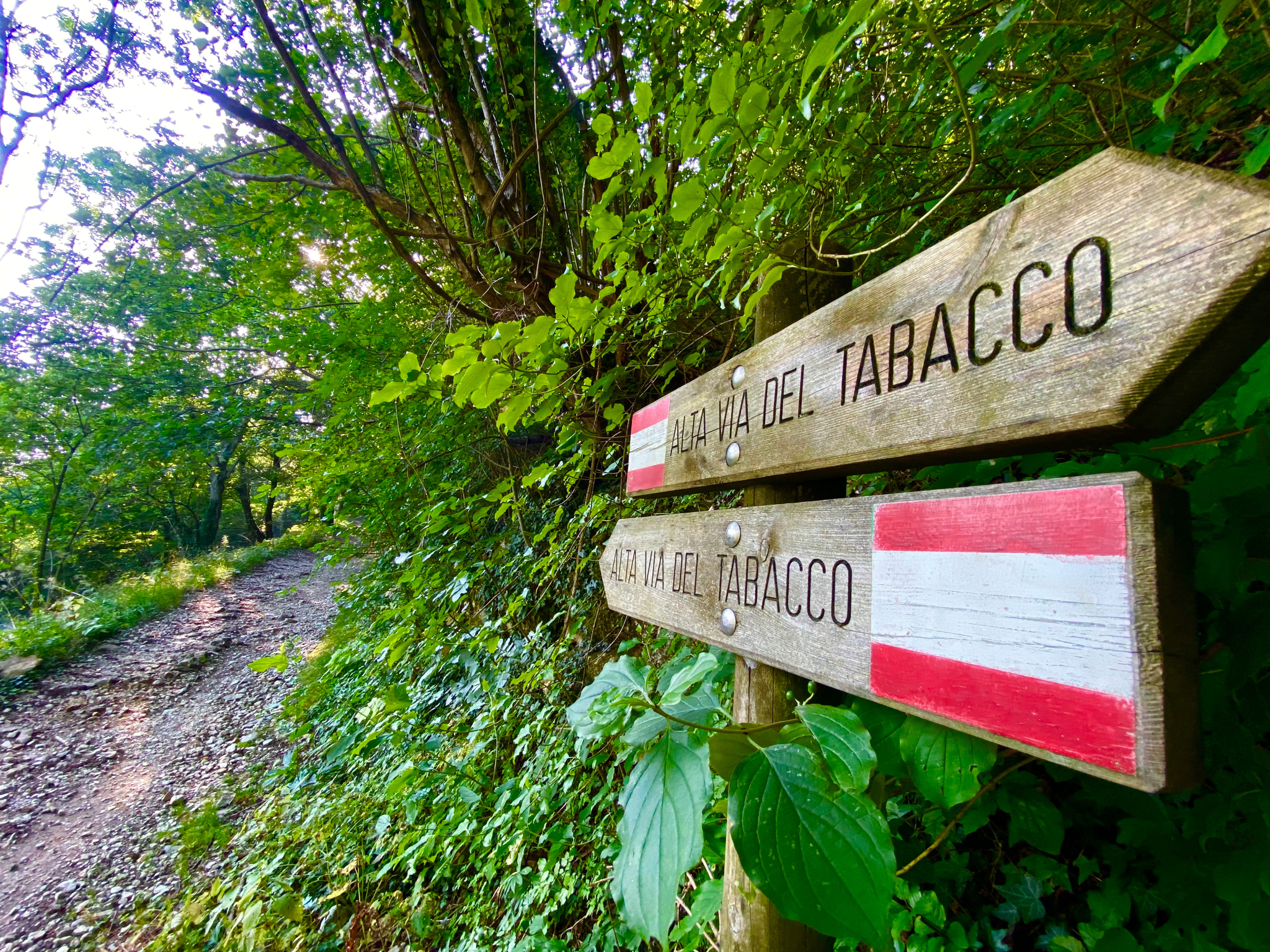
at the start of the vu path
0
0
Frequently Asked Questions
What types of hiking trails can I expect around Valstagna?
Valstagna, nestled in Italy's Brenta Valley, offers a diverse range of hiking trails. You'll find paths along the fast-flowing Brenta River, routes ascending terraced hillsides known as "marocche," and trails through lush mountains with impressive rock formations. The terrain varies from accessible river-level paths to more challenging mountain routes.
Are there any easy hiking trails suitable for beginners or families in Valstagna?
Yes, Valstagna offers several easier options. While many trails involve elevation, there are 4 routes classified as easy. These paths often follow ancient pathways or the Calà del Sasso – The 4,444 Steps Trail from Valstagna, for example, is a moderate route that can be enjoyed by those with a reasonable fitness level, offering a unique historical experience through a shaded forest.
What natural attractions can I discover while hiking in Valstagna?
The region is rich in natural wonders. You can explore the dramatic Grotta di Oliero, one of Europe's largest cave systems, where the Oliero River flows from two lower caves. The Brenta River itself is a constant presence, and the unique terraced hillsides, or "marocche," offer stunning views. The Valgadena Gorge Trail to Stoner Village (Route 784) also leads through dramatic carved rock passages.
Are there any historical trails or landmarks related to WWI in the Valstagna area?
Yes, Valstagna is steeped in history, particularly from WWI. You can hike historical routes like the From Oliero to Col d'Astiago WWI Tunnels (via CAI 771), which is a challenging climb offering sweeping views of the Brenta Valley. Another option is the Asiago Plateau WWI Trail, which connects wartime water cisterns with alpine huts.
What do other hikers enjoy most about the trails around Valstagna?
The trails around Valstagna are highly rated by the komoot community, with an average score of 4.4 stars from over 870 reviews. Hikers often praise the dramatic landscapes, the historical significance of routes like the Calà del Sasso, and the varied terrain that offers both river views and mountain panoramas.
Are there any trails that offer panoramic viewpoints of the Brenta Valley?
Many trails in the Valstagna area provide excellent viewpoints. The From Oliero to Col d'Astiago WWI Tunnels (via CAI 771) offers sweeping views of the Brenta Valley. Additionally, the terraced hillsides, or "marocche," integrated into many hiking experiences, naturally provide elevated perspectives of the valley and river below.
Can I find circular hiking routes in Valstagna?
Yes, there are several loop trails available in the Valstagna area. These circular routes allow you to start and end at the same point, offering a convenient way to explore the diverse landscapes without retracing your steps. You can filter for circular routes on komoot to find options that suit your preferences.
What is the best time of year to go hiking in Valstagna?
The Brenta Valley and Valstagna region are generally best for hiking during the spring, summer, and autumn months. These seasons offer pleasant temperatures and clear conditions to enjoy the lush mountains and river scenery. While some trails might be accessible in winter, many higher routes could be affected by snow or ice.
Are there any specific attractions or landmarks near the hiking trails?
Beyond the natural features, you can find several interesting landmarks. The Sanctuary of the Madonna del Caravaggio at Buso is a religious building near some gorge trails. For those interested in geological formations, the Monte Corno Rock Labyrinth and Gorghi Scuri are notable gorges to explore.
How many hiking routes are available in the Valstagna region?
There are over 45 hiking routes available around Valstagna, offering a wide variety of distances and difficulty levels. This includes 4 easy routes, 23 moderate routes, and 21 difficult routes, ensuring options for every type of hiker.
Are there any trails that pass by the Brenta River?
Given Valstagna's location, hugging the Brenta River, many trails will bring you close to or along its banks. The river is a central element of the valley's geography, and paths often follow its course, allowing you to experience its fast-flowing waters and the surrounding riverine landscape.
Most popular routes around Valstagna
Most popular attractions around Valstagna

Get inspired with the komoot mobile app


Explore more
Browse the best Hikes in other regions.
