Attractions and Places To See around Altavilla Silentina - Top 20
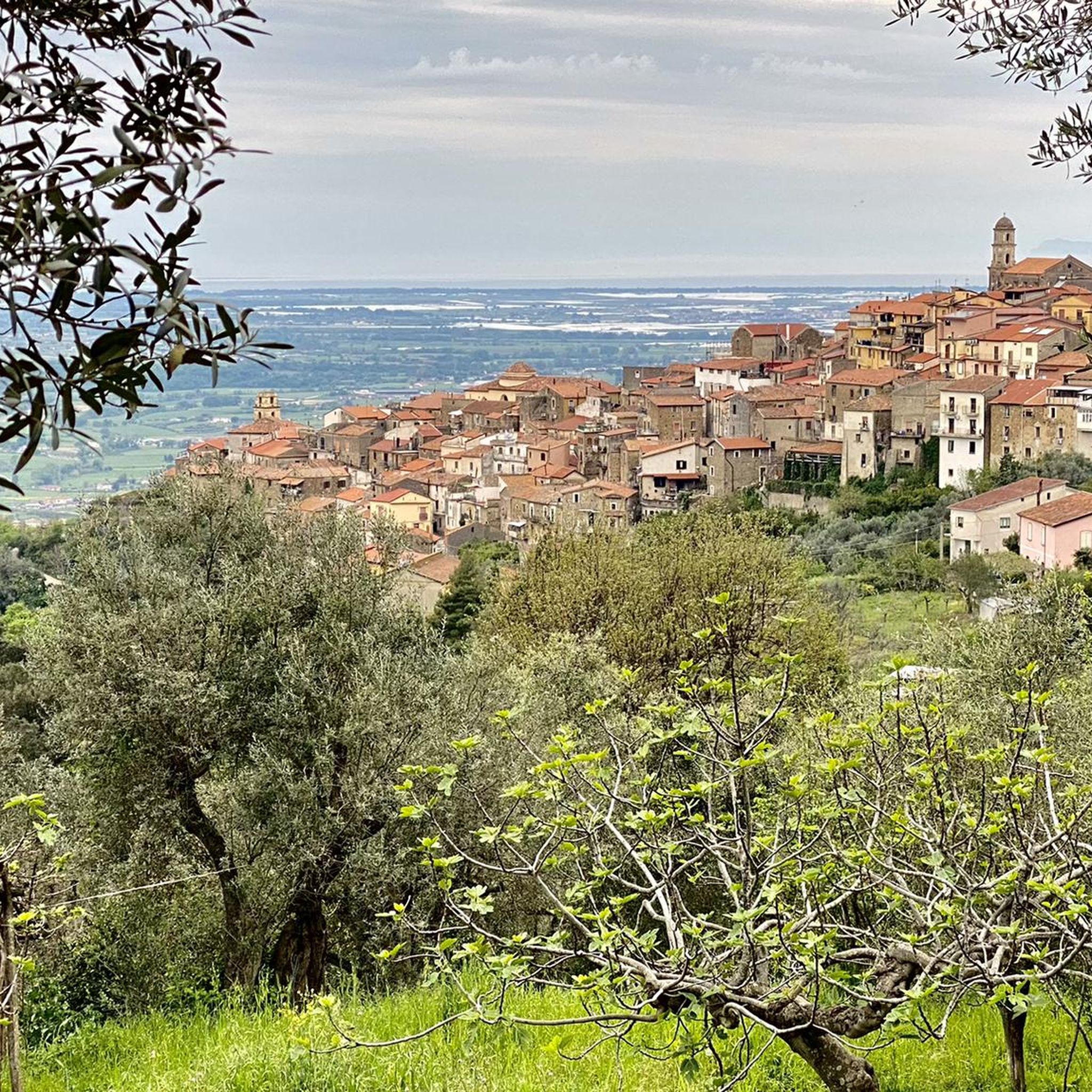
Attractions and places to see around Altavilla Silentina include a blend of historical landmarks, cultural sites, and natural beauty. Situated at 275 meters above sea level, the town offers panoramic views of the Cilento landscape, the Sele River plain, and distant glimpses of Capri and the Amalfi Coast. The area is characterized by its ancient borgo, historic churches, and extensive wooded areas.
Best attractions and places to see around Altavilla Silentina
- The most popular attractions is Mouth of the Sele River, a river that is the second most important in Campania. This location offers a unique scenario where the river flows between Paestum and Campolongo.
- Another must-see spot is Roccadaspide, a castle. Roccadaspide is the main center of the Valle del Calore, and its castle dominates the entire valley from its perched position on the hill.
- Visitors also love Epitaph of Ferdinand IV of Bourbon, a man-made monument. This monument, dating from 1797, marks the beginning of the historic Via del Grano.
- Altavilla Silentina is known for its historical landmarks, cultural sites, and natural features. Visitors can explore ancient castles, churches, and archaeological remains, alongside rivers and natural parks.
- The attractions around Altavilla Silentina are appreciated by the komoot community, with 69 upvotes and 22 photos shared by users.
Last updated: July 7, 2026
Mouth of the Sele River
Highlight • River
Translated by Google •
Tip by

Roccadaspide
Highlight • Castle
Translated by Google •
Tip by

Sign up now to discover places like this
Get recommendations on the best single tracks, peaks, & plenty of other exciting outdoor places.
Sign up for free
Epitaph of Eboli
Highlight • Monument
The Via del Grano is the name given to the Regio Cammino di Matera, an ancient road artery which in the 19th century connected the principalities Citeriore and Ulteriore (current provinces of Salerno and Avellino) with Basilicata. Commissioned in 1789 by King Ferdinand IV of Bourbon, on the proposal of the Marquis of Valva, Superintendent of Roads and Bridges, it served not only to join the municipalities of the Campania and Lucanian hinterland, from Eboli to Melfi, but also to ensure the transport of grain and other foodstuffs from the fertile plains of Puglia to Naples, the capital of the Kingdom.
Translated by Google •
Tip by

Epitaph of Ferdinand IV of Bourbon
Highlight • Monument
Translated by Google •
Tip by
Persano Bridge over the Sele River
Highlight • Bridge
Translated by Google •
Tip by
Sign up for free to discover even more attractions around Altavilla Silentina.
Sign up for free
Already have an account?
Start today with a free account
Your next adventure awaits.
Login or Signup
Tips from the Community

Bridge over the Sele river along the SS 19 delle Calabrie in Persano, in the municipality of Campagna.
4
0

Beautiful arched bridge.
1
0
Stretch where it is possible to admire the course of the Sele river, the second in Campania and the South for water flow.
24
0

The bridge over the Sele or Persano bridge or crooked bridge, is a bridge built in 1625, in the viceregal period, under the reign of Philip IV of Spain. Before the construction of the bridge to cross the Sele there was a small excavation, a boat that earned the lord of Campagna more than 400 ducats a year. it consists of 5 arches, the last on the hydrographic left of the river was destroyed by a flood wave in 1775, rebuilt in 1776 on a project by Luigi Vanvitelli. This span was torn down by the retreating Germans during WWII, then rebuilt by the Americans in concrete.
4
0

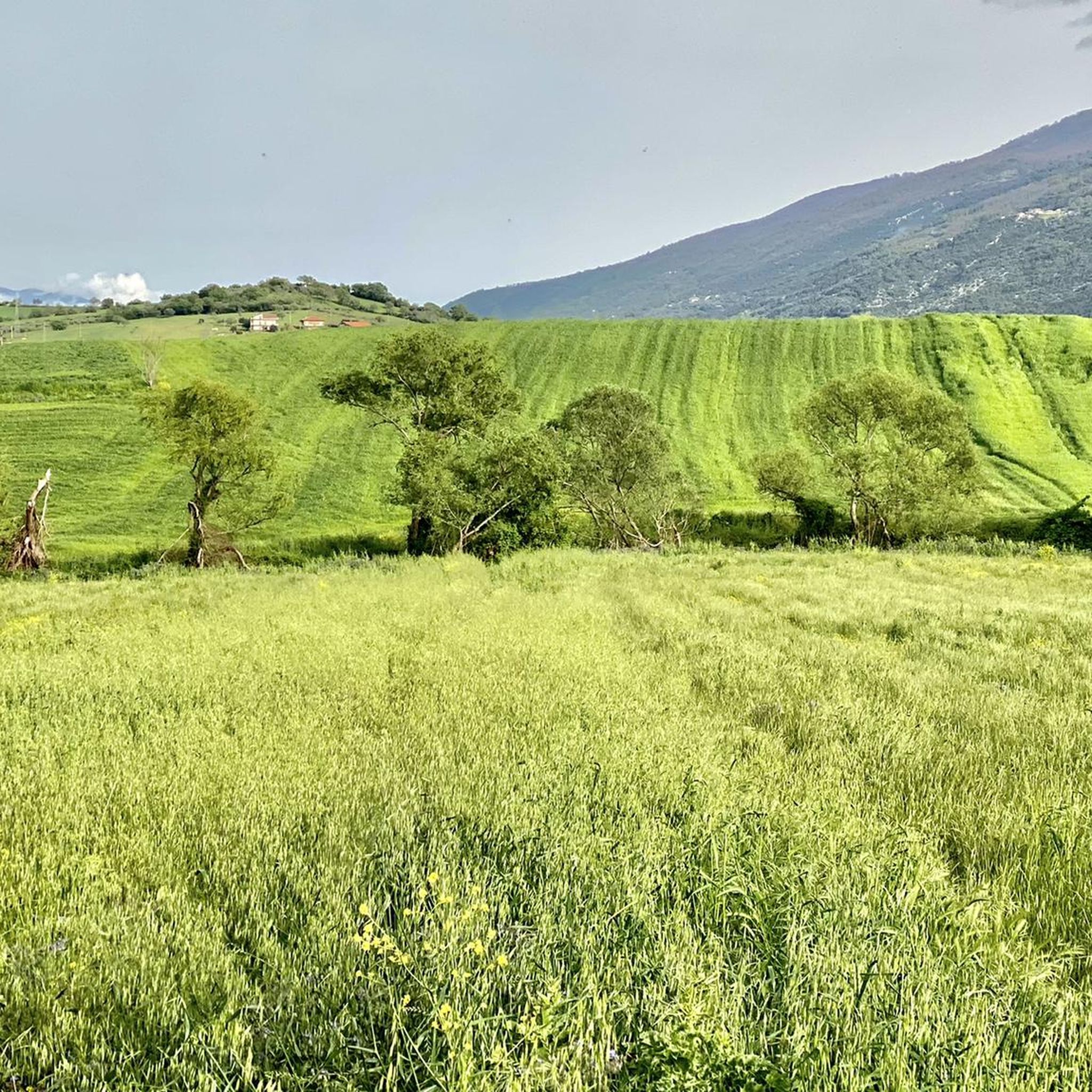
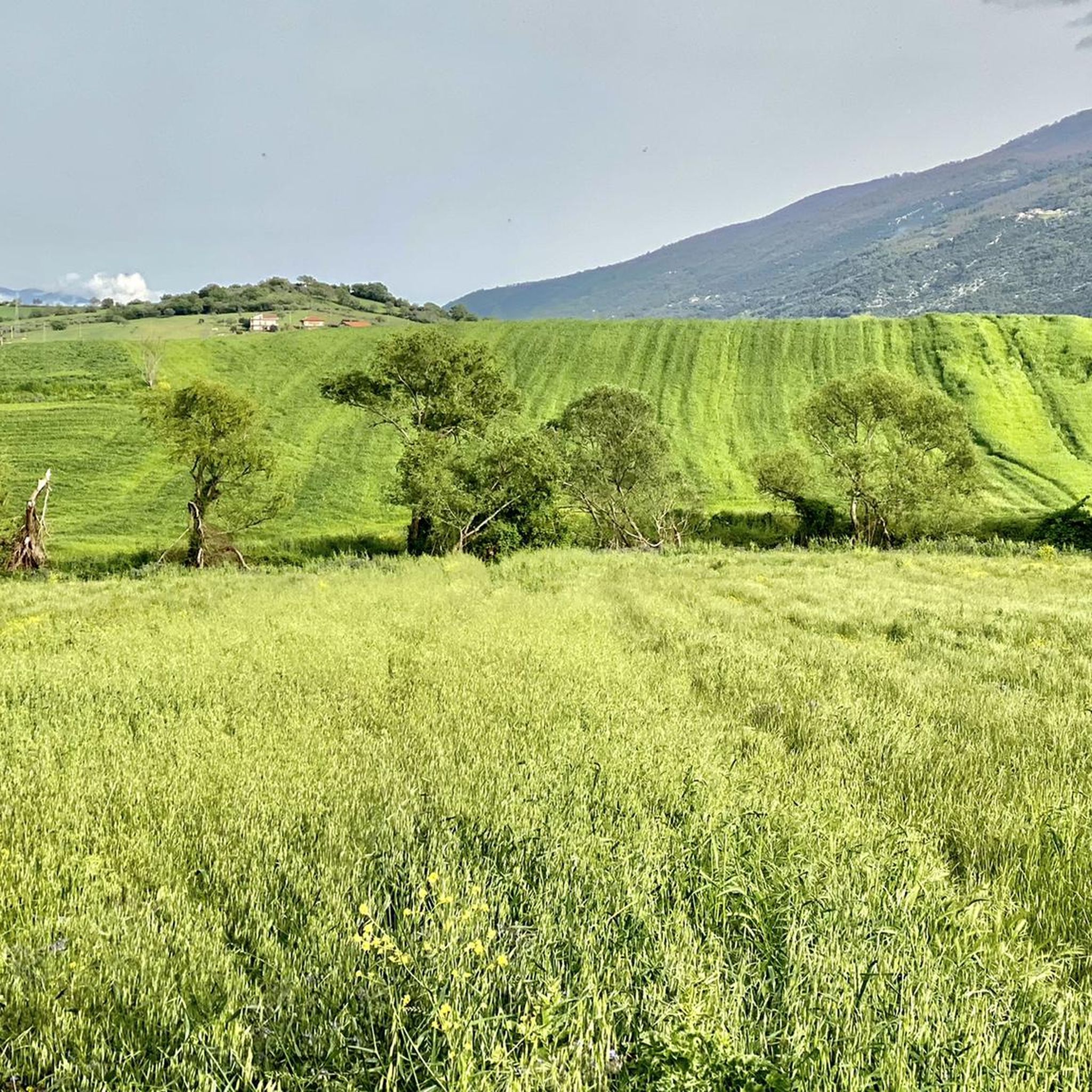
Roccadaspide is the main center of the Valle del Calore. In the panorama of the village perched on the hill, its castle certainly stands out, which dominates the entire valley.
2
0
Monument that marks the beginning of the via del Grano.
3
0
Capital that marks the beginning of the via del grano. The plaque shows the Latin verses placed at the Epitaffio monument (in the center of the homonymous district) built by King Ferdinand IV of Bourbon in 1797 to mark the first milestone along the Royal Way of Matera at the 44th mile from Naples. The Via del Grano is the name given to the Regio Cammino di Matera, an ancient road artery which in the 19th century connected the principalities Citeriore and Ulteriore (current provinces of Salerno and Avellino) with Basilicata. Commissioned in 1789 by King Ferdinand IV of Bourbon, on the proposal of the Marquis of Valva, Superintendent of Roads and Bridges, it served not only to join the municipalities of the Campania and Lucanian hinterland, from Eboli to Melfi, but also to ensure the transport of grain and other foodstuffs from the fertile plains of Puglia to Naples, the capital of the Kingdom.
23
0

A single shot, a single passage and view of the mouth of the Sele River https://it.wikipedia.org/wiki/Sele
1
0
Frequently Asked Questions
What natural features can I explore around Altavilla Silentina?
Altavilla Silentina offers several natural attractions. You can visit the Mouth of the Sele River, which is the second most important river in Campania and flows between Paestum and Campolongo. The area also boasts extensive wooded areas like Bosco Chianca, Bosco Macchia, and Bosco Foresta, perfect for immersion in nature. Additionally, the Natural Park "La Foresta" provides a serene escape with walking trails and picnic areas. From its elevated position, Altavilla Silentina offers sweeping panoramic views of the Sele plain, the Tyrrhenian Sea, and even distant glimpses of Capri and the Amalfi Coast.
Are there historical sites to visit in Altavilla Silentina?
Yes, Altavilla Silentina is rich in history. Key historical sites include the 11th-century Norman Castle, the 14th-century Church of San Biagio, and the 15th-century Church of Sant'Antonino. You can also explore the ancient borgo, characterized by medieval streets and fortified gates like Porta di Susa. Don't miss the San Lorenzo Excavations, which reveal ancient dwellings and a baptistery, indicating a long history of human settlement.
What are some notable churches in Altavilla Silentina?
The town features several historically significant churches. The Church of San Biagio, dating back to 1305 and rebuilt in the 18th century, is adorned with stuccoes and paintings. Other notable churches include the Church of Sant'Antonino (1492), the Church of Carmine (1560), and the Convento di San Francesco (1425), which houses a revered statue of Saint Anthony of Padua. The 18th-century Church of Montevergine contains frescoes by Andrea Capasso di Sicignano, and the Norman-founded Church of Saint Giles is the oldest in town.
Are there any family-friendly attractions or activities in the area?
Yes, several attractions are suitable for families. The Mouth of the Sele River is categorized as family-friendly, offering a unique natural scenario. The Natural Park "La Foresta" is also an excellent spot for family outings, with lush greenery, walking trails, picnic areas, and barbecue facilities. Historical monuments like the Epitaph of Ferdinand IV of Bourbon and the Epitaph of Eboli are also considered family-friendly historical sites.
What kind of outdoor activities can I do near Altavilla Silentina?
The region around Altavilla Silentina offers diverse outdoor activities. For hiking enthusiasts, there are routes like the Sant'Elia Cave – Summit of Monte della Nuda loop or the Sanctuary of Our Lady of the Pomegranate – On Mount Calpazio loop. You can find more details on these and other trails in the Hiking around Altavilla Silentina guide. For running, consider routes around the Archaeological Park of Paestum or the Paestum seafront, detailed in the Running Trails around Altavilla Silentina guide. Road cycling routes, such as the Roscigno Vecchia loop, are also available in the Road Cycling Routes around Altavilla Silentina guide.
Where can I find impressive views around Altavilla Silentina?
Altavilla Silentina itself, situated at 275 meters above sea level, provides excellent panoramic views of the Cilento landscape, the Sele River plain, and the Alburni Mountains. From certain points, you can even see the island of Capri and the Amalfi Coast. The parvis of the Church of San Biagio also offers splendid views of the Valle del Sele. Additionally, the town of Roccadaspide, with its castle perched on a hill, offers commanding views of the entire Valle del Calore.
What is the significance of the Epitaph of Ferdinand IV of Bourbon?
The Epitaph of Ferdinand IV of Bourbon is a man-made monument from 1797 that marks the beginning of the historic Via del Grano. This ancient road, also known as the Regio Cammino di Matera, was commissioned in 1789 to connect municipalities in Campania and Basilicata, and importantly, to facilitate the transport of grain and other foodstuffs from Puglia to Naples.
Are there any ancient castles or fortifications to explore?
Yes, the 11th-century Norman Castle in Altavilla Silentina is a significant historical landmark, once the residence of Isabella Villamarina. Although some parts may be privately owned, its historical importance as a Norman fortification is undeniable. Further afield, the town of Roccadaspide is dominated by its castle, which offers a commanding presence over the Valle del Calore.
What is the Persano Bridge over the Sele River?
The Persano Bridge over the Sele River, also known as the crooked bridge, was originally built in 1625 during the viceregal period. It's a historic arched bridge that allows you to admire the course of the Sele River. It has undergone several reconstructions, notably in 1776 after a flood and again after being destroyed during WWII.
What is the best time to visit Altavilla Silentina for sightseeing and outdoor activities?
The best time to visit Altavilla Silentina for sightseeing and outdoor activities is generally during the spring (April to June) and autumn (September to October) months. During these periods, the weather is typically mild and pleasant, ideal for exploring historical sites, enjoying panoramic views, and engaging in hiking or cycling without the intense heat of summer. The lush greenery of spring and the vibrant colors of autumn enhance the natural beauty of the region.
Can I find any archaeological remains in Altavilla Silentina?
Yes, the San Lorenzo Excavations in Altavilla Silentina offer a glimpse into the area's ancient past. These archaeological remains include an ancient dwelling and a baptistery, suggesting a long history of human settlement that could date back as early as the 7th century BCE.
What is the significance of the Via del Grano?
The Via del Grano, or Regio Cammino di Matera, was an ancient road artery commissioned by King Ferdinand IV of Bourbon in 1789. It connected the principalities of Citeriore and Ulteriore (current provinces of Salerno and Avellino) with Basilicata. Its primary purpose was to ensure the transport of grain and other foodstuffs from the fertile plains of Puglia to Naples, the capital of the Kingdom. Monuments like the Epitaph of Ferdinand IV of Bourbon mark its historical path.
Most popular routes around Altavilla Silentina
Most popular attractions around Altavilla Silentina

Get inspired with the komoot mobile app


Explore more
Still not found the Highlight you’re looking for? See guides of the top attractions in other regions:
