The best walks and hikes around Schmölln-Putzkau
4.6
(4285)
15,868
hikers
50
hikes
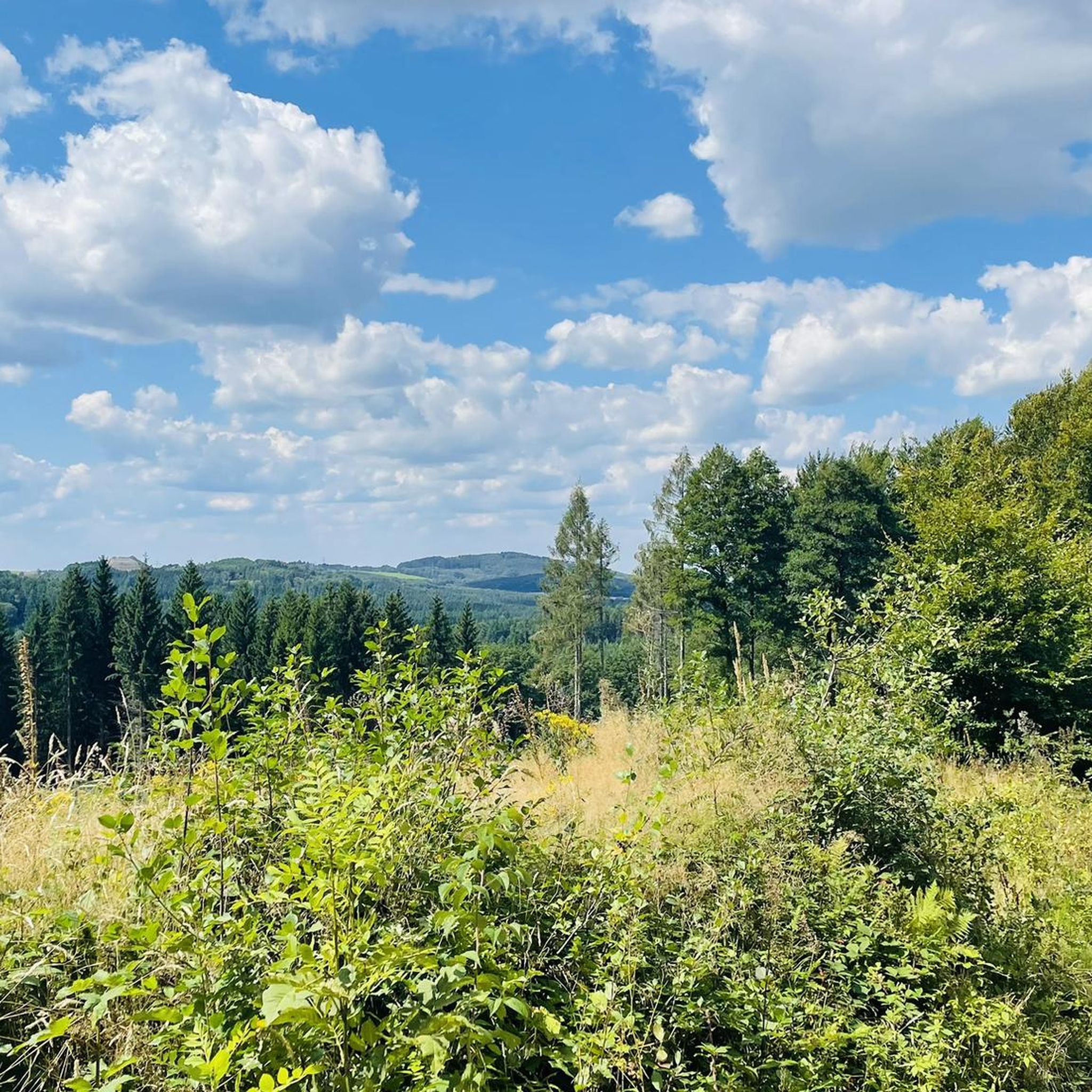
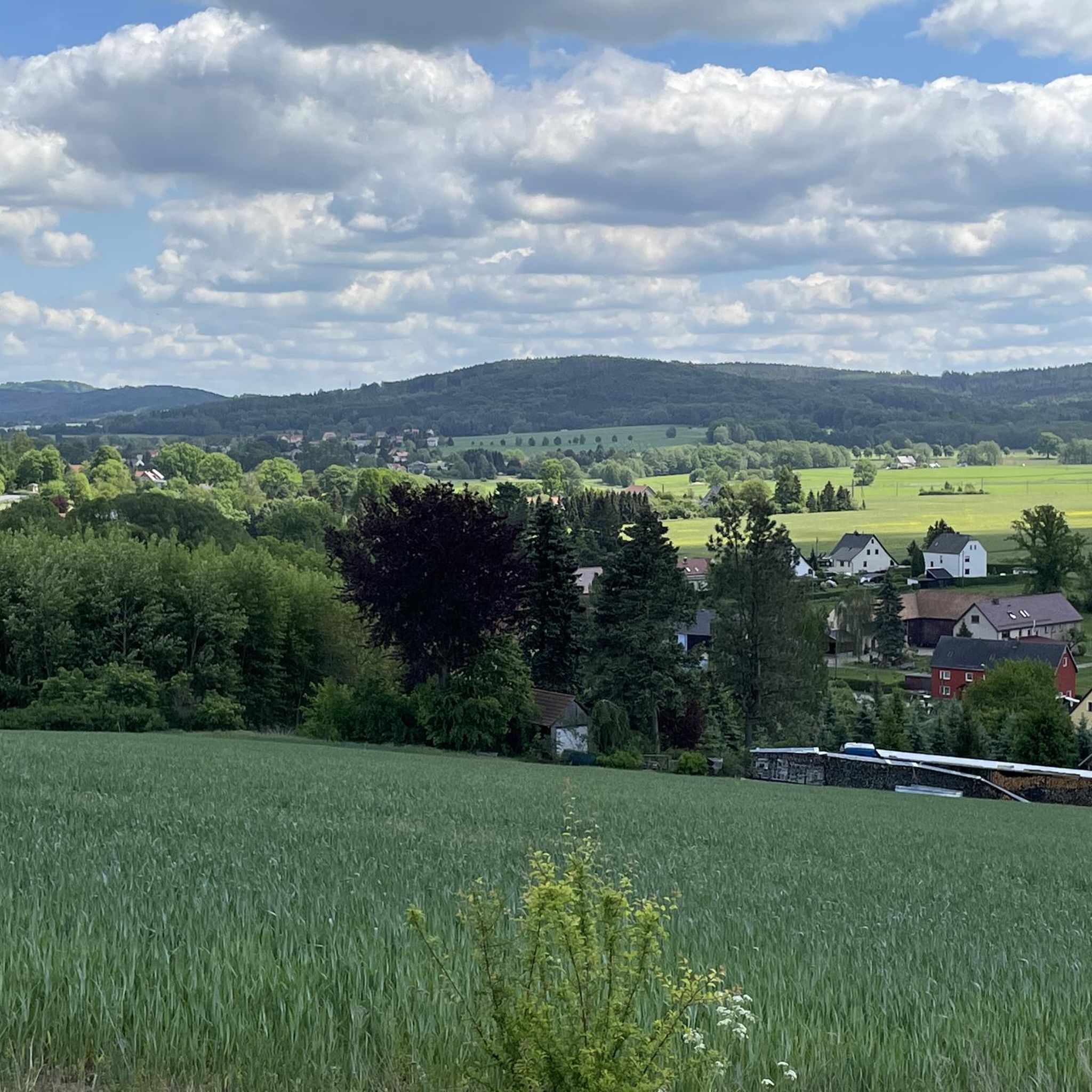
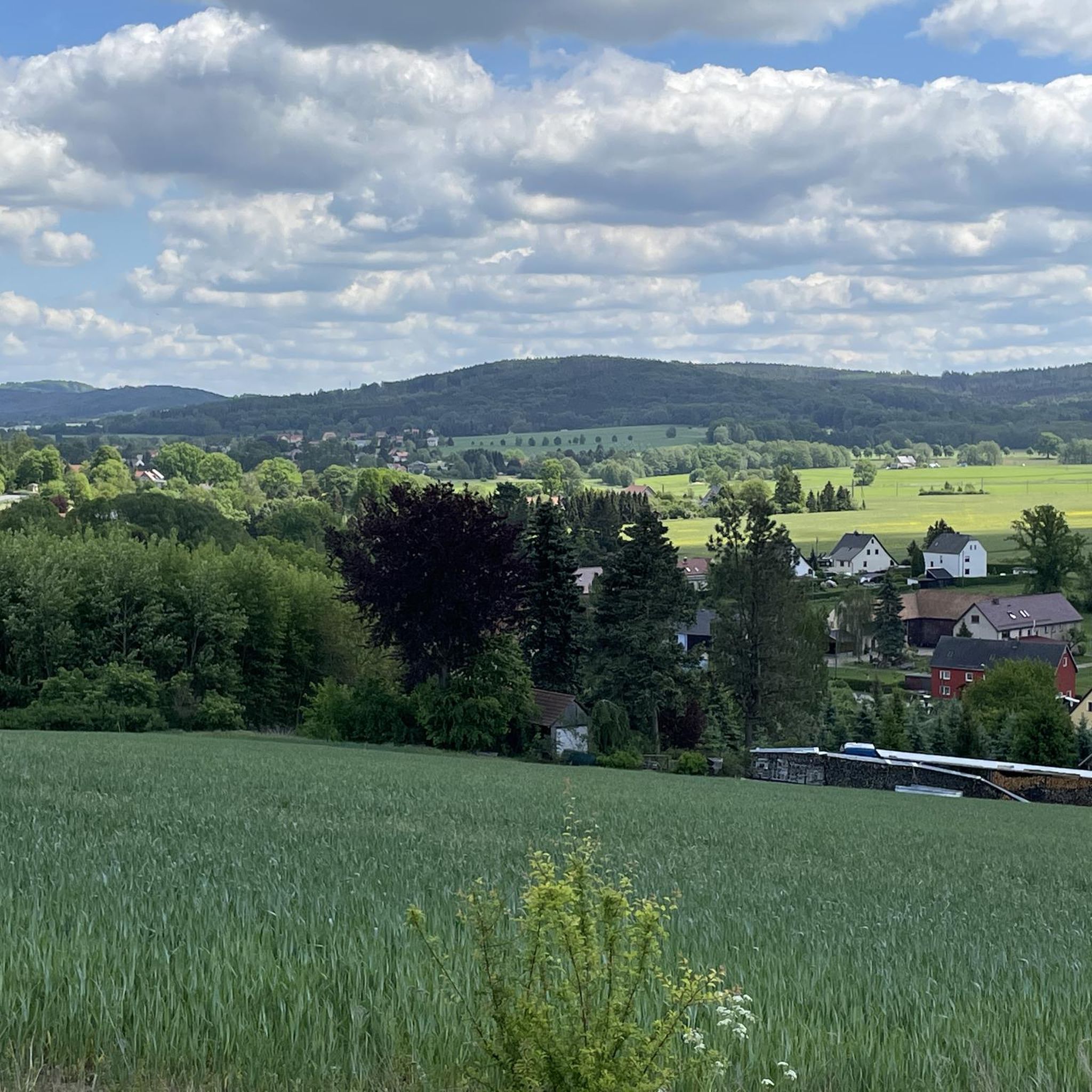
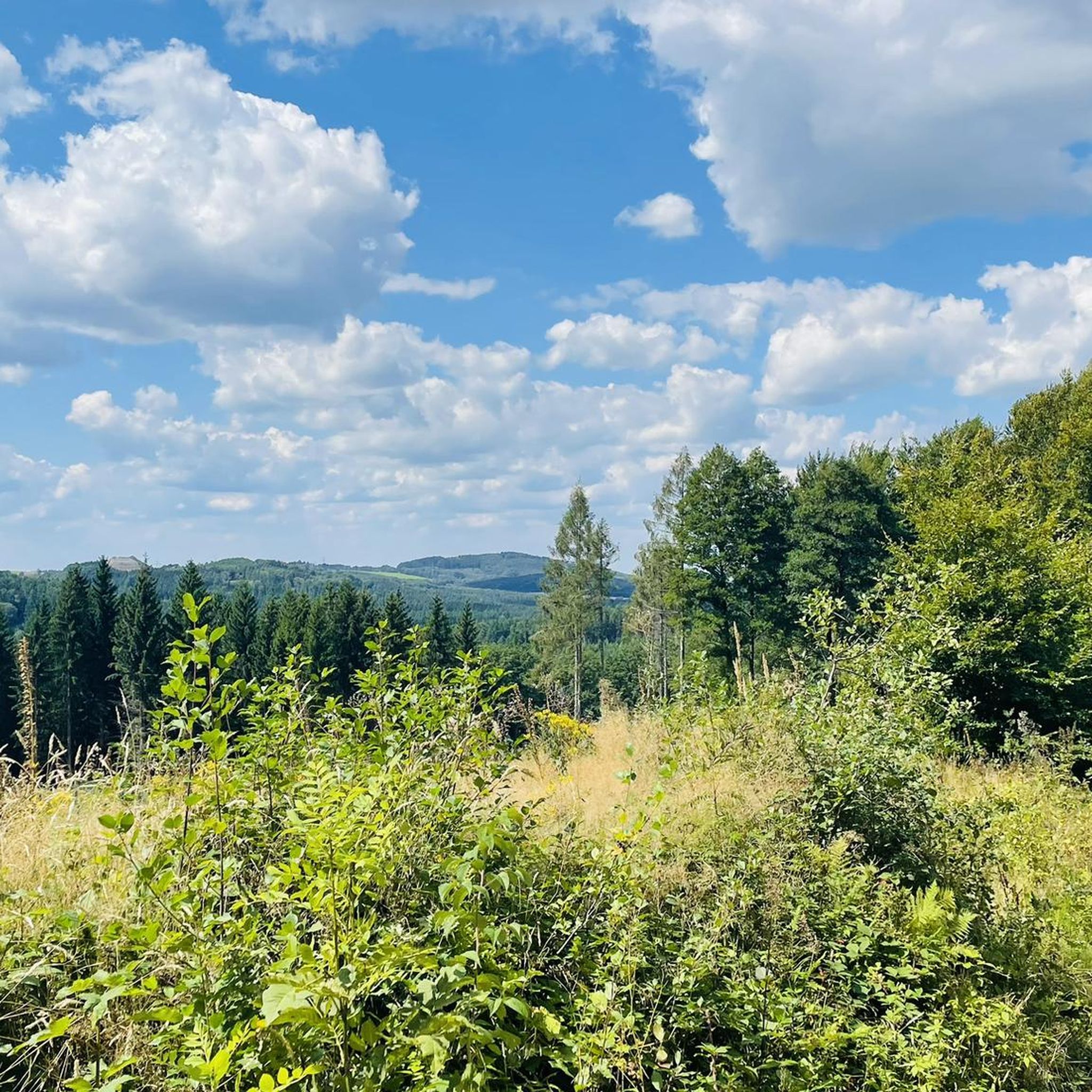
Hiking around Schmölln-Putzkau offers diverse and hilly landscapes within the Upper Lusatian Highlands of eastern Germany. The region features prominent natural landmarks such as the Valtenberg, the highest peak in the Lusatian Highlands, and the Heydelberg, providing extensive views. Trails often lead through areas showcasing unique Lusatian granite formations, along numerous rivers, and into rare floodplain forests like the Auenwald am Wiedwasser.
Best hiking trails around Schmölln-Putzkau
- The most popular hiking route is Demitz-Thumitz Quarry Lake – Dreisesselstein loop from…
Last updated: May 13, 2026
4.4
(10)
37
hikers
12.5km
03:27
210m
210m
Moderate hike. Good fitness required. Easily-accessible paths. Suitable for all skill levels.
4.6
(5)
10
hikers
Easy hike. Great for any fitness level. Easily-accessible paths. Suitable for all skill levels.

Sign up for free
5.0
(1)
11
hikers
Easy hike. Great for any fitness level. Easily-accessible paths. Suitable for all skill levels.
5.0
(1)
13
hikers
Easy hike. Great for any fitness level. Easily-accessible paths. Suitable for all skill levels.
5.0
(2)
11
hikers
13.8km
03:50
250m
250m
Moderate hike. Good fitness required. Easily-accessible paths. Suitable for all skill levels.
Get access to more routes and recommendations from other explorers.
Sign up for free
Already have an account?
Our route recommendations are based on thousands of hikes, rides, and runs completed by other people on komoot.
Start today with a free account
Your next adventure awaits.
Login or Signup
Tips from the Community

Railway viaduct on the Bischofswerda - Bautzen line. Impressively spans the valley. Worth seeing
0
0

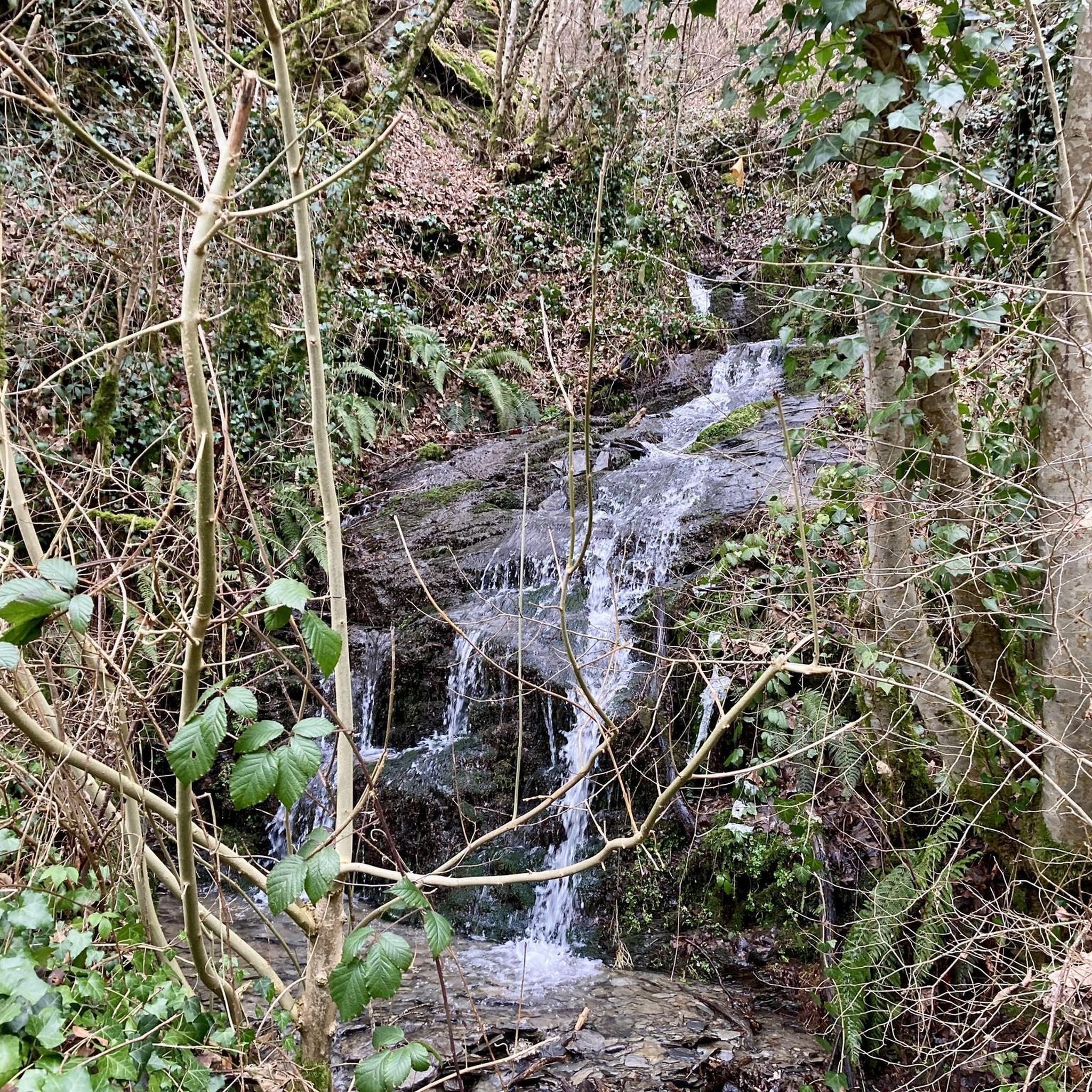
A natural, wild and romantic floodplain forest with ferns has become rare in Germany. Pause for a moment and enjoy the quiet. A little further along the path you can see the old mill race.
0
0
Comfortable table for resting right by the pond, with a children's swing on the tree nearby
0
0

"Feldspar, quartz, and mica, I'll never forget those three," a schoolmaster once rhymed to help his students memorize the components of this plutonic rock. From the mid-19th century onward, granite had become a building material with steadily increasing demand. Building construction required bricks, window and door frames, steps and landings; road construction required paving stones and curbs; and railways required ballast and stones for bridge construction. Granite covers an area of 4,600 km² in Lusatia alone. This is the reason why countless quarries emerged between Kamenz and the Königshainer Hills. The area around the Klosterberg between Demitz-Thumitz and Schmölln quickly developed into the most important and largest mining area in Saxony. The steadily increasing demand for granite products led to the development of many quarries. These, in turn, attracted workers who settled in the villages surrounding the Klosterberg. In the 100 years between 1850 and 1950, the population of Demitz-Thumitz increased nearly tenfold. Source: https://www.demitz-thumitz.de/
2
0
Was part of a crane with which the stones were transported.
1
0
The building on Brauereistraße is the oldest residential building in Bischofswerda and the surrounding area. Today it is a monument.
0
0
First mentioned in 1379. Today a very nicely renovated residential complex.
0
0
The old house is currently being extensively renovated. Very nice, from 1789.
1
0
Frequently Asked Questions
How many hiking trails are available in Schmölln-Putzkau?
There are over 50 hiking routes around Schmölln-Putzkau, catering to various preferences. You'll find a good mix, with 28 easy trails, 21 moderate options, and 1 more challenging route.
What kind of terrain can I expect on hikes in Schmölln-Putzkau?
The region is characterized by diverse and hilly landscapes within the Upper Lusatian Highlands. You'll encounter trails leading through natural floodplain forests, along rivers, and areas showcasing unique Lusatian granite formations. The Riparian forest at the Wiedwasser – Picnic Area at Mahlteich loop from Putzkau is a great example of the tranquil floodplain forest.
Are there any family-friendly hiking routes in Schmölln-Putzkau?
Yes, Schmölln-Putzkau offers several easy walks suitable for families. The region's diverse trails include options with gentle elevation changes, perfect for a leisurely outing with children. For instance, the Riparian forest at the Wiedwasser – Picnic Area at Mahlteich loop from Putzkau is an easy route through a natural floodplain forest.
What are the best viewpoints or scenic spots along the trails?
Schmölln-Putzkau boasts several excellent viewpoints. The Valtenberg, as the highest peak in the Lusatian Highlands, offers extensive views. The Heydelberg also provides panoramic vistas. For a specific route with views, consider the Dreisesselstein – Demitz-Thumitz Railway Viaduct loop from Schmölln-Putzkau, which combines views from Dreisesselstein with the impressive Putzkau Viaduct.
Are there any circular hiking routes in the area?
Yes, many of the trails in Schmölln-Putzkau are designed as circular routes, allowing you to start and end at the same point. Examples include the Demitz-Thumitz Quarry Lake – Dreisesselstein loop from Tröbigau and the View of Putzkau Church – Bridge Over the Wiedwasser loop from Putzkau.
What natural attractions can I discover while hiking?
Hikers can explore a variety of natural attractions. The region is known for the Valtenberg, the highest peak in the Lusatian Highlands, and the rare Auenwald am Wiedwasser, a natural floodplain forest. You might also encounter the Polenz Valley, home to one of Saxony's largest wild occurrences of snowdrops in early spring. For specific natural monuments, check out highlights like the Hochstein (Sibyllenstein) – Highest Point of Westlausitz or the Wesenitz Spring.
Are there any historical or cultural landmarks to see on the trails?
Absolutely. The region blends nature with history. The impressive Putzkau Viaduct, a 400-meter-long railway bridge, is a central landmark often featured on trails like the "Rund um Putzkau." You can also find historic churches, such as the St. Marien church in Putzkau, and baroque palaces like Rammenau Baroque Palace nearby. For a glimpse into local history, consider visiting the Mouth of the Historical Drainage Tunnel (Erbstolln) at Valtenberg.
What do other hikers enjoy most about hiking in Schmölln-Putzkau?
The area is highly rated by the komoot community, with an average score of 4.8 stars from over 70 reviews. Hikers often praise the diverse hilly terrain, the scenic views from peaks like the Valtenberg, and the unique natural features such as the Lusatian granite formations and tranquil floodplain forests. Many appreciate the variety of routes available for different ability levels.
When is the best time of year to go hiking in Schmölln-Putzkau?
Schmölln-Putzkau offers enjoyable hiking throughout much of the year. Spring is particularly beautiful, especially between early March and early April, when the Polenz Valley's Märzenbecherwiese (snowdrop meadow) is in full bloom. Summer and autumn also provide pleasant conditions for exploring the diverse landscapes and enjoying the panoramic views.
Are there any trails that pass by water features like lakes or rivers?
Yes, the region is surrounded by numerous rivers, and many trails incorporate these water features. The Demitz-Thumitz Quarry Lake – Dreisesselstein loop from Tröbigau features a quarry lake. You can also find the Auenwald am Wiedwasser, a natural floodplain forest, and an idyllic mill pond (Mahlteich) along various paths, such as the Riparian forest at the Wiedwasser – Picnic Area at Mahlteich loop from Putzkau.
Are there any caves or interesting rock formations to explore?
Yes, the region's geology, with its prominent Lusatian granite, means you'll encounter unique rock formations. There are also several caves and natural monuments to explore. Consider visiting the Grubschützer Robber's Cave and Climbing Rocks or the Boulder field on Angstberg for interesting geological features.
Most popular routes around Schmölln-Putzkau
Most popular attractions around Schmölln-Putzkau

Get inspired with the komoot mobile app


Explore more
Browse the best Hikes in other regions.
