Attractions and Places To See around Gomajori/Guamaggiore - Top 10
Attractions and places to see around Gomajori/Guamaggiore are concentrated in the Trexenta region of southern Sardinia. This area is characterized by a hilly, fertile agricultural landscape and a rich historical past. The region features numerous ancient sites, including Nuragic remains, and a collection of historic churches. Gomajori/Guamaggiore serves as a base for exploring these cultural and historical landmarks within its vicinity.
Best attractions and places to see around Gomajori/Guamaggiore
- The most popular attraction is Castello di Las Plassas, a castle known for its origins in the Giudicati age (10th-15th century). It is also referred to as Castello di Marmilla, named after the sub-region where it is located.
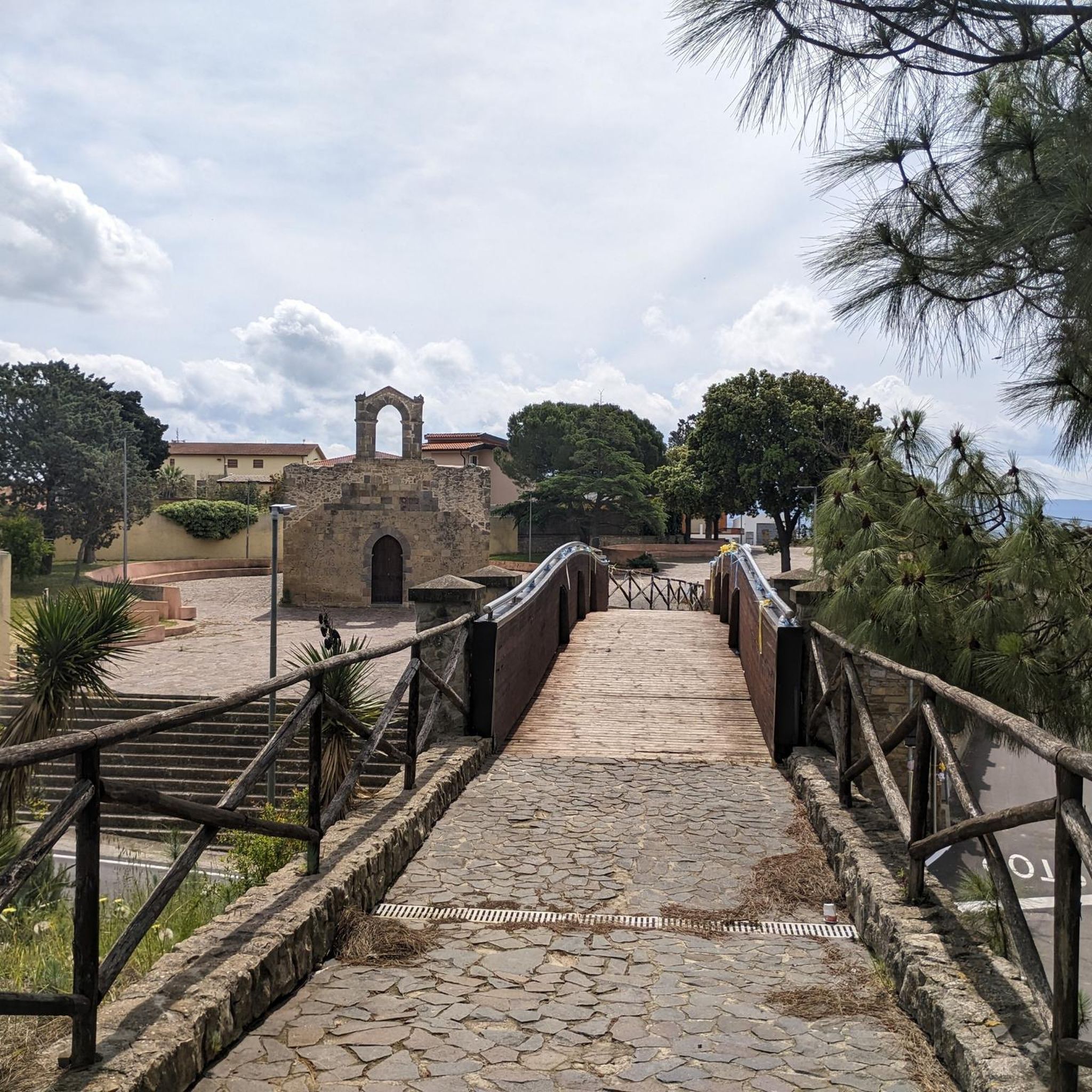
- Another must-see spot is Roman Baths and Romanesque Church of San Basilio, a historical site. Visitors can observe the remains of wall structures, rooms, and ducts of the former San Basilio spa complex, alongside a Romanesque church dating to the 12th century.
- Visitors also love Church of Senorbì, a religious building located in the main village of Trexenta. This center is notable for its agricultural richness, including the cultivation of sugar beets, wheat, olive groves, and vineyards, making it a commercial hub.
- Gomajori/Guamaggiore is known for its ancient sites, historical buildings, and religious structures. The area offers a variety of attractions to explore, reflecting its long history and cultural significance.
- The attractions around Gomajori/Guamaggiore are appreciated by the komoot community, with 5 upvotes and 6 photos shared by visitors.
Last updated: May 3, 2026
Castello di Las Plassas
Highlight • Castle
Translated by Google •
Tip by

Roman Baths and Romanesque Church of San Basilio
Highlight • Historical Site
The Romanesque church of San Basilio, dating back to around the 12th century, is also located in front.
Translated by Google •
Tip by

Sign up now to discover places like this
Get recommendations on the best single tracks, peaks, & plenty of other exciting outdoor places.
Sign up for free
Church of Senorbì
Highlight • Religious Site
Translated by Google •
Tip by
San Basilio
Highlight • Religious Site
Translated by Google •
Tip by
Church of Santa Maria Assunta, Guasila
Highlight • Religious Site
Among the most important monuments is the church of Santa Maria Assunta, built in the mid-19th century.
Translated by Google •
Tip by
Sign up for free to discover even more attractions around Gomajori/Guamaggiore.
Sign up for free
Already have an account?
Start today with a free account
Your next adventure awaits.
Login or Signup
Popular around Gomajori/Guamaggiore

Tips from the Community

The central square with the parish church is noteworthy, otherwise it is a small village like many in Sardinia.
1
0

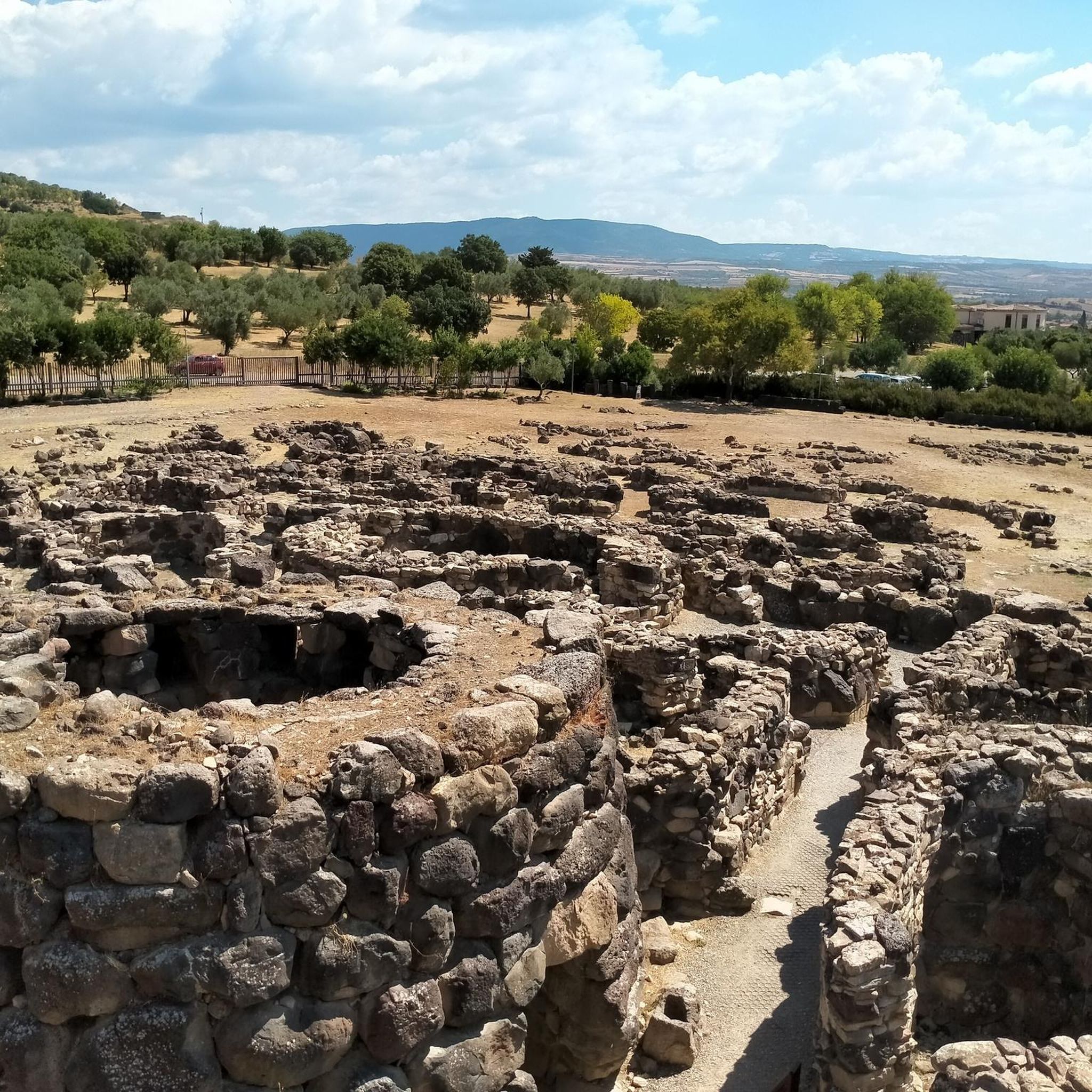
Here are many remains of masonry
1
0
Small town of just over 1000 souls, which owes its name to the monastery of the same name which was built here around the 9th century. The monastery stands near a Roman spa complex, the ruins of which can still be seen today.
3
0
Remains of wall structures that enclose rooms and ducts of what was once the San Basilio spa complex. The tanks and cisterns that were part of the hydraulic operating system are still visible, which exploited the slope of the level curves to convey the water and channel it into the cisterns and from these into the tanks. The Romanesque church of San Basilio, dating back to around the 12th century, is also located in front.
3
0

It is the main village of Trexenta. It is a particularly important center due to the richness of its lands which, thanks to the cultivation of sugar beets, wheat, olive groves and vineyards, make it a commercial reference in the area.
1
0
City located in the historic region of Trexenta. It is a city famous for durum wheat. Among the most important monuments is the church of Santa Maria Assunta, built in the mid-19th century.
1
0
Small town famous for its ancient castle dating back to the Giudicati age (10th-15th century). It is also known by the name of Castello di Marmilla, from the name of the sub-region in which it is located.
1
0
Frequently Asked Questions
What historical sites and ancient ruins can I explore in and around Gomajori/Guamaggiore?
The region is rich in history, featuring numerous Nuragic remains such as Nuraghe Barru and Nuraghe Piscu, which are ancient megalithic structures unique to Sardinia. You can also visit the pre-Nuragic burial sites known as Domus De Janas De S' Acqua Salida - Pranu Efis. A significant historical building nearby is Castello di Las Plassas, dating back to the Giudicati age. Additionally, the Roman Baths and Romanesque Church of San Basilio offer insights into Roman-era structures.
Are there any significant religious buildings or churches to visit in the area?
Yes, Gomajori/Guamaggiore and its surroundings host several historic churches. Notable examples include the medieval Chiesa di Santa Maria Maddalena, built on the ruins of a nuraghe, and the Romanesque Chiesa di San Pietro Apostolo. The current parish church, Chiesa parrocchiale di San Sebastiano, is also worth visiting for its 17th-century architecture. Further afield, you can find the Church of Senorbì and the Church of Santa Maria Assunta in Guasila.
What kind of natural landscapes and viewpoints can I expect to see in the Trexenta region?
The Trexenta region, where Gomajori/Guamaggiore is located, is characterized by a hilly and fertile agricultural landscape. You'll find vast fields of cereals, olive groves, and vineyards, offering picturesque rural views. While there aren't specific named viewpoints in the immediate vicinity, the elevated terrain provides scenic vistas of the surrounding countryside, showcasing Sardinia's agricultural heartland.
What outdoor activities, like cycling or mountain biking, are available near Gomajori/Guamaggiore?
The area around Gomajori/Guamaggiore is excellent for cycling. You can find various routes for different sports. For mountain biking, explore trails like the 'Cave loop from Guasila' or the 'Stone Sculptures – Monte Ixi lookout loop from Senorbì'. Road cyclists can enjoy routes such as the 'Villamar – Antique Village Well loop from Guasila'. For general cycling tours, consider the 'Su Nuraxi Archaeological Site – Su Nuraxi of Barumini loop from Mandas'. You can find more details on these and other routes in the MTB Trails, Road Cycling Routes, and Cycling guides for the area.
Are there hiking opportunities to explore the ancient sites or natural areas?
While specific hiking trails directly linked to the ancient sites are not detailed, the numerous Nuraghi, such as Nuraghe Barru and Nuraghe Piscu, are often situated in rural landscapes that can be explored on foot. The hilly terrain of the Trexenta region offers opportunities for walks through agricultural fields and along country roads, allowing you to discover the natural beauty and historical remnants at your own pace. For more structured outdoor activities, consider the cycling routes mentioned above, which often traverse similar scenic areas.
What cultural insights can I gain from visiting Gomajori/Guamaggiore?
Gomajori/Guamaggiore offers a deep dive into Sardinian culture. You can visit Casa Zapata, a themed exhibition hall, or the Museo Archeologico 'Su Mulinu' to learn more about the local history and Nuragic findings. The village also preserves beautiful traditional rural houses built with 'ladiri' (sun-dried bricks), showcasing local architectural heritage. The strong culinary traditions, including artisanal pasta and traditional dishes like 'Favata', also provide a rich cultural experience.
What local culinary specialties should I try in Gomajori/Guamaggiore?
The town is renowned for its excellent durum wheat flours, used to create fresh artisanal pasta. Be sure to try traditional dishes featuring local fava beans, such as 'Favata' (fava beans with pork rinds and wild fennel). Other local delicacies include snails, rabbit 'a su chittu', and sweets like amarettus, gateau, and pardulas.
Are there family-friendly attractions near Gomajori/Guamaggiore?
Yes, for families, there are options within a short drive. Ranoplà Piscine, a leisure option with swimming pools, is located about 10km away in Ortacesus. Another attraction that might appeal to families is Parco Sardegna in Miniatura - Parco dei Dinosauri, offering an engaging experience for children and adults alike.
What is the best time of year to visit Gomajori/Guamaggiore for outdoor activities?
The Trexenta region generally experiences a Mediterranean climate. Spring (April-May) and Autumn (September-October) are often considered the best times for outdoor activities like cycling and walking, as temperatures are milder and the landscape is vibrant. Summers can be quite hot, which might be less comfortable for strenuous activities, while winters are generally mild but can be rainy.
What is the significance of Nuraghi in the Gomajori/Guamaggiore area?
The Nuraghi are ancient megalithic edifices unique to Sardinia, and their presence in the Gomajori/Guamaggiore territory indicates continuous habitation since prehistoric times, particularly during the Bronze Age. These structures, like Nuraghe Barru and Nuraghe Piscu, are crucial archaeological finds that offer a glimpse into the island's ancient civilization and its dense population during that era. Many stones from these ancient structures were later repurposed for constructing early Christian churches, highlighting their enduring legacy.
Can I visit the UNESCO World Heritage site Su Nuraxi di Barumini from Gomajori/Guamaggiore?
While Su Nuraxi di Barumini is approximately 10km from Gomajori/Guamaggiore, it is a prominent historic building and a major Nuragic complex recognized as a UNESCO World Heritage site. It is definitely worth visiting as part of exploring the broader region's ancient history. You can even find cycling routes that incorporate this site, such as the 'Su Nuraxi Archaeological Site – Su Nuraxi of Barumini loop from Mandas' mentioned in the Cycling guide.
Most popular routes around Gomajori/Guamaggiore

Get inspired with the komoot mobile app


Explore more
Still not found the Highlight you’re looking for? See guides of the top attractions in other regions:
