Attractions and Places To See around Carbonara Scrivia - Top 20
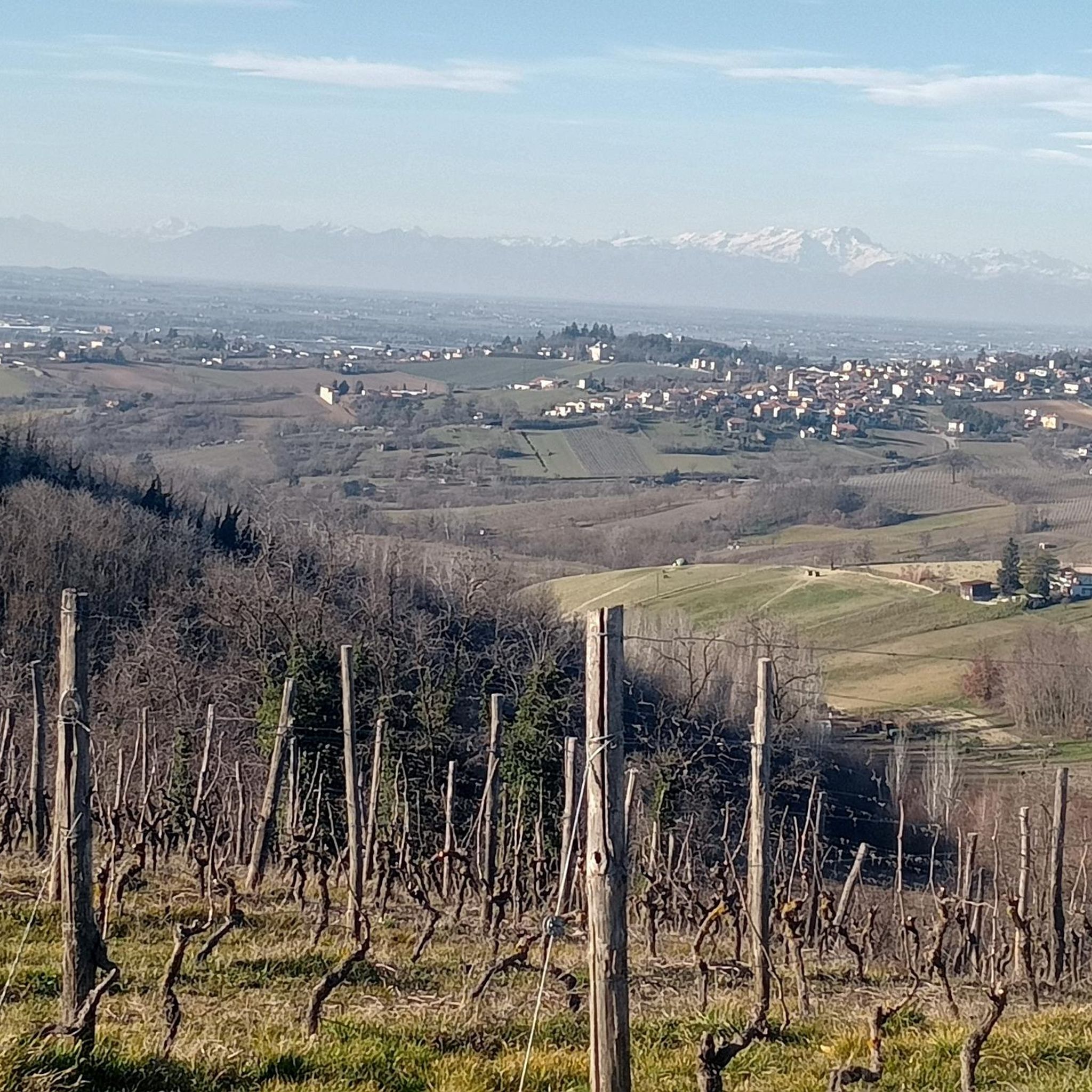
Best attractions and places to see around Carbonara Scrivia include historical sites and cultural landmarks nestled within the picturesque Piedmontese countryside. This municipality in the Province of Alessandria, Italy, features a terraced formation and gravelly soils. The area is historically significant, having been traversed by ancient Roman roads and serving as inspiration for notable artworks. Visitors can explore a blend of medieval architecture and sites connected to local heritage.
Best attractions and places to see around Carbonara Scrivia
- The most…
Last updated: May 11, 2026
Mural of Il Quarto Stato by Giuseppe Pellizza da Volpedo
Highlight • Monument
Translated by Google •
Tip by

Piazzetta Quarto Stato (Volpedo)
Highlight • Monument
Translated by Google •
Tip by

Sign up now to discover places like this
Get recommendations on the best single tracks, peaks, & plenty of other exciting outdoor places.
Sign up for free
Medieval Towers of Sant'Alosio
Highlight • Historical Site
Translated by Google •
Tip by

Romanesque Parish Church of Santa Maria Assunta
Highlight • Religious Site
Translated by Google •
Tip by

Dongione of Carbonara Scrivia
Highlight • Castle
Translated by Google •
Tip by

Sign up for free to discover even more attractions around Carbonara Scrivia.
Sign up for free
Already have an account?
Start today with a free account
Your next adventure awaits.
Login or Signup

Tips from the Community

"The Fourth Estate" (1901) by Giuseppe Pellizza da Volpedo is a famous oil on canvas depicting a march of laborers, set in Piazza Malaspina in Volpedo (Alessandria). A symbol of workers' struggle, the work combines Pointillist technique and social themes. It is now housed at the Museo del Novecento in Milan.
4
0

Small but evocative, this Romanesque parish church still retains part of its original medieval architectural structure.
0
0

I know this photo from the film "1900" by Bertolucci
0
0

The castle of Carbonara Scrivia dates back to the 14th century or early 15th century, according to some documents found. The typical construction called "dongione" was built by Pierino Cameri on a previous property owned by the Curolo family, lords of Carbonara, who declined starting from 1246.
0
0
Quarto Stato Volpedo Square
2
0

Piazza Castello (or Piazza del Palazzo, but also Piazza Malaspina in the popular version accepted by Pellizza himself, today Piazza Quarto Stato), is the place where the painter, between 1891 and 1901, places the advance of the workers. The square was born towards the middle of the 19th century with the renovation of the stately building, commissioned by the new owners Malaspina, who created a new access on the western side. Giuseppe Pellizza painted The Fourth Estate between 1898 and 1901; the work was the fruit of a long creative journey inspired by the protest of a group of workers, for which he had farmers and artisans chosen from among his fellow villagers from Volpedo pose.
1
0

Volpedo has been included in the club of the most beautiful villages in Italy. It is famous for being the birthplace of the painter Giuseppe Pellizza, author of the famous The Fourth Estate, which became a symbol of the workers' question, starting from the 19th century onwards with the second industrial revolution.
3
0
Natural-size reproduction of the famous painting by Giuseppe Pellizza da Volpedo. Built between 1898 and 1901 and became a symbol of the workers' question, starting from the 19th century onwards with the second industrial revolution. Since July 2022 it has been preserved in the Gallery of Modern Art in Milan.
3
0
Frequently Asked Questions
What historical sites can I explore in Carbonara Scrivia?
Carbonara Scrivia offers several historical sites. You can visit the Dongione of Carbonara Scrivia, a 14th-century fortress featuring a well-preserved keep. Another significant site is the Romanesque Parish Church of Santa Maria Assunta, an 11th-century church that retains much of its original medieval architecture. The Parish Church of San Martino, built in 1780 on an older site, also preserves a precious 1495 wooden polyptych.
Are there any cultural sites or artistic tributes to see in the area?
Yes, the region has strong ties to art and culture. You can see the Mural of Il Quarto Stato by Giuseppe Pellizza da Volpedo, a full-size copy of the famous painting that became a symbol of the workers' movement. Nearby, Piazzetta Quarto Stato (Volpedo) is part of an open-air museum showcasing places that inspired the painter Giuseppe Pellizza, whose birthplace, Volpedo, is recognized as one of Italy's most beautiful villages.
What natural features characterize the area around Carbonara Scrivia?
Carbonara Scrivia is nestled in the picturesque Piedmontese countryside. The terrain features excellent drainage and a gradual rise from the torrent's bank in a distinctive terraced formation. Geological surveys indicate gravelly soils, typical of riverbeds, which are beneficial for local crops.
Are there family-friendly attractions in Carbonara Scrivia?
Many of the historical and cultural sites around Carbonara Scrivia are suitable for families. The Dongione of Carbonara Scrivia, the Mural of Il Quarto Stato, and Piazzetta Quarto Stato (Volpedo) are all categorized as family-friendly, offering engaging experiences for all ages.
What outdoor activities, like hiking or cycling, can I do near these attractions?
The area around Carbonara Scrivia offers various outdoor activities. For mountain biking, you can explore routes like the 'Vineyards of Monleale Alto – Mongualdone Hill loop' or the 'Medieval Towers of Sant'Alosio – Monte San Vito Summit loop'. Road cyclists can enjoy longer routes such as the 'Fausto Coppi House Museum – Historic Center of Garbagna loop'. For runners, options include the 'Mongualdone Hill – Monte Gambera loop' or the 'Dongione of Carbonara Scrivia loop'. You can find more details on these and other routes in the MTB Trails, Road Cycling Routes, and Running Trails guides for the region.
Are there any medieval towers to visit nearby?
Yes, you can visit the Medieval Towers of Sant'Alosio. Located in the hamlet of Sant'Alosio, these two square-plan towers date back to the 13th century and offer panoramic views of the surrounding valleys and hills.
What is the best time of year to visit Carbonara Scrivia's attractions?
While specific seasonal recommendations aren't detailed, the region's picturesque countryside and outdoor activities suggest that spring and autumn would be ideal for comfortable exploration. The Romanesque Parish Church of Santa Maria Assunta is open from May to September, with guided tours available on Sundays, which might indicate a good period for visiting cultural sites.
Can I find Roman-era historical remnants in the region?
Yes, the territory of Carbonara Scrivia was historically traversed by the ancient Via Postumia. Evidence of a large Roman funerary monument has been found near the new mill, and another Roman road is believed to have run from Scanora towards Ossona, indicating a significant Roman presence in the past.
What do visitors particularly enjoy about the attractions in Carbonara Scrivia?
Visitors appreciate the blend of history, art, and the tranquil Piedmontese countryside. The Romanesque Parish Church of Santa Maria Assunta is noted for its evocative simplicity and well-kept park. The Mural of Il Quarto Stato and the village of Volpedo are praised for their rich art and history, offering a unique journey through the places that inspired Giuseppe Pellizza.
Are there any hidden gems or lesser-known spots worth discovering?
Beyond the main highlights, the historical significance of Piazza Castello (or Piazza del Palazzo) is a notable hidden gem. This square is historically significant as the place where painter Giuseppe Pellizza depicted the advance of workers in his famous work, 'The Fourth Estate,' between 1891 and 1901, offering a unique connection to art history.
Are there specific trails for mountain biking around Carbonara Scrivia?
Yes, mountain biking enthusiasts can find several trails. Notable routes include the 'Medieval Towers of Sant'Alosio – Monte San Vito Summit loop' (difficult, 41.1 km) and the 'Vineyards of Monleale Alto – Mongualdone Hill loop' (moderate, 36.5 km). More options are detailed in the MTB Trails around Carbonara Scrivia guide.
What running routes are available in the Carbonara Scrivia area?
For runners, there are various routes to explore. You can try the 'Mongualdone Hill – Monte Gambera loop' (difficult, 12.3 km) or the 'Dongione of Carbonara Scrivia loop from Tortona' (moderate, 12.7 km). Further running options can be found in the Running Trails around Carbonara Scrivia guide.
Most popular routes around Carbonara Scrivia
Most popular attractions around Carbonara Scrivia

Get inspired with the komoot mobile app


Explore more
Still not found the Highlight you’re looking for? See guides of the top attractions in other regions:
