Attractions and Places To See around Montacuto - Top 20
Best attractions and places to see around Montacuto include an ancient village situated 470 meters above sea level in Tuscany, Italy. The area is characterized by its historical significance, serene natural beauty, and diverse wildlife. Visitors can explore remains of a medieval castle, enjoy views of hills, valleys, forests, olive groves, and vineyards, and encounter various wild animals. Montacuto offers a blend of historical intrigue and opportunities for outdoor activities.
Best attractions and places to see around Montacuto
- The most…
Last updated: July 6, 2026
Monte Ebro
Highlight • Summit
Translated by Google •
Tip by

Statue of Christ the Redeemer on Monte Giarolo
Highlight • Monument
Translated by Google •
Tip by

Sign up now to discover places like this
Get recommendations on the best single tracks, peaks, & plenty of other exciting outdoor places.
Sign up for free
Hermitage of St. Albert of Butrio
Highlight • Religious Site
Translated by Google •
Tip by

San Ponzo Semola: Village, Church, and Caves (Oltrepò Pavese)
Highlight • Settlement
Translated by Google •
Tip by

Guardamonte Rock Outcrops
Highlight • Natural Monument
Translated by Google •
Tip by

Sign up for free to discover even more attractions around Montacuto.
Sign up for free
Already have an account?
Start today with a free account
Your next adventure awaits.
Login or Signup
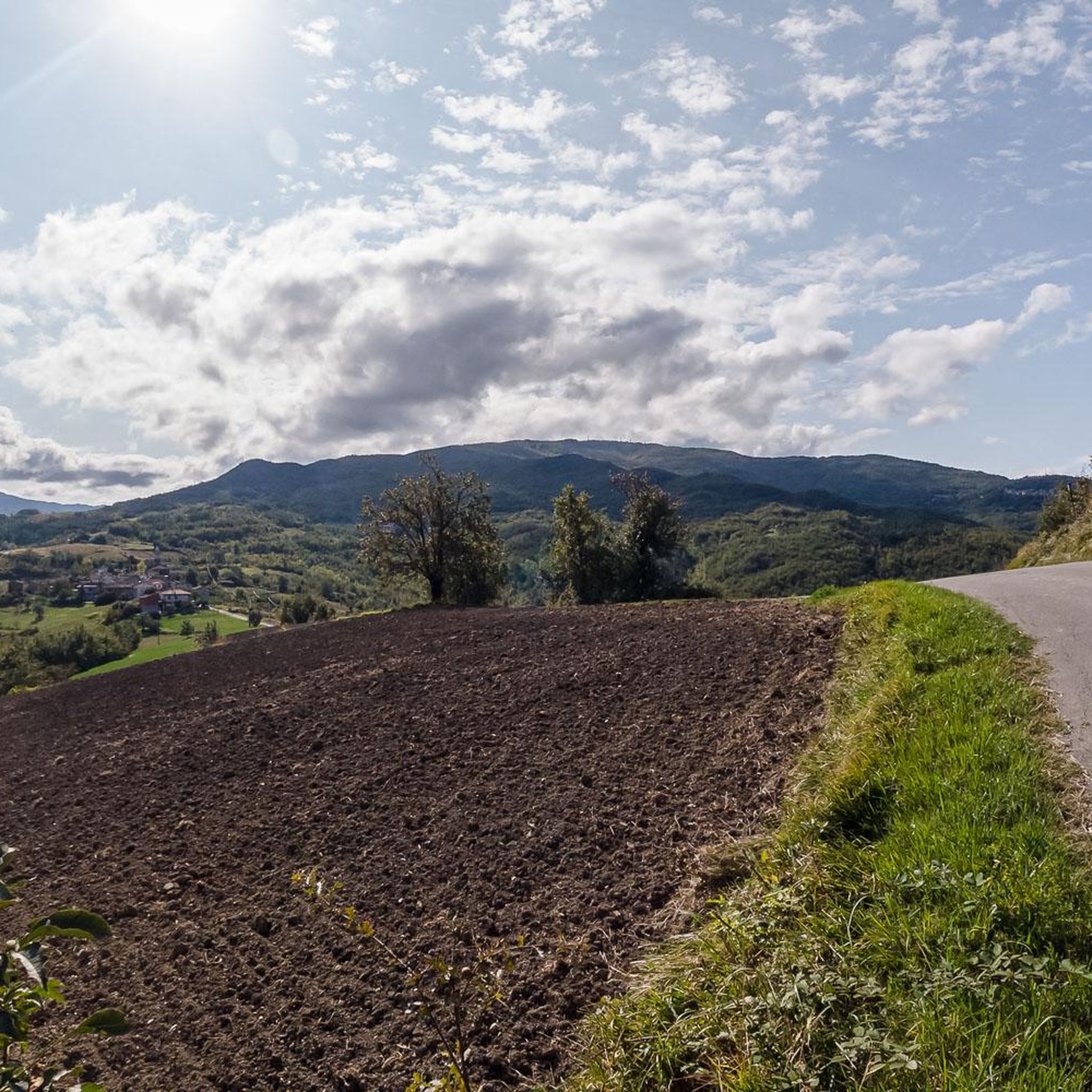
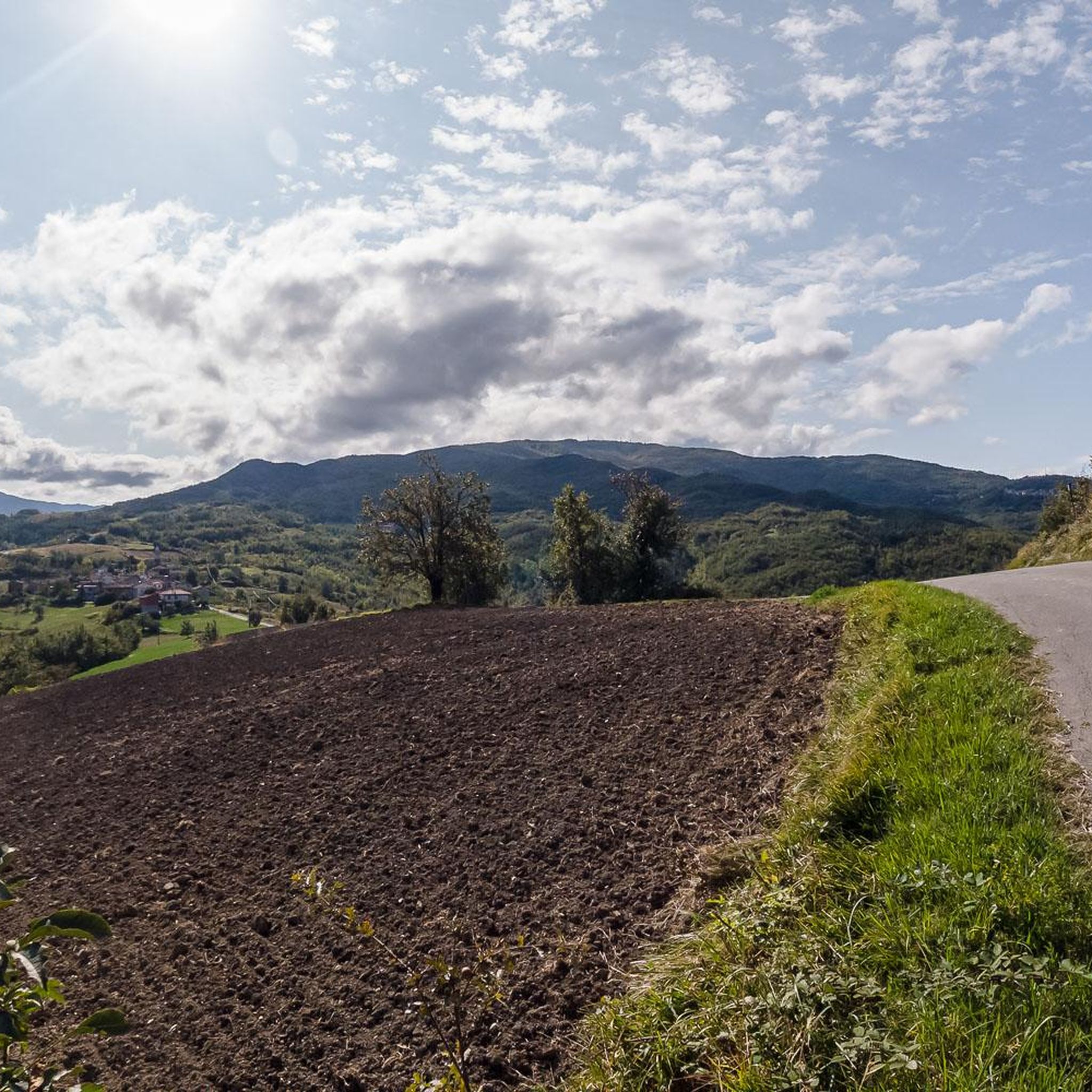
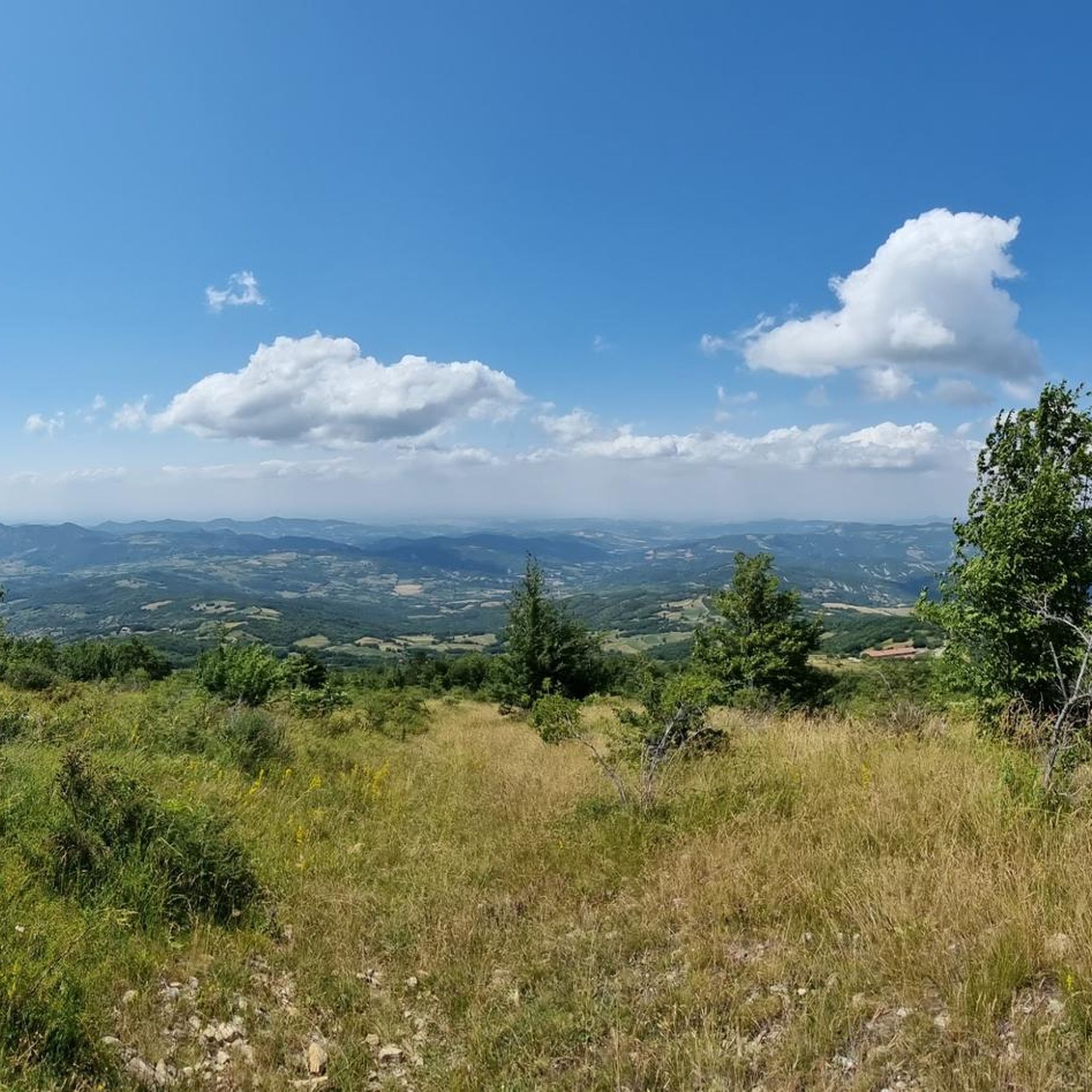
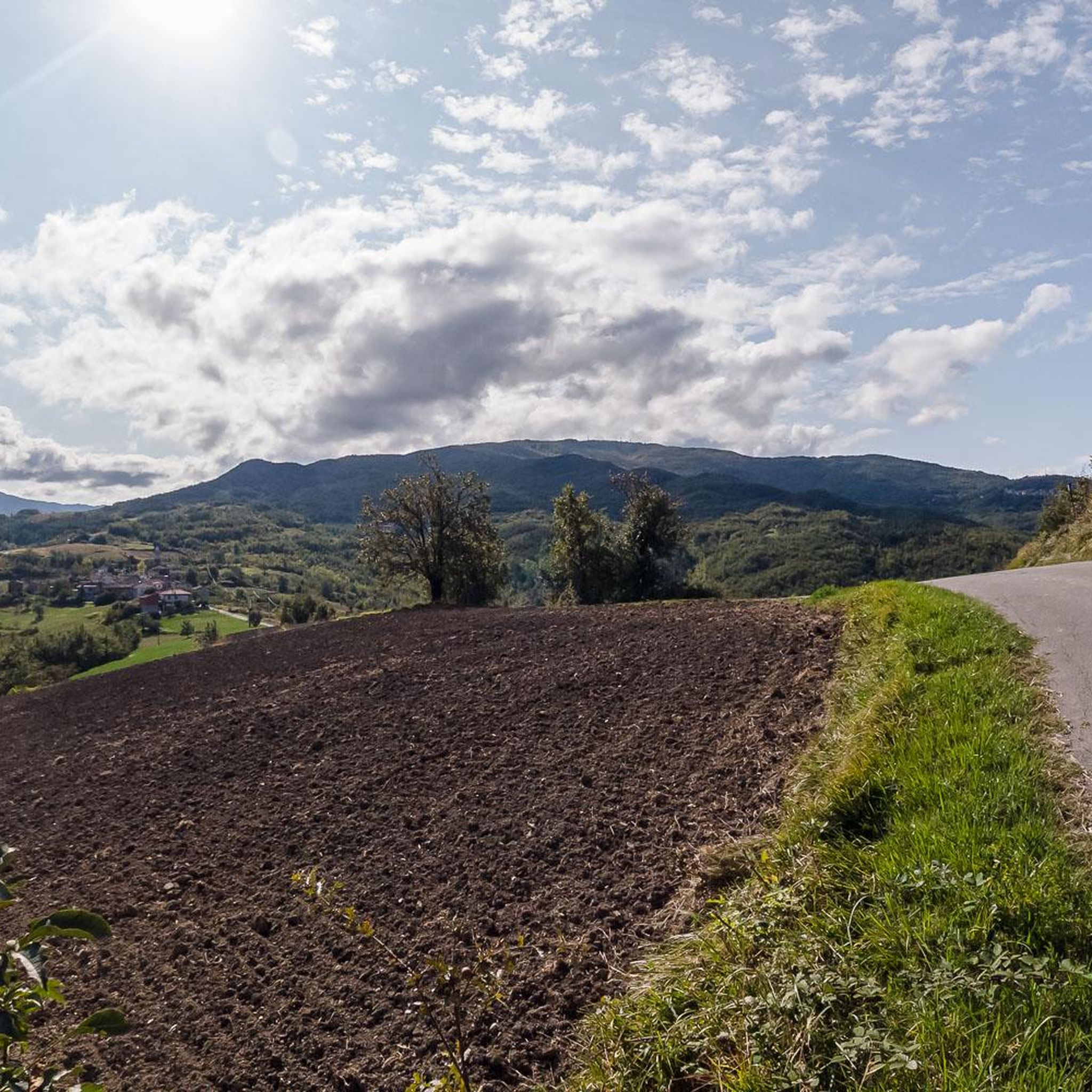

Tips from the Community

11th-century hermitage in excellent condition with valuable frescoes. Worth a careful visit.
0
0

Each of these crosses, which travelers often encounter in the fields or, as here, on mountain peaks, is a reminder of the crucifixion and resurrection of Jesus Christ. “Here on earth, His memory exists, but in the Kingdom of Heaven is His presence: this presence is the joy of those who have already attained salvation. Remembrance is our comfort, we who are still wanderers, traveling toward our homeland.” (Saint Bernard of Clairvaux, c. 1090–1153)
0
0
Up here, on Monte Giarolo, the hiker won't find the classic summit cross that crowns many mountains. Instead, on a pedestal divided into two sections, stands the figure of the Risen Christ, adorned with a cross. Christ raises one arm in greeting—or rather, in blessing—and with the other, he embraces the cross, that gruesome symbol of suffering and death, which, through his resurrection, he transformed into a glorious symbol of victory over death.
0
0

Beautiful paths and view. Bring the map as the hike is not well marked.
0
0

At 1,473 meters above sea level, the peak of Mount Giarolo is on the so-called Ligurian Apennines but in the province of Alessandria, Piedmont. It is the northernmost point of the Antola chain and divides the Borbera and Curone valleys. On the summit there is a statue of Christ the Redeemer.
1
0

Mount Ebro (1700 m above sea level) is the most beautiful and panoramic mountain of the entire Ántola chain, and one of the most beautiful and panoramic of the entire Ligurian Apennines. It is a gigantic pyramid, mostly grassy, that rises on the watershed between Borbera and Curone, a short distance from the important node of Mount Chiappo. The slopes of the mountain are generally wide and slightly sloping, covered by thick woods at lower altitudes, and meadows above 1400-1500 meters. The imposing southern slope is an exception, which towers, very high and steep, over the village of Aie di Cósola.
4
0
The Feast of the Redeemer has been celebrated on Mount Giarolo since the beginning of the last century, when the first statue of the Redeemer was erected on August 11, 1901 (replaced with the new one exactly one hundred years later) in order to celebrate the 19th centenary of the birth of Christ. It was inaugurated by the Bishop of Tortona who, for the occasion, promoted a diocesan pilgrimage in which approximately 12,000 faithful participated. Since then, every year on the first Sunday of August tourists and faithful go to the top of the mountain to renew the tradition.
3
0

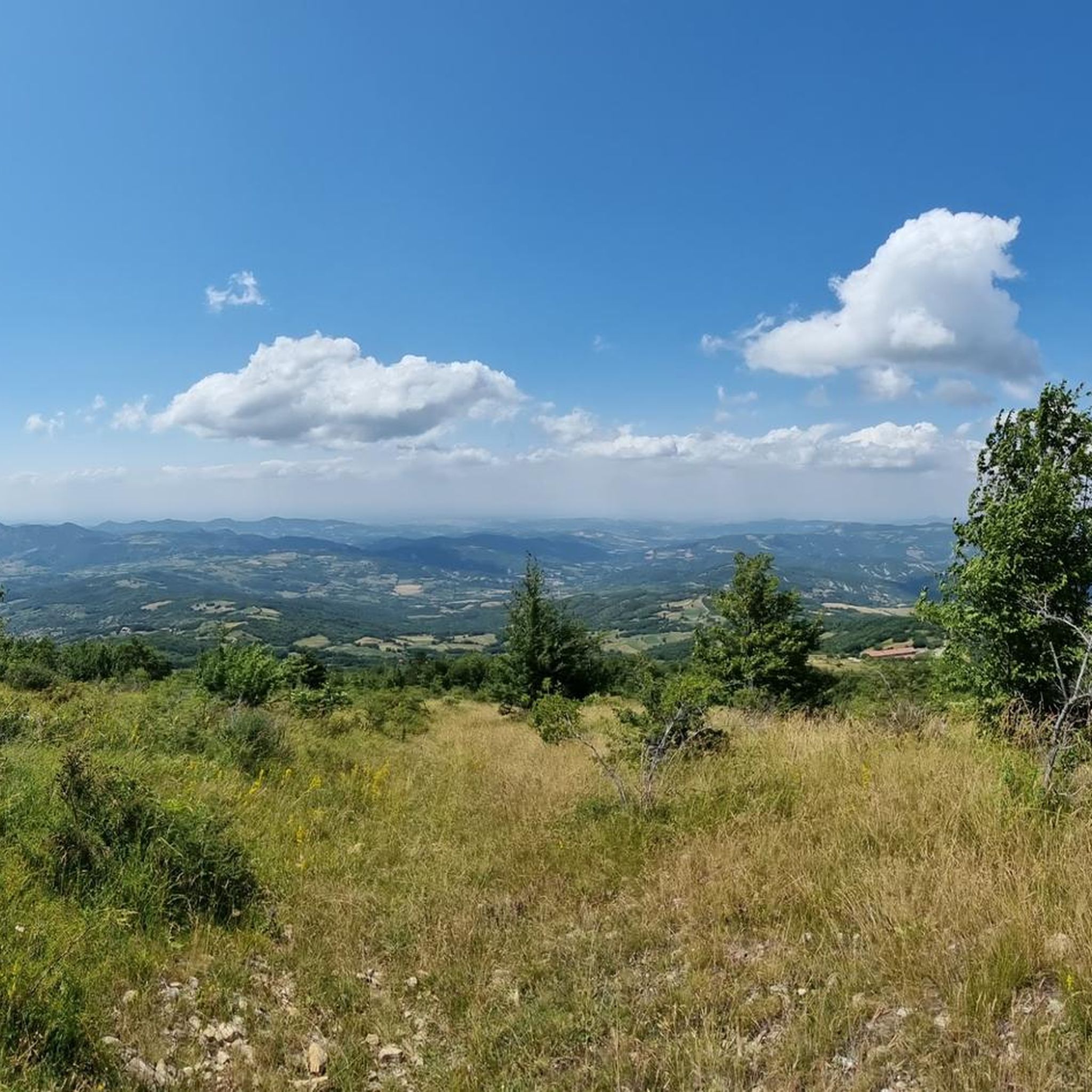
Very panoramic view of the Curone valley and the plain. Access is easy even if the last stretch is quite steep
1
0
Frequently Asked Questions
What historical sites can I explore in Montacuto?
The village of Montacuto itself is a significant historical site, built on the remains of a medieval castle erected by the Sienese counts of Ardenghesca. You can still see parts of this ancient fortress. Additionally, the Hermitage of St. Albert of Butrio is a religious building with historical importance, isolated among mountains and green pastures. The Guardamonte Rock Outcrops also hold historical and archaeological interest, with evidence of settlements from the Middle Neolithic to the Roman era.
Are there any significant natural viewpoints or mountains to visit around Montacuto?
Yes, Montacuto is surrounded by stunning natural landscapes. Monte Ebro is considered the most panoramic mountain of the entire Ántola chain, offering extensive views from its 1700 m peak. The Guardamonte Rock Outcrops provide spectacular views stretching to the Apennines. You can also find panoramic views from Monte San Vito Summit, the highest peak of the Tortona Hills.
What kind of wildlife might I encounter around Montacuto?
Walking the paths among the fields around Montacuto offers a chance to encounter various wild animals. The area is known for its diverse wildlife, including porcupines, hares, pheasants, wild boars, and deer, especially in the surrounding forests, olive groves, and vineyards.
Can I find opportunities for hiking or cycling near Montacuto?
Absolutely! The region around Montacuto is ideal for outdoor activities. For cycling, you can explore routes like the 'Val Borbera – Rocchetta Ligure loop' or the 'Wooden Covered Bridge – Papaveri Cycle Path loop'. Mountain biking enthusiasts can tackle trails such as the 'Via del Sale and Monte Chiappo Loop' or the 'Guardamonte Rock Side Trail'. You can find more details on these and other routes in the Cycling around Montacuto and MTB Trails around Montacuto guides.
What is the "Statue of Christ the Redeemer on Monte Giarolo" and why is it significant?
The Statue of Christ the Redeemer on Monte Giarolo is a prominent man-made monument located at 1,473 meters above sea level. It features a figure of the risen Christ with a cross nimbus, blessing with one arm and embracing the cross with the other. The Feast of the Redeemer has been celebrated here since 1901, making it a site of annual pilgrimage and tradition for both tourists and faithful.
Tell me about the Hermitage of St. Albert of Butrio.
The Hermitage of St. Albert of Butrio is a historical religious building nestled among the first reliefs of the Ligurian Apennines, in the Staffora valley. It's isolated in a cloister of mountains, surrounded by green pastures, chestnut trees, oaks, and fir trees. This magical place is known for its historical importance, with legends suggesting Edward II Plantagenet, King of England, took refuge here.
Are there any family-friendly attractions or activities in the area?
While many trails around Montacuto are intermediate or challenging, the natural beauty and historical sites can be enjoyed by families. The Hermitage of St. Albert of Butrio is listed as family-friendly, offering a serene environment amidst nature. Exploring the ancient village of Montacuto itself provides an educational and engaging experience for all ages.
What is the best time of year to visit Montacuto for outdoor activities?
Montacuto, located in Tuscany, Italy, offers pleasant conditions for outdoor activities during spring (April-May) and autumn (September-October) when temperatures are mild and the landscapes are particularly vibrant with blooming flowers or rich fall colors. Summer can be warm, but the higher elevations of mountains like Monte Ebro and Monte Giarolo offer cooler temperatures.
What are the Guardamonte Rock Outcrops known for?
The Guardamonte Rock Outcrops are known for their spectacular views, historical and archaeological significance (with evidence of ancient settlements), and naturalistic interest, including fossil remains. It's also a popular spot for sport climbing and bouldering, and a frequented area for local mountain bikers with dedicated trails like 'Rock Side' and 'River Side'.
Are there any challenging trails for experienced hikers or mountain bikers?
Yes, the Montacuto area offers several challenging options. Monte Ebro has particularly steep ramps, though not technical. The ascent to the Statue of Christ the Redeemer on Monte Giarolo is also considered challenging. For mountain bikers, trails around the Guardamonte Rock Outcrops, such as 'Rock Side', feature rocky bottoms and high slopes. You can find more challenging routes in the MTB Trails around Montacuto guide.
What makes Monte Ebro a popular destination?
Monte Ebro is popular because it is widely regarded as the most beautiful and panoramic mountain in the entire Ántola chain, and one of the most scenic in the Ligurian Apennines. Its largely grassy pyramid shape and 1700 m peak offer extensive, breathtaking views, making it a rewarding destination for hikers seeking stunning vistas.
What are the general terrain types around Montacuto?
The terrain around Montacuto is quite varied, reflecting its location in the heart of Tuscany. You'll find a mix of hills, valleys, dense forests, olive groves, and vineyards. The mountains, like Monte Ebro, feature wide, slightly sloping grassy areas at higher altitudes, transitioning to thick woods at lower elevations. Rocky outcrops, such as Guardamonte, also add to the diverse landscape.
Most popular attractions around Montacuto

Get inspired with the komoot mobile app


Explore more
Still not found the Highlight you’re looking for? See guides of the top attractions in other regions:
