The 20 Most Amazing Peaks around Mühlbach - Rio Di Pusteria
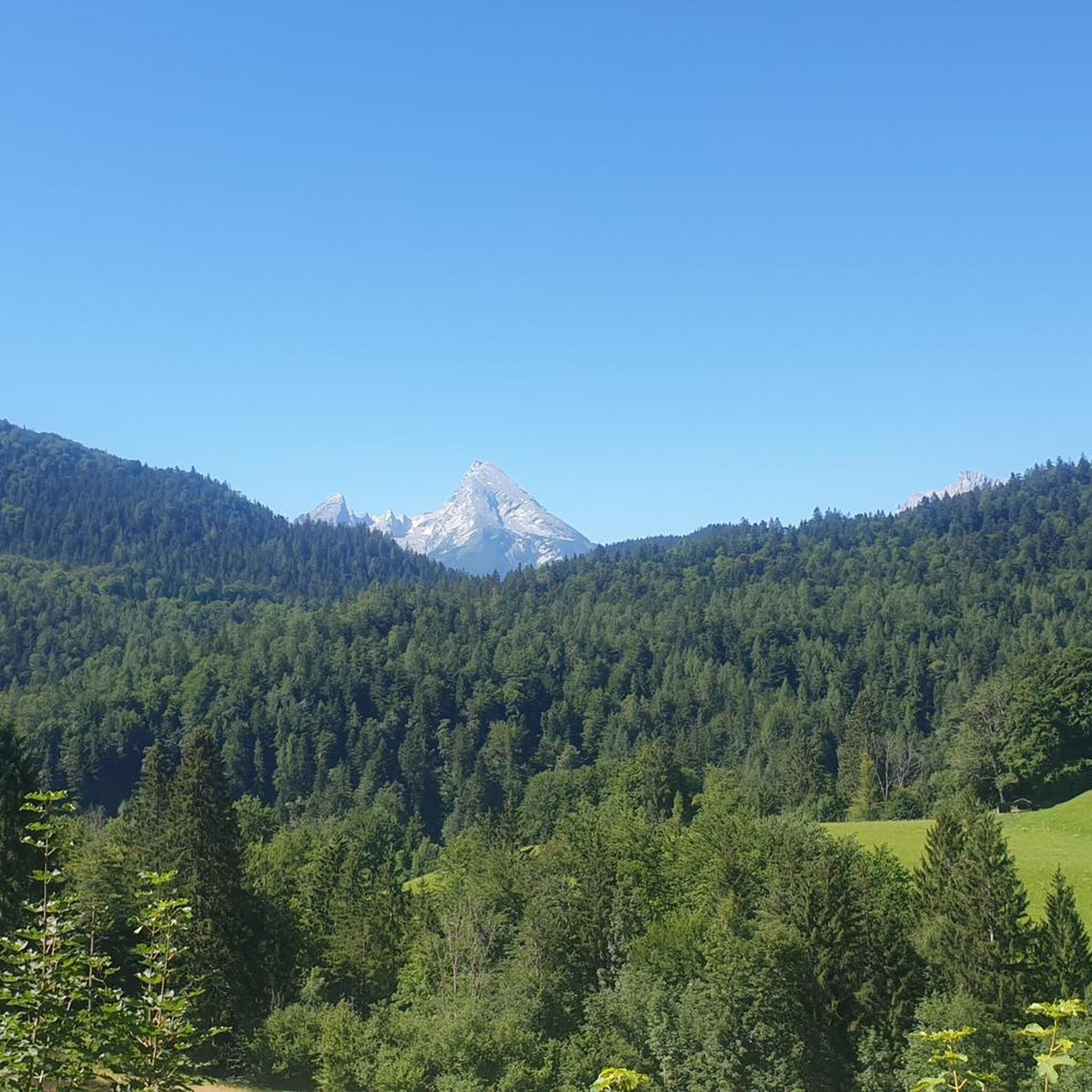
Best mountain peaks around Mühlbach - Rio Di Pusteria are found in the picturesque South Tyrol region of Italy. This area is known for its diverse alpine landscapes, offering both challenging ascents and scenic viewpoints. The region provides access to the Pfunderer Mountains and views of the majestic Dolomite peaks. It serves as a significant destination for hikers and nature enthusiasts seeking varied mountain experiences.
Best mountain peaks around Mühlbach - Rio Di Pusteria
- The most popular mountain peaks is Stoanamandl Summit Panorama, a summit and viewpoint. At 2118 meters, it offers an all-round view with the help of panorama maps at the viewing platform.
- Another must-see spot is Gitschberg (Monte Cuzzo) Summit, a challenging summit with a viewpoint. This peak provides a 360-degree view of over 500 mountain peaks from its panoramic platform.
- Visitors also love Wilde Kreuzspitze Summit, a challenging summit. The view from this 3132-meter peak includes the Dolomites, Zillertal, Stubai, and Ötztal Alps.
- Mühlbach - Rio Di Pusteria is known for summits, natural monuments, and challenging climbs. The region offers a variety of mountain peaks to see and explore, from panoramic viewpoints to high-altitude ascents.
- The mountain peaks around Mühlbach - Rio Di Pusteria are appreciated by the komoot community, with 120 upvotes and 141 photos shared across the highlights.
Last updated: October 9, 2026
Stoanamandl Summit Panorama
Highlight • Summit
Translated by Google •
Tip by

Wilde Kreuzspitze Summit
Highlight • Summit
Translated by Google •
Tip by

Sign up now to discover places like this
Get recommendations on the best single tracks, peaks, & plenty of other exciting outdoor places.
Gitschberg (Monte Cuzzo) Summit
Highlight • Summit
Translated by Google •
Tip by

Nesselhütte Alpine Hut
Highlight • Mountain Hut
Translated by Google •
Tip by

Pfitscher Joch / Passo di Vizze
Highlight • Mountain Hut
Translated by Google •
Tip by

Sign up for free to discover even more peaks around Mühlbach - Rio Di Pusteria.
Already have an account?
Start today with a free account
Your next adventure awaits.
Popular around Mühlbach - Rio Di Pusteria
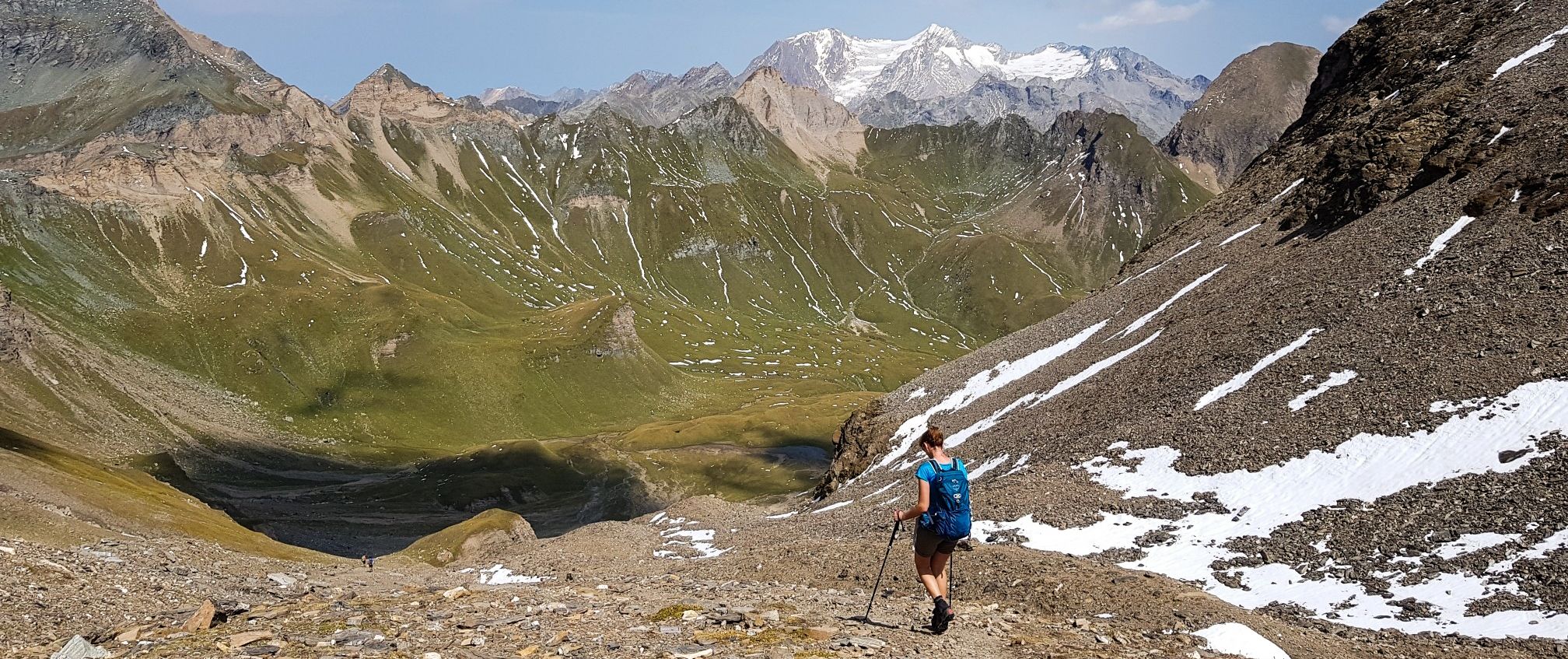
The Pfunderer High Route – Alpine. Solitary. Breathtaking.
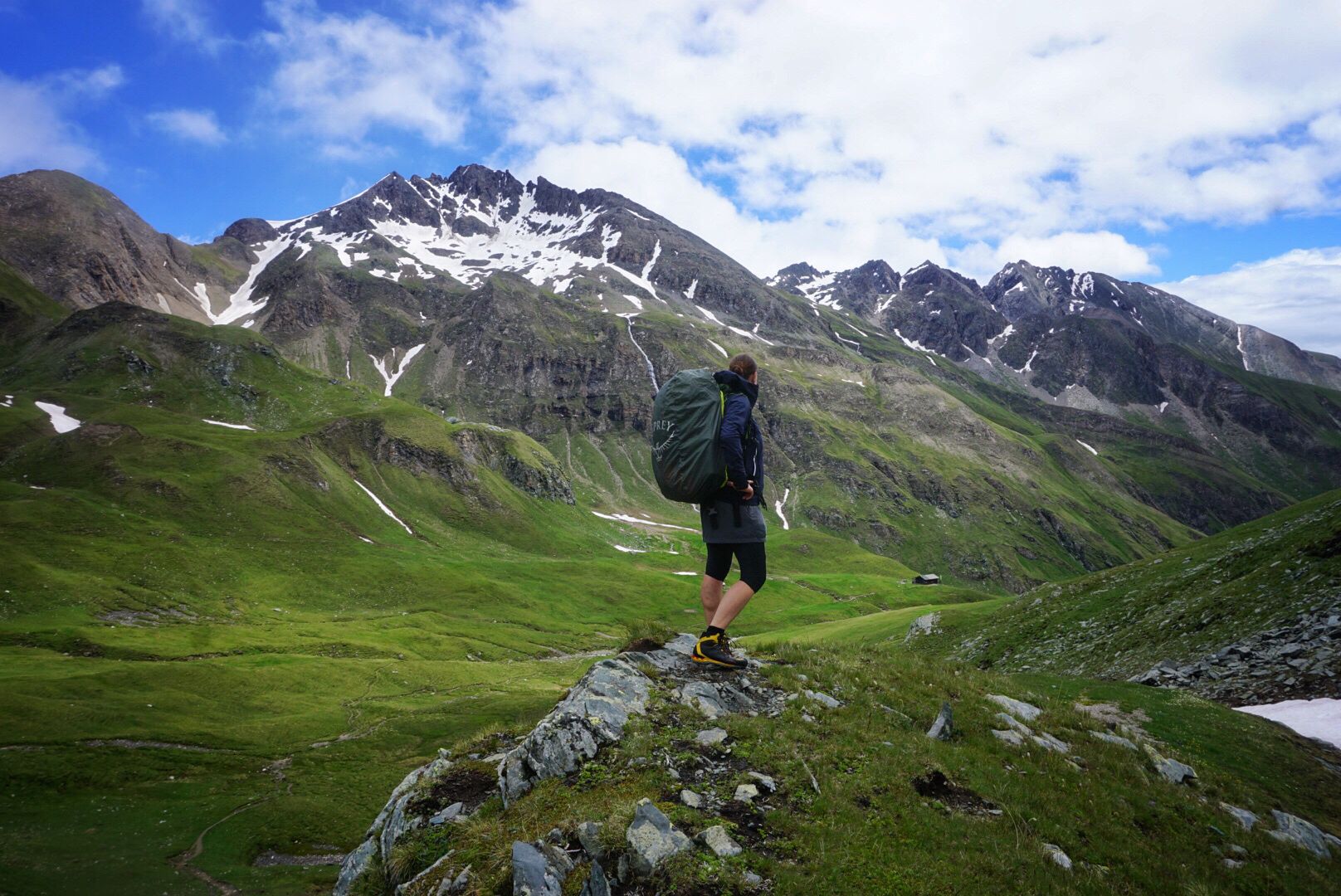
Pfunderer Mountain Trail in South Tyrol – high alpine hiking
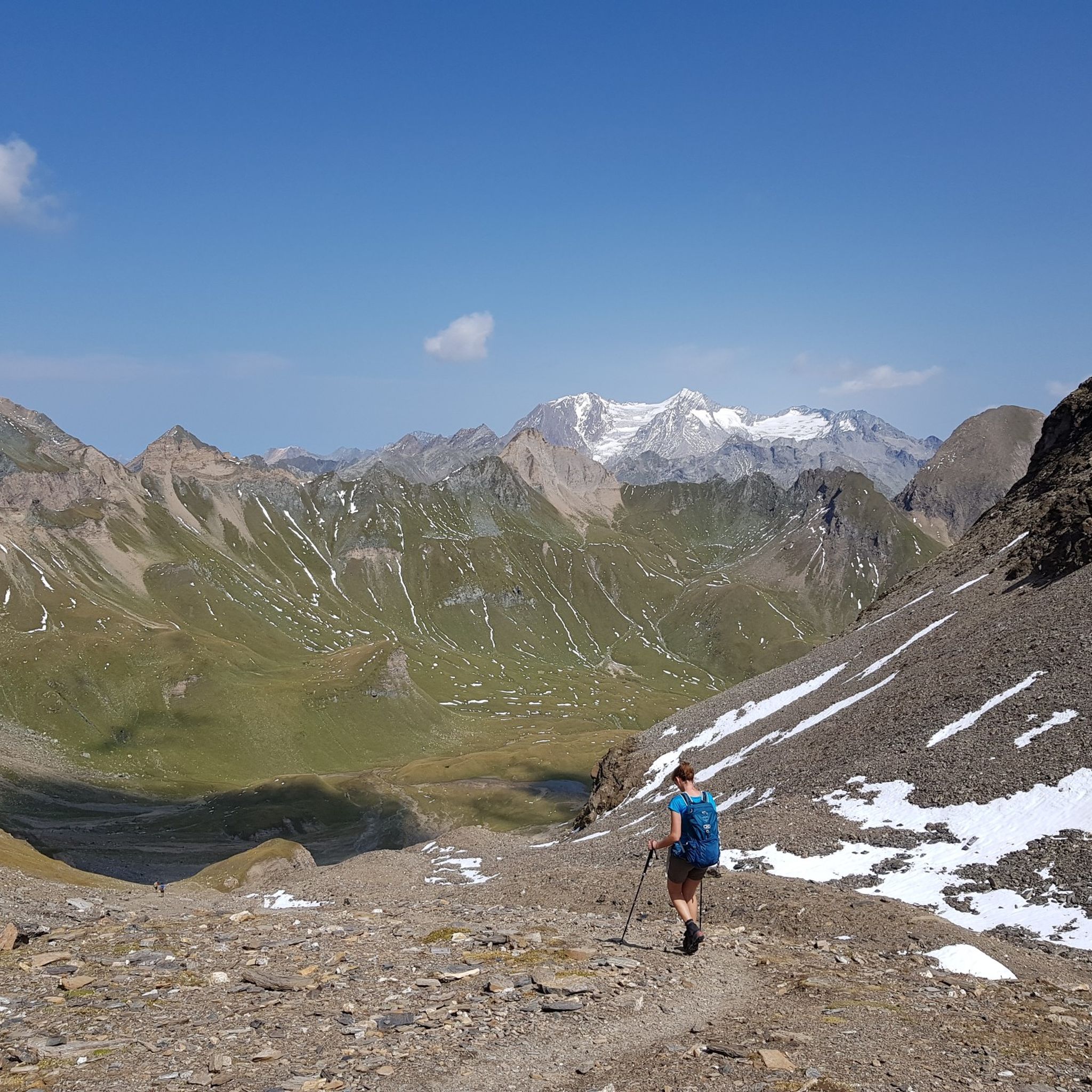
Hiking around Mühlbach - Rio Di Pusteria
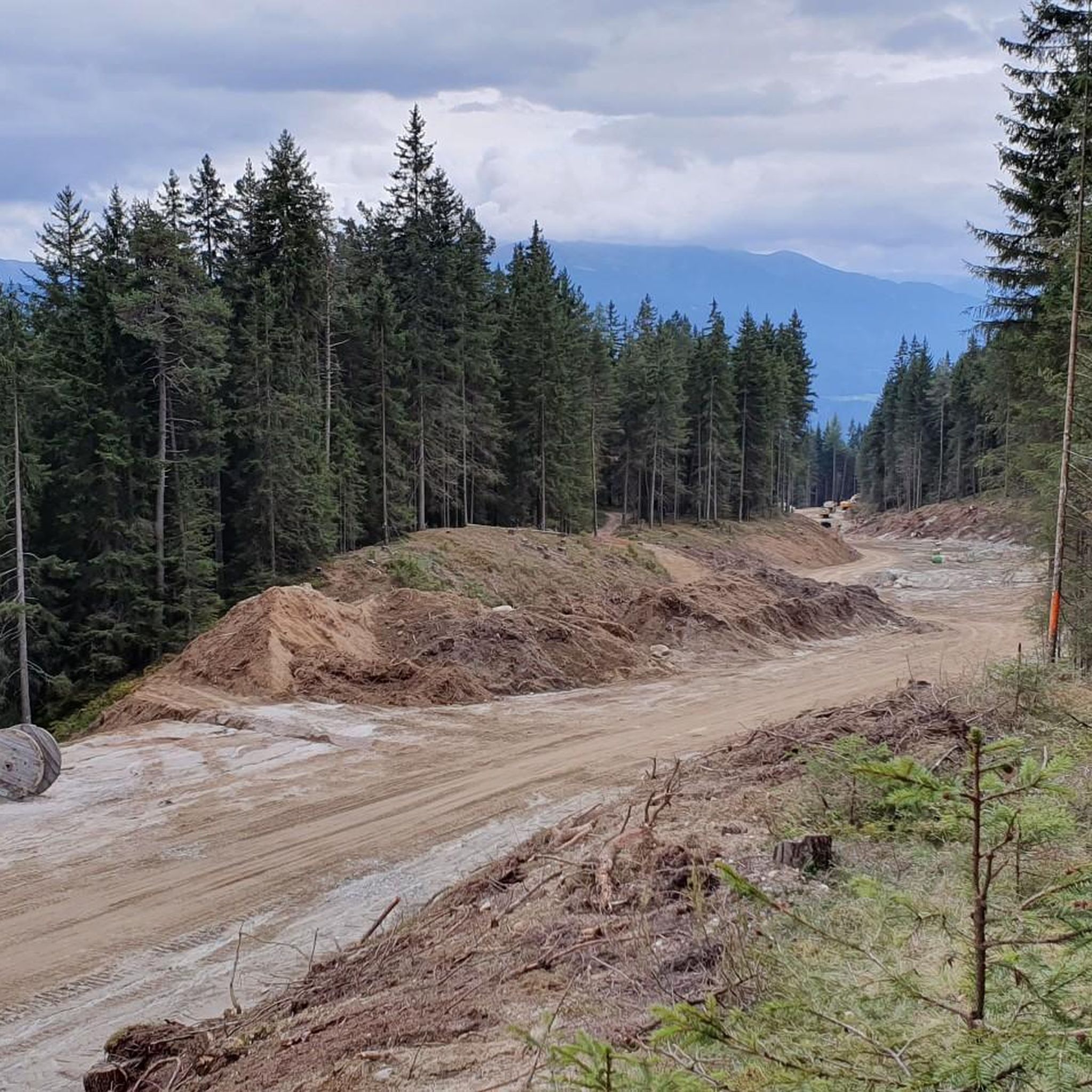
MTB Trails around Mühlbach - Rio Di Pusteria
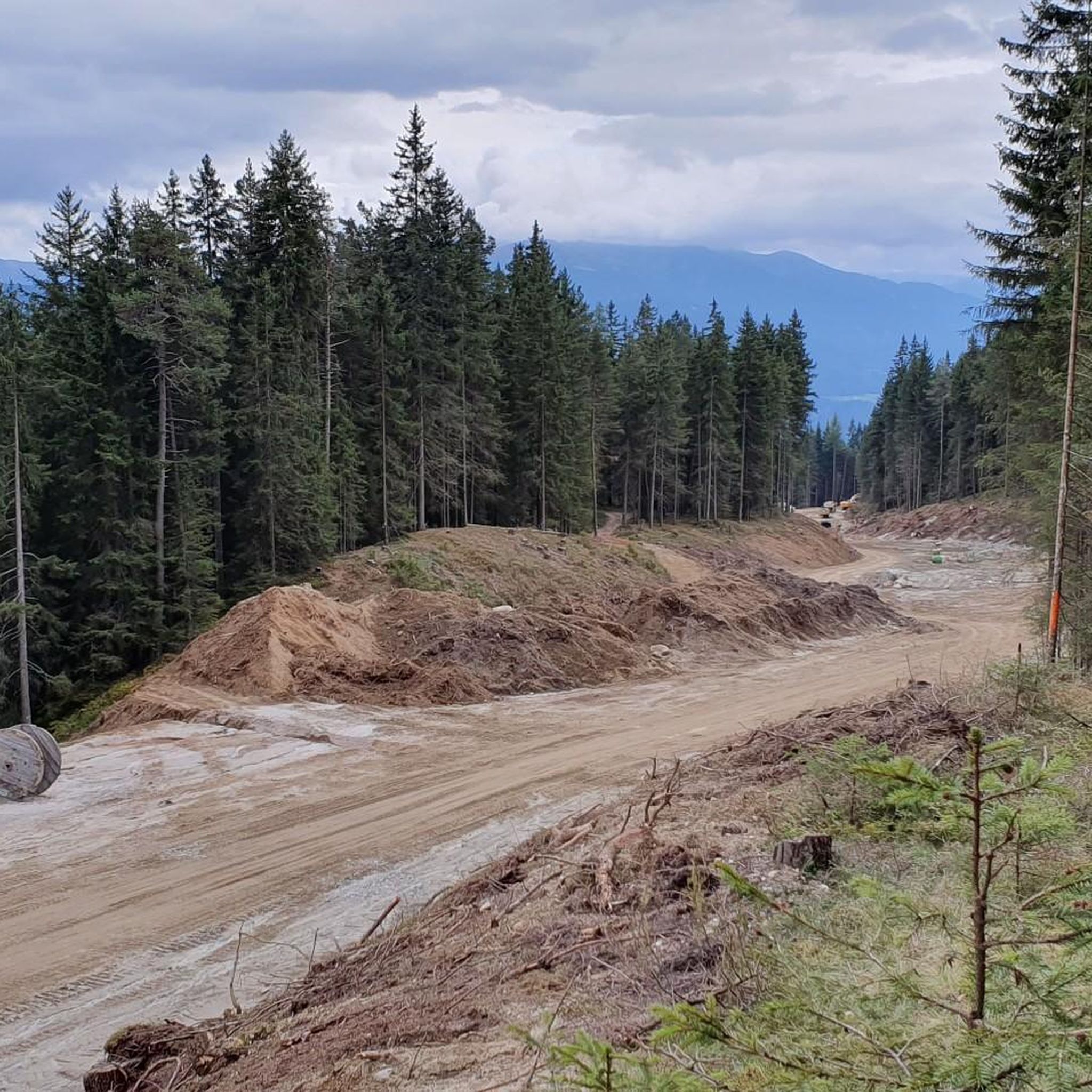
Cycling around Mühlbach - Rio Di Pusteria
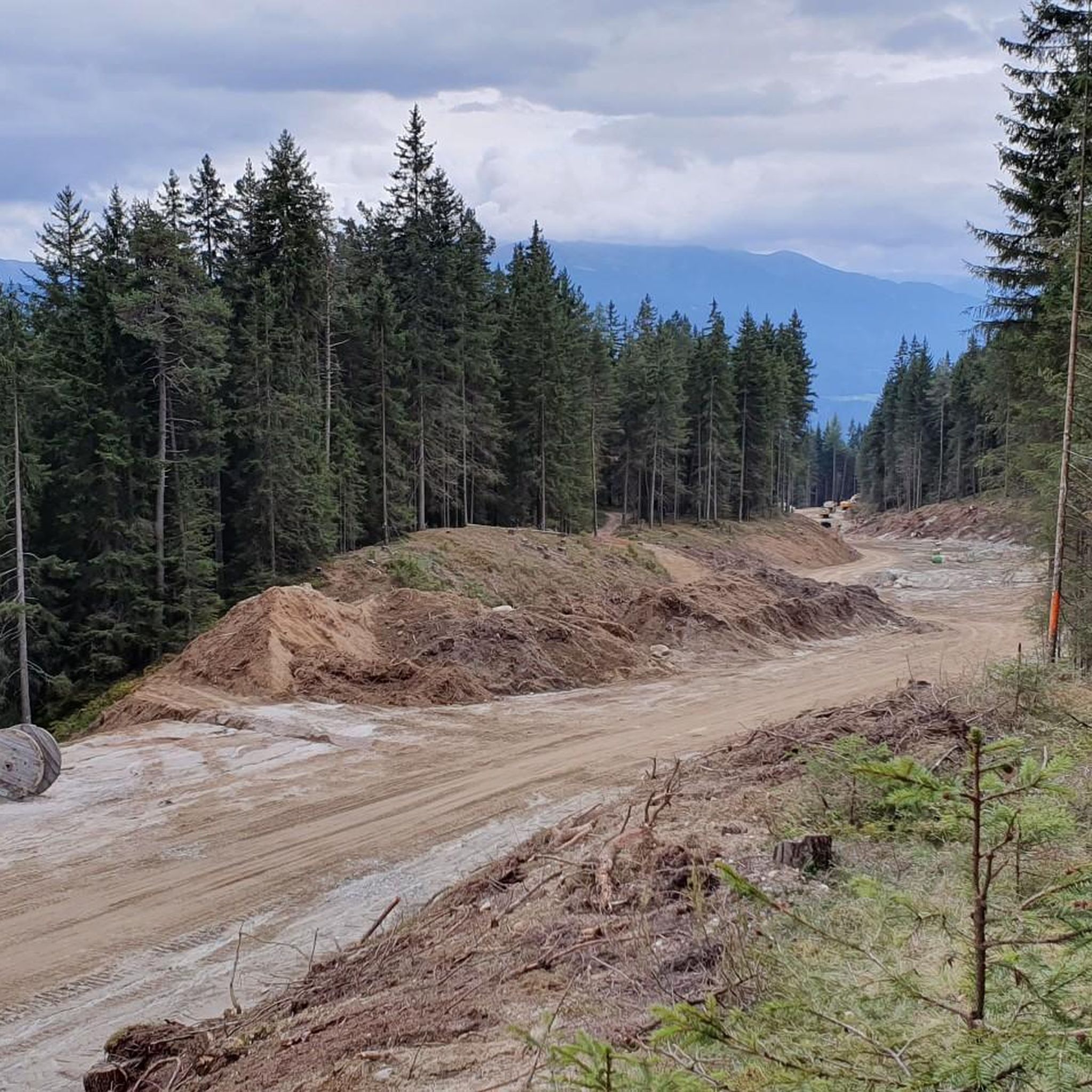
Road Cycling Routes around Mühlbach - Rio Di Pusteria
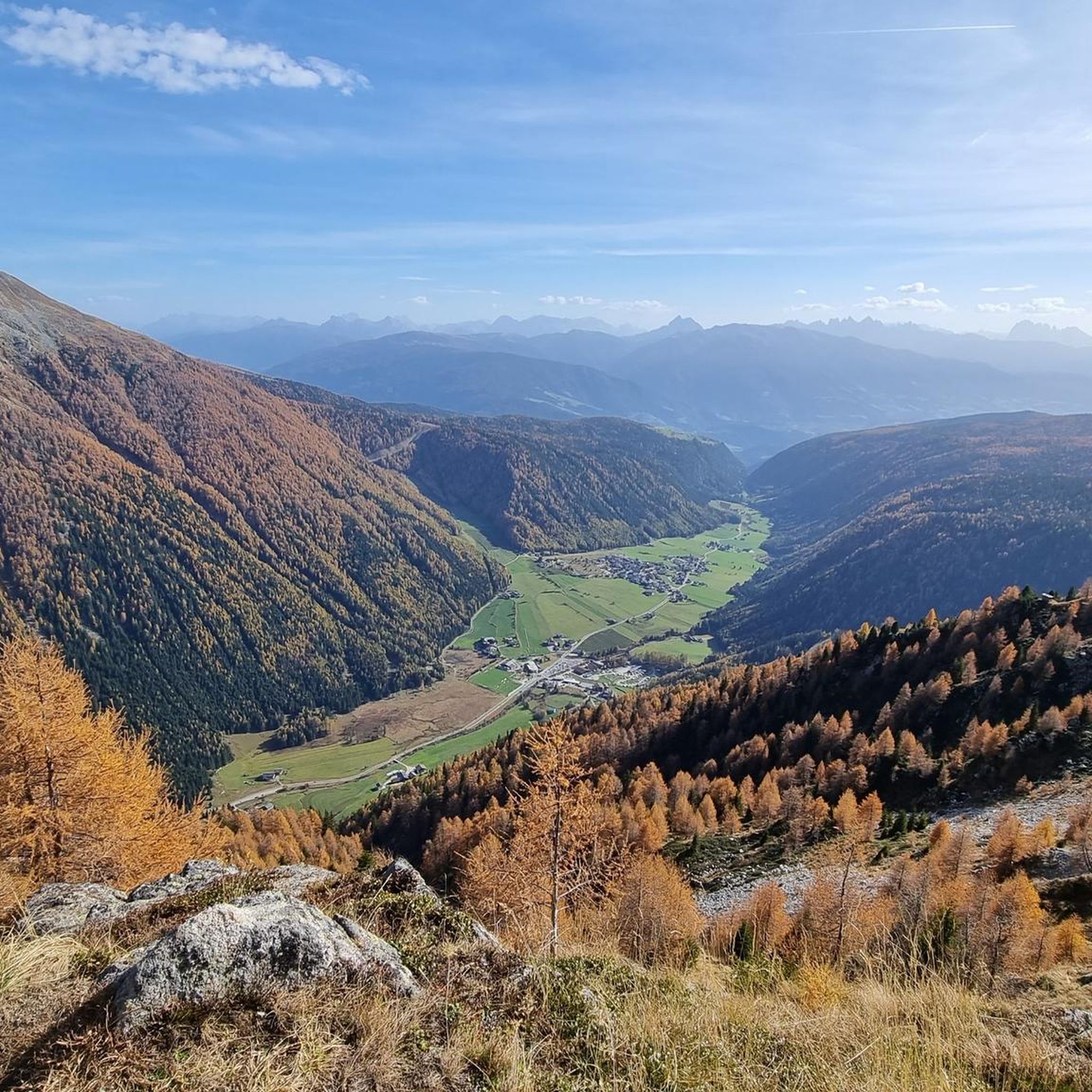
Running Trails around Mühlbach - Rio Di Pusteria
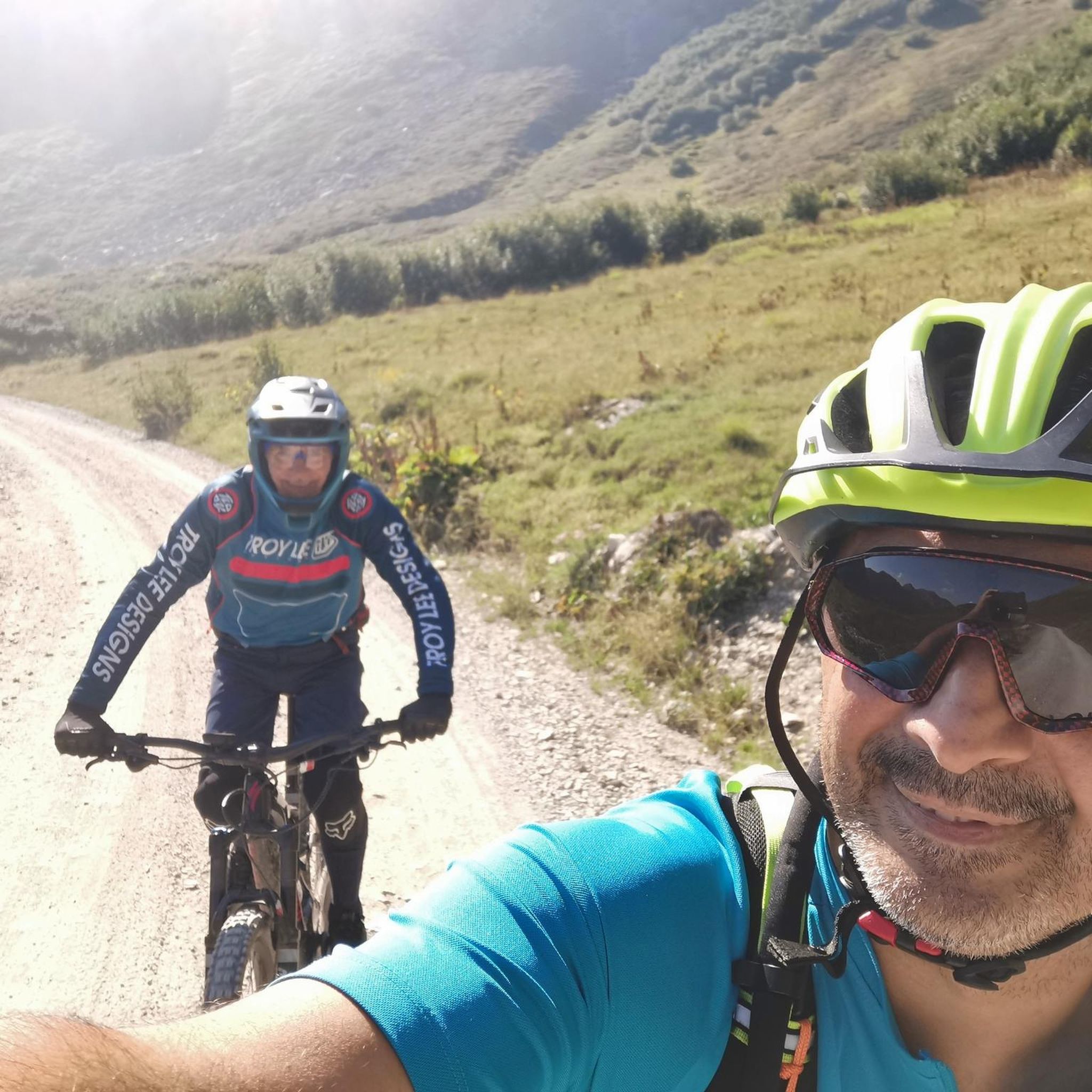
Mountain Hikes around Mühlbach - Rio Di Pusteria
Gravel biking around Mühlbach - Rio Di Pusteria
Other adventures around Mühlbach - Rio Di Pusteria


Tips from the Community

Interesting atmosphere at the all-round viewpoint
0
0

At 2,118 meters, the peak of Mount Stoanamandl is one of the highest in the Fundres Mountains. It is located between Valles and Mezzaselva and you can get close to the summit – certainly panoramic and fascinating – thanks to a cable car with a valley station in Valles.
1
1

Great sun terrace with a panoramic view.
0
0

Ideal as a starting point for hikes
0
0

Unfortunately, the ground is very loose. With normal MTB you need a lot of stamina and strength to drive the way - therefore more of a sliding piece 😒, but the return trip is all the better for that 😊
3
0

The ascent from the Fane Alm via the Ladeseben Alm and the Wilden See is technically not a problem for experienced hikers. On the Rauhtaljoch you have to reckon with one or the other snow field even in midsummer. Even the last part of the ascent from the yoke is no problem for experienced hikers, only the last 50 HM are a bit of climbing. On the highest peak of the Fundres Mountains, a magnificent view opens up!
0
0

Very nice all-round view. When you get to the top before the cable car starts, you can still enjoy the silence
0
0

Walk the tour backwards, the descent over the meadow is more beautiful.
0
0
Frequently Asked Questions
What are some of the most scenic viewpoints among the mountain peaks in Mühlbach - Rio Di Pusteria?
The region offers several peaks with exceptional panoramic views. The Gitschberg (Monte Cuzzo) Summit is particularly impressive, featuring a panoramic platform at 2,510 meters that provides a 360-degree view of over 500 labeled mountain peaks. Another excellent spot is the Stoanamandl Summit Panorama, which at 2,118 meters offers an all-round view with the help of panorama maps at its viewing platform.
Are there challenging mountain peaks for experienced hikers in the region?
Yes, for experienced hikers seeking a challenge, the Wilde Kreuzspitze Summit is highly recommended. Reaching 3,132 meters, it offers a strenuous but rewarding ascent with breathtaking views of the Dolomites, Zillertal, Stubai, and Ötztal Alps. The climb can involve debris and some scrambling near the summit, making it a true 'hiking three thousand meter long' experience.
Are there family-friendly mountain peaks or areas to explore near Mühlbach - Rio Di Pusteria?
While many peaks offer challenging ascents, areas like the Nesselhütte Alpine Hut, accessible via gondola from Meransen, provide a great starting point for families. It features a large playground for children and offers stunning views. The nearby Nockalm Snack Station is also known for being family-friendly, with good food, nice service, and animals for kids to enjoy.
What kind of natural features can I expect to see in the mountain peaks area?
The region is characterized by diverse alpine landscapes. You'll encounter majestic Dolomite peaks, the rugged Pfunderer Mountains, and picturesque alpine villages like Fane Alm. Expect stunning panoramic views, high-altitude lakes such as the Wilder See, and varied terrain ranging from grassy slopes to rocky ascents. The area is rich in natural monuments and offers a chance to experience the tranquility of the South Tyrolean Alps.
What outdoor activities can I do near these mountain peaks besides summiting?
Beyond peak ascents, the area around Mühlbach - Rio Di Pusteria is excellent for various outdoor activities. You can explore numerous mountain hikes, including routes like the 'Brixner Hut – Wilder See loop' or the 'Fane Alm – Fane Alm, Valser Valley loop'. For cycling enthusiasts, there are options for gravel biking and road cycling, with routes like the 'Jochtal Hut – Stoanamandl Summit loop' for gravel or the 'Mühlbacher Klause – View of Peitlerkofel loop' for road cycling. You can find more details on these activities in the Mountain Hikes guide.
What is the best time of year to visit the mountain peaks in Mühlbach - Rio Di Pusteria?
The best time to visit for hiking and exploring the mountain peaks is generally from late spring to early autumn (May to October). During these months, the weather is more stable, trails are clear of snow, and alpine flora is in bloom. The region research mentions that in certain periods, meadows and blooming rhododendrons make for very scenic views. Always check local weather forecasts before heading out, especially for higher elevations.
Are there any unique cultural or historical sites associated with the mountain peaks?
While the focus is primarily on natural beauty, the region does have cultural elements integrated into its alpine landscape. The Fane Alm, often described as the most beautiful alpine village in South Tyrol, is a significant cultural landmark. It features traditional residential and hay huts, a small church, and alpine taverns, offering a glimpse into local traditions and serving as a popular starting point for hikes into the Pfunderer Mountains.
How can I access the mountain peaks, and is parking available?
Access to many peaks often involves a combination of cable cars and hiking. For instance, Gitschberg can be reached by taking the Gitschberg cable car, followed by a hike. For other peaks, trailheads are accessible by car, and parking is generally available at popular starting points for hikes, such as Fane Alm or near cable car stations. It's advisable to check specific trail descriptions for detailed parking information.
What do visitors enjoy most about the mountain peaks around Mühlbach - Rio Di Pusteria?
Visitors consistently praise the breathtaking panoramic views from the summits, with many highlighting the 360-degree vistas from Gitschberg and the extensive views from Wilde Kreuzspitze. The unique, almost tree-free grassy landscapes of the Pfunderer Mountains are also frequently mentioned as special. The opportunity for challenging yet rewarding ascents and the overall tranquility of the alpine environment are highly valued by the komoot community.
Are there any mountain huts or places to eat near the trails?
Yes, the region has several mountain huts and snack stations where you can rest and refuel. The Nesselhütte Alpine Hut and the Nockalm Snack Station are popular choices, offering food, drinks, and facilities. Fane Alm also features traditional alpine taverns where you can savor local products. These huts provide convenient stops during longer hikes.
Can I reach any of the mountain peaks using public transport?
While specific routes vary, public transport options like buses often connect the main towns in the Puster Valley, such as Mühlbach - Rio di Pusteria, to various valleys and starting points for hikes. For example, you might be able to reach the Vals Valley, which leads to Fane Alm, via public transport. From there, you would typically continue on foot or use local cable cars where available. It's best to consult local public transport schedules for detailed planning.
Are there any specific tips for hiking the Wilde Kreuzspitze Summit?
For the Wilde Kreuzspitze Summit, hikers recommend being prepared for a tedious increase in debris and some scrambling below the summit cross. If you wish to make the ascent slightly easier, consider climbing from the Rauhtaljoch by taking the branch off to the Karjöchl path (path no. 2) and continuing along the Pfunderer Höhenweg. The view from the top, encompassing the Dolomites, Zillertal, Stubai, and Ötztal Alps, is widely considered worth the strenuous effort.
Most popular routes around Mühlbach - Rio Di Pusteria
Most popular attractions around Mühlbach - Rio Di Pusteria

Get inspired with the komoot mobile app


Explore more
See even more amazing summits around Mühlbach - Rio Di Pusteria with these guides:
