Attractions and Places To See around Ussassa/Ussassai - Top 20
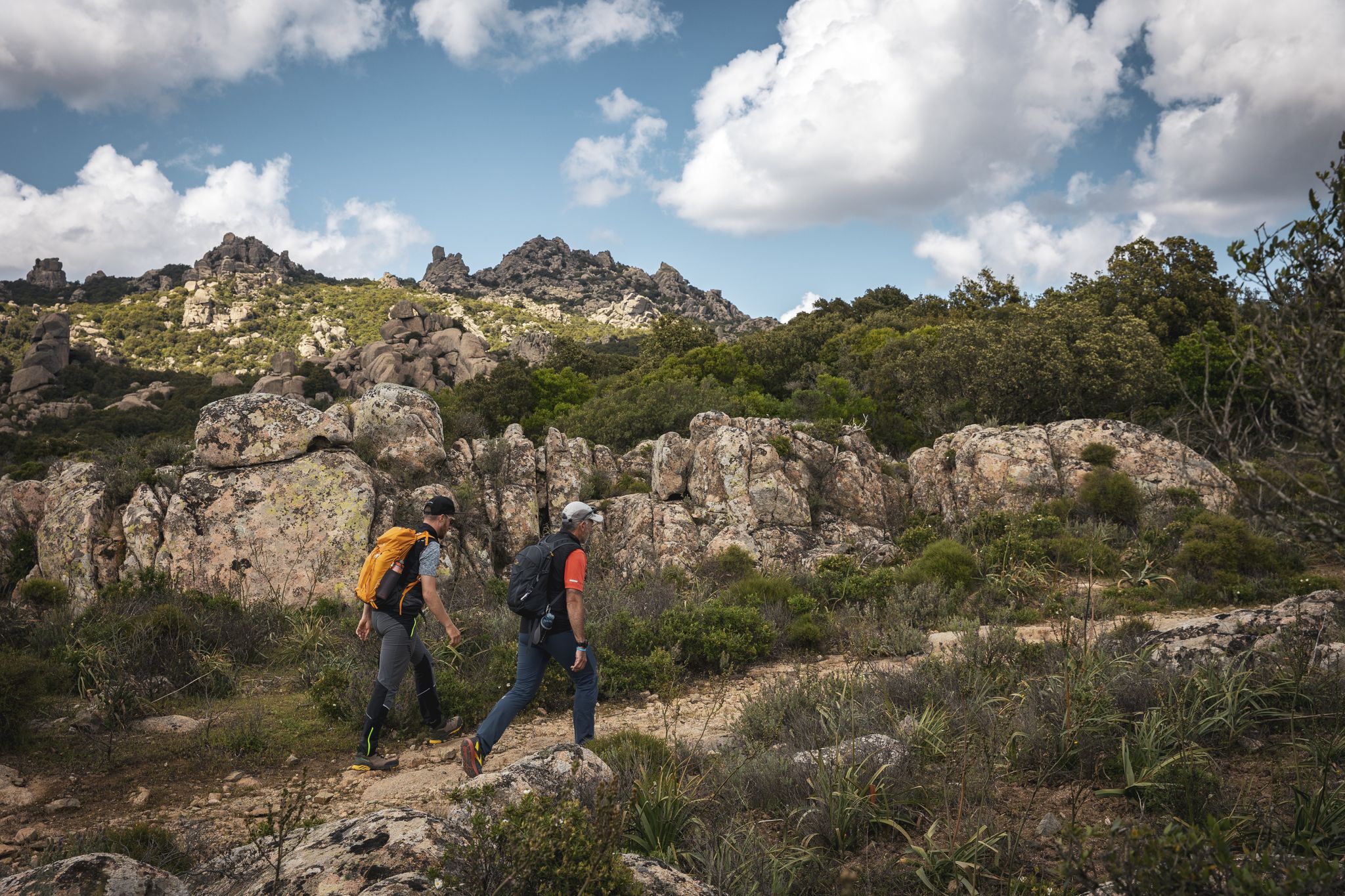
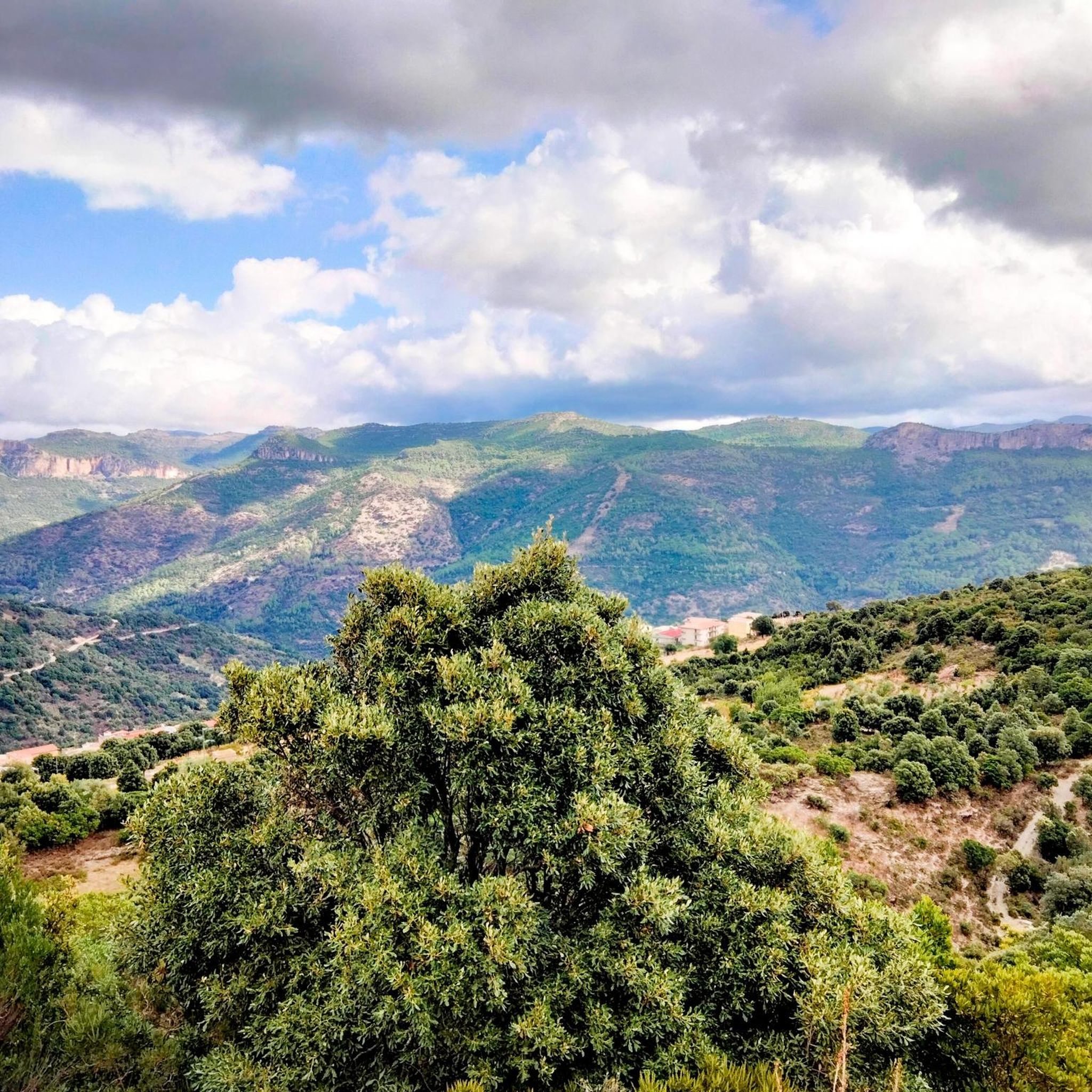
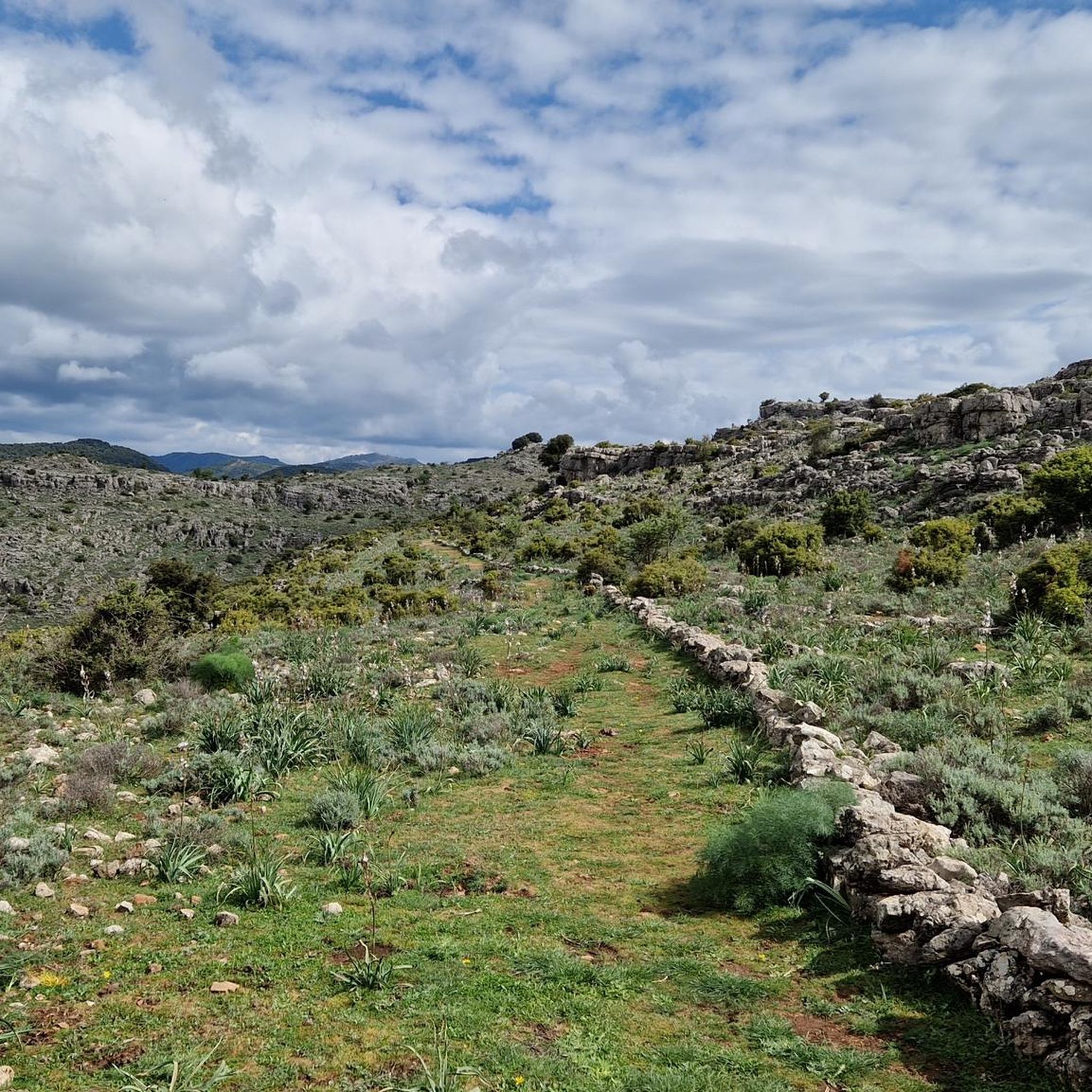
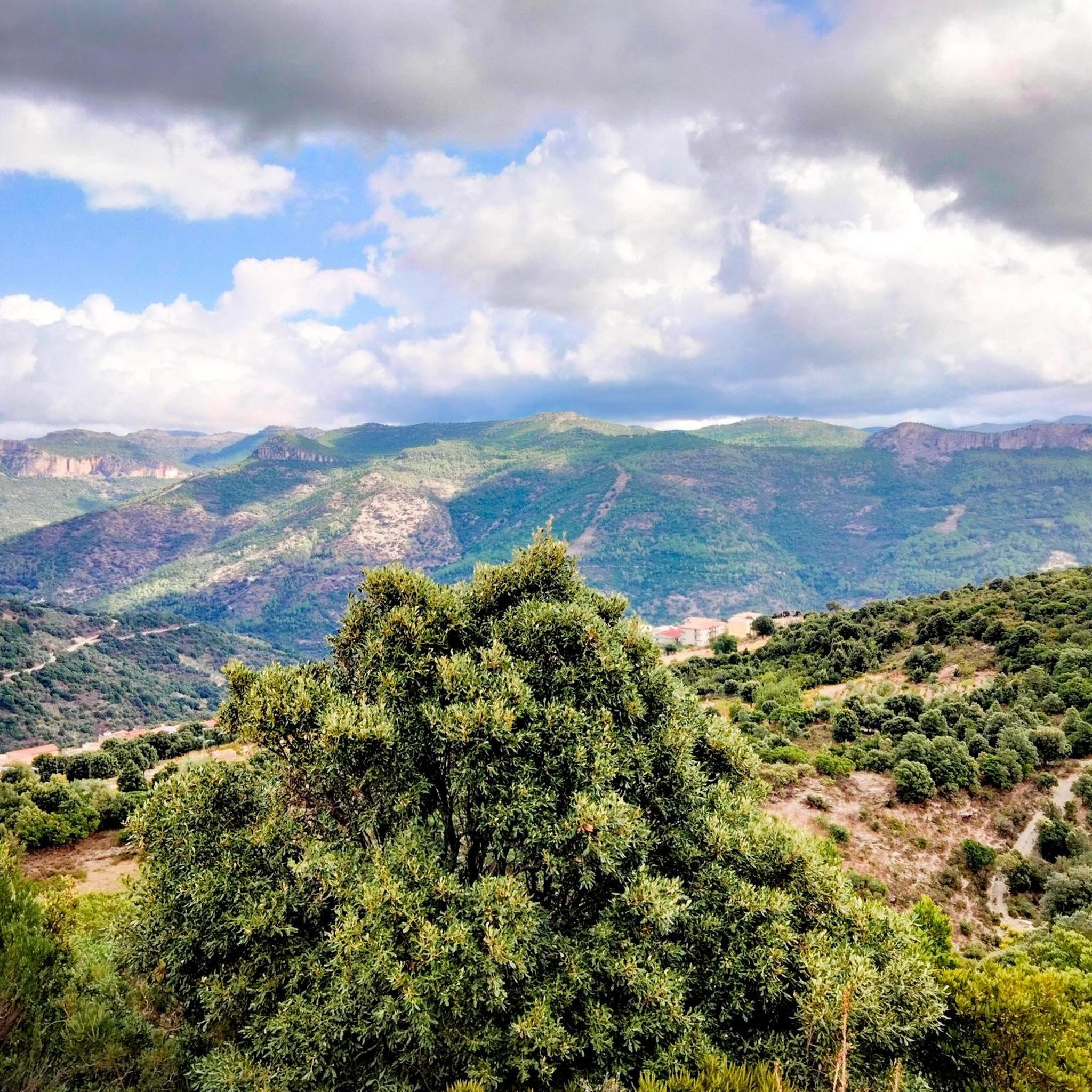
Best attractions and places to see around Ussassa/Ussassai include a diverse landscape in east-central Sardinia, nestled in the Barbagia di Seulo region. The town is situated at over 700 meters, offering views over the San Gerolamo river valley, surrounded by limestone-dolomite bastions and deep, wooded gorges. The area features pristine forests, striking limestone towers known as "Tacchi," and impressive cave systems. Visitors can explore ancient Nuragic sites and Romanesque-Byzantine sanctuaries, reflecting the region's rich history and natural beauty.
Best attractions and places to see around Ussassa/Ussassai
- The most popular attractions is Is Tostoinus Nuragic Village, a historical site that showcases the ancient Nuragic civilization of Sardinia. This site features round stone towers, known as nuraghi, some dating back to 1400 BC.
- Another must-see spot is Perda e Liana, a natural monument. This uniquely shaped, towering rock formation is a symbol of Ogliastra and was declared a natural monument in 1993, standing as the highest (1293 m) of the Ogliastra limestone mountains.
- Visitors also love Gairo Vecchio (Abandoned Village), an old town center. This historical site, along with its castle complex, was largely destroyed by flooding in 1951 and subsequently abandoned, offering a poignant glimpse into the past.
- Ussassa/Ussassai is known for its natural monuments, historical sites, and cave systems. These attractions provide a variety of experiences for those looking to explore the region's natural and cultural heritage.
- The attractions around Ussassa/Ussassai are appreciated by the komoot community, with more than 40 upvotes and over 30 photos shared.
Last updated: July 6, 2026
Is Tostoinus Nuragic Village
Highlight • Historical Site
This article (episode 413 of the series) is available in the ARD media library under the following link:
ardmediathek.de/video/schaetze-der-welt/sardinien/3sat/Y3JpZDovL3N3ci5kZS8xNTg4MzM5MA
Translated by Google •
Tip by

Perda e Liana
Highlight • Natural Monument
Source: it.wikipedia.org/wiki/Monumento_naturale_Perda_'e_Liana
Translated by Google •
Tip by

Sign up now to discover places like this
Get recommendations on the best single tracks, peaks, & plenty of other exciting outdoor places.
Sign up for free
Stone Hut in the Monti del Gennargentu
Highlight • Mountain Hut
Source: it.wikipedia.org/wiki/Nuraghe
Translated by Google •
Tip by
Gairo Vecchio (Abandoned Village)
Highlight • Historical Site
Translated by Google •
Tip by

Grotta Is Janas
Highlight • Cave
Opening times: Only with a guided tour, approx. 45 minutes - at the following times: 10:00 a.m., 11:00 a.m., 3:00 p.m., 4:00 p.m. and 5:00 p.m
escursionisadali.it
There are 5 rooms to visit. In contrast to the well-known grottos, the lighting is more temporary and the paths are more adventurous.
The following legend surrounds the grotto: The cave is called “Is Janas”, which is a Sardinian name for “fairies”. According to a legend, three fairies lived in this cave. The fairies loved food and enjoyed cooking. This is also how you cook during Lent. A priest surprised the fairies while they were eating and was hanged by them (broken stalagtite in the first room). As punishment, God turned the fairies into three stalgmites (room 2).
In the fourth room the skeleton of a "Prolagus Sardus" was discovered as well as ceramic shards from the Neolithic period (3000 BC) which can be viewed in the Museum of Caglari.
Geological and historical information:
The cave dates back 5 million years and was discovered in the 19th century.
The cave is approx. 240 meters long and has a constant temperature of 12° and a humidity of 99 - 100%. The colors of the cave are: red (iron oxide and clay), gray (manganese) and black (guano - bat excrement).
Translated by Google •
Tip by

Sign up for free to discover even more attractions around Ussassa/Ussassai.
Sign up for free
Already have an account?
Start today with a free account
Your next adventure awaits.
Login or Signup
Popular around Ussassa/Ussassai

Other adventures around Ussassa/Ussassai

Tips from the Community

Great view. Beautiful area.
0
0

A uniquely shaped, towering tower, a natural monument, symbol of Ogliastra, and a key morphological feature of central-eastern Sardinia. Perhaps once a gathering place for the Nuragic peoples, it later became, in popular legend, the entrance to the underworld. It protrudes from the earth like a giant finger reaching toward the sky and, especially in this wild area, is a landmark visible from afar for hikers. Perda 'e Liana is an extraordinary rock formation declared a natural monument in 1993. The peculiar "mountain," known in Sardinian as Taccu or Tonneri, rises in the Gairo Sant'Elena area: it is the greatest witness to the erosive effects of weathering that have been affecting the vast limestone cover of Ogliastra on the border with Barbagia di Seulo for several million years. Erosion gradually isolated the "tower," forming its base. It is the highest (1293 m) of the numerous Ogliastra limestone mountains, the northern foothills of the Tonneri plateau, about two kilometers away, to which it is connected by the s'Arcu 'e su Pirastu Trottu pass. Perhaps in ancient times, they formed a single mountain ridge. Source and further information: https://www.sardegnaturismo.it/de/entdecken/perda-e-liana
0
0

The German-language television series "Treasures of the World - Heritage of Humanity" – which I highly recommend – dedicates a 15-minute segment to the UNESCO World Heritage Site of the "NURAGHI" in Sardinia and the traditional shepherds' song known there as "Canto a Tenore." The accompanying text for the program states: "Over seven thousand round towers made of stone blocks weighing several tons are scattered throughout Sardinia. Often, only the stumps of these megalithic structures, called nuraghi, remain. The first were built around 1400 BC. Small stones were placed between the massive blocks, a construction method that made the stone towers resistant to collapse." This article (episode 413 of the series) is available in the ARD Mediathek at the following link =>> https://www.ardmediathek.de/video/schaetze-der-welt/sardinien/3sat/Y3JpZDovL3N3ci5kZS8xNTg4MzM5MA
0
0

Not a Nuraghi, but a wonderfully maintained rest area!
0
0

In October 1951, the old town center, now called Gairo Vecchio, as well as the historic castle complex were almost completely destroyed by flooding[2] and were later abandoned in order to rebuild new houses above the half-destroyed village and on the coast. In contrast to Gairo Vecchio, today's place is also known as Gairo Nuovo or Gairo Sant'Elena. The current municipality of Cardedu emerged from the settlement on the coast in 1984, which explains the year in the town's coat of arms.
3
0

6 euros entrance fee, which is really worth it. Opening times: Only with a guided tour, approx. 45 minutes - at the following times: 10:00 a.m., 11:00 a.m., 3:00 p.m., 4:00 p.m. and 5:00 p.m https://www.escursionisadali.it/ There are 5 rooms to visit. In contrast to the well-known grottos, the lighting is more temporary and the paths are more adventurous. The following legend surrounds the grotto: The cave is called “Is Janas”, which is a Sardinian name for “fairies”. According to a legend, three fairies lived in this cave. The fairies loved food and enjoyed cooking. This is also how you cook during Lent. A priest surprised the fairies while they were eating and was hanged by them (broken stalagtite in the first room). As punishment, God turned the fairies into three stalgmites (room 2). In the fourth room the skeleton of a "Prolagus Sardus" was discovered as well as ceramic shards from the Neolithic period (3000 BC) which can be viewed in the Museum of Caglari. Geological and historical information: The cave dates back 5 million years and was discovered in the 19th century. The cave is approx. 240 meters long and has a constant temperature of 12° and a humidity of 99 - 100%. The colors of the cave are: red (iron oxide and clay), gray (manganese) and black (guano - bat excrement).
5
1
The German-language television series “Treasures of the World – Heritage of Humanity” – which I fully recommend in my opinion – devotes a quarter of an hour to the UNESCO world cultural heritage of the “NURAGHI” in Sardinia and the traditional shepherd’s song there, known as “Canto a Tenore”. The text accompanying the program says “Over seven thousand round towers made of stone pieces weighing tons are scattered all over Sardinia. Often only the stumps of these megalithic buildings, called nuraghi, remain. The first were around 1400 BC. Built. Small stones were placed between the mighty blocks, a construction method that made the stone towers collapse-proof.” This article (episode 413 of the series) is available in the ARD media library under the following link: https://www.ardmediathek.de/video/schaetze-der-welt/sardinien/3sat/Y3JpZDovL3N3ci5kZS8xNTg4MzM5MA
3
1

Once a lively town, now just a collection of ruins. The name "Gairo" comes from the Greek words "ga" and "roa" meaning "flowing earth" and is a reference to the sad history of the village. In October 1951, the old town center, today called Gairo Vecchio, and the historic castle complex were almost completely destroyed by flooding and later abandoned in order to rebuild new houses above the half-destroyed village and on the coast. (Sources: Editors Pecora Nera, Wikipedia)
1
0
Frequently Asked Questions
What natural features can I explore around Ussassai?
The Ussassai area is rich in natural beauty. You can discover striking limestone towers known as "Tacchi," which have been sculpted by time and erosion, such as the prominent Perda e Liana. The region is also surrounded by pristine forests like Takiggeddu, su Piss'e Irtzioni, and Niala woods, featuring streams, oak and cork trees, and Mediterranean shrubbery. The Montarbu forest, partly under Ussassai's jurisdiction, is a designated fauna oasis.
Are there any impressive caves to visit near Ussassai?
Yes, the area features notable cave systems. You can explore Su Marmuri Cave, a spectacular stalactite cave that can only be visited with a guide. Another option is Grotta Is Janas, known as the "Fairies' Cave," which offers a more adventurous exploration with five rooms and a local legend about three fairies. It has an entrance fee of 6 euros and guided tours are available at specific times.
What kind of hiking and biking trails are available in the Ussassai area?
Ussassai is an ideal destination for hiking and biking enthusiasts, surrounded by pristine forests and dramatic landscapes. You can find numerous trails through areas like Takiggeddu, su Piss'e Irtzioni, and Niala woods. For more specific routes, explore the running trails around Ussassai, which include options like the Taccu Isàra - Sentiero Italia Loop, or the cycling routes for longer excursions.
What historical sites can I visit to learn about the region's past?
The Ussassai area offers several historical insights. Visit Is Tostoinus Nuragic Village to see ancient Nuragic civilization remains, with round stone towers (nuraghi) dating back to 1400 BC. Another poignant site is Gairo Vecchio (Abandoned Village), an old town center largely destroyed by flooding in 1951. You can also find the Romanesque-Byzantine San Salvatore Sanctuary in the countryside, dating back to the 12th century.
Are there family-friendly attractions around Ussassai?
Yes, there are several options for families. Exploring the Grotta Is Janas with its fairy legends can be an engaging experience for children. The historic Trenino Verde (Green Train) offers a picturesque journey through the landscape, stopping at the old Ussassai station, which is a unique way to see the region. Additionally, the surrounding forests provide opportunities for easy walks and picnics.
Can I experience the local culture and traditions in Ussassai?
Absolutely. Ussassai is known for its red apples, celebrated with a festival at the end of October, where you can taste local delicacies like *culurgiones cun sa mècuda* and *is coccois prenas*. Another significant event is "Coja antiga," a traditional re-enactment of a rural wedding in the second half of August. You can also admire the traditional architecture in the lower part of Ussassai with its old stone houses.
What is the best time of year to visit Ussassai for outdoor activities?
The best time to visit Ussassai for outdoor activities is generally during the spring (April to June) and autumn (September to October). During these periods, the weather is typically mild and pleasant, ideal for hiking, biking, and exploring the natural landscapes. The autumn also brings local festivals, such as the red apple festival, adding a cultural dimension to your visit.
What are the unique rock formations in the area called?
The unique rock formations in the Ussassai area are known locally as "Tacchi." These striking limestone towers have been sculpted by time and erosion, creating dramatic landscapes. A prime example is Perda e Liana, a natural monument and a symbol of Ogliastra, which stands as the highest of the Ogliastra limestone mountains.
Are there any ancient Nuragic sites to visit near Ussassai?
Yes, the region is rich in Nuragic history. You can visit Is Tostoinus Nuragic Village, which showcases the ancient Nuragic civilization of Sardinia. This site features round stone towers, known as nuraghi, some of which date back to 1400 BC, offering a fascinating glimpse into the island's prehistoric past.
What kind of cycling routes are available around Ussassai?
The Ussassai region offers diverse cycling opportunities. You can find routes for touring bicycles, such as the "Fountain with cold water – Gennargentu Arzanese Map loop from Pinningassu," and more challenging options like the "Aussicht auf Ulassai – Serbissi Cave loop." For road cycling, explore routes like the "Ring in the Gennargentiu Mountains from Gairo Taquisara" or the "View of Perda 'e Liana – Riu Saraginu Valley loop." More details can be found in the cycling guide and road cycling guide for the area.
What is the Trenino Verde and how can I experience it?
The Trenino Verde (Green Train) is a historic narrow-gauge railway that offers a scenic journey through Sardinia's picturesque landscapes. The Mandas-Arbatax line stops at the old Ussassai station, which now exclusively serves tourist services. It's a charming way to experience the region's natural beauty and traditional villages at a leisurely pace.
Most popular routes around Ussassa/Ussassai
Most popular attractions around Ussassa/Ussassai

Get inspired with the komoot mobile app


Explore more
Still not found the Highlight you’re looking for? See guides of the top attractions in other regions:
