Attractions and Places To See around Irvonu/Ilbono - Top 20
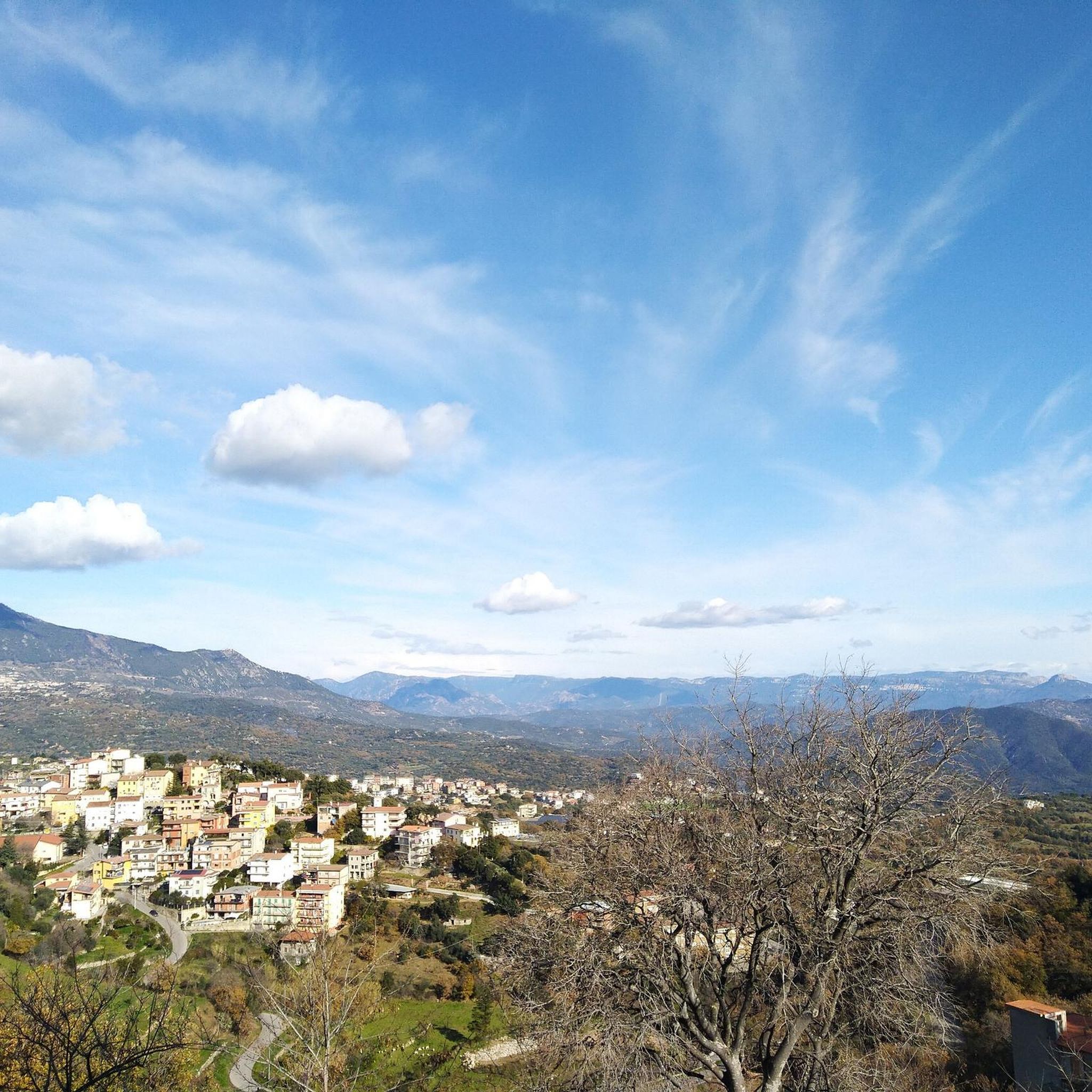
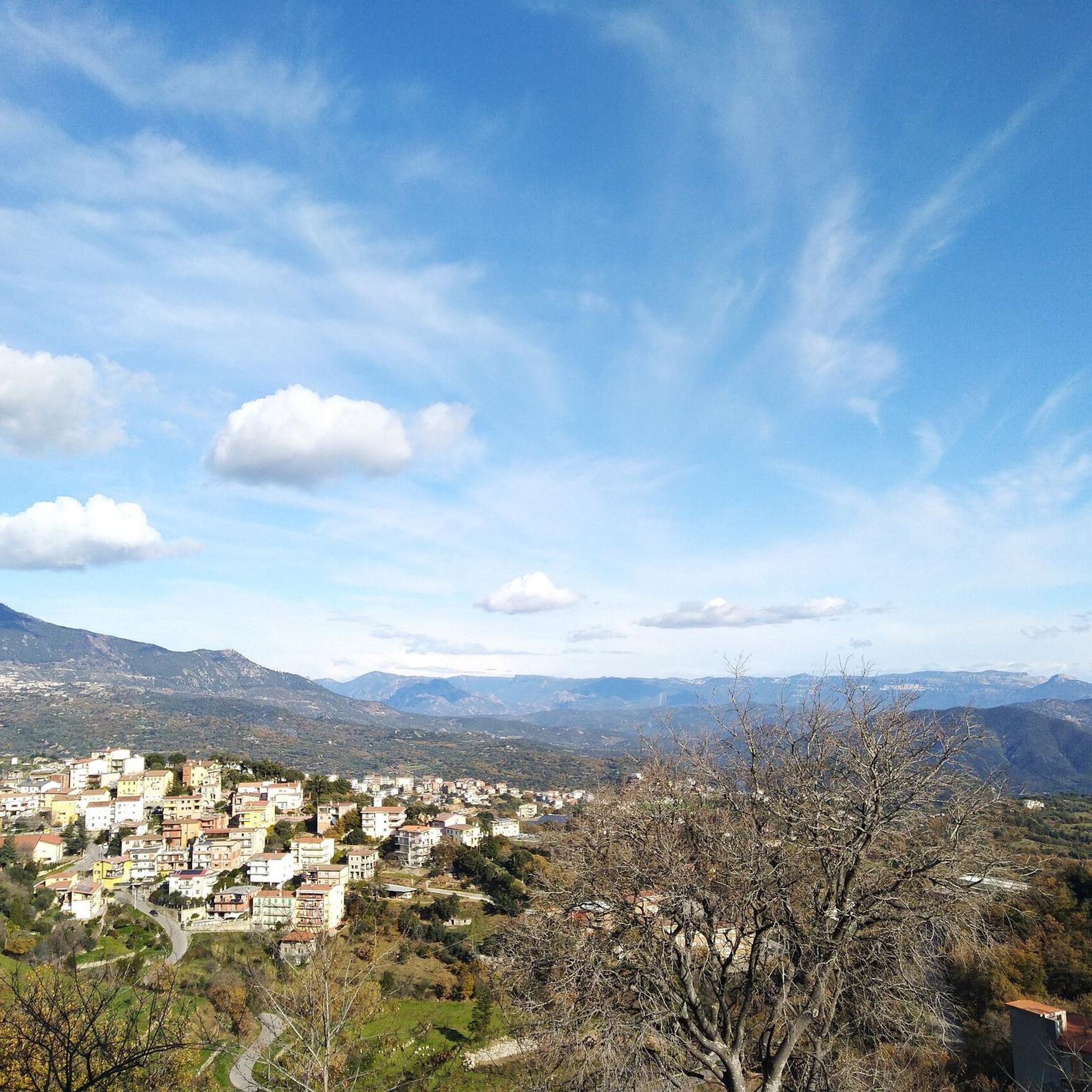
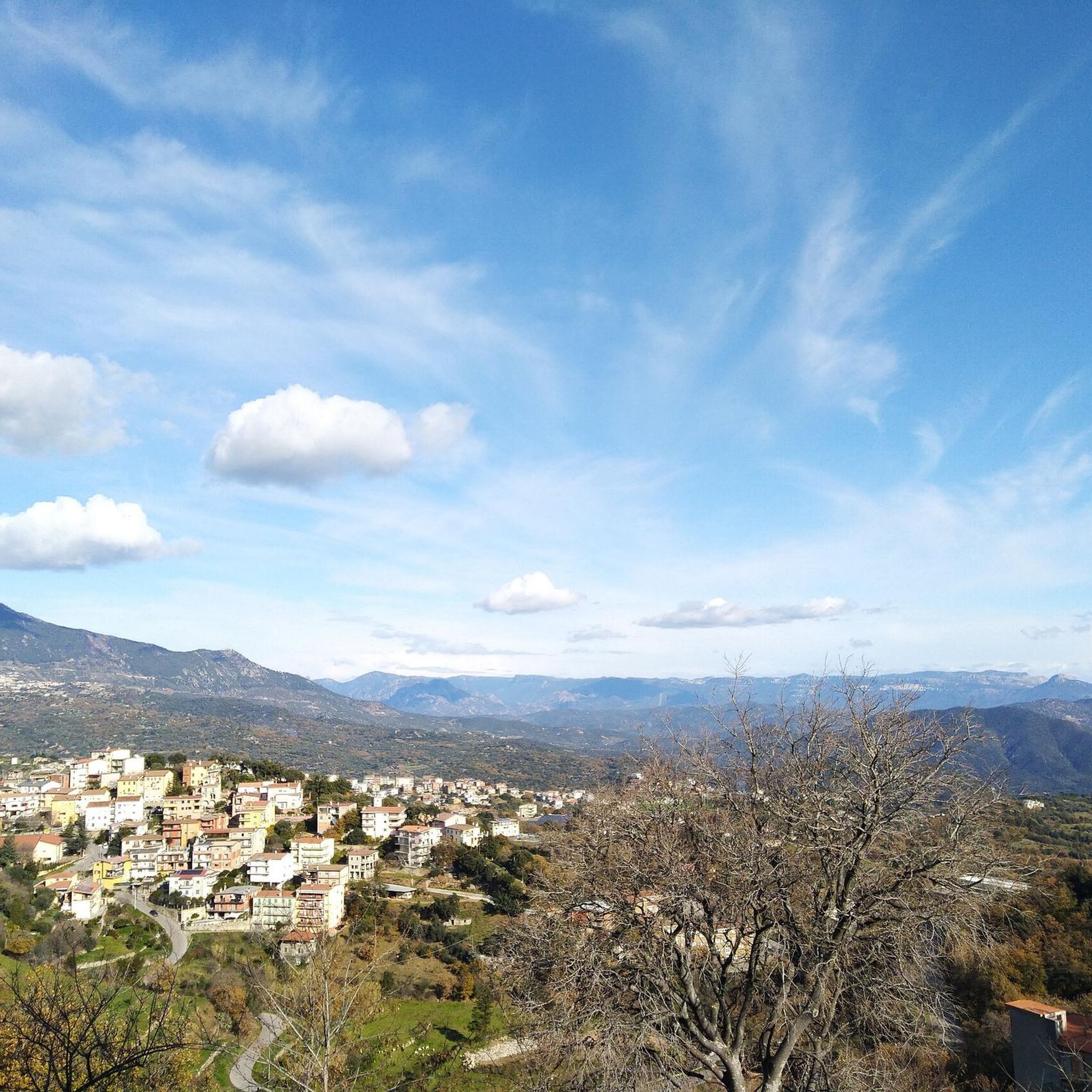
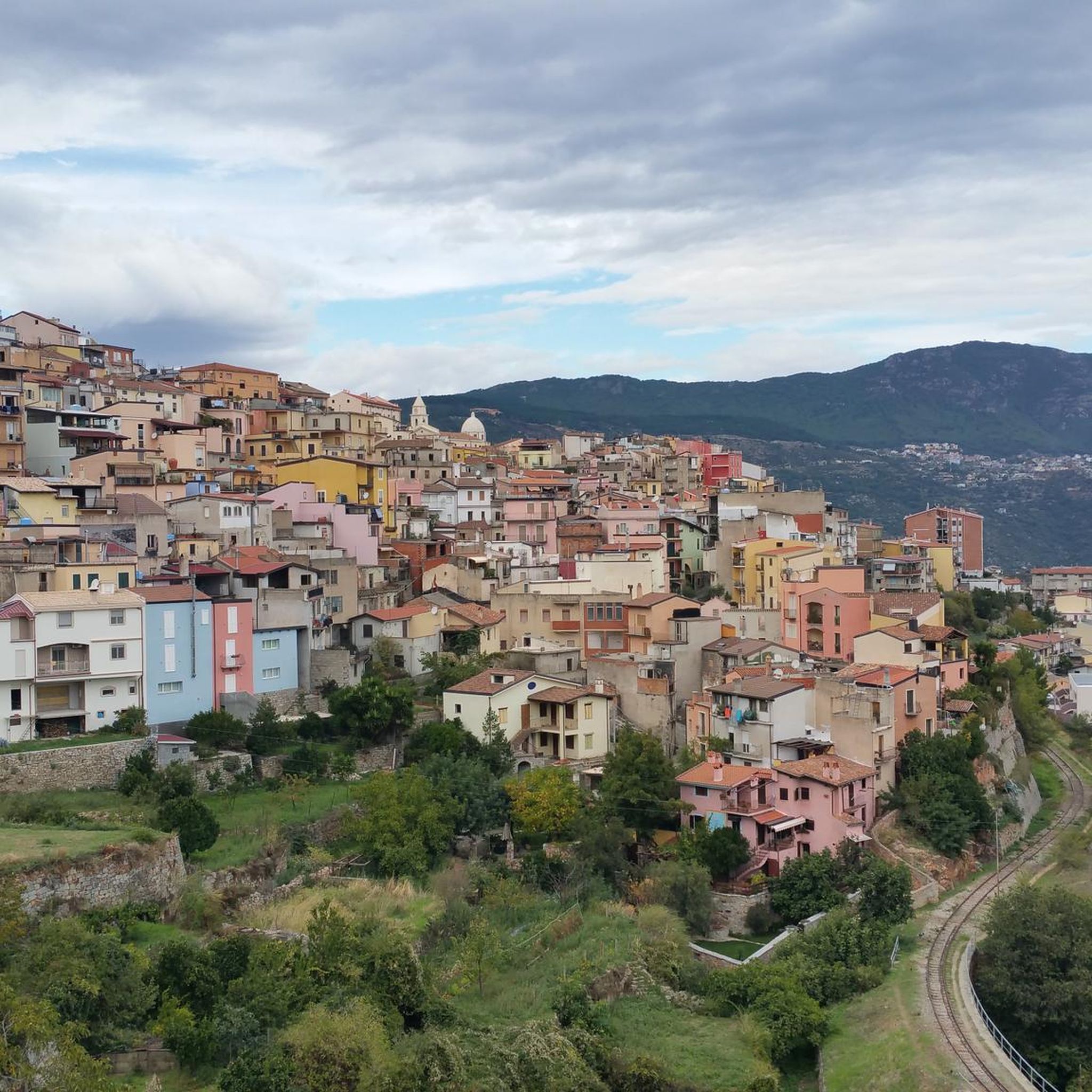
Best attractions and places to see around Irvonu/Ilbono, a hilly town in Sardinia, Italy, situated about 400 meters above sea level. The area is characterized by its location at the foot of the Gennargentu mountain range, surrounded by olive groves and vineyards. It features a rich tapestry of historical, cultural, and natural attractions, including ancient Nuragic complexes and distinctive natural monuments.
Best attractions and places to see around Irvonu/Ilbono
- The most popular attractions is Arbatax Red Rocks, a natural…
Last updated: July 6, 2026
Torre di Barì
Highlight • Monument
Translated by Google •
Tip by

Is Tostoinus Nuragic Village
Highlight • Historical Site
Translated by Google •
Tip by

Sign up now to discover places like this
Get recommendations on the best single tracks, peaks, & plenty of other exciting outdoor places.
Sign up for free
San Gemiliano Tower
Highlight • Monument
Translated by Google •
Tip by

Perda e Liana
Highlight • Natural Monument
Translated by Google •
Tip by

Moresca Cove
Highlight • Beach
Translated by Google •
Tip by
Sign up for free to discover even more attractions around Irvonu/Ilbono.
Sign up for free
Already have an account?
Start today with a free account
Your next adventure awaits.
Login or Signup
Tips from the Community

The Barì Tower is an ancient medieval tower of Spanish construction, located on the eastern coast of Sardinia, on the beach of the same name in the municipality of Bari Sardo, in the province of Nuoro.
0
0

Great view. Beautiful area.
0
0

A uniquely shaped, towering tower, a natural monument, symbol of Ogliastra, and a key morphological feature of central-eastern Sardinia. Perhaps once a gathering place for the Nuragic peoples, it later became, in popular legend, the entrance to the underworld. It protrudes from the earth like a giant finger reaching toward the sky and, especially in this wild area, is a landmark visible from afar for hikers. Perda 'e Liana is an extraordinary rock formation declared a natural monument in 1993. The peculiar "mountain," known in Sardinian as Taccu or Tonneri, rises in the Gairo Sant'Elena area: it is the greatest witness to the erosive effects of weathering that have been affecting the vast limestone cover of Ogliastra on the border with Barbagia di Seulo for several million years. Erosion gradually isolated the "tower," forming its base. It is the highest (1293 m) of the numerous Ogliastra limestone mountains, the northern foothills of the Tonneri plateau, about two kilometers away, to which it is connected by the s'Arcu 'e su Pirastu Trottu pass. Perhaps in ancient times, they formed a single mountain ridge. Source and further information: https://www.sardegnaturismo.it/de/entdecken/perda-e-liana
0
0

Not a Nuraghi, but a wonderfully maintained rest area!
0
0

The Barì tower is an ancient medieval tower of Spanish construction, located on the eastern coast of Sardinia, on the beach of the same name in the municipality of Bari Sardo, in the province of Nuoro.
1
0


The German-language television series “Treasures of the World – Heritage of Humanity” – which I fully recommend in my opinion – devotes a quarter of an hour to the UNESCO world cultural heritage of the “NURAGHI” in Sardinia and the traditional shepherd’s song there, known as “Canto a Tenore”. The text accompanying the program says “Over seven thousand round towers made of stone pieces weighing tons are scattered all over Sardinia. Often only the stumps of these megalithic buildings, called nuraghi, remain. The first were around 1400 BC. Built. Small stones were placed between the mighty blocks, a construction method that made the stone towers collapse-proof.” This article (episode 413 of the series) is available in the ARD media library under the following link: https://www.ardmediathek.de/video/schaetze-der-welt/sardinien/3sat/Y3JpZDovL3N3ci5kZS8xNTg4MzM5MA
3
1

Between the 16th and 17th centuries, three watch and defense towers were built in Arbatax to protect the area from pirate raids. The Tower of San Gemiliano, built in 1587, is one of these. It was originally known as "Taratasciar" in Arabic, which means thirteenth tower. In the 17th century it was called Torre di Zacurru and only in 1767 did it acquire its current name. It is possible to climb two ladders to reach the top of the tower and enjoy the view of the gulf. The walk up to the tower is short and easy.
4
1
Frequently Asked Questions
What natural attractions can I explore around Irvonu/Ilbono?
The area offers several striking natural features. You can visit the Arbatax Red Rocks, known for their unique red porphyry cliffs and geometric shapes. Another significant natural monument is Perda e Liana, a towering rock formation that is a symbol of Ogliastra. Additionally, Monte Tarè, with its characteristic red porphyry rock, is easily accessible via a scenic road.
What historical or archaeological sites are there to visit in Irvonu/Ilbono?
Irvonu/Ilbono is rich in history. You can explore the Is Tostoinus Nuragic Village, part of the ancient Nuragic complexes scattered across Sardinia. The area also features the extensive Nuraghe di Scerì and Domus de Janas, ancient tombs carved into granite boulders. The historic town center, with its narrow streets and traditional houses, also offers a glimpse into the past.
Are there family-friendly attractions or activities in the area?
Yes, several attractions are suitable for families. The Arbatax Red Rocks and Moresca Cove are both listed as family-friendly, offering beautiful scenery and opportunities for relaxation. Exploring the ancient Nuragic sites can also be an educational and engaging experience for children.
What cultural experiences or traditions can I find in Ilbono?
Ilbono is known for its rich cultural heritage. The town's artisanal traditions include ceramics, lace, and embroidery made with 'su vrevolitè'. You can also visit the 17th-century Parish Church of San Giovanni Battista and the Church of San Cristoforo, which offers panoramic views. The town hosts several traditional festivals throughout the year, celebrating local customs and gastronomy.
What local events or festivals take place in Ilbono?
Ilbono hosts several vibrant events. The 'Pane e Olio in Frantoio Festival' in late November or early December celebrates local bread and olive oil, with tastings of traditional foods like culurgiones and sebadas. In July, the 'Feast of Madonna delle Grazie' features a procession with flower-covered carts. The 'Feast of San Giovanni Battista' on June 24th includes religious ceremonies and traditional Sardinian dances. The Traditional Ilbono Carnival revives ancient island popular culture with unique masks and rituals.
Are there hiking opportunities near Irvonu/Ilbono?
Yes, the region around Irvonu/Ilbono offers various hiking trails. You can find moderate routes like the Torre di Barì – Torre di Bari loop or a hiking loop from Àrthana/Arzana. The landscape, situated at the foot of the Gennargentu mountain range, provides scenic paths through rolling hills, olive groves, and vineyards.
What is Ilbono known for locally?
Ilbono is particularly renowned for its high-quality olive oil production, thanks to the extensive olive groves surrounding the town. It also has a strong artisanal heritage, with skilled craftspeople creating traditional ceramics, lace, and embroidery. The town's historical significance is evident in its numerous Nuragic complexes and ancient sites.
What do visitors particularly enjoy about the attractions here?
Visitors often appreciate the unique natural beauty, such as the striking red cliffs of Arbatax Red Rocks and the iconic Perda e Liana. The historical sites, like the Is Tostoinus Nuragic Village, offer a fascinating glimpse into ancient Sardinian culture. Many also enjoy the serene atmosphere of places like Moresca Cove for swimming and relaxation.
Are there opportunities for road cycling near Irvonu/Ilbono?
Yes, the hilly terrain around Irvonu/Ilbono is excellent for road cycling. You can find challenging routes such as the View of Baunei – Passo Genna Ramene loop from Lanusei or the Jerzu – Ulassai loop from Barì/Bari Sardo. There are also moderate options like the Su Sirboni Beach – Cardedu Beach loop from Lanusei.
When is the best time of year to visit Irvonu/Ilbono?
The best time to visit Irvonu/Ilbono generally depends on your preferred activities. For hiking and outdoor exploration, spring (April-May) and autumn (September-October) offer pleasant temperatures. If you're interested in local festivals, July for the Feast of Madonna delle Grazie or late November/early December for the Pane e Olio in Frantoio Festival would be ideal.
Can I visit an abandoned village nearby?
Yes, you can visit Gairo Vecchio (Abandoned Village). This historical site was almost completely destroyed by flooding in 1951 and subsequently abandoned. It offers a poignant glimpse into the past, with ruins that tell the story of a once-lively town.
What kind of archaeological richness can be found in the area?
The area around Ilbono is exceptionally rich in archaeological sites. Historical analyses reveal five ancient complexes, including ten domus de janas (fairy houses), four menhirs, four Giants' Tombs, and eleven Nuraghes, which are ancient stone towers.
Are there running trails available around Irvonu/Ilbono?
Yes, there are several running trails for those looking to jog or run. Options include the Tomba di Giganti Fragori loop from Barì/Bari Sardo, the Lido di Orrì loop from Tortolì-Arbatax airport, and the Bari Sardo loop from Barì/Bari Sardo, all offering moderate difficulty.
Most popular routes around Irvonu/Ilbono
Most popular attractions around Irvonu/Ilbono

Get inspired with the komoot mobile app


Explore more
Still not found the Highlight you’re looking for? See guides of the top attractions in other regions:
