Attractions and Places To See around St. Lorenzen - San Lorenzo Di Sebato - Top 20
Best attractions and places to see around St. Lorenzen - San Lorenzo Di Sebato offers a blend of historical landmarks, cultural sites, and diverse natural landscapes in South Tyrol's Pusteria Valley. The region is characterized by its wide valley basin, the Rienza River, and surrounding mountains, providing scenic views and varied terrain. Visitors can explore ancient castles, Roman-era museums, and unique geological formations like earth pyramids. The area also features extensive networks of trails for hiking and cycling, making it…
Last updated: September 25, 2026
Bruneck Cycle Tunnel
Highlight • Cycleway
Translated by Google •
Tip by

Platten Earth Pyramids
Highlight • Natural Monument
Translated by Google •
Tip by

Sign up now to discover places like this
Get recommendations on the best single tracks, peaks, & plenty of other exciting outdoor places.
Bruneck Old Town
Highlight • Settlement
Translated by Google •
Tip by

Covered wooden bridge over the Rienz
Highlight • Bridge
Translated by Google •
Tip by

Concordia 2000 Peace Bell at the summit of Kronplatz
Highlight • Monument
Translated by Google •
Tip by

Sign up for free to discover even more attractions around St. Lorenzen - San Lorenzo Di Sebato.
Already have an account?
Start today with a free account
Your next adventure awaits.
Popular around St. Lorenzen - San Lorenzo Di Sebato
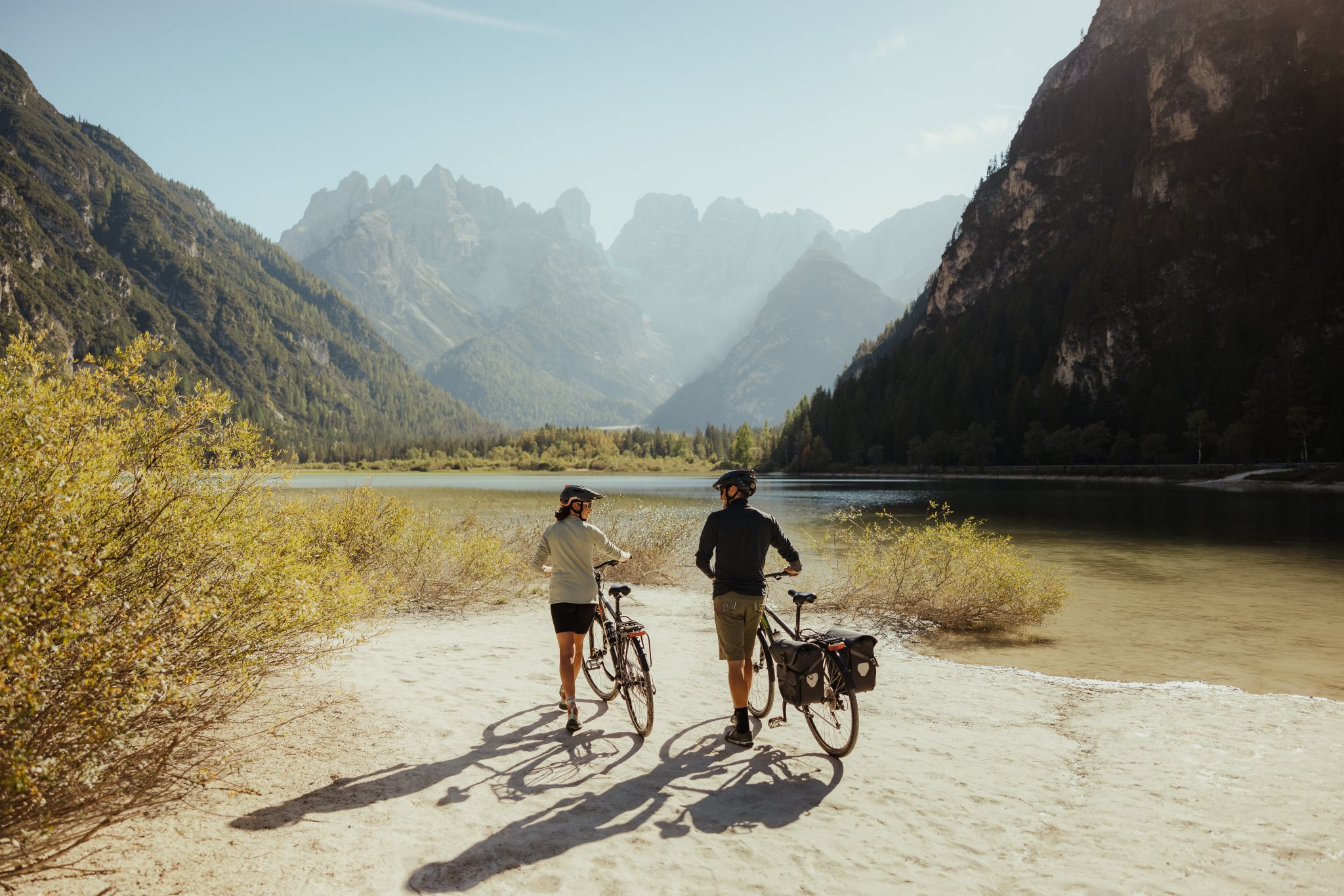
Wonderful bike Tours with views of the South Tyrolean Dolomites
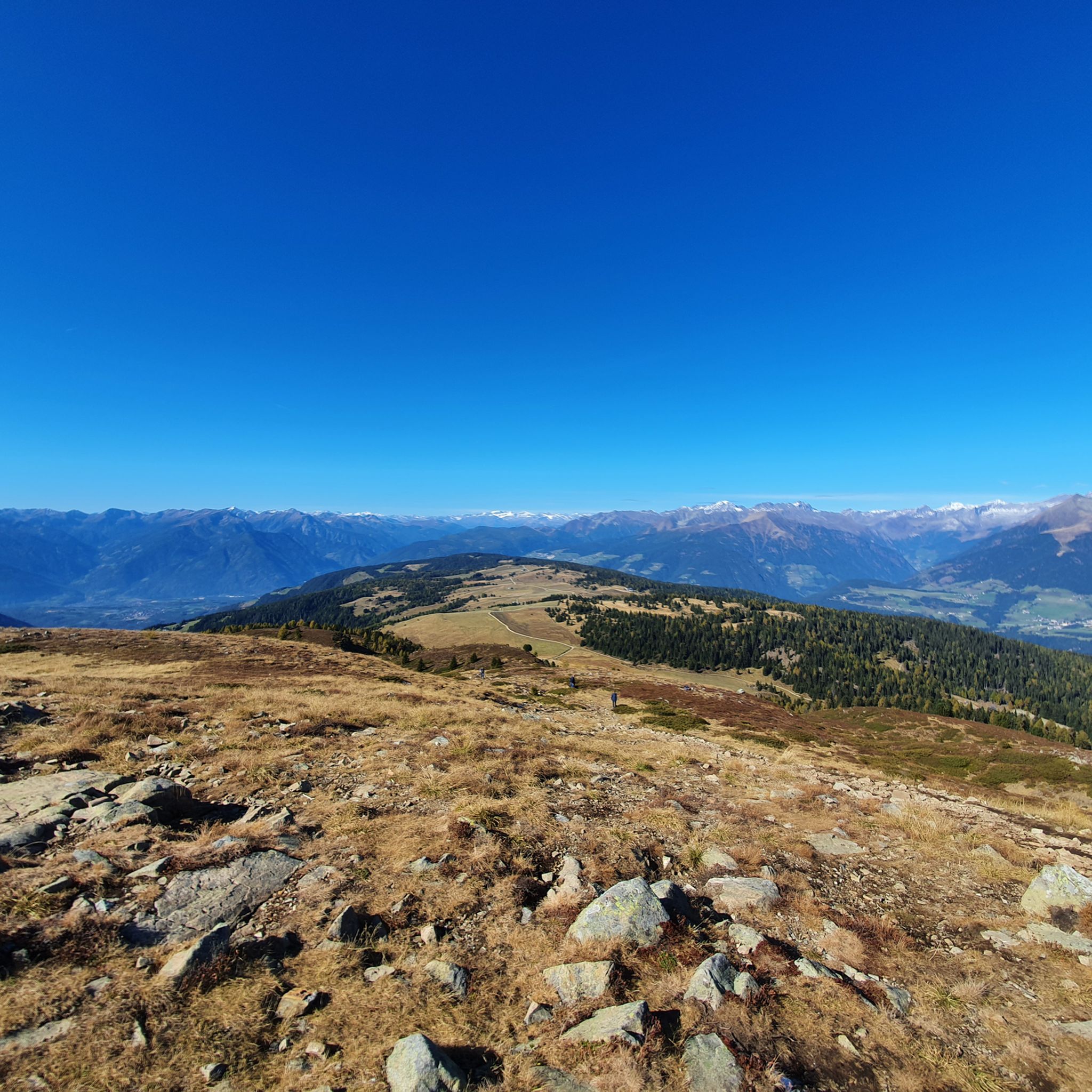
Hiking around St. Lorenzen - San Lorenzo Di Sebato
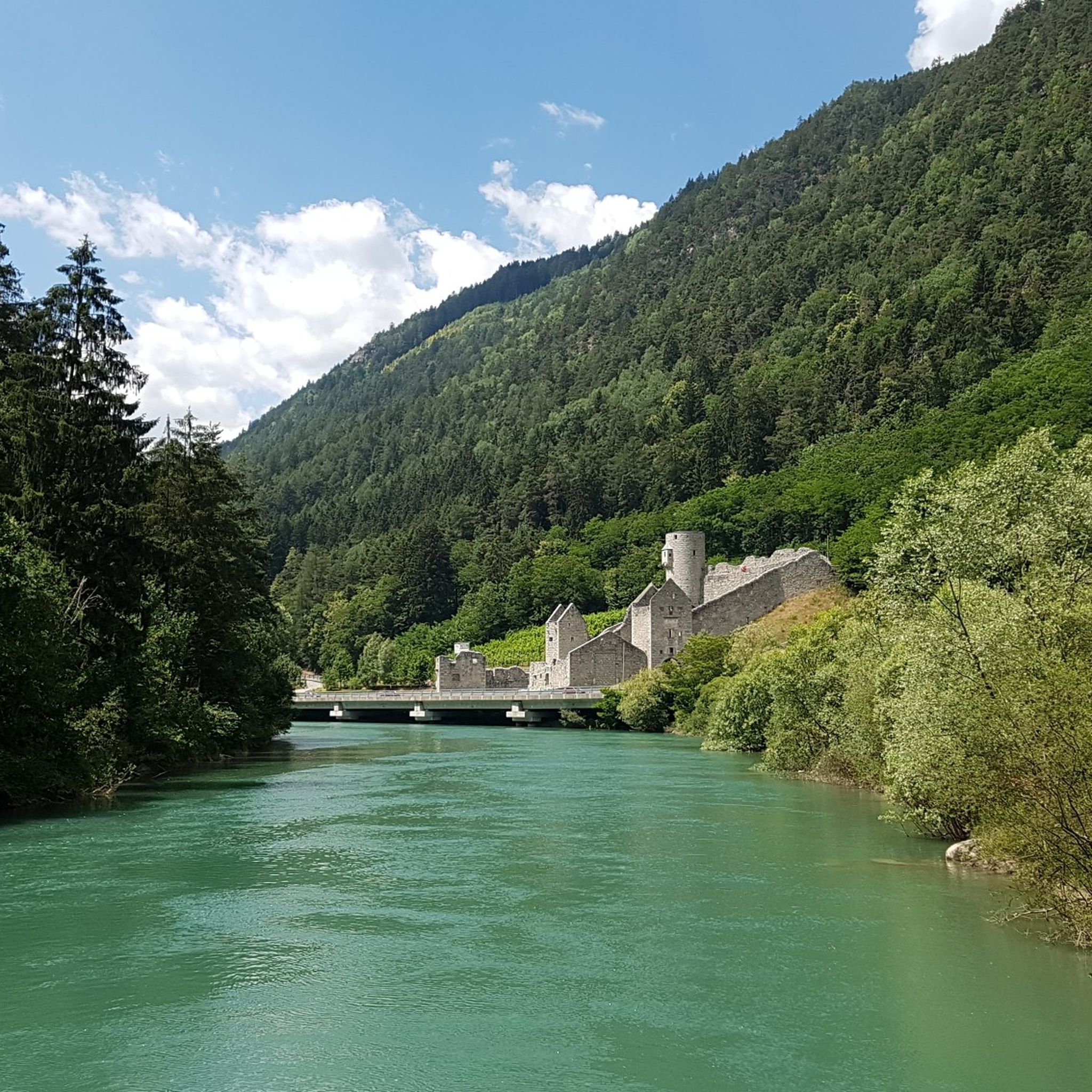
Cycling around St. Lorenzen - San Lorenzo Di Sebato
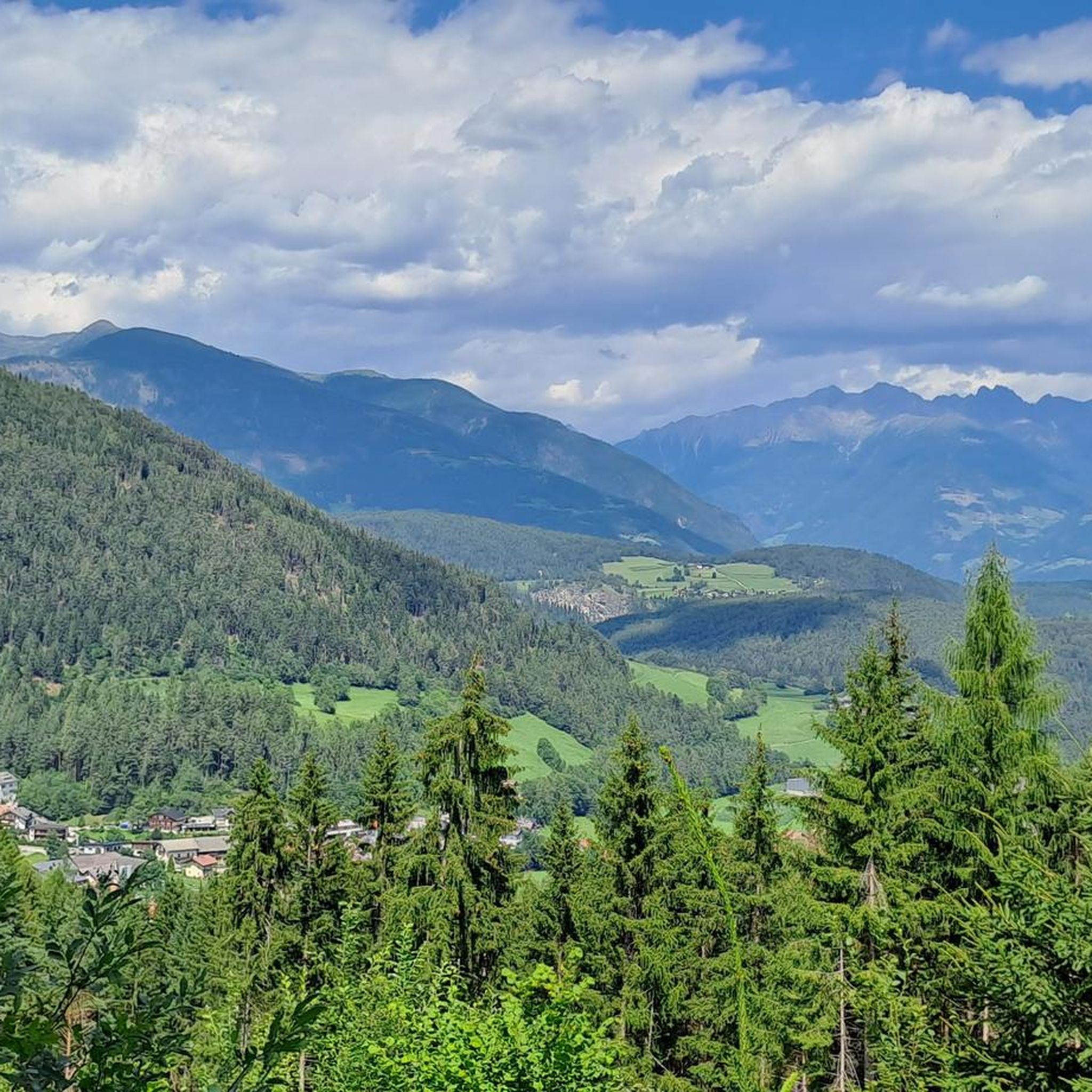
MTB Trails around St. Lorenzen - San Lorenzo Di Sebato
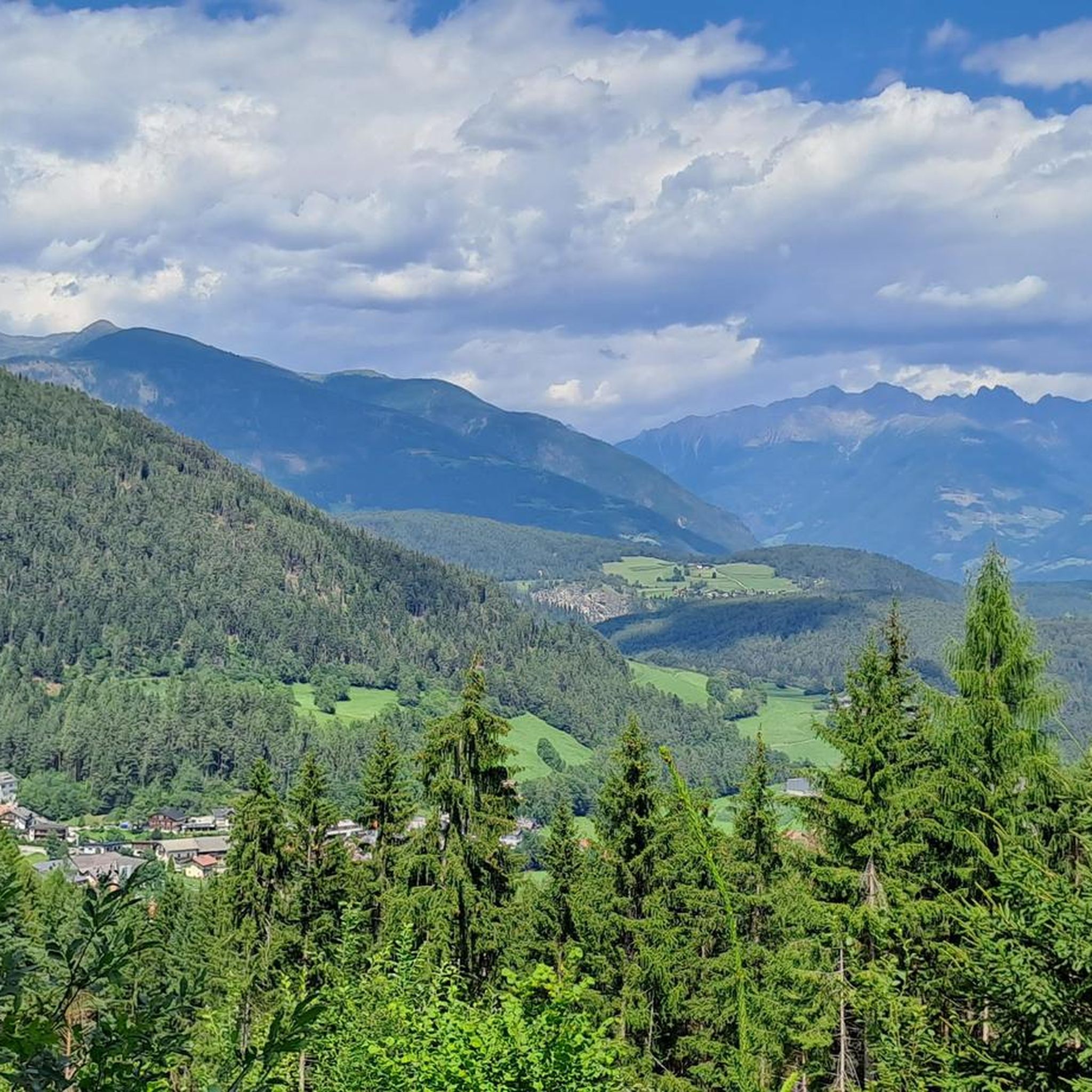
Road Cycling Routes around St. Lorenzen - San Lorenzo Di Sebato
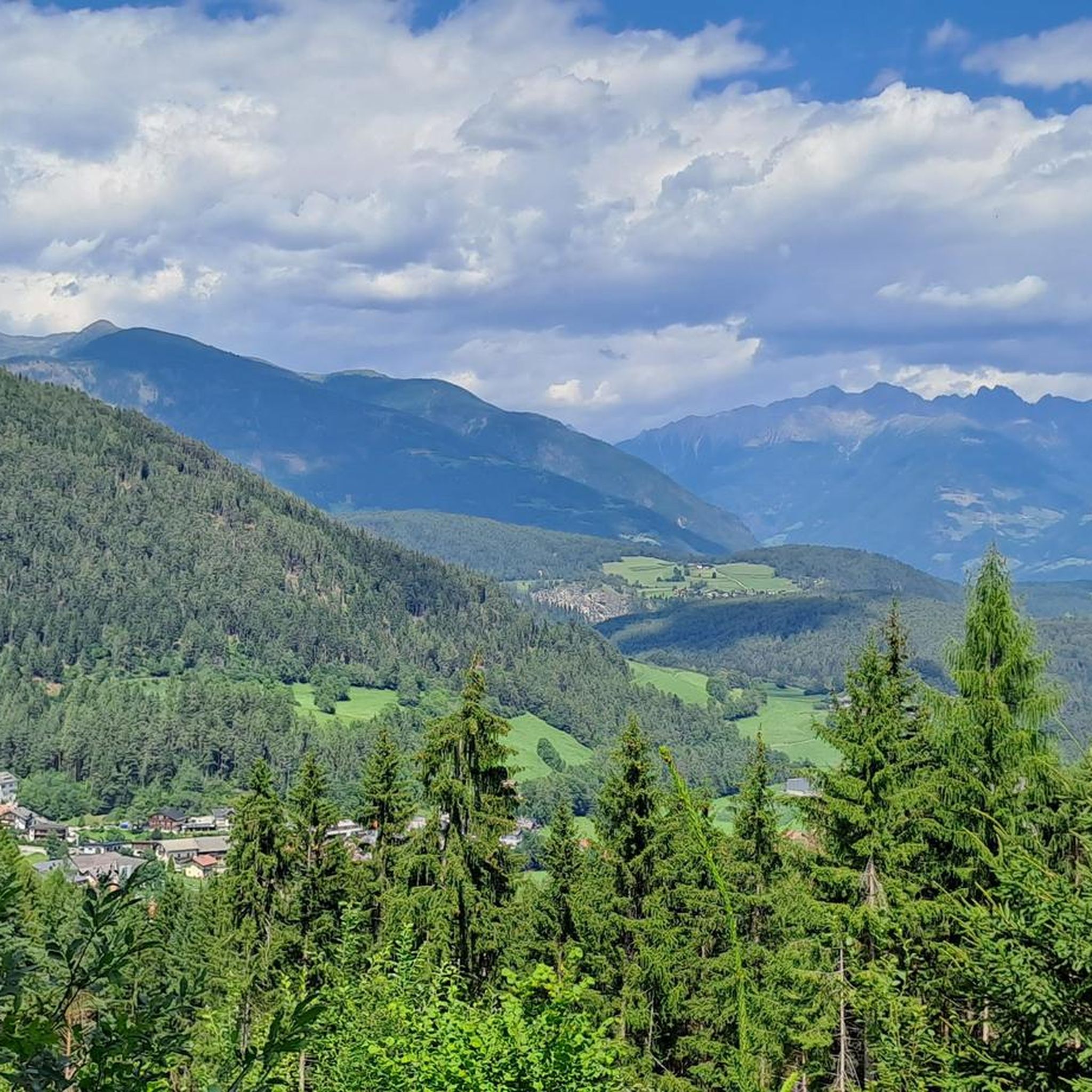
Running Trails around St. Lorenzen - San Lorenzo Di Sebato
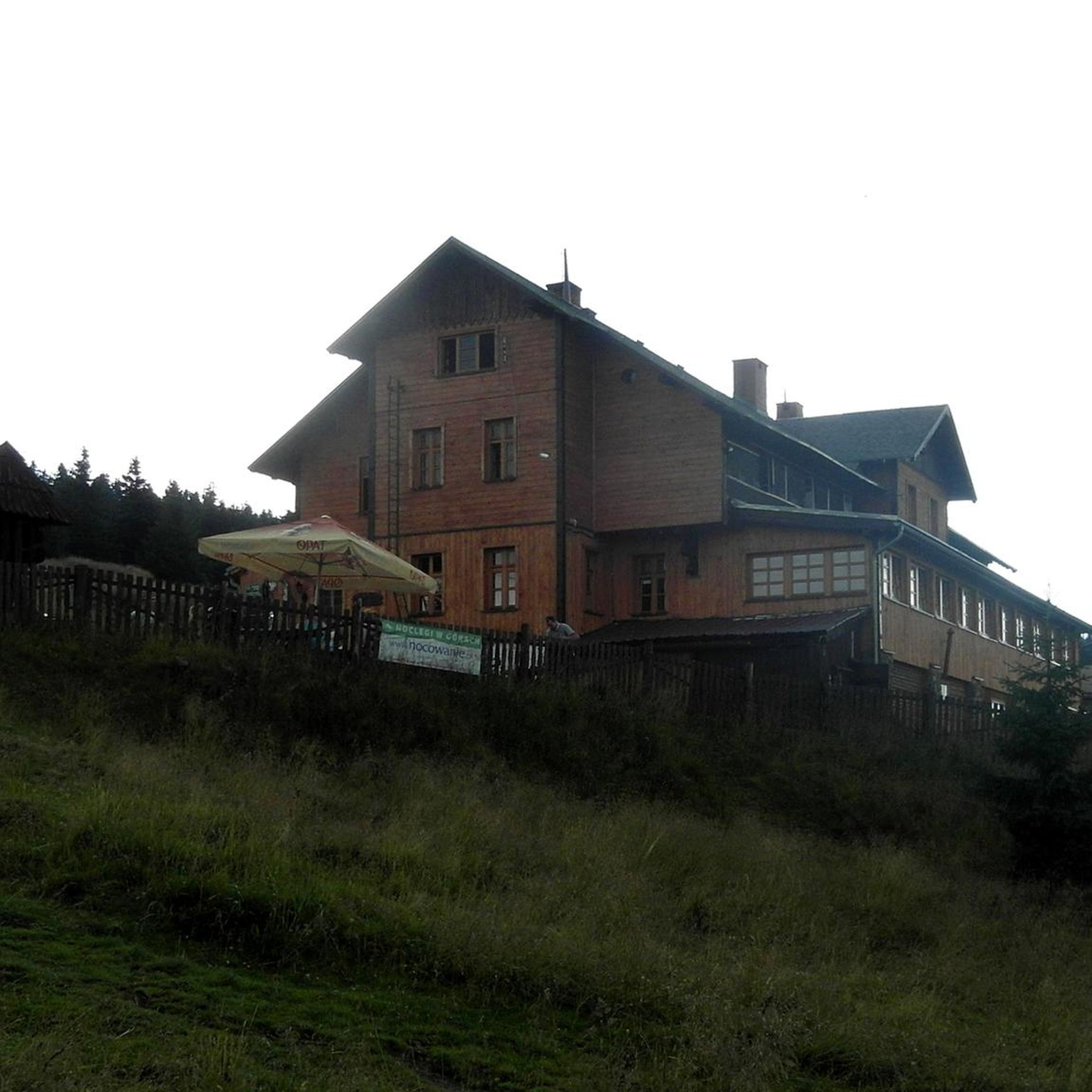
Gravel biking around St. Lorenzen - San Lorenzo Di Sebato
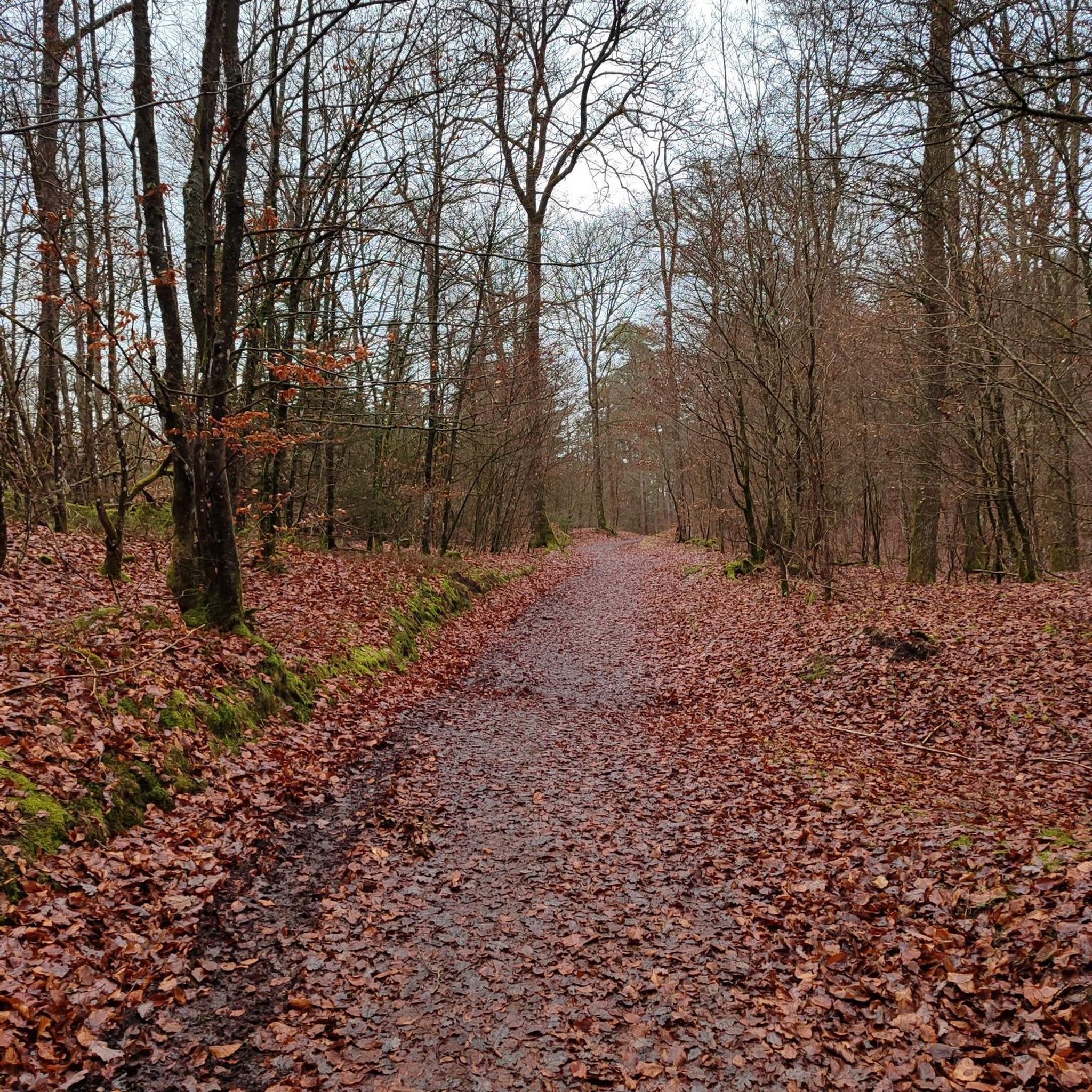
Mountain Hikes around St. Lorenzen - San Lorenzo Di Sebato
Other adventures around St. Lorenzen - San Lorenzo Di Sebato

Tips from the Community

The Rienz rises at the foot of the Three Peaks at an altitude of around 2200 m and flows into the Eisack near Brixen at an altitude of 565 m after around 80 kilometers of river. With a catchment area of over 2143 km², it drains the Pustertal and is thus the most important tributary of the Eisack. The highest elevation in its catchment area is at 3498 m (Dreiherrenspitz). The largest tributaries of the Rienz are the Pragser Bach, Gsieser Bach, Antholzer Bach, Ahr, Gader, Pfunderer Bach and Lüsner Bach.
4
0
With reasonably good lighting, you can easily get through.
5
0

These covered wooden bridges are always beautiful and impressive.
5
0

Great cycle paths with signage and a fantastic panorama.
5
0

The route is very close to optimal. You have to drive it several times to take in all the impressions.
4
0

From the bridge you have a nice view of the river and the valley.
5
1


Frequently Asked Questions
What historical landmarks can I explore in St. Lorenzen - San Lorenzo Di Sebato?
The region is rich in history. You can visit the Parish Church of Saint Lawrence, featuring a 13th-century tower and a work by Michael Pacher. Explore ancient castles like San Michele Castle (Michelsburg), one of the oldest in the Pusteria Valley, or Castel Badia (Sonnenburg), a former monastery with an interesting crypt. The Bruneck Old Town is also worth a detour for its historical center.
Are there any unique natural sights to see in the area?
Absolutely. A must-see natural spectacle is the Platten Earth Pyramids, bizarre, pyramid-shaped structures created by erosion. The region also features the Rienza River, which flows past San Lorenzo, and several beautiful waterfalls, particularly in the Fanes-Sennes-Prags Nature Park.
What cultural sites are worth visiting in St. Lorenzen - San Lorenzo Di Sebato?
For a deep dive into the past, visit the Mansio Sebatum Museum, the only museum in South Tyrol dedicated to the Roman era, showcasing local archaeological finds. The Pilgrimage Church of Maria Saalen (Sares), with its 17th-century 'Unserer Lieben Frau von Loreto' church and Black Madonna, is another significant cultural site.
Where can I find panoramic views of the region?
For breathtaking panoramic views, head to Kronplatz (Plan de Corones). At its summit, you'll find the Concordia 2000 Peace Bell, one of the largest in the Alps, offering stunning vistas. The Pusteria Valley Landscape itself provides scenic views from various points, especially from its surrounding mountains.
What outdoor activities are available near St. Lorenzen - San Lorenzo Di Sebato's attractions?
The region is excellent for outdoor enthusiasts. You can enjoy various activities like hiking, cycling, and even mountaineering. For detailed routes, explore guides such as Mountain Hikes around St. Lorenzen - San Lorenzo Di Sebato or Cycling around St. Lorenzen - San Lorenzo Di Sebato.
Are there cycling opportunities around the attractions?
Yes, the region is very cyclist-friendly. The Pusterbike Cycle Path runs through the Pusteria Valley and past San Lorenzo, offering scenic rides. You can also cycle across the Covered wooden bridge over the Rienz, which is part of the local cycle network. For more routes, check the Cycling around St. Lorenzen - San Lorenzo Di Sebato guide.
What winter activities can I do in St. Lorenzen - San Lorenzo Di Sebato?
During winter, St. Lorenzen is an ideal base for snow sports. It's close to the Plan de Corones ski paradise, offering over 100 kilometers of slopes. Beyond skiing, you can enjoy cross-country skiing, tobogganing, ice skating, and snowshoe hiking in the surrounding areas.
Are there family-friendly attractions in St. Lorenzen - San Lorenzo Di Sebato?
Many attractions are suitable for families. The Platten Earth Pyramids are a fascinating natural sight for all ages. The Legend Trail (Panoramaweg "Vivat Sebatum!") offers an engaging walk past ancient excavation sites with interesting stories. The village center also has a children's playground.
What is the best time of year to visit St. Lorenzen - San Lorenzo Di Sebato for sightseeing?
St. Lorenzen offers attractions year-round. For hiking and cycling, late spring to early autumn (May to October) provides pleasant weather. For winter sports and snowy landscapes, December to March is ideal. The natural beauty and historical sites can be enjoyed in any season.
Can I find places to eat or drink near the attractions?
Yes, you can. Near the Platten Earth Pyramids, there's Pyramidenkaffee, known for its homemade cakes. The village center of San Lorenzo also offers various shops, cafés, and restaurants where you can find refreshments and local delicacies.
What do visitors particularly enjoy about the attractions in St. Lorenzen - San Lorenzo Di Sebato?
Visitors frequently praise the unique geological formations of the Platten Earth Pyramids, often noting their impressive and ever-changing nature. The scenic cycle paths, including those crossing the Covered wooden bridge over the Rienz, are also highly appreciated for their fantastic panoramas and good signage.
Are there any trails that combine history and nature?
Yes, the Legend Trail (Panoramaweg "Vivat Sebatum!") is a perfect example. This panoramic path leads you past significant excavation sites from the Bronze, Iron, and Roman periods, all while offering beautiful views of the surrounding natural landscape. It's a great way to experience both the history and nature of the region.
Most popular routes around St. Lorenzen - San Lorenzo Di Sebato
Most popular attractions around St. Lorenzen - San Lorenzo Di Sebato

Get inspired with the komoot mobile app


Explore more
Still not found the Highlight you’re looking for? See guides of the top attractions in other regions:
