Attractions and Places To See around Pitigliano - Top 20
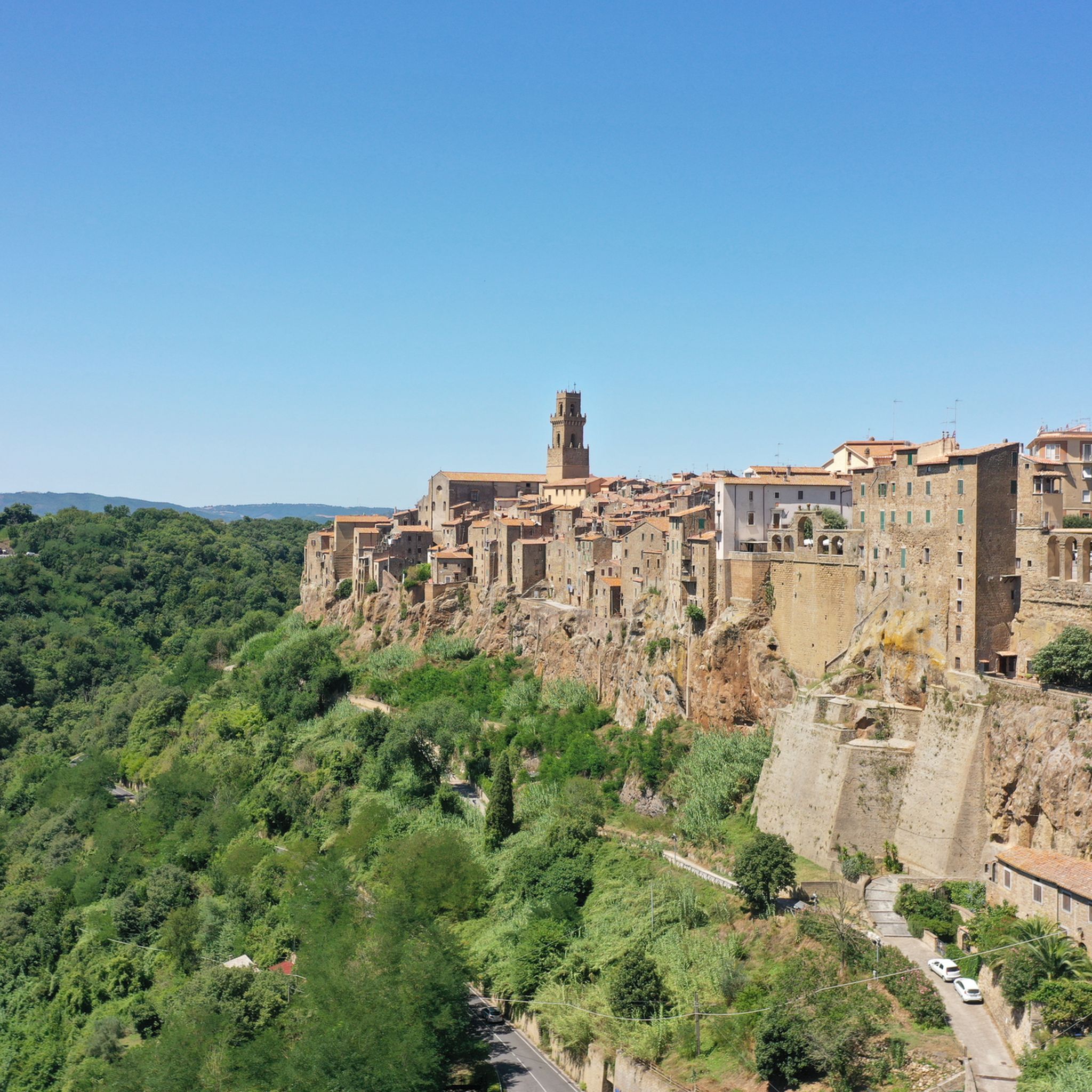
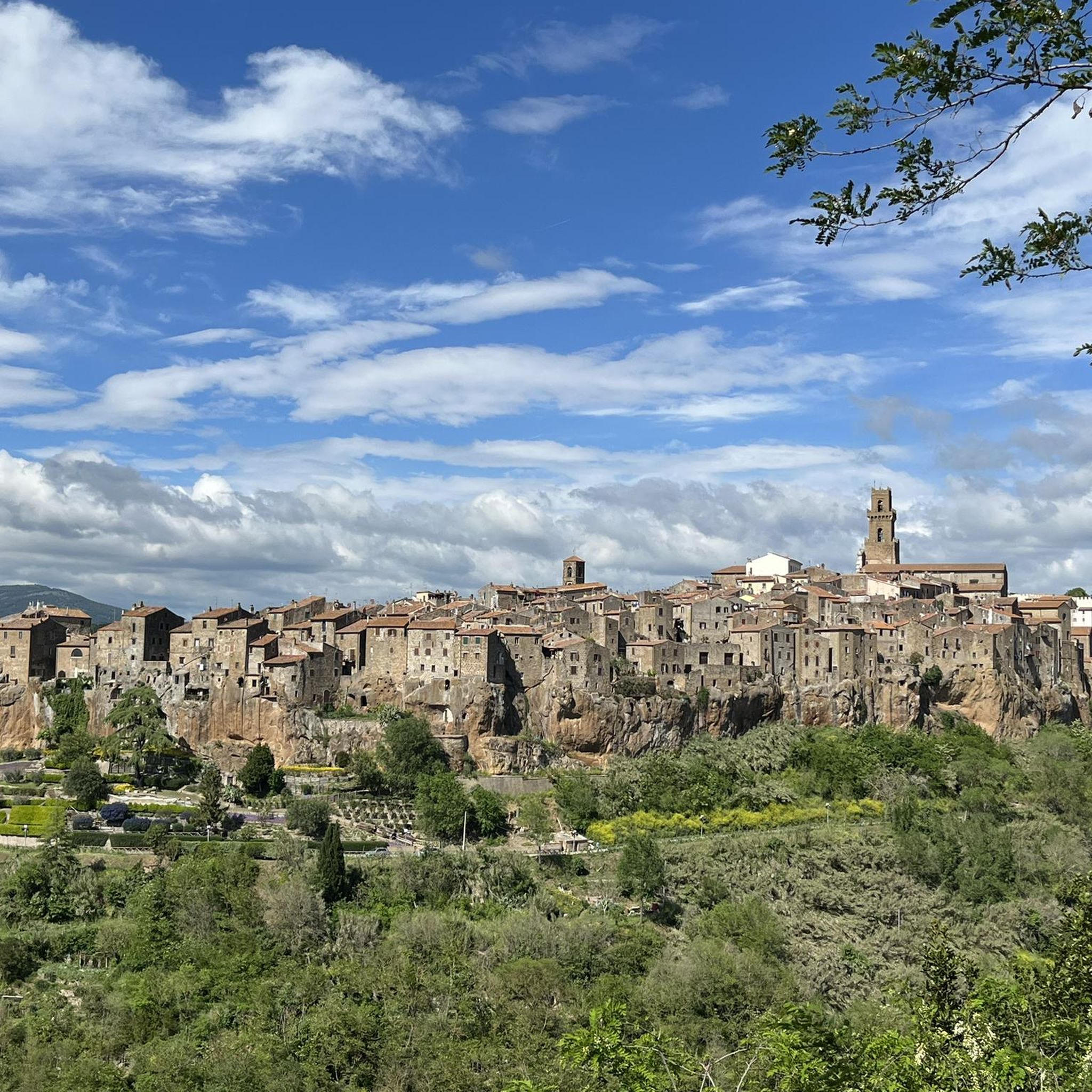
Best attractions and places to see around Pitigliano include a rich tapestry of historical, cultural, and natural sites. This captivating town, perched dramatically on a tuff cliff in southern Tuscany, is known for its unique skyline and Etruscan heritage. Often referred to as "Little Jerusalem," Pitigliano offers a blend of ancient history, medieval charm, and significant Jewish cultural sites. The surrounding landscape features green valleys and ancient rock-cut paths, providing diverse exploration opportunities.
Best attractions and places to see around…
Last updated: October 9, 2026
Pitigliano Historic Town
Highlight • Settlement
The hollow paths start already below the gate via Porta di Sovana.
Above the paths you have to follow the little traffic road for …
Translated by Google •
Tip by

Via Cava di San Giuseppe
Highlight (Segment) • Trail
Translated by Google •
Tip by

Sign up now to discover places like this
Get recommendations on the best single tracks, peaks, & plenty of other exciting outdoor places.
Cascate del Mulino Hot Springs
Highlight • Natural Monument
The water temperature is very pleasant, always worth a visit.
Translated by Google •
Tip by

Via Cava Madonna delle Grazie
Highlight • Gorge
Translated by Google •
Tip by

Sorano
Highlight • Settlement
Translated by Google •
Tip by

Sign up for free to discover even more attractions around Pitigliano.
Already have an account?
Start today with a free account
Your next adventure awaits.
Popular around Pitigliano



Tips from the Community

Sorano is a small medieval town built on tuff rocks in the province of Grosseto/Tuscany.
1
0
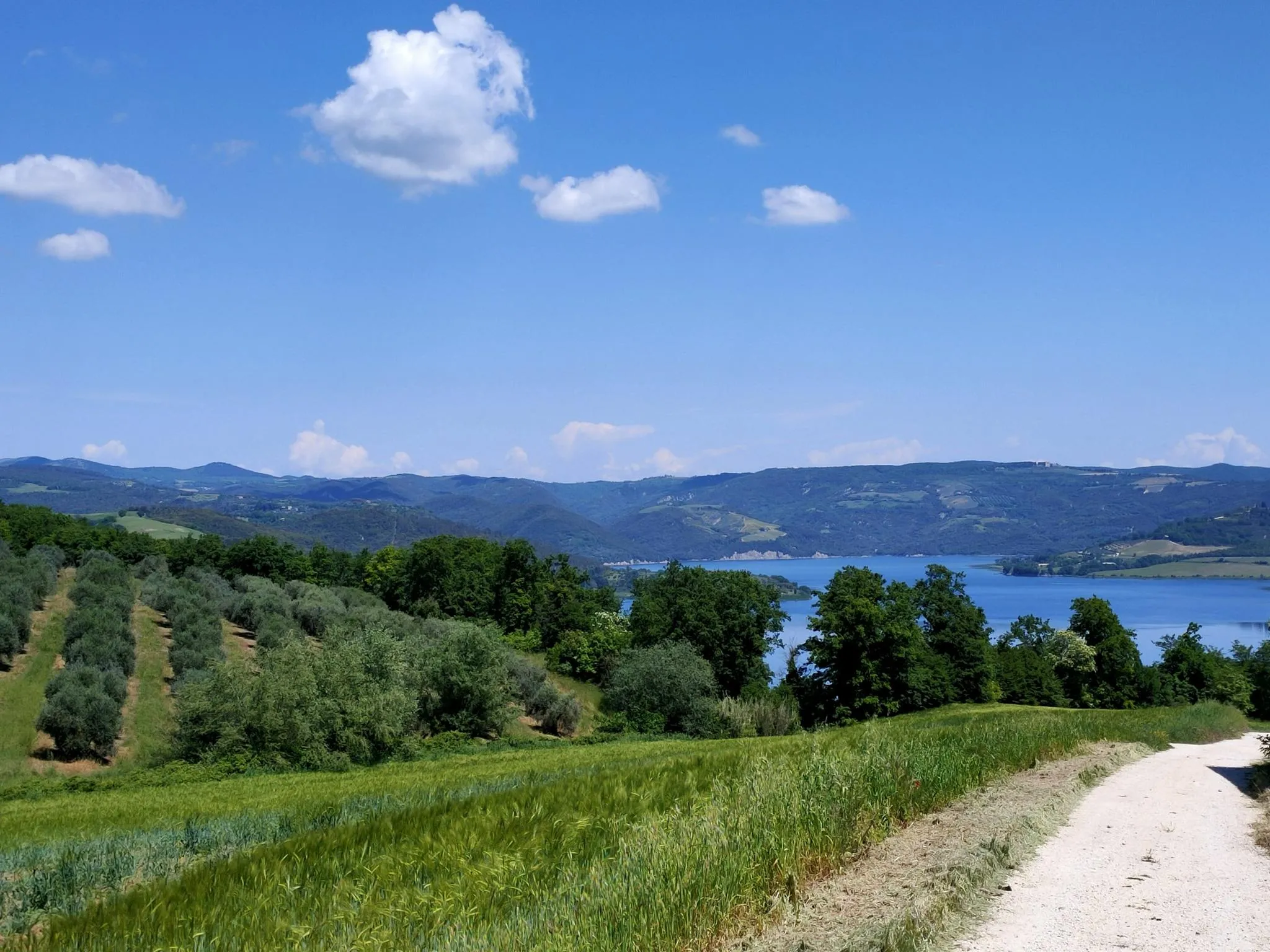
This natural thermal spa with its various pools is a truly special natural spectacle. A dream come true in the mornings or evenings. Reachable from the campervan site in just under 20 minutes on foot. Restaurants, showers, and restrooms are right next door.
2
0


If you don't want to be so crowded, you have to get up early. It's already packed by midday. We're not bed-leavers, so we drove past it and didn't come back until the evening. With the last rays of sun, there were fewer bathers and more peace and quiet for relaxation in the comfortably warm water with a view of the wonderful nature. Your nose gets used to the slight smell of sulphur very quickly. Don't miss it.😊
2
0

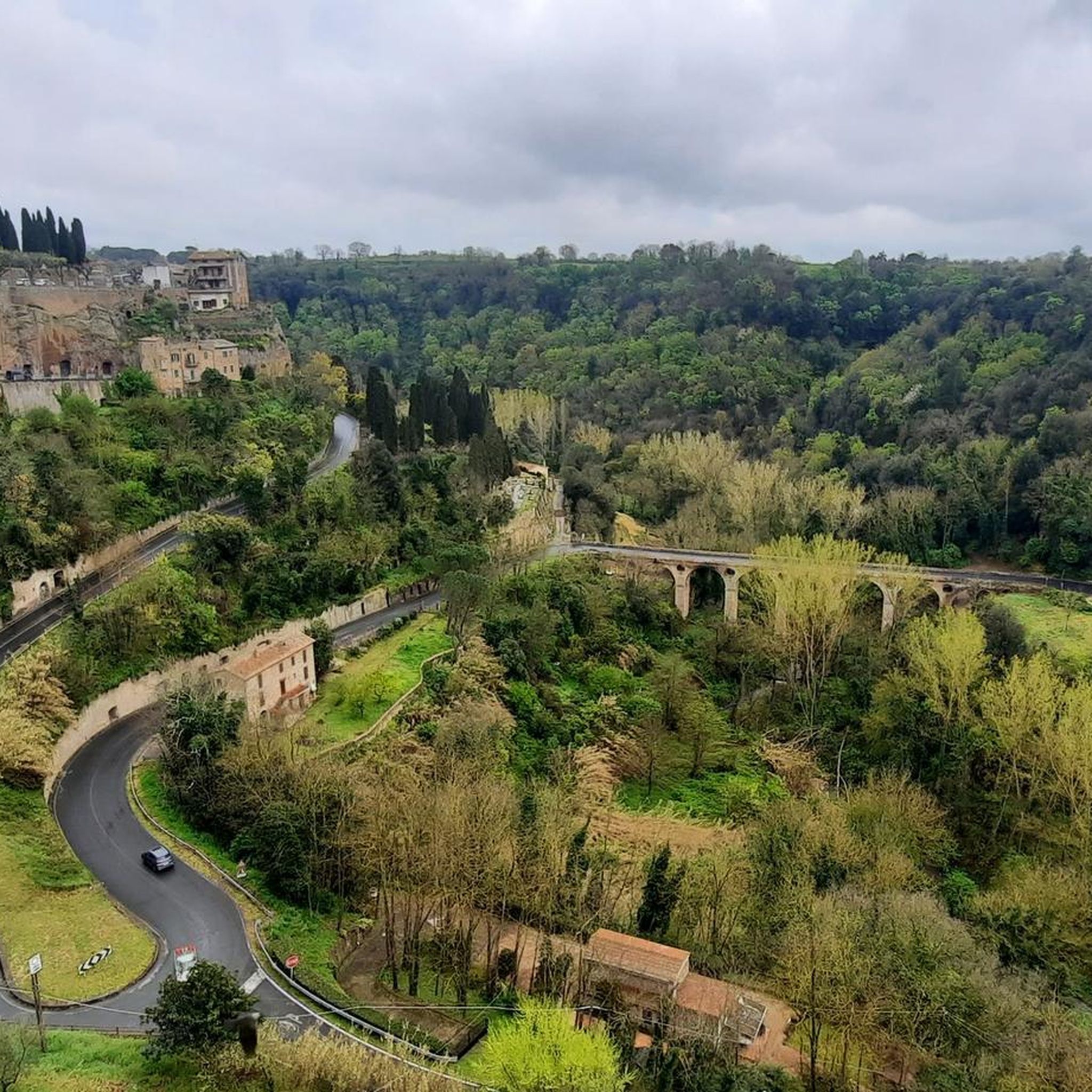
The Vie Cave, sometimes also called Cavoni, form a suggestive road system from the Etruscan era that connects various settlements and necropolises between Pitigliano, Sovana and Sorano. They mainly develop between steep tuff rock walls, some of which exceed twenty meters in height. In Roman times, these streets became part of a road network connected to the main trunk of the Via Clodia, an ancient road that connected Rome to Saturnia, passing through the city of Tuscania and branching off from the Via Cassia in Lazio. The Via Cava di San Giuseppe is one of the most evocative in the area, as well as the longest, leading up to Pitigliano. This street is associated with the traditional torchlight procession of San Giuseppe, which is held on March 19th. The link between ancient pagan rites and the dark atmosphere along the route, which still persists today, dates back to Christian times, when small niches with painted sacred images, known as "devil chasers", were dug to protect travellers.
4
1
Sorano is located in a suggestive mountainous region immersed in the richness of forests. The medieval village clings to a steep tuff rock called Masso Leopoldino, which dominates the valley of the Lente stream. The tower houses, the winding streets, the open spaces, the alleys and tunnels that intertwine in the heart of the rock give the neighborhood a unique charm. The panorama from the terrace on the top of the cliff offers exceptional views of Sorano, the volcanic gorges and the Lente valley. Over the centuries, Sorano has been the scene of disputes, sieges and wars, earning it the curious nickname of "Italy's match".
3
0

Parking lot for campers is about 1km north - who's interested ;o)
3
2
Frequently Asked Questions
What unique historical features can I explore in Pitigliano?
Pitigliano is rich in history, notably for its ancient Etruscan heritage and significant Jewish community. You can explore the fascinating Via Cava di San Giuseppe and Via Cava Madonna delle Grazie, which are ancient corridors carved into the tuff rock by the Etruscans. The town is also known as "Little Jerusalem" due to its historic Jewish Ghetto and Synagogue, offering a unique cultural experience.
Are there any natural attractions or viewpoints around Pitigliano?
Yes, Pitigliano's dramatic setting on a tuff cliff is a natural wonder itself, offering picturesque views. You can enjoy panoramic vistas of the town from the Church of the Madonna delle Grazie, located just outside the center. The surrounding landscape features green valleys carved by the Lente and Meleta rivers, providing beautiful scenery for exploration.
What kind of outdoor activities can I do near Pitigliano?
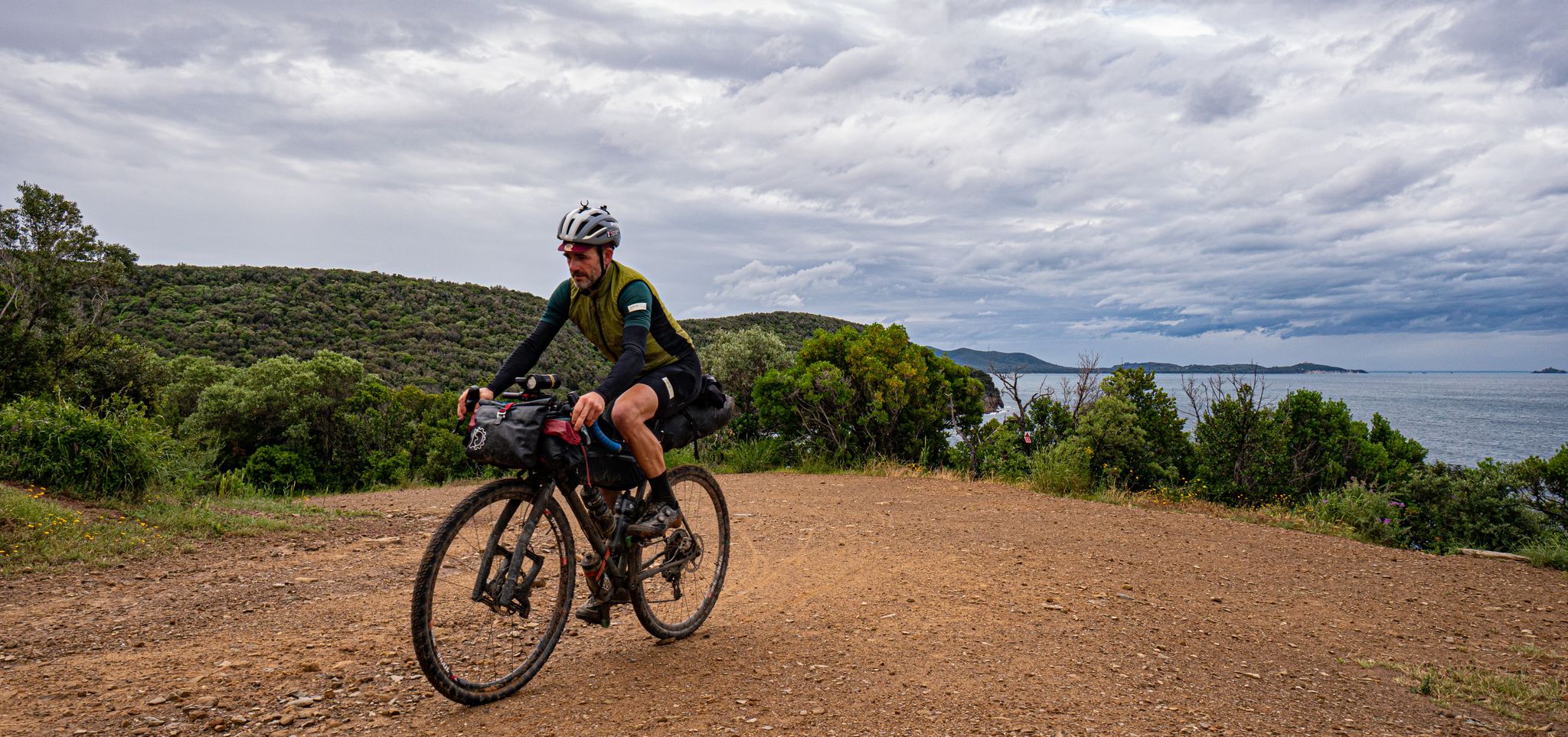
The area around Pitigliano is excellent for outdoor activities, especially hiking and running. You can explore the ancient Etruscan *vie cave* on foot. For more detailed routes, check out the Hiking around Pitigliano guide or the Running Trails around Pitigliano guide. Cycling is also popular, with routes like the 'Tour of the Tuff Towns' available in the Cycling around Pitigliano guide.
Are there any family-friendly attractions in Pitigliano?
Many attractions in Pitigliano are suitable for families. The Pitigliano Historic Town itself is wonderful for strolling through its car-free streets. Exploring the ancient *vie cave* like Via Cava di San Giuseppe can be an adventurous experience for older children. The A. Manzi Outdoor Archaeological Museum also offers an engaging way to learn about Etruscan history with real necropolises and models of ancient houses.
What is the best time of year to visit Pitigliano for outdoor activities?
The best time to visit Pitigliano for outdoor activities like hiking and exploring is generally during the spring (April-May) and autumn (September-October). The weather is milder and more pleasant for walking, and the landscapes are particularly beautiful. Summers can be quite hot, while winters are cooler but still offer opportunities for exploration.
Can I visit other interesting towns or sites as a day trip from Pitigliano?
Absolutely. Pitigliano is ideally located for exploring other unique towns in the 'Tuff Area.' The nearby town of Sorano, often called "the Matera of Tuscany," is another medieval village perched on a tuff cliff, offering a similar historical charm. Sovana is also close by and worth a visit for its Etruscan tombs and Romanesque cathedral.
Where can I find thermal springs near Pitigliano?
While not directly in Pitigliano, the famous hot sulfur springs of Saturnia, known as Cascate del Mulino Hot Springs, are approximately 20-30 minutes away. These natural thermal pools offer a fantastic spot for relaxation and are a popular day trip destination from Pitigliano.
What are the main historical buildings to see within Pitigliano's town center?
Within Pitigliano's historic center, you can visit the impressive Orsini Palace (Palazzo Orsini), which houses two museums: the Diocesan Museum of Sacred Art and the Archaeological Museum of Pitigliano. The Cathedral of Saints Peter and Paul (Duomo di Pitigliano) showcases a mix of architectural styles, and the Medici Aqueduct is an imposing 17th-century engineering feat with 15 visible arches.
What do visitors enjoy most about exploring Pitigliano?
Visitors particularly enjoy the unique atmosphere of Pitigliano. Many highlight the experience of simply wandering through the car-free, labyrinthine streets and alleys of the Pitigliano Historic Town, soaking in the medieval charm and discovering hidden corners. The dramatic views of the town from various vantage points and the impressive Etruscan *vie cave* are also frequently praised.
Are there any easy walking routes or short hikes suitable for all abilities near Pitigliano?
Yes, there are options for easier walks. While some *vie cave* can be steep, many sections offer relatively flat paths. The Hiking around Pitigliano guide includes routes like the 'Historic center of Pitigliano — Ring tour,' which is an easy 3.8 km loop, perfect for a leisurely exploration of the town's immediate surroundings.
Is Pitigliano accessible by public transport, and where can I park?
Pitigliano is primarily accessed by car, and parking is available outside the historic center. While there are some local bus services connecting to larger towns, exploring the region often benefits from having your own vehicle. Specific parking information can usually be found on local tourism websites upon arrival.
What is the significance of Pitigliano being called 'Little Jerusalem'?
Pitigliano earned the nickname 'Little Jerusalem' due to its long-standing and significant Jewish community. For centuries, the town provided a safe haven for Jews, leading to the establishment of a vibrant Jewish Ghetto, a historic Synagogue (dating back to 1598), and a Jewish Museum. This heritage is a crucial part of Pitigliano's cultural identity.
Most popular attractions around Pitigliano

Get inspired with the komoot mobile app


Explore more
Still not found the Highlight you’re looking for? See guides of the top attractions in other regions:
