The best running trails around Spoleto
4.5
(19)
1,109
runners
100
runs
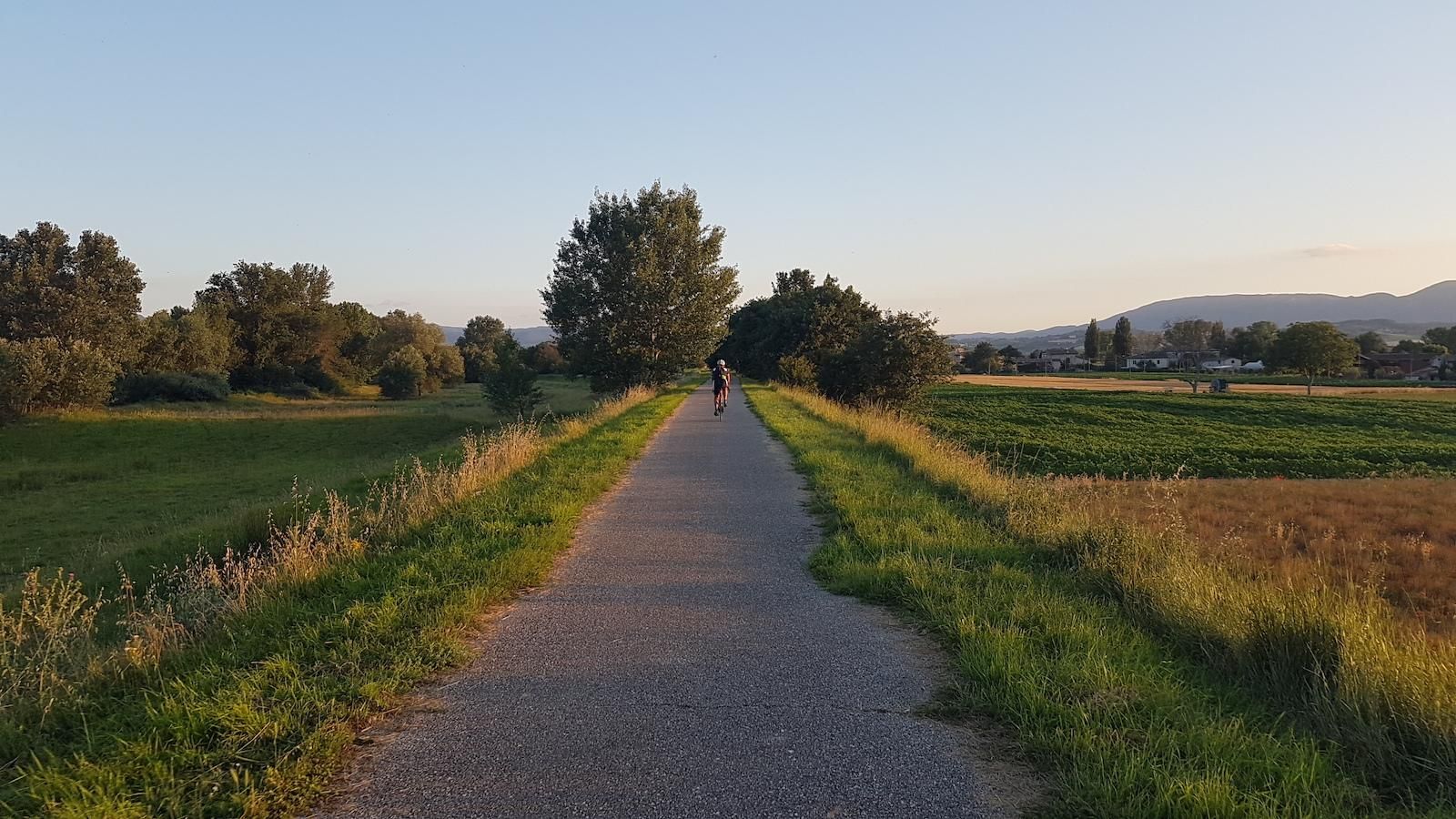
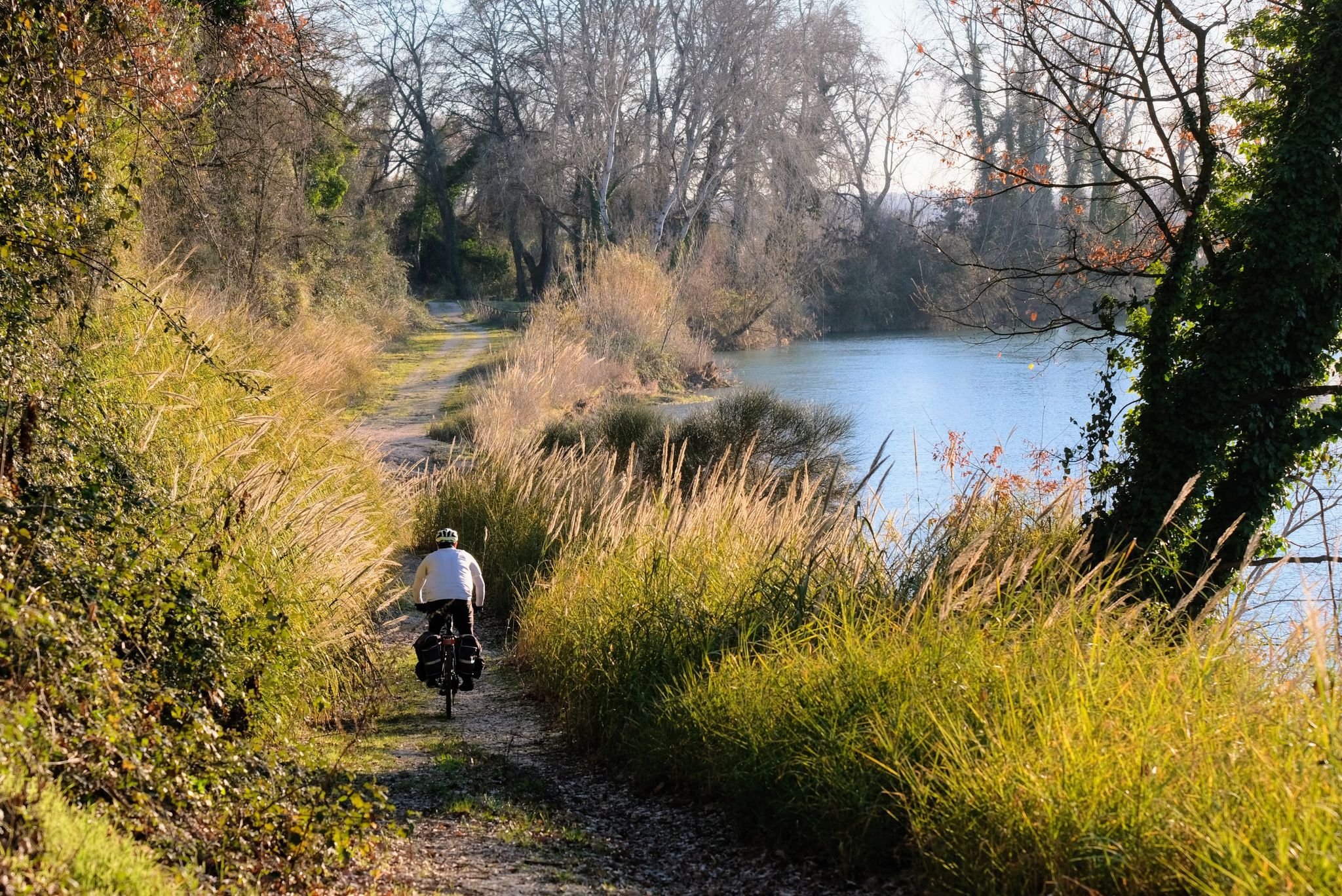
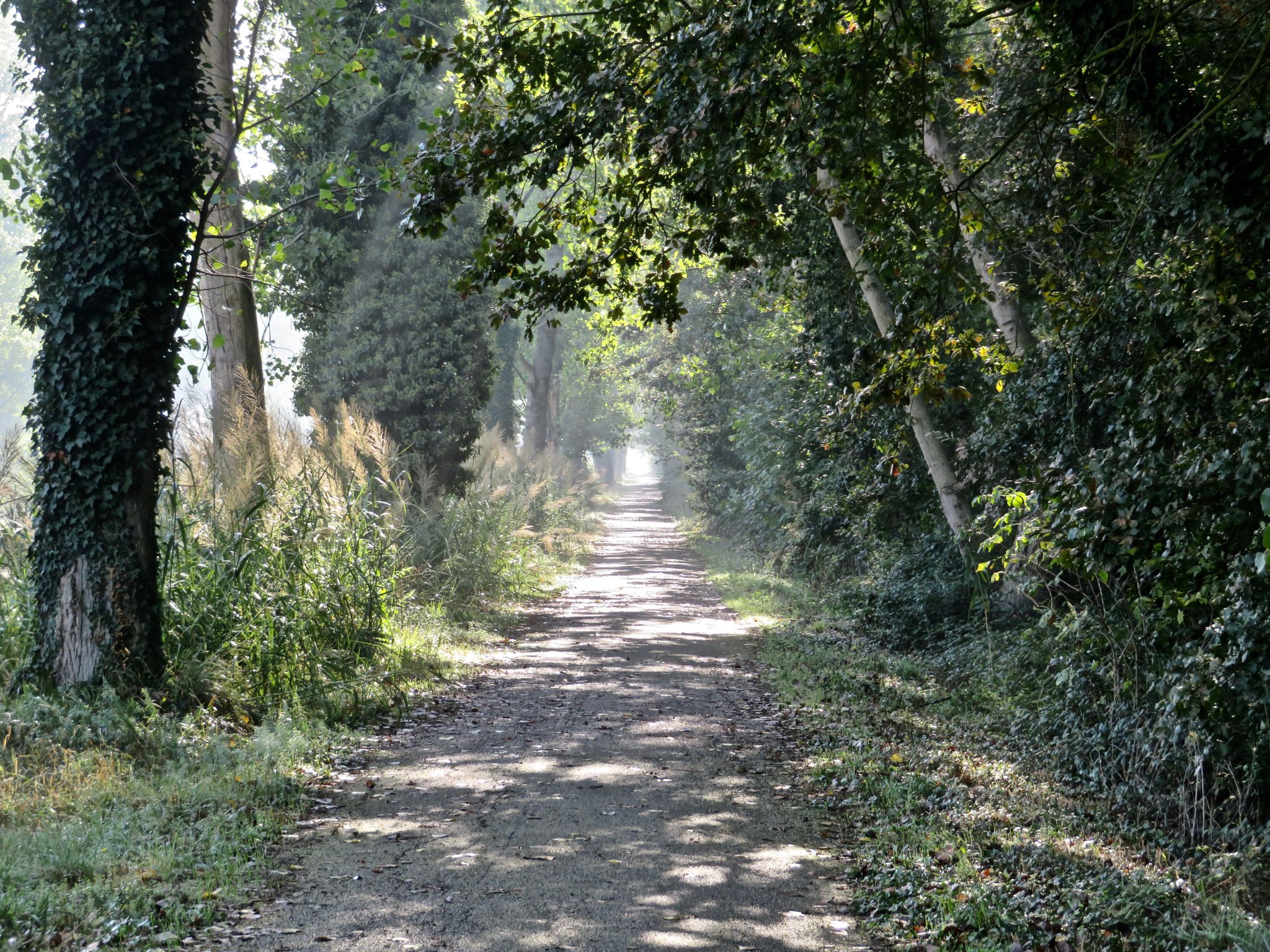
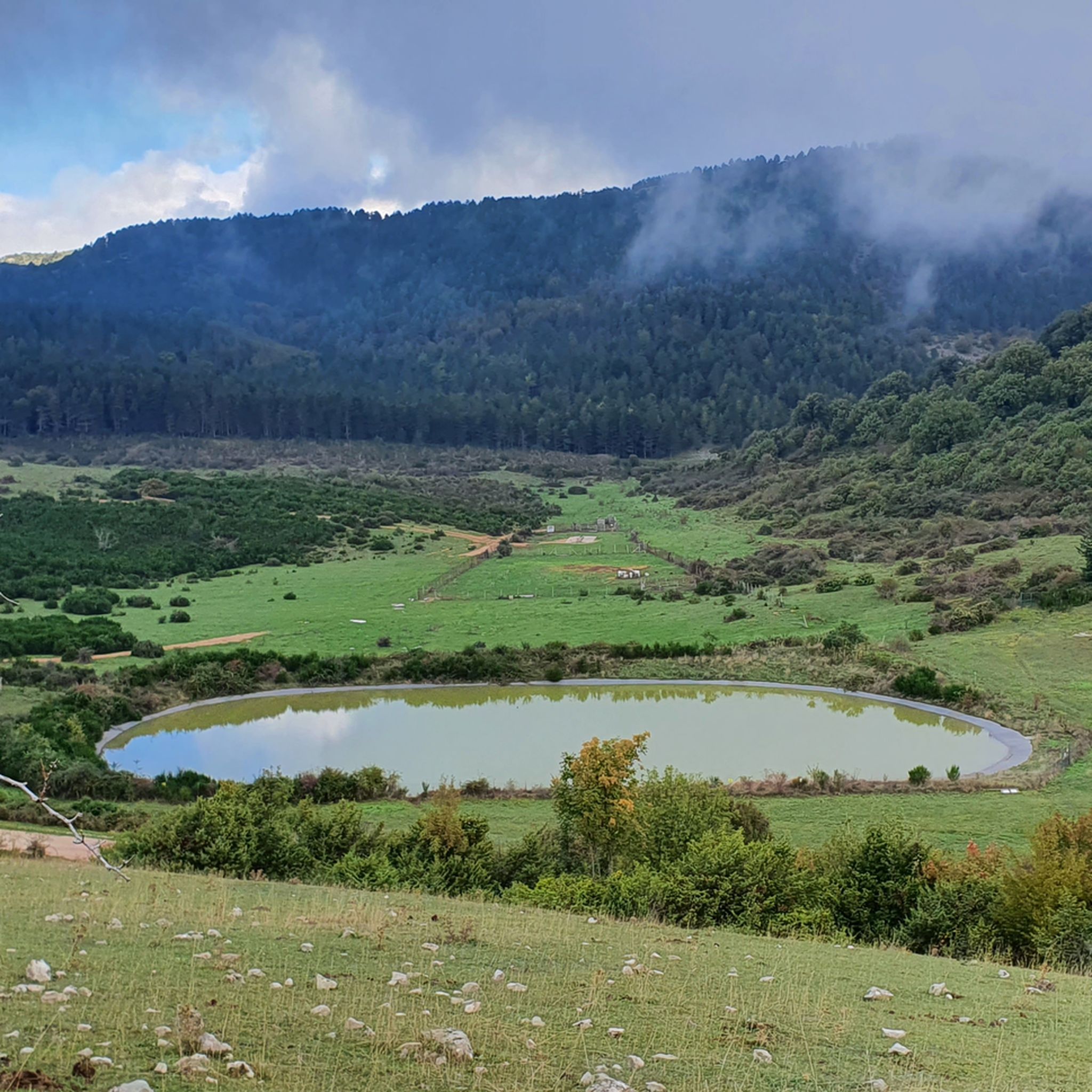
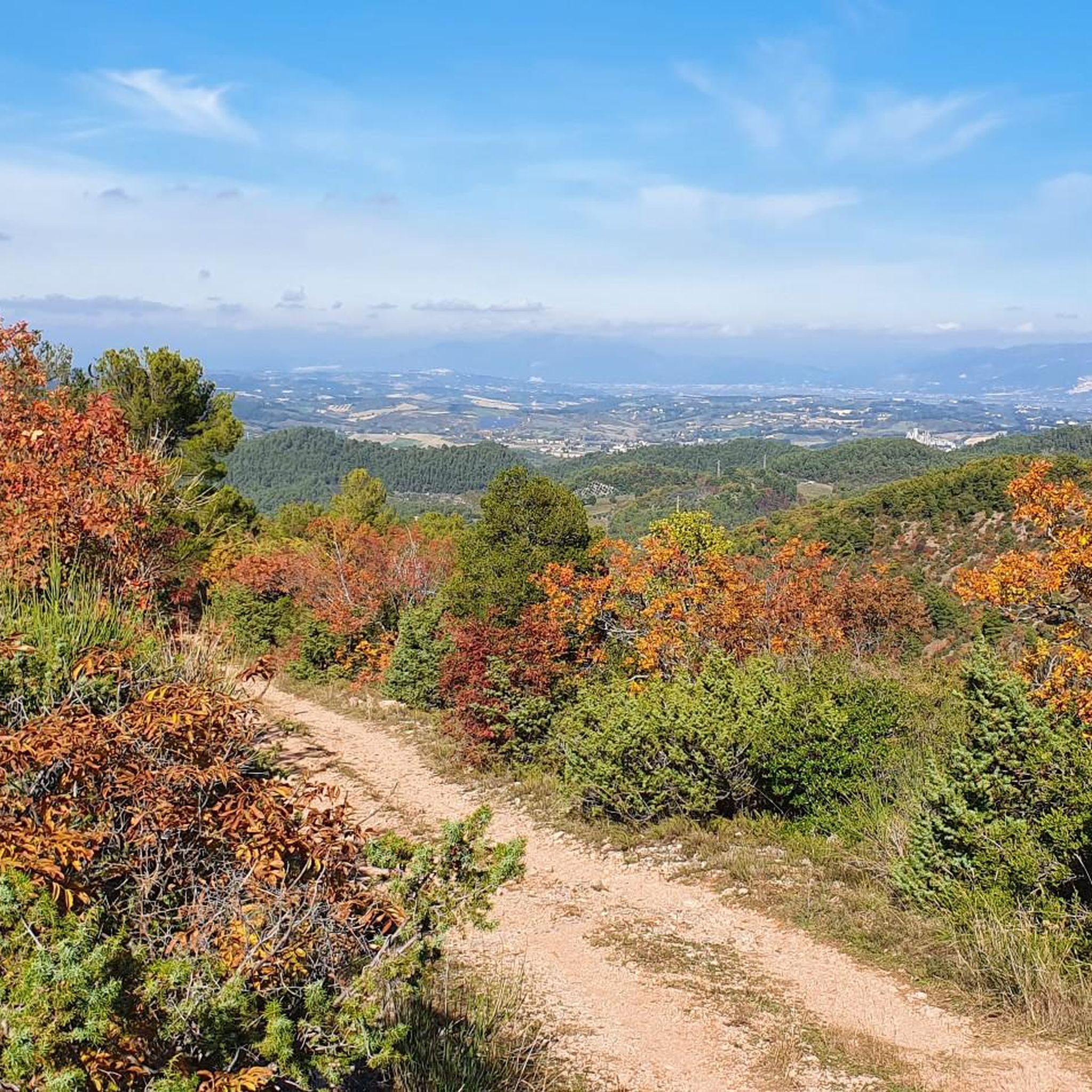
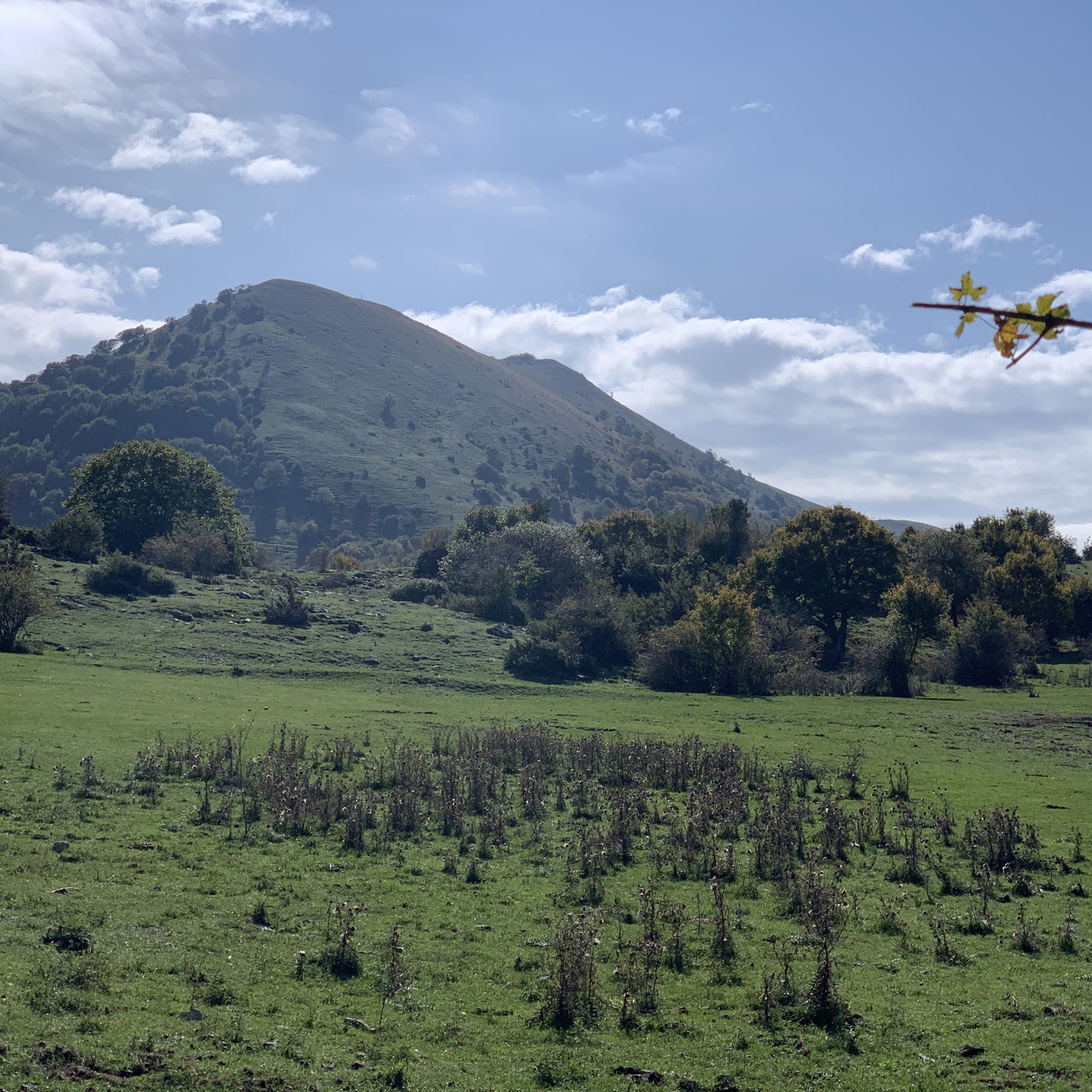
Jogging around Spoleto offers diverse terrain, from the rolling hills of the Umbrian countryside to the challenging slopes of Monteluco. The region is characterized by lush woodlands and historic features, providing varied elevations for different fitness levels. Relatively flat routes can be found along former railway lines, while paths through the historic city center offer a cultural running experience. This blend of natural landscapes and historical sites makes Spoleto a compelling destination for running.
Best jogging routes around Spoleto
- The most popular jogging route is Montemartano - ring tour - Site of Community Importance - Monte Il Cerchio, an 8.3 miles (13.4 km) trail that takes 2 hours 9 minutes to complete. This difficult route features significant elevation gain through natural landscapes.
- Another top favourite among local runners is Running loop from Spoleto, a difficult 10.9 miles (17.5 km) path. This route offers a substantial distance with varied terrain around the town.
- Local runners also love the Monteluco di Spoleto loop from Spoleto, a 22.6 miles (36.4 km) trail leading through the Monteluco mountain area, often completed in about 4 hours 59 minutes.
- Jogging around Spoleto is defined by the Umbrian countryside, the Monteluco mountain area, and historic city center paths. The network offers options for different ability levels, from moderate loops to challenging long-distance trails.
- The routes in Spoleto are highly rated by the komoot community with an average score of 4.5 stars from over 9 reviews. More than 600 runners have used komoot to explore Spoleto's varied terrain.
Last updated: August 17, 2026
1
runners
Hard run. Very good fitness required. Sure-footedness, sturdy shoes and alpine experience required.
5.0
(3)
124
runners
17.6km
02:03
420m
420m
Hard run. Very good fitness required. Mostly accessible paths. Some sure footedness required.

Sign up for free
4.5
(2)
75
runners
41.6km
05:32
1,580m
1,580m
Hard run. Very good fitness required. Mostly accessible paths. Some sure footedness required.
5.0
(1)
49
runners
10.3km
01:06
30m
30m
Moderate run. Good fitness required. Mostly paved surfaces. Suitable for all skill levels.
5.0
(1)
44
runners
8.60km
00:57
180m
180m
Moderate run. Good fitness required. Mostly paved surfaces. Suitable for all skill levels.
Get access to more routes and recommendations from other explorers.
Sign up for free
Already have an account?
Our route recommendations are based on thousands of hikes, rides, and runs completed by other people on komoot.
Start today with a free account
Your next adventure awaits.
Login or Signup



Tips from the Community

Tunnel completely closed in July 2026
2
0

The Roman Theater of Spoleto is one of the most important Roman monuments in the city and represents a significant testimony to the cultural life of ancient Spoletium. It was built in the 1st century BC, in an area near the forum, according to the architectural models of classical Roman theater. The cavea, built against the natural slope of Sant'Elia Hill, was divided into sectors and could accommodate several thousand spectators. Opposite were the orchestra and the monumental stage, originally decorated with columns, niches, and statues, which served as a backdrop for theatrical and musical performances. The building was constructed of masonry and clad in local stone, with technical solutions that ensured good acoustics. After the end of the Roman era, the theater was gradually abandoned and was partially incorporated into medieval buildings. The area was restored in the 20th century, restoring the structure's visibility and highlighting its archaeological importance. Today, the Roman Theatre is part of the National Archaeological Museum of Spoleto and continues to serve a cultural purpose, hosting events and performances that renew the city's connection to its thousand-year-old theatrical tradition.
0
0

The former tunnel is very long and completely dark. Bring a flashlight and a sweatshirt. Some bats sleep inside.
1
0


Chiesa di San Filippo Neri, Spoleto The beautiful Church of San Filippo Neri stands near Piazza Mentana and was built starting in 1640 by two wealthy citizens of Spoleto who lived in Rome: Ugo Alberici and Loreto Vittori. The design of the building was entrusted to Loreto Scelli and was finally completed in 1671 with the construction of the dome. It was not consecrated until 1724. The Church of San Filippo Neri in Spoleto has the forms and architectural features of 17th-century Roman churches, with an elegant travertine façade decorated with pilasters and a beautiful tympanum. The interior is divided into three naves separated by pillars and a large transept surmounted by the dome. Inside the sacristy is a marble bust of Saint Philip Neri, a work by the sculptor Alessandro Algardi (1650). The side chapels contain altars from the 17th and 18th centuries, while the walls are decorated with 18th-century paintings by artists such as Gaetano Lapis, Sebastiano Conca, Pietro Labruzzi, and the Spoleto painter Francesco Refini. Text T Source: Exploring Umbria srl, https://www.exploring-umbria.com/scopri-spoleto/cosa-vedere-a-spoleto/chiesa-di-san-filippo-neri-a-spoleto/
15
0
Chiesa di San Filippo Neri, Spoleto The beautiful Church of San Filippo Neri stands near Piazza Mentana and was built starting in 1640 by two wealthy citizens of Spoleto who lived in Rome: Ugo Alberici and Loreto Vittori. The design of the building was entrusted to Loreto Scelli and was finally completed in 1671 with the construction of the dome. It was not consecrated until 1724. The Church of San Filippo Neri in Spoleto has the forms and architectural features of 17th-century Roman churches, with an elegant travertine façade decorated with pilasters and a beautiful tympanum. The interior is divided into three naves separated by pillars and a large transept surmounted by the dome. Inside the sacristy is a marble bust of Saint Philip Neri, a work by the sculptor Alessandro Algardi (1650). The side chapels contain altars from the 17th and 18th centuries, while the walls are decorated with 18th-century paintings by artists such as Gaetano Lapis, Sebastiano Conca, Pietro Labruzzi, and the Spoleto painter Francesco Refini. Text T Source: Exploring Umbria srl, https://www.exploring-umbria.com/scopri-spoleto/cosa-vedere-a-spoleto/chiesa-di-san-filippo-neri-a-spoleto/
15
0

Beautiful ride, between viaducts with breathtaking views and truly suggestive tunnels... to do at least once... also suitable for small bikers
0
0

Frequently Asked Questions
How many running routes are available in Spoleto?
Spoleto offers a wide variety of running routes, with over 70 different trails to explore. These range from easy paths to very challenging runs, catering to all fitness levels.
What kind of terrain can I expect on Spoleto's running trails?
You'll find diverse terrain, from the rolling hills of the Umbrian countryside and lush woodlands to the more challenging slopes of the Monteluco mountain area. There are also relatively flat sections along former railway lines and cultural runs through the historic city center.
Are there options for beginners or easy running routes in Spoleto?
Yes, Spoleto has a few easy running routes. For a moderate option that's not too strenuous, consider the Cortaccione Viaduct – Spoleto–Norcia Railway Station loop from Spoleto, which covers about 8.7 km with manageable elevation changes.
What about challenging trails for experienced runners?
For experienced runners seeking a challenge, Spoleto offers numerous difficult trails. The Monteluco di Spoleto loop from Spoleto is a substantial 36.4 km route with significant elevation gain through the Monteluco mountain area, perfect for an intense workout.
Can I combine my run with sightseeing in Spoleto?
Absolutely! Spoleto's historic center offers a 2.8 km loop that allows you to jog past iconic squares and monuments like Piazza del Duomo. You can also incorporate runs that feature the impressive Rocca Albornoziana and the spectacular Ponte delle Torri, offering breathtaking views.
Are there any historical landmarks I can see while jogging?
Yes, many routes pass by historical sites. The Rocca Albornoziana, a majestic fortress, and the ancient Ponte delle Torri are prominent features. You can also explore routes that take you through the medieval city center, offering glimpses of ancient city walls and historic architecture.
Are the running routes in Spoleto suitable for families?
While many routes involve varied terrain and elevation, families looking for a less strenuous experience might enjoy sections of the former railway line from Spoleto to Norcia, which offers a relatively flat and extended path through picturesque landscapes. Always check the difficulty and distance of a specific route to ensure it's suitable for your family.
Can I bring my dog on the running trails in Spoleto?
Many natural trails in the Umbrian countryside and Monteluco area are generally dog-friendly. However, it's always advisable to check local regulations or specific route details on komoot for any restrictions, especially in protected areas or within the historic city center.
Are there any circular running routes around Spoleto?
Yes, many of Spoleto's running routes are circular, allowing you to start and end in the same location. An example of a challenging circular route is the Montemartano - ring tour - Site of Community Importance - Monte Il Cerchio, an 13.4 km trail with significant elevation.
What do other runners enjoy the most about jogging in Spoleto?
The running routes in Spoleto are highly rated by the komoot community, with an average score of 4.5 stars from over 9 reviews. Runners often praise the stunning natural beauty of the Umbrian countryside, the challenging yet rewarding trails of Monteluco, and the unique experience of running through historical landscapes.
Are there any specific natural attractions or viewpoints along the running routes?
Yes, the region is rich in natural beauty. Runs through the Monteluco area offer panoramic views of the valley. The Giro dei Condotti route, starting from Via del Tiro a Segno, leads to the Ponte delle Torri and provides suggestive views along a path that follows the hills and the medieval aqueduct. You can also find routes near the Clitunno Springs or other lakes around Spoleto.
How can I find less crowded running routes in Spoleto?
To find less crowded routes, consider exploring some of the longer or more challenging trails in the Monteluco mountain area or deeper into the Umbrian countryside. These often attract fewer people than the more accessible paths near the city center or popular landmarks. Early mornings are also generally quieter.
Most popular attractions around Spoleto

Get inspired with the komoot mobile app


Explore more
Browse the best Running Trails & Routes in other regions.
