Attractions and Places To See around Avigliano Umbro - Top 20
Best attractions and places to see around Avigliano Umbro include a rich tapestry of historical, cultural, and natural sites. This comune in the Province of Terni, Italy, retains traces of its medieval past with ancient walls and prominent structures like the Clock Tower. The area features historic villages, castles, and significant religious buildings. Natural features include the impressive Fossil Forest of Dunarobba and various nature trails through forests and pristine landscapes.
Best attractions and places to see around Avigliano Umbro
- The most popular attractions is Morruzze, a settlement that originated as a medieval fortified villa. It offers panoramic views of the Tiber valley and surrounding hills.
- Another must-see spot is Historic Village of Montecchio, a medieval settlement built around the twelfth century. Visitors can explore its well-preserved alleys, squares, and defense towers.
- Visitors also love Todi, a city with ancient roots overlooking the Tiber. It is known for its rich artistic and cultural heritage, including the cathedral and Palazzo del Popolo.
- Avigliano Umbro is known for its medieval villages, historic castles, and significant religious buildings. Visitors can explore a variety of attractions, from ancient fortresses to paleontological sites.
- The attractions around Avigliano Umbro are appreciated by the komoot community, with 43 upvotes and 24 photos shared by visitors.
Last updated: July 6, 2026
Historic Village of Montecchio
Highlight • Settlement
Translated by Google •
Tip by

Acqualoreto Historic Village
Highlight • Historical Site
There is a "La Cruccola" restaurant, always on the square, and a fountain inside the Borgo door.
Translated by Google •
Tip by
Sign up now to discover places like this
Get recommendations on the best single tracks, peaks, & plenty of other exciting outdoor places.
Sign up for free
Todi
Highlight • Settlement
A flourishing center of the Umbrians, it resisted Etruscan domination, accepting the supremacy of Rome in the 3rd century BC. In the Roman period, important communication routes were built, placing Todi at the center of a strategic road network. Its Roman heritage includes the theatre, the baths, the acropolis and temples scattered on the hill. After the fall of the Roman Empire, Todi came under the dominion of the Goths and the Byzantines, suffering the incursions of the Lombards. In the municipal age, Todi recovered, becoming one of the first free municipalities in Italy, with the construction of majestic public and religious buildings. In the sixteenth century, the city experienced a cultural and artistic renewal, culminating with the temple of Santa Maria della Consolazione.
Piazza del Popolo, in the heart of the city, is considered one of the most beautiful in Italy, with the Duomo overlooking it. Traces of the Roman forum are still present under the flooring.
Translated by Google •
Tip by

Temple of Santa Maria della Consolazione
Highlight • Religious Site
Legend has it that a miracle of healing took place connected to the image of the Madonna. The temple was built as a place of pilgrimage and as a testimony of the greatness of the city of Todi. Attributed to Bramante, it was actually built over a hundred years with the contribution of numerous famous architects such as Peruzzi, Vignola and Antonio da Sangallo the younger. Clearly visible from afar, both coming from Orvieto and Terni, it is one of the most studied and well-known Renaissance architectures in the world.
Translated by Google •
Tip by
Morruzze
Highlight • Settlement
The palace, acquired by the Paperini family in the 17th century, underwent significant transformations, becoming the structure you admire today. This village, surrounded by a particular tranquility, offers a spectacular view of the Tiber valley and the surrounding hills of Todi. Along its narrow streets, you will find a small fountain and shaded benches that invite you to rest and contemplate the breathtaking landscape.
Translated by Google •
Tip by
Sign up for free to discover even more attractions around Avigliano Umbro.
Sign up for free
Already have an account?
Start today with a free account
Your next adventure awaits.
Login or Signup
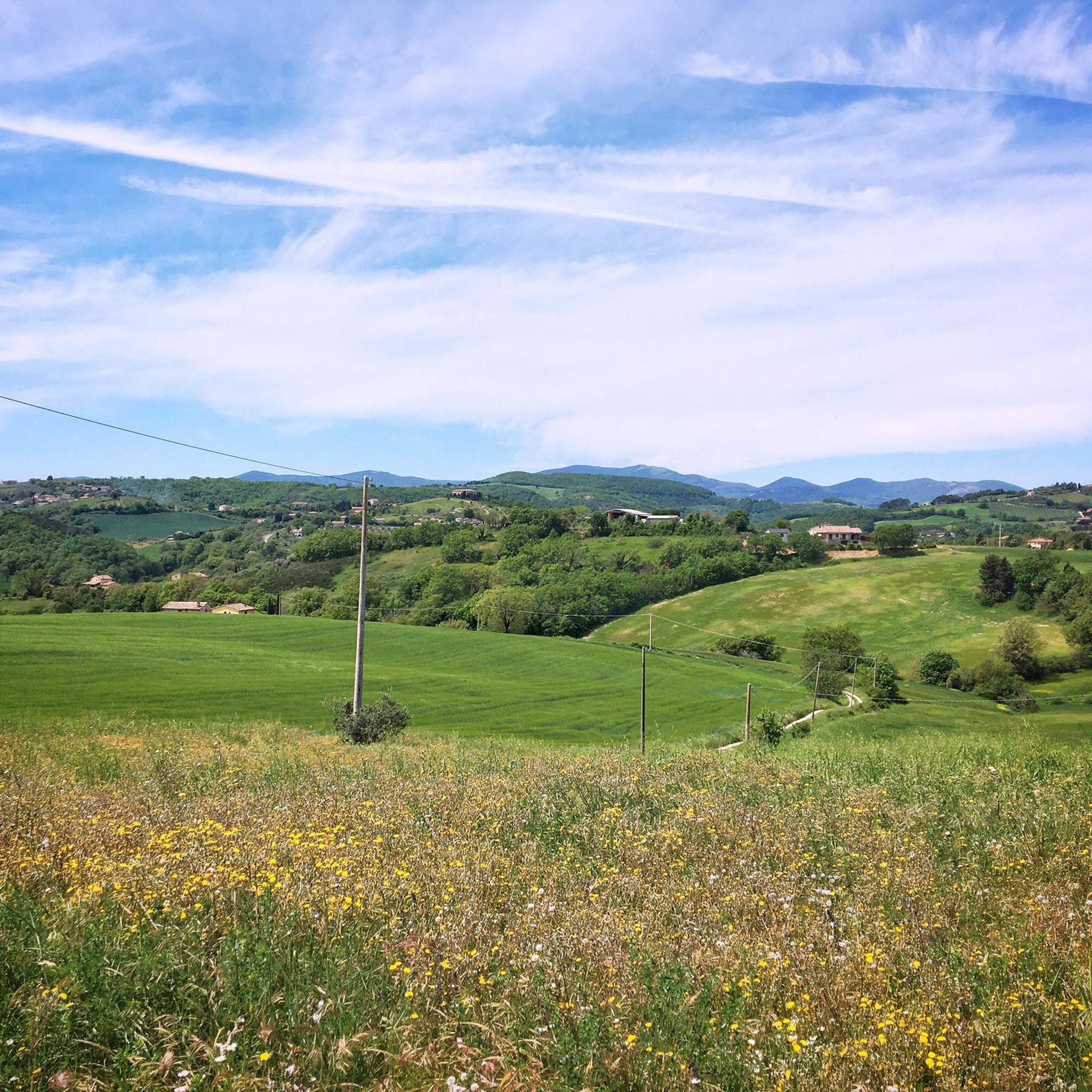
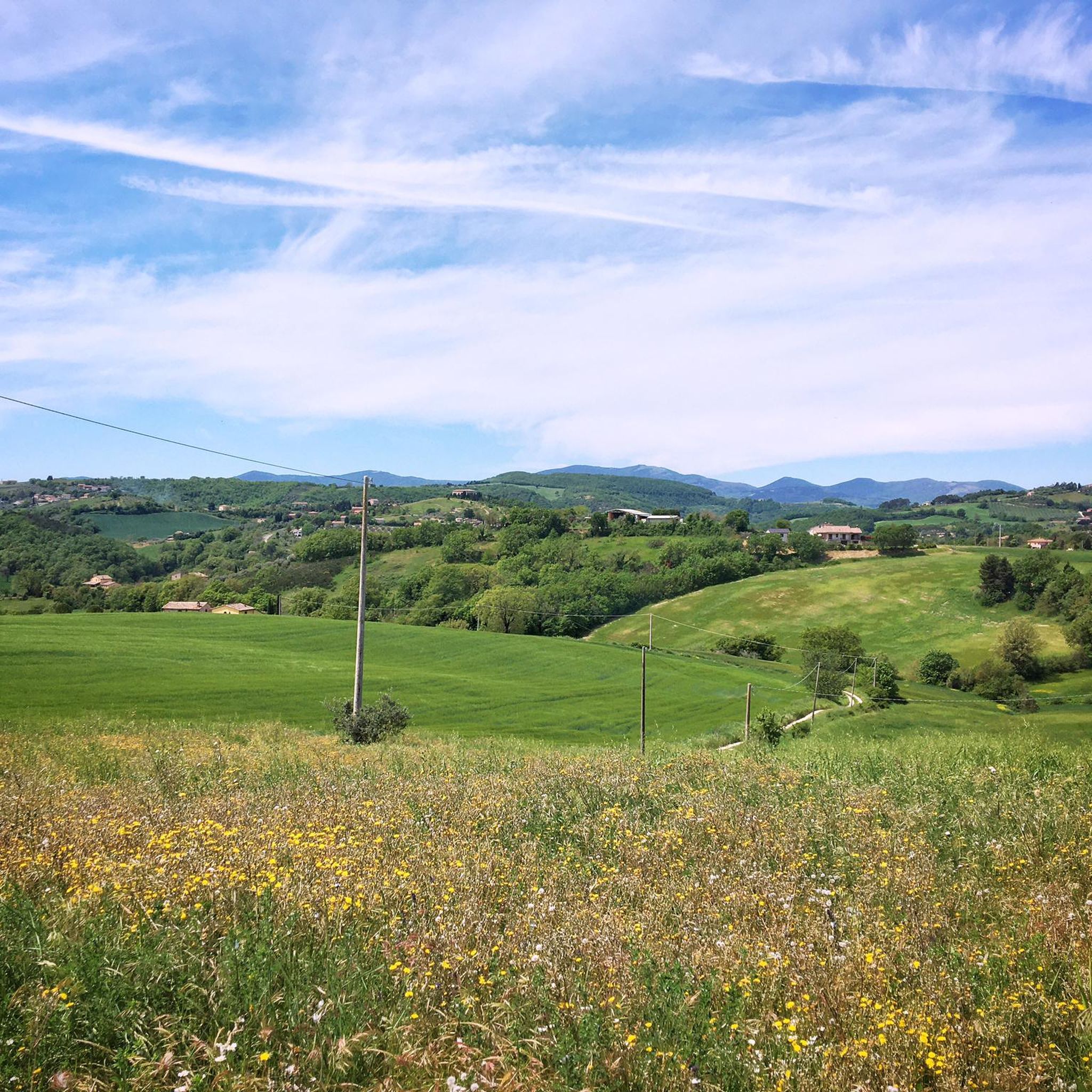
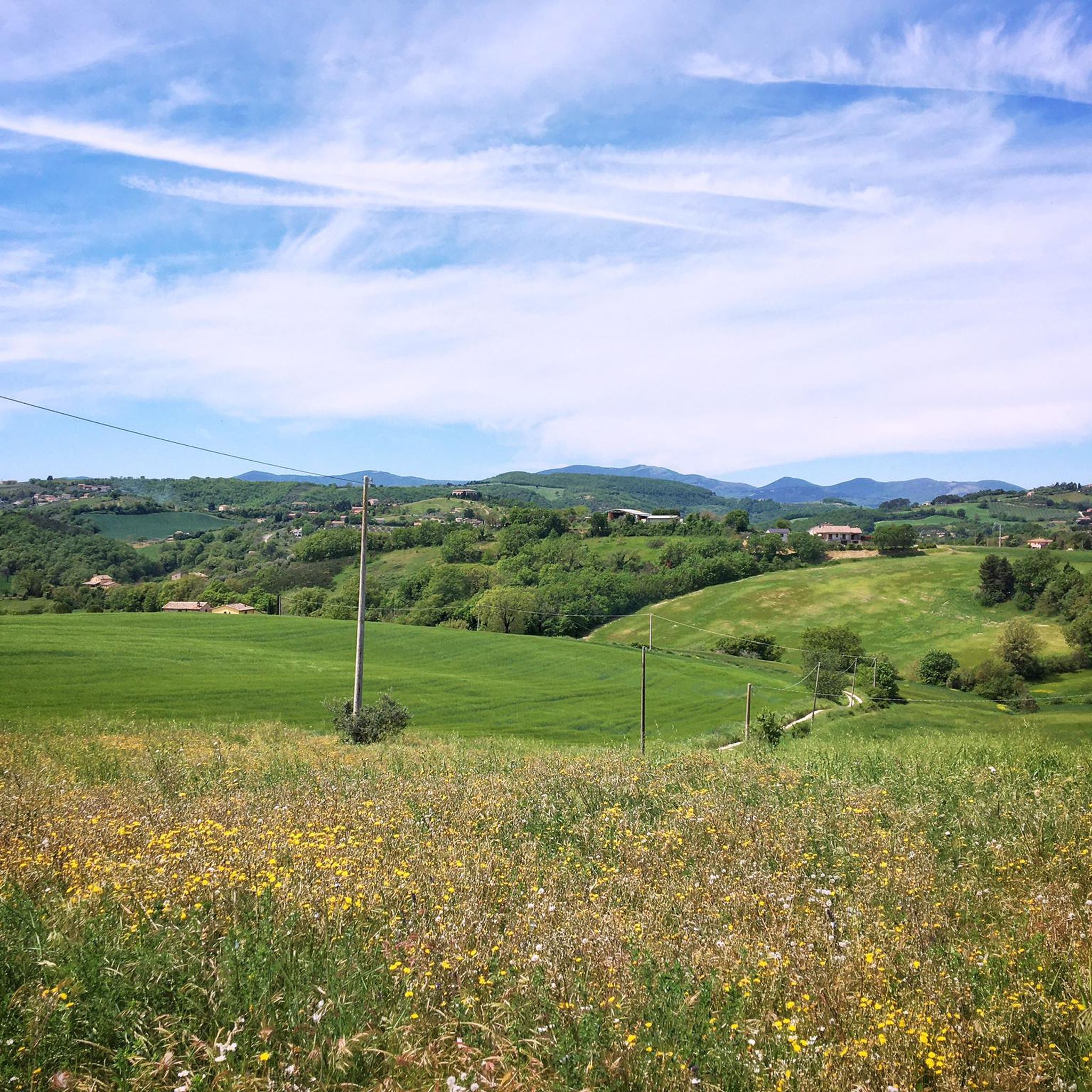
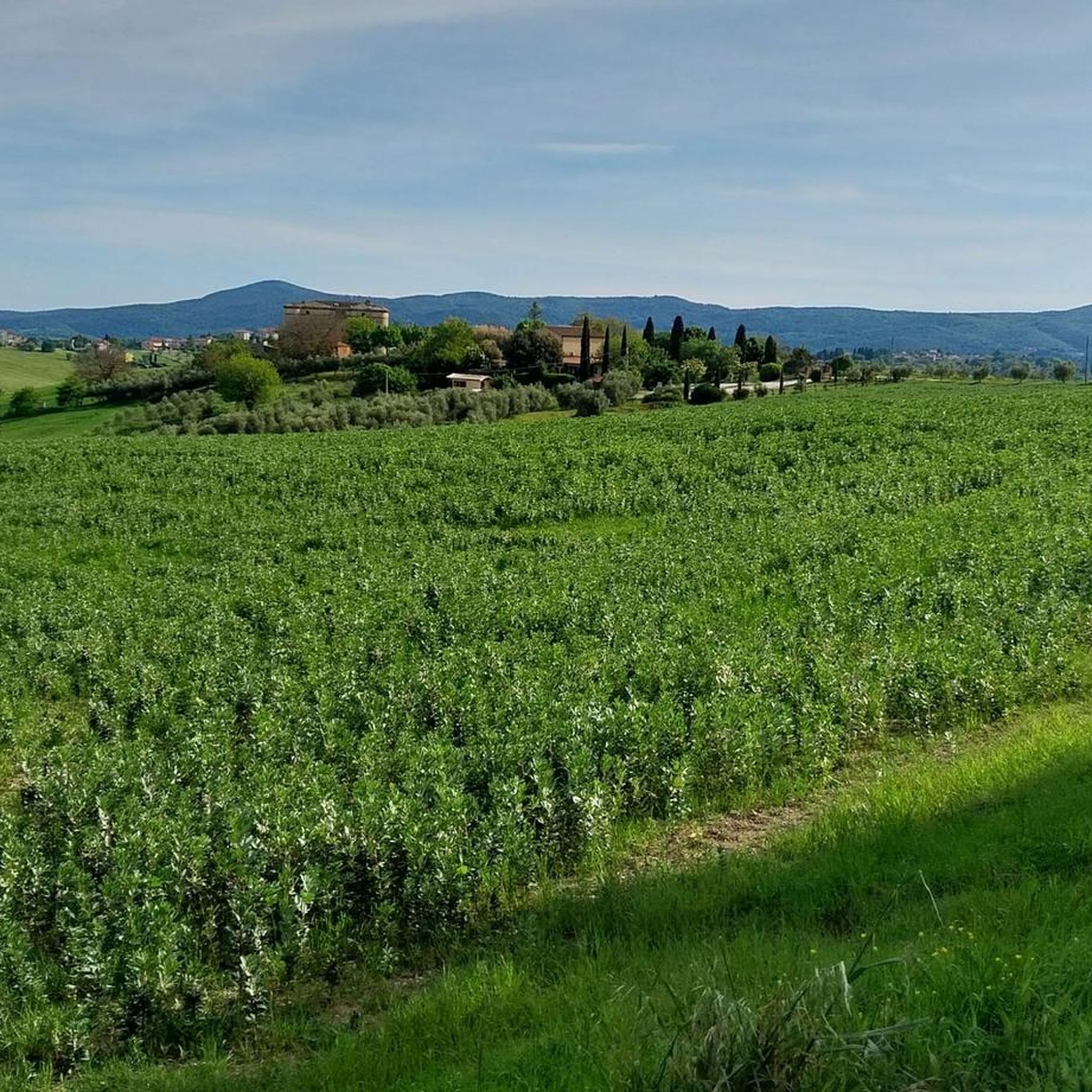
Tips from the Community

For the first time, Todi has been recognized as a virtuous municipality in terms of environmental sustainability and quality of life, having been awarded the 2020 "Spighe Verdi" (Green Ears of Wheat) flag by the FEE Italia Foundation for Environmental Education and Confagricoltura. Numerous indicators were taken into consideration, including education for sustainable development; sustainability and innovation in agriculture; the quality of tourism; the enhancement of natural areas and landscape; the maintenance of urban furnishings; and accessibility for all.
1
0
The Temple of Santa Maria della Consolazione is located just outside the thirteenth-century walls of the town, in the southwestern part of Todi, and is one of the finest examples of Renaissance art in Umbria.
1
0

Book Crossing along the Silent Villages trail
0
0


The town of Todi in the province of Perugia in Umbria is known for its beautiful medieval town center. There are numerous historical buildings lined up around the central Piazza del Popolo. Antique and medieval finds prove that the hilltop town was founded in the 8th century BC by the Indo-European-Italian Umbrian tribe.
1
0

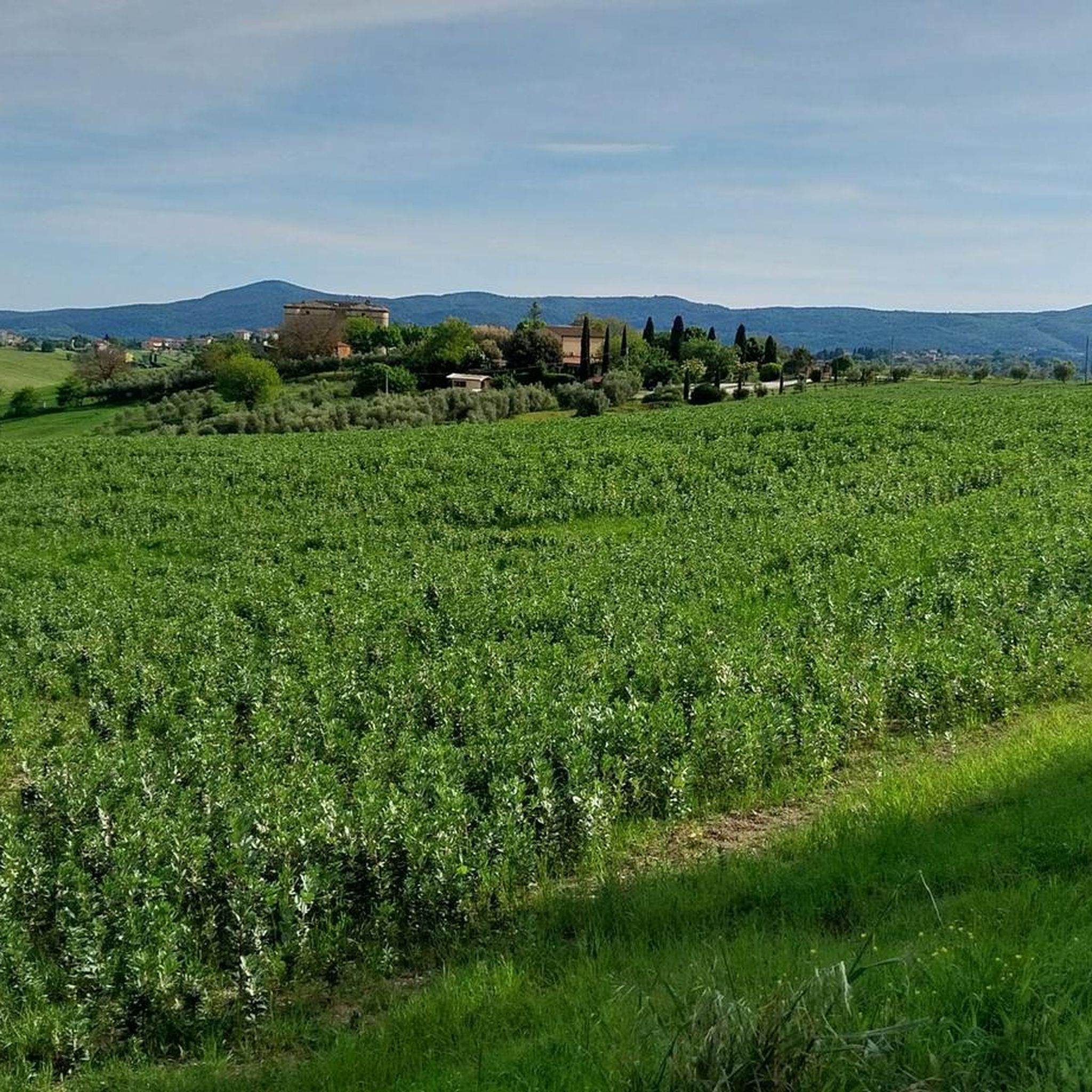
The village of Morruzze has its origins in the medieval period as a fortified villa affiliated with Todi. Although it experienced crucial moments during the 14th century due to the plague and frequent looting, the village has maintained its timeless charm. The palace, acquired by the Paperini family in the 17th century, underwent significant transformations, becoming the structure you admire today. This village, surrounded by a particular tranquility, offers a spectacular view of the Tiber valley and the surrounding hills of Todi. Along its narrow streets, you will find a small fountain and shaded benches that invite you to rest and contemplate the breathtaking landscape.
2
0
Protected by ramparts, on the top of a hill overlooking the Tiber, Todi is a city with ancient roots. A flourishing center of the Umbrians, it resisted Etruscan domination, accepting the supremacy of Rome in the 3rd century BC. In the Roman period, important communication routes were built, placing Todi at the center of a strategic road network. Its Roman heritage includes the theatre, the baths, the acropolis and temples scattered on the hill. After the fall of the Roman Empire, Todi came under the dominion of the Goths and the Byzantines, suffering the incursions of the Lombards. In the municipal age, Todi recovered, becoming one of the first free municipalities in Italy, with the construction of majestic public and religious buildings. In the sixteenth century, the city experienced a cultural and artistic renewal, culminating with the temple of Santa Maria della Consolazione. Piazza del Popolo, in the heart of the city, is considered one of the most beautiful in Italy, with the Duomo overlooking it. Traces of the Roman forum are still present under the flooring.
3
0
Frequently Asked Questions
What historical sites can I explore in Avigliano Umbro?
Avigliano Umbro is rich in history. You can visit the medieval urban fabric of the town itself, including its ancient walls and the prominent Clock Tower. Explore the well-preserved Historic Village of Montecchio, a medieval settlement with alleys, squares, and defense towers. Don't miss the Acqualoreto Historic Village, which offers a dominant position overlooking the Tiber valley and a well-preserved medieval layout. The nearby city of Todi also boasts ancient roots and a rich artistic heritage.
Are there any notable castles or fortresses in the area?
Yes, the surrounding hamlets of Avigliano Umbro are home to several historic castles. These include the Castle of Santa Restituta, known for its unique defense system and the Church of Santa Maria Novella, and the Castle of Toscolano. You can also find the imposing Dunarobba Fortress and the Sismano Castle, both maintaining the charm of ancient medieval villages.
What natural attractions are there to visit?
Nature enthusiasts will enjoy the Fossil Forest of Dunarobba, an impressive prehistoric natural park featuring gigantic conifer trunks. Another significant natural feature is Grotta Bella, a karst cavity near Santa Restituta with archaeological importance. You can also discover the monumental Acerone of Santa Restituta, an over two-hundred-year-old maple tree along the Amerini Trails.
What kind of outdoor activities can I do near Avigliano Umbro?
The area around Avigliano Umbro offers various outdoor activities. You can explore numerous nature trails that wind through forests and pristine landscapes, connecting different villages. For cycling enthusiasts, there are options for gravel biking and road cycling, with routes like the 'Dunarobba Fossil Forest – Fossil Forest of Dunarobba loop'. There are also running trails, such as the 'Running loop from Montecastrilli'.
Are there any family-friendly attractions in Avigliano Umbro?
Many attractions around Avigliano Umbro are suitable for families. The Historic Village of Montecchio and the village of Morruzze offer charming exploration opportunities. The city of Todi, with its historic squares and alleys, is also family-friendly. Additionally, the Temple of Santa Maria della Consolazione provides an interesting architectural visit for all ages.
What are some significant religious buildings to visit?
Avigliano Umbro and its surroundings feature several important churches. The 17th-century Church of the Santissima Trinità in Avigliano Umbro is notable for its 'Madonna of the Rosary' painting and frescoes. Other churches include Santa Vittorina, Sant'Egidio (a 12th-century building with frescoes), and Sant'Angelo. The Church of Santissima Annunziata near Toscolano contains a fresco cycle attributed to Pier Matteo d'Amelia.
Where can I find panoramic views of the region?
For breathtaking panoramic views, head to Morruzze, which offers spectacular vistas of the Tiber valley and the surrounding hills of Todi. The Acqualoreto Historic Village also provides a dominant position overlooking the Tiber valley. The city of Todi, perched on a hill, offers expansive views of the Umbrian countryside from its panoramic terraces.
Are there any cultural venues or theaters in Avigliano Umbro?
Yes, Avigliano Umbro boasts the Teatro Comunale, built in 1928. This characteristic Art Nouveau style communal theater serves as a cultural hub, hosting various events, shows, concerts, and conferences throughout the year.
What is the best time of year to visit Avigliano Umbro for outdoor activities?
While specific seasonal data isn't provided, Umbria generally enjoys pleasant weather in spring (April-May) and autumn (September-October), making these ideal times for outdoor activities like hiking, cycling, and exploring historical sites. The temperatures are milder, and the landscapes are particularly beautiful.
What amenities are available near the attractions?
In the city of Todi, you'll find various amenities including cafes, pubs, and shops. The Acqualoreto Historic Village has a restaurant called 'La Cruccola' and a bar in the Recreational Club. Smaller villages like Morruzze offer basic facilities like small fountains and shaded benches for rest.
What do visitors enjoy most about the attractions around Avigliano Umbro?
Visitors frequently appreciate the timeless charm of the medieval villages and the well-preserved historical architecture. The panoramic views of the Tiber valley from places like Morruzze are highly praised. The rich artistic and cultural heritage, particularly in Todi, and the unique natural sites like the Fossil Forest of Dunarobba, also receive positive feedback.
Most popular routes around Avigliano Umbro
Most popular attractions around Avigliano Umbro

Get inspired with the komoot mobile app


Explore more
Still not found the Highlight you’re looking for? See guides of the top attractions in other regions:
