Attractions and Places To See around Pont-Saint-Martin - Top 20
Best attractions and places to see around Pont-Saint-Martin include a blend of historical sites, natural beauty, and cultural experiences. Situated at the entrance of the Aosta Valley, the town is characterized by its strategic location along the Lys River and surrounding hills. It serves as a gateway to the Mont Avic Nature Park and offers access to the Lys Valley. The area provides a variety of landmarks and natural features for exploration.
Best attractions and places to see around Pont-Saint-Martin
- The most popular attractions is Fort Bard, a castle that dominates the valley floor. This historical site includes three permanent museums, such as the Museum of the Alps and the Fortress and Border Museum.
- Another must-see spot is Lake Vargno, a lake located at the foot of the Mont Mars Nature Reserve. From its banks, visitors can view several peaks, including Punta Leretta and Mont Mars.
- Visitors also love Graglia Sanctuary, a religious building dedicated to the Madonna of Loreto. This imposing sanctuary, completed in the seventeenth century, is immersed in greenery at 800 meters above sea level.
- Pont-Saint-Martin is known for its historical sites, natural landscapes, and cultural points of interest. The area offers a variety of attractions to see and explore, from ancient Roman engineering to serene mountain lakes.
- The attractions around Pont-Saint-Martin are appreciated by the komoot community, with 172 upvotes and 335 photos shared by visitors.
Last updated: July 20, 2026
Graglia Sanctuary
Highlight • Religious Site
Translated by Google •
Tip by

Fort Bard
Highlight • Castle
Translated by Google •
Tip by
Sign up now to discover places like this
Get recommendations on the best single tracks, peaks, & plenty of other exciting outdoor places.
Sign up for free
View of Fort Bard from the bridge
Highlight • Viewpoint
Apart from its history, the bridge is a beautiful photo point of Fort Bard.
Showing Translation
Tip by

Rifugio della Balma
Highlight • Mountain Hut
Translated by Google •
Tip by
Lake Vargno
Highlight • Lake
It's a nice place to take a break on your mountain run with a breathtaking view. The paths in this area are mostly free of technical difficulties and easy to follow while running.
Translated by Google •
Tip by

Sign up for free to discover even more attractions around Pont-Saint-Martin.
Sign up for free
Already have an account?
Start today with a free account
Your next adventure awaits.
Login or Signup
Popular around Pont-Saint-Martin
Piemont's Via Francigena
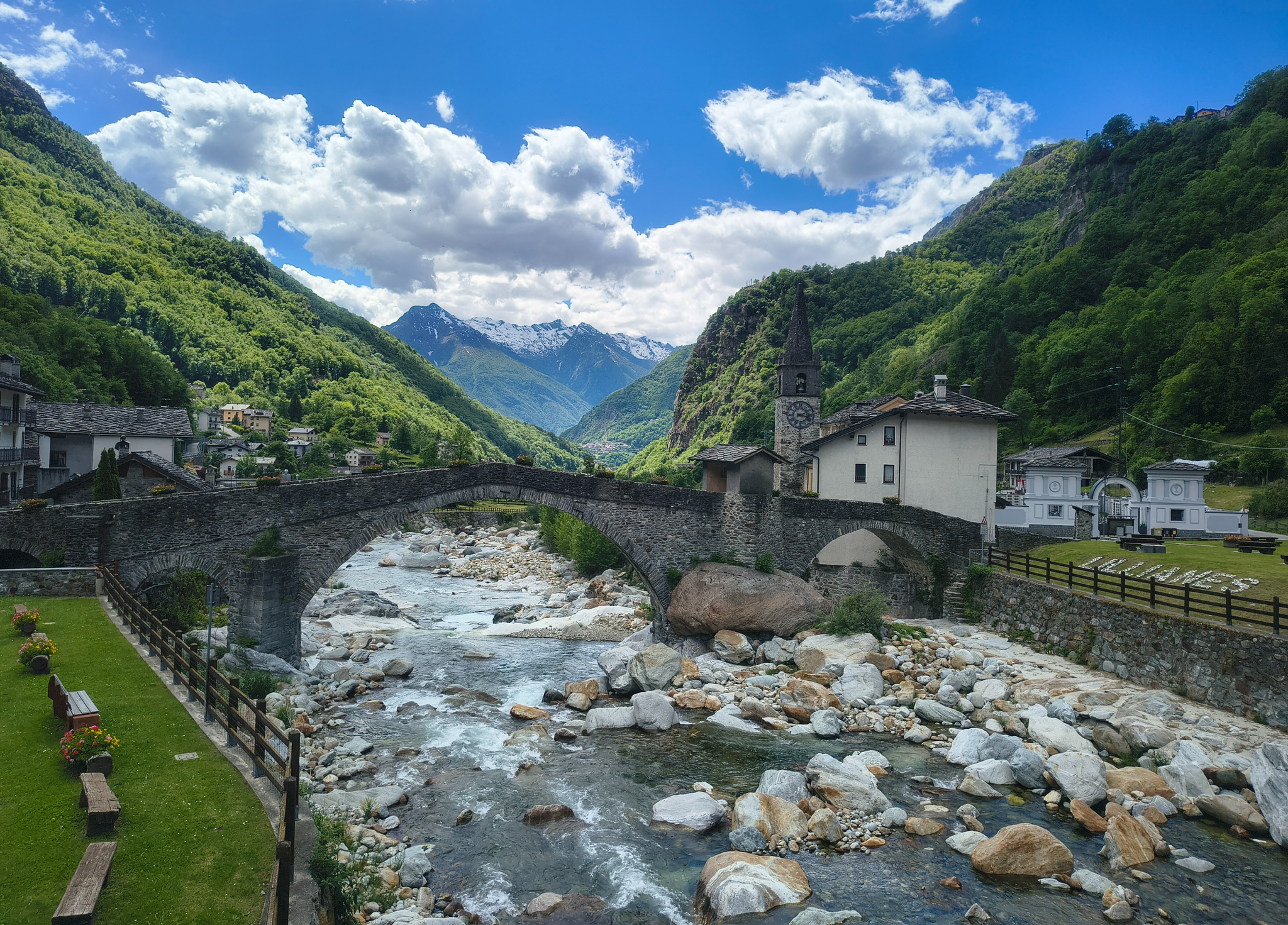
Three days on the Cammino Balteo – The historic Aosta Valley
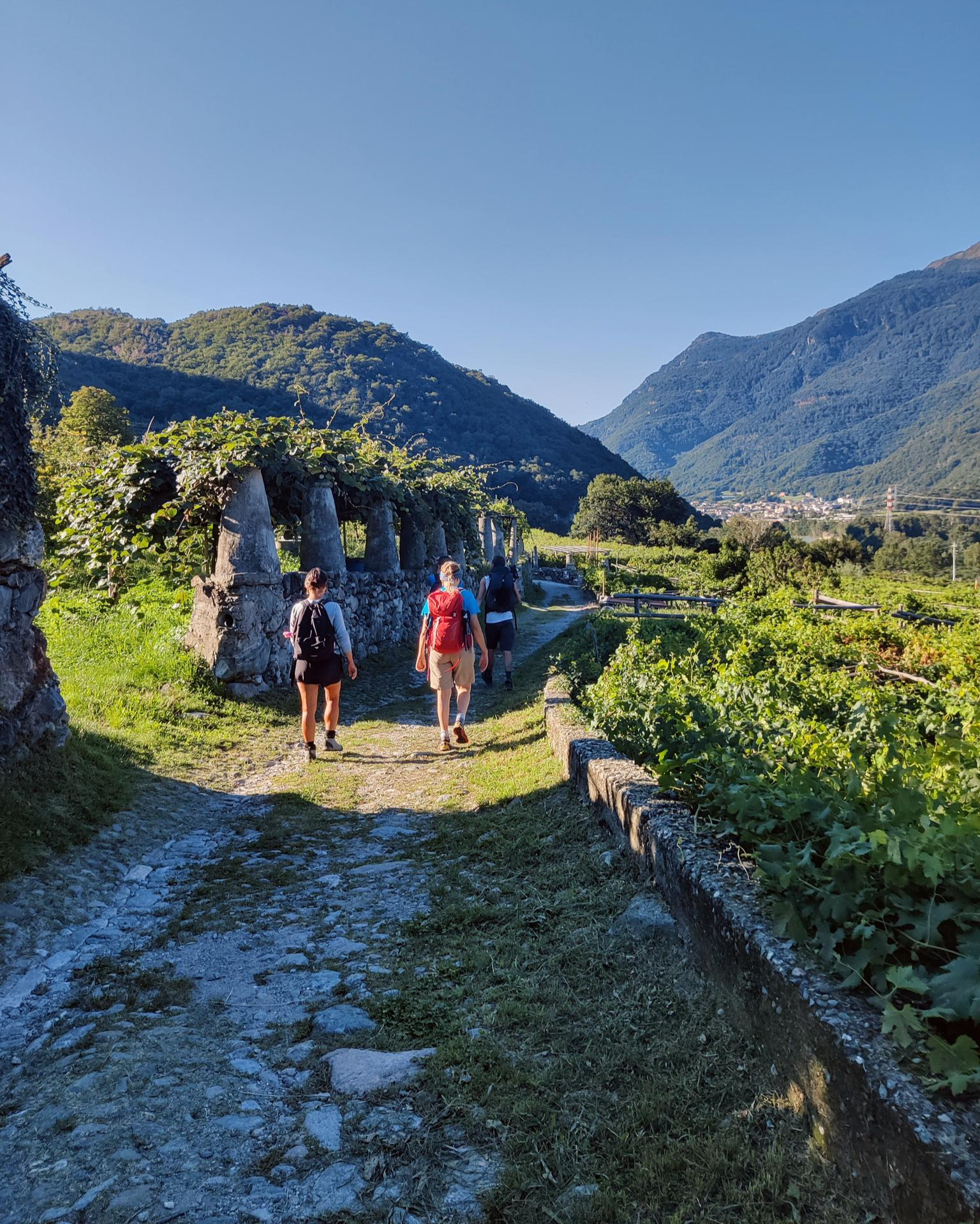
Cammino Balteo – castles, vineyards and trails of the Aosta Valley
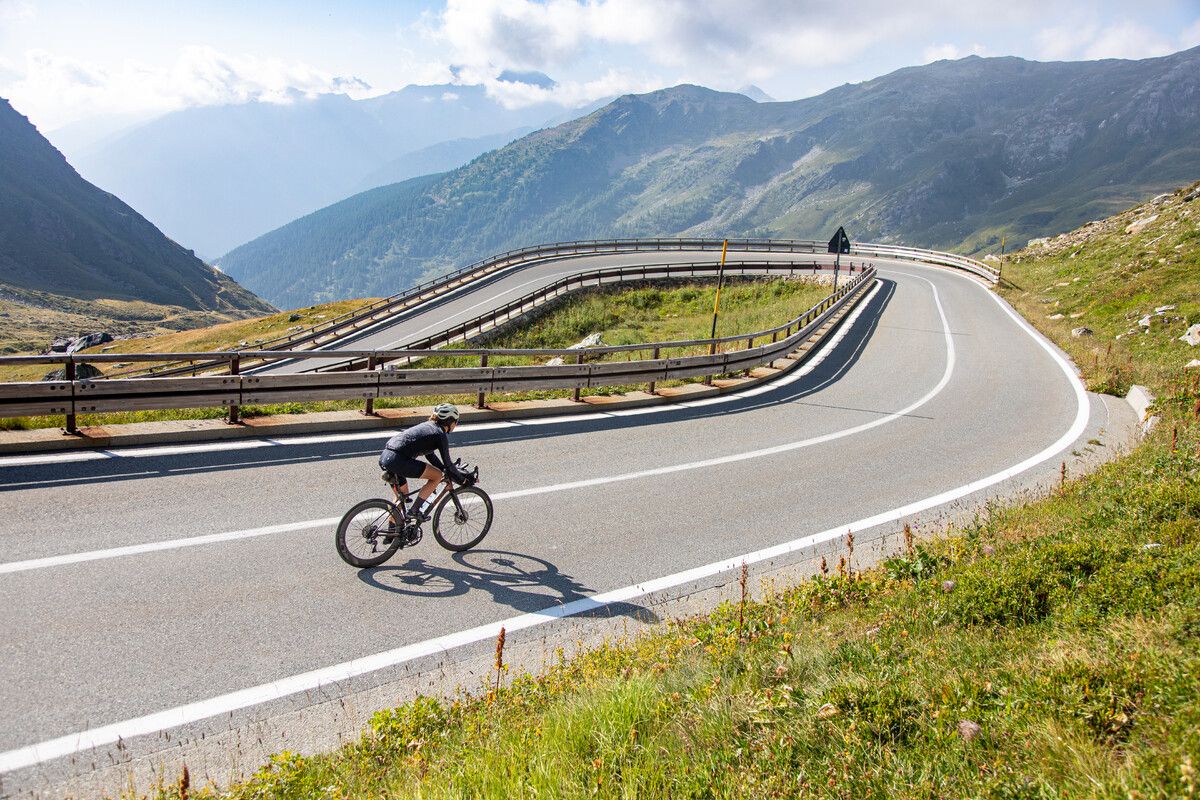
Road cycling in the Aosta Valley – major climbs and alpine routes
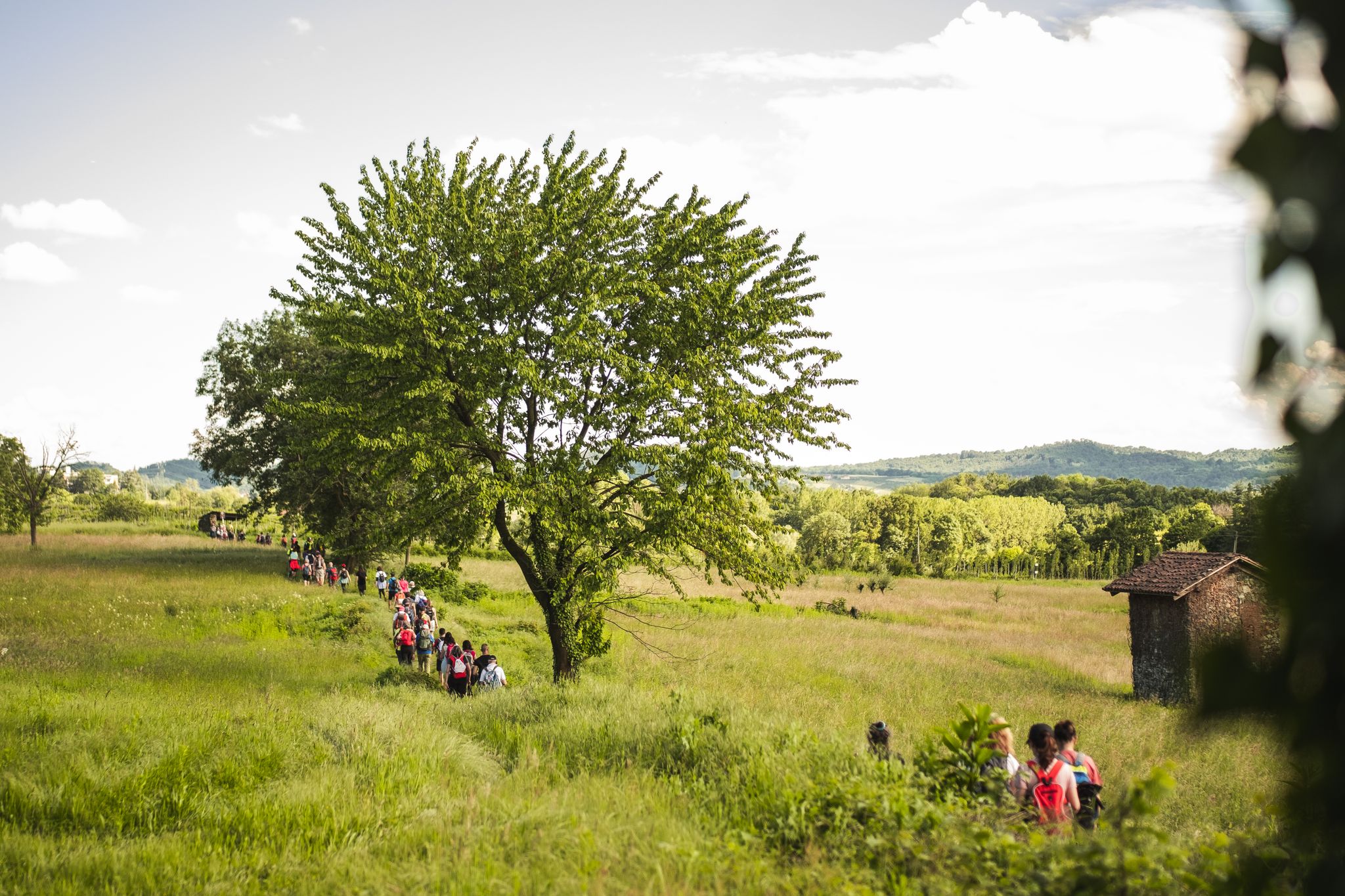
Via Francigena in Canavese – complete route and 'for all' section
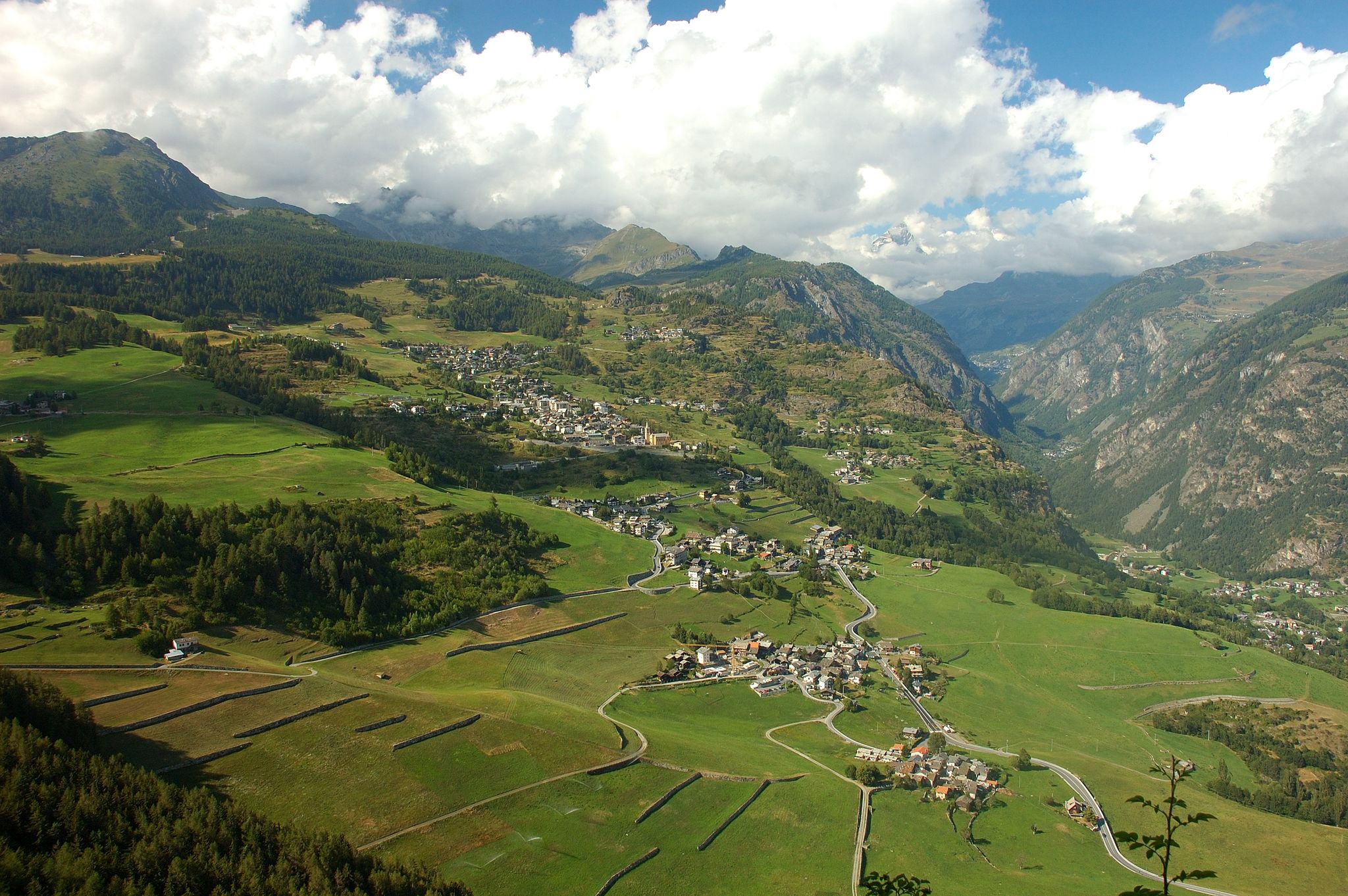
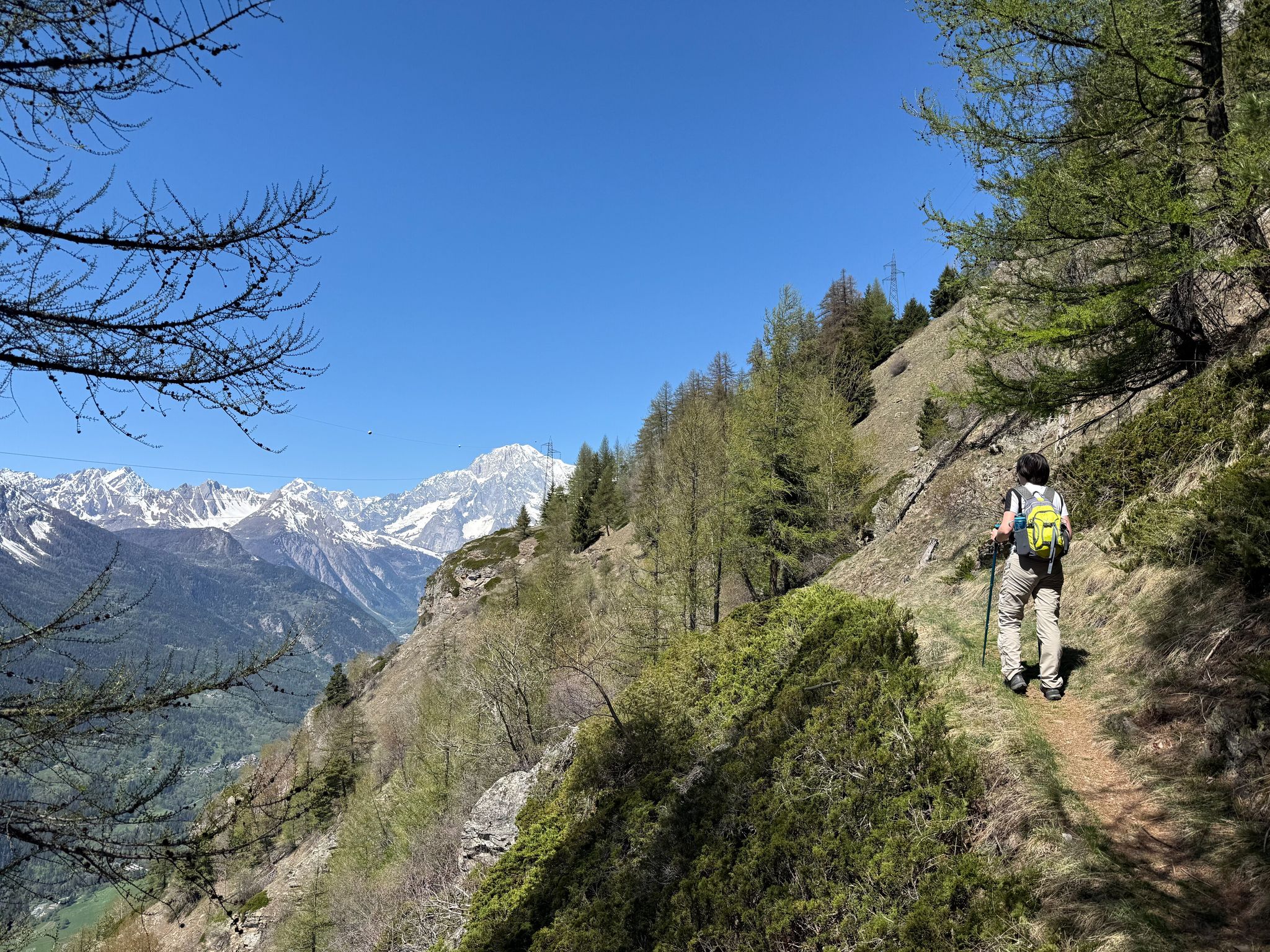
Paths, castles and views of Italy’s Aosta Valley – Cammino Balteo
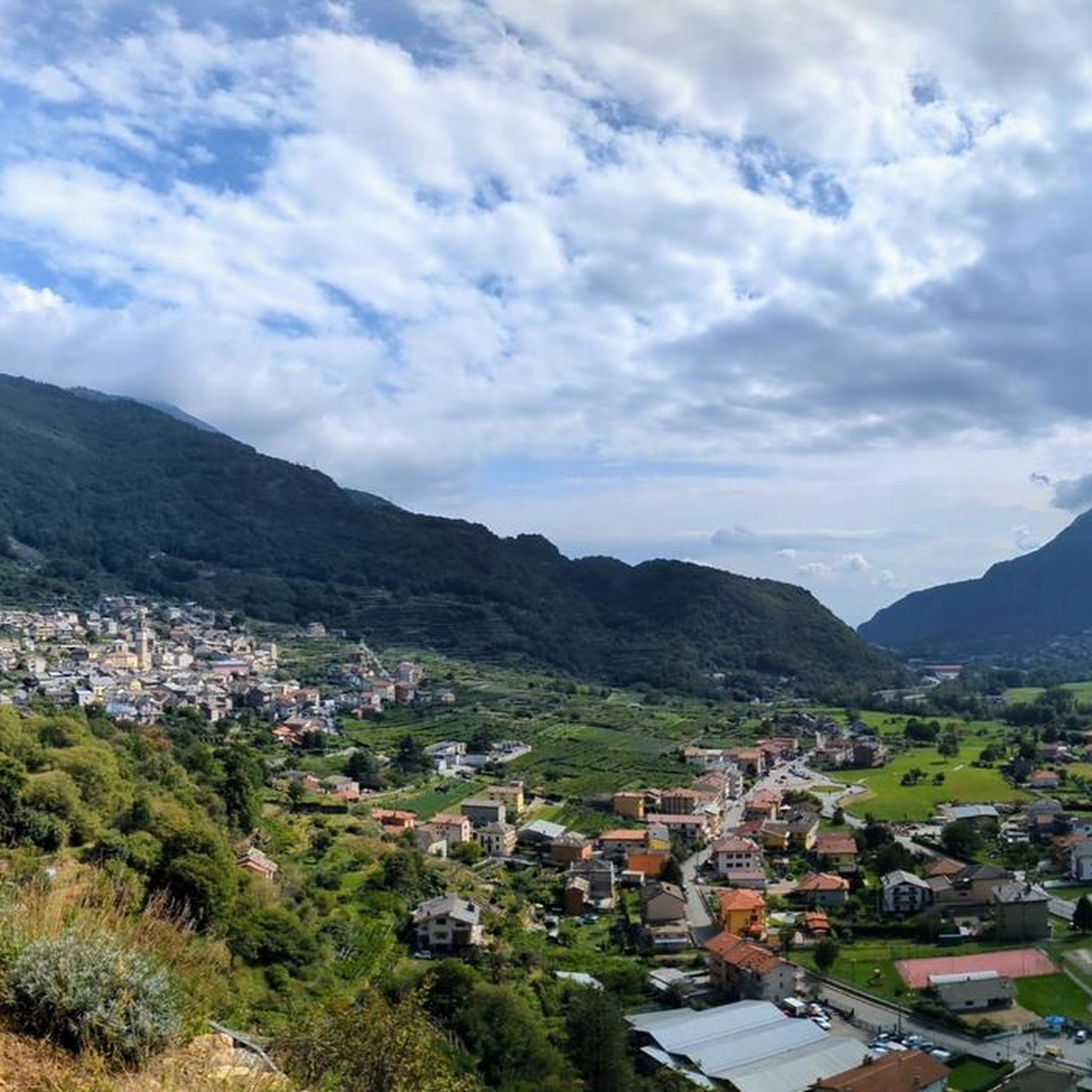
Road Cycling Routes around Pont-Saint-Martin
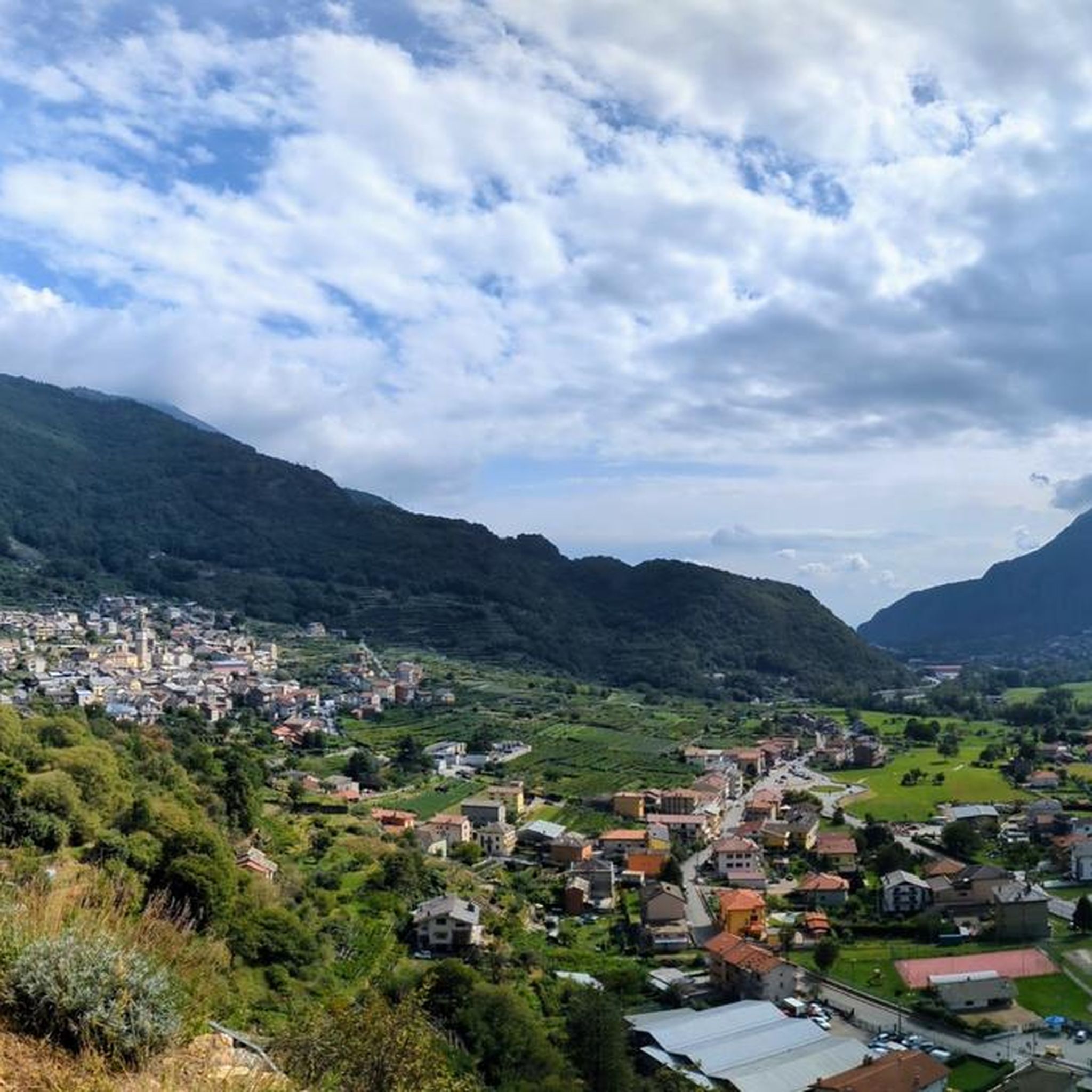
Hiking around Pont-Saint-Martin
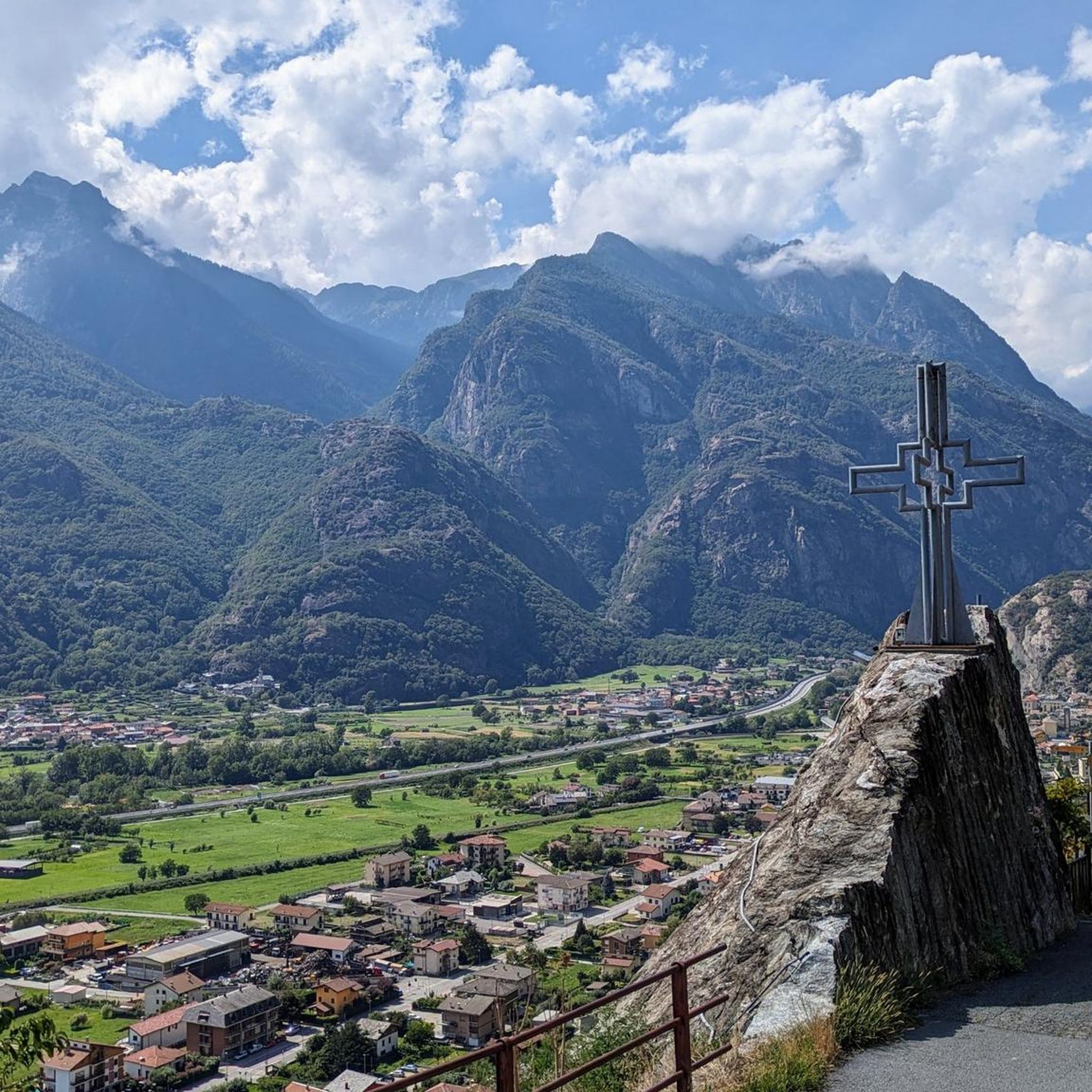
Cycling around Pont-Saint-Martin
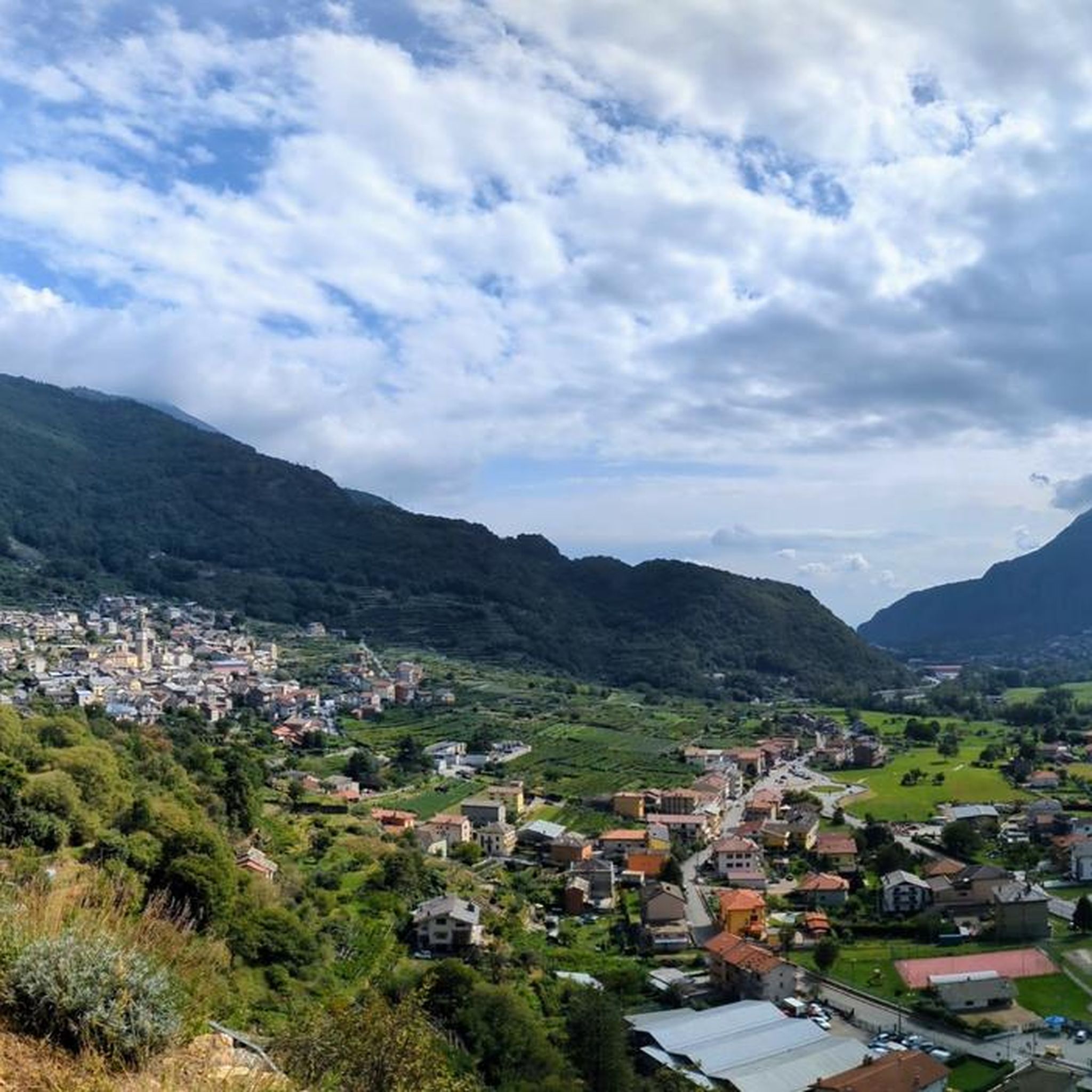
MTB Trails around Pont-Saint-Martin
Other adventures around Pont-Saint-Martin


Tips from the Community

The Forte di Bard seen from the bridge over the Dora Baltea river offers one of the most iconic and photographed views in the Aosta Valley. This spectacular perspective captures the imposing, craggy fortress that dominates the village below and the river waters.
0
0

Excellent hospitality for pilgrims
0
0

Language Follow Edit Il Sacro Monte di Graglia is a pre-Alpine locality situated in Graglia, in the province of Biella, in Piedmont, a few kilometers west of the provincial capital. It is located at the foot of the more majestic peak of Mombarone, almost on the border with the Aosta Valley; it mainly hosts the sanctuary of the same name (812 meters above sea level), dedicated to the Black Madonna and linked to the cult of Our Lady of Loreto, in the Marche. It is therefore part of that system of pre-Alpine devotional complexes that characterized a widespread popular Marian and Christian religiosity, which expressed itself between Piedmont and Lombardy starting from around the 16th century, such as, for example, the re-enactment of the Passion of Christ in the nearby town of Sordevolo, or other similar localities such as Sacro Monte di Arona, Sacro Monte di Oropa, Sacro Monte di Varallo, Sacro Monte di Ghiffa.
0
0

Very modern and comfortable refuge. Equipped with 24h electricity, wi-fi, hot water. The refuge is also a stop for the Oropa Valley walk. The Barma refuge is located at an altitude of 2060 meters in the Mont Mars nature reserve, located between the Biella area and the Lys Valley in the Aosta Valley. The stone structure is built around the roche moutonne in the center of an amphitheater overlooking the lakes of the same name at the foot of the Mont Mars massif (2600 m). The refuge is recently built and has a large bar, two dining rooms, eight rooms, five of which seat 8, two seat 4 and a double with bathroom. The services are shared. The structure is equipped with solar panels for the production of electricity, integrated with a co-generator system. The water is collected from the depths of the lake and treated with a water purifier so as to avoid the use of packaging to be disposed of.
1
0

Beautiful bridge connecting Hone to Bard. Magnificent view of the fort.
2
0

dedicated to the Black Madonna and connected to the cult of Our Lady of Loreto, in the Marche. It is therefore part of that system of pre-Alpine devotional complexes that characterized a widespread popular Marian and Christian religiosity.
0
0

Beautiful climb, almost all in the woods and never too challenging; the sanctuary is a quiet place from which to enjoy the view of the plain
3
0

Recently built refuge surrounded by the Barma lakes, open in the summer and reachable with a not too demanding walk from Pillaz (or from Pian Coumarial) a hamlet of Fontainemore, overcoming a long stretch of road up to Lake Vargno
0
0
Frequently Asked Questions
What historical sites can I explore in Pont-Saint-Martin?
Pont-Saint-Martin is rich in history. You can visit the iconic Ponte Romano (Roman Bridge), a 1st-century BC marvel spanning the Lys River. Other notable historical sites include the ruins of the 10th-century Old Castle (Castello Vecchio) and the Parish Church of San Lorenzo. For a deeper dive into Roman engineering, the Roman Arch and Road in Donnas offers a spectacular preserved section of the ancient Via delle Gallie.
Are there any natural attractions or parks near Pont-Saint-Martin?
Yes, Pont-Saint-Martin is a gateway to natural beauty. The Lys River flows through the town, offering picturesque scenery. You can also access the Mont Avic Nature Park for hiking and stunning landscapes. Further afield, Lake Vargno, located at the foot of the Mont Mars Nature Reserve, provides breathtaking views of surrounding peaks. The Pond of Holay Nature Reserve in Suzey is another natural point of interest.
What outdoor activities are available around Pont-Saint-Martin?
The region offers diverse outdoor activities. You can enjoy fishing and kayaking on the Lys River. For those who love trails, there are numerous options for running, cycling, and gravel biking. Explore routes like the Valle di Champorcher Cycle Route or the Roman Arch and Road of Donnas loop. Find more details on specific routes in the Running Trails around Pont-Saint-Martin, Cycling around Pont-Saint-Martin, and Gravel biking around Pont-Saint-Martin guides.
Can I find family-friendly attractions in the area?
Absolutely. Many attractions are suitable for families. The Ponte Romano is an impressive sight for all ages. The Public Gardens near the town center offer games for children and sports fields. Additionally, the Graglia Sanctuary is considered family-friendly, and the Lake Vargno area provides easy-to-follow paths for family walks.
What is the best time of year to visit Pont-Saint-Martin attractions?
The best time to visit Pont-Saint-Martin generally depends on your preferred activities. Spring and autumn offer pleasant temperatures for exploring historical sites and hiking. Summer is ideal for enjoying the natural landscapes and outdoor sports, though it can be warmer. Winter provides a different charm, especially for those interested in snow activities in the wider Aosta Valley.
Are there any castles or fortifications to visit near Pont-Saint-Martin?
Yes, the area boasts several impressive fortifications. The Old Castle (Castello Vecchio), though in ruins, offers a glimpse into 10th-century defenses. The Neo-Gothic Baraing Castle, built in 1883, can be admired from its romantic exterior. A must-see is Fort Bard, a dominant castle that houses three permanent museums, including the Museum of the Alps and the Fortress and Border Museum.
What cultural experiences does Pont-Saint-Martin offer?
Pont-Saint-Martin is proud of its local culture. The town's historic center is perfect for a journey through time, and the Roman Bridge Museum provides insights into the bridge's history. The town is also known for its vibrant Carnival celebrations, featuring a historical re-enactment linked to the legend of the Roman Bridge, known as the "Devil's Bridge Festival."
Are there opportunities for hiking or walking near Pont-Saint-Martin?
The surrounding hills and valleys of Pont-Saint-Martin are ideal for walking and hiking. The town serves as an access point to the Lys Valley and the Mont Avic Nature Park, both offering numerous trails. For a unique experience, consider a visit to Rifugio della Balma, a modern refuge nestled between two mountain lakes in the Mont Mars Nature Reserve, accessible via hiking trails.
What do visitors particularly enjoy about the attractions near Pont-Saint-Martin?
Visitors frequently praise the blend of history and nature. The well-preserved Roman engineering of the Ponte Romano and the Roman Arch and Road in Donnas are often highlighted. The stunning views from places like Lake Vargno and the informative, interactive exhibits at the museums within Fort Bard also receive high acclaim.
Are there any religious sites worth visiting in the area?
Beyond the Parish Church of San Lorenzo and the Church of Saint Martin within the town, the region features significant religious buildings. The Graglia Sanctuary, dedicated to the Madonna of Loreto, is an imposing and majestic site immersed in greenery at 800 meters above sea level, welcoming hundreds of pilgrims annually.
Can I find places for cycling or gravel biking around Pont-Saint-Martin?
Yes, the area around Pont-Saint-Martin is well-suited for cycling and gravel biking enthusiasts. You can explore various routes that take you through scenic landscapes and past historical points. Popular options include the Valle di Champorcher Cycle Route and the Fort Bard loop. Detailed routes and guides can be found in the Cycling around Pont-Saint-Martin and Gravel biking around Pont-Saint-Martin guides.
Are there any less crowded or 'hidden gems' to discover?
While the main attractions are popular, exploring the smaller hamlets and less-traveled paths can reveal hidden gems. The Pond of Holay Nature Reserve in Suzey offers a tranquil natural escape. Additionally, venturing into the Lys Valley beyond the immediate town can lead to charming villages and serene spots away from the main tourist routes.
Most popular routes around Pont-Saint-Martin
Most popular attractions around Pont-Saint-Martin

Get inspired with the komoot mobile app


Explore more
Still not found the Highlight you’re looking for? See guides of the top attractions in other regions:
