Attractions and Places To See around Corsano - Top 20
Best attractions and places to see around Corsano, a village in the Salento region of Puglia, Italy, offer a blend of historical, cultural, and natural attractions. The area is characterized by its Adriatic coastline with suggestive cliffs and hidden inlets, providing access to clear waters. Corsano serves as a base for exploring the unique beauty and rich heritage of southern Italy, including ancient paths and historical landmarks. It is part of the Parco Costa Otranto - Santa Maria di Leuca e Bosco di Tricase Regional Nature Park.
Best attractions and places to see around Corsano
- The most popular attractions is Capo Santa Maria di Leuca Lighthouse, a man-made monument that was built in 1864 and stands 47 meters high. This lighthouse illuminates the meeting point of the Ionian and Adriatic seas.
- Another must-see spot is Ciolo Bridge, a bridge spanning a deep ravine with clear waters. This area is part of the Coastal Natural Park and is known for its natural beauty.
- Visitors also love Torre del Sasso Trail, a trail featuring the ruins of a 16th-century defensive tower. The tower is located on the Serra del Mito at 116 meters above sea level and was part of a coastal warning system.
- Corsano is known for its historical sites, natural coastal features, and ancient trails. Visitors can explore a variety of attractions, from lighthouses and bridges to historical towers and scenic paths.
- The attractions around Corsano are appreciated by the komoot community, with 195 upvotes and 98 photos shared.
Last updated: July 6, 2026
Capo Santa Maria di Leuca Lighthouse
Highlight • Monument
Translated by Google •
Tip by

Ciolo Bridge
Highlight • Bridge
Translated by Google •
Tip by

Sign up now to discover places like this
Get recommendations on the best single tracks, peaks, & plenty of other exciting outdoor places.
Sign up for free
Torre del Sasso Trail
Highlight • Trail
Translated by Google •
Tip by

Basilica and Sanctuary of Santa Maria de Finibus Terrae
Highlight • Religious Site
Translated by Google •
Tip by
Torre Nasparo
Highlight • Monument
Tip by

Sign up for free to discover even more attractions around Corsano.
Sign up for free
Already have an account?
Start today with a free account
Your next adventure awaits.
Login or Signup
Tips from the Community

One of the many towers along the Salento coast road. This one, situated in an elevated position on the coast, offers a beautiful view of the sea below and the horizon. Around the tower, a pleasant rest area.
0
0

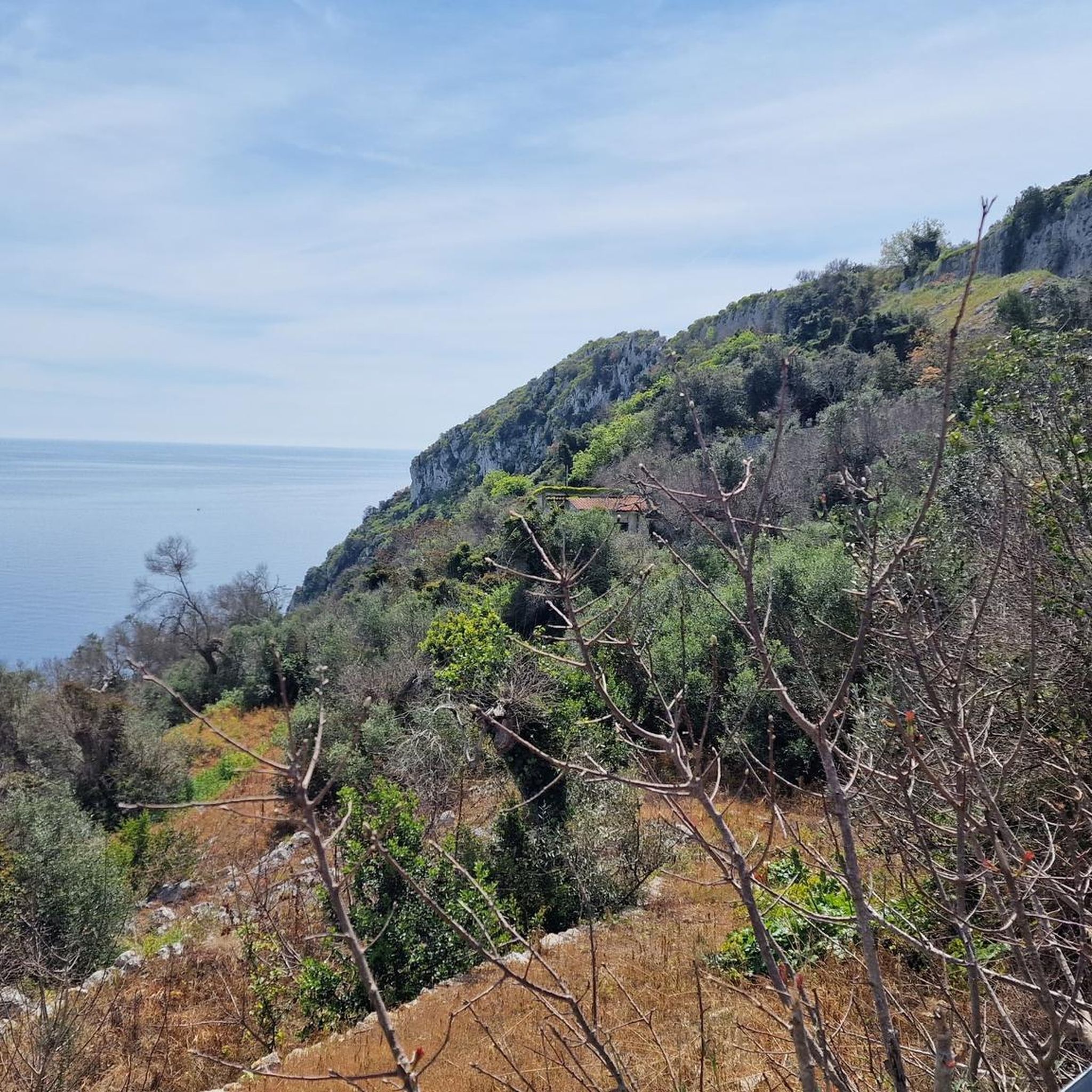
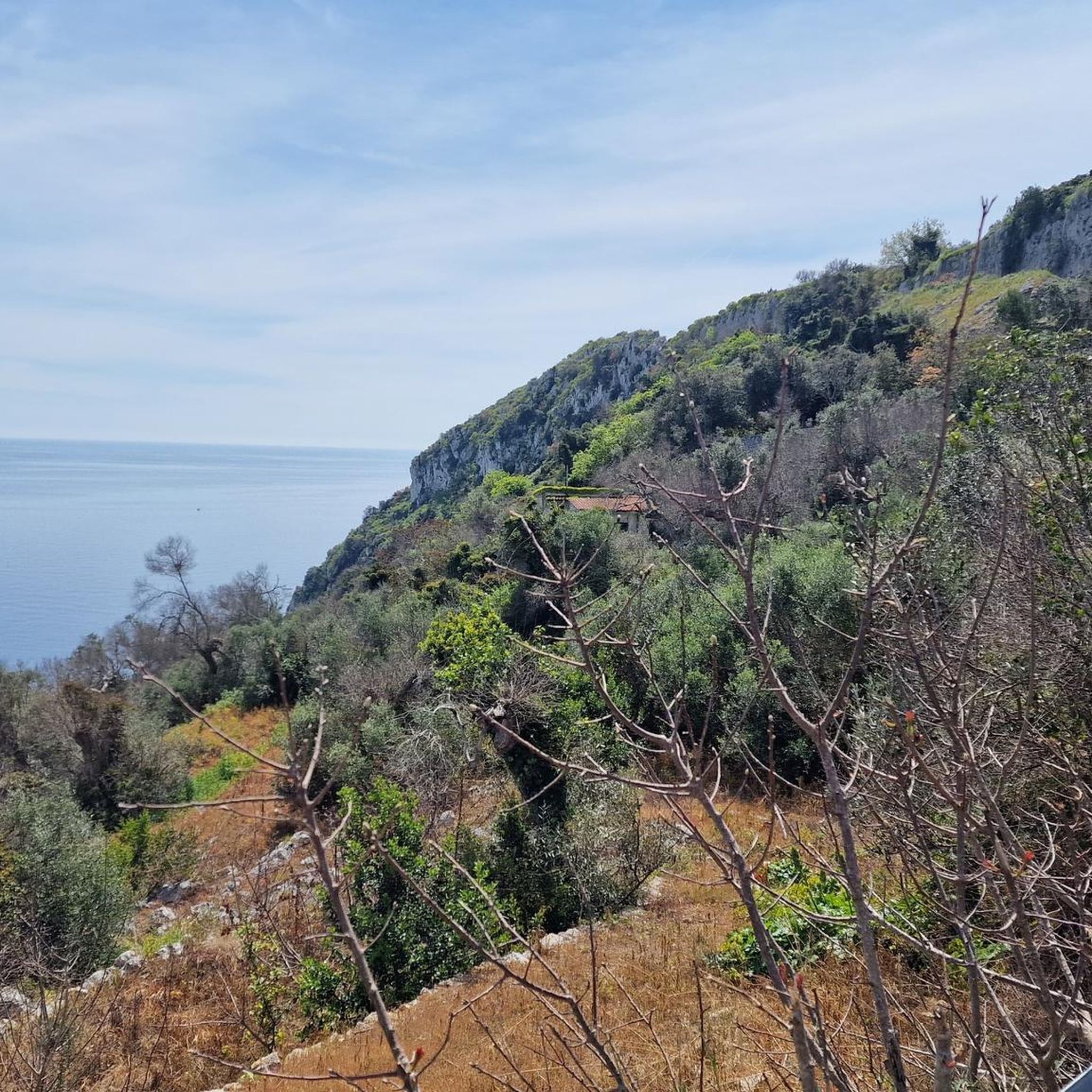
The Sentiero della Torre del Sasso is one of the most evocative trails on the Salento Adriatic coast, suspended between sky and sea. It runs along the Serra del Mito, offering continuous panoramas of the limestone cliffs and the infinite blue of the Adriatic.
0
0
Impressive and symbolic. Exciting point of arrival for many travellers, where the seas meet and where beyond there is only the sea.
1
0

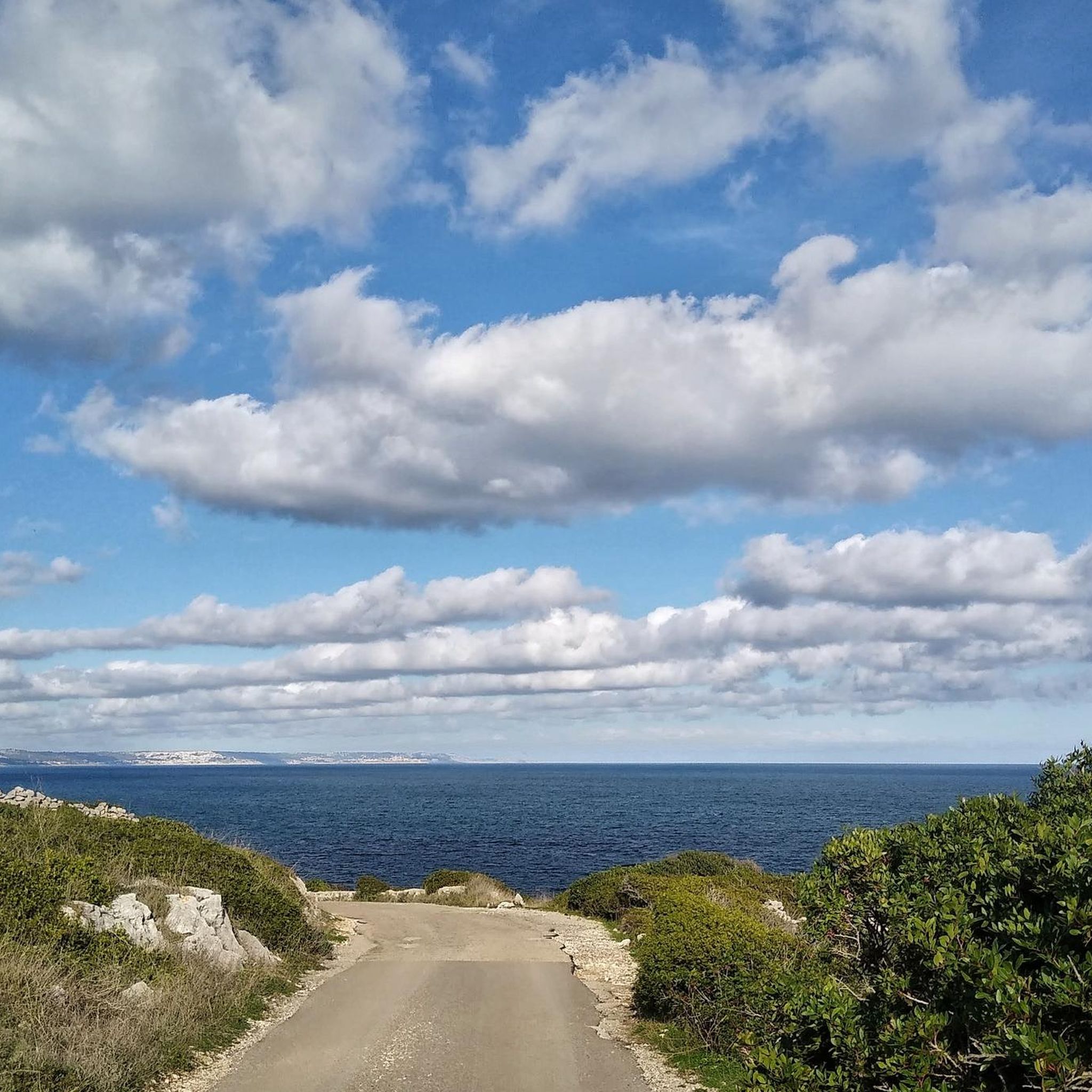
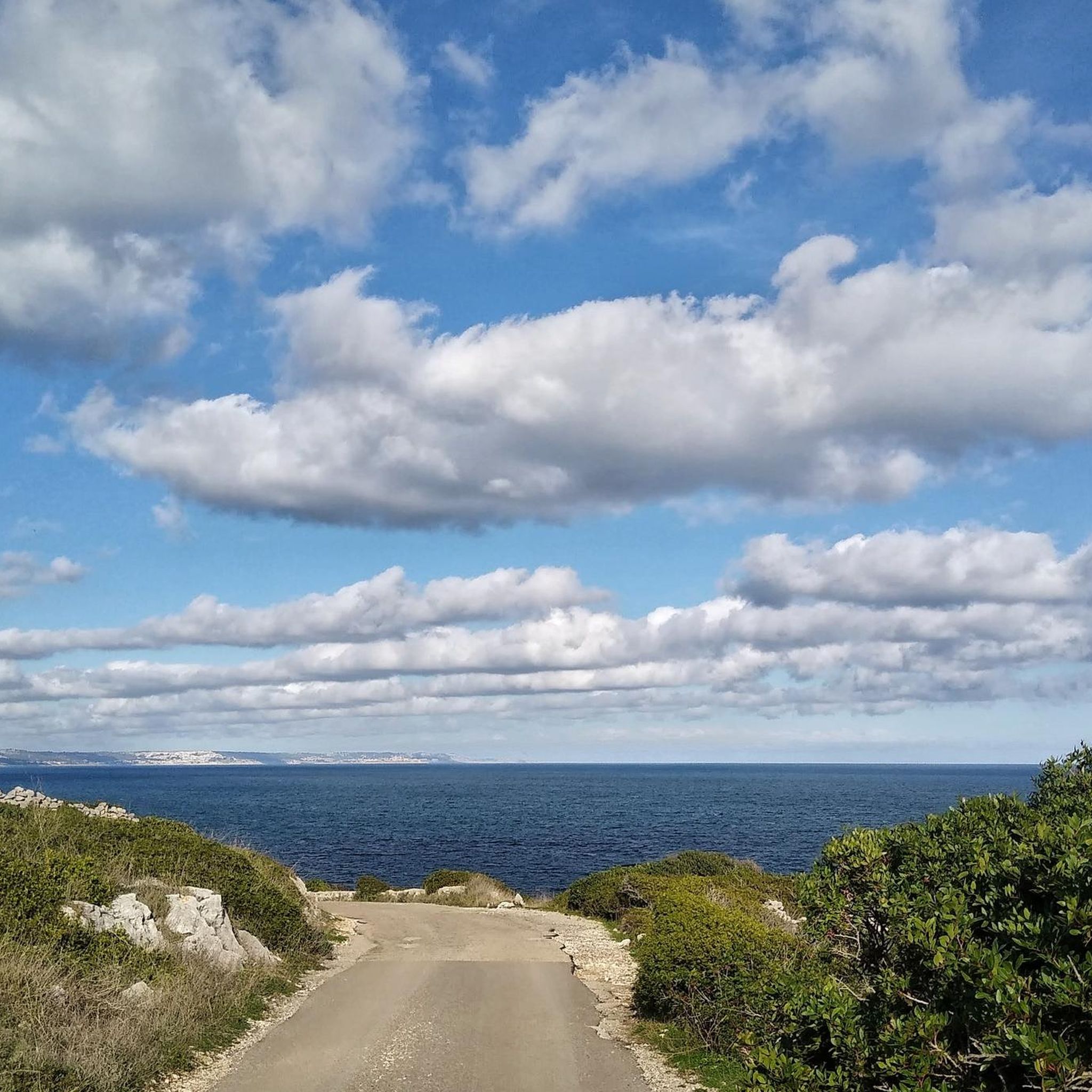
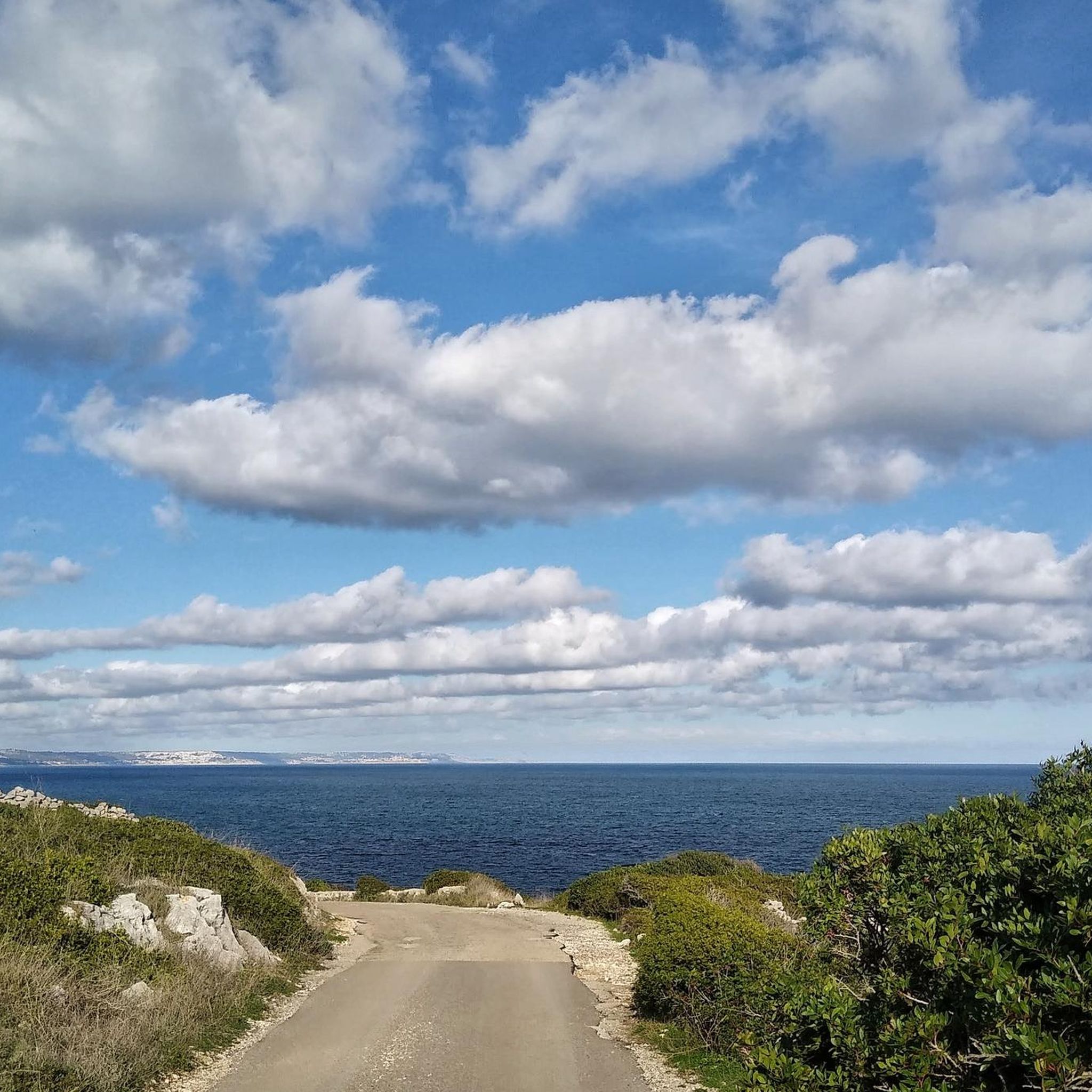
Beautiful sea view, drive along the coast
0
0

The Church of the Virgin Mary was built on the old foundations in the 18th century in the Baroque style. It is the sanctuary of the diocese of Ugento-Santa Maria di Leuca. On the promontory where the current church of Santa Maria de Finibus Terrae stands there was originally a pagan temple dedicated to Minerva, as evidenced by the discovery of an altar preserved inside the church. In the square in front of the church there is the Pietrina Cross, the Marian column dating from 1694, surmounted by a statue of the Madonna by Filiberto Aierbo de Aragon, and the lighthouse.
0
0

It is the second tallest lighthouse in Europe located on the edge of the square of the sanctuary of Santa Maria di Leuca.
0
0

Reopened on April 24, 2024, after renovations and refurbishments. There are now separate pedestrian lanes alongside the road. In the evening, the bridge is illuminated with rainbow colors—haha, just kidding 😅—thankfully, they're the colors of the Italian flag 🇮🇹.
1
0

Frequently Asked Questions
What historical sites can I explore in and around Corsano?
Corsano offers a rich history. You can visit the Chiesa Madre di San Nicola Magno, dating back to the 6th century, or the Chiesa di Sant'Antonio da Padova, which houses 16th-century frescoes. The village also features the 17th-century Castello Capece and the ancient Via del Sale, a 4-kilometer path through old olive groves. Don't miss the ruins of Torre del Sasso, a 16th-century defensive tower that was part of a coastal warning system.
Are there any natural attractions or scenic viewpoints near Corsano?
Absolutely. Corsano is known for its stunning coastline with suggestive cliffs and hidden inlets. Key natural spots include Canalone della Guardiola, an enchanting stretch with clear waters, and Spiaggia di Funnovòjere, an unspoiled inlet within the Regional Natural Park. The area is part of the Parco Costa Otranto - Santa Maria di Leuca e Bosco di Tricase. For panoramic views, the Capo Santa Maria di Leuca Lighthouse offers a prominent landmark where the Adriatic and Ionian seas meet, and the Ciolo Bridge spans a beautiful cove with clear waters.
What kind of outdoor activities can I do near Corsano's attractions?
The area around Corsano is excellent for outdoor enthusiasts. You can find numerous routes for hiking, cycling, and mountain biking. For hiking, consider trails like the 'Stone Steps to the Sea – Salt Pans loop' or the 'Funnuvojere Tidal Pools – Salt Pans loop'. Cyclists can explore routes such as the 'Torre Vado Coast – Marchiello Tower loop' or the 'View of the Otranto Coast – Ciolo Bridge loop'. Mountain bikers have options like the 'Torre del Sasso – Serra del Mito loop'. You can find more details on these activities in the dedicated guides for hiking, cycling, and MTB trails around Corsano.
Are there any family-friendly attractions in the Corsano area?
Yes, several attractions are suitable for families. The Capo Santa Maria di Leuca Lighthouse is a fascinating man-made monument that children often enjoy. Exploring the historic center of Corsano with its narrow streets and ancient churches can also be an engaging experience. The natural coves and inlets along the coast, such as Canalone della Guardiola or Spiaggia di Funnovòjere, provide opportunities for enjoying the sea in a natural setting.
Where can I find unique natural features or 'hidden gems' around Corsano?
Beyond the well-known spots, look for the ancient La Quercia Vallonea, a 600-year-old oak in the nearby Salento area, considered one of Europe's oldest. The Via del Sale offers a historical walk through old olive groves, providing a glimpse into Corsano's past. For a unique coastal experience, explore the picturesque inlets of Marina di Guardiola or the unspoiled beauty of Spiaggia di Funnovòjere within the regional park.
What is the significance of the Capo Santa Maria di Leuca Lighthouse?
The Capo Santa Maria di Leuca Lighthouse is a significant landmark built in 1864. Standing 47 meters high, it illuminates the meeting point of the Ionian and Adriatic seas. It's a popular spot for its historical importance and the breathtaking views it offers of the two seas converging.
Can I swim at the Ciolo Bridge area?
While diving directly from the Ciolo Bridge is now banned due to safety concerns, you can still enjoy the sea by accessing the cove below. The area is known for its clear, blue-green waters and is part of the Coastal Natural Park, making it a beautiful spot for swimming and enjoying the natural surroundings.
What is the 'Tratturo Corte Guti' and what makes it special?
The Tratturo Corte Guti is a splendid municipal sheep track immersed in the greenery of Vallonea oaks. It offers a journey back in time, surrounded by dry stone walls and beautiful countryside, where the only sounds are those of nature. Abandoned for decades, it was rediscovered and is now part of the paths protected by the Park Authority, providing a unique historical and natural walking experience.
What is the story behind the Church of the Madonna of Constantinople?
The Church of the Madonna of Constantinople, also known locally as the 'Church of the Devils', dates back to 1684. Legend has it that devils built it overnight. Another tale suggests its missing bell was transported to the bottom of the Canale del Rio and can sometimes be heard during rough seas. Today, the deconsecrated church is admired for its historical significance and hosts local socio-cultural events.
What is the best time of year to visit Corsano for exploring its attractions?
The Salento region, including Corsano, generally enjoys a Mediterranean climate. Spring (April-May) and early autumn (September-October) are often considered ideal. During these periods, the weather is pleasant for exploring historical sites and natural features, and the crowds are typically smaller than in the peak summer months. The coastal areas are particularly inviting during these times for walks and enjoying the sea.
Are there any caves or geological features to explore near Corsano?
Yes, the coastline near Corsano is rich in natural caves and geological formations. While not directly in Corsano, the Grotta Zinzulusa, located between Castro and Santa Cesarea Terme, is a notable coastal natural cave known for its clear waters and impressive stalactites and stalagmites. The area around the Ciolo Bridge also features several smaller caves within its deep ravine.
Most popular attractions around Corsano

Get inspired with the komoot mobile app


Explore more
Still not found the Highlight you’re looking for? See guides of the top attractions in other regions:
