Attractions and Places To See around Massafra - Top 20
Attractions and places to see around Massafra offer a blend of historical sites, natural landscapes, and cultural heritage. The town is known for its dramatic karst ravines, ancient cave dwellings, and numerous rock-hewn churches. Massafra serves as a gateway to the Terra delle Gravine Regional Natural Park, characterized by its unique geological features and biodiversity. This region provides opportunities to explore historical architecture and natural wonders.
Best attractions and places to see around Massafra
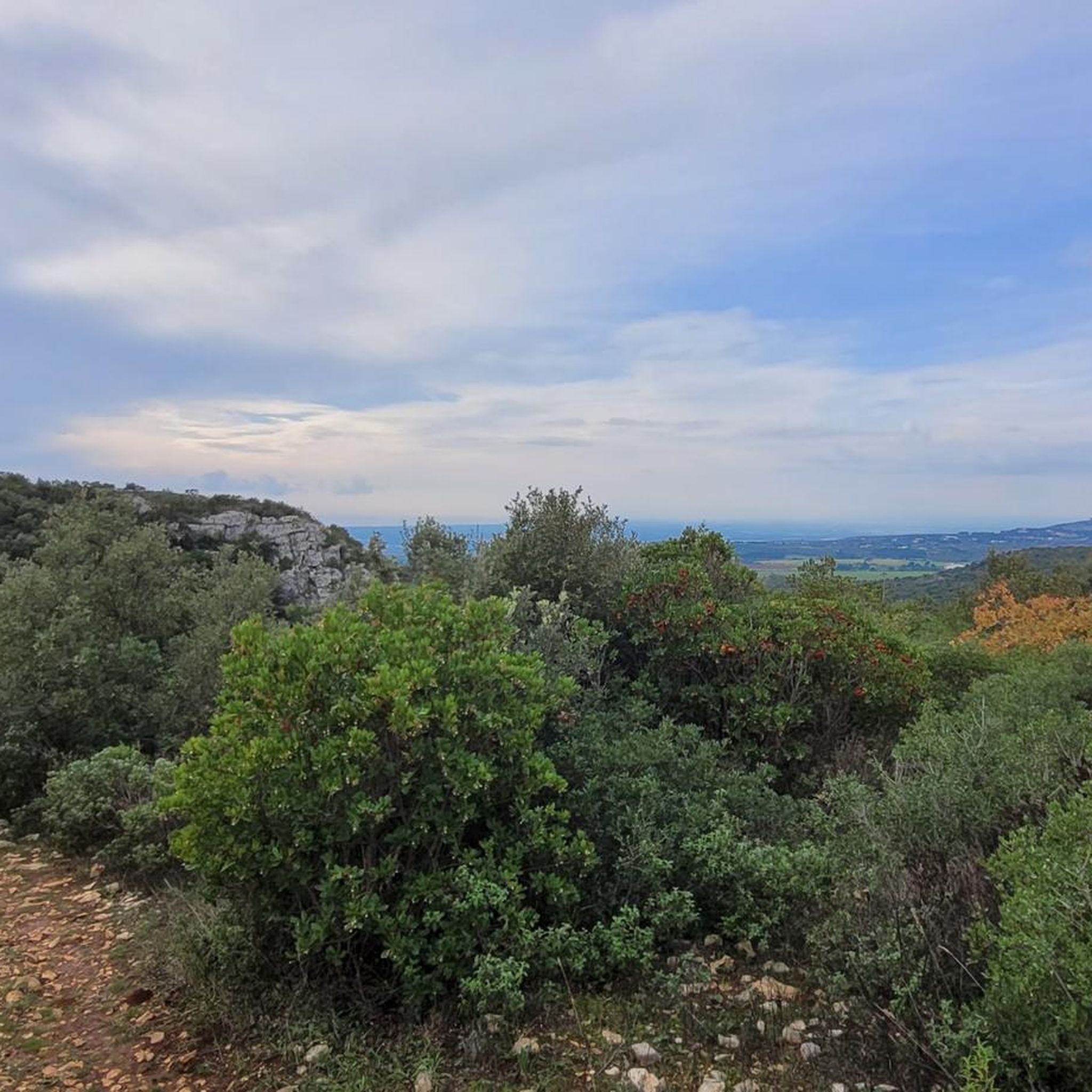
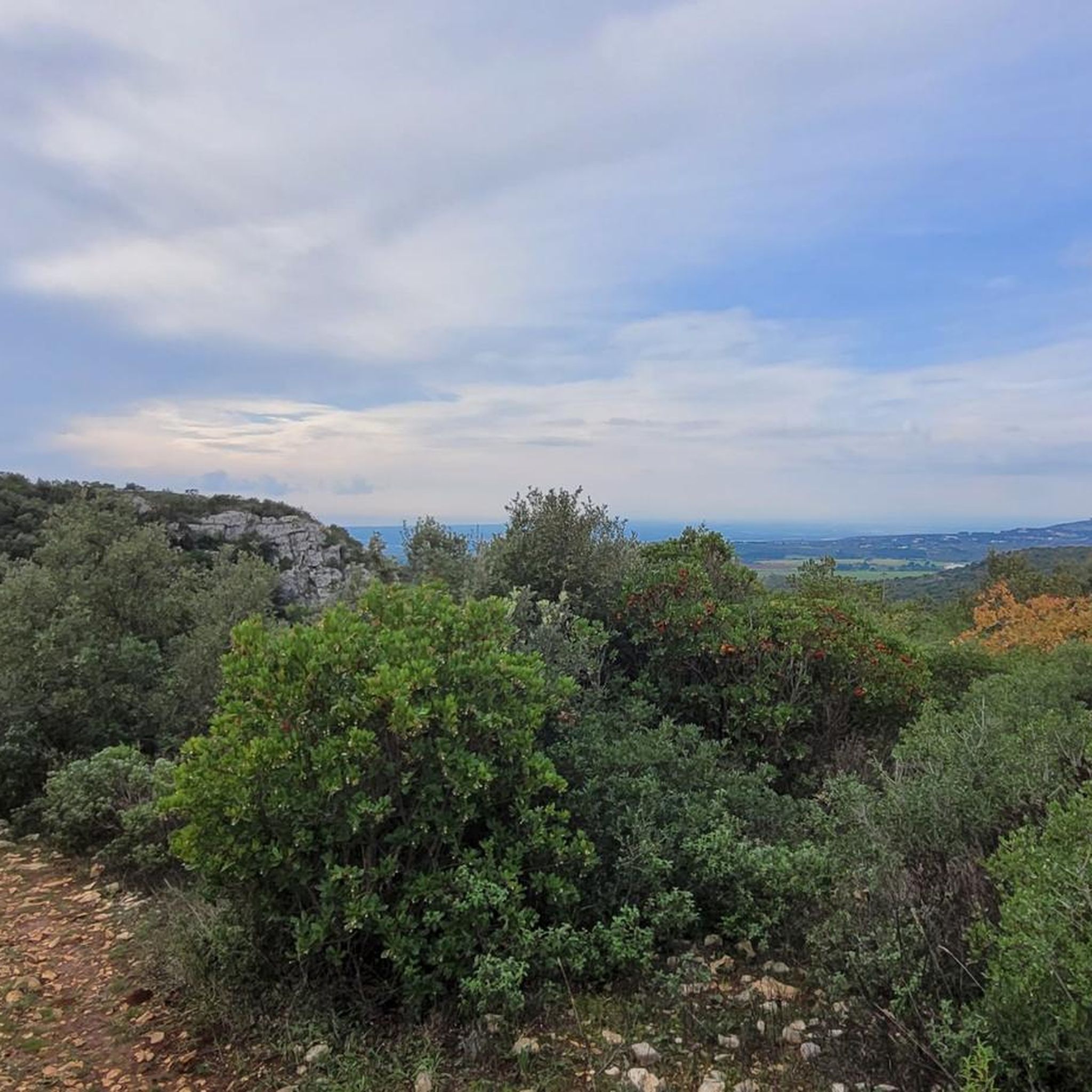
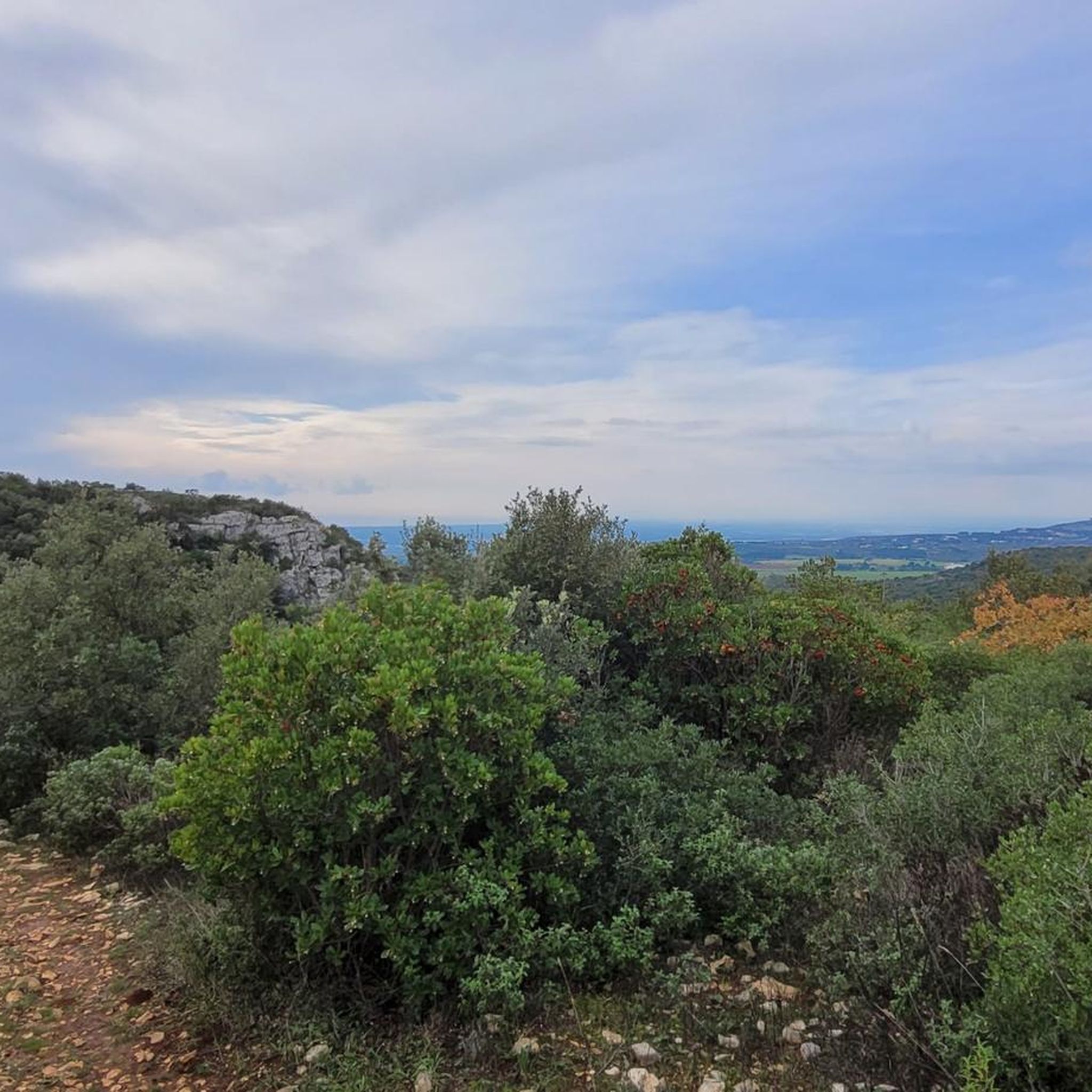
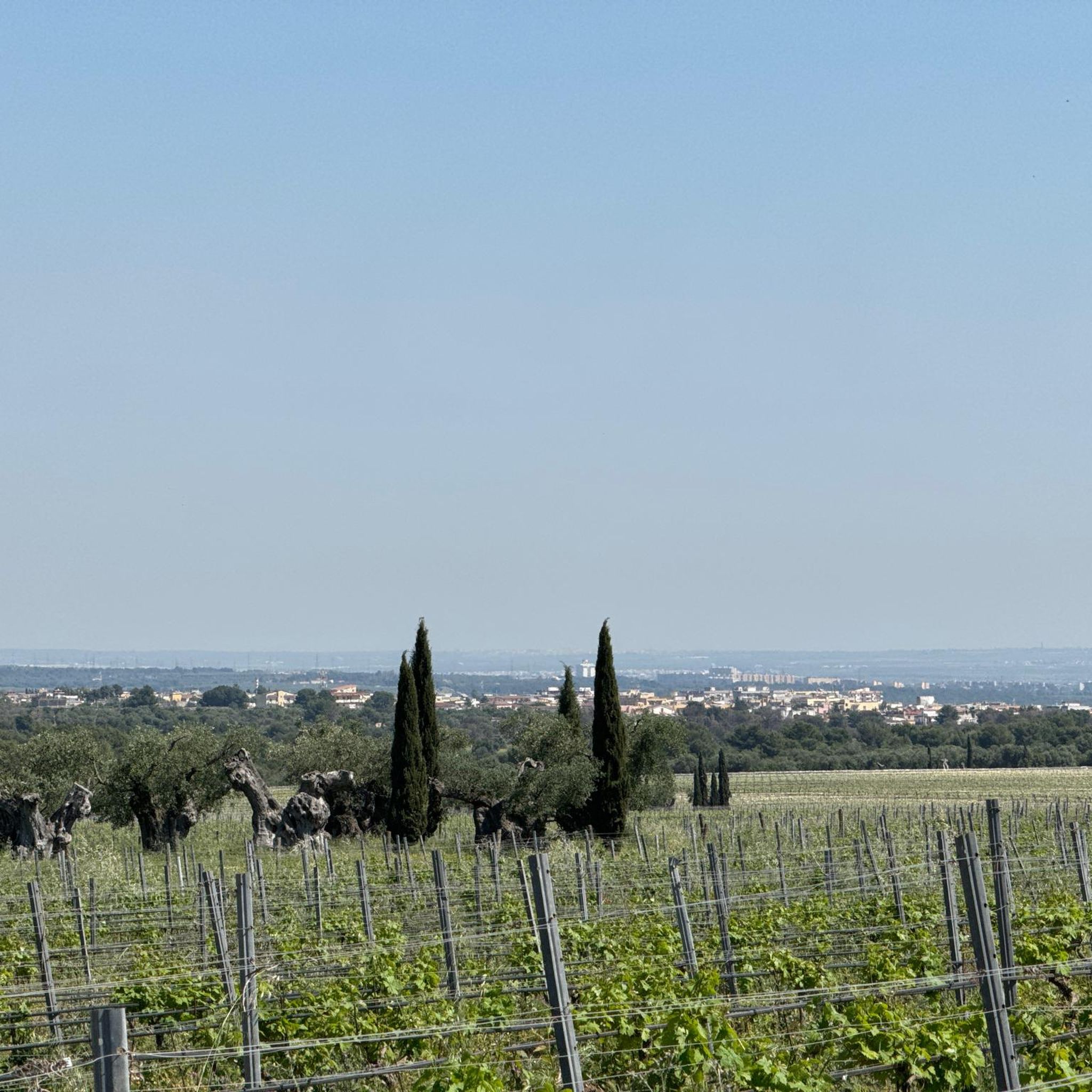
- The most popular attractions is Bosco delle Pianelle Nature Reserve, a forest that preserves the largest wooded complex of the South East Murgia. It features holm oak, Mediterranean scrub, and oak wood, offering numerous trails for exploration.
- Another must-see spot is Ponte di Pietra (Porta Napoli Bridge), a historical bridge. This suggestive passage offers views and connects different parts of the area.
- Visitors also love Cathedral of San Cataldo, a religious building. This cathedral is the oldest Romanesque cathedral in Puglia, featuring a coffered ceiling known as the "golden sky."
- Massafra is known for its dramatic ravines, ancient rock churches, and historical landmarks. Visitors can explore a variety of attractions, from natural reserves to significant religious and architectural sites.
- The attractions around Massafra are appreciated by the komoot community, with 63 upvotes and 12 photos shared by visitors.
Last updated: August 17, 2026
Bosco delle Pianelle Nature Reserve
Highlight • Forest
In front of the entrance to the wood, the rest and refreshment area
Translated by Google •
Tip by

Ponte di Pietra (Porta Napoli Bridge)
Highlight • Bridge
Translated by Google •
Tip by
Sign up now to discover places like this
Get recommendations on the best single tracks, peaks, & plenty of other exciting outdoor places.
Sign up for free
Cathedral of San Cataldo
Highlight • Religious Site
Translated by Google •
Tip by

San Michele Cave in Triglie
Highlight • Cave
Translated by Google •
Tip by
Robin Trail
Highlight (Segment) • Trail
Translated by Google •
Tip by

Sign up for free to discover even more attractions around Massafra.
Sign up for free
Already have an account?
Start today with a free account
Your next adventure awaits.
Login or Signup

Tips from the Community

Not particularly steep but still challenging due to broken branches on the track (the paths should be cleared) and loose stones that make it difficult to maintain a line on the descent. Nice
0
0

Very beautiful and technical route, the second part is more flowing while the first is technical with slippery rocks especially in winter.
0
0

The Church of San Michele in Triglie was built on the Triglio hill, between Crispiano and Statte, between 1722 and 1746, by the will of the Bitetto family, who dedicated this place sacred to San Michele Arcangelo for a family devotion. The building rises above the remains of an ancient cave dedicated to the Saint that can still be visited today and decorated with frescoes by modern era. The church was later called the church of San Michele in Triglie from the name of the Contrada Triglie which hosts it and which takes its name from the ravine of the same name. The new chapel of San Michele in Triglie was instead built at the end of the nineteenth century by the Coneviva family, who inherited the farm from the Blasi family. Various historical events have seen the sacred place stripped of its sacred furnishings, around in 1841 it even became a warehouse / barn and was forbidden to worship in 1958. Thanks to the devotion and perseverance of the Coneviva family, the church was restored and today it is possible to visit it.
0
0

In the center of Via Duomo, stands the Cathedral of San Cataldo, the oldest in Puglia
0
0

Nice place for those who love enduro
0
0

Nice path through the woods, an joy to ride
0
0

The "Stone Bridge", also called "Porta Napoli Bridge" and today dedicated to Sant'Egidio Maria da Taranto, was built in 1883 after a disastrous flood (on the night between 14 and 15 September of the same year) destroyed the seven-arch bridge built in the 10th century. A.D. by Emperor Nicephorus II Phocas. The ancient Byzantine structure followed a slightly different axis from the current one to better respond to the risk of attack. Under the threat of increasingly frequent military incursions, the bridge, as well as the western access to the city f
1
0

One of the bridges, the other is the swing bridge that connects old Taranto to the rest of the city.
0
0
Frequently Asked Questions
What natural features can I explore in Massafra?
Massafra is renowned for its dramatic karst ravines, deep gorges carved by water over millions of years. The town is considered a gateway to the Terra delle Gravine Regional Natural Park, Puglia's largest regional natural park, which boasts significant biodiversity. You can explore the Gravina di San Marco, which runs through the town, or the Gravina della Madonna della Scala, known for its underground rock houses and the evocative Grotta del Ciclope (Cyclops Cave). Additionally, the Bosco delle Pianelle Nature Reserve offers the largest wooded complex of the South East Murgia with numerous trails.
Are there opportunities for hiking or cycling near Massafra?
Yes, Massafra and its surrounding areas offer various routes for outdoor activities. The Bosco delle Pianelle Nature Reserve is particularly popular among cyclists and hikers, featuring trails of varying technical difficulty. For running, you can find routes like the "SS. Cosma e Damiano loop from Massafra" or "Bosco di Marziotta loop from Palagiano-Chiatona" on the Running Trails around Massafra guide. Cyclists can explore routes such as "Masseria Amastuola – Bosco Pianelle Visitor Center loop from Massafra" or "Massafra Castle – Gravina di San Marco loop from Massafra" detailed in the Cycling around Massafra guide. There are also numerous options for gravel biking, like the "Fantiano Quarries – Gravina di Riggio loop from Centro Visite Bosco delle Pianelle" found in the Gravel biking around Massafra guide.
What historical and cultural sites should I visit in Massafra?
Massafra is rich in history. You can explore the imposing Castello di Massafra, a Norman-era castle overlooking the Gravina di San Marco. The Mother Church of San Lorenzo (Duomo di San Lorenzo Martire), with its majestic dome and medieval crypt, is a prominent feature of the old town. Don't miss the Santuario Madonna della Scala, an 18th-century Baroque church scenically located at the bottom of its namesake ravine. The Ponte di Pietra (Porta Napoli Bridge) also offers a historical passage with views of the ravine.
Are there ancient rock churches to explore in Massafra?
Absolutely, Massafra is famous for its numerous rock-hewn churches, many preserving Byzantine frescoes. Some notable examples include the Chiesa Rupestre di Sant'Antonio Abate, one of the best-preserved with 13th-century frescoes, and the rock churches of San Leonardo and Santa Marina, known for their beautiful early medieval frescoes. The Church of Our Lady of Candlemas (12th century) and the Church of Buona Nuova (6th-7th century) are also highly recommended for their historical significance and frescoes. You can also visit the San Michele Cave in Triglie, an enchanting rock church located on the Triglio ravine.
What is the significance of the ravines in Massafra's history?
The ravines (gravine) are central to Massafra's identity and history. They served as natural shelters, leading to the development of ancient cave dwellings and rock-hewn churches that were inhabited from the Neolithic period until the mid-20th century. These deep gorges reveal a rich underground world that reflects the area's early monastic life and human settlement. The ravines are not just natural wonders but also archaeological treasures, offering a unique glimpse into the past.
Are there family-friendly attractions in Massafra?
Many of Massafra's attractions are suitable for families. Exploring the dramatic ravines and their ancient rock churches can be an adventurous and educational experience. The Bosco delle Pianelle Nature Reserve is a fantastic place for families to enjoy nature, with trails for walking and cycling. Historical sites like the Castello di Massafra and the Ponte di Pietra (Porta Napoli Bridge) offer engaging insights into the region's past. The Cathedral of San Cataldo, with its impressive architecture, is also considered family-friendly.
What is the best time of year to visit Massafra?
Massafra is an ideal destination for those seeking an off-the-beaten-path experience. The spring and autumn months generally offer pleasant weather for exploring the outdoor attractions, such as the ravines and nature reserves, without the intense heat of summer. These seasons are also excellent for hiking and cycling. Summer can be quite warm, but it's still a good time to visit if you plan your outdoor activities for the cooler parts of the day.
How much time should I allocate to visit Massafra's historical sites?
To fully appreciate Massafra's historical and cultural sites, including the castle, Mother Church, Santuario Madonna della Scala, and several rock churches, you would ideally need at least one full day, if not two. Exploring the Centro Storico di Massafra (Historic Centre) with its winding lanes and whitewashed houses, along with a few key rock churches and the castle, could take a significant portion of a day. If you plan to delve deeper into the ravines or visit multiple rock churches, allocating more time would be beneficial.
Are there any unique or 'hidden gem' attractions in Massafra?
Beyond the main landmarks, Massafra offers several unique experiences. The Grotta del Ciclope (Cyclops Cave) and the Farmacia del Mago Greguro (Greguro Wizard's Pharmacy) within the Gravina della Madonna della Scala offer intriguing glimpses into ancient cave dwellings. The Palace of Culture preserves traces of Greek civilization, providing a unique historical layer. The San Michele Cave in Triglie is another charming rock church, often open for special occasions, offering a more secluded historical experience.
What do visitors particularly enjoy about the attractions around Massafra?
Visitors to Massafra particularly enjoy the blend of historical sites and natural landscapes. The dramatic ravines, ancient cave dwellings, and rock-hewn churches offer a unique cultural and geological experience. The Bosco delle Pianelle Nature Reserve is highly praised for its extensive trails, making it a paradise for cyclists and hikers. The historical significance of sites like the Ponte di Pietra (Porta Napoli Bridge) and the architectural beauty of the Cathedral of San Cataldo are also frequently appreciated.
Can I spot wildlife in the natural areas around Massafra?
Yes, the natural areas around Massafra, particularly the Terra delle Gravine Regional Natural Park and the Bosco delle Pianelle Nature Reserve, are known for their significant biodiversity. These protected areas, characterized by holm oak, Mediterranean scrub, and oak wood, provide habitats for various species. While specific wildlife sightings can vary, these environments offer excellent opportunities for nature observation and birdwatching.
Are there any religious buildings of note besides the rock churches?
Beyond the numerous rock churches, Massafra features several significant religious buildings. The Mother Church of San Lorenzo (Duomo di San Lorenzo Martire) is a prominent 16th-century church with a majestic dome and a medieval crypt. The Santuario Madonna della Scala, an 18th-century Baroque church, is scenically located at the bottom of the Gravina della Madonna della Scala. Additionally, the Chiesa di San Benedetto and Chiesa di Sant'Agostino are beautiful Baroque churches within the historic core, known for their elegant altars and religious artworks. The Cathedral of San Cataldo is also a must-see, being the oldest Romanesque cathedral in Puglia.
Most popular routes around Massafra
Most popular attractions around Massafra

Get inspired with the komoot mobile app


Explore more
Still not found the Highlight you’re looking for? See guides of the top attractions in other regions:
