The best road cycling routes in Sud Sardegna
4.6
(734)
16,280
riders
553
rides
Road cycling routes in Sud Sardegna traverse diverse landscapes, from coastal roads with panoramic sea views to rolling inland hills and areas shaped by mining heritage. The region features a mix of mostly well-paved surfaces, with some routes including more challenging segments. Cyclists can expect varied terrain, including short climbs and descents, alongside traffic-free backroads. This area offers a range of road cycling experiences across its southern Sardinian geography.
Best road cycling routes in Sud Sardegna
- The most popular road…
Last updated: July 20, 2026
4.9
(45)
651
riders
48.4km
02:25
620m
620m
Moderate road ride. Good fitness required. Mostly well-paved surfaces and easy to ride.
4.6
(33)
521
riders
67.3km
02:47
390m
390m
Embark on the Tour of the Island of Sant'Antioco from San Giovanni Suergiu, a moderate road cycling adventure that takes you across 41.8 miles (67.3 km) with 1287 feet (392…

Sign up for free
4.6
(17)
368
riders
49.8km
02:17
590m
590m
Embark on the Costa Rei, Villasimius, and Castiadas Loop for a moderate road cycling adventure through southeastern Sardinia. This route spans 31.0 miles (49.8 km) and climbs 1950 feet (594…
3.4
(5)
449
riders
80.3km
03:38
910m
910m
Embark on a challenging racebike journey along the Costa del Sud Panoramic Road, stretching from Chia to Porto Pino. This difficult route covers 49.9 miles (80.3 km) and features a…
4.9
(12)
273
riders
73.1km
03:50
1,310m
1,310m
Embark on a challenging road cycling journey with the Iglesiente Mining Coast Loop, a difficult route spanning 45.4 miles (73.1 km). You will climb 4301 feet (1311 metres) over approximately…
4.5
(11)
156
riders
85.0km
03:54
970m
970m
Embark on a challenging road cycling adventure with the To the Laguna di Merceddì from Gonnusfanadiga — ring tour. This difficult route covers 52.8 miles (85.0 km) and features a…
93
riders
67.9km
03:34
1,260m
1,260m
Embark on a challenging road cycling adventure with the From San Vito to Villasalto ring tour, a difficult route designed for those with very good fitness. This 42.2-mile (67.9 km)…
4.5
(4)
83
riders
63.2km
03:16
1,130m
1,130m
Embark on The Road of the Three Springs from Dolian, a challenging racebike route that winds through the natural beauty of the Provincia del Sud Sardegna. This demanding ride covers…
4.7
(10)
60
riders
31.5km
01:27
290m
280m
This easy road cycling ring tour, "Sea and mountains from Costa Rei," offers a diverse ride over 19.6 miles (31.5 km) with a gentle elevation gain of 949 feet (289…
5.0
(4)
57
riders
35.9km
01:50
530m
530m
Embark on a moderate racebike tour around San Pietro Island, covering 22.3 miles (35.9 km) with 1751 feet (534 metres) of elevation gain. This route, which takes about 1 hour…
Get access to more routes and recommendations from other explorers.
Sign up for free
Already have an account?
Our route recommendations are based on thousands of hikes, rides, and runs completed by other people on komoot.
Start today with a free account
Your next adventure awaits.
Login or Signup
Popular around Sud Sardegna
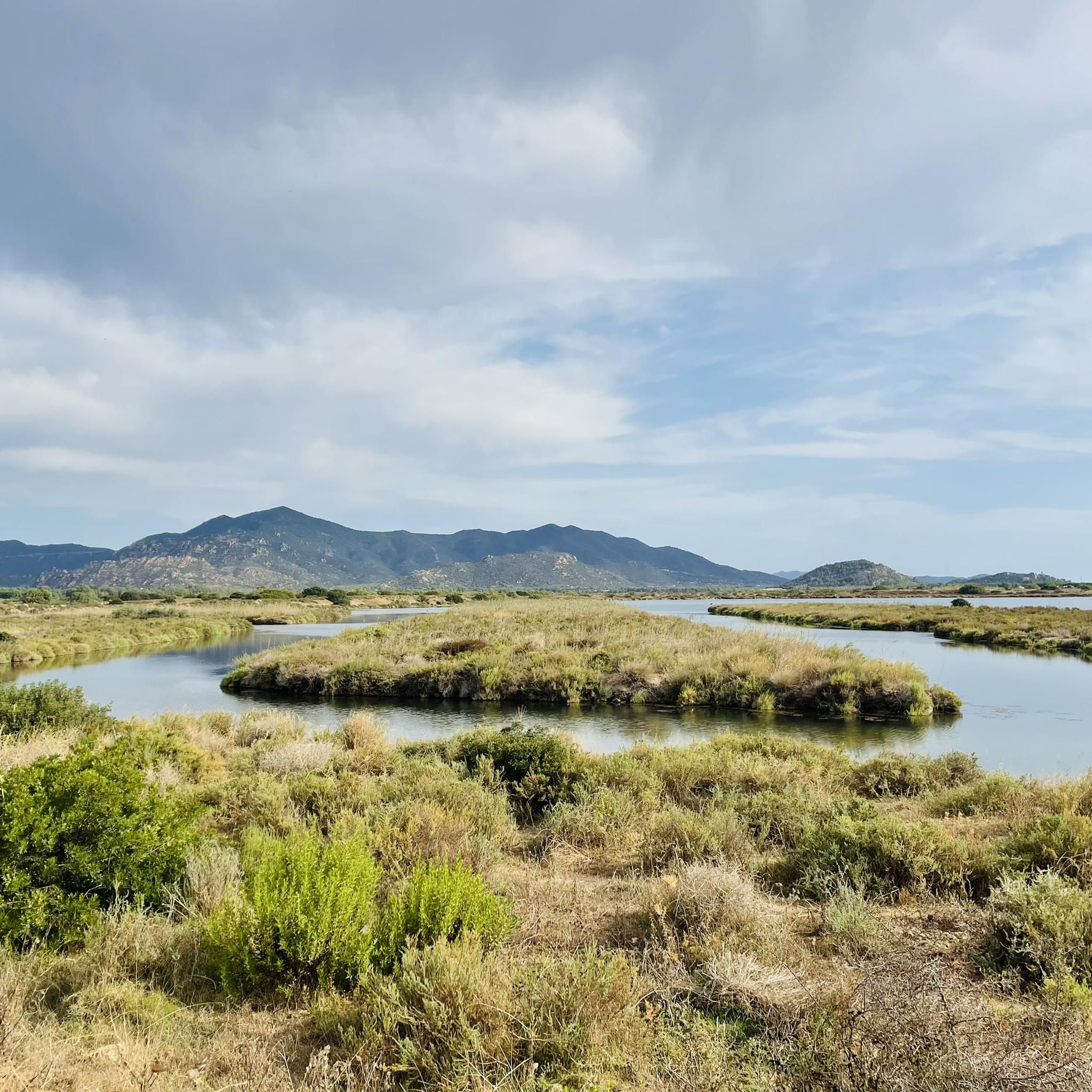
Road Cycling Routes around Murera/Muravera
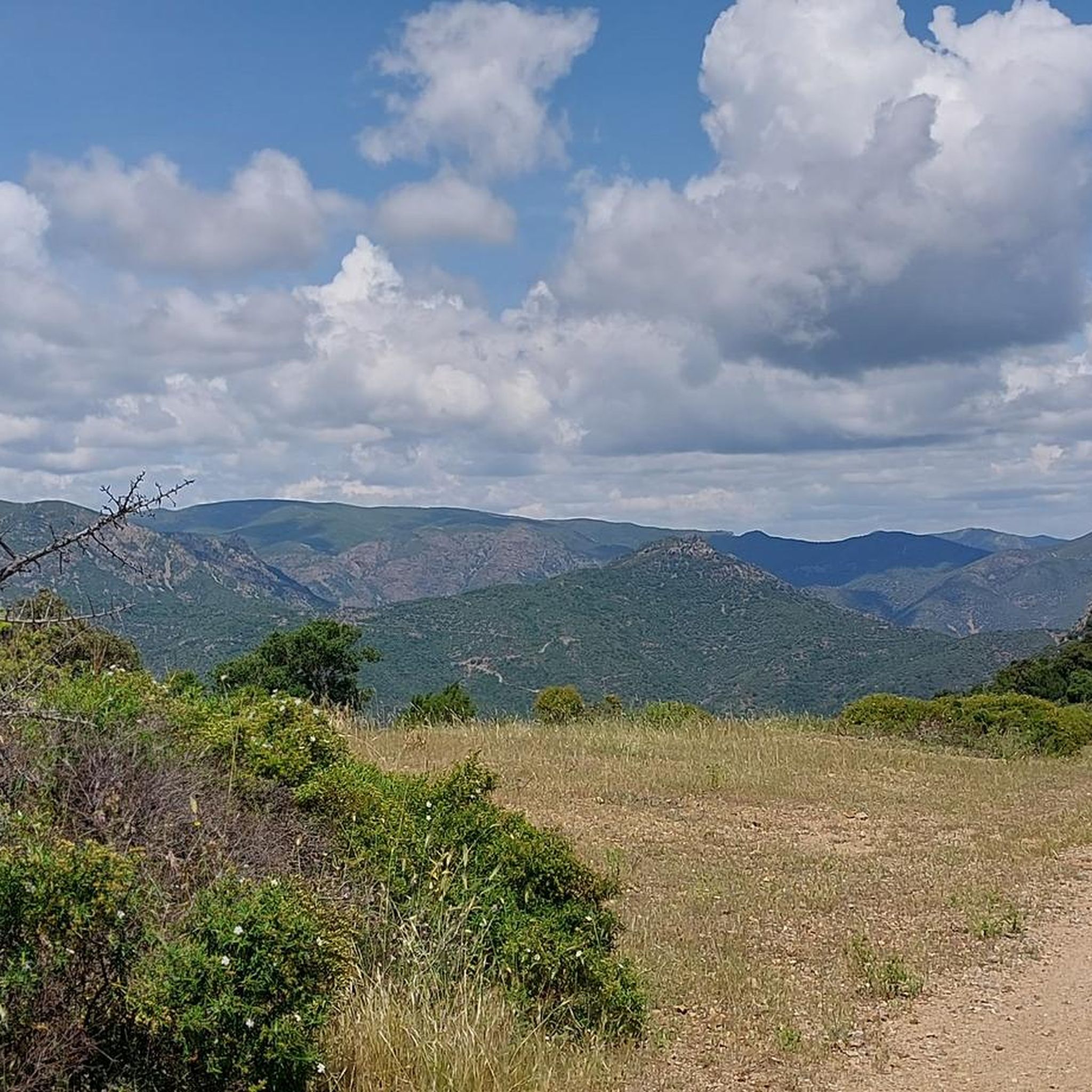
Road Cycling Routes in Cantiere Forestale Rio Molas Baccu Arrodas
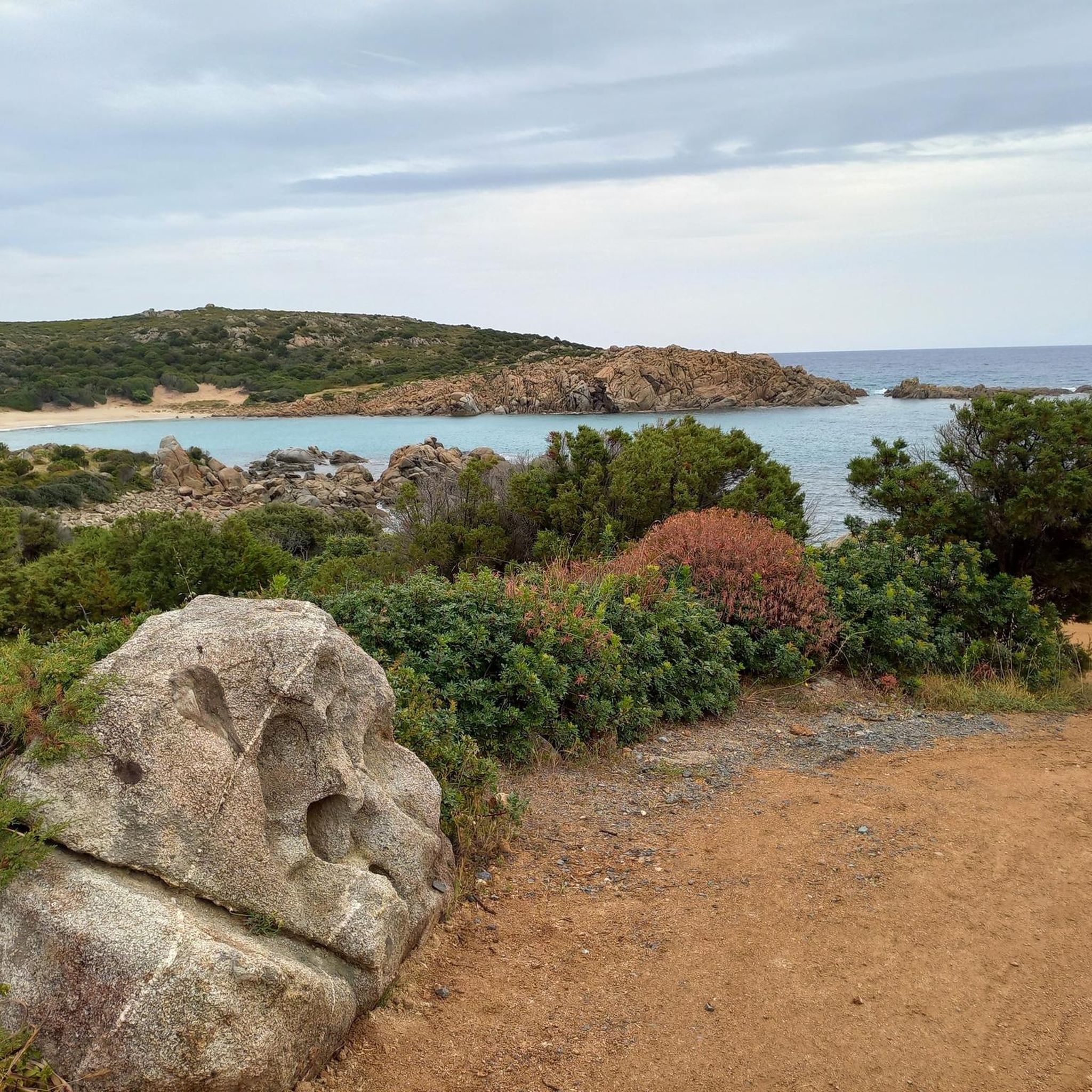
Road Cycling Routes around Domus De Maria
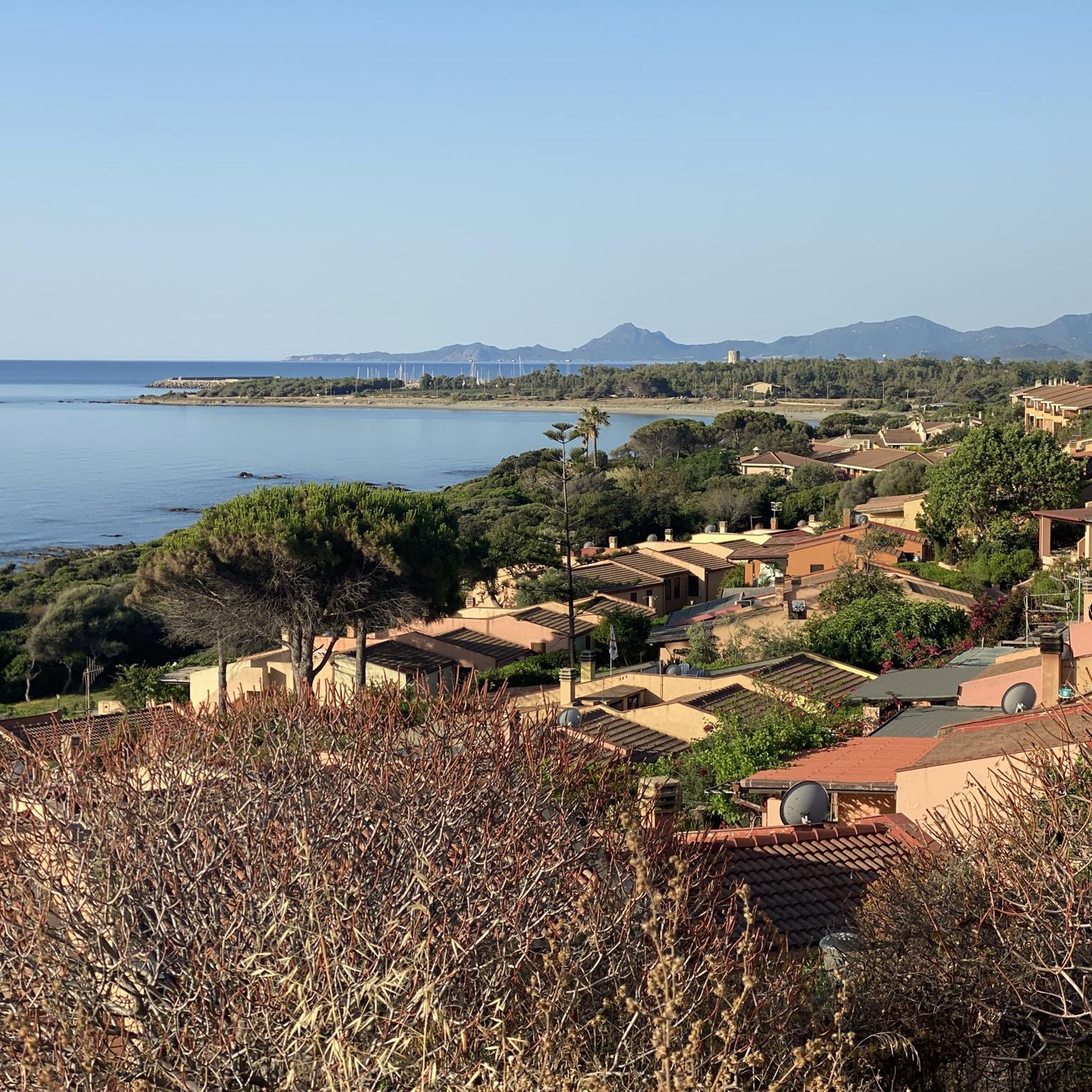
Road Cycling Routes around Biddeputzi/Villaputzu
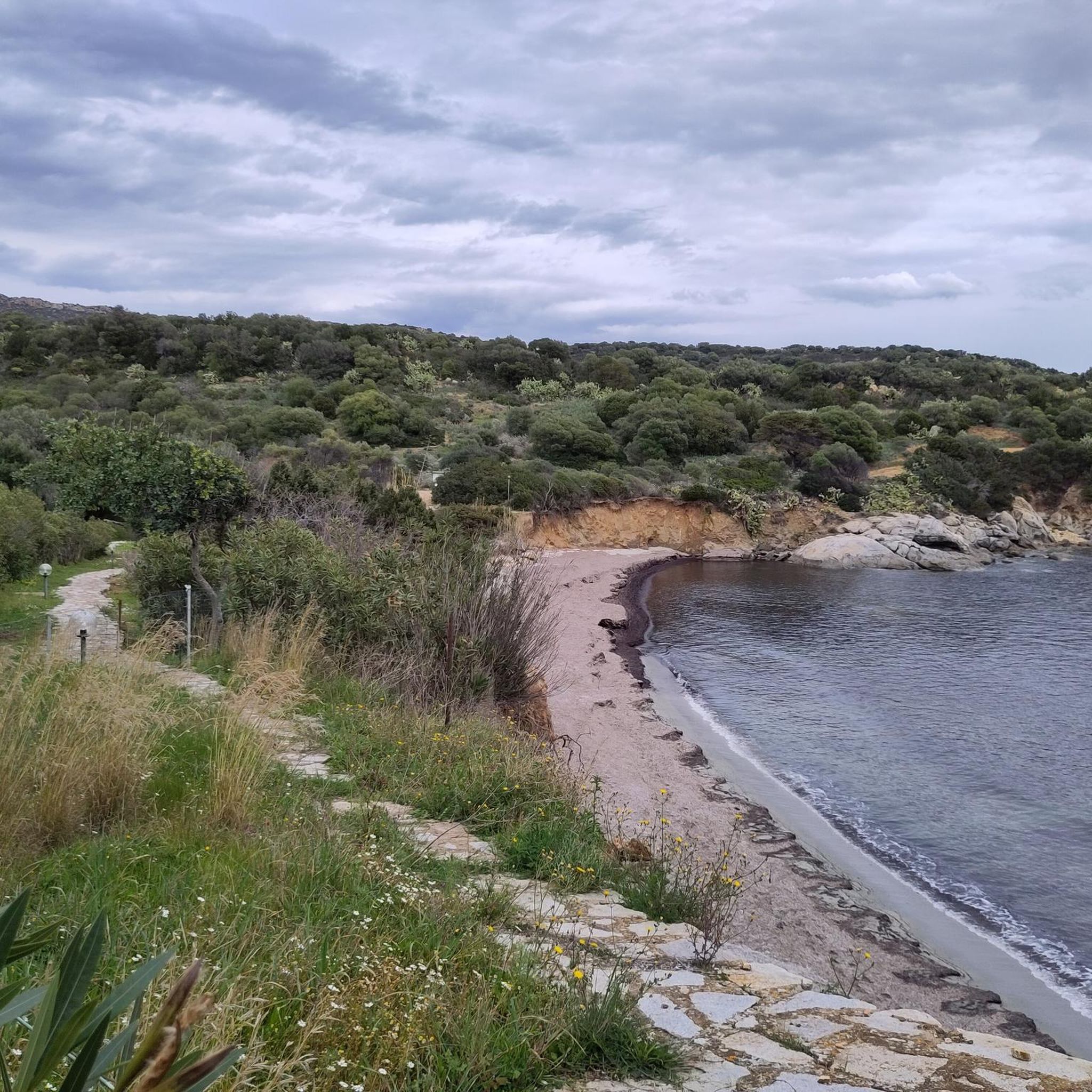
Road Cycling Routes around Crabonaxa/Villasimius
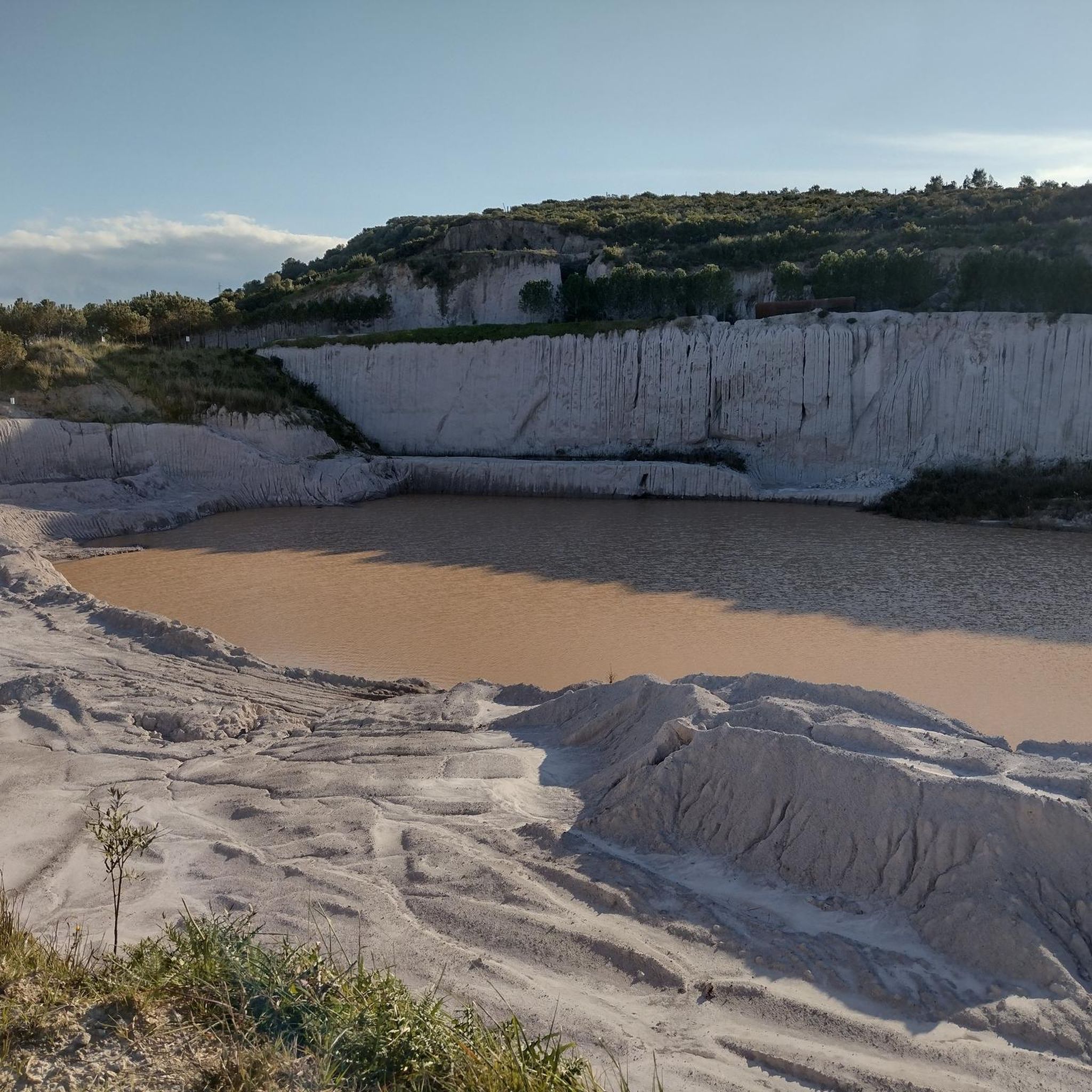
Road Cycling Routes around Santu Giuanni Suèrgiu/San Giovanni Suergiu
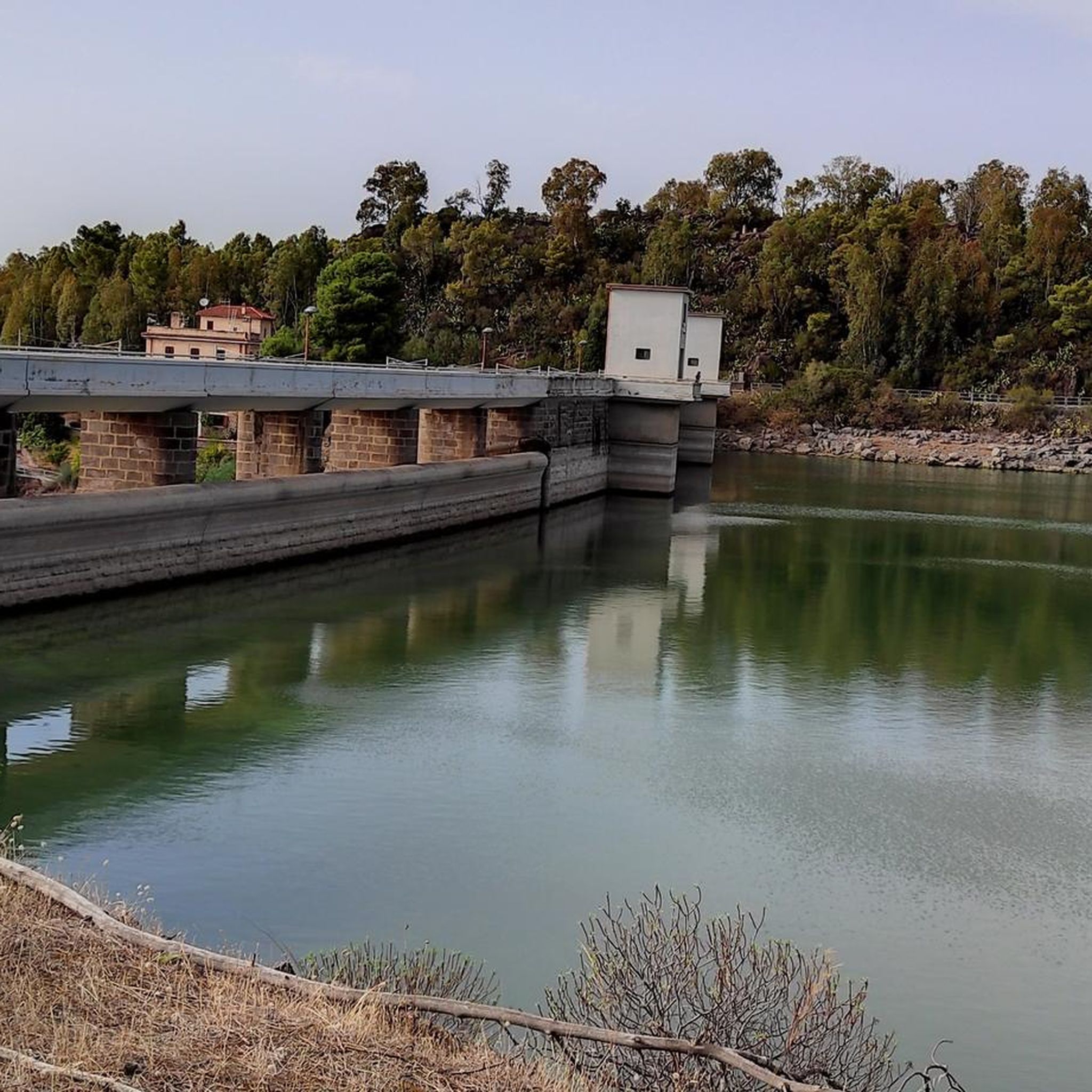
Road Cycling Routes around Tratalias
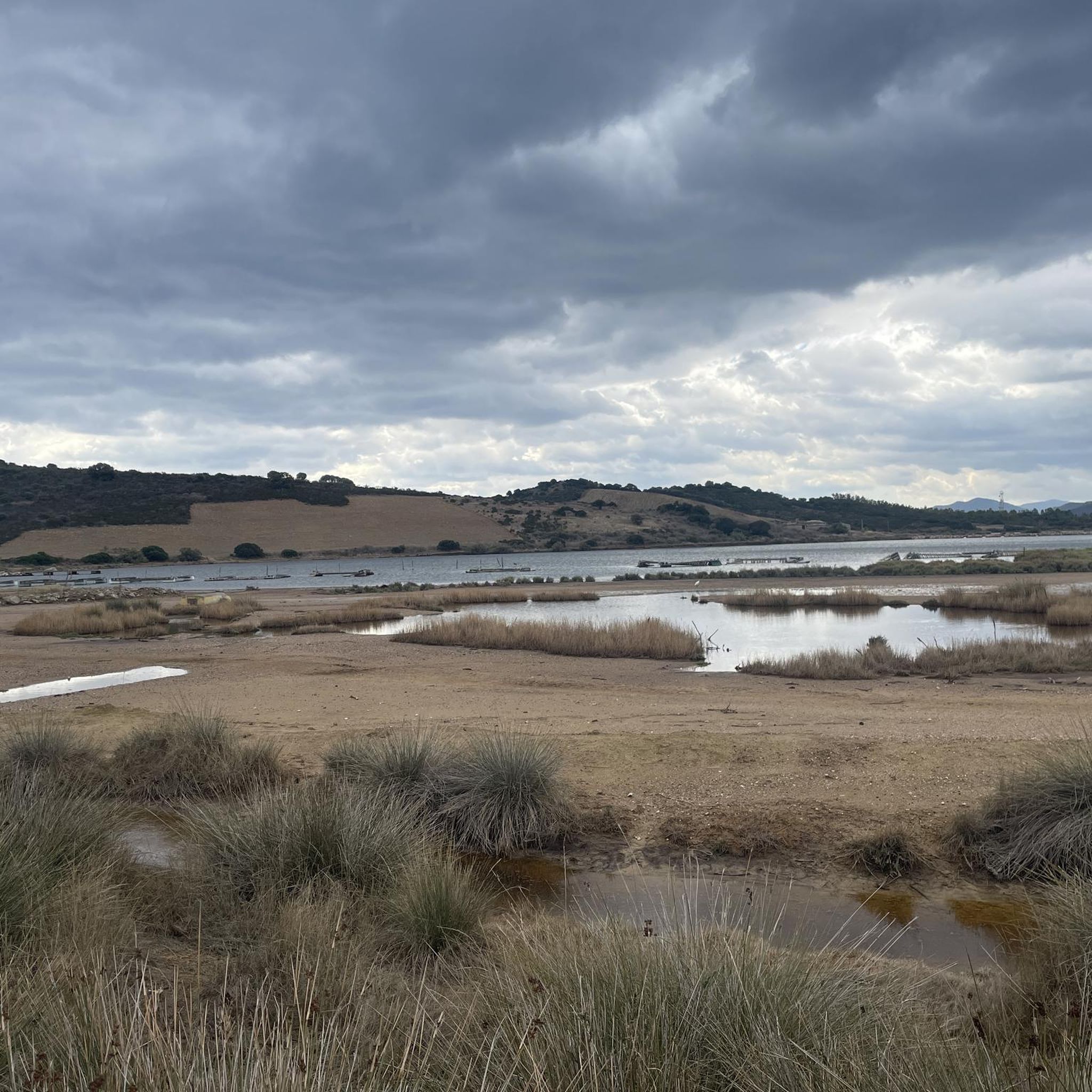
Road Cycling Routes in Sic “Foce Del Flumendosa – Sa Praia”
Road Cycling Routes around Giba
Road Cycling Routes in Cantiere Forestale Gennargiolas Minderrì
Other adventures in Sud Sardegna


Tips from the Community

Carloforte, still closely linked to Pegli and Genoa, is the island's only center, with 6,000 inhabitants. It enchants with its many narrow streets rising up a gentle slope, its colorful corners and sea views, its small harbor, and its former defenses, of which watchtowers and sections of walls with forts can still be seen, including La Porta del Leone. Among the architectural highlights of this town, which is included in the Club of the Most Beautiful Towns in Italy, are U Palassiu, dating from the early 20th century and now the Giuseppe Cavallera Cinema, and the Church of the Madonna del Naufrago, which houses the wooden statue venerated by the Tabarkin people, a symbol of the faith and solidarity of the community.
5
0

Looks like it's good drinking water because locals load their cars with it
0
0


Great place to fill your water bottle
0
0

The language of the Tabarchians essentially corresponds to the Ligurian language of the 15th century. Through personal and trade connections - both from Tunisia and from the island of San Pietro - it has developed just as much as the actual Ligurian and Genoese languages. Due to its geographical location, the port of Carloforte was of considerable importance in shipping and as a transshipment point for medium tonnage until the beginning of the 19th century. Carlofortine Ligurian preserves some nouns and rare grammatical forms that only occur in the outdated Genoese. It does not contain any Gallicisms that Genoese has adopted in recent centuries; for example, the accent (còccina) is typical of Pegli and not of pure Genoese. Only a few nouns from Sardinian, Arabic and Tuscan can be identified as external influences. More than 80 percent of the population still speak this dialect in everyday life today. The architecture, culture, customs and traditions of Carloforte still correspond to those of Liguria. Due to its historical, economic and cultural ties with the Ligurian capital, especially with Pegli, Carloforte was recognized as an honorary municipality of the province of Genoa on November 10, 2004. In 2006, the neighboring municipality of Calasetta received the same honor. Carloforte celebrates twin festivities with Pegli every year.
2
0
In 1542, the inhabitants of Pegli and the neighbouring communities left their home on the Ligurian coast in the wake of the Lomellini, a powerful trading family from Pegli and Genoa, and settled on the island of Tabarca off the coast of Tunisia, where they dived for coral until 1735. When coral mining and thus the tribute to the Lomellini continued to decline and was no longer profitable for all sides, and the conflicts with the Muslims intensified, King Charles Emmanuel III of Savoy, on the initiative of the Piedmontese architect Augusto de la Vallée, made the offer to settle the still uninhabited island of San Pietro. A part of the Tabarchini under the leadership of Agostino Tagliafico accepted the offer and settled on the island off Sardinia in 1738. In honour of the king, they named the new place Carloforte ("Charles the Strong"). Over time, other emigrant families arrived directly from Liguria and helped to strengthen the small, thriving community. In 1798, Carloforte was attacked by pirates and around 900 inhabitants were captured and held as slaves in Tunis; one of them became the mother of Bey Ahmad I al-Husain. After five years, they were finally ransomed. The parts of the old city walls and the fortress that still remain today are evidence of this barbarian invasion. The population, also known as the Tabarchines because of their origins, united the towns of Carloforte on the island of San Pietro and the neighboring community of Calasetta on the nearby island of Sant'Antioco. A smaller part of the emigrants from Tabarca headed towards the Spanish coast to Alicante and founded the town of Nueva Tabarca there. Although this colony retained some of the original surnames, it was absorbed by the Spanish-speaking community in terms of language and customs. The Tabarchini are scattered all over the world, mainly in Genoa, on the Ligurian coast, in Gibraltar, in Boca near Buenos Aires and in other port cities. They are estimated to number 18,000 people in total.
2
0
Carloforte (Ligurian: U Pàize) is an Italian municipality in the province of Sulcis Iglesiente in the Autonomous Region of Sardinia. It essentially comprises the island of San Pietro about 10 km off the southwest coast of Sardinia and some other insignificant islets of the Sulcis archipelago. The small town with 5983 inhabitants (as of December 31, 2022) is the only settlement on the island of San Pietro.
2
0

Frequently Asked Questions
How many road cycling routes are available in Sud Sardegna?
Sud Sardegna offers a wide selection of road cycling routes, with over 500 options available on komoot. These routes cater to various preferences, from leisurely coastal rides to challenging inland ascents.
Are there road cycling routes suitable for beginners in Sud Sardegna?
Yes, Sud Sardegna has numerous routes suitable for beginners. There are over 80 easy road cycling routes available, offering gentler terrain and shorter distances. An example of an easy route is the Sea and mountains from Costa Rei – ring tour, which provides a pleasant ride with manageable elevation.
Where can I find more challenging road cycling routes in Sud Sardegna?
For experienced cyclists seeking a challenge, Sud Sardegna features over 140 difficult routes. These often include significant elevation gains and longer distances. Routes like From Iglesias to Nebida along the Gulf of Gonnessa coastline - ring tour or From San Vito to Villasalto in the Geomineral Park of Sardinia — ring tour offer demanding climbs and rewarding views.
What kind of landscapes can I expect while road cycling in Sud Sardegna?
Road cycling in Sud Sardegna offers incredibly diverse landscapes. You can expect stunning coastal roads with panoramic sea views, rolling inland hills, and areas rich in mining heritage. The terrain constantly changes, featuring everything from intimate coves and large sandy dunes to historical sites and lush natural parks.
Are there specific routes that offer stunning coastal views?
Absolutely. Sud Sardegna is renowned for its breathtaking coastal routes. The South Coast Loop is a prime example, offering panoramic views of jagged cliffs, white sandy beaches, and ancient Spanish watchtowers. Another scenic option is the route From Chia to Porto Pino along the seaside of the municipality of Teulada.
Can I explore the region's mining heritage by road bike?
Yes, the inland areas of Sud Sardegna offer routes that delve into the region's rich mining heritage. The Sulcis-Iglesiente region, in particular, features old industrial archaeology and ghost towns. The From Iglesias to Nebida along the Gulf of Gonnessa coastline - ring tour is an excellent way to experience this unique landscape.
Are there many circular road cycling routes in Sud Sardegna?
Many of the road cycling routes in Sud Sardegna are designed as circular tours, allowing you to start and end in the same location. Examples include the popular South Coast Loop, the Ring tour from Costa Rei to Villasimius, and the To the Laguna di Merceddì from Gonnusfanadiga — ring tour.
What natural attractions or landmarks can I see near the road cycling routes?
Sud Sardegna is rich in natural attractions. Near many routes, you can find impressive geological formations and historical sites. For example, you might encounter caves like San Giovanni Cave or Su Mannau Cave. The region also features unique coastal formations such as Pan di Zucchero and Masua stacks.
What is the best time of year for road cycling in Sud Sardegna?
The shoulder seasons, particularly spring (April-May) and autumn (September-October), are generally considered the best times for road cycling in Sud Sardegna. During these months, the weather is pleasant, temperatures are moderate, and the landscapes are vibrant. Summers can be very hot, especially inland, while winters are mild but can bring more unpredictable weather.
What do other cyclists say about road cycling in Sud Sardegna?
The road cycling experience in Sud Sardegna is highly rated by the komoot community, with an average score of 4.5 stars from over 500 reviews. Cyclists often praise the region's diverse terrain, stunning coastal views, and the opportunity to explore both natural beauty and historical sites. Over 14,000 road cyclists have used komoot to discover the area.
Are there any family-friendly road cycling options in Sud Sardegna?
While many road cycling routes are designed for more experienced riders, families can find suitable options among the easier routes available. These typically feature less elevation and are shorter in distance, allowing for a more relaxed pace. Always check the route details for distance and elevation to ensure it matches your family's fitness level.
Is parking readily available near road cycling starting points in Sud Sardegna?
In many towns and villages that serve as starting points for road cycling routes, you can generally find public parking. Coastal areas and popular tourist spots may have designated parking lots, though these can fill up during peak season. It's advisable to check specific starting locations for parking availability, especially for routes beginning in smaller, more remote areas.
Most popular routes in Sud Sardegna
Most popular attractions in Sud Sardegna

Get inspired with the komoot mobile app


Didn’t find what you were looking for?
Check out more Road cycling routes throughout Sud Sardegna below and find the perfect route in your destination.
Explore more
Browse the best Road cycling routes in other regions.
