Attractions and Places To See around Dorno - Top 20
Best attractions and places to see around Dorno, Italy, are concentrated in the Lomellina area, nestled between the Po and Ticino rivers. This rural town is characterized by its agricultural landscapes, including vast rice fields and intricate irrigation canals. Dorno offers a blend of historical sites and natural environments, providing opportunities for exploring local traditions and the countryside. The region's history dates back to the Bronze Age, with Roman-era settlements also present.
Best attractions and places to see around Dorno
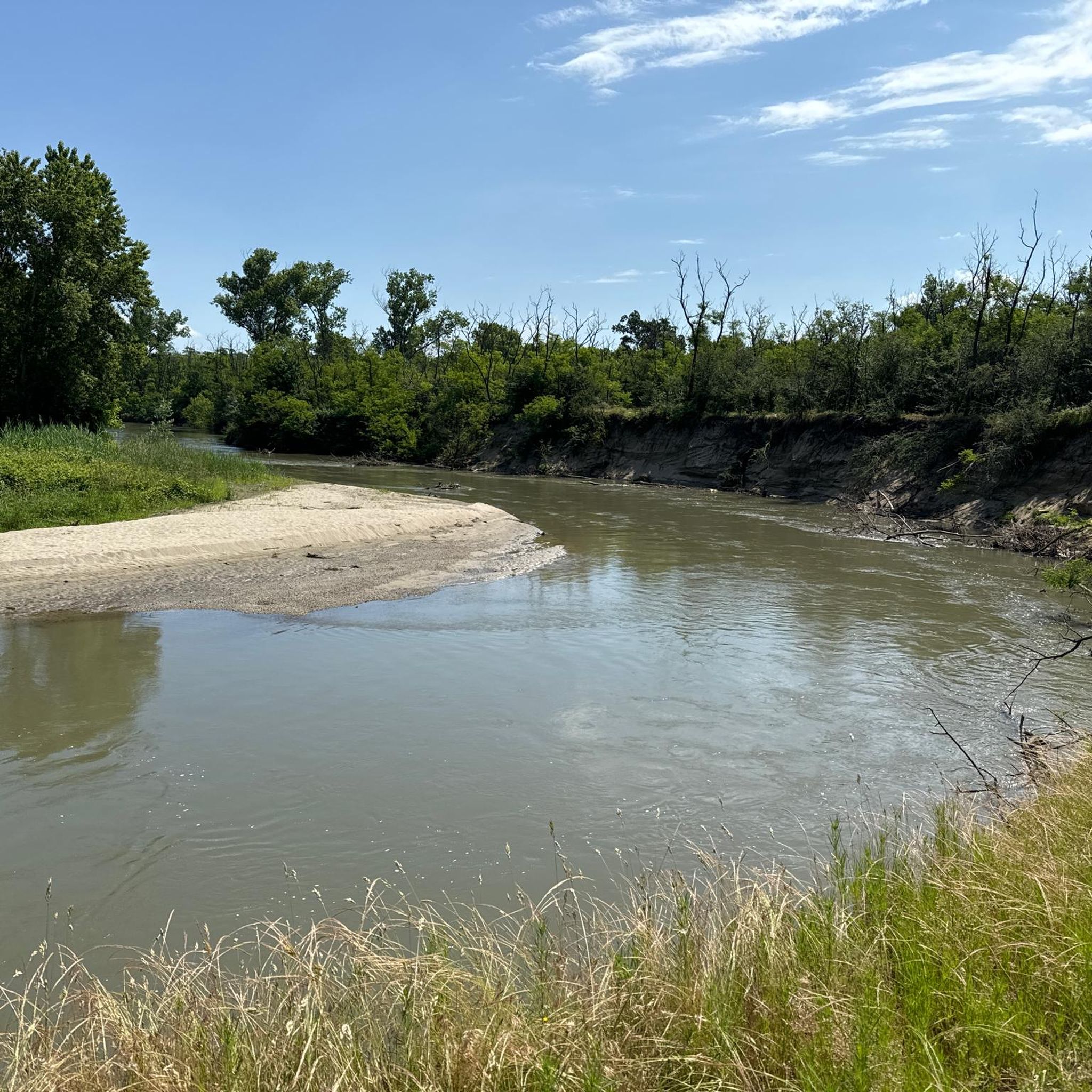
- The most popular attractions is Wooden Bridge over the Ticino, a bridge that is part of the E1 path. It is considered very impressive and not to be missed by visitors.
- Another must-see spot is Church of San Siro, Borgo San Siro, a religious building located in a quiet village in the province of Pavia. This parish church is dedicated to San Siro.
- Visitors also love Sanctuary of Madonna della Bozzola, a historical religious building with origins in a miraculous apparition from 1465. The church, founded in the 16th century, features a cotto facade with frescoes and houses a painting of Our Lady of the Bozzola.
- Dorno is known for its historical sites, natural landscapes, and agricultural heritage. Visitors can explore ancient churches, scenic river areas, and historical trails.
- The attractions around Dorno are appreciated by the komoot community, with 4 highlights featuring 46 photos and receiving 161 upvotes.
Last updated: July 6, 2026
Wooden Bridge over the Ticino
Highlight • Bridge
Translated by Google •
Tip by

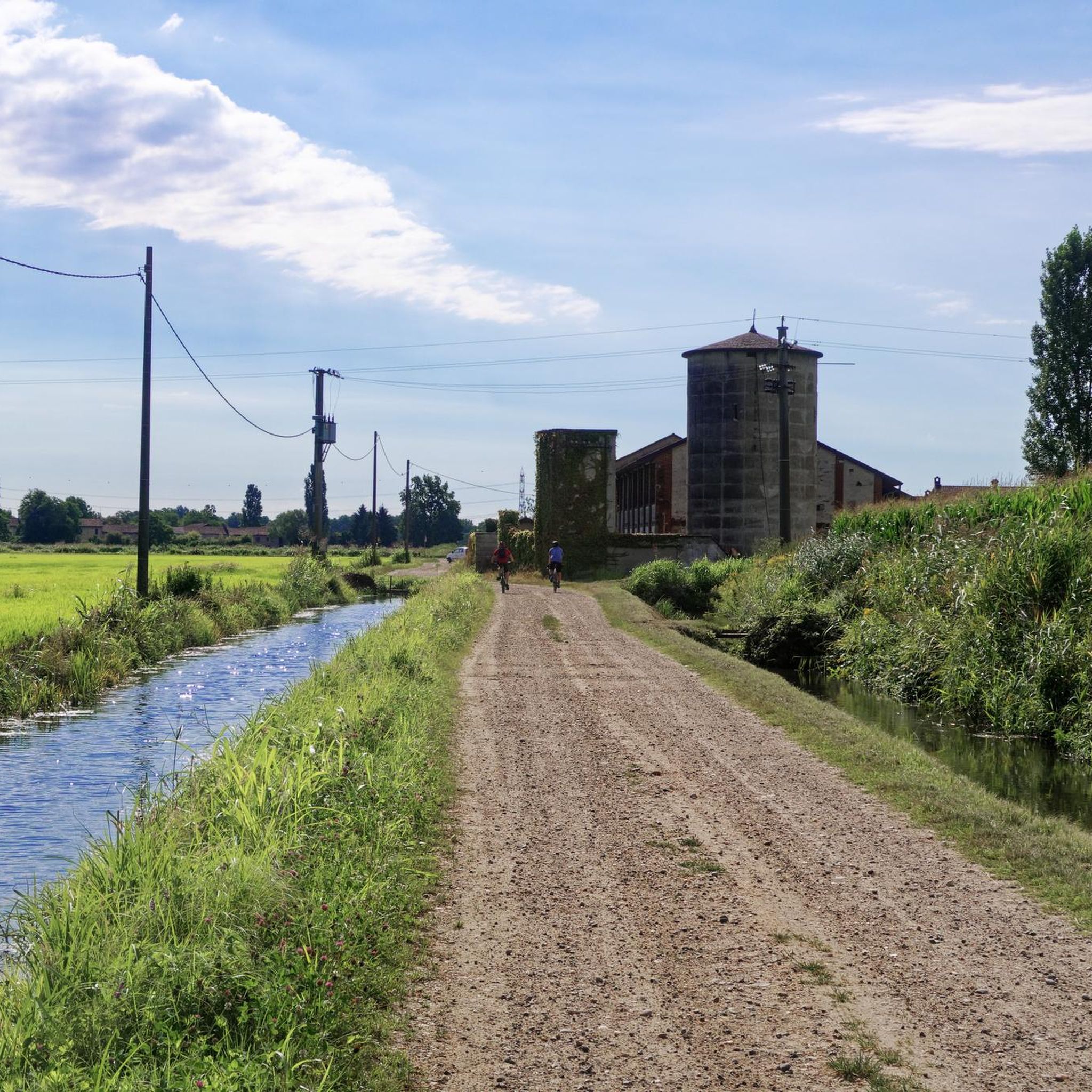
Scenic Road Along the Canal in Parco Lombardo della Valle del Ticino
Highlight (Segment) • Cycleway
Translated by Google •
Tip by

Sign up now to discover places like this
Get recommendations on the best single tracks, peaks, & plenty of other exciting outdoor places.
Sign up for free
Church of San Siro, Borgo San Siro
Highlight • Religious Site
The parish church of Borgo San Siro is dedicated to SAN SIRO.
Translated by Google •
Tip by
Sanctuary of Madonna della Bozzola
Highlight • Religious Site
The shrine has its origins in a miraculous apparition of Maria Benedetta in 1465. Maria invited the faithful to build a chapel and later a church in her honor on this site.
The church, founded at the beginning of the 16th century, has a cotto facade with frescoes in the lunettes of the portals.
Inside is a painting of Our Lady of the Bozzola.
The shrine was restored in 1983.
Translated by Google •
Tip by

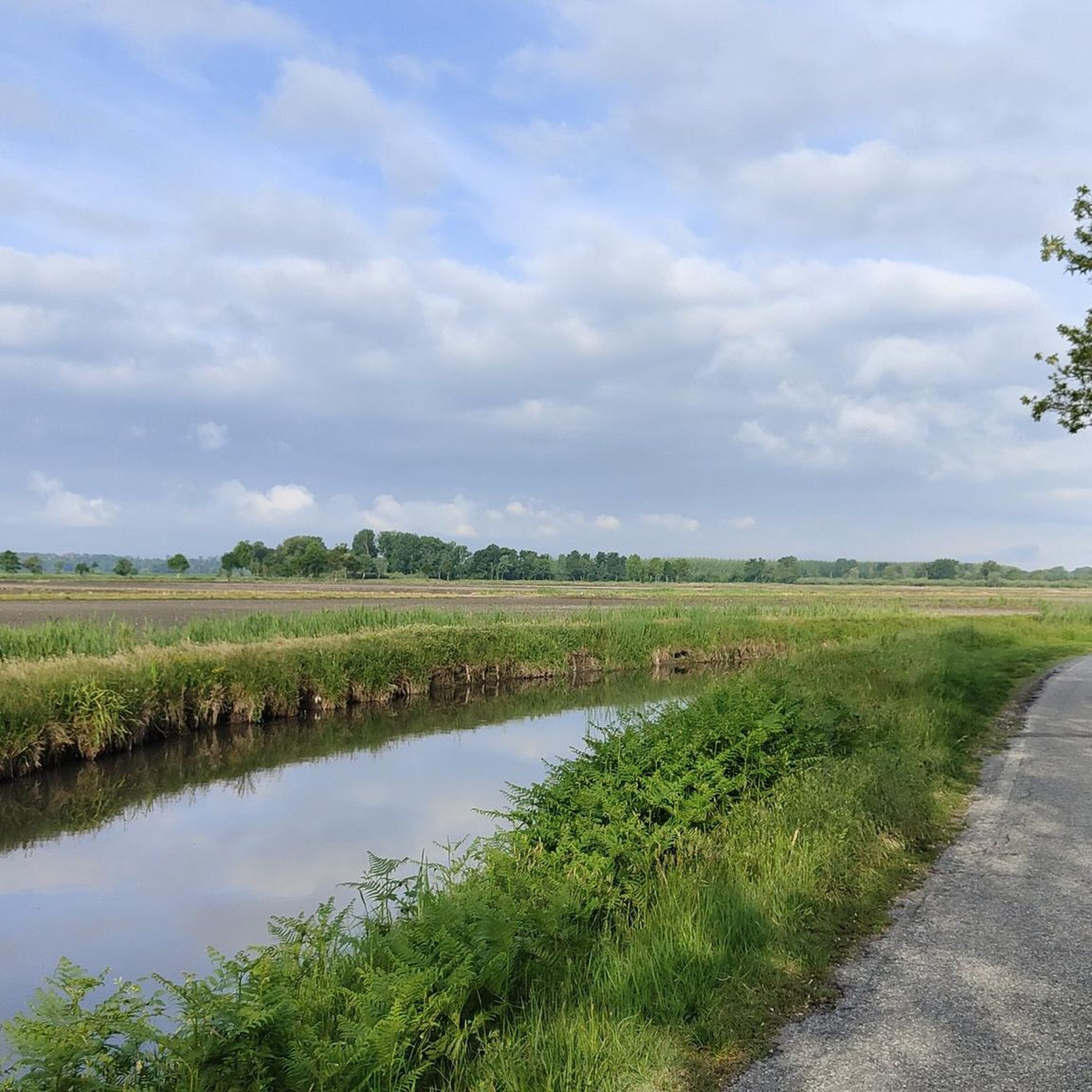
Naviglio Langosco
Highlight • River
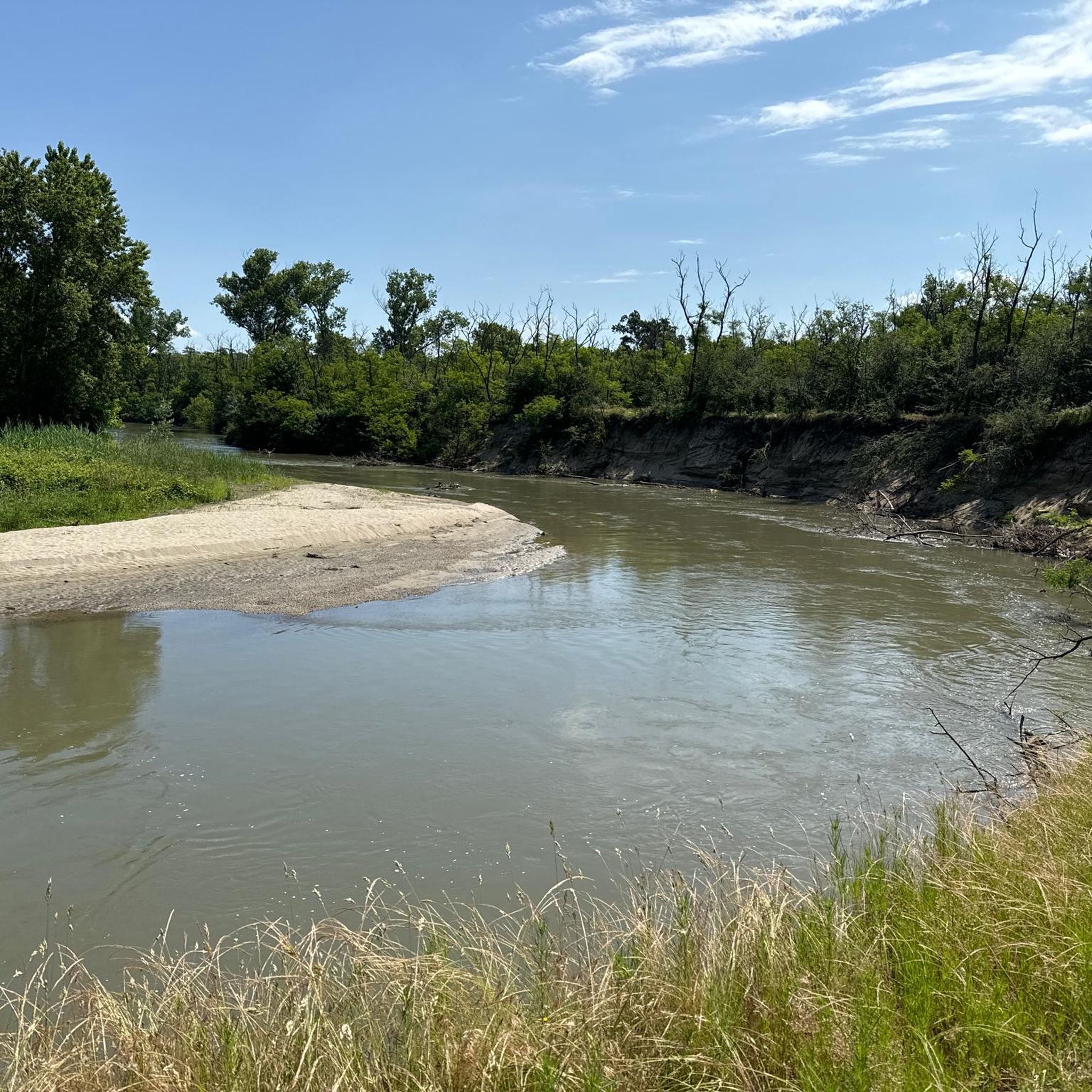
The area surrounding the path of this watercourse is very beautiful, it can be reached with all the dirt bikes and even on foot as the Via Francigena passes through it.
Translated by Google •
Tip by
Sign up for free to discover even more attractions around Dorno.
Sign up for free
Already have an account?
Start today with a free account
Your next adventure awaits.
Login or Signup
Tips from the Community

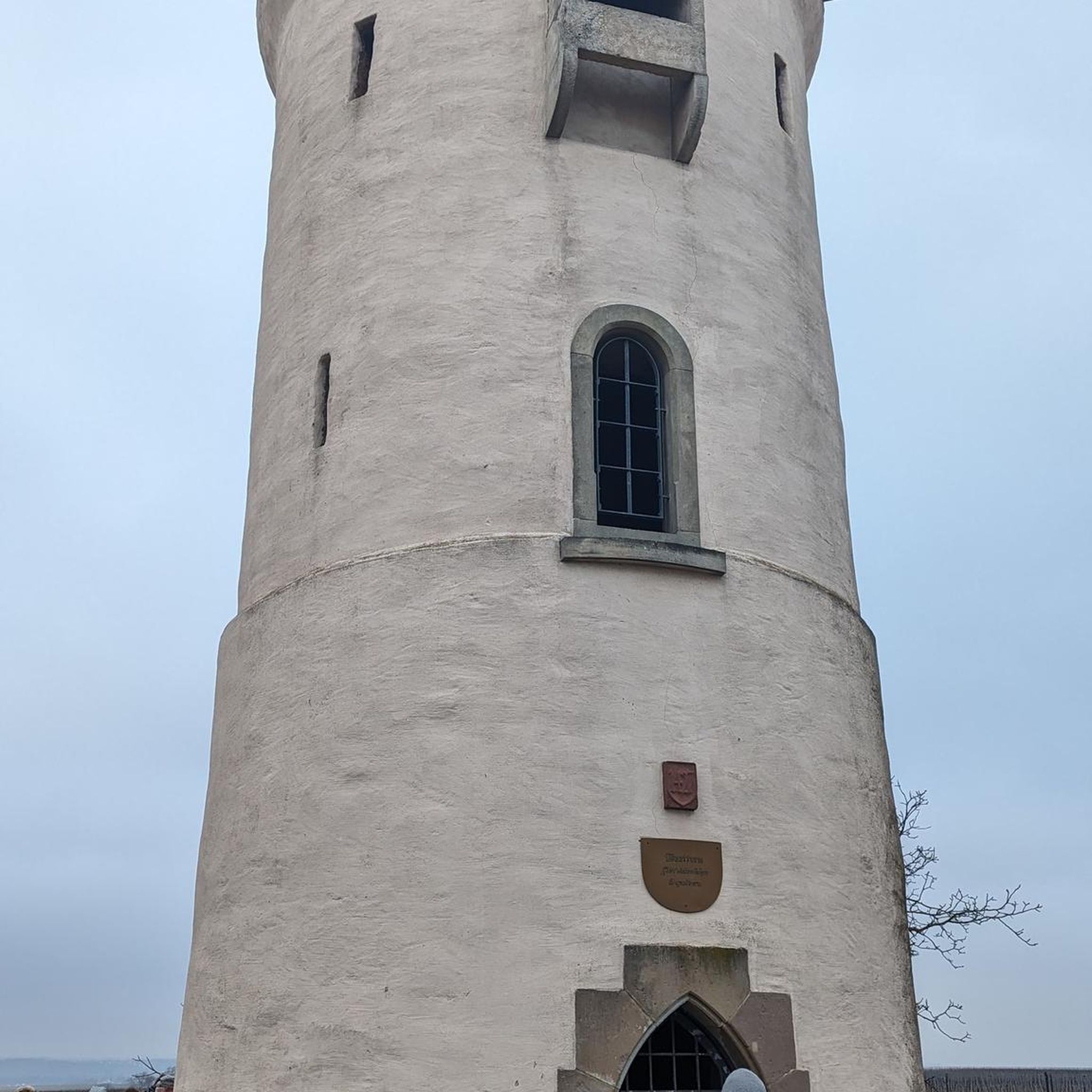
The Church of San Siro is the main place of worship in the municipality of the same name in the province of Pavia, belonging to the Diocese of Vigevano. Built between 1729 and 1732 on the remains of a 13th-century chapel, it features an elegant Greek cross plan in the late Baroque style, enriched by 18th-century canvases by the painter Carlo Antonio Bianchi from Pavia.
0
0
The Parco Lombardo della Valle del Ticino is crossed not by a single canal, but by a complex and historic hydraulic network. The main ones are the Canale Villoresi and the Panperduto (Somma Lombardo).
0
0
The Lombardo Park of the Ticino Valley is the oldest regional park in Italy, established in 1974, and represents the first river park in Europe. With an area of approximately 91,800 hectares, it develops entirely in Lombardy, running along the Ticino River from Lake Maggiore (Sesto Calende) to its confluence with the Po River (Pavia), crossing as many as 47 municipalities in the provinces of Milan, Pavia, and Varese. Together with its twin, the Piedmontese Natural Park of the Ticino Valley, it forms the largest protected river area on the continent, also recognized as a MAB UNESCO Biosphere Reserve.
0
0

Madonna della Bozzola, sanctuary on the Via Francigena
1
0

The Santuario Madonna della Bozzola is a diocesan reference point for pastoral care, located in Tromello, province of Pavia, region of Lombardy. This sanctuary, dedicated to Our Lady of the Bozzola, is a place of encounter, reflection and spiritual growth. The shrine has its origins in a miraculous apparition of Maria Benedetta in 1465. Maria invited the faithful to build a chapel and later a church in her honor on this site. The church, founded at the beginning of the 16th century, has a cotto facade with frescoes in the lunettes of the portals. Inside is a painting of Our Lady of the Bozzola. The shrine was restored in 1983.
6
0
The Naviglio Langosco (in Lombard: Nivili Langosch) is a canal fed by the Ticino River. The purpose of this canal is to irrigate the fields in the Novarese and Lomellina regions. It was realized in the 17th century on the initiative of Count Guido Langosco. The count ordered the construction of the canal, which was designed by engineer Pietro Antonio Barca, and work began in 1613 and was completed in 1665. The canal begins in the province of Novara, north of the Ponte di Turbigo, and flows then through the areas of Galliate, Romentino, Trecate, and Cerano. It then leaves Piedmont and enters Lombardy, where it flows past Cassolnovo, Vigevano (where it crosses the Terdoppio), and Gambolò. It ends near Cascina Montagione, in the municipality of Tromello. 🏞️🇮🇹
6
0

Small church dedicated to the patron saint of Pavia (San Siro). Passing along roads with little traffic, it is worth a visit.
1
0
Passage walkway to enter the Bosco di Mezzanone, pay attention to some holes in the planks.
1
0
Frequently Asked Questions
What historical and religious sites can I visit in Dorno?
Dorno and its surroundings offer several significant historical and religious sites. You can explore the Church of Santa Maria Maggiore, the village's main religious landmark, built in the nineteenth century on medieval foundations. Another notable site is the Church of San Siro, Borgo San Siro, a parish church in a quiet village. Additionally, the Sanctuary of Madonna della Bozzola is a historical religious building with origins in a miraculous apparition from 1465, featuring a cotto facade with frescoes.
What natural features and landscapes can I explore around Dorno?
The region around Dorno is characterized by its authentic agricultural landscape, featuring vast rice fields, intricate irrigation canals, and historic farmsteads, especially beautiful in spring and summer. You can also visit the Naviglio Langosco, a canal fed by the Ticino River, which offers very beautiful scenery and is accessible by bike or on foot. The Wooden Bridge over the Ticino is another impressive natural feature, part of the E1 path, offering scenic views of the river.
Are there family-friendly attractions or activities in Dorno?
Yes, Dorno offers several family-friendly options. The Sanctuary of Madonna della Bozzola and the Church of San Siro, Borgo San Siro are both considered family-friendly historical sites. The surrounding agricultural landscape, with its rice fields and canals, is perfect for relaxing walks and cycling excursions suitable for families, offering a peaceful environment to explore.
What outdoor activities and trails are available near Dorno?
Dorno is an excellent starting point for various outdoor activities. You can enjoy hiking on trails like the Via Francigena Path Near Pavia, which passes through cultivated fields and along irrigation canals. For more structured outdoor adventures, you can explore numerous hiking routes, including easy loops from Sannazzaro de' Burgondi or Garlasco. There are also extensive MTB trails and gravel biking routes that follow the Ticino River and Naviglio Langosco, catering to various difficulty levels.
When is the best time to visit Dorno for outdoor activities?
The best time to visit Dorno for outdoor activities like walking and cycling is generally in spring and summer. During these seasons, the water-filled rice fields create unique scenic views, and the weather is pleasant for exploring the agricultural landscape and river areas. The Bertagnina Pumpkin Festival, celebrating a local specialty, takes place annually in October.
What local specialties or unique cultural aspects does Dorno offer?
Dorno is renowned for its traditional agricultural product, the Bertagnina Pumpkin. This local variety has a flattened shape and sweet, compact flesh, and is celebrated annually in October during the popular Bertagnina Pumpkin Festival. The town's historic center also reflects its agricultural past with quiet streets, rural courtyards, and traditional buildings, offering a glimpse into local traditions.
Are there any specific cycling routes or paths around Dorno?
Yes, the area around Dorno is well-suited for cycling. The agricultural landscape with its rice fields and irrigation canals provides excellent terrain for relaxing rides. The Naviglio Langosco path is very beautiful and can be reached with dirt bikes. Additionally, the Via Francigena Path Near Pavia is also a cycle-friendly route. For more dedicated cyclists, there are numerous MTB trails and gravel biking routes available, including moderate to difficult options along the Ticino River.
What do visitors particularly enjoy about the attractions near Dorno?
Visitors particularly enjoy the impressive nature and historical significance of the area. The Wooden Bridge over the Ticino is frequently described as beautiful and very impressive. The historical and spiritual atmosphere of sites like the Sanctuary of Madonna della Bozzola is also highly appreciated. The scenic beauty of the Naviglio Langosco and the historical journey along the Via Francigena Path Near Pavia are also popular highlights.
Are there any specific hiking trails for beginners around Dorno?
Yes, there are easy hiking options suitable for beginners around Dorno. For instance, the hiking guide for Dorno lists several easy loops, such as those starting from Sannazzaro de' Burgondi or Garlasco, with distances ranging from 3.5 km to 7.7 km. These trails offer a gentle way to experience the local landscape.
What is the significance of the Ticino River in the Dorno area?
The Ticino River plays a significant role in the Dorno area, as the town is nestled between the Po and Ticino rivers. The river feeds important irrigation canals like the Naviglio Langosco, which are crucial for the region's agricultural landscape. The Wooden Bridge over the Ticino is a notable landmark, and the river's banks offer scenic views and opportunities for outdoor activities, including cycling and walking.
Can I find information about the ancient history of Dorno?
Yes, Dorno has a rich ancient history. Archaeological discoveries confirm prehistoric settlements dating back to the Bronze Age. During the Roman period, Dorno was known as a 'mutatio,' serving as a stopping place along a consular road. Elements of this long history can be observed in the region's historical sites and cultural heritage.
Where can I find accommodation or places to eat near Dorno's attractions?
While specific cafes, pubs, or accommodations are not detailed for each attraction, Dorno itself is a rural town with a historic center. You can expect to find local establishments within the town or nearby villages that cater to visitors. For broader options, exploring the wider Lomellina area will provide more choices for dining and lodging.
Most popular attractions around Dorno

Get inspired with the komoot mobile app


Explore more
Still not found the Highlight you’re looking for? See guides of the top attractions in other regions:
