Attractions and Places To See around Lodi Vecchio - Top 20
Best attractions and places to see around Lodi Vecchio, located in the Italian region of Lombardy, offers a journey into its rich past as the ancient Roman city of Laus Pompeia. This historical municipality provides insights into local culture and archaeological significance. While smaller than its modern counterpart, Lodi Vecchio is situated within the broader Lodigiano region, characterized by agricultural landscapes and the Adda River.
Best attractions and places to see around Lodi Vecchio
- The most popular attractions is Victory…
Last updated: October 9, 2026
Old Adda River Bridge
Highlight • Bridge
Translated by Google •
Tip by

Victory Square, Lodi
Highlight • Historical Site
Translated by Google •
Tip by

Sign up now to discover places like this
Get recommendations on the best single tracks, peaks, & plenty of other exciting outdoor places.
Lodi Cathedral
Highlight • Religious Site
Translated by Google •
Tip by

Rocca Brivio
Highlight • Historical Site
Translated by Google •
Tip by

Church of San Rocco - Lodi
Highlight • Religious Site
Piazzale Cesare M. Barzaghi, 25, 26900 Lodi LO
Translated by Google •
Tip by

Sign up for free to discover even more attractions around Lodi Vecchio.
Already have an account?
Start today with a free account
Your next adventure awaits.
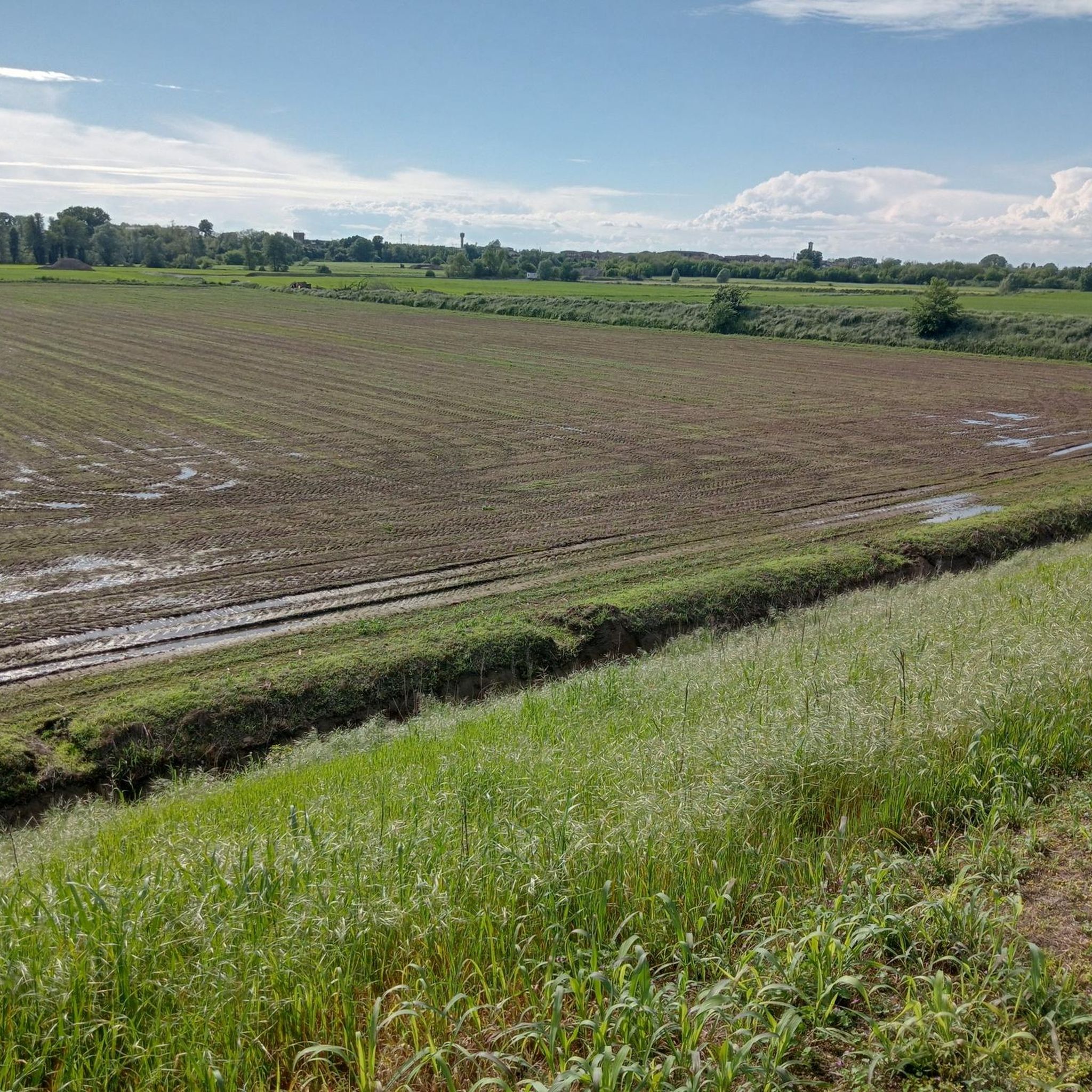

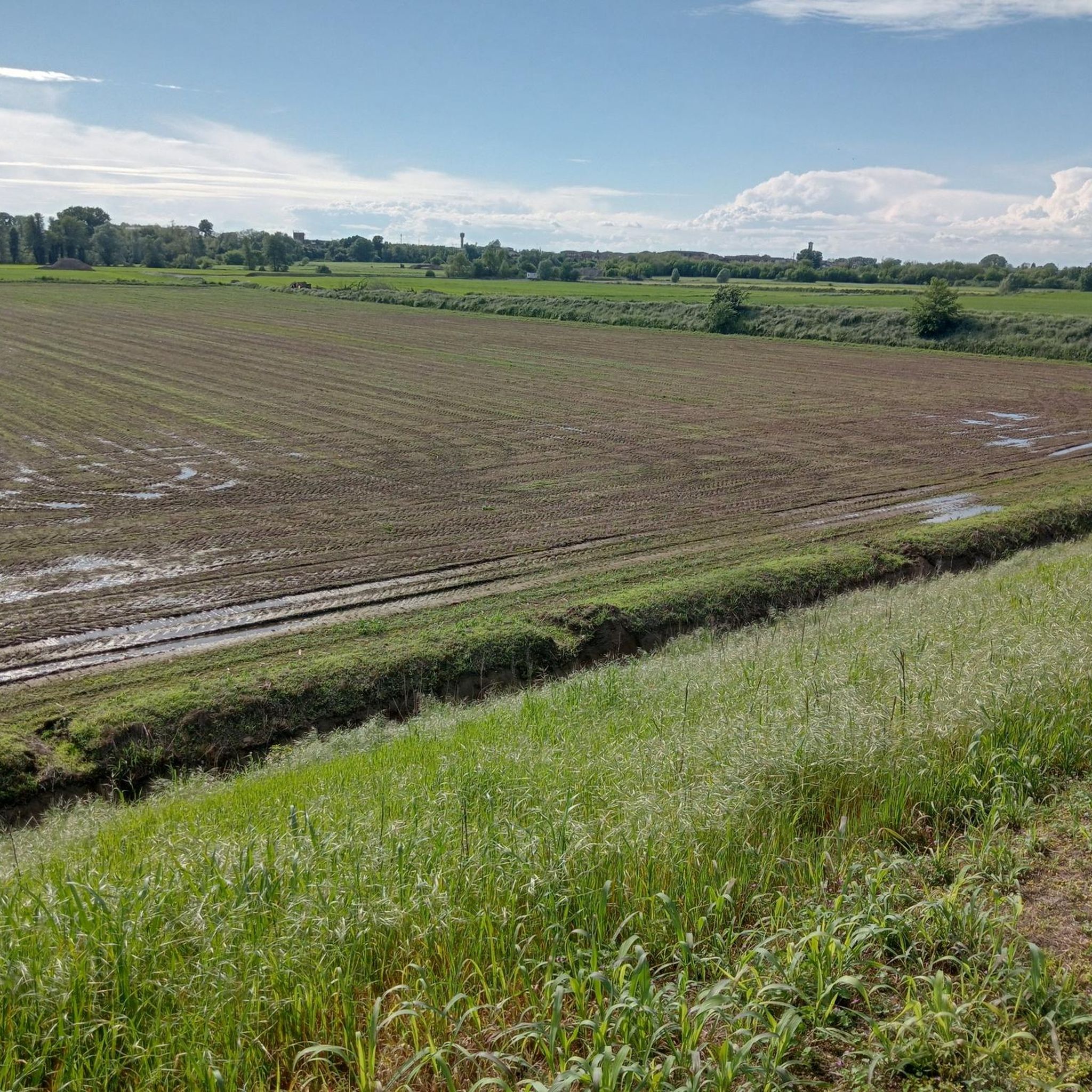
Tips from the Community

The Cathedral with the Clock Tower occupies the east side of Piazza della Vittoria, and the facades of houses and palaces frame its facade. The square, as a civic and religious center, as we see it today, was formed in different periods. The construction site of the Duomo was organized according to the methods of the time, i.e. by tracing the perimeter directly on the ground and then starting with the construction of the apse area. The so-called "stepped" facade suggests the division of the internal space, in which the central nave is higher and wider than the two side aisles. In the center of the facade, in the upper part, is the aedicule containing a bronze copy of the statue of San Bassiano, the original in copper and gold patina is kept inside the main nave of the cathedral. The central part of the facade is occupied by the rose window which, besides being a typically decorative element, allows for good internal lighting.
0
0
Around the rose window and the slopes of the roof, the decoration with interwoven arches and polychrome majolica cups of Byzantine derivation is to be observed. Below the rose window, two Renaissance stone windows have been created. The "candelabra" columns and the side coats of arms refer to the motifs of humanistic culture. The most characteristic element of this facade is the protiron. In the lunette above the portal are depicted the Redeemer, the crowned Madonna, and Saint Bassiano imploring. On the pilasters of the horizontal architrave are depicted Adam and Eve and, below, two other figures that recall the vices of man. The portal is framed by spiral columns, and the decorations surrounding the portal arch consist of naturalistic decorative motifs derived from the Lombard school, with shoots, spirals, and aquatic plant leaves. Finally, the small roof that frames and shelters the portal is supported by stylophoric lions.
0
0

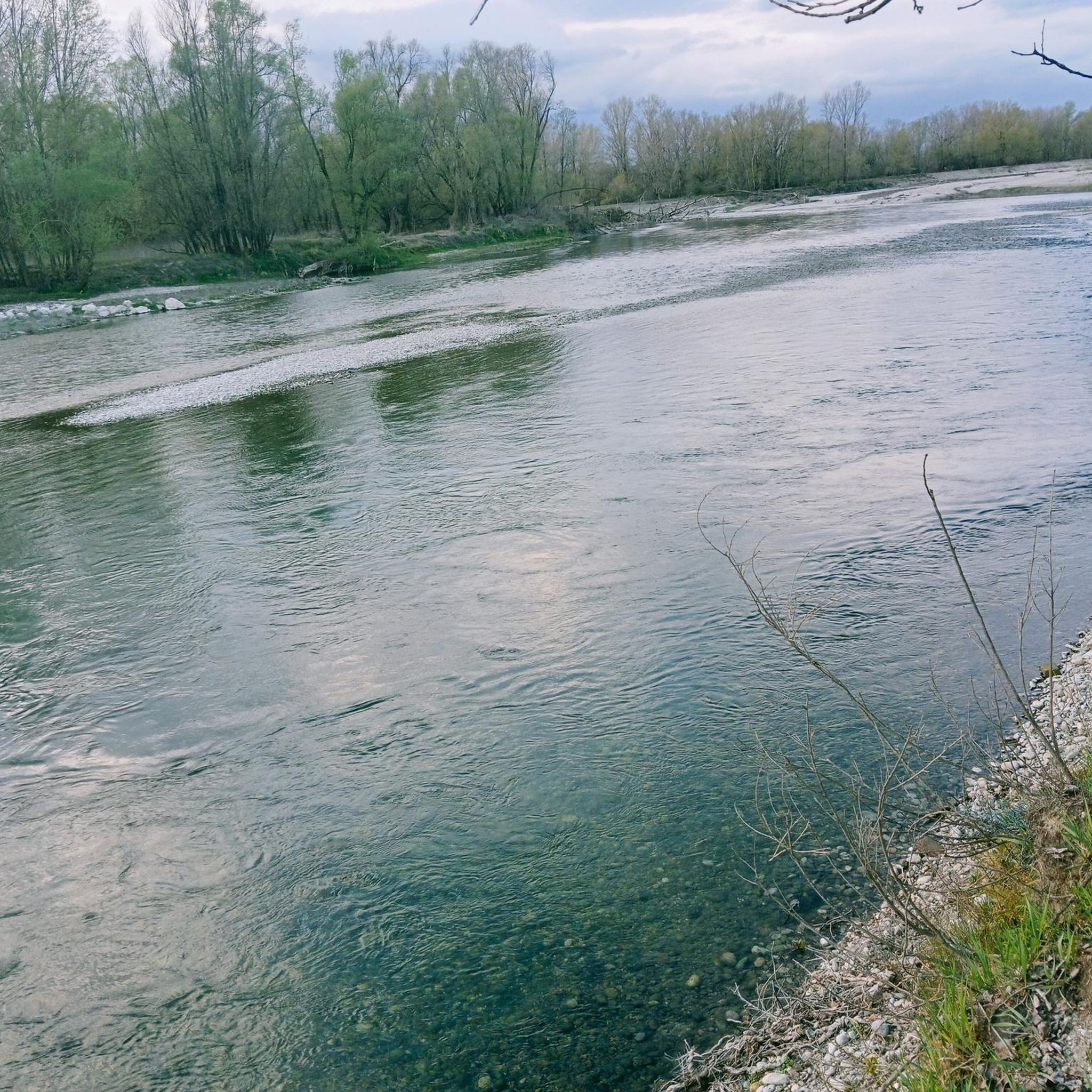
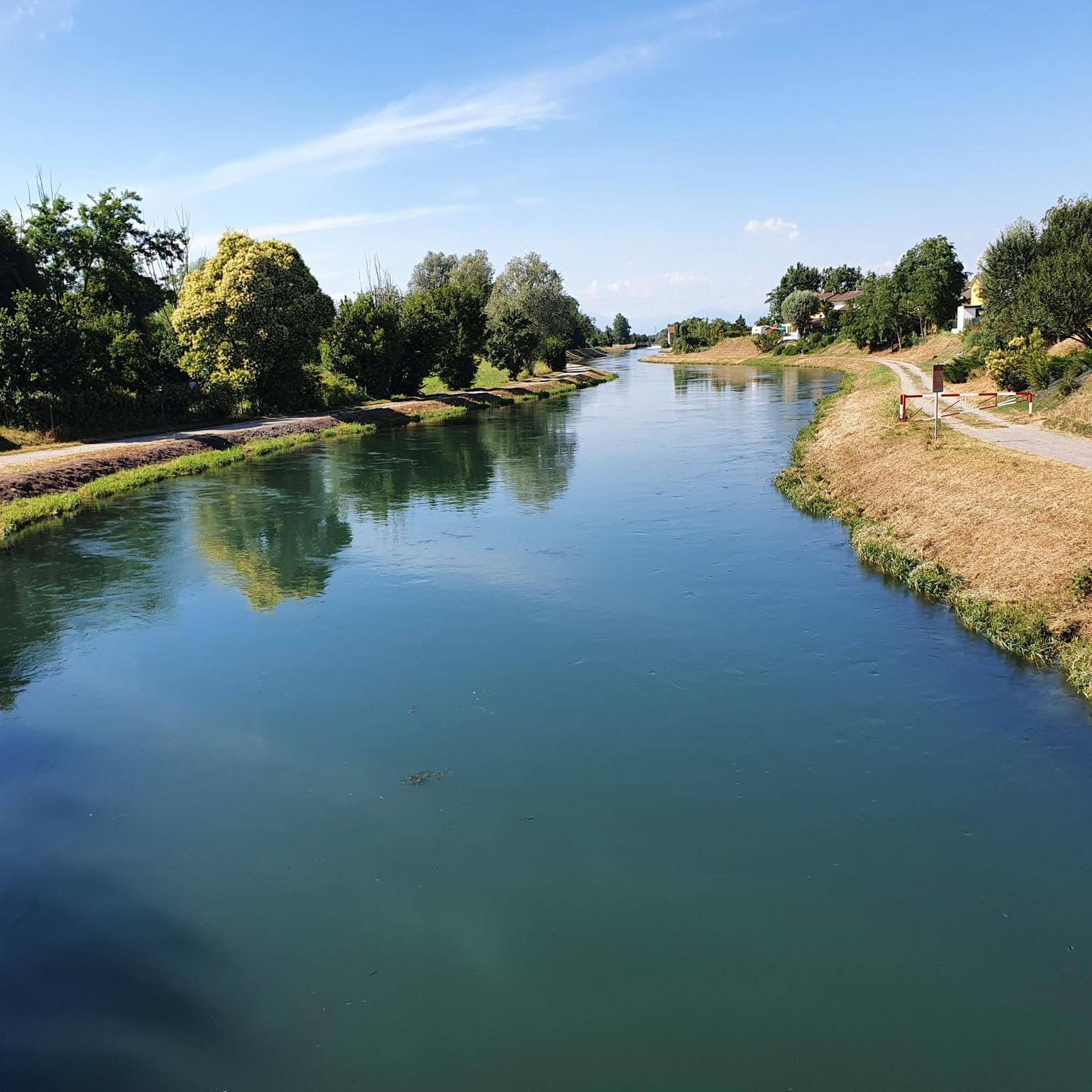
The Adda River is the fourth longest watercourse in Italy with its 313 kilometers and is entirely within the Lombardy region. It represents one of the main left tributaries of the Po River and has a very large hydrographic basin that covers about a third of the regional territory
1
0

The Church of San Rocco is a Catholic parish church located in Lodi, in the Borgo Adda neighborhood, near the Napoleon Bonaparte Bridge. In ancient times, Lodi had four churches dedicated to San Rocco, each positioned at the city gates to protect against plagues. In the 17th century, the destruction of the extramural villages left only the Church of San Rocco standing, located outside Porta d'Adda. At the beginning of the 20th century, the church proved too small and in poor condition. The parish priest, Father Ponzoni, proposed demolishing it and building a new, larger church. The project was approved in 1906 by the city council, which also decided to demolish the adjacent Porta d'Adda arch. The cornerstone of the new church was laid on May 31, 1909. Designed in the Romanesque Revival style by Milanese architect Cecilio Arpesani (a design similar to his other work, the Basilica of Sant'Agostino in Milan), it was completed and consecrated on May 28, 1911. The bell tower, initially only half-built, was completed and inaugurated on September 25, 1937. It houses an old clock from the Lodi Cathedral dating back to 1787, and at its base, a plaque commemorates the fallen of the Ethiopian War and the proclamation of the Empire.
0
0

On April 25, 2025, the cycle path that runs alongside the Adda was interrupted by the fall of a large tree, just 50 meters before it ended, to leave the zeal good persico of the nature trail and climb the old Adda bridge. We passed but with great difficulty
1
0

old bridge but still passable by bike
1
0

Beautiful panoramic point and useful passage for passing from one bank of the Adda to the other avoiding the traffic of the bridge on the provincial road
2
0

nice square with bars and restaurants
1
0
Frequently Asked Questions
What are the main historical attractions in Lodi Vecchio?
Lodi Vecchio, as the site of the ancient Roman city of Laus Pompeia, offers significant historical insights. You can explore the Museo Laus Pompeia and its adjacent Archaeological Area of Santa Maria, which showcases remnants of the ancient Cathedral and Roman public buildings. The Church of San Bassiano is another notable historical landmark. While not directly in Lodi Vecchio, the nearby Victory Square, Lodi, and Lodi Cathedral in the modern city of Lodi are also important historical sites.
Are there any family-friendly attractions around Lodi Vecchio?
Yes, several attractions in the broader Lodi area are considered family-friendly. Victory Square, Lodi, with its open space and surrounding cafes, is a great spot for families. The Lodi Cathedral and Rocca Brivio are also listed as family-friendly, offering cultural and historical experiences suitable for all ages.
What kind of outdoor activities can I do near Lodi Vecchio?
The region around Lodi Vecchio, particularly along the Adda River and its agricultural landscapes, offers various outdoor activities. You can find numerous routes for running, mountain biking (MTB), and gravel biking. For instance, there are running loops like the 'Picnic Area Along the Muzza – Basilica of San Bassiano loop' and MTB trails such as the 'Bridge over the Adda, Lodi – Bridge over the Adda loop'. You can explore more options on the dedicated guides for Running Trails around Lodi Vecchio, MTB Trails around Lodi Vecchio, and Gravel biking around Lodi Vecchio.
Where can I see natural features or enjoy the countryside near Lodi Vecchio?
While Lodi Vecchio itself is historically focused, the surrounding Lodigiano region is known for its agricultural landscapes and the Adda River. The Old Adda River Bridge provides a point of interest along the river, and the countryside offers opportunities for cycling and walking amidst nature. Many of the nearby running, MTB, and gravel biking routes traverse these scenic rural areas.
What do visitors particularly enjoy about the attractions around Lodi Vecchio?
Visitors appreciate the historical depth and architectural beauty of the area. For example, Victory Square, Lodi is loved for its well-preserved ancient town square feel, surrounded by cafes. The Lodi Cathedral is admired as one of Lombardy's largest and oldest Romanesque monuments. The Old Adda River Bridge is noted for offering an alternative, less busy crossing of the Adda River.
Is there an abandoned bridge near Lodi Vecchio that I can visit?
Yes, the Old Adda River Bridge is an abandoned structure that allows for crossing the Adda River. It's a point of interest for those exploring the local area, particularly for cyclists and mountain bikers looking to avoid busier routes. Be aware that access and descent can be challenging due to vegetation in some sections.
What is the significance of the Museo Laus Pompeia?
The Museo Laus Pompeia is crucial for understanding Lodi Vecchio's past as the ancient Roman city of Laus Pompeia. Housed in an 18th-century building in Piazza Santa Maria (the site of the Roman forum), it displays the collection of archaeologist Antonio Frova and provides insights into the city's history. The adjacent archaeological area reveals foundations of the ancient Cathedral of Santa Maria and other Roman public buildings.
Are there any castles or fortresses to visit near Lodi Vecchio?
Yes, Rocca Brivio is a notable historical site near Lodi Vecchio. It's a spectacular period residence and noble country palace, built on the foundations of a medieval castle. While it lost its defensive functions in the 17th century, it retains the name 'fortress' and offers a glimpse into the region's past. It's located near the Lambro river and can be reached via pleasant dirt roads.
What is the best time of year for outdoor activities around Lodi Vecchio?
The spring and autumn months generally offer the most pleasant weather for outdoor activities like cycling, running, and walking in the Lodigiano region. Temperatures are milder, and the natural scenery is often at its best. Summer can be quite warm, while winter might be suitable for walks but less ideal for extensive cycling due to colder temperatures.
Can I find religious buildings to visit in the area?
Absolutely. In Lodi Vecchio, the Church of San Bassiano is a significant historical religious site. In the nearby city of Lodi, the Lodi Cathedral is the oldest sacred building in the city, showcasing Romanesque-Lombard style. Additionally, the Church of San Rocco - Lodi, located in the Borgo Adda neighborhood, is another notable Catholic parish church with a rich history.
Are there any wheelchair-accessible attractions around Lodi Vecchio?
Yes, Victory Square, Lodi is listed as wheelchair accessible, making it a good option for visitors with mobility needs. It's a central and important square in Lodi, offering a chance to experience the city's atmosphere.
Most popular routes around Lodi Vecchio
Most popular attractions around Lodi Vecchio

Get inspired with the komoot mobile app


Explore more
Still not found the Highlight you’re looking for? See guides of the top attractions in other regions:
