Attractions and Places To See around Capriate San Gervasio - Top 20
Best attractions and places to see around Capriate San Gervasio include a mix of historical landmarks, natural features, and cultural sites. This municipality in the province of Bergamo, Italy, is situated between the Brembo and Adda rivers, contributing to its rich natural environment. The area is known for its UNESCO World Heritage site, Crespi d'Adda, an industrial village. Visitors can explore river paths and historical structures that reflect the region's heritage.
Best attractions and places to see around Capriate San…
Last updated: May 9, 2026
Martesana Canal
Highlight • Cycleway
Showing Translation
Tip by

Naviglio Martesana Cycle Path Between Bellinzago Lombardo and Inzago
Highlight (Segment) • Cycleway
Translated by Google •
Tip by

Sign up now to discover places like this
Get recommendations on the best single tracks, peaks, & plenty of other exciting outdoor places.
Sign up for free
The Rudun Water Wheel, Groppello d'Adda
Highlight • Monument
Translated by Google •
Tip by

Naviglio Martesana Towpath
Highlight (Segment) • Cycleway
Translated by Google •
Tip by

Taccani Hydroelectric Power Plant and Trezzo Castle Tower
Highlight • Historical Site
Translated by Google •
Tip by

Sign up for free to discover even more attractions around Capriate San Gervasio.
Sign up for free
Already have an account?
Start today with a free account
Your next adventure awaits.
Login or Signup
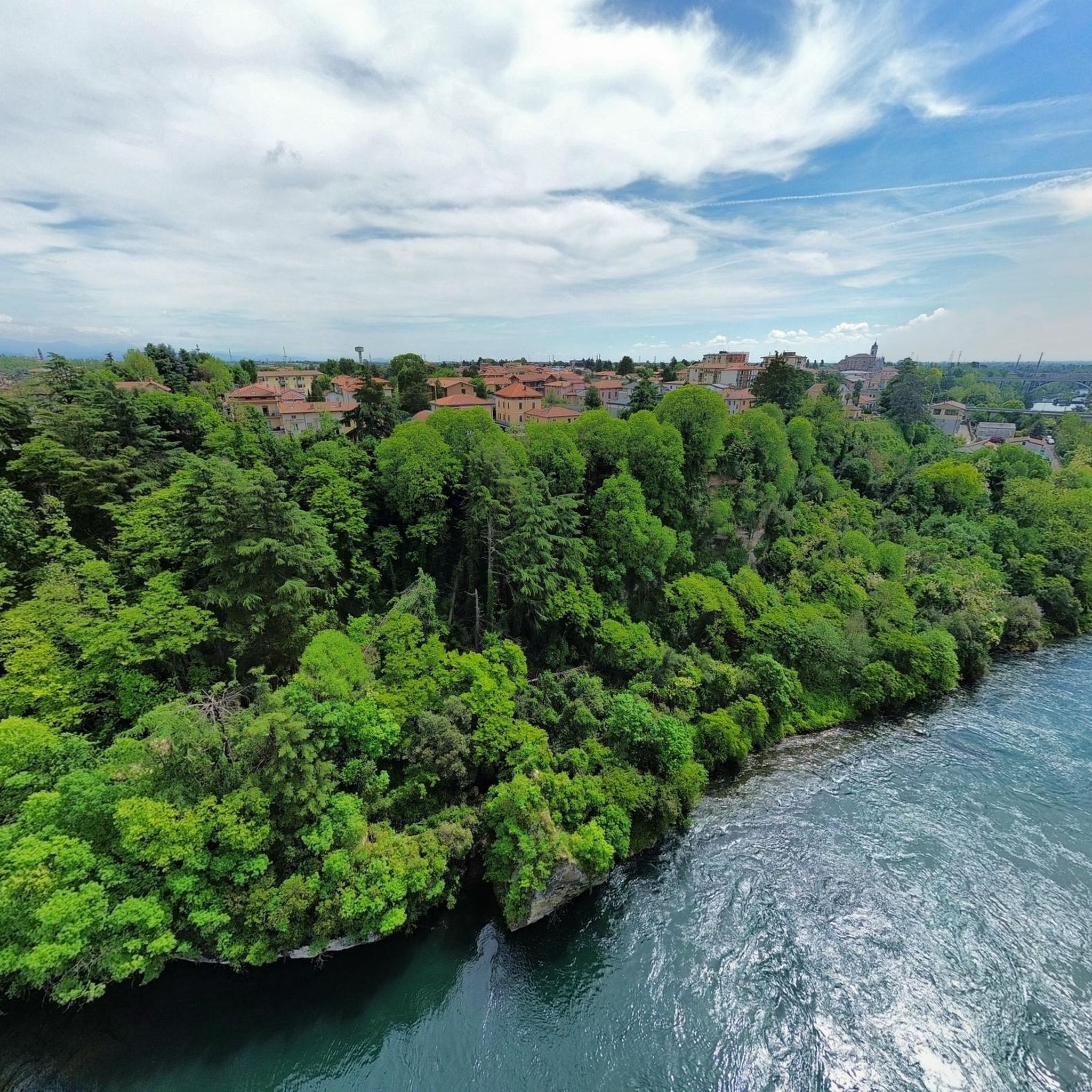
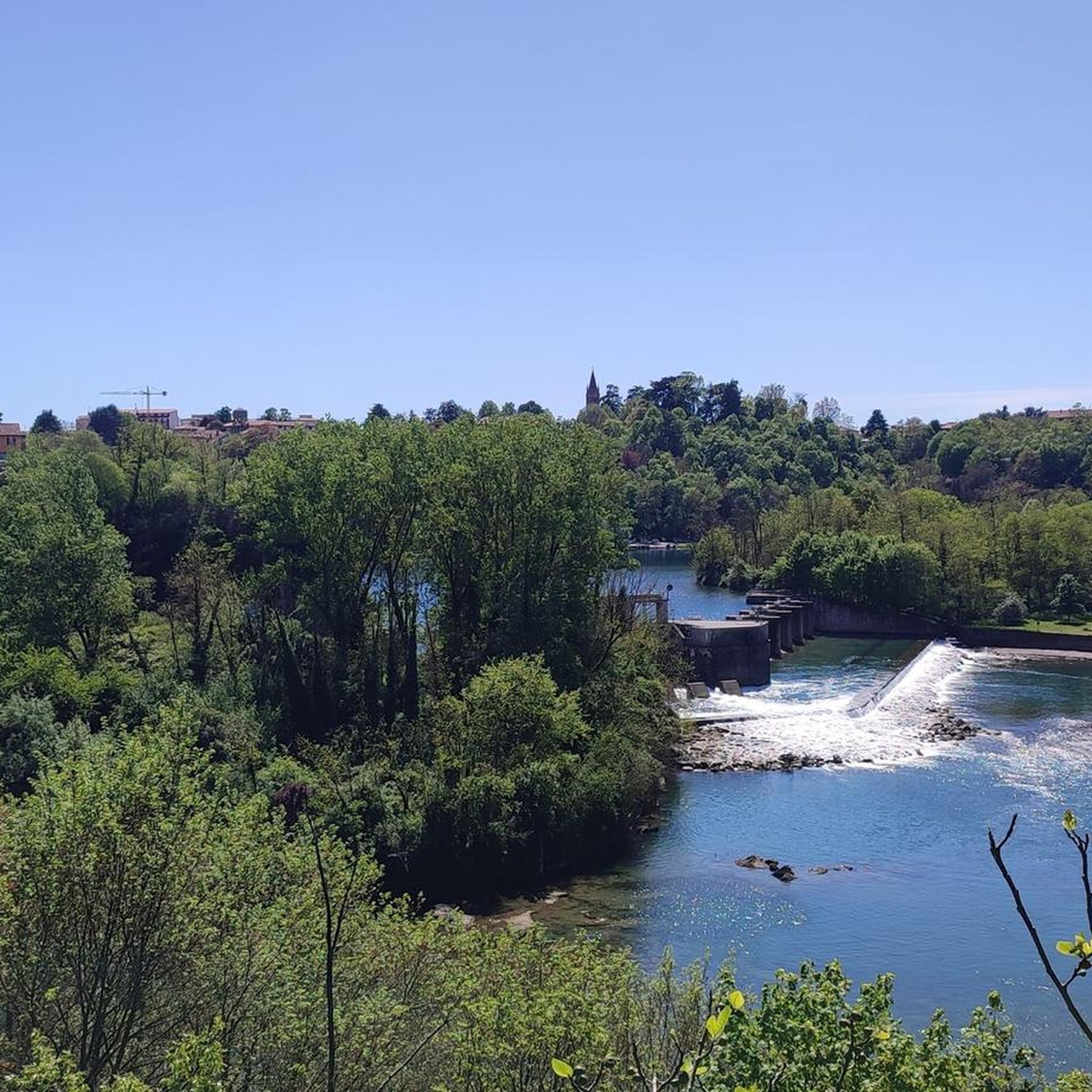
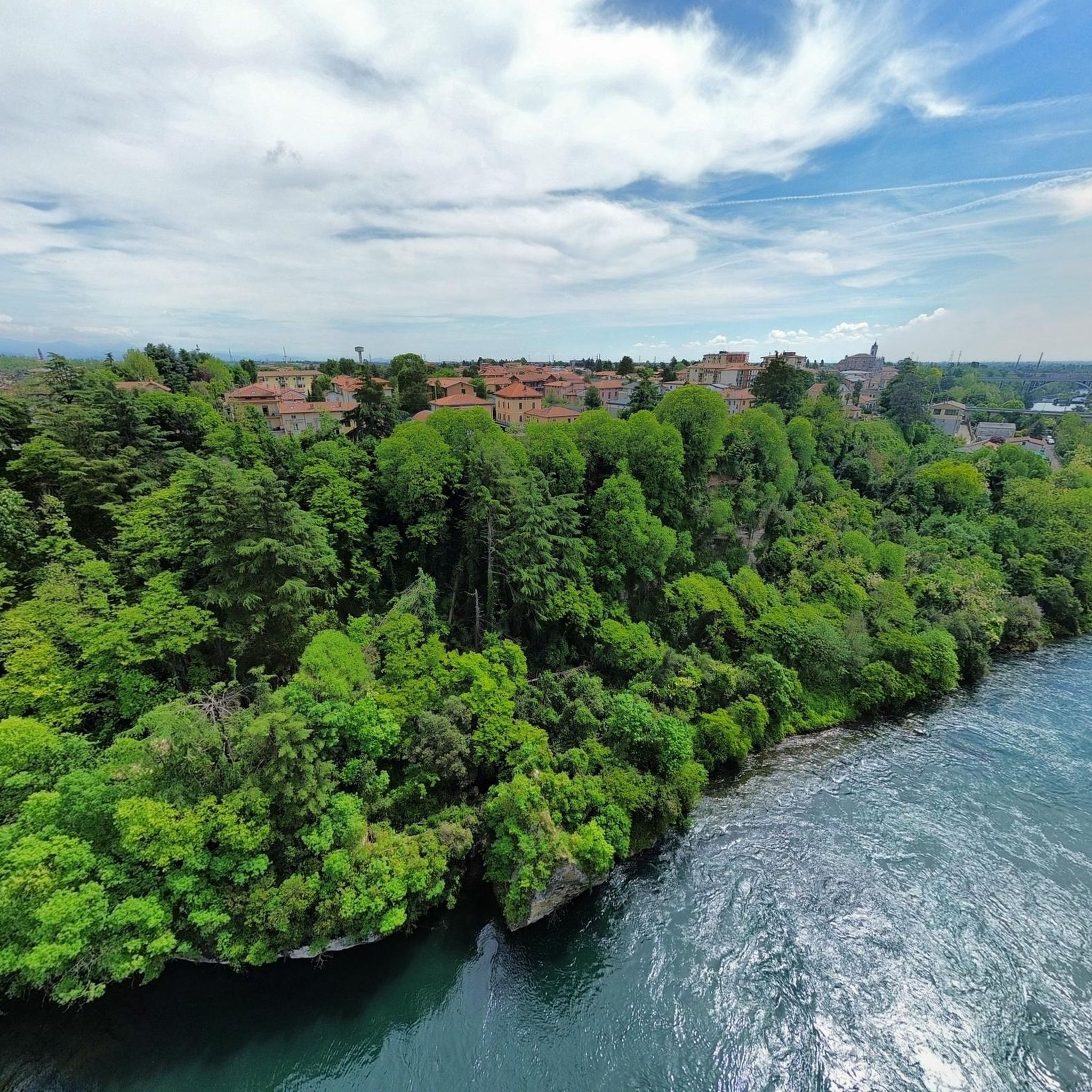
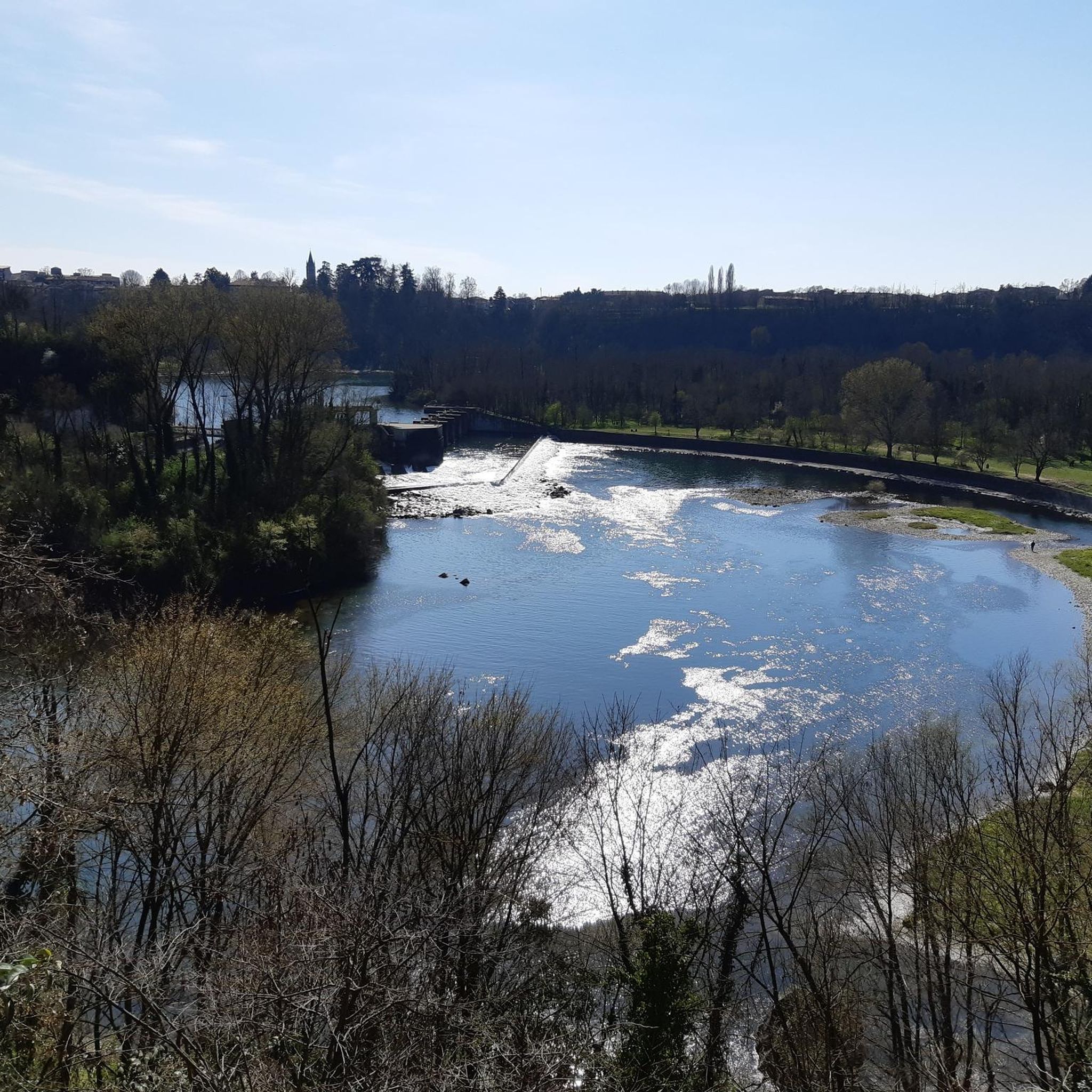

Tips from the Community

The Naviglio della Martesana, definitively completed in 1496 under the guidance of Ludovico il Moro, flows from Trezzo sull’Adda to Milan for a total length of 38 km. The route runs alongside the ancient Roman road (the current SS 11 padana superiore) which crossed the Adda with two branches: at Vaprio and at Cassano. The irrigation of the lands located above the spring belt was for a long time the prevalent use of the canal, so much so that initially navigation was limited to two days a week; concurrently with the improvement of the agrarian structure thanks to irrigation, a notable flourishing of stately villas emerged in the Baroque era, aimed at enjoying the convenience of travel on water and controlling the lands of property.
1
0
The Naviglio della Martesana, initially known as Naviglio Piccolo, is one of the Milanese canals that connects Milan with the course of the Adda river through the municipalities of Martesana. Commissioned in the 15th century by Francesco Sforza, it was used for irrigating the countryside but also represented the ambitious project of connecting Milan with Lake Como and thus with the Alps and Ticino. The Naviglio della Martesana is a place rich in history and beauty, a heritage for everyone that, however, today is still little known and protected. Along the Naviglio runs a rather busy cycle path, which allows you to admire the landscape and cultural beauties, such as the rich flora, fauna, or the numerous historic villas, including the Renaissance Villa Melzi d’Eril in Vaprio d’Adda.
1
0

Nice gravel ride, from Gessate to Cremona. 95% on paved cycle paths and dirt road in the woods along the Adda. The first stretch from Cassano to Lodi is very nice, all in the woods, several single tracks with tall grass or "cycle path" but with a dirt surface. The river is almost always nearby. From Lodi to Cremona all on paved cycle path, elevated on cultivated fields and more exposed to the wind. Stops in Lodi, Pizzighettone and Cremona for visits. Return by train.
0
0

Always current engineering works
4
0

Large wheel on the bank of the Naviglio Martesana, popularly called "rudun", was built by Cardinal Federico Borromeo in 1618 to raise the water from the canal and bring it to the kitchens of the palace as well as irrigating the vegetable gardens and gardens of the villa.
4
0

beautiful stretch of cycle path along the Martesana
2
0
«[...] A canal was built from the castle of Trezzo to the city, and it was called della Martesana, the county that passes through. [...]» The Naviglio della Martesana, also known as Naviglio Piccolo, is one of the Milanese canals that connects Milan with the Adda river from which it receives its waters in Concesa just downstream of Trezzo sull'Adda.
1
0
«[...] A canal was built from the castle of Trezzo to the city, and it was called della Martesana, the county that passes through. [...]» The Naviglio della Martesana, also known as Naviglio Piccolo, is one of the Milanese canals that connects Milan with the Adda river from which it receives its waters in Concesa just downstream of Trezzo sull'Adda.
0
0
Frequently Asked Questions
What historical sites can I explore in Capriate San Gervasio?
Capriate San Gervasio is rich in history. You can visit the UNESCO World Heritage site of Crespi d'Adda Industrial Village, a remarkably intact 19th-century company town. Other notable historical sites include the Taccani Hydroelectric Power Plant and Trezzo Castle Tower, an architectural marvel with a medieval castle, and The Rudun Water Wheel in Groppello d'Adda, believed to have been designed by Leonardo da Vinci.
Are there opportunities for outdoor activities like hiking or cycling?
Yes, the region offers excellent opportunities for outdoor activities. The Adda Nord Park provides scenic trails for hiking and cycling along the Adda River. You can also explore the Naviglio Martesana Cycle Path, a well-maintained route following the canal. For more detailed routes, you can find various options for hiking, gravel biking, and running around Capriate San Gervasio.
What natural features can I see around Capriate San Gervasio?
The area is characterized by its location between the Brembo and Adda rivers, offering a rich natural environment. The Adda River itself is a significant natural feature, with pleasant gravel rides and paths through the woods along its banks. The Adda Nord Park provides lush vegetation and scenic river views, perfect for enjoying nature.
Are there family-friendly attractions in the area?
Absolutely. Leolandia, a popular theme park in Capriate San Gervasio, is a major attraction for families. Many historical sites like The Rudun Water Wheel and Taccani Hydroelectric Power Plant and Trezzo Castle Tower are also considered family-friendly. Additionally, the Naviglio Martesana Cycle Path offers an easy and enjoyable outdoor activity for all ages.
What is Crespi d'Adda and why is it important?
Crespi d'Adda is a unique 19th and early 20th-century industrial village, recognized as a UNESCO World Heritage site. It was built by enlightened industrialists to provide housing and services for their factory workers, representing an exceptional example of a 'company town.' The village remains remarkably intact, offering a glimpse into industrial history with its houses, villas, church, and cemetery.
Can I visit the hydroelectric power plants mentioned?
Yes, the region features impressive hydroelectric power plants. The Alessandro Taccani Hydroelectric Power Plant in Trezzo sull'Adda is an architectural marvel that has been generating sustainable energy for over a century. Another significant site is the Carlo Esterle Hydroelectric Power Plant, which can be admired along the Adda River trails.
What kind of cycling routes are available?
The area offers diverse cycling routes. The Naviglio Martesana Cycle Path is a popular choice, approximately 30 km long with a well-maintained asphalt surface, ideal for easy rides. For those seeking more adventurous routes, there are gravel rides along the Adda River and options for gravel biking with varying difficulty levels.
Are there any museums or cultural sites besides Crespi d'Adda?
Beyond Crespi d'Adda, you can visit the Museo del Presepio (Nativity Scene Museum) in Brembo, which houses over nine hundred different nativity scenes from the 18th to the 20th century. The region also has several notable religious structures, including the church of San Gervasio e Protasio and the parish church of Crespi d'Adda.
What do visitors enjoy most about the attractions around Capriate San Gervasio?
Visitors particularly appreciate the blend of historical significance and natural beauty. The tranquility of the Adda River, the architectural grandeur of sites like the Taccani Hydroelectric Power Plant and Trezzo Castle Tower, and the unique historical insight offered by Crespi d'Adda are frequently highlighted. The well-maintained cycle paths, like the Naviglio Martesana Cycle Path, are also very popular for their scenic and easy-to-navigate routes.
Are there any easy hiking trails suitable for beginners?
Yes, there are several easy hiking trails, particularly around Crespi d'Adda and along the Adda River. For instance, the 'Villa Crespi (Crespi d'Adda) – Crespi Family Mausoleum loop from Capriate San Gervasio' is an easy 3.5 km route. You can find more easy options in the hiking guide for Capriate San Gervasio.
Is public transport available to reach the main attractions?
While specific public transport details for each attraction are best checked locally, Capriate San Gervasio is a municipality in the province of Bergamo, and regional bus services typically connect towns. For Crespi d'Adda, guided tours are often available, which may include transport options. It's advisable to check local transport schedules for the most up-to-date information.
What is the best time of year to visit Capriate San Gervasio?
The region is enjoyable throughout much of the year. Spring and autumn offer pleasant temperatures ideal for outdoor activities like hiking and cycling along the Adda River and exploring historical sites. Summer can be warm, but the river areas provide a refreshing environment. Winter offers a different charm, especially for cultural visits like the Museo del Presepio.
Most popular routes around Capriate San Gervasio
Most popular attractions around Capriate San Gervasio

Get inspired with the komoot mobile app


Explore more
Still not found the Highlight you’re looking for? See guides of the top attractions in other regions:
