The best MTB trails around Thüringerberg
4.5
(3498)
16,697
riders
186
rides
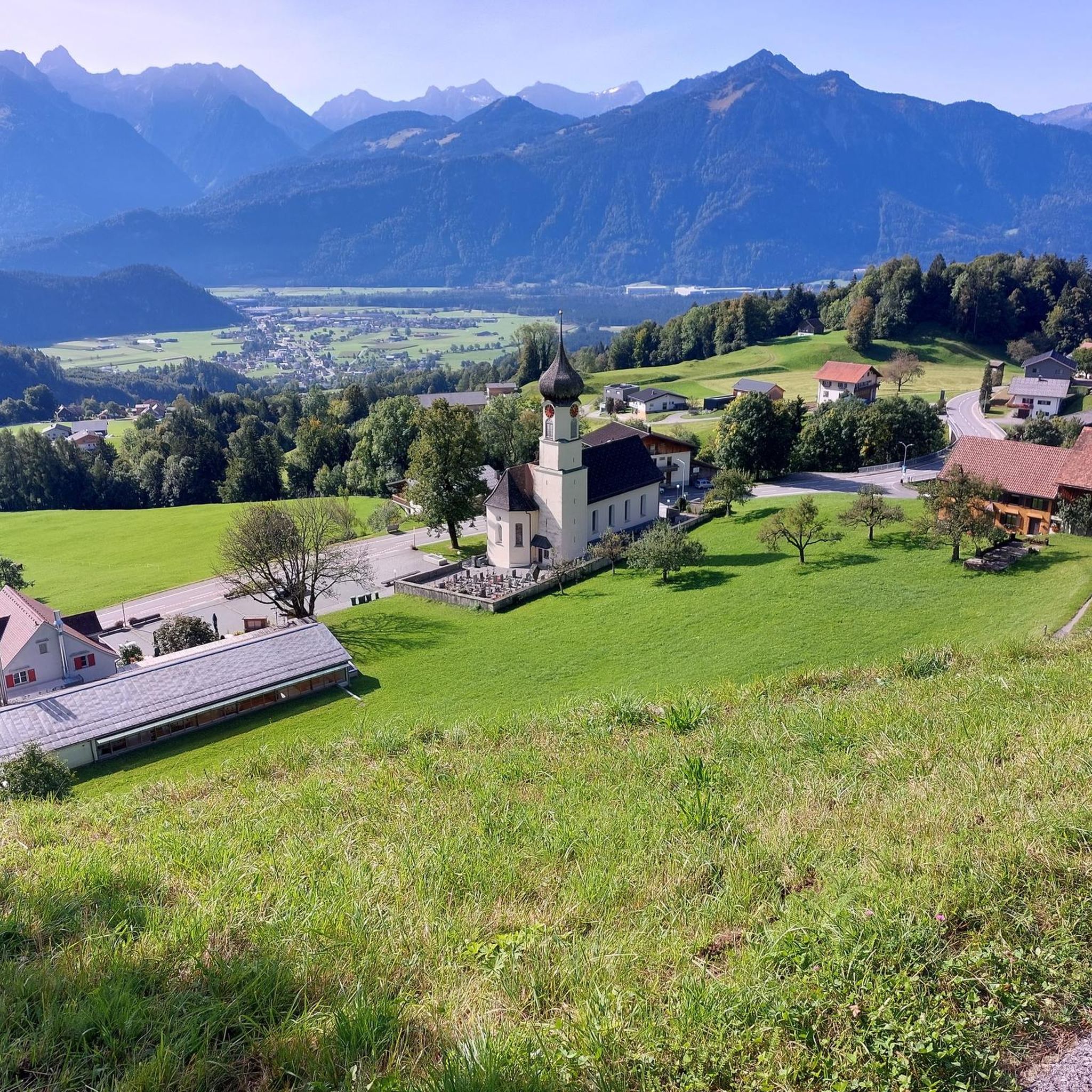
Mountain bike trails around Thüringerberg are set within the UNESCO Biosphere Reserve Großes Walsertal, offering a diverse natural landscape for outdoor activities. The region features picturesque mountains, lush green meadows, and varied habitats including alpine highlands and wooded valleys. Mountain bikers can expect a mix of challenging trails and panoramic paths, traversing dense forests and open alpine pastures.
Best mountain bike trails around Thüringerberg
- The most popular mountain bike trail is View of Mondspitze – Alte Walserstraße Trail loop from…
Last updated: July 1, 2026
5.0
(8)
50
riders
18.3km
01:49
610m
610m
Moderate mountain bike ride. Good fitness required. Advanced riding skills necessary.
4.9
(9)
37
riders
16.5km
01:53
740m
740m
Moderate mountain bike ride. Good fitness required. Suitable for all skill levels.

Sign up for free
5.0
(4)
32
riders
18.6km
02:09
870m
870m
Hard mountain bike ride. Good fitness required. Advanced riding skills necessary. Some portions of the route may require you to push your bike.
5.0
(3)
27
riders
19.1km
02:01
770m
770m
Moderate mountain bike ride. Good fitness required. Suitable for all skill levels.
5.0
(3)
25
riders
22.8km
02:29
900m
900m
Hard mountain bike ride. Very good fitness required. Suitable for all skill levels.
Get access to more routes and recommendations from other explorers.
Sign up for free
Already have an account?
Our route recommendations are based on thousands of hikes, rides, and runs completed by other people on komoot.
Start today with a free account
Your next adventure awaits.
Login or Signup

Tips from the Community

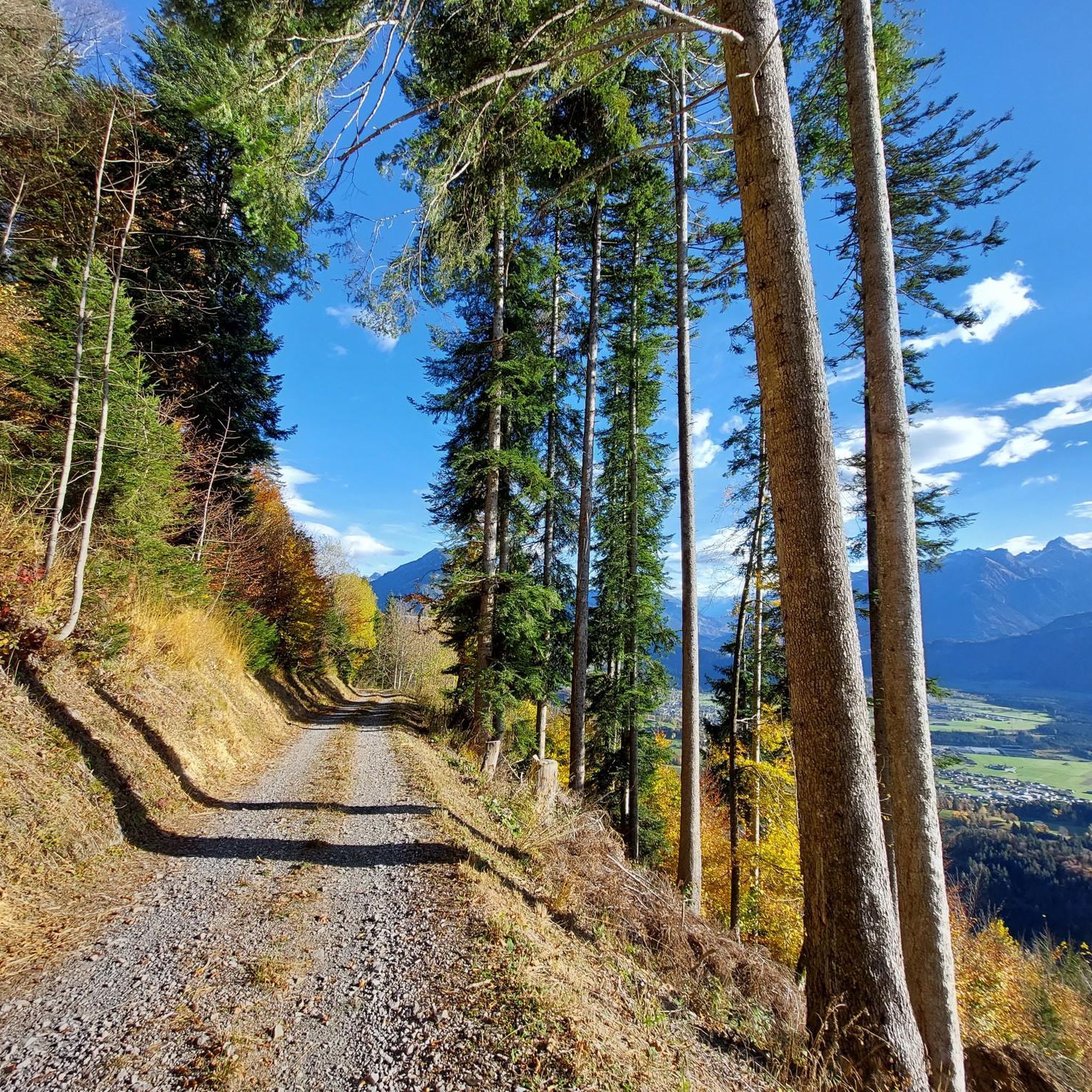
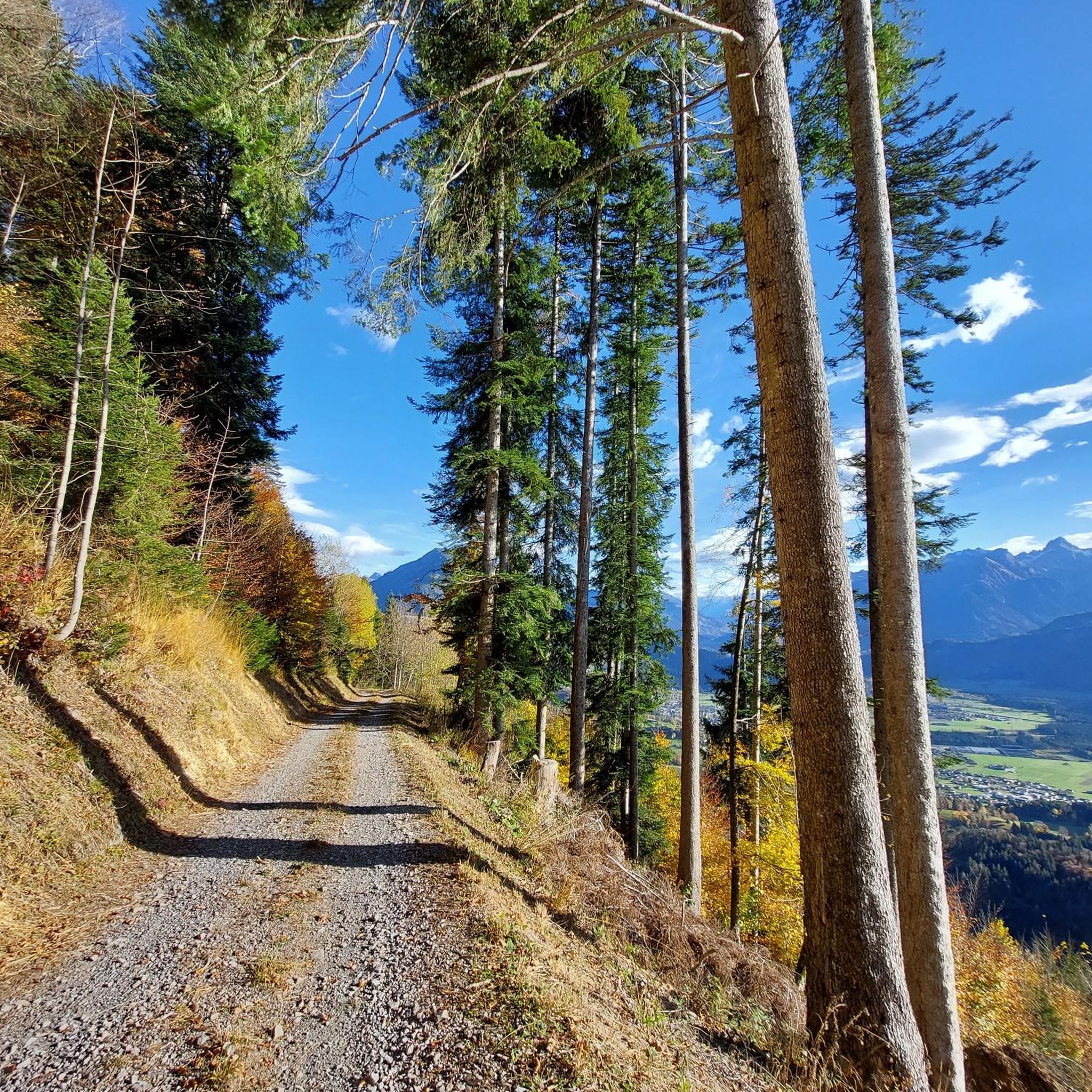
the transition from Plansott to Gassner Alpe is a bit difficult and the first 400m are not rideable. On the side in the Gassner Alpe area, proceed with due caution.
0
0

Montiola Weiher, Thüringen The Montjola-Weiher were created in 1837 for the use of water power for the textile industry in Thüringen. Besides that, the Montjola-Weiher have been a popular destination for excursions and a local recreation area. The Montjola-Weiher (also: Montjola-See or Montiola-Weiher, 686 m above sea level) are located on the Quadern high plateau in the municipality of Thüringen. The Montjola-Weiher were created in 1837 for the operation of the spinning and weaving mill founded by John Douglass and partners. In the 1980s, the ponds were dredged. In 2016, Montjola-Weiher II was renovated and redesigned for approximately 250,000 Euros[2] and the infrastructure was slightly expanded.[3][4] At the same time, a "Historical Experience and Educational Trail" was established, illustrating the long history of water power utilization for industry in Thüringen. A significant portion of the costs was funded through the LEADER action program of the European Union. In 2024, to relieve the ponds and as flood protection, an approximately 700-meter-long tunnel was laid using the Micromining method, which diverts the excess water of the Schwarzbach via the Schlosstobel into the Lutz. In spring 2025, the planting of the renatured pond took place with the participation of students from the Thüringen primary school. Text / Source: Austria-Forum https://austria-forum.org/af/AustriaWiki/Montjola-Weiher
14
0
Montiola Weiher, Thüringen The Montjola ponds were created in 1837 for the utilization of water power for the textile industry in Thüringen. In addition, the Montjola ponds have since been a popular destination for excursions and a local recreation area. The Montjola ponds (also: Montjola-See or Montiola-Weiher, 686 m above sea level) are located on the Quadern high plateau in the municipality of Thüringen. The Montjola ponds were created in 1837 for the operation of the spinning and weaving mill founded by John Douglass and partner. In the 1980s, the ponds were dredged. In 2016, Montjola pond II was renovated and redesigned for approximately 250,000 Euros[2], and the infrastructure was slightly expanded.[3][4] At the same time, a "Historical Experience and Educational Trail" was established, illustrating the long history of water power utilization for industry in Thüringen. A significant portion of the costs was funded through the European Union's LEADER action program. In 2024, a roughly 700-meter-long tunnel was laid using the micromining method to relieve the ponds and provide flood protection, diverting excess water from the Schwarzbach via the Schlosstobel into the Lutz. In the spring of 2025, planting of the renatured pond took place with the participation of students from the Thüringen elementary school. Text / Source: Austria-Forum https://austria-forum.org/af/AustriaWiki/Montjola-Weiher
14
0


Serviced hut closed from 5 p.m
0
0


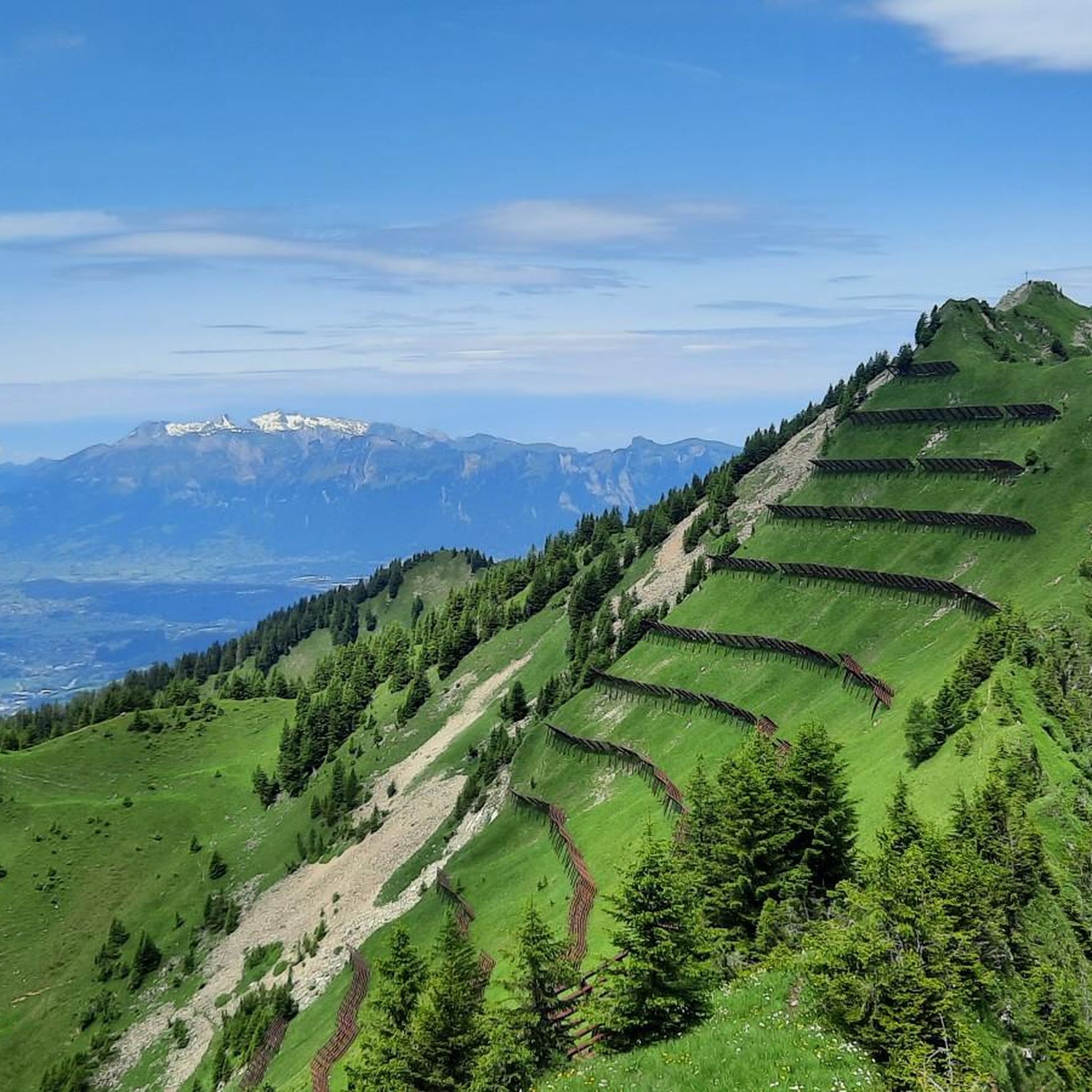
The large Walser valley with biosphere reserve lies at your feet
1
0
Frequently Asked Questions
How many mountain bike trails are available around Thüringerberg?
There are nearly 200 mountain bike trails around Thüringerberg, offering a wide range of options for all skill levels. This includes approximately 26 easy routes, 93 moderate routes, and 72 difficult routes, ensuring a diverse experience within the UNESCO Biosphere Reserve Großes Walsertal.
What makes mountain biking in Thüringerberg unique?
Mountain biking in Thüringerberg is unique due to its setting within the UNESCO Biosphere Reserve Großes Walsertal. Riders can expect a diverse natural landscape featuring picturesque mountains, lush green meadows, and varied habitats from alpine highlands to wooded valleys. The region offers a mix of challenging trails and panoramic paths, often traversing dense forests and open alpine pastures, with a strong commitment to sustainable outdoor experiences.
What is the best time of year for mountain biking in Thüringerberg?
The best time for mountain biking in Thüringerberg is generally from late spring through early autumn. During these months, the weather is most favorable, and the trails are clear of snow, allowing full access to the diverse alpine landscapes and high-altitude routes. Always check local weather conditions before heading out.
Are there challenging mountain bike trails for experienced riders?
Yes, Thüringerberg offers a significant number of challenging trails for experienced mountain bikers, with 72 routes rated as difficult. An example is the Gassneralpe, Großes Walsertal – Gassneralpe loop from Thüringerberg, a 10.1-mile (16.2 km) path with over 700 meters of elevation gain, exploring the rugged terrain around Gassneralpe.
Are there any circular mountain bike routes in Thüringerberg?
Many mountain bike routes in Thüringerberg are designed as circular loops, allowing you to start and finish at the same point. For instance, the View of Mondspitze – Alte Walserstraße Trail loop from Thüringen is a popular 11.4-mile (18.3 km) moderate route that offers scenic views and returns to its starting point.
What kind of natural attractions can I see along the mountain bike trails?
Along the mountain bike trails, you can encounter various natural attractions. The region is rich in alpine scenery, including picturesque mountains and green meadows. You might also find beautiful lakes such as Lake Galina or Sünser Lake. For dramatic geological features, the Bürs Gorge Trail is also nearby, offering impressive views.
Are there any viewpoints or summits accessible by mountain bike?
While many summits require hiking, mountain bike trails in Thüringerberg often lead to stunning viewpoints. For example, the View of Mondspitze – Alte Walserstraße Trail loop from Thüringen offers views towards Mondspitze. You can also find natural monuments like the Mondspitze Summit Cross, which can be part of a combined biking and hiking experience.
What are the regulations for mountain biking in Thüringerberg and the Großes Walsertal?
Mountain biking in Thüringerberg and the Großes Walsertal adheres to the 'Bike Code Vorarlberg'. This code promotes responsible and respectful interaction on trails, ensuring a sustainable and enjoyable experience for all users and the environment. It's important to stay on marked trails, respect nature, and be mindful of other trail users.
Is Thüringerberg suitable for family-friendly mountain biking?
Thüringerberg offers options for various skill levels, including easier routes that can be suitable for families. While the region is known for its varied terrain and ascents, there are 26 easy routes available. It's advisable to check the specific trail descriptions for elevation and distance to ensure they match your family's abilities.
Are there places to eat or rest along the mountain bike trails?
Yes, along the mountain biking and hiking trails in the Großes Walsertal, you'll find numerous mountain huts and alps, such as Alpe Rona. These establishments invite visitors to take a break and enjoy refreshments, often including local specialties like mountain cheese, providing essential rest stops and opportunities to experience local alpine culture.
What do other mountain bikers enjoy most about Thüringerberg?
The mountain bike trails around Thüringerberg are highly rated by the komoot community, with an average score of 4.5 stars from over 3,000 reviews. Riders often praise the diverse natural landscape, the mix of challenging ascents and panoramic views, and the well-maintained network of trails within the UNESCO Biosphere Reserve Großes Walsertal.
How can I get to the mountain bike trails using public transport?
The Großes Walsertal region, including Thüringerberg, is committed to sustainable tourism, and public transport options are available. While specific routes vary, regional bus services connect villages within the valley, often allowing access to trailheads. It's recommended to check local bus schedules for the most up-to-date information on reaching specific starting points.
Are there any moderate mountain bike trails that offer good views?
Yes, there are many moderate trails that provide excellent views. The Sentum Alpe Trail – Plansott Alpe loop from Meiern is a moderate 11.8-mile (19.0 km) route that takes you through scenic landscapes, offering rewarding vistas of the surrounding mountains and valleys.
Most popular routes around Thüringerberg
Most popular attractions around Thüringerberg

Get inspired with the komoot mobile app


Explore more
Browse the best MTB trails in other regions.
