Attractions and Places To See around Petronà - Top 20
Attractions and places to see around Petronà offer a blend of cultural landmarks, natural beauty, and historical points of interest. Situated on the southeastern slope of the Sila Piccola plateau, this mountain municipality is near the Calabria National Park. The region features a mountainous landscape with forests and unique cultural heritage, including Arbëreshë origins. Visitors can explore a variety of sites, from historical buildings to natural features like lakes and dams.
Best attractions and places to see around Petronà
- The…
Last updated: July 15, 2026
Lago Ampollino Dam
Highlight • Monument
Translated by Google •
Tip by

Taverna
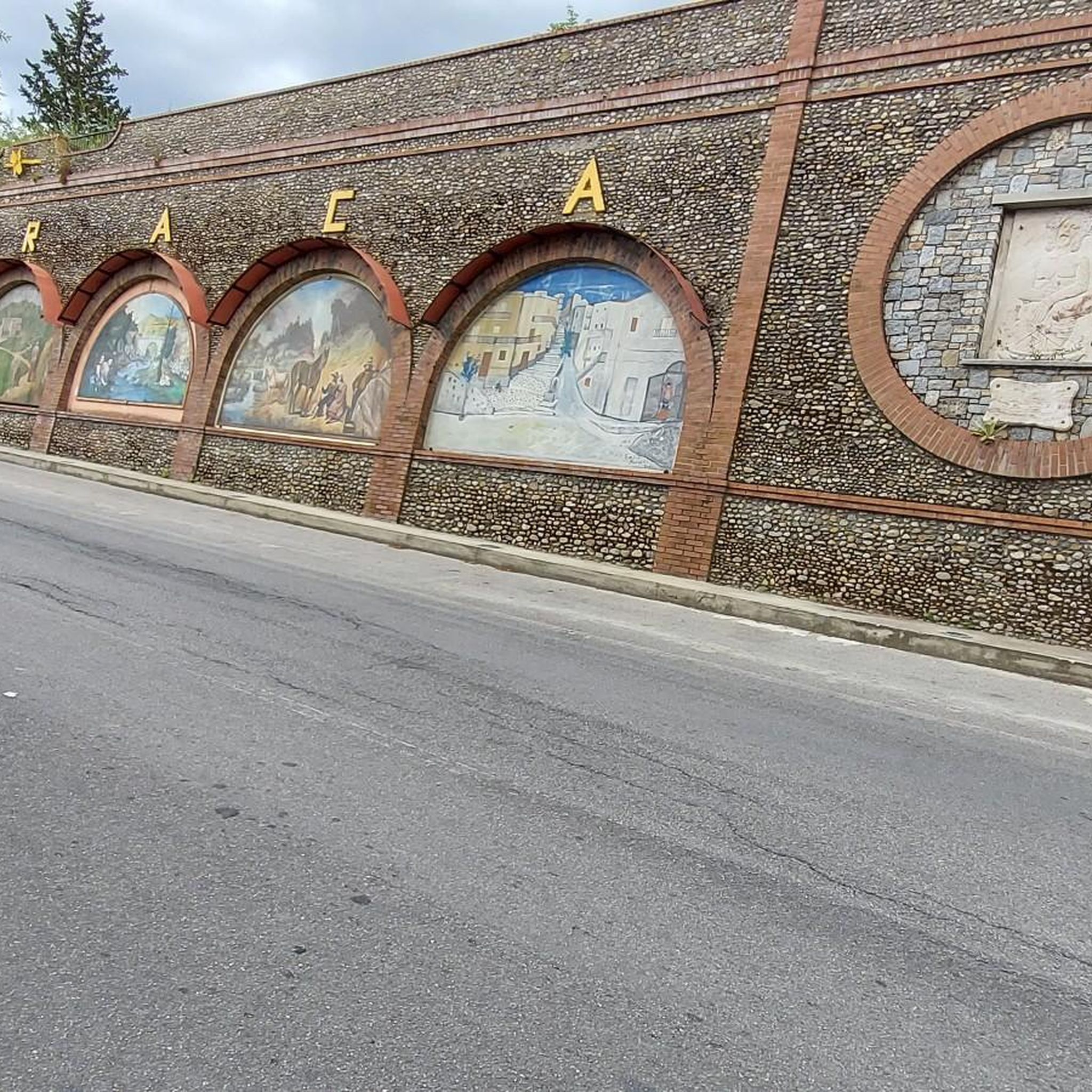
Highlight • Settlement
Translated by Google •
Tip by

Sign up now to discover places like this
Get recommendations on the best single tracks, peaks, & plenty of other exciting outdoor places.
Sign up for free
Translated by Google •
Tip by

Villaggio Mancuso
Highlight • Settlement
Translated by Google •
Tip by

Lago Ampollino Lakeside Cycle Path
Highlight (Segment) • Cycleway
Translated by Google •
Tip by

Sign up for free to discover even more attractions around Petronà.
Sign up for free
Already have an account?
Start today with a free account
Your next adventure awaits.
Login or Signup
Tips from the Community

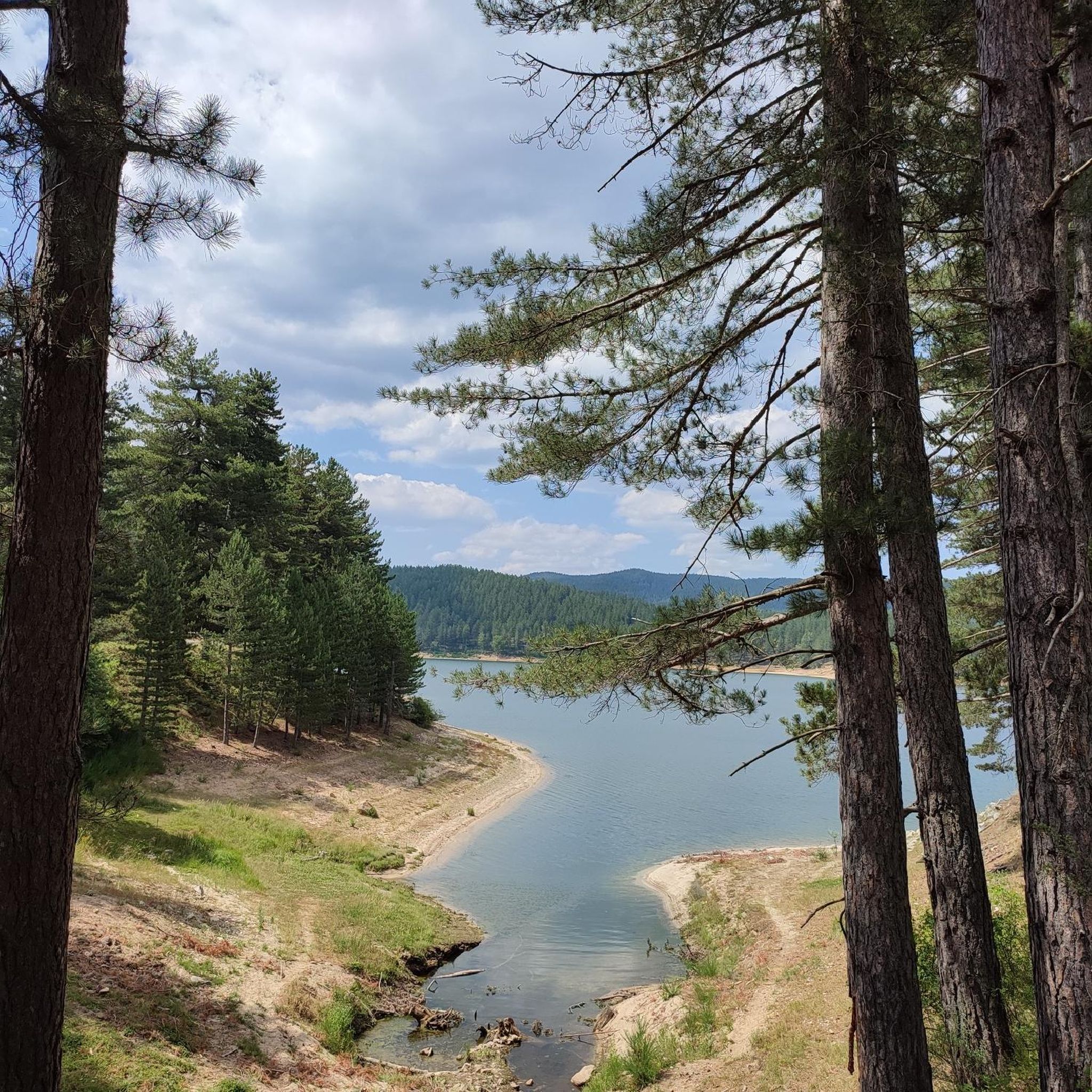
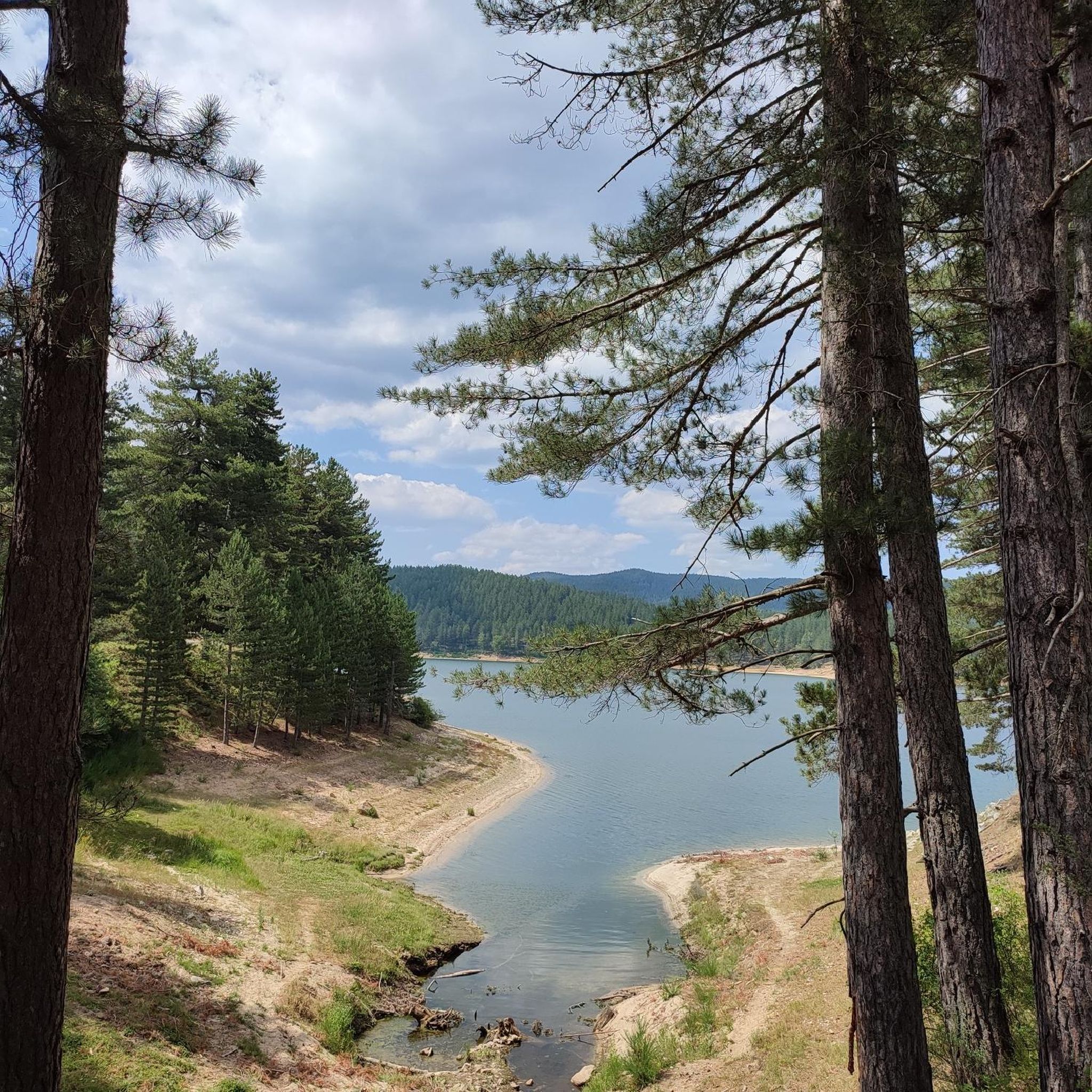
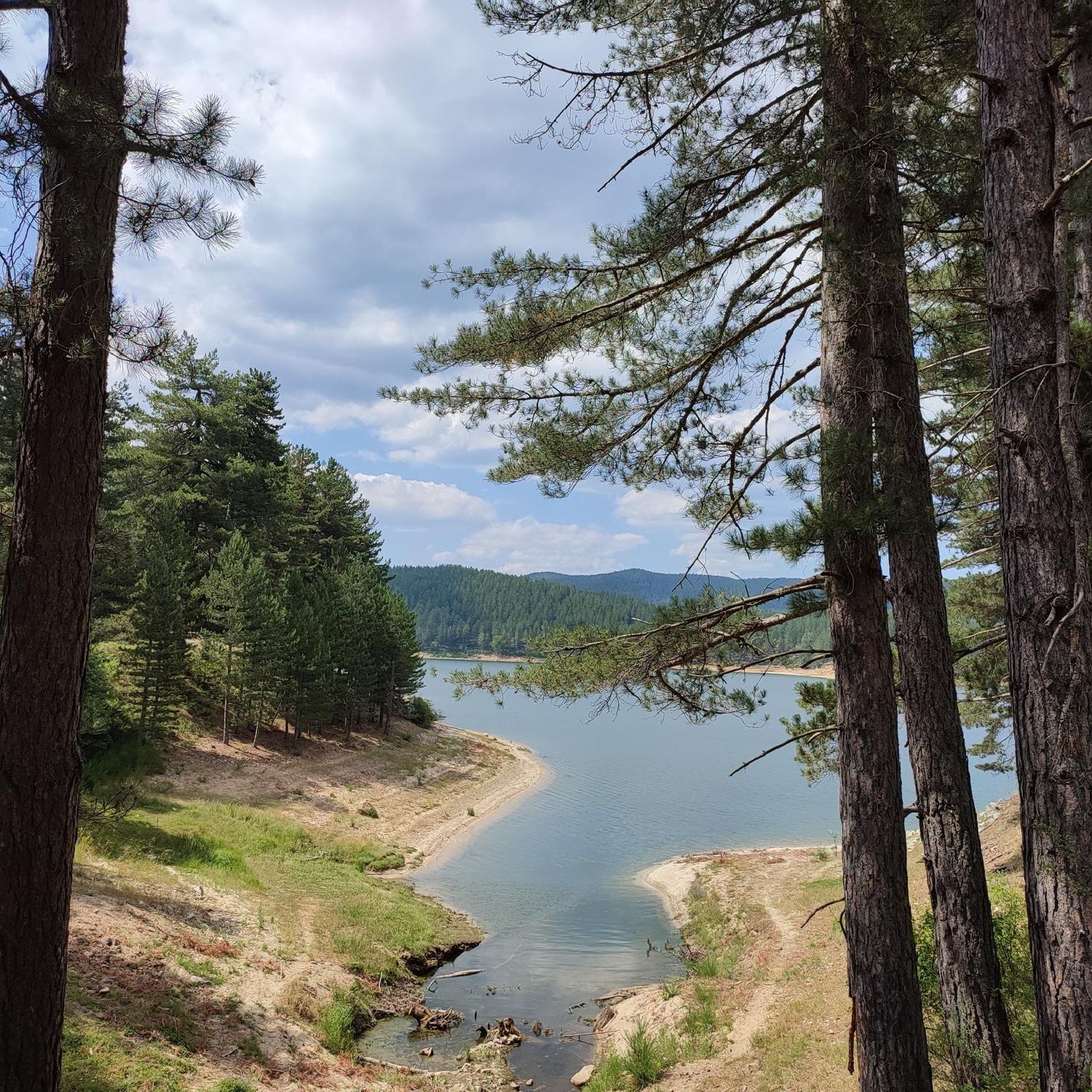
Among the three large Calabrian lakes of the Sila, the Ampollino is certainly the least contaminated and consequently the most authentic to be appreciated by lovers of nature and landscapes.
0
0

In summer, you can take advantage of numerous cycling routes that lead through diverse landscapes - from mountain spruce forests to water areas of lakes. In winter, the area is home to the Camigliatello Silano ski resort, which attracts skiing and winter sports enthusiasts with its well-prepared facilities and picturesque location in the Sila massif. This is a place more for local skiing enthusiasts and beginners who want to combine active recreation with a vacation in the warm climate of Calabria. If you are looking for more serious skiing routes, you have to go further north in Italy or to the Alps. In Calabria, on the other hand, you will certainly appreciate nature, peace and a unique mountain climate.
1
0
The Ampollino Valley is surrounded by the mountains of the Sila massif, with clearly distinguishable peaks: Scorciavuoi (1627 m above sea level), Gariglione (1623 m above sea level), Zingomarro (1463 m above sea level) and Monte Nero (1747 m above sea level). There are extensive pine, beech and fir forests here, creating a Mediterranean mountain landscape characteristic of the region. The central element of the valley is the artificial reservoir Lago Ampollino, created by a dam (diga) on the Ampollino River. The shores of the lake are overgrown with reed beds and water lilies, and in the area you can see wild animals - deer, wild boars, waterfowl and birds of prey.
1
0

One of the most beautiful and little-frequented lakes, the path that surrounds it is very beautiful and easy.
0
0
A little-frequented lake immersed in peace.
0
0

Beautiful lake, not very touristy. You will find only a couple of structures that give shelter but you can camp by the lake. Council at the cycle path between the Palumbo campsite and Baffa. You will also find them to eat.
1
0

This convenient bike path runs parallel to the south shore of Lake Ampollino and offers some striking water views.
3
0
This fairy-tale village was founded in the 1930s and was an excellent tourist destination in the 1950s and 1960s. The Grande Albergo delle Fate was a luxury accommodation facility.
3
0
Frequently Asked Questions
What natural features can I explore around Petronà?
Petronà is situated on the southeastern slope of the Sila Piccola plateau, offering a mountainous landscape. A prominent natural feature is Lago Ampollino Dam and the surrounding Lake Ampollino, which is connected to Lake Arvo. The area is also close to the Calabria National Park, featuring extensive pine, beech, and fir forests, and is home to various wild animals.
What historical and cultural sites are there to visit in the Petronà area?
The region boasts a rich history and unique cultural heritage. You can visit the characteristic Mother Church of Saints Peter and Paul Apostles, the Sanctuary of Our Lady of Constantinople, and the Church of the Arietta. The Former Archbishop's Seminary and Colosimo Palace also add to the town's architectural heritage. Additionally, Petronà has Arbëreshë origins, reflecting a unique cultural history tied to Albanian communities who settled in Southern Italy.
Are there family-friendly attractions or activities near Petronà?
Yes, several attractions are suitable for families. The Lago Ampollino Dam and Lake Ampollino area offers scenic views and opportunities for gentle walks. The Lago Ampollino Lakeside Cycle Path is also family-friendly, providing striking water views. The unique Villaggio Mancuso, a fairy-tale-like village, can be an interesting visit for all ages.
What kind of cycling routes are available around Petronà?
The area around Petronà offers diverse cycling opportunities. You can find road cycling routes like the 'Lake Ampollino Loop' or 'Lake Ampollino – Lago Ampollino Dam loop'. For mountain biking, options include the 'Gariglione Loop' or 'Lake Ampollino – Villaggio Mancuso loop'. There's also the Lago Ampollino Lakeside Cycle Path for more relaxed rides. You can explore more routes in the Cycling around Petronà guide.
Are there hiking trails or walks near Petronà?
Yes, the mountainous landscape of the Sila Piccola plateau provides various hiking opportunities. While specific hiking trails are not detailed in the highlights, the region's natural beauty, including forests and lakes, suggests many possibilities for walks. The 'Loop around Lake Passante: in the footsteps of Gioacchino da Fiore' is an intermediate trail that reaches a maximum altitude of 1306m. The Sila Piccola area is known for its extensive forests and mountain environment.
What is the best time of year to visit Petronà for outdoor activities?
The Sila Piccola region, where Petronà is located, offers different experiences throughout the year. In summer, you can enjoy numerous cycling routes and explore the water areas of the lakes. In winter, the area is home to the Camigliatello Silano ski resort, attracting winter sports enthusiasts. For general outdoor exploration, spring and autumn often provide pleasant weather conditions.
What is <a href="https://www.komoot.com/highlight/3290183" target="_blank" rel="noopener">Taverna</a> and why should I visit it?
Taverna is a small Italian town located on the slopes of the Sila Park mountains, near Petronà. It is renowned as the birthplace of the 17th-century painter Mattia Preti, and its churches and civic museum house many of his works. It's also a recommended stop for cyclists on the 'Parchi Calabria' route, offering amenities like an electric bicycle charging station and bike maintenance tools.
Where can I learn more about contemporary art in the region?
You can visit the Agorà dell'Arte, a museum established in 1987 by Bruno Caristo to showcase artwork by emerging Calabrian artists, including sculptures, photographs, and paintings. Additionally, the Civic Museum of Taverna, located in the Palazzo San Domenico, displays contemporary Calabrian art and includes a Restoration, Conservation, and Research Laboratory.
Are there any unique villages or settlements to explore near Petronà?
Yes, Villaggio Mancuso is a unique village founded in the 1930s. It was once a popular destination for wealthier tourists in the 1950s and 60s, featuring the luxury accommodation of the Grande Albergo delle Fate. This fairy-tale-like settlement offers a glimpse into the region's past as a tourist hotspot.
What is the significance of the Arbëreshë heritage in Petronà?
Petronà is noted for its Arbëreshë origins, which refers to the unique cultural history tied to Albanian refugees who settled in Southern Italy between the 14th and 18th centuries. These communities have maintained their distinct language, Byzantine Rite religious practices, traditional costumes, art, and gastronomy, contributing to the rich cultural tapestry of the region.
What are some notable religious sites in the Petronà area?
Beyond the Mother Church of Saints Peter and Paul Apostles, you can visit the Sanctuary of Our Lady of Constantinople, locally known as 'Cona,' and the Church of the Arietta within Petronà. Slightly further afield in Pentone, the Santuario della Madonna di Termine, built in 1291, offers a panoramic position and features beautiful mosaics, wooden sculptures, and frescoes.
Can I find places to eat or drink in Petronà?
Petronà, as a mountain municipality, offers local cafes and restaurants where you can experience traditional Calabrian cuisine. While specific establishments are not detailed, you can expect to find options for dining and refreshments within the town center.
Most popular attractions around Petronà

Get inspired with the komoot mobile app


Explore more
Still not found the Highlight you’re looking for? See guides of the top attractions in other regions:
