The best MTB trails around Trausnitz
4.7
(758)
2,440
riders
346
rides
Mountain bike trails around Trausnitz are situated within the Upper Palatinate Forest, a low mountain range featuring varied landscapes. The region is characterized by rolling hills, dense woodlands, and picturesque river valleys, including the Pfreimdtal. Its geological history includes basalt cones, adding unique features to the scenery. This diverse topography creates an ideal setting for mountain biking, offering a range of routes for different skill levels.
Best mountain bike trails around Trausnitz
- The most popular mountain bike trail is Rabenleite…
Last updated: June 21, 2026
4.7
(11)
18
riders
Moderate mountain bike ride. Good fitness required. Advanced riding skills necessary.
4.5
(6)
14
riders
20.0km
01:22
160m
160m
Moderate mountain bike ride. Great for any fitness level. Advanced riding skills necessary.

Sign up for free
4
riders
16.0km
01:20
290m
290m
Moderate mountain bike ride. Great for any fitness level. Advanced riding skills necessary.
4.5
(2)
3
riders
38.3km
03:13
630m
630m
Moderate mountain bike ride. Good fitness required. Advanced riding skills necessary.
4
riders
36.6km
03:06
670m
670m
Moderate mountain bike ride. Good fitness required. Advanced riding skills necessary.
Get access to more routes and recommendations from other explorers.
Sign up for free
Already have an account?
Our route recommendations are based on thousands of hikes, rides, and runs completed by other people on komoot.
Start today with a free account
Your next adventure awaits.
Login or Signup
Popular around Trausnitz
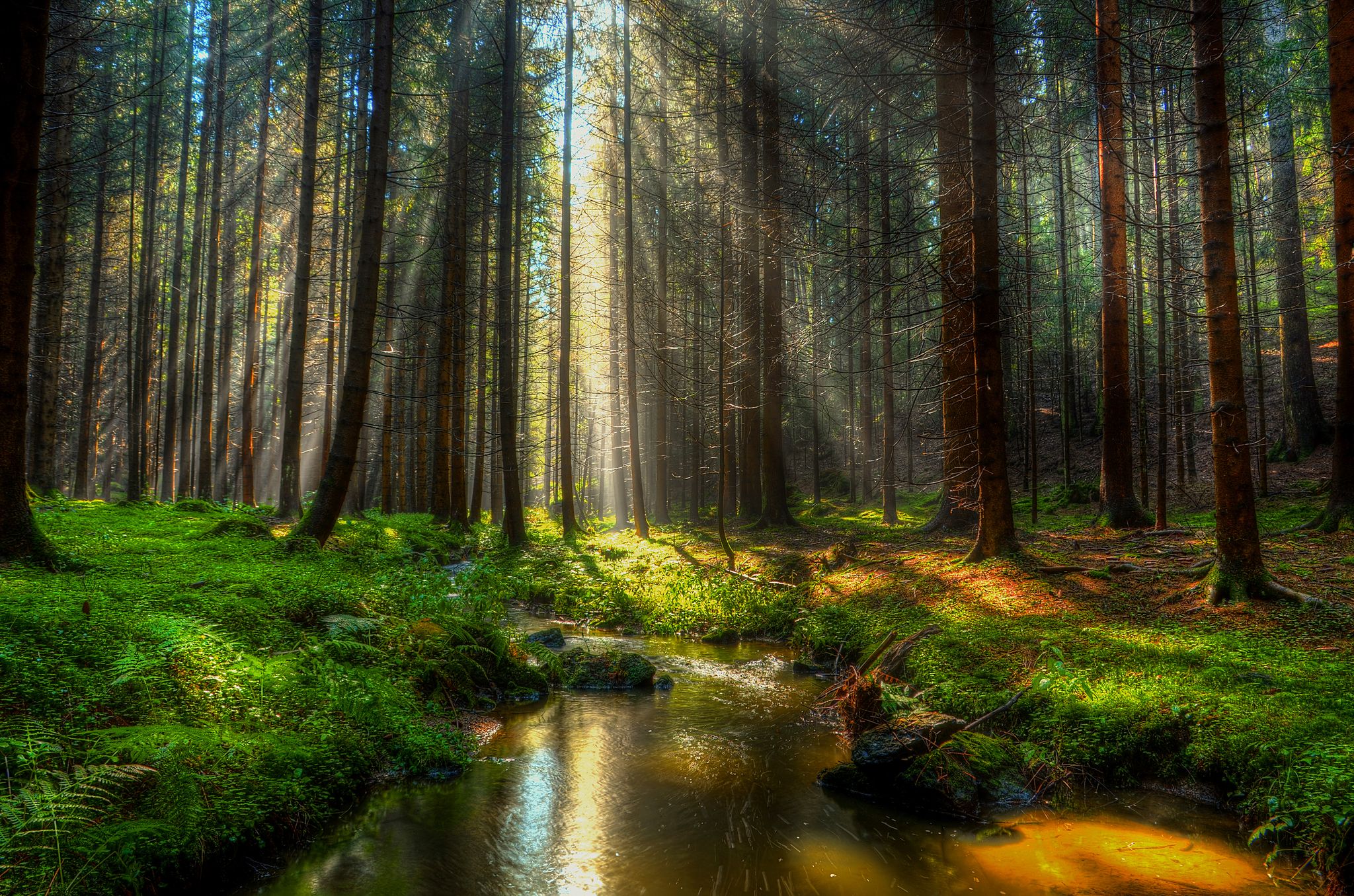
Experience nature at every turn – Forest Sea Trails in the Upper Palatinate Forest
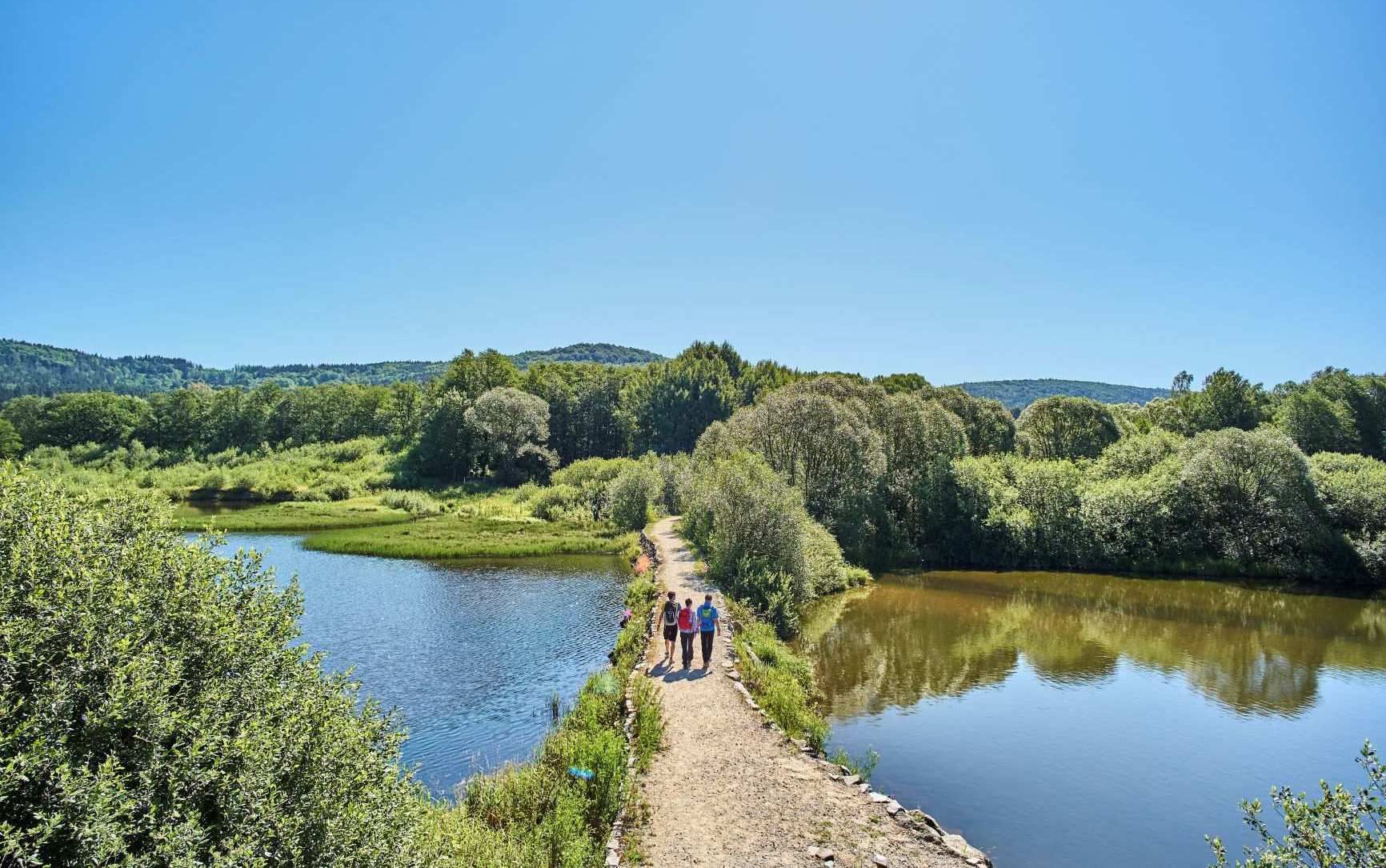
The best of the Goldsteig in Eastern Bavaria – 6 scenic hikes
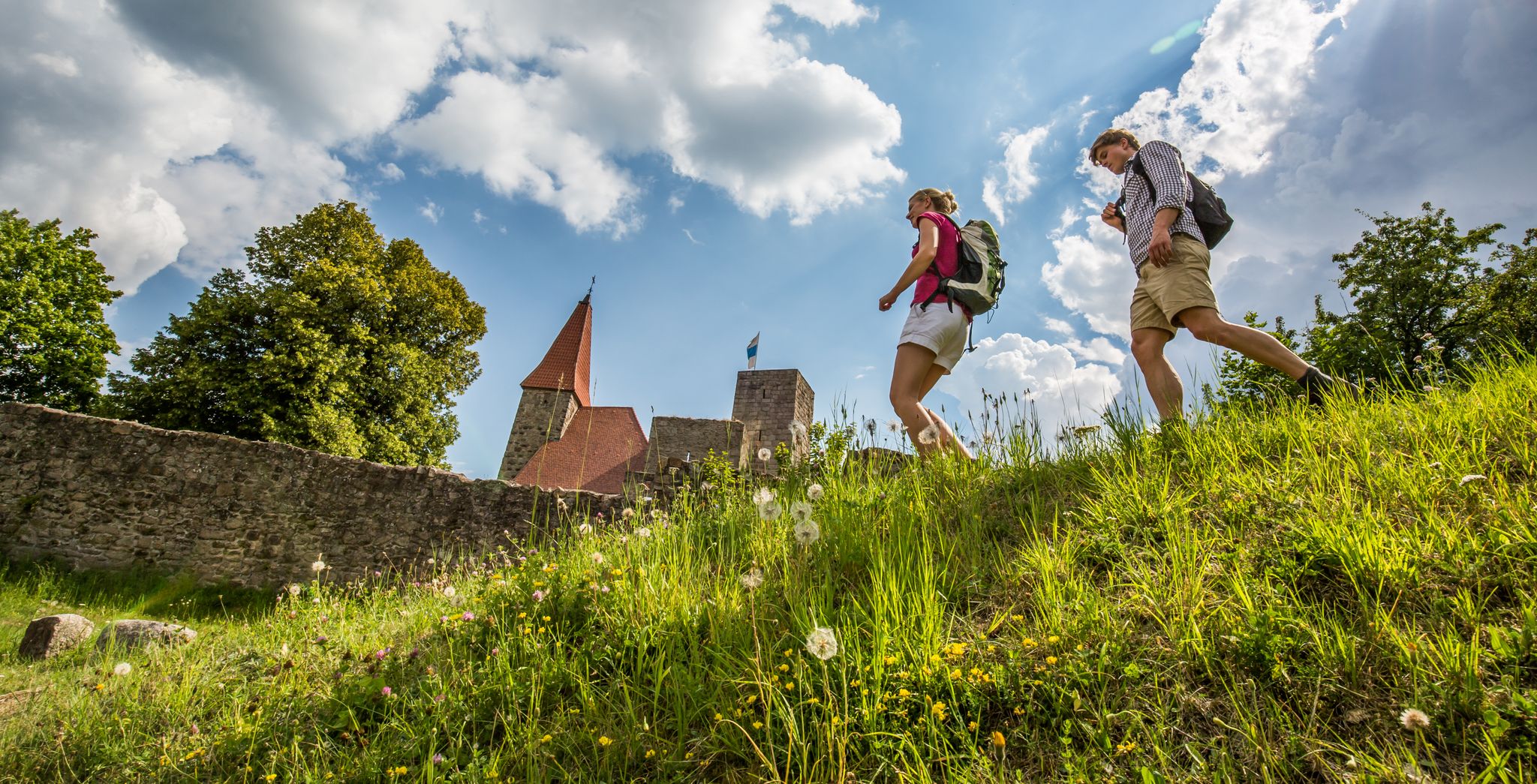
Water, forest and castles — hiking in the Upper Palatinate Forest
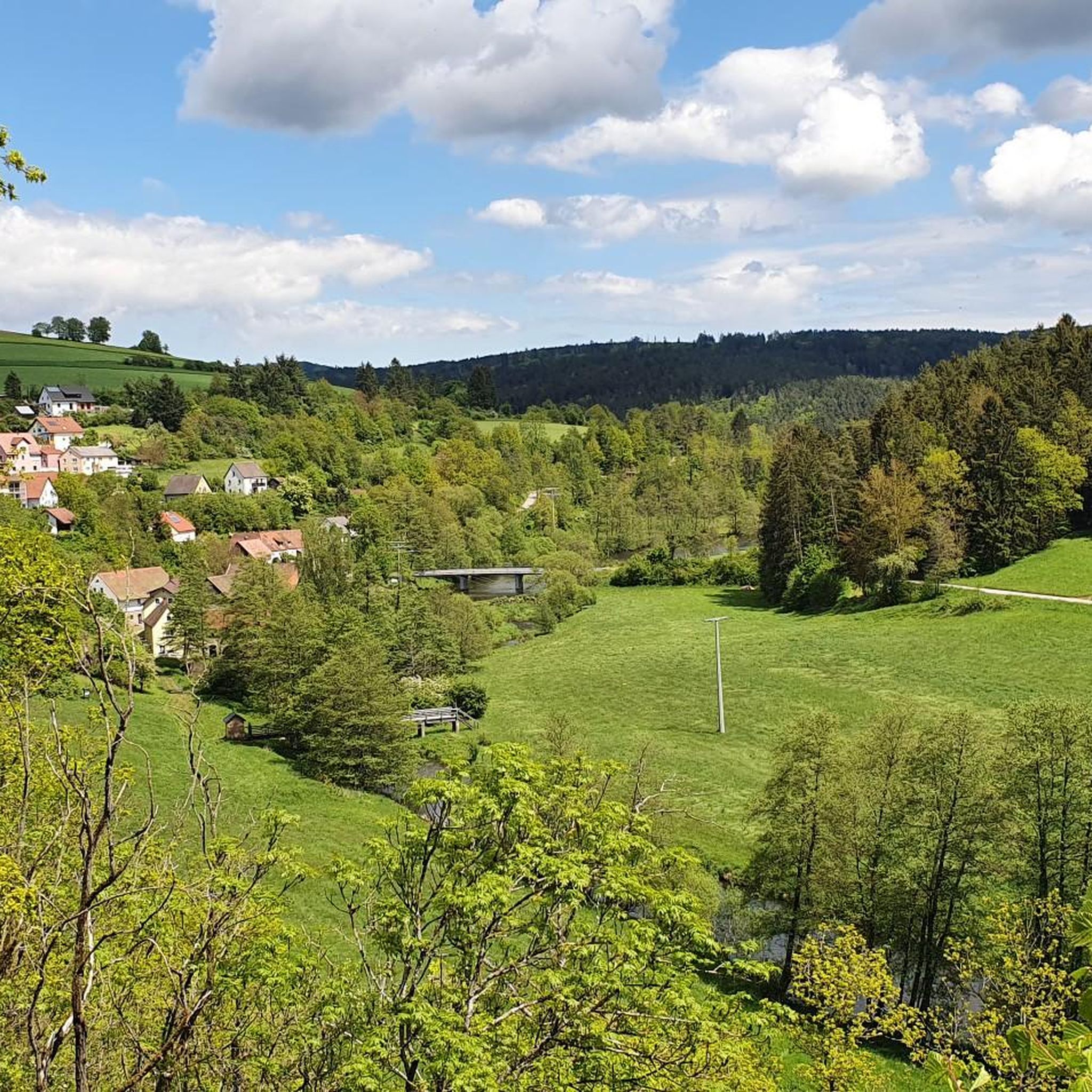
Hiking around Trausnitz
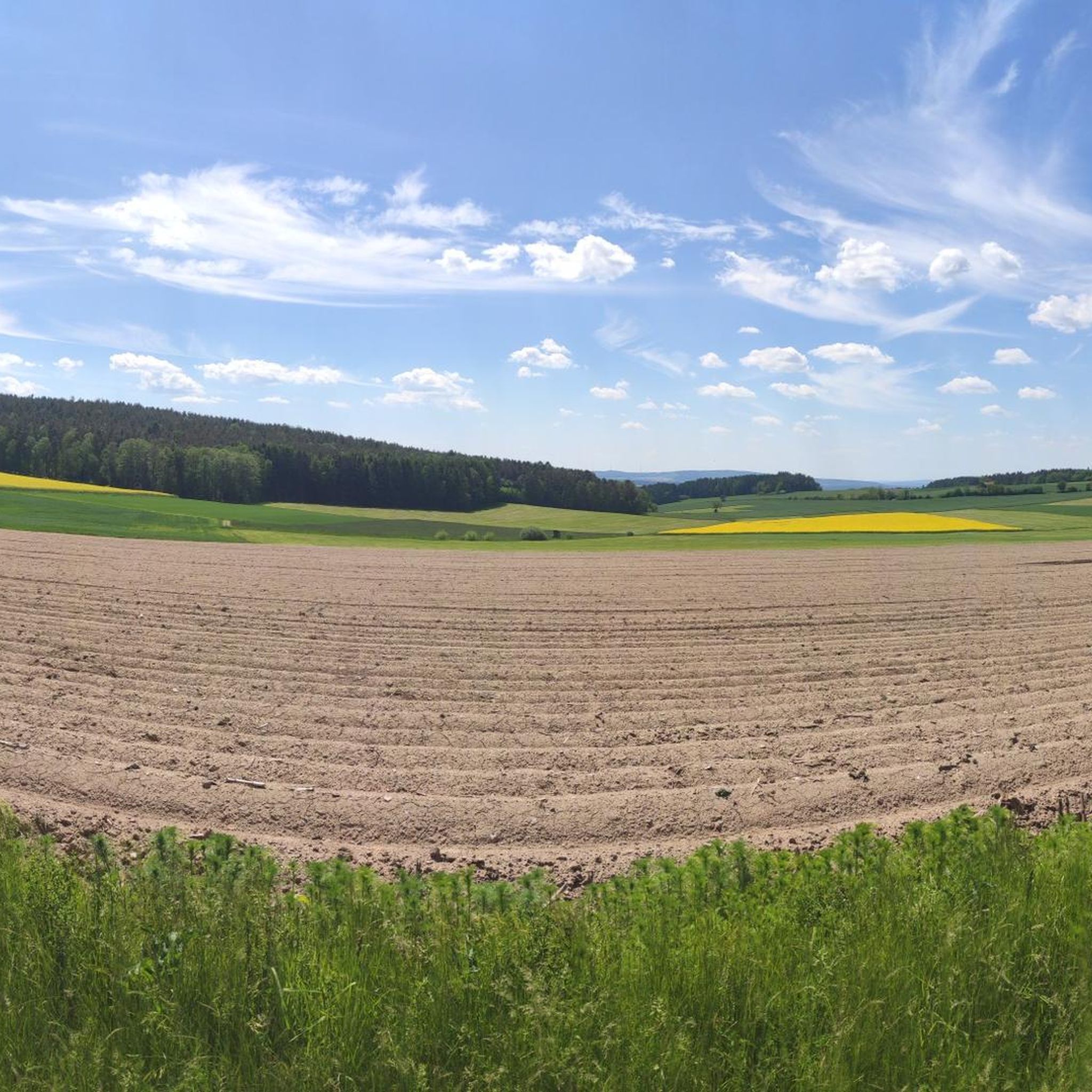
Cycling around Trausnitz
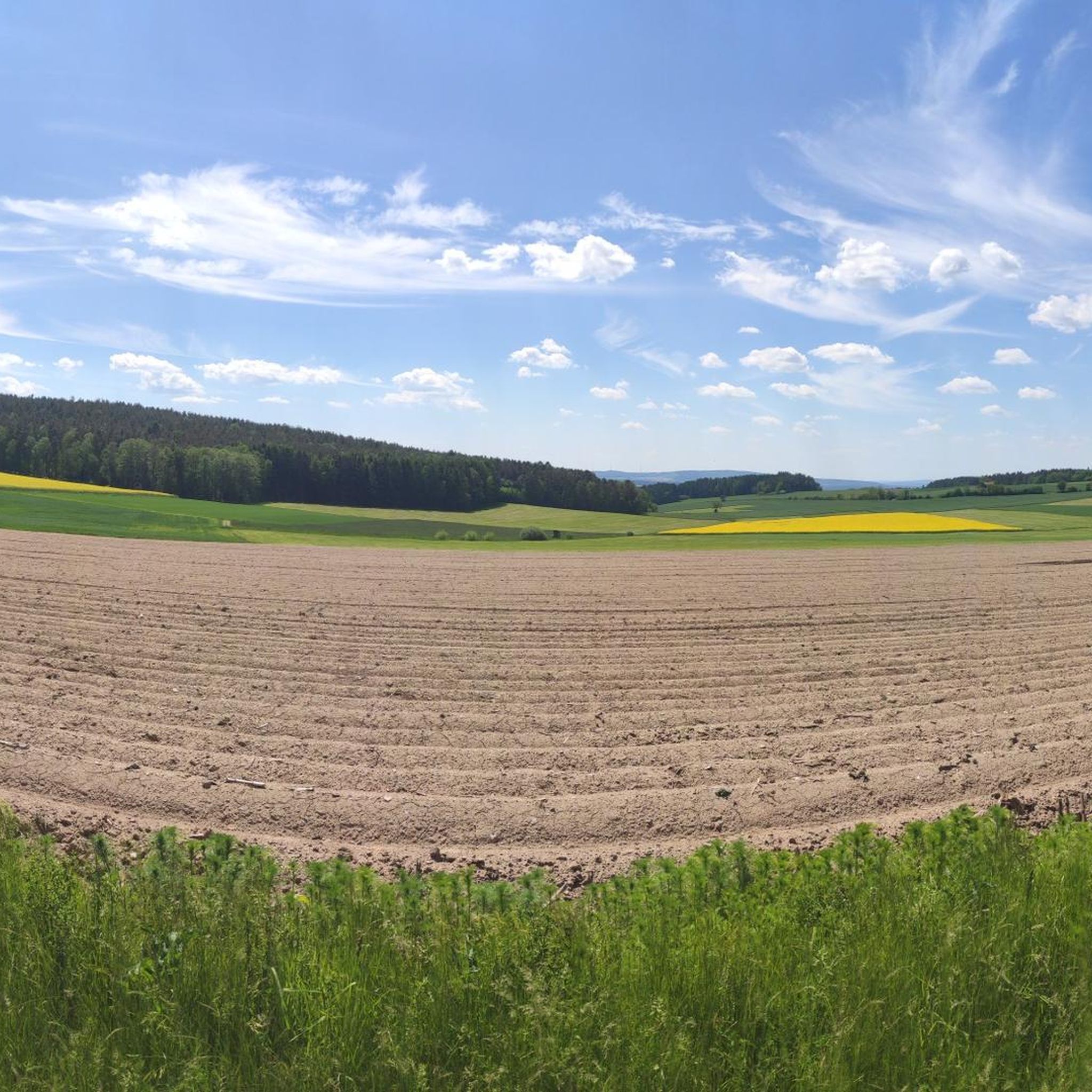
Running Trails around Trausnitz
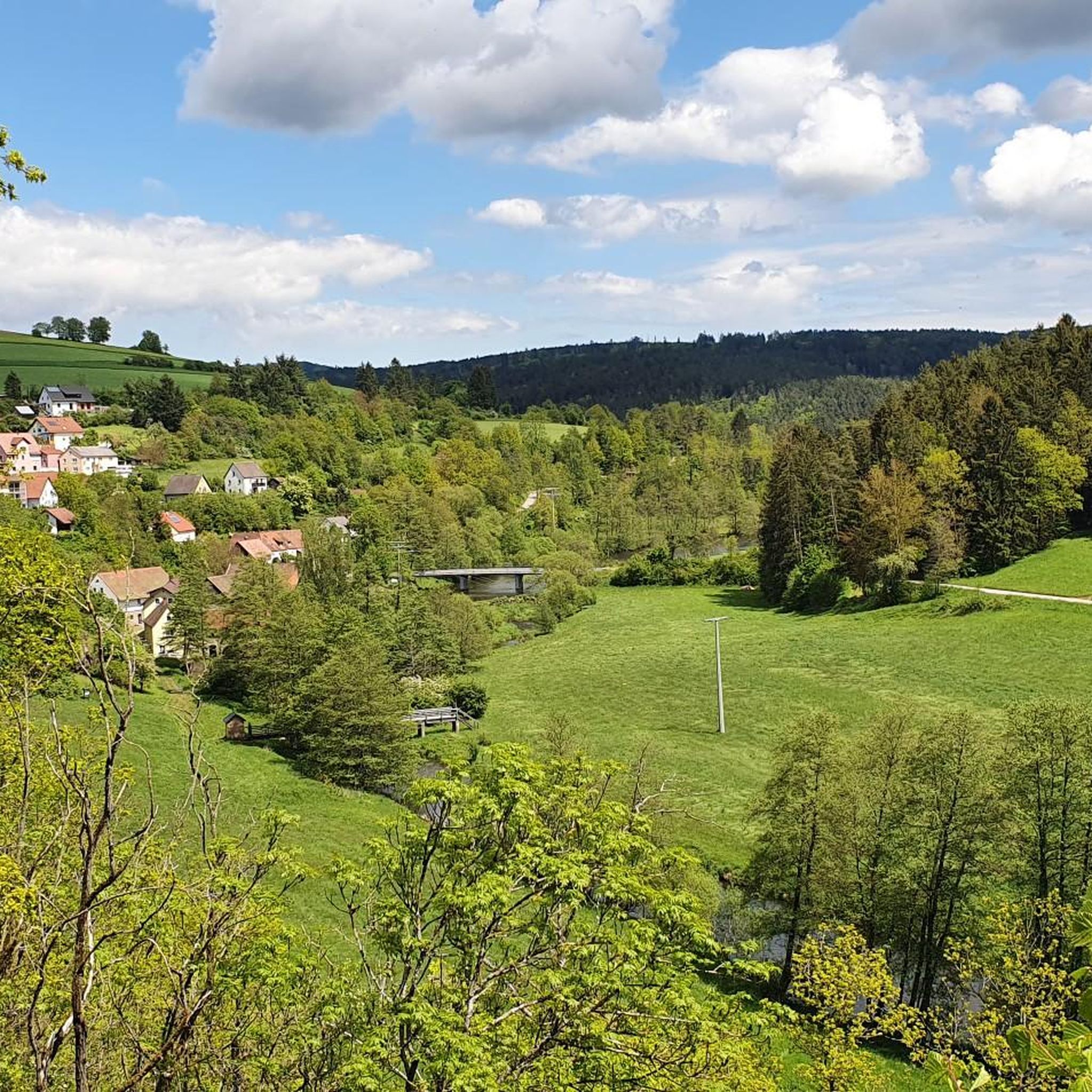
Road Cycling Routes around Trausnitz
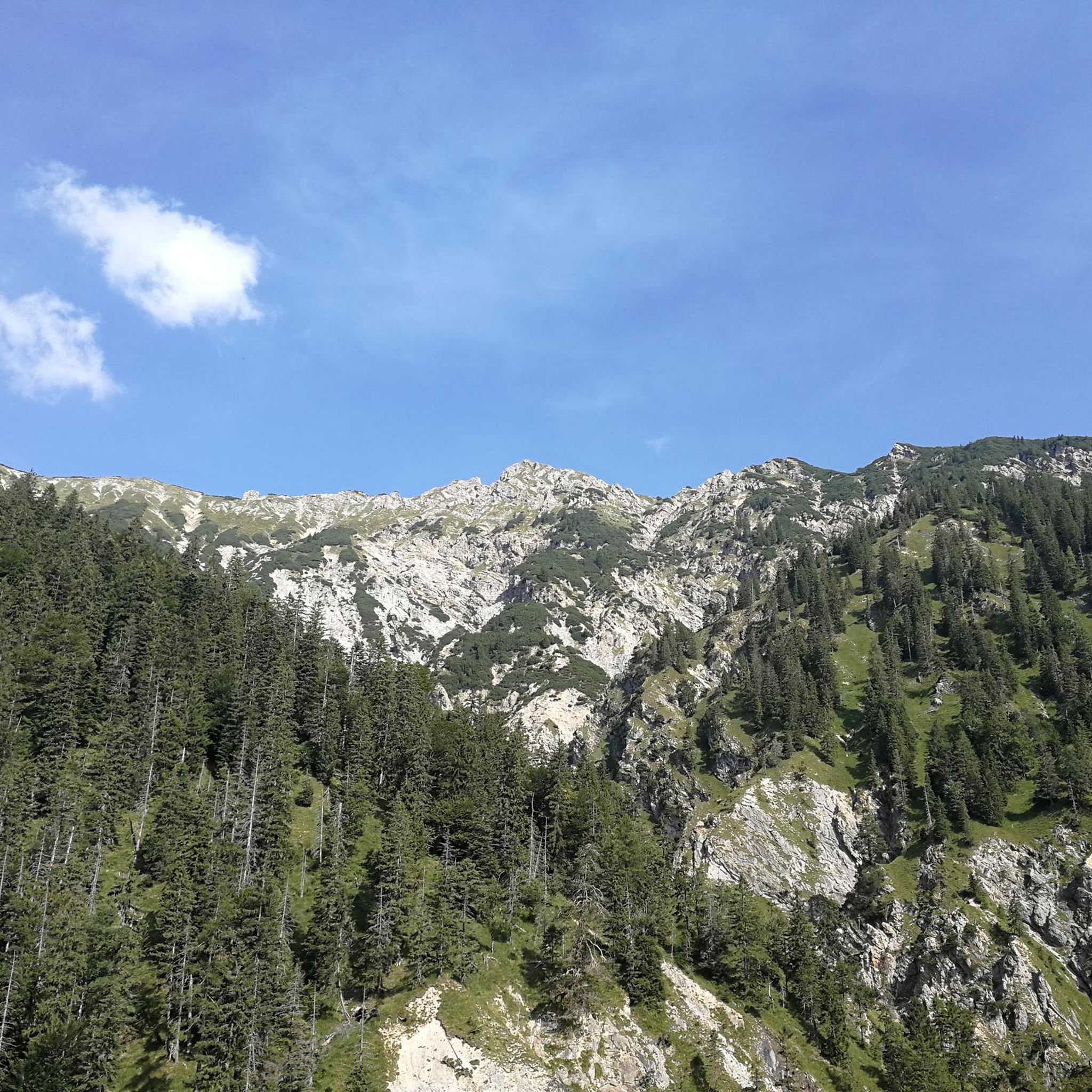
Gravel biking around Trausnitz
Other adventures around Trausnitz


Tips from the Community

So beautiful that you'll want to come back...
0
0
The impressive building is somewhat hidden in a beautiful landscape.
2
0

Originally done, a tribute to the artist and decision-maker.
2
0

Wonderful landscape, here is a place of peace and relaxation
1
0
Always nice to have a little snack on the terrace
3
0

Banneux Chapel, Schilternbach Sixty years ago, the small Chapel of the Virgin Mary was built east of Wernberg – tucked away between forest and meadows at the confluence of the Kötschdorfer Bach and Schilterbach streams. It was sometimes called "Madonna im Wiesengrund" or "Maria im Firn" (Our Lady of the Meadows) or "Mary in the Pine Trees." The open, circular structure is dedicated to Our Lady of Banneux. During the Rosary Service on October 27, 1955, hundreds of believers marched in a candlelight procession with the statue of the Virgin Mary from the parish church of St. Anna to the newly built chapel on the Schilterbach stream to dedicate it to the Blessed Virgin of the Poor and Sick. The chapel was donated by Sophie Breu. Sophie Breu, director of the Schlenz sanatorium St. Michael, was a great admirer of the apparitions of the Virgin Mary at Banneux in Belgium. According to the report, Joan Jacob, the pastor of Banneux, where Our Lady is said to have appeared eight times to twelve-year-old Mariette Beco between January 15 and March 2, 1933, traveled specifically for the consecration and brought the statue with him. For many years, the Wernberg Chapel on the Schilterbach stream was a frequent meeting place for May devotions, October rosaries, and supplication processions. The construction of several chapels and the emergence of Marian veneration sites can be traced back to the initiative of Sister Sophie Breu. She ran the well-known Schlenz sanatorium in Wernberg. The many letters of thanks from her patients, which still exist today, testify to her many successful healings. The advertising slogan was "Operation without knife and blood." Sophie Breu, a native of Wernberg, joined the Order of the Sisters of Mercy in 1928 after training as a nurse and nurse. She learned the methods of medicinal herbal and hyperthermic baths from Maria Schlenz. From humble beginnings, she began her own business in 1937 and worked with perseverance and tenacity toward her life's goal of helping the sick with this method. The chapel is owned by the Regensburg Episcopal Administration. Source: Excerpts from www.onetz.de/deutschland-und-die-welt-r/lokales/zur-madonna-im-wiesengrund-d1014170.html
3
0
Wernberg Castle The earliest documented mention of the castle "Werdenberch", which was founded by the Landgraves of Leuchtenberg, dates back to 1280, when the castle came into the possession of Konrad von Paulsdorf. The following year, his daughter brought Wernberg into the possession of the Nothaft family through marriage, who lived here until the 16th century. In 1367, Heinrich I Nothaft gave his free Wernberg Castle to the Kingdom of Bohemia as a fief. In 1509, Georg, Kaspar, Heinrich, Hans and Bernhard Nothaft sold Wernberg Castle to Georg Wispeck von Velburg. In 1530, Johann IV, Landgrave of Leuchtenberg, acquired the castle, which came to the Electorate of Bavaria when the Leuchtenberg family died out in 1647 and became the seat of the custodianship for the Upper Palatinate from 1704 to 1803. During the Thirty Years' War, Wernberg Castle was occupied and plundered by Mansfeld troops in 1621, Swedish troops in 1634, and then imperial troops. At the end of the war, the castle was in a desolate state. From 1856/57 to 1859, the castle served as a forced labor house and from 1861 as a "rescue center for fallen women and neglected girls." In 1918, Wernberg passed to Andreas Graf Schall-Riacour, who rented it out as a home for asylum seekers. From 1804, Wernberg temporarily degenerated into a penal institution. In 1992, the municipality, the state, and Klaus Conrad, owner of the Conrad electronics group, raised a total of 27 million DM to fundamentally renovate the partially ruined castle. First, the castle became a modern hotel and conference center with Michelin-star cuisine, then a private clinic in 2019. Since then, it has been closed to visitors. This means that a unique medieval building is unfortunately hidden from the public. The Wernberg Castle, built in the middle of the 13th century, included the mighty square keep, the palace in the north and the ring wall. The Nothafts increased the density of the buildings and built, among other things, the castle chapel of St. George, which was consecrated in 1401 and then remodeled in the Baroque style in 1712. The south wing was built in 1478, and the north wing was remodeled at the same time. The front moat and the castle gate, which was fortified by a drawbridge, probably also date from this period. The inner courtyard with its two-storey arcades and the stair tower clearly exudes the Renaissance style. In 1731, further repairs were necessary. In 1920, under Andreas Graf Schall-Riacour, the south wing was rebuilt, but it partially burned down in 1942. Source: www.hdbg.eu/burgen/detail/burg-wernberg/98
4
0
Frequently Asked Questions
How many mountain bike trails are there around Trausnitz?
There are over 360 mountain bike trails around Trausnitz, offering a wide range of options for all skill levels within the diverse landscapes of the Upper Palatinate Forest. You'll find routes catering to easy, moderate, and difficult abilities.
What kind of terrain can I expect on mountain bike trails near Trausnitz?
The mountain bike trails near Trausnitz are set within the Upper Palatinate Forest, characterized by a blend of rolling hills, dense woodlands, and picturesque river valleys. The region's geological history also includes unique basalt cones, adding varied features to the scenery. You can expect a mix of forest paths, riverside trails, and some climbs.
Are there any easy mountain bike trails suitable for beginners or families around Trausnitz?
Yes, Trausnitz offers a good selection of easy mountain bike trails, with 48 routes specifically rated as easy. An excellent option for a more relaxed ride is the Eichelbach Trail – Trausnitz Castle in the Valley loop from Trausnitz, which is 18.8 km long and takes you through pleasant scenery.
What are some notable landmarks or attractions I can see along the mountain bike trails?
Many trails in the Trausnitz area pass by interesting natural and historical sights. You might encounter the wild Lerau Valley, the impressive Leuchtenberg Castle Ruins, or the unique natural monument known as The Devil's Churn. The Pfreimdtal Riverside Trail also offers scenic views.
Are there mountain bike trails that are circular routes?
Yes, many mountain bike trails around Trausnitz are designed as circular routes, allowing you to start and end at the same point. For example, the popular Rabenleite Upper Reservoir – Pumped Storage Power Plant Reisach loop from Trausnitz is a 21.7 km loop, and the Pfreimd Dam – Goldbach Bridge Crossing loop from Trausnitz offers a longer 40 km circular ride.
What is the best time of year for mountain biking in Trausnitz?
The Upper Palatinate region generally offers excellent mountain biking conditions from spring through autumn. The dense forests provide shade in warmer months, and the river valleys are particularly scenic. While winter mountain biking is possible, be prepared for colder temperatures and potentially snowy or icy conditions, especially on higher elevations or shaded trails.
What do other mountain bikers enjoy most about the trails in Trausnitz?
The trails in Trausnitz are highly rated by the komoot community, with an average score of 4.7 stars from over 700 reviews. Mountain bikers frequently praise the diverse terrain, the well-maintained paths through dense forests, and the picturesque river valleys. Over 2,400 mountain bikers have used komoot to explore the area, highlighting its popularity.
Are there any trails that follow rivers or lakes?
Yes, the region is known for its picturesque river valleys and numerous ponds and lakes. The Naabweg – Naab footbridge in Nabburg loop from Pfreimd (VGem) follows the scenic Naab river, and the Pfreimd Dam – Goldbach Bridge Crossing loop from Trausnitz leads alongside the Pfreimd Dam, offering beautiful waterside views.
Where can I find parking for mountain biking near Trausnitz?
While specific parking areas for each trail vary, Trausnitz and its surrounding villages typically offer public parking options. For routes starting directly from Trausnitz, you can often find parking near the town center or designated trailheads. It's advisable to check local signage upon arrival.
Are there any mountain bike routes that pass by castles?
Yes, the Upper Palatinate is known as a region rich in castles. While the main Trausnitz Castle is a historical site, trails like the Eichelbach Trail – Trausnitz Castle in the Valley loop from Trausnitz offer views of the local castle. Further afield, the Wernberg Castle – Kehrerweiher loop from Glaubendorf provides an opportunity to see Wernberg Castle.
Can I find places to eat or stay near the mountain bike trails in Trausnitz?
Trausnitz and the surrounding Upper Palatinate region offer various options for accommodation, cafes, and pubs. You'll find local guesthouses and restaurants in the villages, providing opportunities to refuel and relax after your ride. Some accommodations may also offer bike storage facilities.
Are there any particularly challenging mountain bike trails for advanced riders?
Yes, out of the over 360 trails, 63 are rated as difficult, providing a challenge for advanced riders. These routes typically feature steeper climbs, more technical descents, and cover longer distances with significant elevation changes within the hilly Upper Palatinate Forest.
Most popular routes around Trausnitz
Most popular attractions around Trausnitz

Get inspired with the komoot mobile app


Explore more
Browse the best MTB trails in other regions.
