Attractions and Places To See around Duronia - Top 20
Best attractions and places to see around Duronia include a blend of historical landmarks, natural features, and cultural sites in the Molise region of Italy. The village is situated at an altitude of 918 meters, offering views of the surrounding area. Duronia features ancient Samnite remains, medieval structures, and unique rock formations. The area provides opportunities to explore historical sites and natural landscapes.
Best attractions and places to see around Duronia
- The most popular attraction is Schioppo Waterfall, a…
Last updated: July 2, 2026
Civitanova del Sannio
Highlight • Settlement
Translated by Google •
Tip by

Schioppo Waterfall
Highlight • Waterfall
Translated by Google •
Tip by

Sign up now to discover places like this
Get recommendations on the best single tracks, peaks, & plenty of other exciting outdoor places.
Sign up for free
Cascata di Mille
Highlight • Waterfall
Translated by Google •
Tip by

Bagnoli del Trigno
Highlight • Settlement
Translated by Google •
Tip by

Hermitage of Sant'Egidio
Highlight • Religious Site
Translated by Google •
Tip by

Sign up for free to discover even more attractions around Duronia.
Sign up for free
Already have an account?
Start today with a free account
Your next adventure awaits.
Login or Signup

Tips from the Community

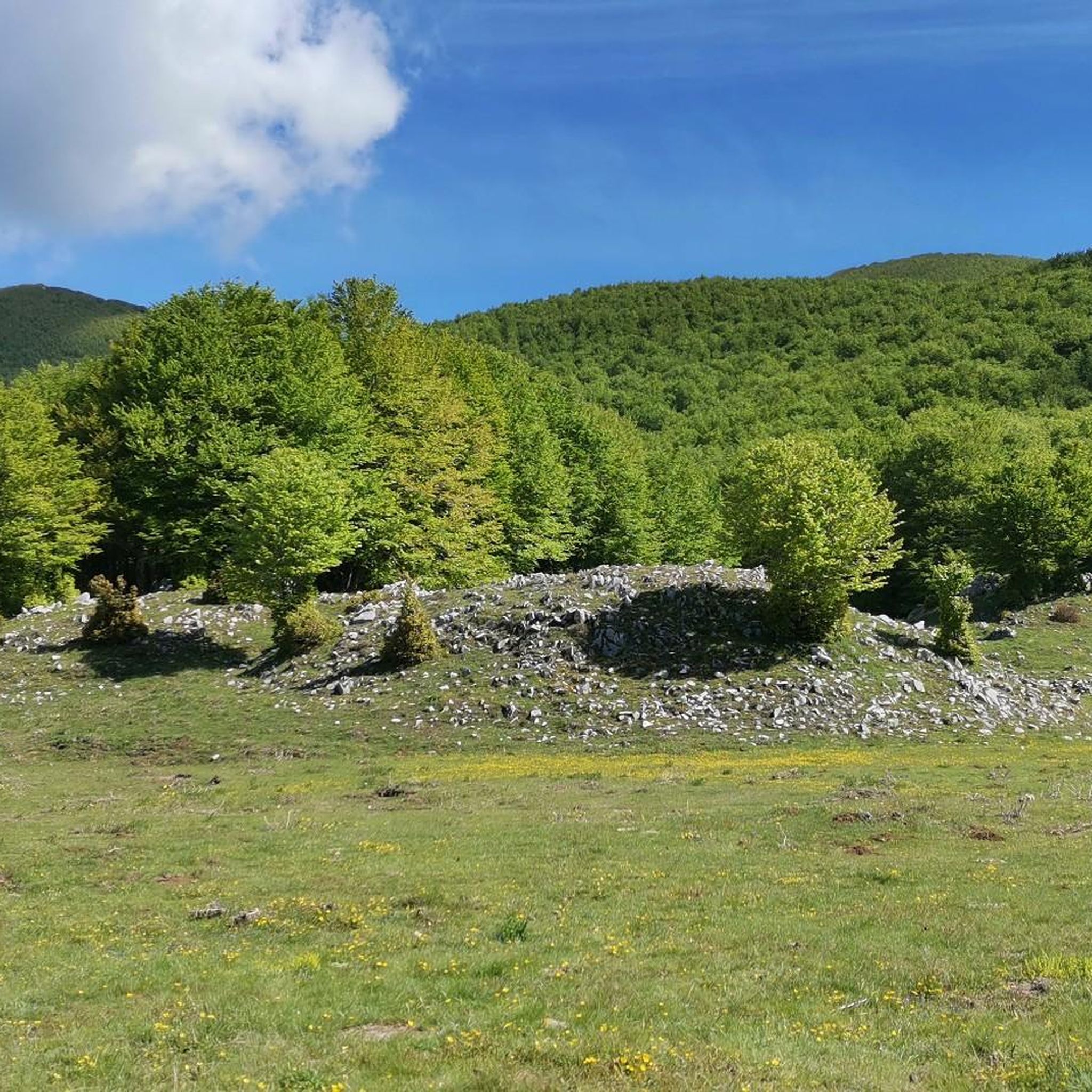
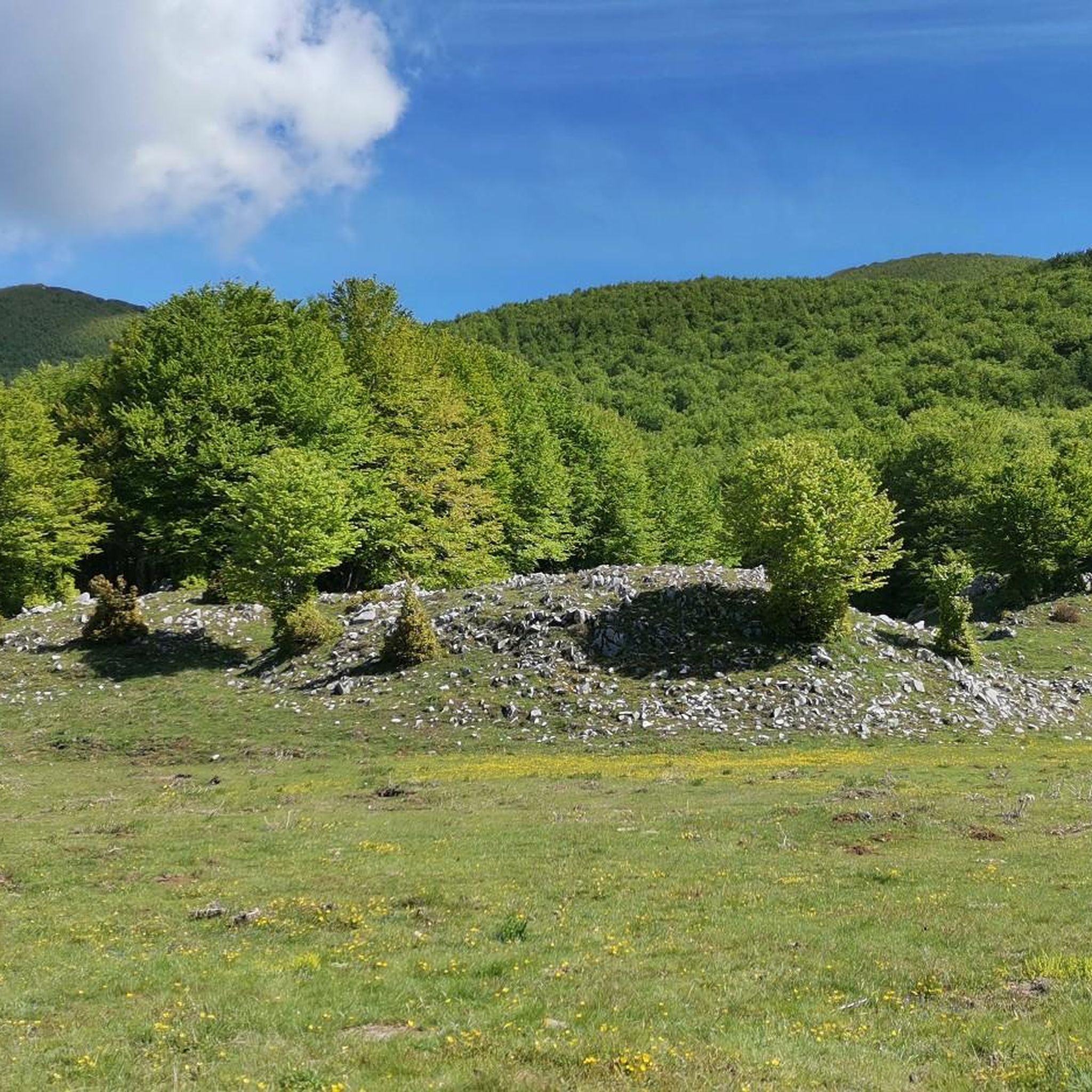
Civitanova del Sannio is located in the heart of Molise. The town is nestled in the mountains, surrounded by beech forests and with the Trigno river nearby. In August, sausage and cavatelli festivals are held, a typical pasta of this area.
2
1

The Hermitage, at the foot of the Morgia Quadra of Frosolone (IS), is a true pearl. To welcome visitors, the ancient church of Sant'Egidio which, in the Middle Ages, was a chapel, dependent on the nearby convent of Sant'Onofrio. Protected by the Antonians, according to tradition, it has become famous for the numerous miraculous healings of which the monks were protagonists. At the beginning of 1300, after the Church of Rome excommunicated the congregation, the chapel was destroyed together with the convent of Sant'Onofrio. In the following years, it was rebuilt, probably by hermits and livestock sellers, who went to Sant'Egidio for the end-of-summer fair. In 1704, thanks to Michele Vago and Antonio Zaccagnino, a real church was built in place of the chapel. Falling to pieces with the earthquake of 1805, the small complex was rebuilt and subsequently restored several times. The last renovation took place in the 1980s. The church of Sant'Egidio represents a place of worship very dear to the people of Frosolone, above all because it houses the statue of the Crowned Virgin which, according to tradition, has appeared near the church several times. Furthermore, inside the sacred walls, an ancient and precious manuscript is preserved which lists some miracles performed by Sant'Egidio. Going beyond the church, what is most striking is, certainly, the surrounding landscape. In these sections, it is possible to see some horses in the wild or, more simply, calm herds of cows and flocks of sheep that, at sunset, go to water, after an abundant meal of fodder. The same one that makes Frosolone milk and cheeses so good as to satisfy the palates of the most severe gourmets. Source: www.moliseeccellenze.it There is also a fountain for hikers!
1
0

If you happen to be in these parts, pass by this wonderful place cared for by a kind gentleman who welcomes you.
1
0

The name Civitanuova, which means precisely "new city", was attributed to it to distinguish it from Civitavetula, i.e. the old city, which today is the village of Duronia a few km away from here.
1
0
Country located on a hill and built on different heights. The city is in fact divided into an "Above" and a "Below".
1
0

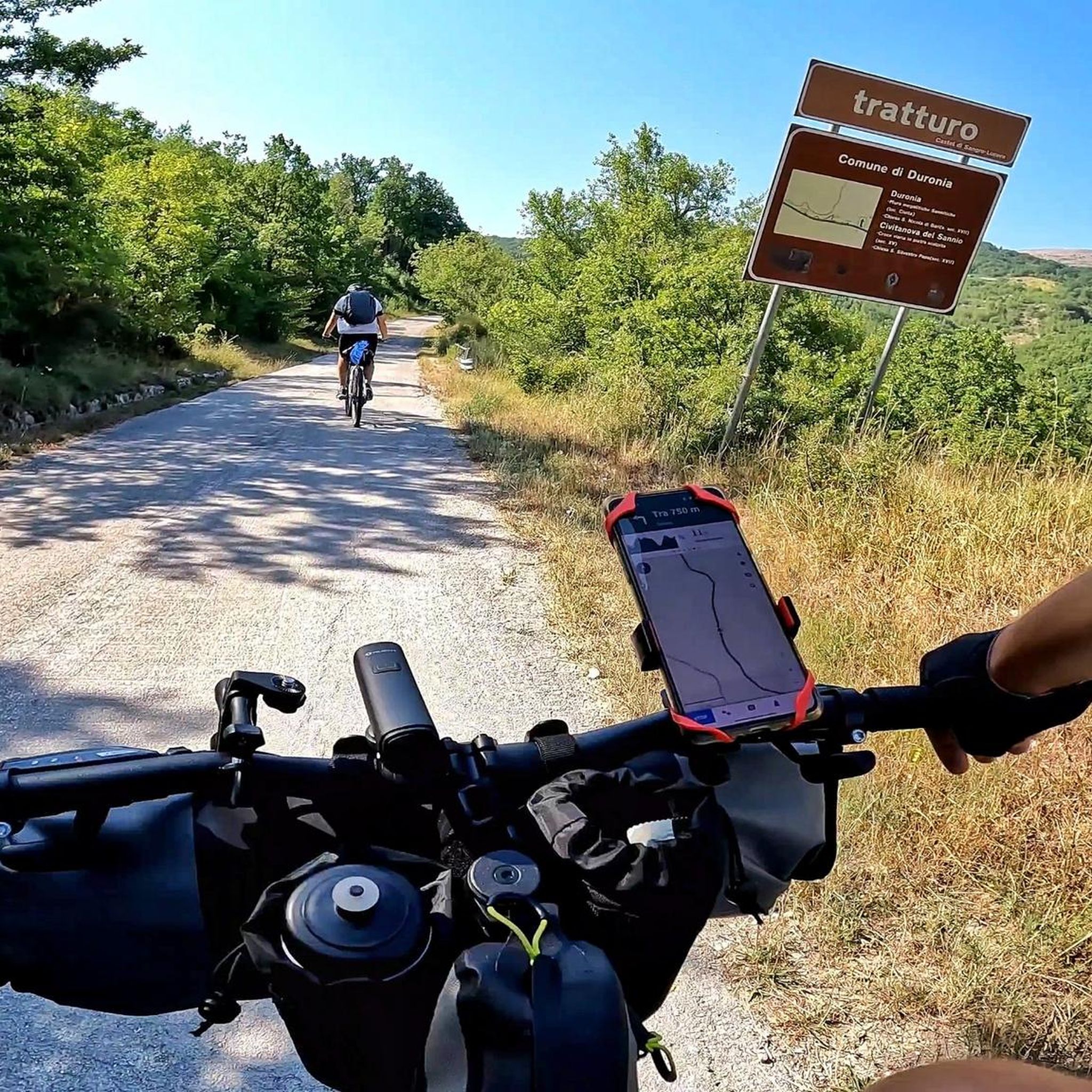
Civitanova del Sannio - Locanda degli Illustri for the credentials of the Via del Tratturo
0
0

Very easy to reach on foot, from the town of Carpinone in the central square there are signs indicating how to reach the waterfall.
12
0

Il paese si trova nel cuore del Molise, in provincia di Isernia, ed è stato costruito su un rilievo collinare a ridosso di un massiccio roccioso che divide il fiume Trigno dal torrente Vella. L’incredibile posizione in cui sorge ha reso Bagnoli del Trigno un’attrazione turistica senza precedenti. In effetti, è come osservare un giocattolino intagliato dalla roccia dalle mani di un gigante, e la linearità delle costruzioni è elemento caratteristico del paesino. Essendo situato a due differenti altezze, a partire da 660 metri di altitudine sino ad arrivare ai 783 metri del punto più alto, il borgo è socialmente e culturalmente scisso in due zone, rispettivamente chiamate Terra di sotto e Terra di sopra. Passeggiare lungo le vie che, dal centro storico, si diramano per l’intero paese è come fare un vero e proprio viaggio nel tempo. Sulle origini di questo ameno borgo non si sa molto. Le leggende sulla nascita di Bagnoli del Trigno sono le più varie: chi fa cenno a una sorgente termale che diede vita al primo nucleo urbano, chi invece ritiene che tutto abbia avuto inizio per mano di una tribù in fuga dalle invasioni barbariche. Ciò che è certo è che le prime notizie ufficiali risalgono al medioevo, quando il centro abitato era un feudo appartenente al Contado del Molise. Le sue alterne vicende lo videro passare di mano in mano tra varie famiglie importanti, sia italiane che straniere. Nei secoli successivi, Bagnoli del Trigno divenne parte del Regno di Napoli e, in seguito, del Regno d’Italia. È proprio in questo periodo che visse il suo massimo splendore, prima di subire un fenomeno di emigrazione che lo portò quasi allo spopolamento. Moltissimi abitanti oggi risiedono a Roma, tanto che la capitale vanta un numero di bagnolesi più elevato rispetto a quello di coloro che si trovano ancora nella loro terra natia. Ma il piccolo borgo risplende ancora, grazie alle attività di artigianato e al turismo. Scopriamo alcune delle sue meraviglie. (fonte: https://siviaggia.it/varie/bagnoli-del-trigno-borgo-molise/251009/)
0
0
Frequently Asked Questions
What unique natural attractions can I find near Duronia?
Duronia is surrounded by natural beauty. You can visit "Il Gigante" (The Giant), a symbolic rock formation resembling a human face, part of the Civita rocky massif. The area also features picturesque woods and calanques, which are steep-sided valleys. Don't miss the impressive Schioppo Waterfall, easily accessible from Carpinone, or the natural monument of Cascata di Mille.
What historical sites can I explore around Duronia?
Duronia boasts a rich history. The village center preserves structures of its medieval castle and the Church of San Nicola, alongside ancient stone houses and cobblestone streets. On the hill above town, you can find Megalithic Walls, believed to be Stone Age ritual structures. The Civita rocky massif also holds ancient Samnite fortifications. Additionally, the nearby settlement of Civitanova del Sannio has historical roots dating back to 1002.
Are there any cultural events or traditions in Duronia?
Yes, Duronia celebrates the feast of its patron saint, San Rocco, on August 16th, which includes local festivals. Annual walks are also organized along the ancient "tratturi" (transhumance routes), commemorating seasonal expeditions and offering a glimpse into the region's cultural heritage.
What charming villages are worth visiting near Duronia?
Beyond Duronia itself, you can explore Civitanova del Sannio, nestled in the mountains with beech forests and the Trigno river nearby, known for its summer festivals. Another unique village is Frosolone – The Village of Knives, which has a long history of craftsmanship. Also consider Bagnoli del Trigno, a picturesque village built on different heights, offering stunning views and a journey back in time through its streets.
What are the best viewpoints in the Duronia area?
For breathtaking vistas, head to the San Tommaso locality in the northern part of Duronia, which offers a 360-degree panorama of Molise. The Civita rocky massif also provides impressive ridges and ravines with panoramic views over twenty-eight surrounding municipalities.
Are there opportunities for hiking or walking around Duronia?
Absolutely. The ancient "tratturi" (transhumance routes) in the surrounding areas offer immersive walks through nature. For more structured routes, you can explore various trails. For example, you can find routes like 'Civitanova del Sannio e Bagnoli del Trigno – loop tour' for touring bicycles, or 'Il Bosco di Pietravalle – giro ad anello' for mountain biking. You can find more details on these and other routes in the MTB Trails around Duronia and Cycling around Duronia guides.
Can I find cycling routes near Duronia?
Yes, the area around Duronia offers several cycling opportunities. You can find touring bicycle routes such as the 'Civitanova del Sannio e Bagnoli del Trigno – loop tour' or more challenging options like the 'Carpinone Historic Village – Civitanova del Sannio loop'. For road cycling, there are routes like 'Carovilli – Pietrabbondante loop'. Discover more options in the Cycling around Duronia and Road Cycling Routes around Duronia guides.
What kind of mountain biking trails are available near Duronia?
Mountain biking enthusiasts will find a variety of trails. Options include moderate routes like 'Il Bosco di Pietravalle – giro ad anello' and 'Castropignano e Casalciprano – giro ad anello'. For a more challenging ride, consider the 'Rifugio Valle Canla – Hermitage of Sant'Egidio loop'. Detailed information on these and other trails can be found in the MTB Trails around Duronia guide.
Are there family-friendly attractions around Duronia?
Yes, several attractions are suitable for families. The Schioppo Waterfall is very easy to reach on foot and is a popular spot for all ages. The village of Civitanova del Sannio, with its natural surroundings and local festivals, also offers a pleasant experience for families.
When is the best time to visit Duronia?
The best time to visit Duronia depends on your interests. August is a lively time due to the feast of San Rocco on the 16th, which includes local festivals. The annual walks along the ancient "tratturi" also take place during seasonal expeditions. Generally, spring and autumn offer pleasant weather for exploring the natural landscapes and historical sites.
What is the significance of "Il Gigante" near Duronia?
"Il Gigante" (The Giant) is a unique symbolic rock formation located south of Duronia. From a certain angle, it remarkably resembles a human face. This natural monument, part of the Civita rocky massif, was officially designated a regional natural monument in 2019, highlighting its geological and scenic importance.
What can I expect when visiting <a href="https://www.komoot.com/highlight/6364960" target="_blank" rel="noopener">Civitanova del Sannio</a>?
Civitanova del Sannio is a charming settlement nestled in the heart of Molise, surrounded by beech forests and with the Trigno river nearby. It's known for its natural beauty and historical significance, with roots dating back to 1002. In August, the town hosts popular sausage and cavatelli festivals, offering a taste of local culture and cuisine. The area also features the Karst Lake of San Lorenzo and various rock formations reminiscent of the Dolomites.
Most popular attractions around Duronia

Get inspired with the komoot mobile app


Explore more
Still not found the Highlight you’re looking for? See guides of the top attractions in other regions:
