Attractions and Places To See around Montecchio Emilia - Top 20
Attractions and places to see around Montecchio Emilia offer a blend of historical landmarks and natural beauty. Located in the Enza River Valley, between Reggio Emilia and Parma, the town's history dates back to the Bronze Age. Its hilly terrain, once known as Monticulum, has shaped its development, including its role in the defensive systems of the Canossa and Este families. Visitors can explore sites ranging from medieval castles to unique natural phenomena.
Best attractions and places to see around…
Last updated: July 6, 2026
Enza Canal Cycle Path
Highlight (Segment) • Cycleway
Translated by Google •
Tip by

Villa Levi
Highlight • Historical Site
Translated by Google •
Tip by

Sign up now to discover places like this
Get recommendations on the best single tracks, peaks, & plenty of other exciting outdoor places.
Sign up for free
Panocchia
Highlight • Settlement
Translated by Google •
Tip by

Rivalta Royal Palace Park
Highlight • Historical Site
Recently renovated and completely renovated.
Translated by Google •
Tip by

Lake Ninfa
Highlight • Lake
-
Following trail 672 southbound you're heading to S.Polo or, going northbound, you'll reach out for river Po.
Translated by Google •
Tip by

Sign up for free to discover even more attractions around Montecchio Emilia.
Sign up for free
Already have an account?
Start today with a free account
Your next adventure awaits.
Login or Signup

Tips from the Community

The Parco della Reggia di Rivalta is a monumental green area of 26 hectares located in the hamlet of Rivalta, south of Reggio Emilia, recently restored and reopened to the public in June 2025. Historically known as the Emilian "Little Versailles", the 18th-century complex was created at the behest of Francesco III d’Este and Charlotte d’Orléans. Today, the park represents an important ecological, cultural, and historical hub for the local community.
0
0
The Ciclabile del Canale d'Enza (also known as Canale Ducale) is a picturesque cycle path of about 6.5 kilometers (one way) located in the first hills of Reggio Emilia, in Emilia-Romagna. The route is entirely developed on its own path, running alongside the ancient 15th-century hydraulic canal in an elevated position above the Enza riverbed. Start: San Polo d'Enza, from Piazza Primo Maggio. Arrival: Cerezzola (Canossa), near the small dam (canal intake weir). Surface: Mostly compact gravel and well-trodden dirt, with very short asphalt sections. Difficulty: Easy and flat (slight incline), suitable for families and all types of bicycles (excluding pure road bikes). Signage: Entirely signposted with information panels and red and white CAI symbols.
0
0

Since June 2025, the Parco della Reggia Ducale in Reggio Emilia has been open, covering 26 hectares. There are summer and winter gardens, four fountain pools, and tree plantings of various species.
1
0

Just a few kilometers from the historic center of Reggio Emilia, the Ducal Palace, or Royal Palace of Rivalta, is a historic 18th-century building that can be considered one of the last "Estensi Delights." Recently renovated and completely renovated. Opening Hours: May 1st to October 31st 7:00 AM - Midnight November 1st to April 30th 7:00 AM - 8:00 PM For more information: https://www.reggioemiliawelcome.it/it/reggio-emilia/scopri-il-territorio/arte-e-cultura/palazzi-e-teatri-storici/reggia-di-rivalta
2
0

The new park at the Royal Palace of Rivalta will be inaugurated in 2025.
1
0

First Castle encountered during the return, the Catello di Panocchia. The castle, whose history is almost unknown, was probably built between the end of the 15th and the beginning of the 16th century at the behest of the Cantelli counts, feudal lords of Panocchia and already owners of a building in the village at least since 1422. Following the death in 1736 of the last count Paolo Cantelli, the building was inherited by the marquis Alfonso Bevilacqua, his great-nephew, who added his great-uncle's surname to his own. The structure, modified several times, became the summer residence of the family, who hosted various illustrious people there, including the poet Carlo Innocenzo Frugoni, who remembered the stay in one of his compositions. In 1974 it was bought by the brothers of the Piacenza Nicelli family, who later passed it on to their descendants.[
1
0

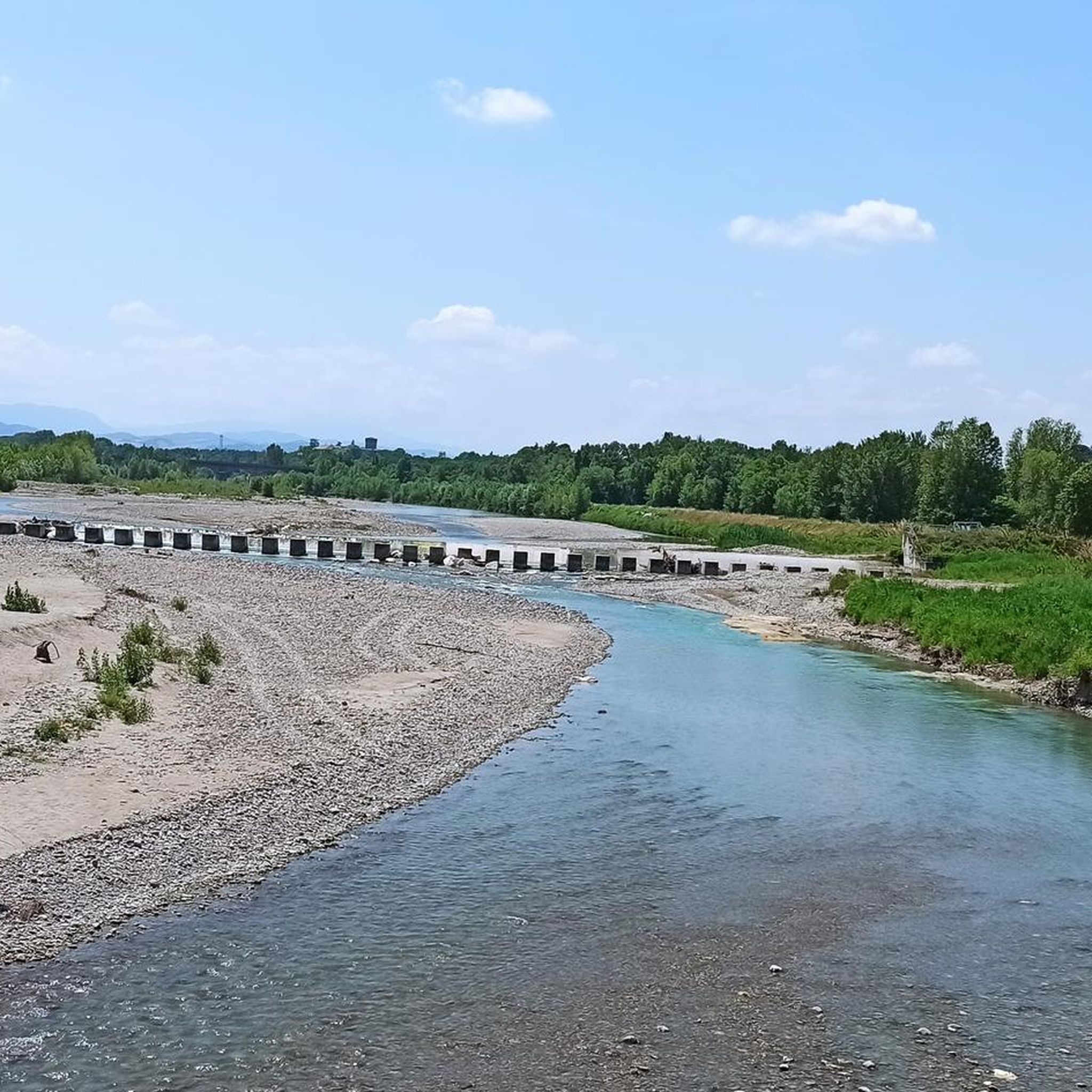
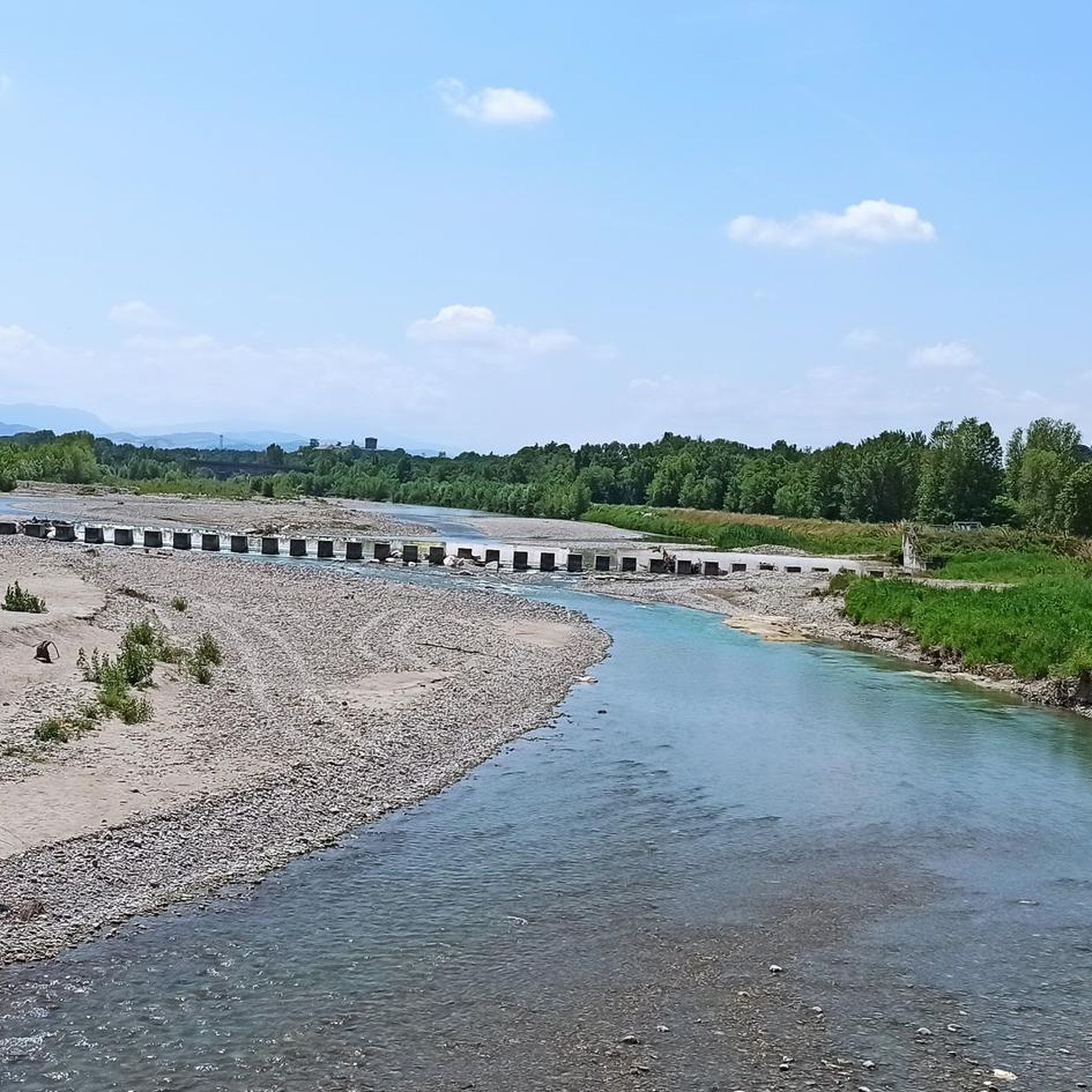
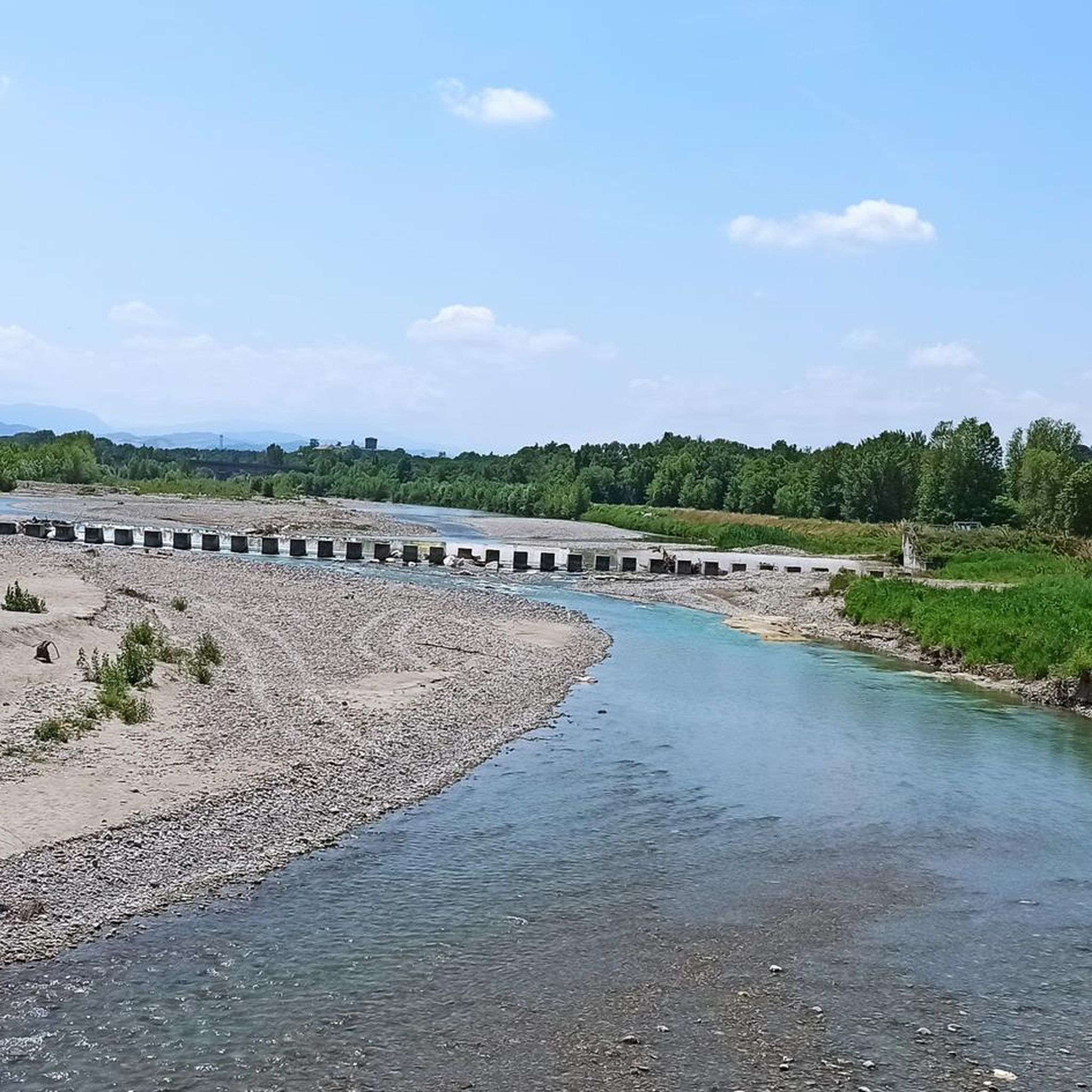
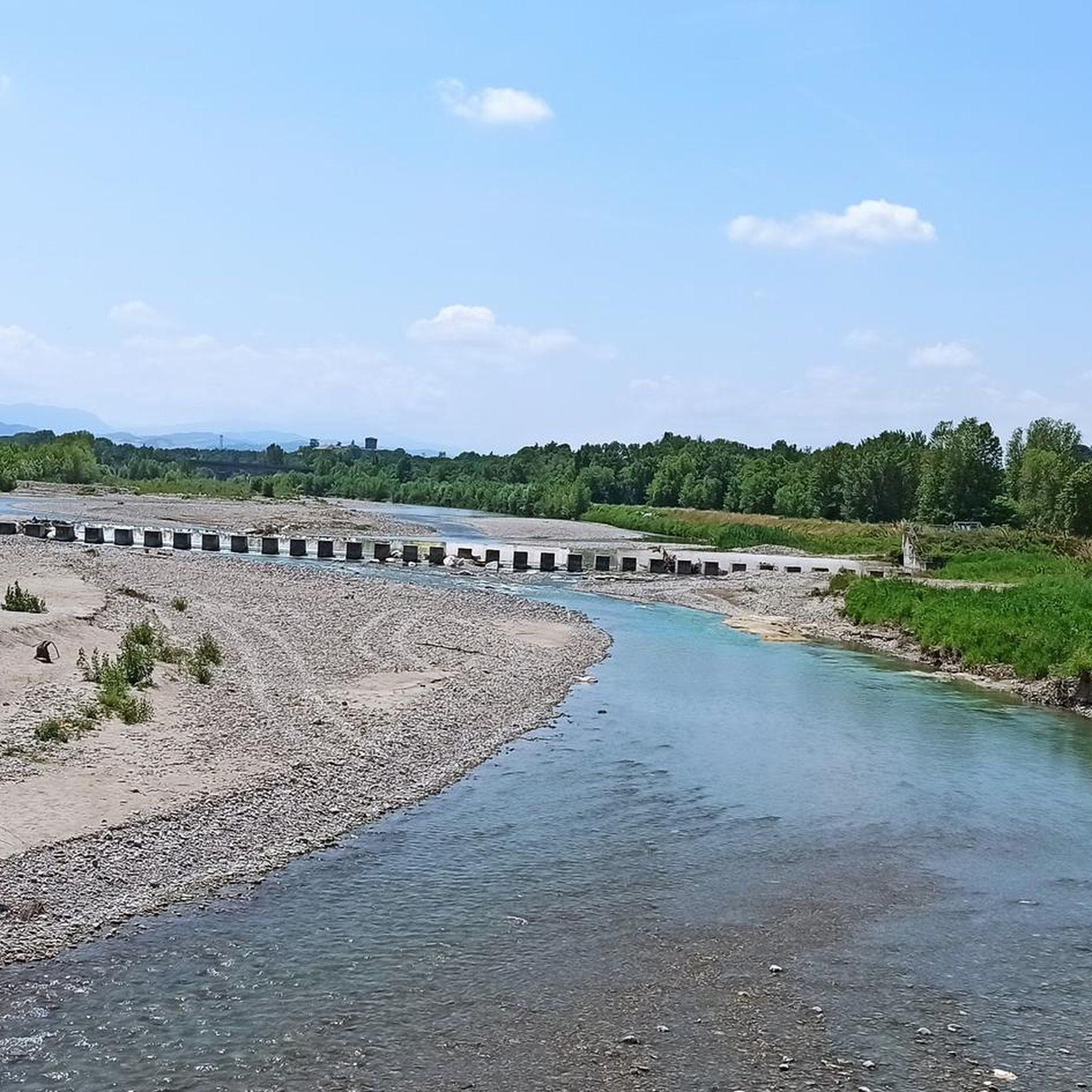
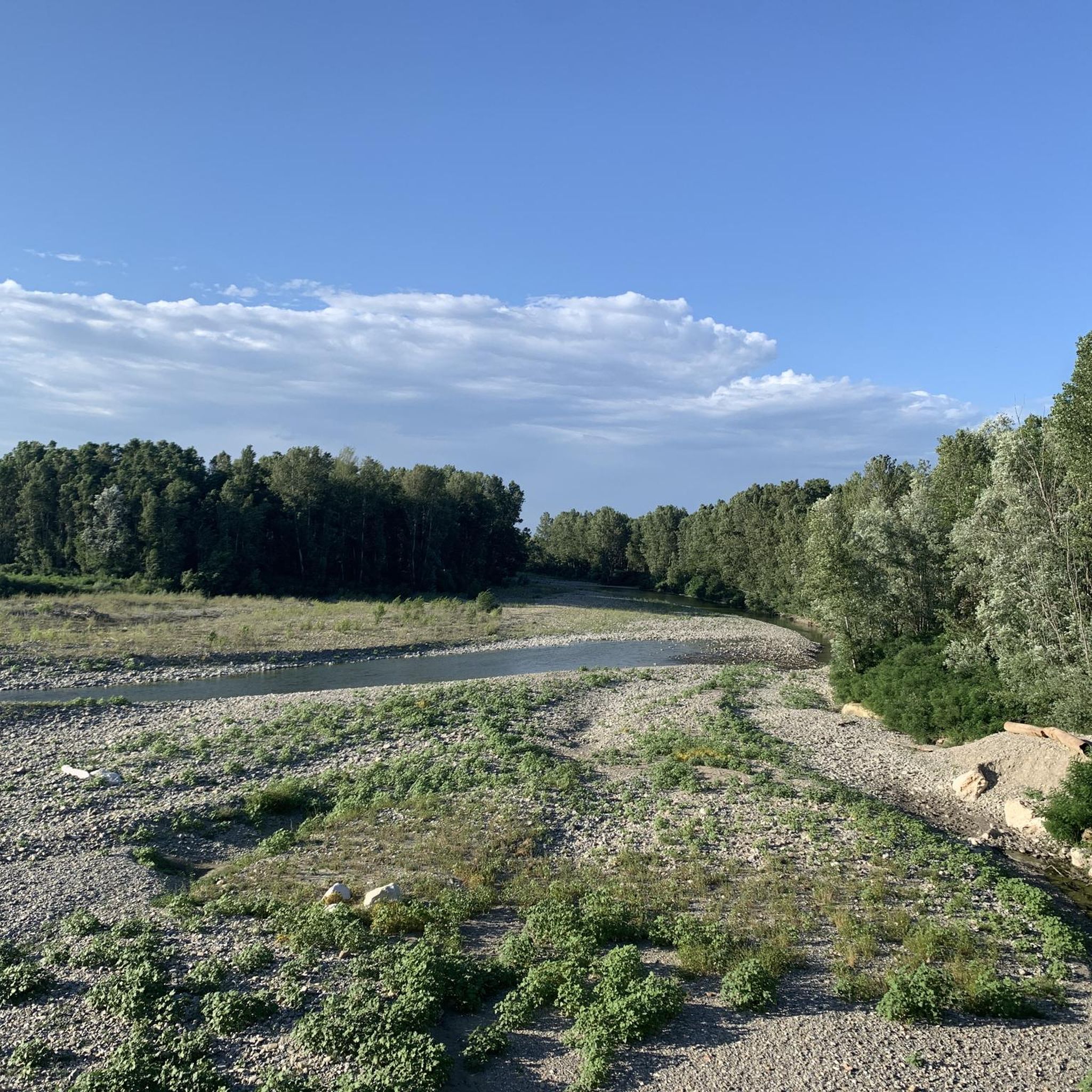
There are many dirt roads that run along the Enza river
0
0
Following the route you pass two very similar ones marked CAI... very beautiful to pass by by bike
1
1
Frequently Asked Questions
What natural attractions can I explore around Montecchio Emilia?
Montecchio Emilia offers several natural highlights. You can visit Lake Ninfa, a beautiful green oasis popular for its naturalistic interest. Another unique spot is the Barboj Park of Rivalta, known for its 'barboj' – ground mutterings accompanied by the emission of gas and mud from small, up to one-meter-high volcanoes. The Enza Park, spanning over 40,000 square meters along the Enza River, is also a great place for recreation.
Are there historical sites to visit in Montecchio Emilia?
Yes, Montecchio Emilia is rich in history. The most prominent historical site is the Montecchio Emilia Castle, a medieval fortress with a Matildic core, later transformed into a noble residence by the Este family. You can also see the Romanesque-style Church of San Donnino, the Baroque Sanctuary of Beata Vergine dell'Olmo, and the 15th-century Vicedomini Cavezzi Palace. Don't miss the Villa Levi, a historical residence with Palladian influences, featuring an imposing metal dome and giant colonnade.
What cultural experiences does Montecchio Emilia offer?
For a cultural insight, visit the Museo del Parmigiano Reggiano e della Civiltà Contadina e Artigianale della Val d'Enza. This museum, located in Villa Aiola, preserves objects and tools related to the agricultural world, especially the production of Parmigiano Reggiano cheese. You can also explore the Palazzo Parmeggiani, which houses the Galleria Parmeggiani, a collection of primarily French works.
Are there family-friendly activities or attractions in the area?
Many attractions around Montecchio Emilia are suitable for families. Lake Ninfa is a pleasant natural spot for all ages. The Barboj Park of Rivalta offers a fascinating geological phenomenon that children might find intriguing. Historical sites like Villa Levi and Panocchia, with its castle, are also categorized as family-friendly and provide educational opportunities.
What kind of outdoor activities can I do near Montecchio Emilia's attractions?
The area around Montecchio Emilia is excellent for outdoor enthusiasts. You can find various routes for cycling, hiking, and gravel biking. For hiking, consider trails like the 'Lakes of the Nymph – Montecchio Emilia Castle loop' or the 'Castello di Montecchio Emilia loop'. Cyclists can explore routes such as 'View of Canossa Castle – San Polo d'Enza Clock Tower loop'. For more details on these and other routes, visit the dedicated guides for Hiking around Montecchio Emilia, Cycling around Montecchio Emilia, and Gravel biking around Montecchio Emilia.
What is the best time of year to visit Montecchio Emilia?
Montecchio Emilia is enjoyable throughout the year, but the warmer months, particularly spring and summer, are ideal for exploring its natural features like Enza Park and for outdoor activities such as hiking and cycling. During these seasons, you can fully appreciate the scenic beauty and participate in local events. The historical sites and museums are accessible year-round.
Are there any unique historical buildings besides the main castle?
Beyond the Montecchio Emilia Castle, you can discover other significant historical structures. The Palazzo del Monte di Pietà, constructed in Romanesque style in 1188, includes a tower built in 1216. Additionally, the town center still features portions of 15th-century bastion walls and porticoes, reflecting Montecchio Emilia's historical defenses. The Parish Church of Saint Thomas of Canterbury is another Romanesque gem with a rich history.
What do visitors particularly enjoy about the attractions near Montecchio Emilia?
Visitors frequently praise the natural beauty and historical significance of the area. For instance, Lake Ninfa is described as a 'beautiful green oasis of naturalistic interest.' The unique geological features of the Barboj Park of Rivalta are also a point of fascination. The historical sites, like
Can I find any archaeological sites in Montecchio Emilia?
Yes, Montecchio Emilia has archaeological significance. Beneath the Montecchio Emilia Castle, archaeologists discovered a medieval burial ground with 28 graves dating from the 8th to 10th centuries. The town itself has Bronze Age remains, indicating its long history as 'Monticulum' or 'small mount' due to its hilly terrain.
Are there any settlements with historical significance nearby?
Yes, the settlement of Panocchia, a fraction of Parma, is notable for its castle of the Cantelli counts, dating back to the sixteenth century. This castle, modified several times over the centuries, served as a summer residence and hosted various illustrious people, including the poet Carlo Innocenzo Frugoni.
Where is Montecchio Emilia located and what is its historical context?
Montecchio Emilia is situated in the Province of Reggio Emilia, Italy, specifically in the Enza River Valley, nestled between Reggio Emilia and Parma. Its strategic location has given it a rich history, dating back to the Bronze Age. The town played a crucial role in the defensive systems established by the Canossa family and later became a significant feud of the Este family, shaping its many historical landmarks.
Most popular routes around Montecchio Emilia
Most popular attractions around Montecchio Emilia

Get inspired with the komoot mobile app


Explore more
Still not found the Highlight you’re looking for? See guides of the top attractions in other regions:
