Attractions and Places To See around Tivoli - Top 20
Attractions and places to see around Tivoli include a diverse range of historical, cultural, and natural sites. This Italian town, located near Rome, is particularly known for its magnificent villas and extensive gardens, two of which are UNESCO World Heritage Sites. The area features ancient Roman ruins, medieval fortresses, and significant natural landscapes like waterfalls and protected areas. Tivoli offers a blend of historical exploration and outdoor experiences.
Best attractions and places to see around Tivoli
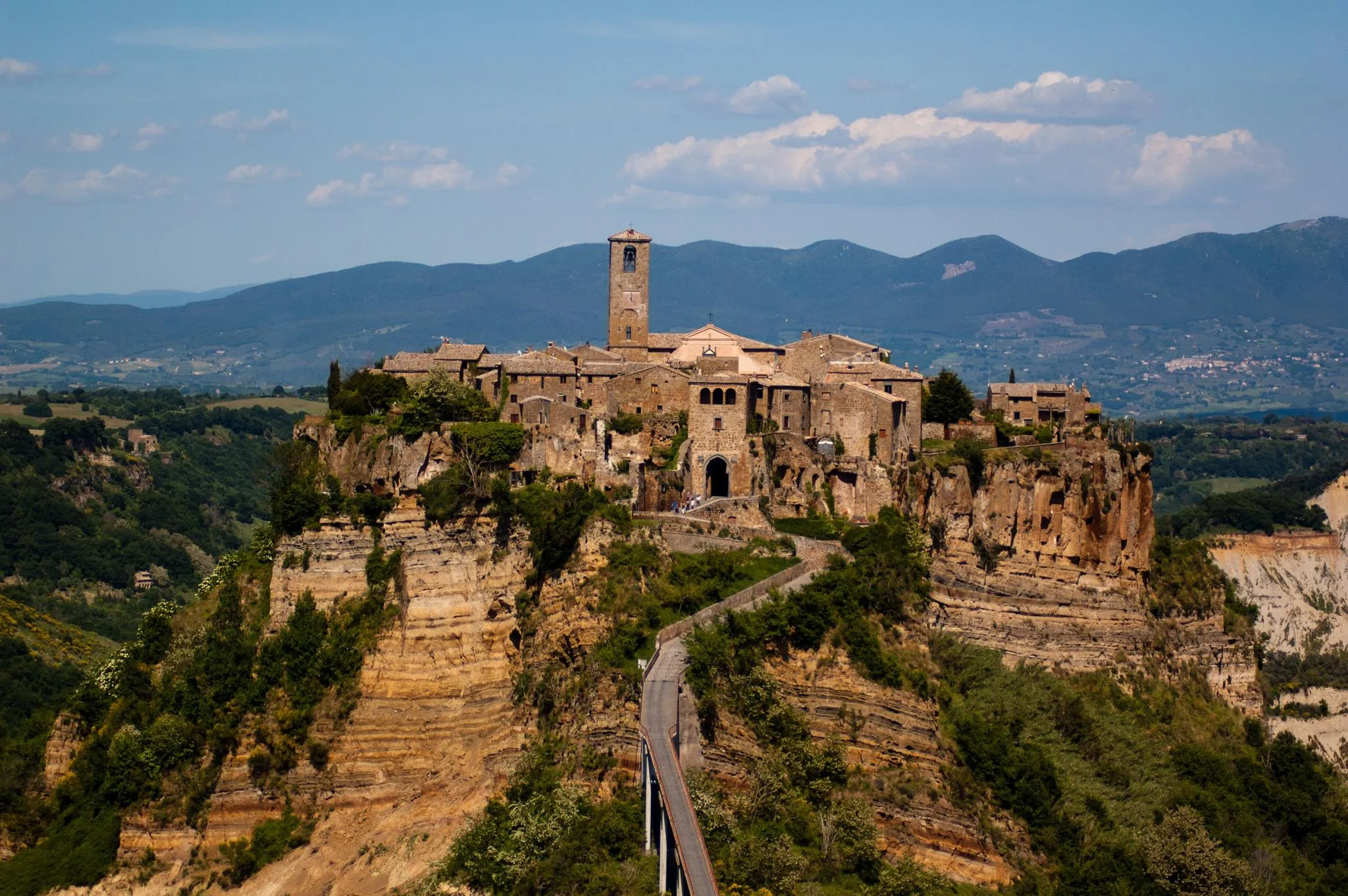
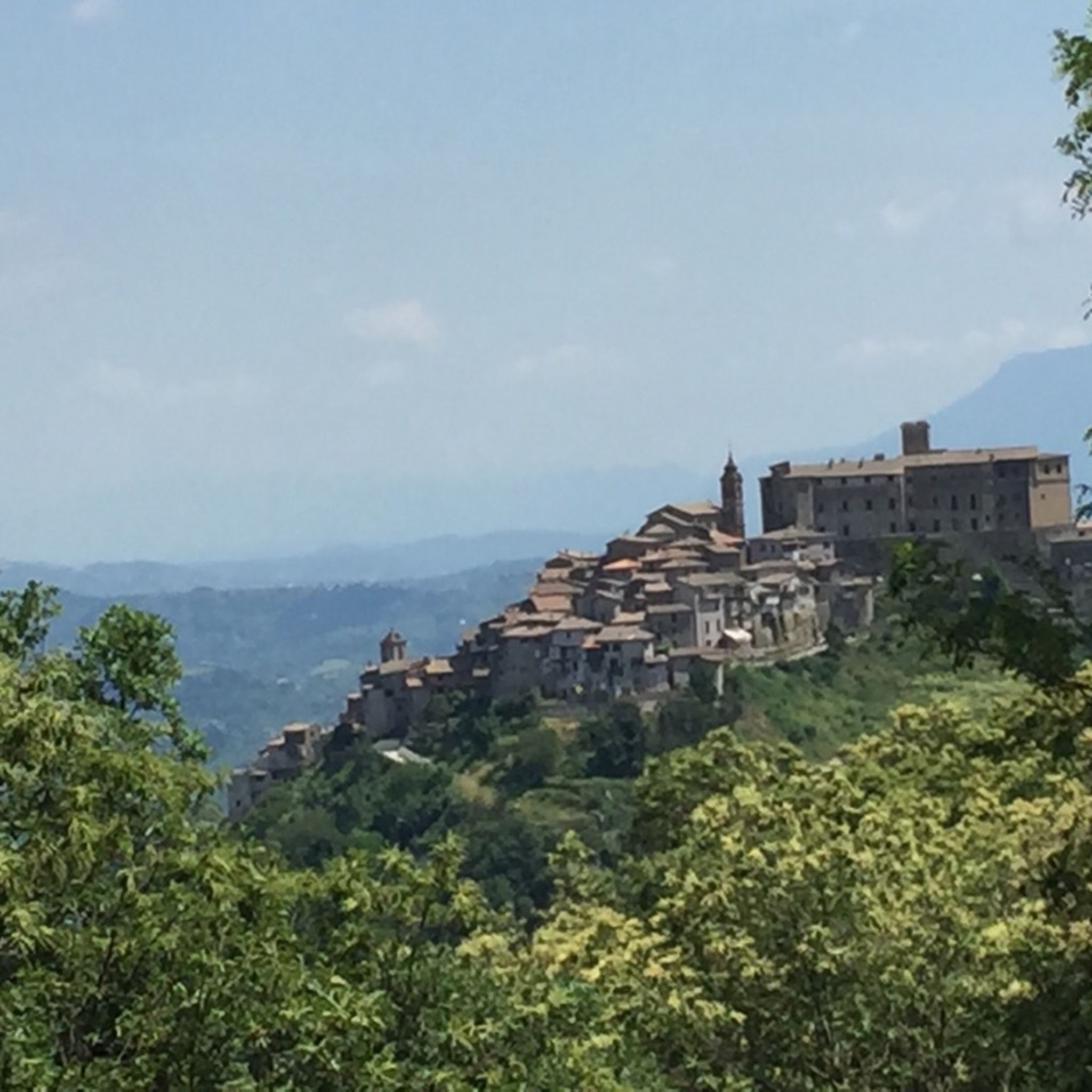
- The most popular attractions is Brancaccio Castle in San Gregorio da Sassola, a castle that offers views of a characteristic medieval village. This medieval village is difficult to travel by bike due to its slope and steps, but it provides many scenic views.
- Another must-see spot is Karol Wojtyła Trail to the Sanctuary of Mentorella, a trail that crosses a wooded area of considerable interest. The path is dedicated to Pope John Paul II and is not very demanding, except in its final part.
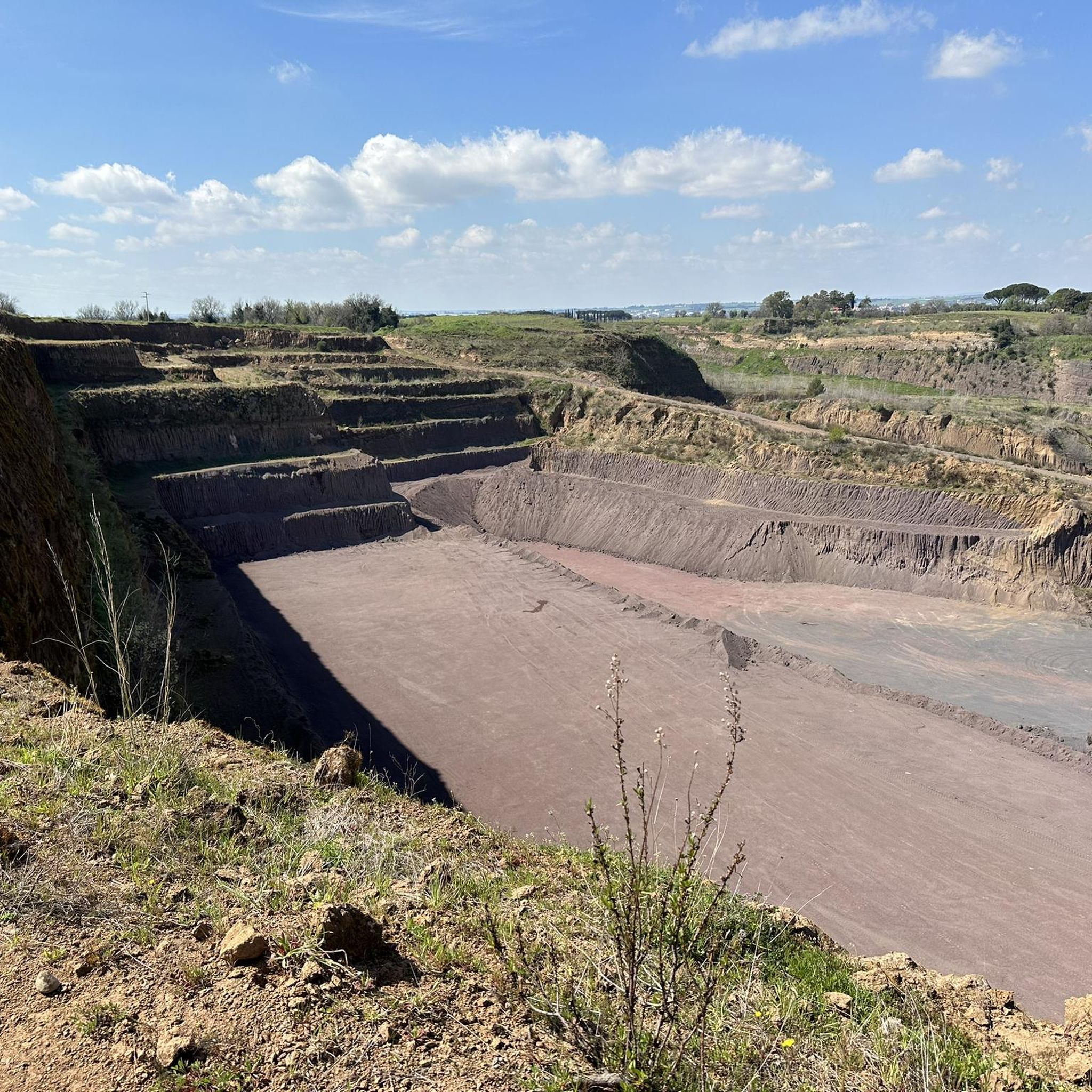
- Visitors also love Mural of the Marcellina Gold Mine, a man-made monument. This permanent installation enhances an industrial archeology site and serves as a witness to a collective effort of work and sacrifices.
- Tivoli is known for its historical sites, natural features, and cultural landmarks. The region offers a variety of attractions to see and explore, from ancient Roman villas to significant waterfalls.
- The attractions around Tivoli are appreciated by the komoot community, with more than 50 upvotes and 21 photos shared by visitors.
Last updated: July 6, 2026
Ponte Gregoriano
Highlight • Bridge
Translated by Google •
Tip by

Karol Wojtyła Trail to the Sanctuary of Mentorella
Highlight (Segment) • Trail
Translated by Google •
Tip by

Sign up now to discover places like this
Get recommendations on the best single tracks, peaks, & plenty of other exciting outdoor places.
Sign up for free
Mural of the Marcellina Gold Mine
Highlight • Monument
Translated by Google •
Tip by

Temples of Vesta and Tiburnus
Highlight • Historical Site
Translated by Google •
Tip by
Hadrian's Villa
Highlight • Historical Site
The spectacular architecture, the water games, the rich marble decoration, the polychrome mosaics and the single latrine indicate that this building was part of the noble quarters frequented by the emperor.
It was certainly a Triclinium intended to host sumptuous official banquets. The guests lay down on the stibadium, and in the center of the semicircle there was room for the orchestra or the actors and dancers who entertained the guests.
Translated by Google •
Tip by

Sign up for free to discover even more attractions around Tivoli.
Sign up for free
Already have an account?
Start today with a free account
Your next adventure awaits.
Login or Signup

Other adventures around Tivoli

Tips from the Community

The Temple of Vesta is the best-known monument in Tivoli. The place where the Temple of Vesta stands is called the Acropolis of Tivoli and is located at the end of the nature trail of Villa Gregoriana. In the same place, there is also another Temple, rectangular in shape, known as the Temple of the Sibyl or of Tiburnus. In reality, the attribution of the temples is not precisely known because unfortunately the historical sources are not certain. According to some scholars, the temple we know today as the Temple of Vesta was actually a temple dedicated to Tiburnus, the founder of Tivoli. Many, however, are convinced that it was built for the Sibyl Albunea who, according to Christian mythology, was the one who predicted the arrival of Jesus. The same fate befell the rectangular temple, which is attributed either to Tiburnus or to the Sibyl.
1
0
Villa Adriana was built by Hadrian between 118 and 138 AD as an imperial residence. The complex covers about 120 hectares and includes palaces, baths, libraries, gardens, temples, and pavilions inspired by the places visited by the emperor during his travels. Many buildings were connected by a network of roads and underground passages for the service staff, so as not to interfere with court life. Since 1999, Villa Adriana has been included in the UNESCO World Heritage list and represents one of the most important testimonies of Roman architecture.
1
0

The Canopus is the most famous and photographed building of Hadrian's Villa. It has a very long water basin, called Euripus and at the end is the so-called Serapeum, which was actually a spectacular summer Triclinium. The spectacular architecture, the water games, the rich marble decoration, the polychrome mosaics and the single latrine indicate that this building was part of the noble quarters frequented by the emperor. It was certainly a Triclinium intended to host sumptuous official banquets. The guests lay down on the stibadium, and in the center of the semicircle there was room for the orchestra or the actors and dancers who entertained the guests.
2
0
A splendid example of the architectural capacity of the Roman Empire. An immense villa immersed in an extraordinary garden with water features and pools scattered throughout the estate. The well-preserved remains allow us to appreciate the ingenuity of Roman architects and to understand the way of life and entertainment of the Roman nobility.
1
0

From here the climb to Monte Morra begins.
1
0

It is a challenging but absolutely wonderful path, to be followed like the ancient pilgrims, in silence and prayer...
1
0

There are no restaurant in the villa which is huge. Plan 2h for the whole tour.
0
0

"The Marcellina Gold Mine was strongly desired by the architect and photographer Romolo Belvedere and created by the Venezuelan artist Luis Gomez de Teran, known for his socially conscious works and who worked on the Marcellina Gold Mine using as the basis for the photographic reportage "The Faces of Stone", created by Belvedere himself in the mid-80s of the last century. The work is a permanent installation and has a dual value: it enhances a decidedly ugly and impactful industrial archeology site (occupies a large part of the mountain ridge) and becomes witness to a collective effort made of work and sacrifices, in which men and women, farmers, miners and shepherds were silent witnesses of an era now over, in which women like Teodora Fornari they were miners, mothers, wives and spent their whole lives in difficult working conditions (https://bussoladiario.com/2021/02/la-miniera-doro-di-marcellina.html)
1
0
Frequently Asked Questions
What historical sites can I explore in Tivoli?
Tivoli is rich in history, offering several significant sites. You can visit the ancient Roman imperial residence of Hadrian's Villa (Villa Adriana), a UNESCO World Heritage Site, or the magnificent Villa d'Este, famous for its Renaissance gardens and fountains. Other notable historical landmarks include the Temples of Vesta and Sibyl perched on the acropolis, the Sanctuary of Hercules Victor, and the medieval Brancaccio Castle in San Gregorio da Sassola.
Where can I experience natural beauty and waterfalls in Tivoli?
For natural beauty, visit Villa Gregoriana, a beautiful park known for its wooded gardens, trails, and natural caves. It features the stunning Great Waterfall (Grande Cascata), a 120-meter waterfall created as part of a 19th-century hydraulic engineering project. You can also enjoy views of the Aniene River and the waterfalls from the Ponte Gregoriano.
Are there any UNESCO World Heritage Sites in Tivoli?
Yes, Tivoli is home to two UNESCO World Heritage Sites: Villa d'Este and Hadrian's Villa (Villa Adriana). Villa d'Este is celebrated for its elaborate Renaissance gardens and fountains, while Hadrian's Villa is a vast ancient Roman imperial residence showcasing diverse architectural elements.
What kind of outdoor activities are available around Tivoli?
The area around Tivoli offers a variety of outdoor activities. You can explore numerous hiking trails, including those in the Riserva Naturale Monte Catillo or the Karol Wojtyła Trail to the Sanctuary of Mentorella. For more options, check out the hiking routes around Tivoli. Road cycling and running routes are also popular, with many tours available for different skill levels. You can find more details on road cycling routes and running trails around Tivoli.
Are there family-friendly attractions in Tivoli?
Yes, Tivoli offers attractions suitable for families. The Brancaccio Castle in San Gregorio da Sassola is considered family-friendly, offering a glimpse into a characteristic medieval village. The Mentana Gate area also provides family-friendly historical exploration. The extensive gardens of Villa d'Este and the open spaces of Hadrian's Villa can also be enjoyable for families to explore.
What is the best time of year to visit Tivoli's attractions?
The best time to visit Tivoli's attractions is typically during spring (April to June) and autumn (September to October). During these seasons, the weather is pleasant for exploring the outdoor gardens and ancient ruins, and the temperatures are comfortable for hiking and other outdoor activities. Summer can be quite hot, while winter might see some attractions with reduced hours.
Can I find ancient Roman ruins beyond Hadrian's Villa?
Absolutely. Besides Hadrian's Villa, you can explore the Sanctuary of Hercules Victor, a significant Roman Republican-era sacred site with temple and theater complexes. The Temples of Vesta and Sibyl, perched on Tivoli's acropolis, also offer insights into ancient Roman architecture. Additionally, the Mausoleum of Plauzi and the Amphitheatre of Bleso are other Roman ruins worth discovering.
Are there any unique cultural or artistic sites to visit?
Beyond the famous villas, Tivoli offers unique cultural and artistic sites. The Mural of the Marcellina Gold Mine is a permanent installation that enhances an industrial archeology site, serving as a witness to a collective effort of work and sacrifices. The Historic Center of Tivoli itself, with its narrow streets and historic buildings, provides a charming cultural experience.
Where can I find panoramic views of Tivoli and the surrounding area?
For panoramic views, head to the Temples of Vesta and Sibyl, which offer stunning vistas of the Aniene Valley and Villa Gregoriana. Piazza Garibaldi, located at the entrance of Tivoli, also provides scenic views of Rome and the surrounding countryside. The Riserva Naturale Monte Catillo, a protected area behind Tivoli, offers lush greenery and panoramic views of the town and its ancient temples.
Are there any notable dining experiences in Tivoli?
Yes, Tivoli boasts a unique dining experience at Ristorante Sibilla. Established in 1720, it is one of Italy's oldest continuously operating restaurants. It's located at the base of the ancient Temple of Vesta, offering picturesque views of the Aniene River and Villa Gregoriana Park while you dine.
What is the Riserva Naturale Monte Catillo?
The Riserva Naturale Monte Catillo is a picturesque protected area spanning approximately 3,000 acres on a hill behind Tivoli. It's an excellent spot for nature enthusiasts, offering scenic trails, lush greenery, and panoramic views of Tivoli, its ancient temples, and the Aniene River. It's a great place for hiking and enjoying the natural landscape.
Can I visit a medieval fortress in Tivoli?
Yes, you can visit Rocca Pia, a 15th-century fortress built by Pope Pius II. It offers a glimpse into the town's medieval history and provides an interesting contrast to the ancient Roman and Renaissance sites in the area.
Most popular attractions around Tivoli

Get inspired with the komoot mobile app


Explore more
Still not found the Highlight you’re looking for? See guides of the top attractions in other regions:
