Attractions and Places To See around Pozzuoli - Top 20
Attractions and places to see around Pozzuoli offer a blend of historical sites, cultural landmarks, and natural features. This historic city, situated on the Gulf of Pozzuoli west of Naples, is known for its ancient Roman ruins and active volcanic landscapes. Visitors can explore a variety of points of interest, from significant architectural achievements to scenic viewpoints. The region provides diverse opportunities for exploration, reflecting its rich history and unique geological setting.
Best attractions and places to see around Pozzuoli
- The most popular attractions is Galleria Umberto I, Naples, a man-made monument that is a very impressive shopping mile. It is covered with a large glass dome and is directly opposite the world-famous opera house, Teatro San Carlo.
- Another must-see spot is Sant'Elmo Castle, a castle offering a view over Naples. Visitors can experience the historical fortress and enjoy panoramic vistas of the city and coast.
- Visitors also love Dante Square, a man-made monument that is one of the most important places in Naples. This square features vast and impressive architecture, dominated by a statue of Dante Alighieri.
- Pozzuoli is known for its historical sites, castles, and man-made monuments. The area offers a variety of attractions to see and explore, from ancient structures to significant public squares.
- The attractions around Pozzuoli are appreciated by the komoot community, with more than 400 upvotes and 350 photos shared.
Last updated: July 6, 2026
Galleria Umberto I, Naples
Highlight • Monument
Translated by Google •
Tip by

Sant'Elmo Castle
Highlight • Castle
Translated by Google •
Tip by

Sign up now to discover places like this
Get recommendations on the best single tracks, peaks, & plenty of other exciting outdoor places.
Sign up for free
Dante Square
Highlight • Monument
Translated by Google •
Tip by

Royal Palace of Naples
Highlight • Historical Site
Translated by Google •
Tip by

Castel dell'Ovo (Egg Castle)
Highlight • Castle
Translated by Google •
Tip by

Sign up for free to discover even more attractions around Pozzuoli.
Sign up for free
Already have an account?
Start today with a free account
Your next adventure awaits.
Login or Signup
Tips from the Community

The Royal Palace of Naples overlooks Piazza del Plebiscito and was founded in 1600 as the residence of the Spanish viceroys, later becoming the seat of the Bourbons and the Savoys. The building houses the Historic Apartment, with rooms decorated in Baroque and Neoclassical style, and the National Library. The main facade is famous for the eight statues in the external niches depicting the sovereigns of the ruling dynasties of Naples. It is located a short walk from Galleria Umberto I and the Teatro San Carlo, representing the heart of the city's monumental center. Another unmissable stop!
3
0

King Charles VII of Naples had to reside here after his accession to the throne in 1735. It is a magnificent palace in the middle of the city. But it was not representative enough for King Charles. In 1752 he had a palace built in Caserta. He wanted to move the court there after it was finished. But this did not happen because before it was finished he became King of Spain as Charles III.
5
0

The Royal Palace of Naples was founded as the palace of the King of Spain Philip III of Habsburg in the year 1600, on the initiative of the viceroy Fernando Ruiz de Castro Count of Lemos and the vicereine Catarina Zuñiga y Sandoval. Its urban location next to the Palazzo Vicereale Vecchio, later demolished, and the gardens of Castel Nuovo continues the traditional position of the royal residence in Naples on the southern edge of the old city, with the façade facing west, where the large open space of the Largo di Palazzo opens up.
4
0

Its history goes back to the first half of the 16th century, when the Spanish viceroy Pedro Álvarez de Toledo had a castle built at the port of Naples. The architect Domenico Fontana was commissioned to build a new building around 1600, which was largely completed by 1620. In 1735 it became the royal residence when the Kingdom of Naples gained its independence under Charles VII. Various extensions and reconstruction work took place in the following decades. Admission currently 15€
7
0


As part of the ARD series “Classics of World Literature” by and with Tilman Spengler, a short film (in German) presents the life and, as an outstanding work, the “Divina Commedia” by => DANTE ALIGHIERI (1265 to 1321) – the great poet in the Italian language and creator of the above-mentioned “Divine Comedy”. The Florentine native died and was buried in Ravenna. Let us hope that he has actually reached heaven – like his literary alter ego – and that he has found his dearly beloved Beatrice there. Anyone who would like to find out more in the ARD media library (the German-language film only lasts a quarter of an hour) just needs to follow the link: https://www.ardmediathek.de/video/klassiker-der-weltliteratur/dante-alighieri/ard-alpha/Y3JpZDovL2JyLmRlL3ZpZGVvL2E0YmE3OWQzLTk2NjAtNGUyYS04OTBlLTY2N2E5YmJjNGZlNw
2
0


Frequently Asked Questions
What are the main historical attractions in Pozzuoli?
Pozzuoli is rich in history. You can explore the ancient Roman city of Rione Terra, which features Roman streets and the Pozzuoli Cathedral built upon the Temple of Augustus. Don't miss the impressive Flavian Amphitheater, the third-largest Roman amphitheater in Italy, or the well-preserved Macellum of Pozzuoli, often mistakenly called the Temple of Serapis, which showcases the area's unique bradyseism.
Where can I experience Pozzuoli's unique volcanic landscape?
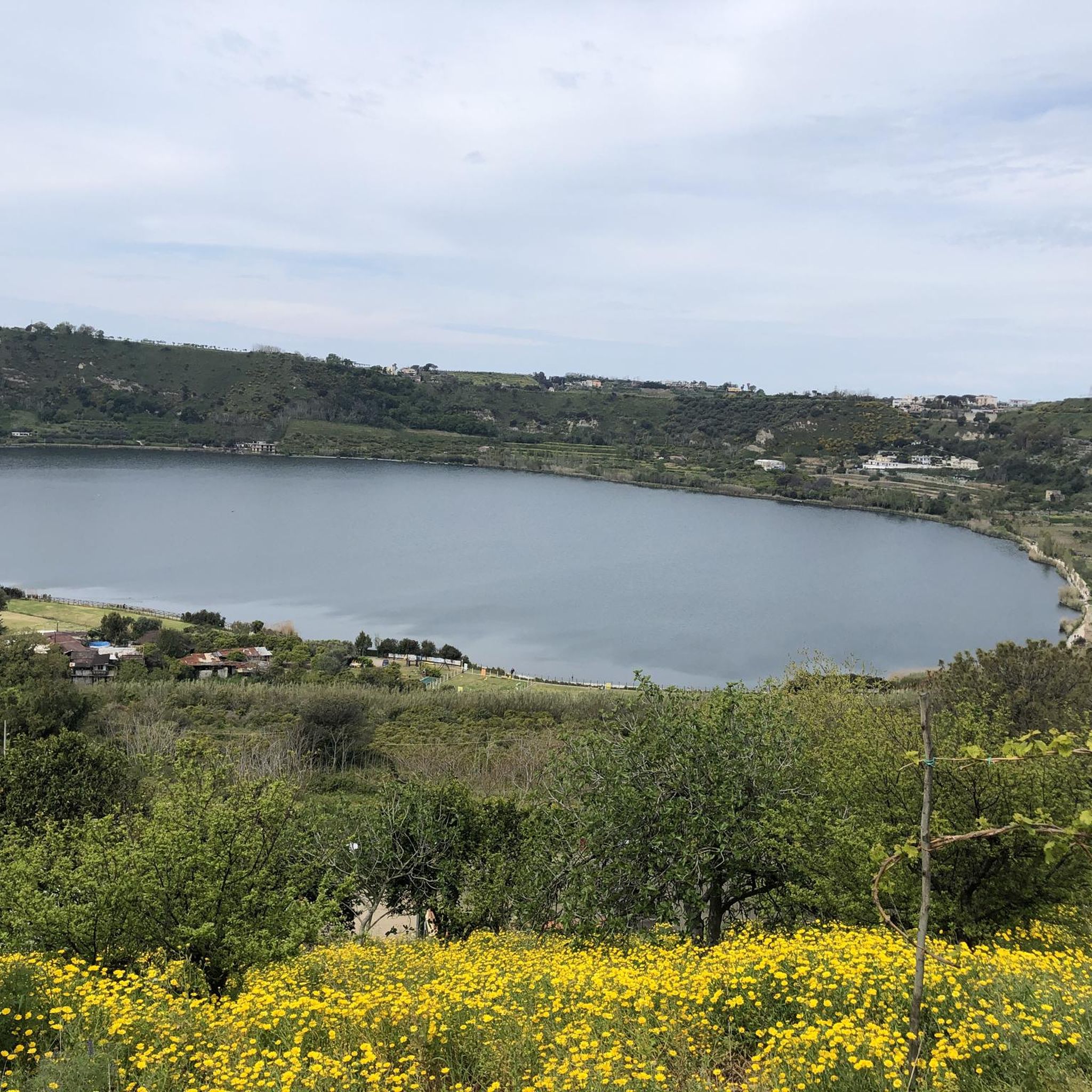
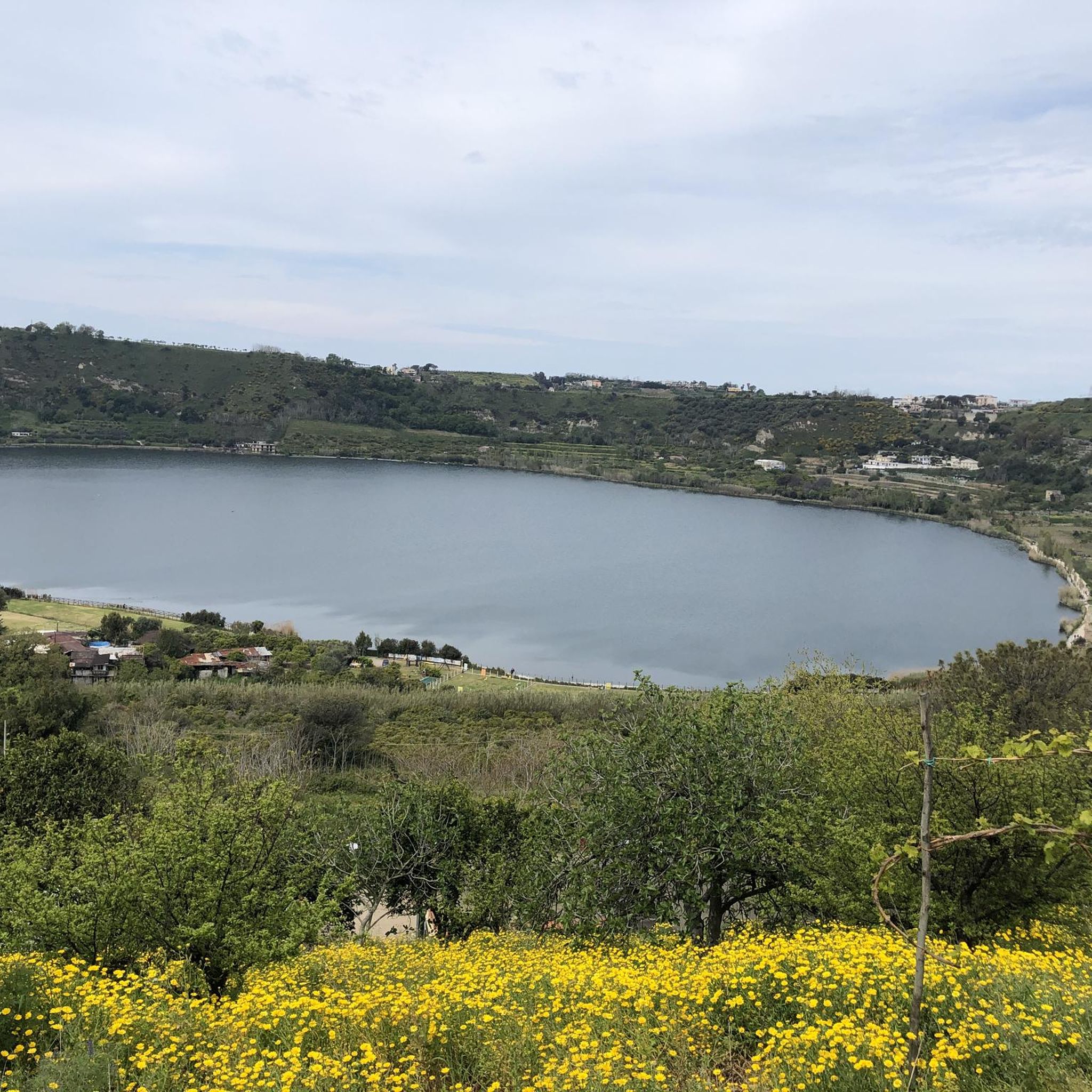
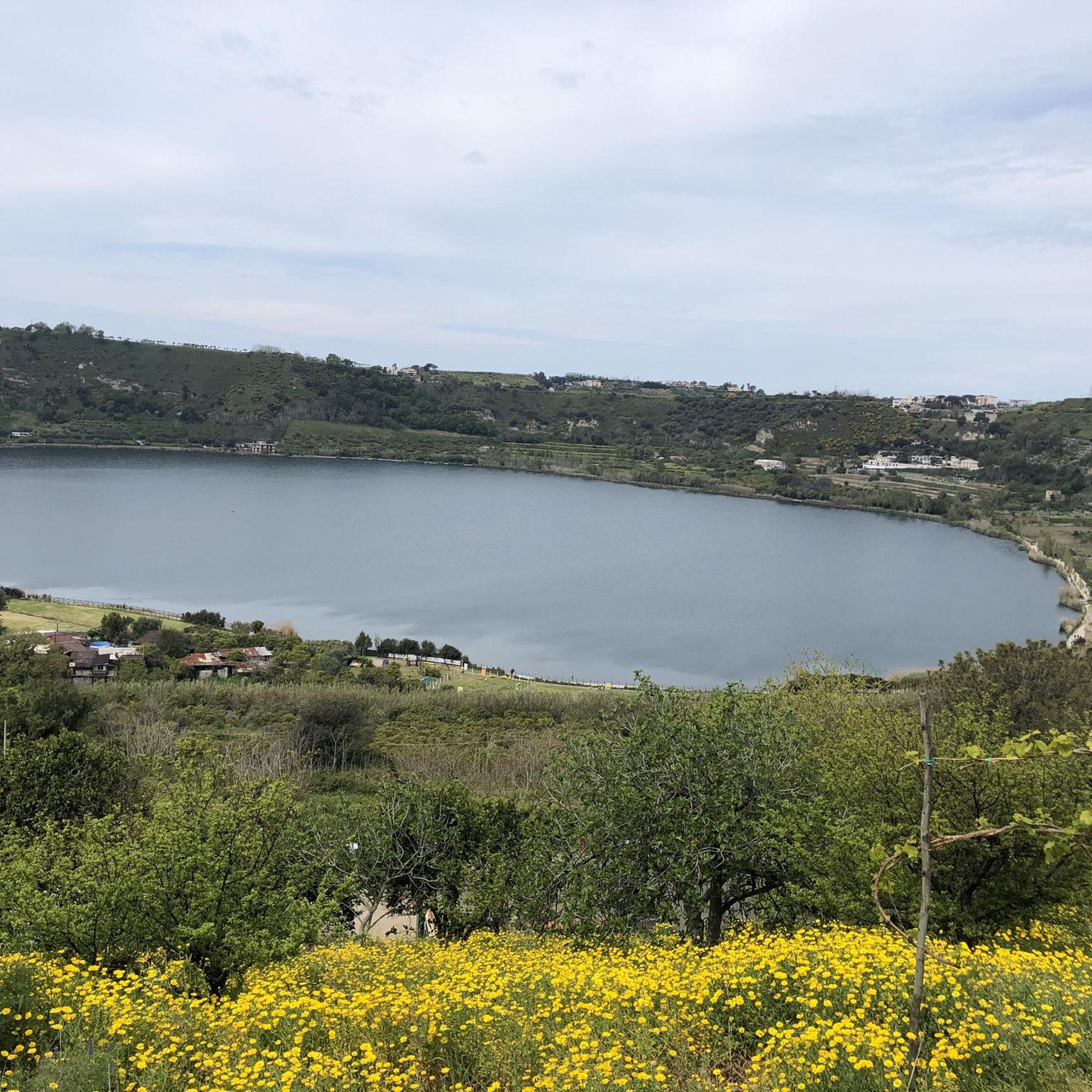
For a truly unique experience, visit Solfatara, an active volcanic crater within the Campi Flegrei area, known for its fumaroles and bubbling mud pools. You can also explore Monte Nuovo, the youngest volcano in the Phlegraean Fields, which offers hiking trails through Mediterranean vegetation. The evocative Lake Averno, a volcanic lake once considered the entrance to Hades, is also a great spot for walks.
Are there any family-friendly attractions in Pozzuoli?
Yes, several attractions are suitable for families. The Galleria Umberto I, Naples, offers an impressive shopping experience under a large glass dome. Dante Square in Naples is another significant historical site with vast architecture. The Royal Palace of Naples and Castel dell'Ovo are also listed as family-friendly and offer historical insights and scenic views.
What kind of outdoor activities can I do around Pozzuoli?
Pozzuoli and its surroundings offer various outdoor activities. You can find numerous routes for hiking, road cycling, and general cycling. For example, there are easy hiking trails like the "Astroni Trail" or the "Lago d'Averno – loop tour." Cyclists can enjoy routes such as the "Lake Avernus loop from Arco Felice" or a longer "From Pozzuoli to Naples – loop tour." You can find more details and specific routes in the Hiking around Pozzuoli and Cycling around Pozzuoli guides.
Are there any good places for a scenic walk or viewpoint in Pozzuoli?
Absolutely. The Lungomare (Seafront Promenade) dedicated to Sandro Pertini offers breathtaking views of the Bay of Pozzuoli and is perfect for a stroll. For panoramic vistas over Naples and the coast, visit Sant'Elmo Castle. Castel dell'Ovo also provides excellent views from its location on the islet Megaride.
What is the best time of year to visit Pozzuoli?
The best time to visit Pozzuoli is generally during the spring (April to June) and early autumn (September to October). During these months, the weather is pleasant, with comfortable temperatures for exploring historical sites and enjoying outdoor activities, avoiding the intense heat of summer and the cooler, wetter winter months.
Can I find ancient Roman ruins beyond the main amphitheater in Pozzuoli?
Yes, Pozzuoli boasts several other significant Roman ruins. Besides the Flavian Amphitheater, you can explore the Macellum of Pozzuoli (Roman market), the remains of the Roman Baths (so-called "Temple of Neptune"), and the extensive Necropolis of Via Celle and Necropolis of the Via Puteolis Capuam, which are ancient Roman burial grounds with rich complexes of tombs and mausoleums.
What is the significance of the Macellum of Pozzuoli?
The Macellum of Pozzuoli is a well-preserved Roman market from the 1st-2nd century AD. Its significance lies not only in its architectural preservation but also in its columns, which bear visible marks of tidal erosion. These marks serve as a clear testament to the area's unique geological phenomenon known as bradyseism, where the land periodically rises and sinks due to volcanic activity.
Are there any religious sites of note in Pozzuoli?
Yes, the Sanctuary of Saint Gennaro (San Gennaro) is a significant religious site in Pozzuoli. It is located where Saint Januarius was beheaded and is one of two places where the alleged miracle of the liquefaction of the saint's blood occurs, making it a site of pilgrimage and historical interest.
What should I wear when visiting volcanic sites like Solfatara?
When visiting volcanic sites like Solfatara, it's advisable to wear comfortable, closed-toe shoes suitable for walking on uneven terrain. Layers of clothing are also recommended, as temperatures can vary, and you might encounter sulfurous fumes, which some find irritating. A hat and sunglasses can also be useful for sun protection.
Are there any accessible attractions for visitors with mobility needs?
Some attractions in the wider Naples area, such as Galleria Umberto I, Naples and Dante Square, are noted as wheelchair accessible. For specific accessibility information regarding sites directly within Pozzuoli, it is recommended to check with the individual attraction beforehand, as ancient sites can sometimes present challenges.
Where can I enjoy the coastal atmosphere in Pozzuoli?
The Lungomare (Seafront Promenade) is the perfect place to enjoy Pozzuoli's coastal atmosphere. It offers stunning views of the Bay of Pozzuoli / Gulf of Pozzuoli and is a vibrant hub with many pubs and coffee bars, especially in the evenings. It's ideal for a relaxing stroll by the sea.
What do visitors particularly enjoy about the attractions around Pozzuoli?
Visitors frequently praise the breathtaking views, especially from places like Sant'Elmo Castle, which offers panoramic vistas over Naples and Vesuvius. The historical depth of sites like the Galleria Umberto I and Dante Square, with their impressive architecture, is also highly appreciated. The unique blend of ancient history and active volcanic landscapes provides a diverse and engaging experience for many.
Most popular attractions around Pozzuoli

Get inspired with the komoot mobile app


Explore more
Still not found the Highlight you’re looking for? See guides of the top attractions in other regions:
