The best cycling routes around Oreye
4.5
(1030)
15,075
riders
583
rides
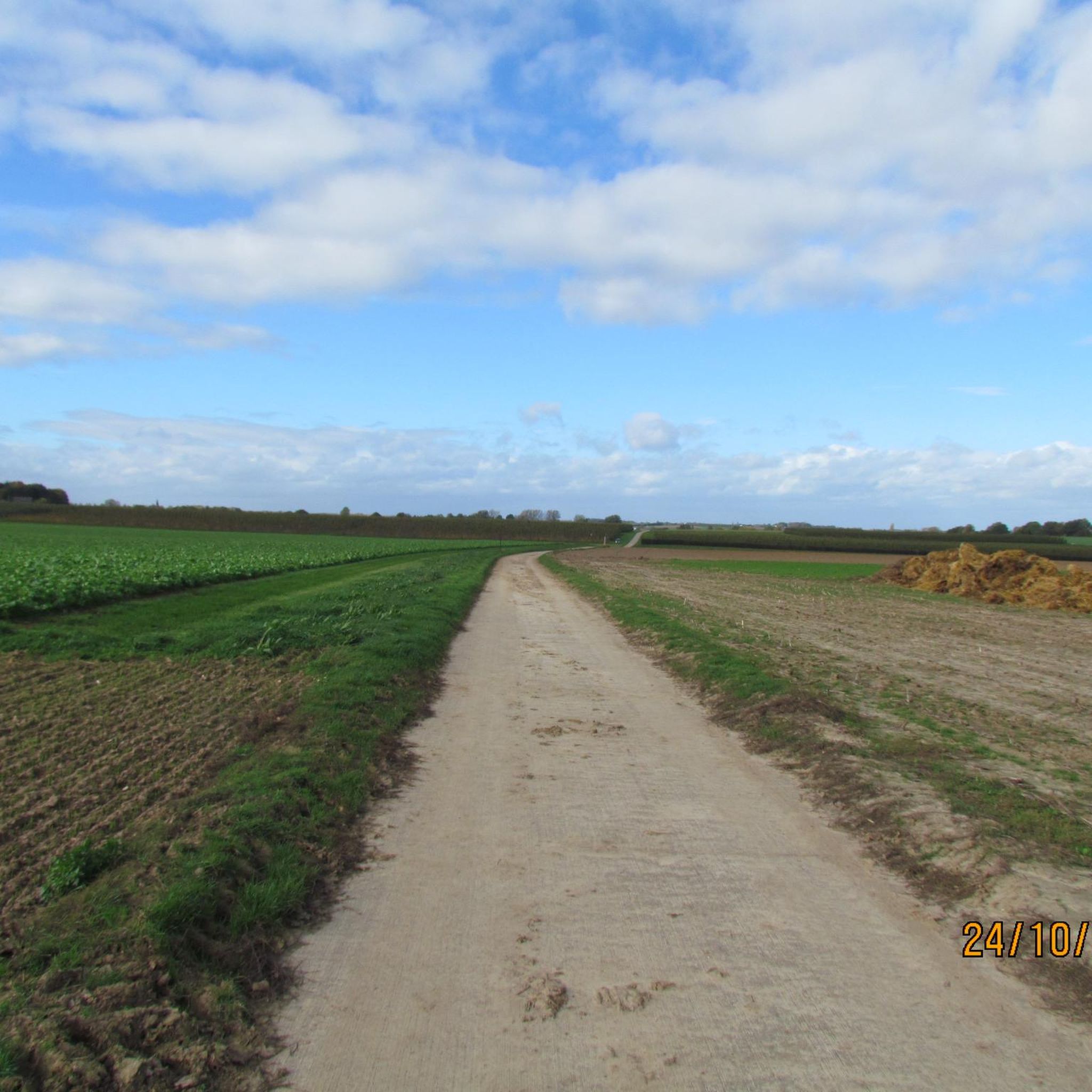
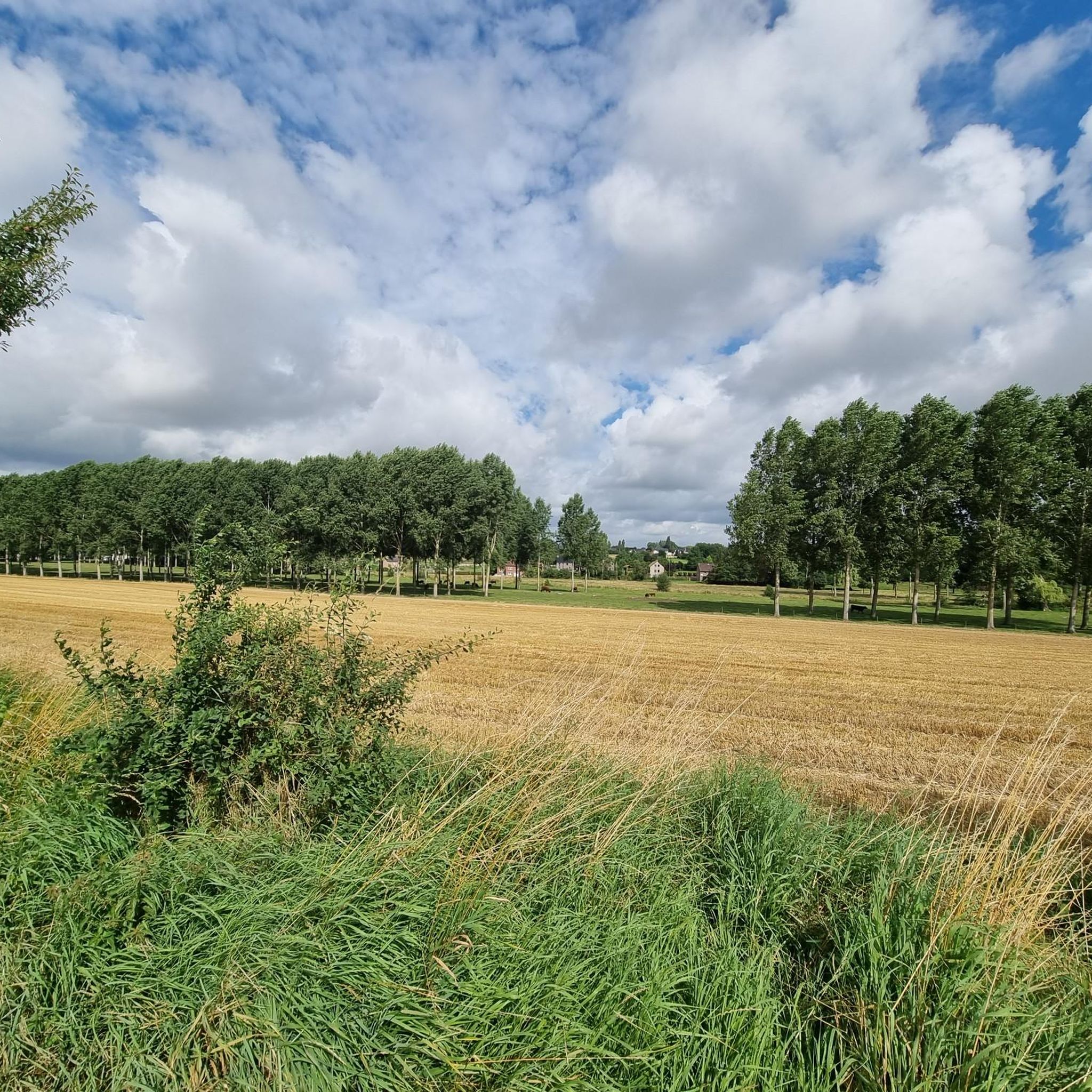
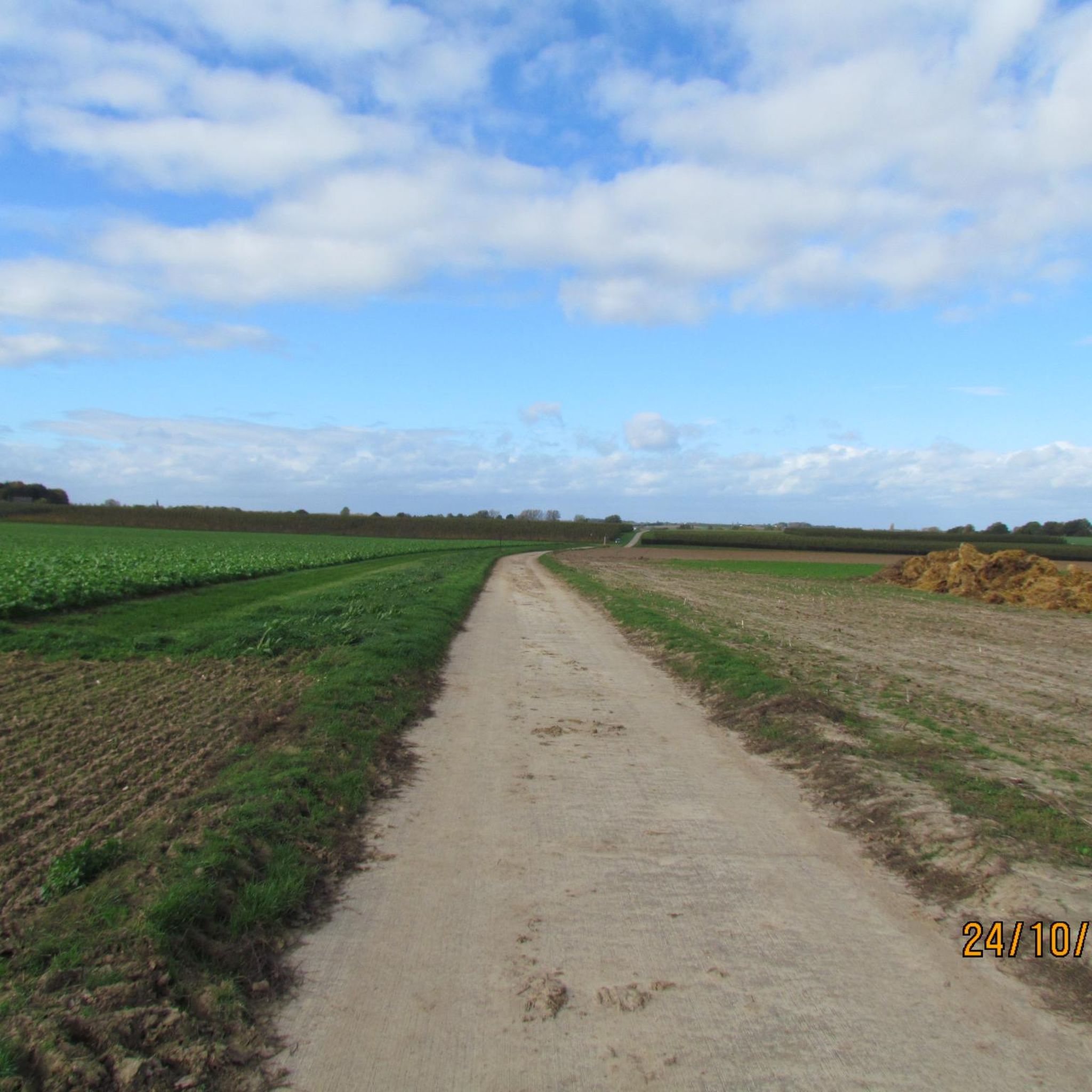
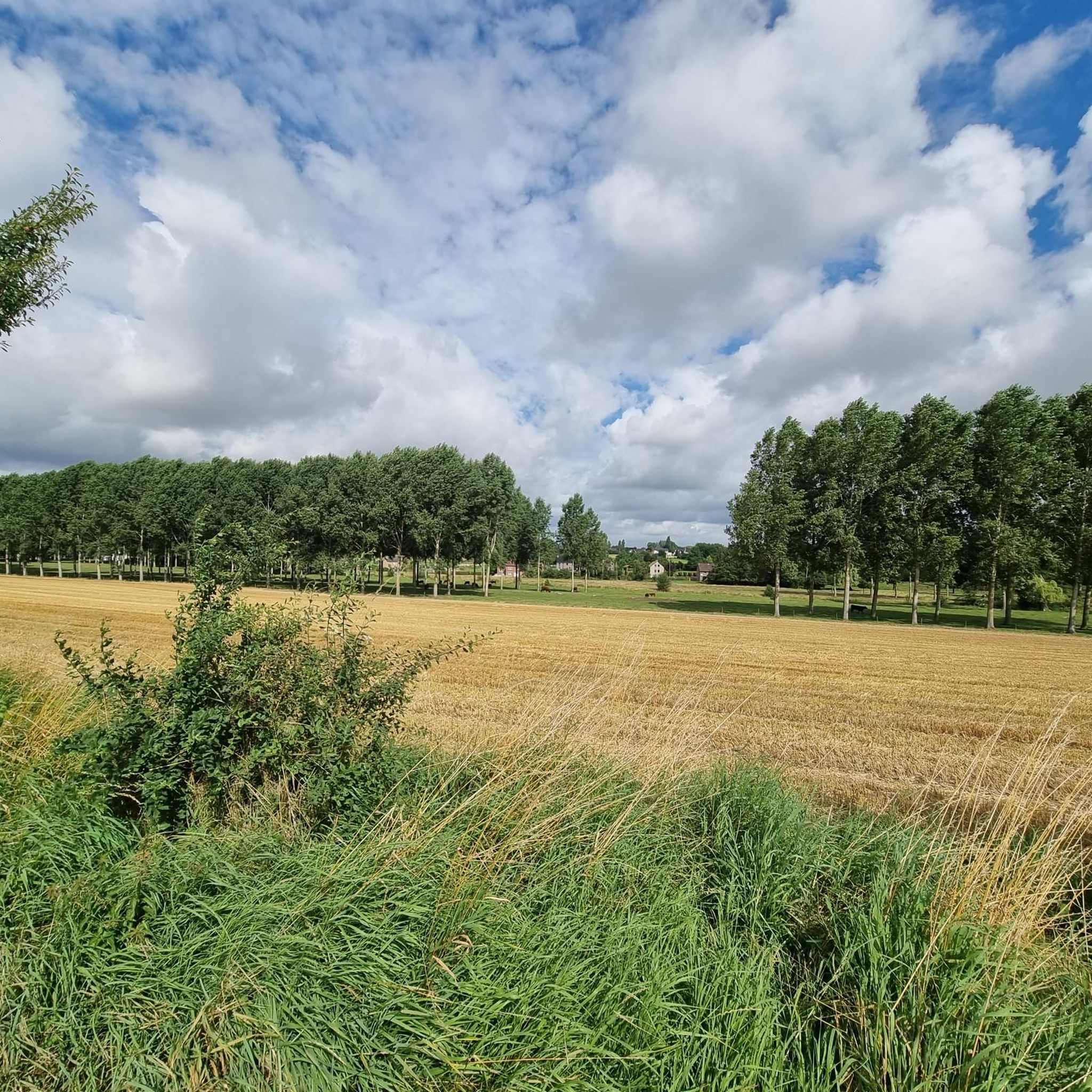
Touring cycling around Oreye offers routes through the gently rolling countryside of the Belgian province of Liège. The region is characterized by expansive agricultural fields, small villages, and a network of quiet roads suitable for cycling. Gentle inclines are common, providing varied terrain without significant climbs.
Best touring cycling routes around Oreye
- The most popular touring cycling route is Duck Pond – Place d'Odeur loop from Bergilers, a 18.5 miles (29.8 km) trail that takes about 1 hour 45…
Last updated: July 4, 2026
4.5
(2)
12
riders
29.7km
01:45
150m
150m
Moderate bike ride. Good fitness required. Mostly paved surfaces. Suitable for all skill levels.
5.0
(12)
10
riders
24.0km
01:25
140m
140m
Easy bike ride. Great for any fitness level. Mostly paved surfaces. Suitable for all skill levels.

Sign up for free
5.0
(1)
9
riders
22.0km
01:22
130m
140m
Easy bike ride. Great for any fitness level. Mostly paved surfaces. Suitable for all skill levels.
5
riders
24.8km
01:31
150m
150m
Moderate bike ride. Good fitness required. Mostly paved surfaces. Suitable for all skill levels.
4
riders
22.2km
01:18
120m
120m
Easy bike ride. Great for any fitness level. Mostly paved surfaces. Suitable for all skill levels.
Get access to more routes and recommendations from other explorers.
Sign up for free
Already have an account?
Our route recommendations are based on thousands of hikes, rides, and runs completed by other people on komoot.
Start today with a free account
Your next adventure awaits.
Login or Signup

Tips from the Community

Portion cold - mixed = 1 meal ,😁
0
0

The original church was burned down in 1636 by Jan van Weert's troops. It wasn't rebuilt until the late 17th century, preserving the old flint tower and probably part of the walls. In 1857, the decision was made to build a new church, designed by L. Jaminé (Hasselt), and consecrated in 1878. It stands on the same site as the old church, but the latter was oriented in the opposite direction, while the new church's facade faces the street. Three-quarters of the church is surrounded by a walled cemetery.
7
0
Herkenrode Abbey already owned property in Opheers in 1218; this is also the oldest mention of the farm; its foundation dates back to the late 17th or early 18th century. Over the centuries, the abbey acquired considerable land in Opheers; it was one of its most important agricultural operations. Its location at this location is likely related to the presence of a spring that feeds the so-called Wetterdelle, which flows into the Oostherk. The farm is located opposite the church. The oldest buildings date from 1639 (dated on the facade stone of the house) and were built by Abbess Barbara van Hinisdael; they are the house and a now-detached service building behind the house. The large tithe barn dates from the 18th century. The gatehouse and the adjoining stable appear to date from the late 18th or the first half of the 19th century.
4
0

Saint Evermarus is venerated in three places in Europe: in Borth, in Burtscheid near Aachen, and in Rutten, a small municipality belonging to Tongeren in Belgium. According to legend, Evermarus and his seven companions were slain here by the robber chief Hacco. This is said to have happened around the year 700, and his remains were discovered around 960. A small chapel was built on the site. Every year on May 1st, the patron saint's festival of Saint Evermarus is celebrated in Rutten. After a procession through the town, the so-called Martyrs' Play takes place, during which local actors reenact the story of the saint's life and death.
10
0

The current tower was rebuilt in 1580 and 1734, extended by a nave and a choir from the sixteenth century and partially restored in 1898 by the Liège architect Hubert Froment
2
0
Opposite the church is a large, square farmhouse with a 16th-century core. It was formerly the lord's residence. The farm's courtyard is trapezoidal in shape.
2
0
The castle of Otrange, which belonged to the de Liberts, the Lords of Otrange, at the end of the Old Regime, suffered at the hands of Republican troops, who stayed there several times and built a hospital there in 1794. The castle remained unoccupied until at least 1792 and 1835. The descendants of Berthold-Louis de Libert sold the property at the beginning of the 19th century to the Grisard family, Liège industrialists active in the iron trade and cannon manufacture. It passed to the widow of Servais Grisard, née Jeanne-Hélène-Victoire Grisar, who bequeathed it to her nephew, Pierre Alexandre de Blochouse (1773-1849), the mayor of Otrange. He was married to Marie-Josèphe Magnée de Hornes (de Bommershov). Then came his son, Marcel Alexandre (Liège 1797 - Grammont 1853), who had married Adélaide du Bois of Basècles, who died in Ixelles in 1880 but was buried in Otrange. On July 20, 1874, the widow Marcel-Alexandre de Blochouse and her children transferred the property by family agreement to Émile Henri Naveau, husband of Louise Demarteau, who died in Otrange in 1907. The château passed by inheritance to Caroline Naveau, daughter of Émile, who married Nicolas Breuls; then to her daughter Juliette Breuls, wife of Knight Georges de Schaetzen; and finally to the latter's son, Knight Jean de Schaetzen van Brienen (died 2007), who married Sabine de Neve de Roden, the current occupant of the castle.
3
0
It is a building dating from 1719 to the end of the 18th century, with a core dating back to the 16th century. The tower of the old church is integrated into the castle. Nature and
3
0
Frequently Asked Questions
What is the general terrain like for touring cycling around Oreye?
The Oreye region features gently rolling countryside with expansive agricultural fields and small villages. You'll find a network of quiet roads suitable for cycling, with gentle inclines providing varied terrain without significant climbs.
How many touring cycling routes are available in the Oreye area?
There are over 560 touring cycling routes around Oreye, offering a wide range of options for different skill levels and preferences.
Are there easy touring cycling routes suitable for beginners or families in Oreye?
Yes, Oreye offers many easy routes. For a relaxed ride, consider the Château d'Otrange – Path Along the Geer loop from Oreye, an easy 15.3-mile (24.6 km) path that features historical landmarks and follows riverside paths. There are 184 easy routes in total.
Can I find more challenging touring cycling routes around Oreye?
While the region is known for gentle inclines, there are routes that offer more elevation gain. For example, the Heks Castle – Cherry orchards of Borgloon loop from Oreye is a moderate 18.3-mile (29.4 km) trail with over 249 meters of elevation gain, leading through scenic agricultural landscapes and historical sites. There are 104 difficult routes available for those seeking more of a challenge.
What kind of scenery can I expect on touring cycling routes in Oreye?
The routes in Oreye primarily showcase agricultural landscapes, quiet village roads, and picturesque countryside. You'll cycle past vast fields, charming hamlets, and sometimes along river paths, offering a peaceful and scenic experience.
Are there any circular touring cycling routes in Oreye?
Most touring cycling routes around Oreye are designed as loops, allowing you to start and end at the same point. An example is the Sint-Pieterskerk Lauw – Duck Pond loop from Bergilers, an easy 20.6 km route.
What do other touring cyclists enjoy most about cycling in Oreye?
The area is highly rated by the komoot community, with an average score of 4.5 stars from over 890 reviews. Cyclists often praise the quiet village roads, the serene agricultural landscapes, and the varied terrain that offers gentle inclines without being overly strenuous.
What are some interesting places to see or landmarks along the touring cycling routes?
You can discover several interesting sights. The Heks Castle – Cherry orchards of Borgloon loop from Oreye passes by Heks Castle. Other nearby attractions include the unique Reading Between the Lines (See-Through Church) and the Floating Chapel of Helshoven.
Are there any routes that offer good viewpoints or opportunities for nature observation?
Yes, some routes provide scenic vistas. The Viewpoint – Holleweg Opheers–Middelheers loop from Oreye is a moderate route that includes a viewpoint. For nature, the Haut-Geer Nature Reserve is a notable area for observing local flora and fauna.
What is the best time of year for touring cycling in Oreye?
The spring and summer months are generally ideal for touring cycling in Oreye, offering pleasant temperatures and the chance to see the agricultural fields in full bloom or harvest. Autumn also provides beautiful scenery with changing foliage.
Are there any longer touring cycling routes for extended rides?
For longer rides, you can combine several routes or explore the more extensive options. The Duck Pond – Place d'Odeur loop from Bergilers is a moderate 18.5-mile (29.8 km) trail, which is one of the longer single routes available, taking about 1 hour 45 minutes to complete.
Most popular attractions around Oreye

Get inspired with the komoot mobile app


Explore more
Browse the best Cycling routes in other regions.
