The best walks and hikes around Remicourt
4.3
(2368)
11,683
hikers
524
hikes
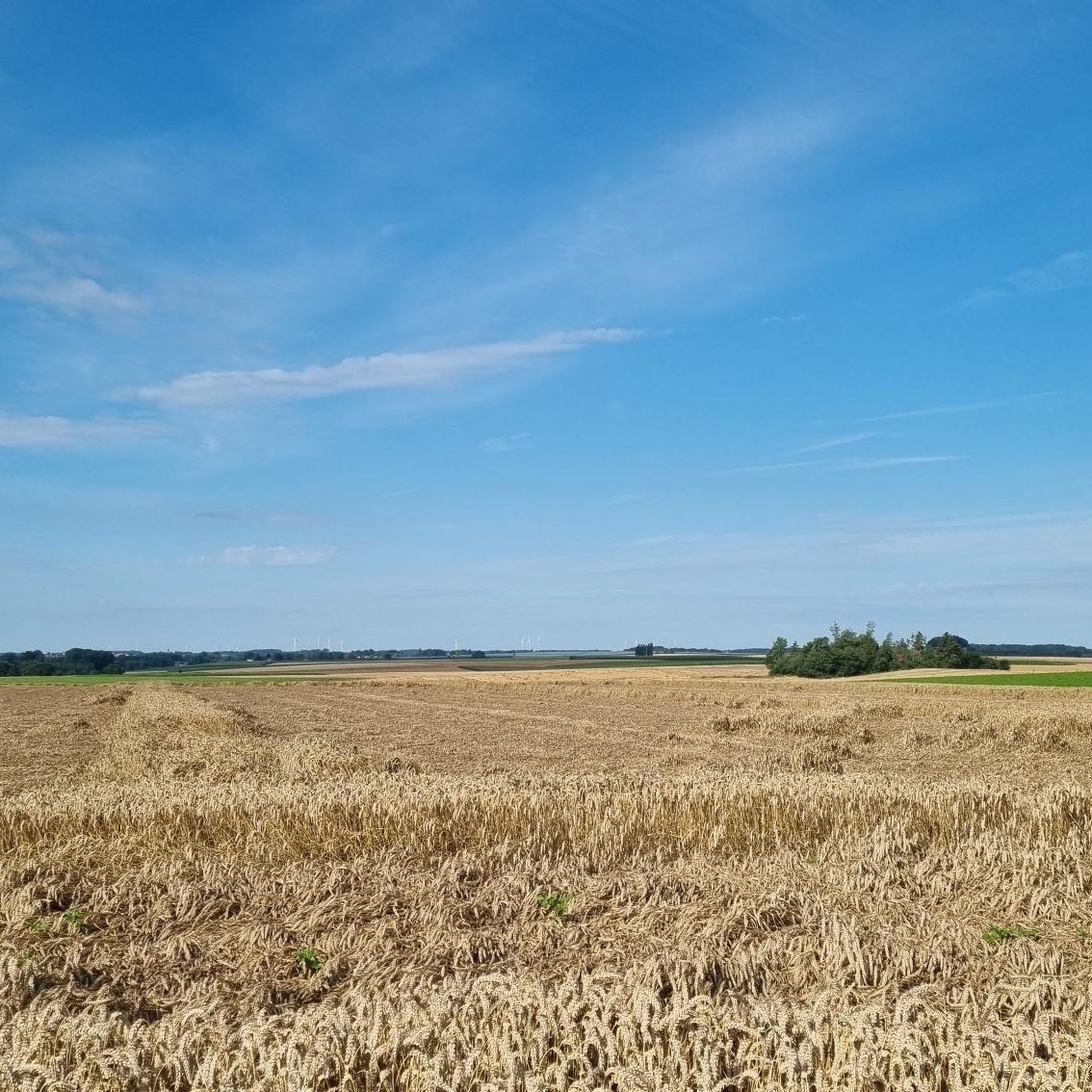
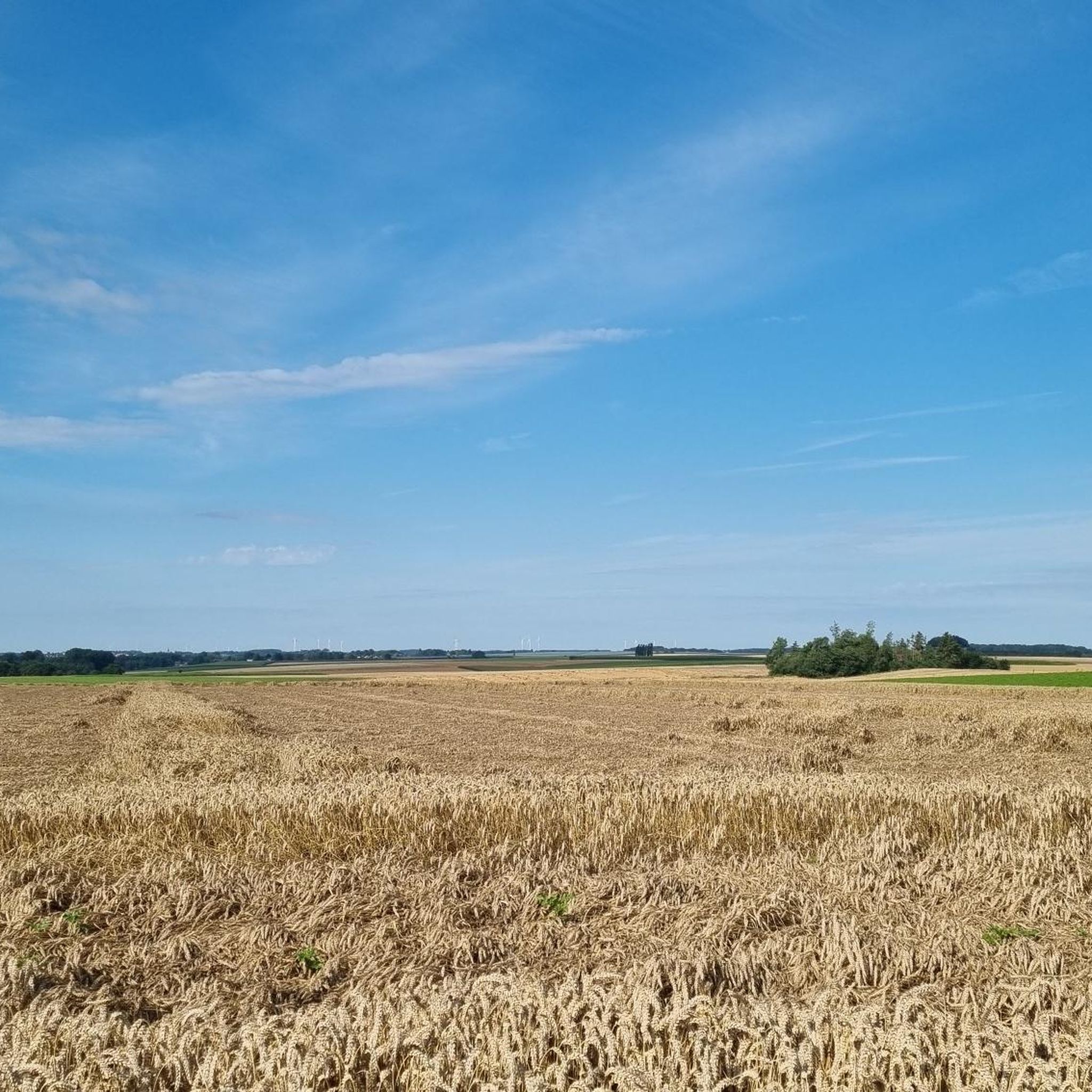
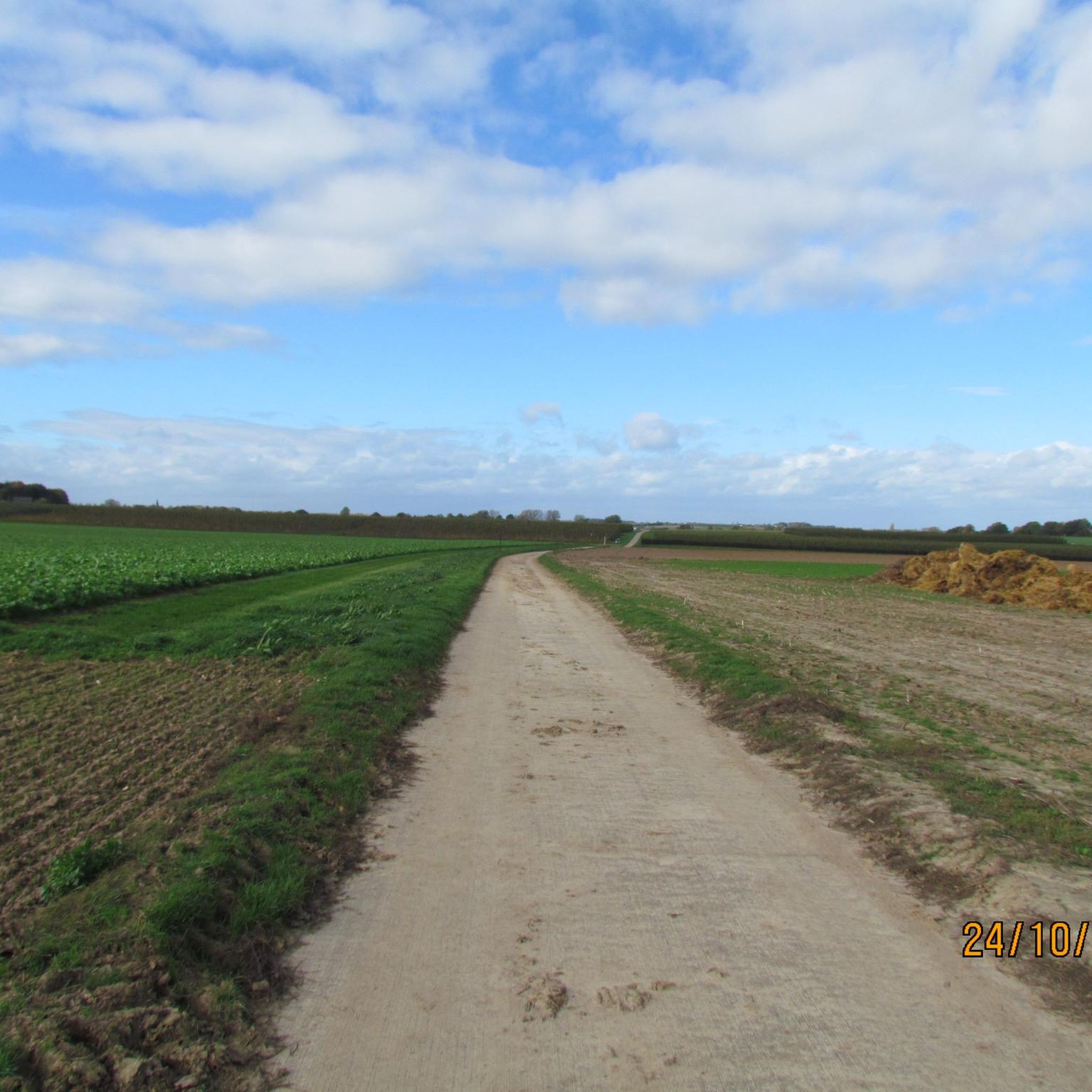
Hiking around Remicourt offers diverse natural landscapes within the Belgian province of Liège. The region is characterized by agricultural fields, serene woodlands, and gentle undulations influenced by loess ridge topography. Several natural reserves are accessible nearby, providing preserved environments for exploration. These features contribute to a varied walking experience across the Wallonian countryside.
Best hiking trails around Remicourt
- The most popular hiking route is Château de Limont loop from Donceel, a 4.9 miles (8.0 km) trail that takes 2…
Last updated: July 1, 2026
4.5
(10)
54
hikers
7.95km
02:04
50m
50m
Moderate hike. Good fitness required. Easily-accessible paths. Suitable for all skill levels.
5.0
(1)
16
hikers
16.0km
04:10
100m
100m
Moderate hike. Good fitness required. Easily-accessible paths. Suitable for all skill levels.

Sign up for free
5.0
(1)
9
hikers
Hard hike. Very good fitness required. Easily-accessible paths. Suitable for all skill levels.
3.0
(1)
8
hikers
3.79km
00:59
20m
20m
Easy hike. Great for any fitness level. Easily-accessible paths. Suitable for all skill levels.
3.6
(5)
5
hikers
7.26km
01:53
40m
40m
Easy hike. Great for any fitness level. Easily-accessible paths. Suitable for all skill levels.
Get access to more routes and recommendations from other explorers.
Sign up for free
Already have an account?
Our route recommendations are based on thousands of hikes, rides, and runs completed by other people on komoot.
Start today with a free account
Your next adventure awaits.
Login or Signup
Tips from the Community

The castle dates back to the 18th century and was extensively renovated in the 19th century. It was long inhabited by the Brabant de Limont family. In 1993, it became a hotel and a venue for parties and meetings.
3
0

Signed on June 18, 1316, the Peace of Fexhe introduced a democratic spirit into the administration of the City and the Principality of Liège. It is the formal and legal recognition of the sharing of government between the prince and the country.
0
0

Haneffe also commemorates the two official world wars and their impact on the municipality and the people who lost their lives. The monument that was erected for this purpose, together with the names of the victims, can be found on the central square, just at the exit of the very small village park where you can relax for a while.
3
0
Next to the Templar farm is an old chapel, the so-called Temple Chapel. Of the commandery itself, only a few gravestones of the great commanders remain. These were incorporated into the masonry of the Temple Chapel when it was rebuilt in 1628 on the initiative of Knight Charles de la Fontaine. The materials came from an earlier chapel that was built between 1139 and 1312 with limestone and sandstone. It was dedicated to Saint John the Baptist, the patron saint of the order. The chapel has a fairly simple floor plan and is small. Source: AWaP
3
0
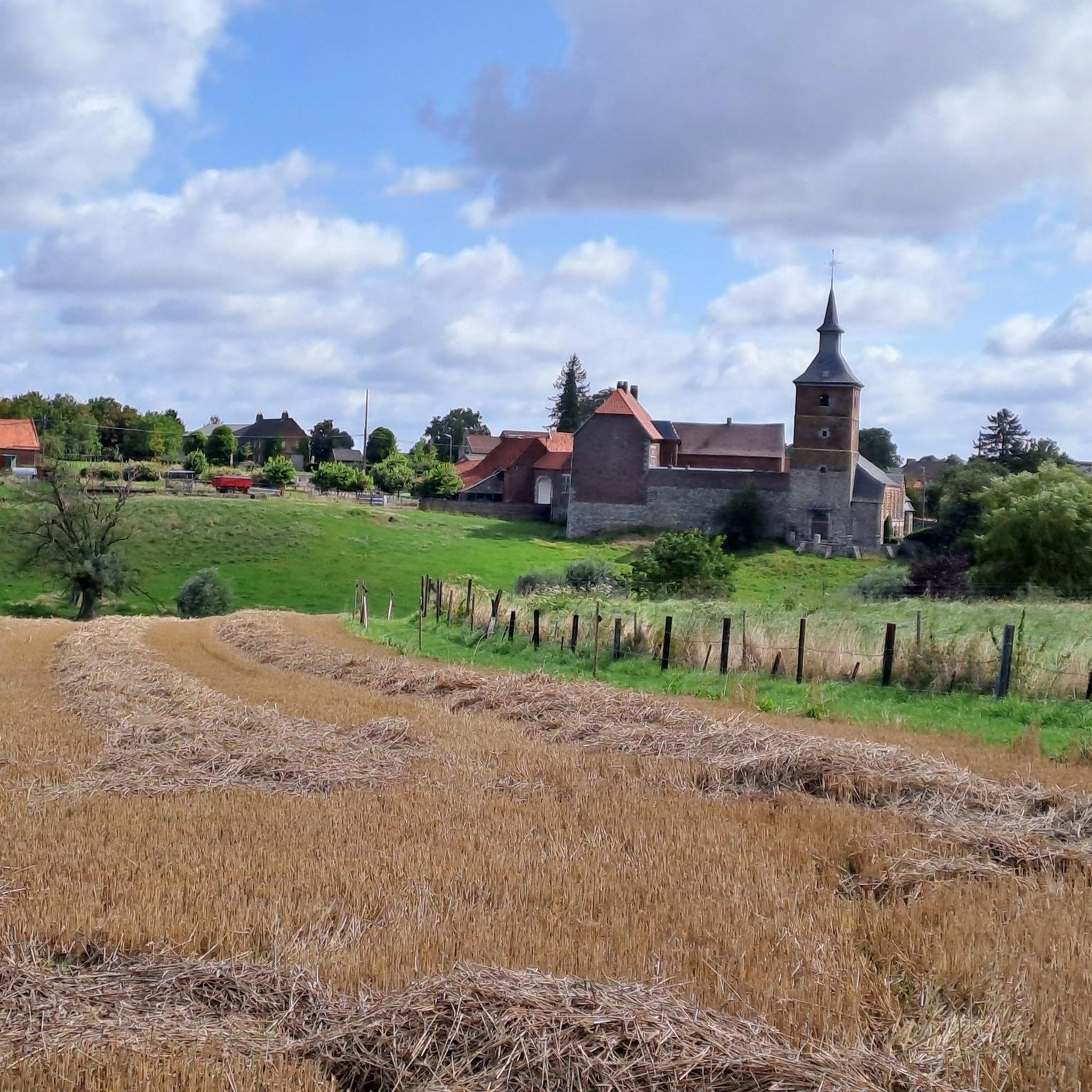
The Saint-Pierre church, built of sandstone and limestone rubble, was almost entirely rebuilt in the 19th century, in neo-Gothic style. Only the tower and the choir of the previous sanctuary have been preserved and are affected by the classification measure. Located to the north, the strong quadrangular tower is entirely made of limestone. On the north side, the chainage bears the date 1393. Another commemorative slab with the coat of arms of the lords of Haneffe, dated 1593, informs us of a restoration of the whole at that time. The tower is pierced, on three sides, with arched bays equipped with louvers. It is topped with a hexagonal slate spire interrupted by dormer windows. The choir, built in 1545, was raised in 1778 and then remodeled in neo-Gothic style in 1895 by the architect Edmond Jamar who added five ogival bays. The nave, from the 18th century, was restored in 1838 and then modified by Jamar who added a transept. Inside, the church is decorated with a shingle vault, entirely polychrome, made in 1896 by Benjamin Deterville and Walthère Colette. Among the preserved furniture, two funerary slabs are also protected by the classification measure. At the entrance to the nave, in the wall, the beautiful slab of the priest Moes is dated 1658. In an arm of the transept, we find the magnificent funerary slab in black limestone of Godfroid de Mirbach, known as Mirbicht, who died in 1551, and his two wives, Anne de Wihogne and Isabelle de la Falloise, the latter having died in 1552. The three figures are represented lying in bas-relief. Below, we find their coats of arms in twelve quarters. Listed as a monument (tower, choir and two funerary slabs) on 23 October 1957. Source: AWaP https://qrwallonie.be/QR/Donce003?code=Donce003&language=fra
3
0
Also known as Ferme du Tilleul. The U-shaped farmhouse dates from the first half of the 18th century. Its most striking feature is the beautiful house with its harmoniously arranged limestone frames and borders. There are still traces of a red plaster on the brickwork. This is made from a mixture of lime and animal blood. Beautiful building.
3
0
As early as 1265, according to a charter from the abbey of Val Saint-Lambert, there was a commandery farm in the Haspengouw village that we know today as Haneffe. The Templars had a domain here with, in addition to the large farm, among other things a chapel that can also be viewed nearby in a more recent but dilapidated state. The commandery not only had its own farm and livestock but also a series of lands and (rental) farms from which it received income. In 1312, the commandery became part of the Order of the Knights of St. John of Jerusalem. According to a report from 1503, the house was rented to a farmer who collected the income from the lands and the taxes. He was responsible for the maintenance of the buildings and the operation of the chapel three times a week and on holidays. In 1797, the commandery was declared national property by the French occupier and sold to a certain Gérard Demet. The farm has retained a fairly homogeneous layout, despite the many transformations it has undergone, and is typical of a rural commandery, following the Cistercian plan where all the buildings form a square around a central courtyard. It is accessed via a carriage gate with a dovecote above it. The door bears the date "1761" and the coat of arms of Jacques-Laure le Tonnelier de Breteuil, Hospitaller of the Order of St. John of Jerusalem, Commander and Ambassador of the Order with a diplomatic activity in which he became ambassador of the Order to the Holy See in Rome. A fascinating building of which you can see a lot but all in all it is still quite limited. Together with the nearby remains of the chapel and the rest of Haneffe, it is more than worth it and a 'must' for anyone interested in the Templars, even if there are not so many sources that mention the farm and commandery over the centuries. Sources and further reading: https://www.templiers.org/haneffe.html https://www.passion-patrimoine.fr/spip.php?article120
3
0

the Geer, the Jeker in Dutch
3
0
Frequently Asked Questions
What kind of landscapes can I expect to see while hiking near Remicourt?
Hiking around Remicourt offers a diverse experience, primarily characterized by agricultural fields, serene woodlands, and gentle undulations. You'll traverse open fields, hollow roads, and forests, providing a tranquil and varied walking experience. The broader Wallonian countryside also features hedged farmland and valleys, perfect for immersing yourself in nature.
How many hiking trails are available around Remicourt?
There are over 490 hiking routes available around Remicourt, catering to various preferences and skill levels. This extensive network ensures plenty of options for exploration.
What do other hikers say about the trails in Remicourt?
The trails in Remicourt are highly regarded by the komoot community, with an average rating of 4.3 stars from over 2,000 reviews. Hikers often praise the varied terrain, the peaceful atmosphere of the woodlands, and the charm of the local hamlets and agricultural landscapes.
Are there options for different hiking abilities in Remicourt?
Yes, the Remicourt area offers a wide range of trails suitable for different abilities. You'll find over 280 easy routes for leisurely strolls, around 190 moderate paths for those seeking a bit more challenge, and a selection of more difficult trails for experienced hikers.
Are there any natural reserves worth visiting near Remicourt?
Absolutely. The vicinity of Remicourt features several natural reserves. The Sous les Roches Natural Reserve, located between Flémalle and Awirs, offers a refreshing green setting along the Meuse river. Other notable reserves include Herkwinning Natural Reserve near Tongres, which can be part of a walk featuring old railway tracks and orchards, and Kevie Natural Reserve, accessible from Nerem, leading through fields and groves.
Can I find viewpoints with scenic vistas in the Remicourt area?
Yes, there are spots where you can enjoy wide vistas of the surrounding countryside. For example, a notable Viewpoint is highlighted near Remicourt, offering panoramic views of the Wallonian landscape.
Are there family-friendly hiking options in Remicourt?
Many of the easy routes around Remicourt are suitable for families. Trails that traverse local fields and small hamlets, like the Motte castrale loop from Hodeige, are generally shorter and less strenuous, making them ideal for outings with children.
Are dogs allowed on the hiking trails around Remicourt?
Generally, dogs are welcome on most hiking trails in the Remicourt area, especially on paths through agricultural lands and woodlands. However, it's always advisable to keep them on a leash, particularly when passing through farmland or near livestock, and to check local regulations for specific natural reserves.
Are there circular hiking routes available in Remicourt?
Yes, many of the trails around Remicourt are designed as loops, allowing you to start and end at the same point. Examples include the popular Château de Limont loop from Donceel and the The Old Haneffe Café – Saint Peter's Church of Haneffe loop from Donceel, which explore local villages and landscapes.
When is the best time of year to go hiking in Remicourt?
The Remicourt region is enjoyable for hiking throughout much of the year. Spring and autumn offer pleasant temperatures and beautiful scenery with blooming flowers or vibrant foliage. Summer is also great, though some paths might be more exposed to the sun. Even winter can be charming for a crisp walk, especially through the woodlands.
Is parking available near the hiking trails in Remicourt?
Parking is generally available in or near the starting points of many trails, especially in the smaller villages and hamlets surrounding Remicourt. It's common to find designated parking areas or roadside parking suitable for hikers.
Are there any historical sites or landmarks to explore on hikes near Remicourt?
Yes, the region offers several points of historical interest. You can encounter sites like the Roman Cobblestone Road, or explore the vicinity of historical castles such as Aigremont Castle and Lexhy Castle, which are often integrated into longer routes.
Are there places to eat or stay near the hiking trails in Remicourt?
While Remicourt itself is a small municipality, the surrounding villages and towns offer various options for refreshments and accommodation. You'll find local cafes and pubs, such as The Old Haneffe Café mentioned in some routes, and guesthouses or hotels in nearby larger towns, providing convenient stops for hikers.
Most popular attractions around Remicourt

Get inspired with the komoot mobile app


Explore more
Browse the best Hikes in other regions.
