The best road cycling routes around Remicourt
3.8
(12)
336
riders
60
rides
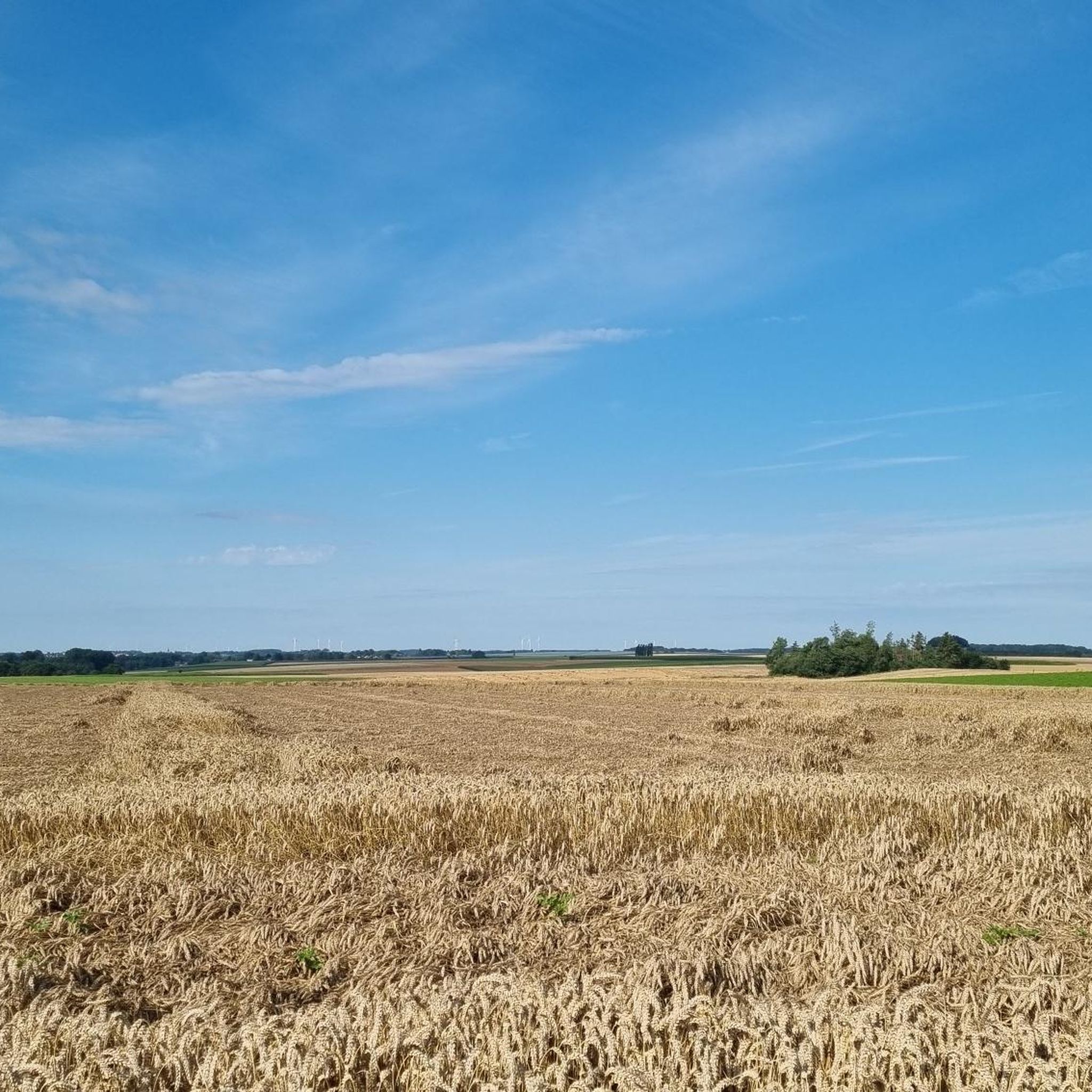
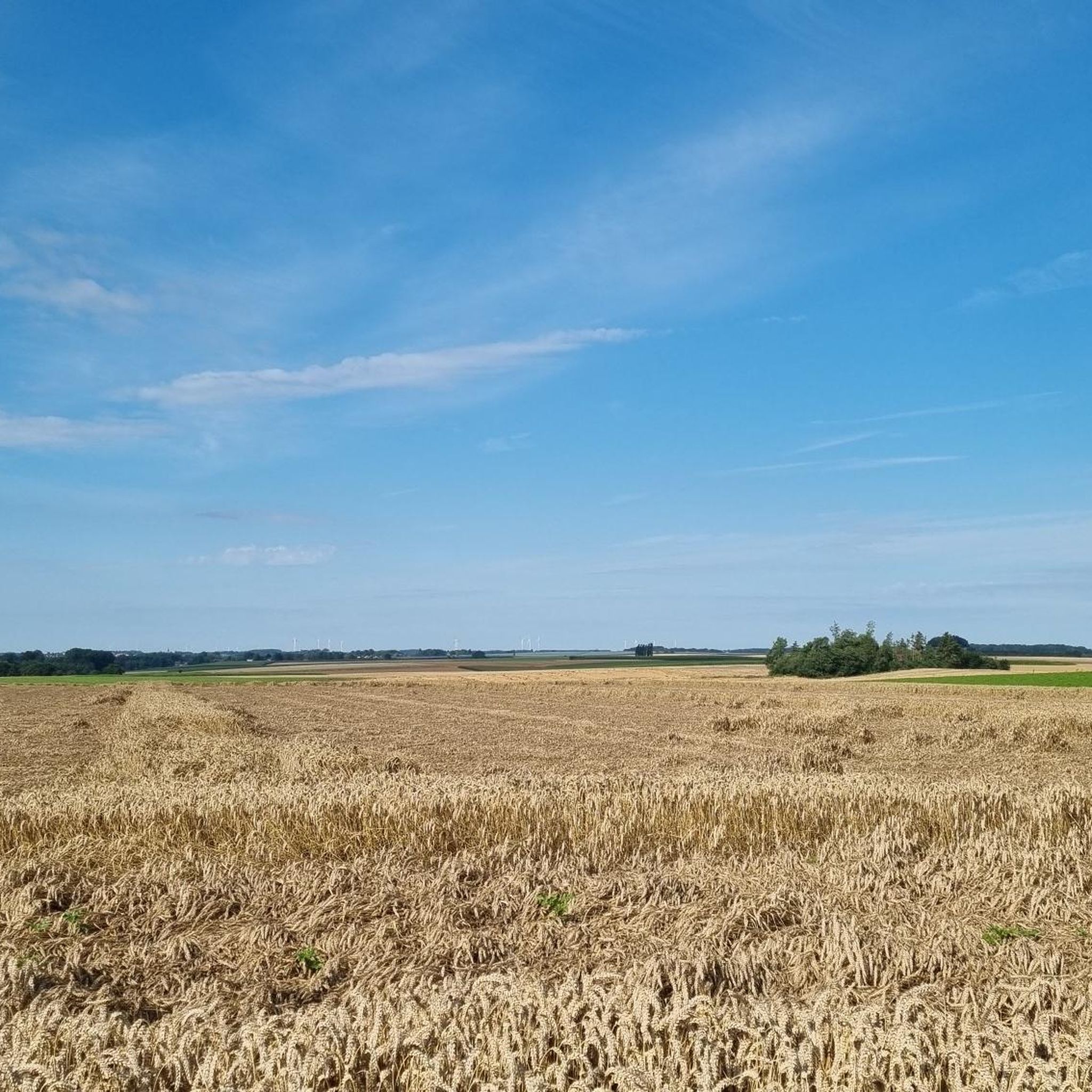
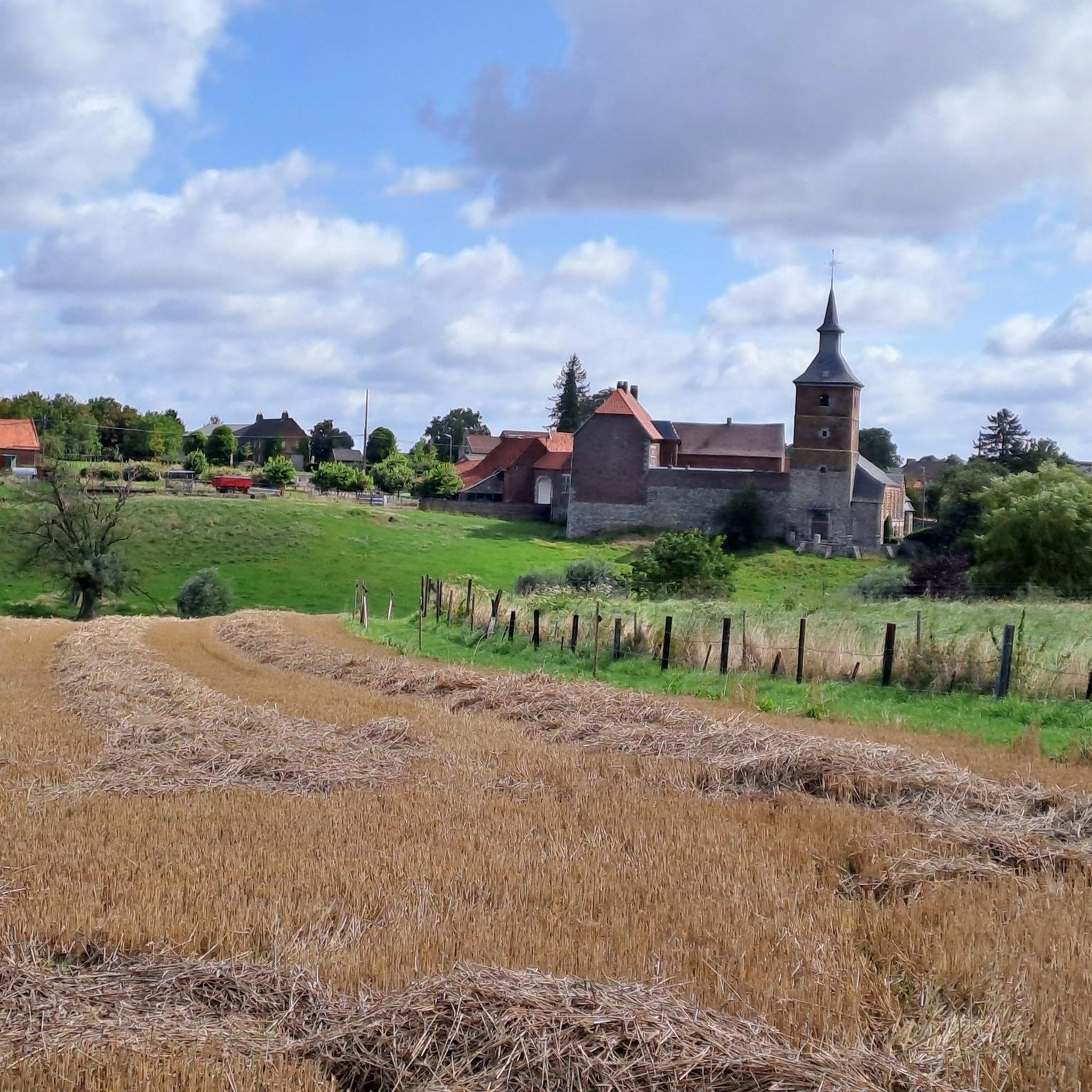
Road cycling routes around Remicourt are set within the slightly hilly landscape of Hesbaye, approximately 15 km west of Liège. This region offers varied terrain with moderate elevation changes, suitable for road cyclists. The area features a cultivated environment with orchards and green spaces, providing a scenic backdrop for rides. Its geographical setting contributes to diverse routes that combine well-paved surfaces with some unpaved segments.
Best road cycling routes around Remicourt
- The most popular road cycling route is Lexhy Castle…
Last updated: May 16, 2026
59
riders
53.7km
02:20
240m
240m
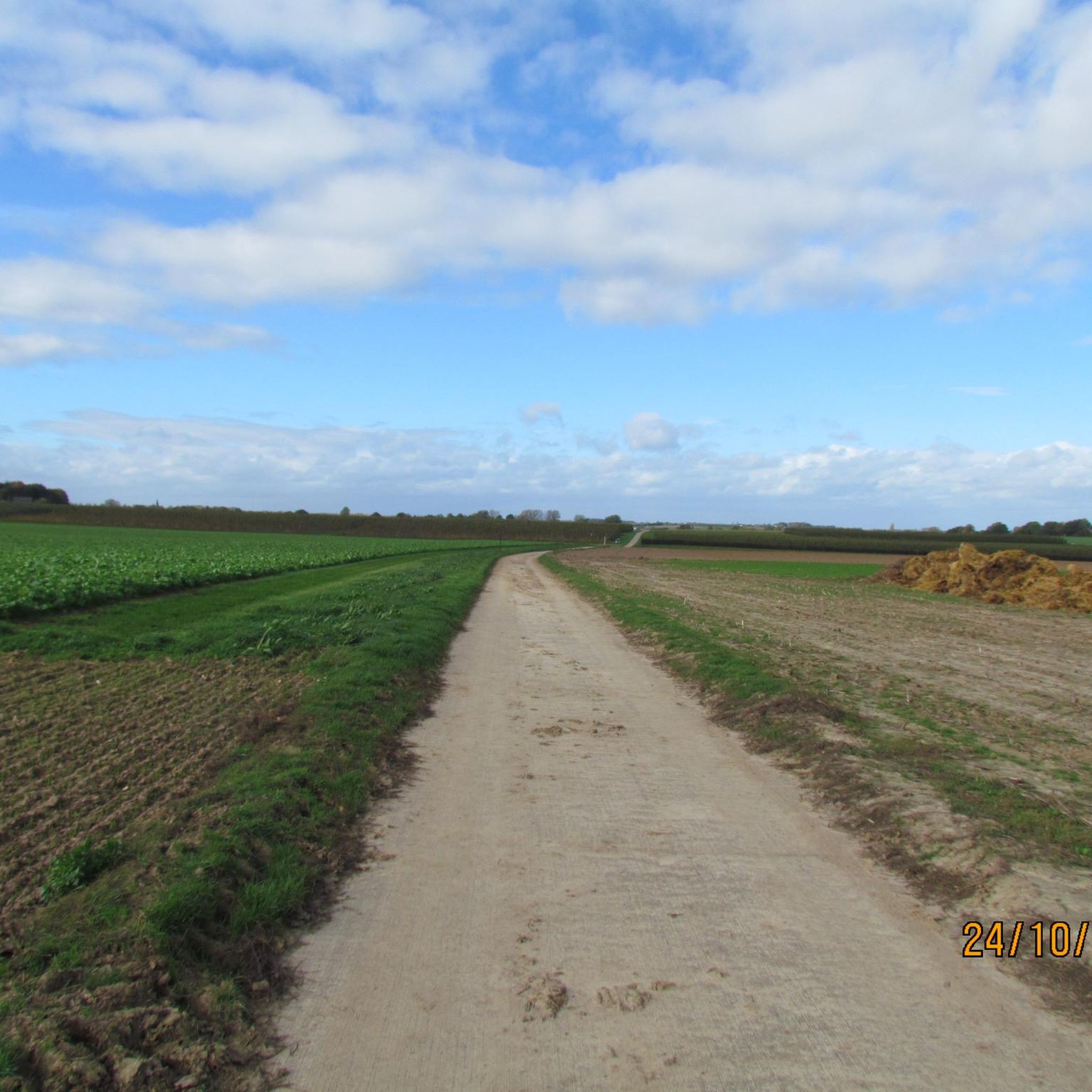
Moderate road ride. Good fitness required. Some segments of this route may be unpaved and difficult to ride.
24
riders
94.7km
04:13
700m
700m
Moderate road ride. Good fitness required. Mostly well-paved surfaces and easy to ride.

Sign up for free
15
riders
51.0km
02:20
370m
370m
Moderate road ride. Good fitness required. Mostly well-paved surfaces and easy to ride.
10
riders
26.7km
01:14
140m
140m
Easy road ride. Great for any fitness level. Mostly well-paved surfaces and easy to ride.
13
riders
62.9km
02:45
310m
310m
Moderate road ride. Good fitness required. Some segments of this route may be unpaved and difficult to ride.
Get access to more routes and recommendations from other explorers.
Sign up for free
Already have an account?
Our route recommendations are based on thousands of hikes, rides, and runs completed by other people on komoot.
Start today with a free account
Your next adventure awaits.
Login or Signup
Tips from the Community

Scherpenberg Castle is a historic castle located at Dreef 99 in Nerem, a sub-municipality of Tongeren. It is part of Flanders' preserved heritage and forms part of the cultural-historical landscape around the Jeker river and the De Kevie nature reserve. The castle is recognized as a building heritage site due to its long history and architectural value. The current castle building dates largely from the late 16th and 17th centuries, built on the site of an older castle. Remnants of that original castle are still visible in the western substructure. The complex comprises an elongated main building with a gatehouse, two and a half stories high, under a slate hipped roof. Architectural details such as bacon bands and marlstone cornices are typical of the style and period of construction. Above the entrance is a chronogram from 1697 with the coats of arms of the Vaes and Schroots families, who occupied the castle at that time. Over the centuries, the castle changed owners and was associated with various noble families, including the Scarpenbergh, Baest, Hoen, de Limelette, van Brecht, de Berlaymont, Bex, Vaes, Mantels, and Corswarem families. Some parts of the building, such as service buildings, turrets, and outbuildings, also have historical value and display architectural elements from various periods. Scherpenberg Castle is situated in a green and rural setting that invites visitors to walk and explore the historic landscape around Tongeren. It is not always freely accessible to visitors because it is often privately owned and does not function as a public museum, but it remains a recognizable and valuable cultural-historical monument within the region.
0
0
Rosmeulen Castle is a historic country house and estate of great architectural and heritage value, located at Neremstraat 229 in Nerem, a sub-municipality of Tongeren. Dating back to the early 20th century, the building represents a unique combination of Neo-Rococo and Art Nouveau architecture, designed for chocolate and gingerbread manufacturer Florent Rosmeulen. Construction of the manor house, originally named La Brise, began around 1911, opposite the Rosmeulen chocolate factory. However, the founder himself never fully occupied the building, partly due to financial difficulties and the impact of the First World War. The building is situated amidst a romantic castle garden in the English landscape style, featuring ponds, lawns, mature trees, walking paths, and a walled vegetable garden, all contributing to the estate's unique atmosphere. The imposing entrance hall features a majestic staircase and stained-glass windows, while the exterior facades are richly ornamented with features such as bay windows, colonnades, and a round tower under a domed roof. During the First and Second World Wars, the castle was used by German and later American troops, respectively, reflecting its strategic location and the building's role during that time. After the war, the manor changed owners several times. Families such as Duesberg-Bossen Blijweert and Riskin lived there, and the Riskin family, in particular, carried out maintenance and renovation work for many years. In mid-2020, the castle was purchased by Dirk and Bie D'haese, who began a thorough restoration to restore the dilapidated building to its former glory. Their goal is not only to preserve the heritage but also to open the castle and park for use by associations and for events, with spaces such as a large hall of over 300 m² available. The castle is included in the Inventory of Immovable Heritage of Flanders for its architectural value, rich ornamentation, and its location in a historic park with a pond. Rosmeulen Castle, together with the former Rosmeulen chocolate factory and the surrounding landscape, forms a recognizable and valuable ensemble in Nerem with ties to the local industrial culture of the early 20th century, the social history of the region, and today's heritage conservation.
0
0
The former Rosmeulen chocolate factory in Nerem, a submunicipality of Tongeren (Belgium), is a unique industrial heritage building with a rich history and striking architecture. The building was erected around 1908–1909 by Florent Rosmeulen, a chocolate maker who produced chocolate, cocoa, and gingerbread there. It is one of the few industrial buildings in Limburg built in the Art Nouveau style, with characteristic details such as an impressive stained-glass window above the entrance and decorative references to cocoa and chocolate. The structure is among the first in Belgium to be constructed with a reinforced concrete frame, which was progressive at the time and contributed to its robust industrial appearance. The factory flourished in the first decades of the 20th century but was severely affected by the economic crisis of the 1930s. After reorganizations, the company went bankrupt in 1934, and production ceased. In the decades that followed, the building served various purposes, being used by soldiers during World War II, then by other industrial enterprises such as a textile factory and a tin foundry, and later also for cultural activities. After years of vacancy and decay, the former chocolate factory was repurposed as a residential complex in the mid-2010s. Under the name "De Chocoladefabriek" (The Chocolate Factory), the industrial monument is being preserved and transformed into a residential project with lofts and apartments combined with communal areas and gardens. The impressive Art Nouveau block, with a stained-glass window approximately 6 meters wide, is one of the highlights of the renovation and is one of the largest glass artworks in an industrial context in Flanders. The repurposing of the former chocolate factory has become an example of how historical industrial heritage can be integrated into modern residential spaces. The project was even recognized with a prestigious real estate award for the way the old building was preserved and revitalized. Today, the building not only commemorates the region's industrial history but also forms an architectural and social hub where residential heritage and modern architecture merge, close to the De Kevie nature reserve and the former railway line.
0
0

Neoclassical country house built of limestone and brick by Théodor de Géradon in 1853. In the 19th century, the family further embellished it with two square houses. Current owner Bernard Jolly restored its original grayish-white facade. Unfortunately, the castle's charm is not visible from the road. Among the outbuildings is the old abbey farm, which dates back to the early 18th century but was later incorporated into the castle.
0
0

The center of Aubel, located in the Land of Herve, is a charming village center with historic buildings, a lively market and a rich tradition of regional products such as syrup, cheese and cider.
12
0

Saint Evermarus is venerated in three places in Europe: in Borth, in Burtscheid near Aachen, and in Rutten, a small municipality belonging to Tongeren in Belgium. According to legend, Evermarus and his seven companions were slain here by the robber chief Hacco. This is said to have happened around the year 700, and his remains were discovered around 960. A small chapel was built on the site. Every year on May 1st, the patron saint's festival of Saint Evermarus is celebrated in Rutten. After a procession through the town, the so-called Martyrs' Play takes place, during which local actors reenact the story of the saint's life and death.
10
0

Atmospheric Abbey, with its own brewery
0
0

The builder of Rosmeulen Castle was Florent Rosmeulen, owner of the former gingerbread and chocolate factory across Neremstraat. He commissioned the castle's construction in 1913. Due to financial difficulties and theft, the interior was never completed. At the time of Florent Rosmeulen's death in 1943, the builder had never lived in his castle. During World War II, American soldiers were stationed in the castle. They used the building for housing and as a laundry. During the war, the castle was subject to vandalism by the soldiers, and afterward, civilians stole all kinds of useful materials. After World War II, the castle came into the hands of Hubert Duesberg-Bosson, who also bought the former chocolate factory across the street. He installed a textile machinery factory there. He used the castle as office space, a telephone room, a dining room, accommodation, and restrooms. Between 1966 and 1972, Luc Blijweert owned the castle, after which it passed into the hands of the Riskin family. Jean Riskin established a tin factory in the former chocolate factory. The castle underwent a thorough renovation, including a complete refurbishment of the ground floor, installation of electricity and central heating, construction of the swimming pool building and tunnel, and restoration of the gardens, ponds, and balustrades. Jean Riskin lived at Rosmeulen Castle for 44 years, from 1972 until his death in 2016. Unfortunately, the building and grounds were barely maintained after his death. In mid-2020, Dirk D'haese, a cardiologist active in the assisted living sector, purchased Rosmeulen Castle. Since then, the castle and grounds have undergone a thorough restoration and renovation.
4
1
Frequently Asked Questions
What kind of terrain can I expect on road cycling routes around Remicourt?
Remicourt is situated in the Hesbaye region, characterized by a slightly hilly landscape. You'll find varied terrain with moderate elevation changes, suitable for road cyclists. Routes combine well-paved surfaces with some unpaved segments, offering a mix of challenges.
How many road cycling routes are available in the Remicourt area?
There are over 60 road cycling routes around Remicourt. These routes cater to various ability levels, with 13 easy, 42 moderate, and 5 difficult options to choose from.
Are there any easy road cycling routes suitable for beginners in Remicourt?
Yes, Remicourt offers several easy road cycling routes. One example is the The Old Haneffe Café – Church of Chapon Seraing loop from Remicourt, which is 26.7 km long and typically takes around 1 hour 14 minutes to complete.
What historical landmarks or natural features can I see along the road cycling routes?
Many routes pass by significant landmarks. You can explore historical castles like Lexhy Castle, Château de Horion, and Oudoumont Castle. The region also features cultivated landscapes with orchards, and you might encounter highlights such as the Experience Orchard or the Viewpoint for scenic vistas.
Are there any challenging road cycling routes with significant climbs?
Yes, for more experienced cyclists, routes like the Val-Dieu Abbey – Veurs Forest climb loop from Momalle offer notable climbs and scenic sections through Veurs Forest. This route covers 94.7 km with nearly 700 meters of elevation gain.
What do other road cyclists think about the routes in Remicourt?
The road cycling routes in Remicourt are highly rated by the komoot community, with an average score of 3.8 stars from over 12 reviews. More than 300 road cyclists have used komoot to explore the varied terrain, often praising the mix of cultivated landscapes and historical sites.
Are there circular road cycling routes available in Remicourt?
Yes, many routes around Remicourt are designed as loops. Popular options include the Lexhy Castle – Château de Horion loop from Remicourt and the Oudoumont Castle and Farm – The Old Haneffe Café loop from Remicourt, which offer convenient starting and ending points.
What is the best time of year for road cycling in Remicourt?
While specific seasonal data isn't provided, the region's slightly hilly landscape and cultivated environment suggest that spring and autumn would offer pleasant temperatures and beautiful scenery. Summer is also suitable, though it might be warmer.
Are there any family-friendly road cycling options in Remicourt?
Remicourt offers routes suitable for different ability levels, including easy options that could be more family-friendly. These typically feature less elevation gain and shorter distances, allowing for a more relaxed experience through the scenic countryside.
Can I find cafes or places to stop for refreshments along the routes?
Yes, some routes are known to pass by establishments where you can stop for refreshments. For instance, the Oudoumont Castle and Farm – The Old Haneffe Café loop from Remicourt explicitly mentions 'The Old Haneffe Café' as a point of interest.
Is it possible to access Remicourt's cycling routes using public transport?
Remicourt is a municipality in Wallonia, Belgium, and is generally accessible. While specific public transport connections for cyclists aren't detailed, the region is part of a larger network, including connections to the RAVeL network, which often allows for broader exploration and access.
Are there any specific viewpoints to look out for during a ride?
Yes, the area around Remicourt features various viewpoints that offer expansive vistas of the surrounding countryside. You can find specific highlights like the Viewpoint listed as an attraction in the region.
Most popular attractions around Remicourt

Get inspired with the komoot mobile app


Explore more
Browse the best Road cycling routes in other regions.
