Top 20 Natural Monuments around Visé
Best natural monuments around Visé are found within a municipality in the Belgian province of Liège, characterized by significant natural areas. These sites offer remarkable natural beauty and ecological importance, recognized for unique geological features and diverse ecosystems. The region features a mosaic of woods, calcareous grasslands, and riverine landscapes, providing opportunities to connect with nature. Visé's natural environment is shaped by features like the Meuse River and its surrounding valleys.
Best natural monuments around Visé
- The most popular natural…
Last updated: June 26, 2026
Bemelerberg Climb
Highlight (Segment) • Climb
With the racing bike, it's all about dividing the effort. After the cornering, it's still climbing.
With the Tour bike, it's about finding a good rhythm and enjoying it.
Translated by Google •
Tip by

Marl Cliff along the Geul
Highlight • Gorge
Translated by Google •
Tip by

Sign up now to discover places like this
Get recommendations on the best single tracks, peaks, & plenty of other exciting outdoor places.
Sign up for free
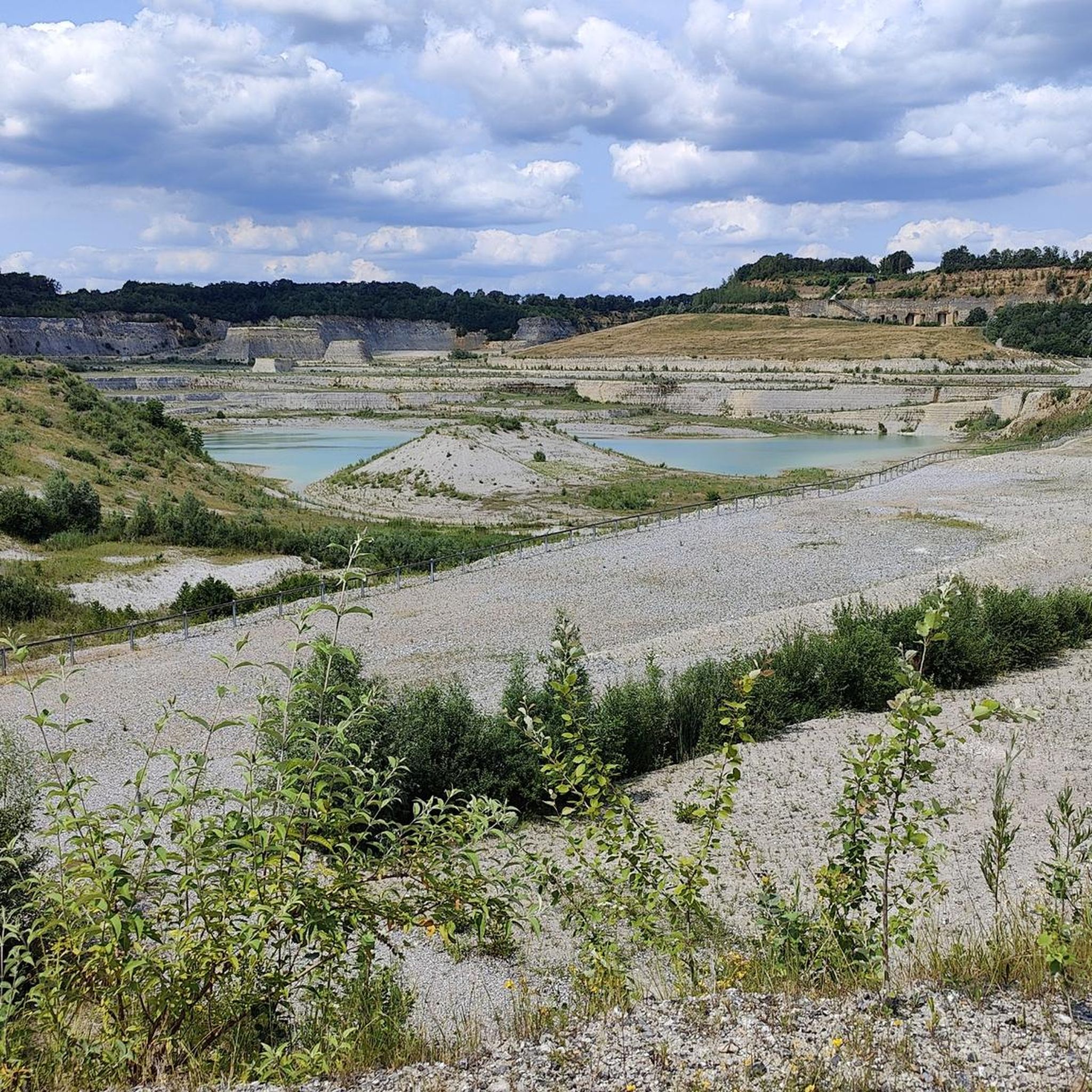
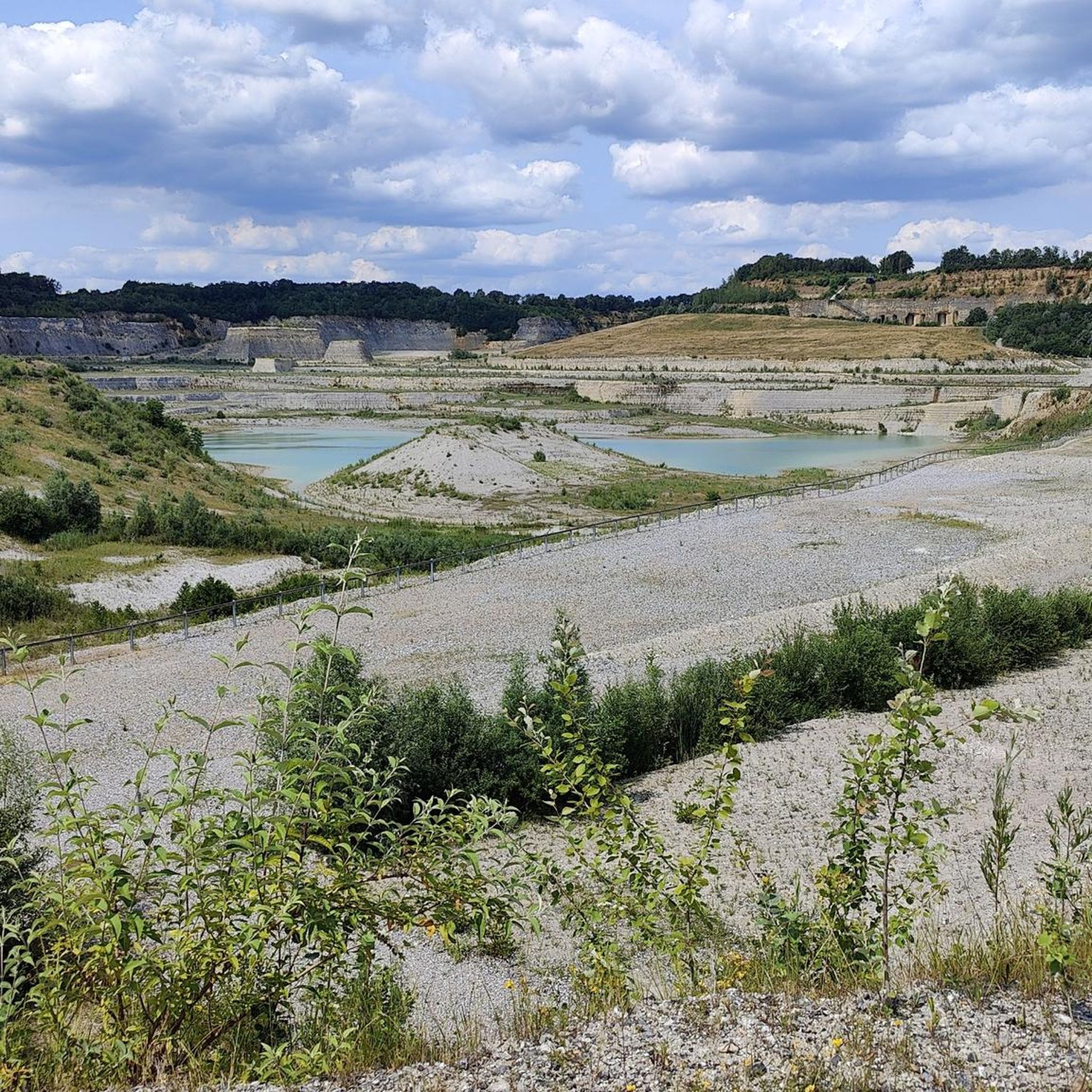
ENCI Quarry Viewpoint
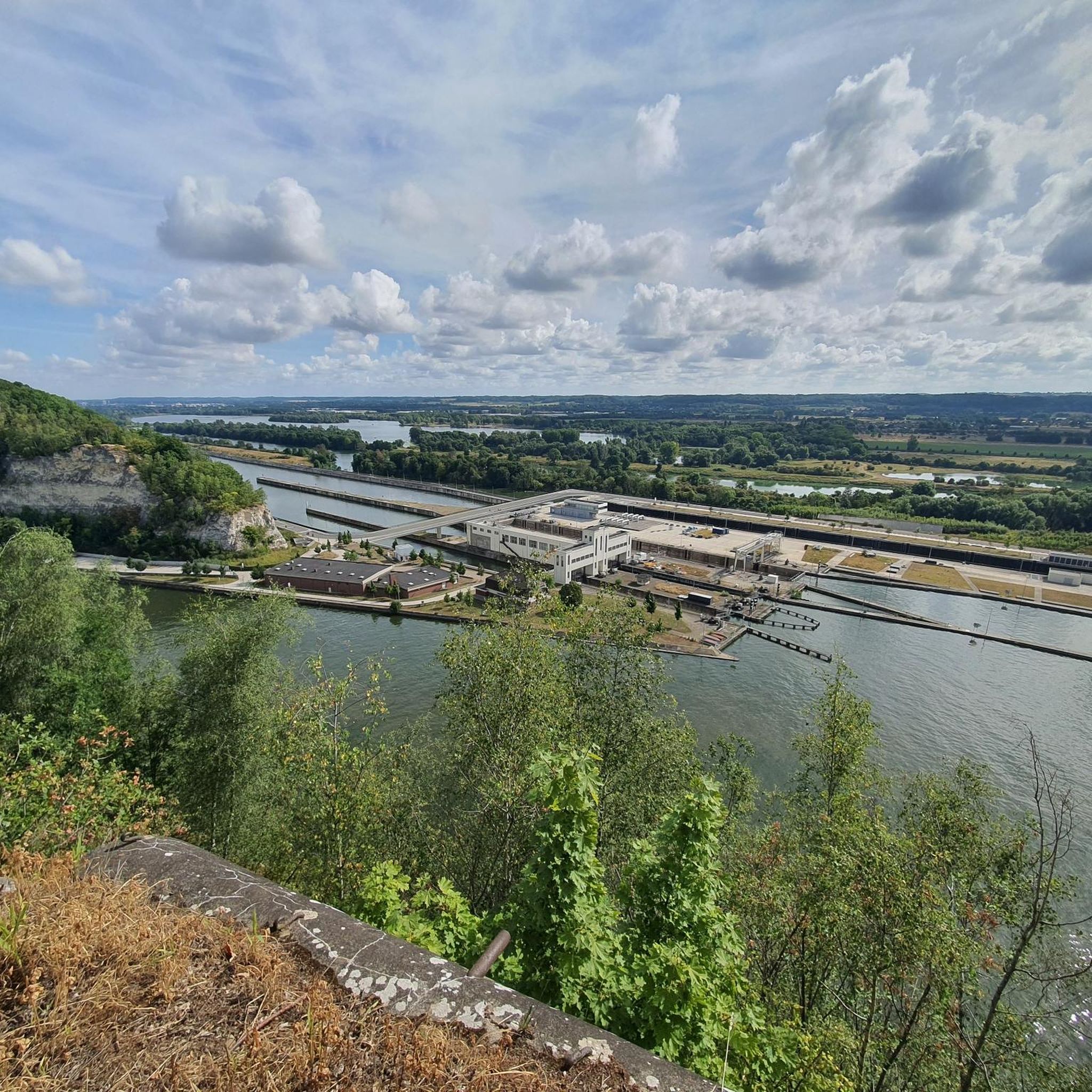
Highlight • Viewpoint
Translated by Google •
Tip by

Strooberg Quarry
Highlight • Cave
The green, sloping Bemelerberg has a marl wall on one side like on a postcard. Here the yellow limestone rises high into the air and …
Translated by Google •
Tip by

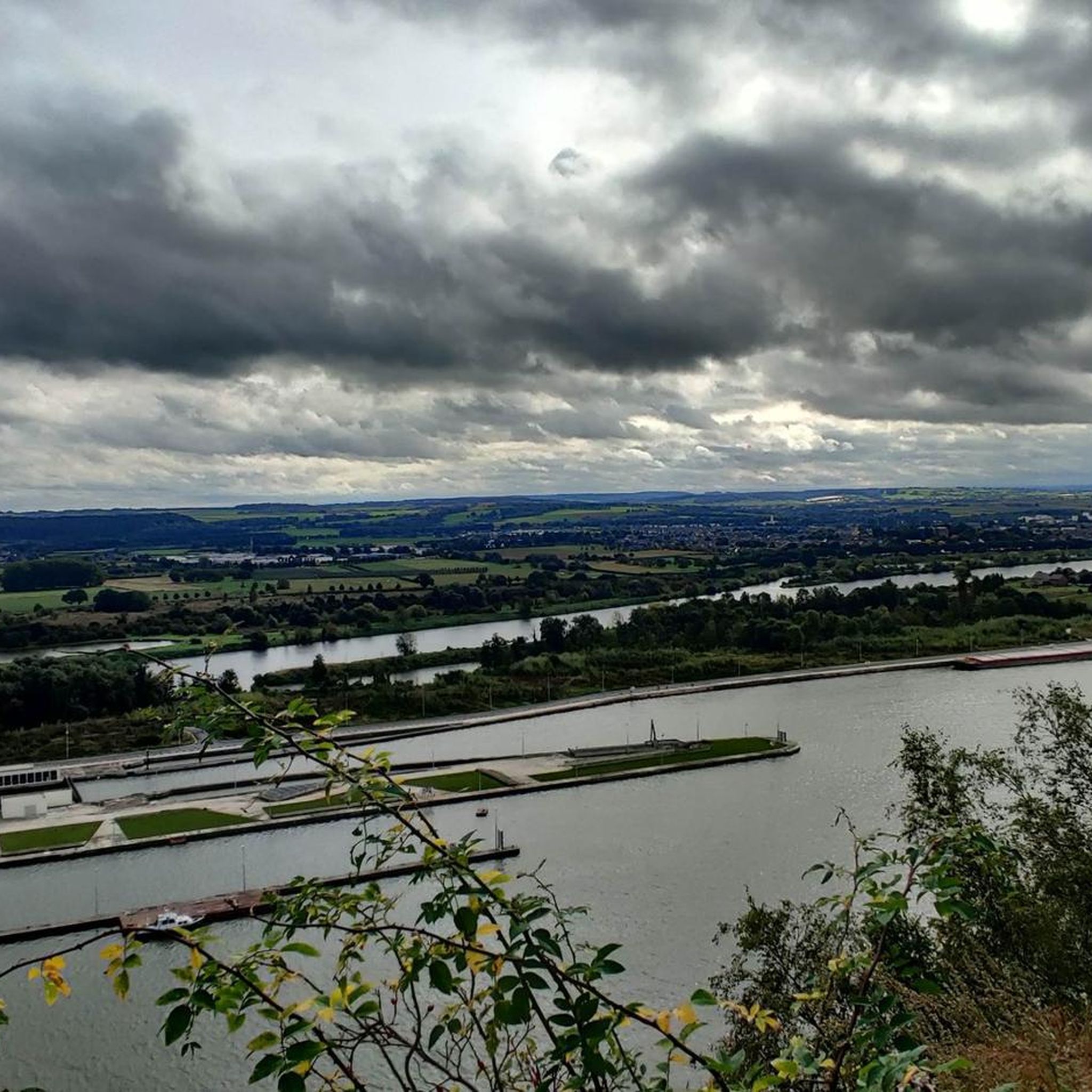
Kiekoet Viewpoint – Oehoe Valley
Highlight • Viewpoint
Translated by Google •
Tip by

Sign up for free to discover even more natural monuments around Visé.
Sign up for free
Already have an account?
Start today with a free account
Your next adventure awaits.
Login or Signup



Tips from the Community

we tried to return to Maastricht using the Arriva bus. However, it was a small bus and only 3 seats were available. My friends walked.
0
0

Along the rippling Geul River, an impressive marlstone wall rises, a silent witness to Limburg's underground landscape. These calcareous rocks were used for centuries for construction and crafts and now offer a fascinating sight for hikers and nature lovers. The wall forms a natural boundary along the water and, in some places, harbors small caves and niches where flora and fauna have found a home. The contrast of the white marl against the green foliage and the glistening water of the Geul makes this a particularly photogenic and tranquil spot during your walk.
0
0

Beautiful part of the walk along the Geul
0
0

Here you have a view of old marl quarries. You can see a marl wall with meadows, cows, or sheep.
0
0

The Strooberggroeve is a Limburg marl quarry in the Dutch municipality of Eijsden-Margraten. The underground quarry is located north of Bemelen under the Bemelerberg on the north side of the mouth of the dry valley Koelbosgrub in the Meuse valley. The quarry is located on the western edge of the Plateau of Margraten in the transition to the Meuse valley. At this point, the plateau drops steeply for a few meters. https://nl.wikipedia.org/wiki/Strooberggroeve
1
0

When the path that has been running between slopes and sloping forest on one side and the Geul on the other side suddenly starts to rise a bit, you know what is coming: part of the marl crops out and offers you a glimpse of what you can discover if you take one of the paths away from the Geul: quarries and marl.
6
0

Beautiful path between marl and Geul...
8
0

Along the Geul you will repeatedly come across steep slopes made of marl, which has been mined in this region for hundreds of years and is also used in Häuserbai. With a bit of luck you can find fossils.
4
0
Frequently Asked Questions
What are some unique geological features to explore around Visé?
The Visé region offers several fascinating geological sites. You can explore the Marl Cliff along the Geul, where a narrow path runs between exposed marl walls and the Geul river. Another notable site is the Strooberg Quarry, known for its marl caves and chalk grasslands, which provide a unique habitat for various species.
Are there any natural monuments suitable for families with children?
Yes, several natural monuments around Visé are family-friendly. The ENCI Quarry Viewpoint offers expansive views and is great for walking or cycling with children. Another excellent option is the Kiekoet Viewpoint – Oehoe Valley, which is a bird-watching spot where you might even spot eagle owls, making it an engaging experience for all ages.
Where can I find good hiking trails near Visé's natural monuments?
The region around Visé is excellent for hiking. You can find numerous trails, including those in the picturesque Vallée de la Julienne or routes that take you past the Lanaye Locks. For detailed routes and options, check out the Hiking around Visé guide.
What kind of wildlife can I observe in the natural areas of Visé?
Visé's natural areas are rich in biodiversity. At Montagne Saint-Pierre, you can find rare orchid species, numerous insects, and bats in the marl galleries. The Réserve Naturelle de La Frayère is a vital nesting and spawning ground for various bird and fish species, with a bird observatory for easy viewing. The Vallée de la Julienne is particularly important for its bat populations and rare insect species like the stag beetle.
Are there opportunities for cycling near the natural monuments?
Absolutely. Cycling is a popular activity in the area. The ENCI Quarry Viewpoint is a great spot for cycling, offering unique perspectives on the landscape. For a wider range of cycling routes, including those that pass by natural features, explore the Cycling around Visé guide.
What is Montagne Saint-Pierre and what can I do there?
Montagne Saint-Pierre (Sint-Pietersberg) is an exceptional natural site extending into Visé, known for its woods, calcareous grasslands, and unique flora and fauna, including rare orchids and bats. You can explore the site via walking trails, visit an interactive exhibition about its geology and ecology, or take a guided tour to learn more about this valuable area. Parts of its abandoned limestone quarries have also been naturally reclaimed.
What is the best time of year to visit the natural monuments around Visé?
The natural monuments around Visé can be enjoyed year-round, but spring and summer are particularly vibrant. In spring, you'll see rare orchids blooming in areas like Montagne Saint-Pierre and the chalk grasslands of Strooberg. Summer offers ideal conditions for wildlife observation, especially birds at La Frayère and butterflies at Kiekoet Viewpoint. Autumn provides beautiful foliage, while winter can offer a serene, quiet experience, especially for bat viewing in certain areas.
What makes the Meuse River important to the natural landscape of Visé?
The Meuse River is a dominant natural feature flowing through Visé, fundamentally shaping its landscape and supporting diverse ecosystems along its banks. It contributes to the formation of significant natural areas like the Réserve Naturelle de La Frayère, which is situated along its banks, and influences the local flora and fauna, making it integral to the region's natural character.
Are there any viewpoints offering panoramic views of the natural surroundings?
Yes, there are several excellent viewpoints. The ENCI Quarry Viewpoint provides expansive views of the former quarry and surrounding landscape. Another great spot is the Kiekoet Viewpoint – Oehoe Valley, which offers a unique glimpse into the ENCI quarry and is a prime location for bird watching.
What do visitors particularly enjoy about the natural monuments in this region?
Visitors frequently highlight the unique geological formations, such as the 'alpine feeling' of the Bemelerberg Climb and the exposed marl at the Marl Cliff along the Geul. The opportunity for bird watching, especially spotting eagle owls at the Kiekoet Viewpoint, is also highly appreciated. Many enjoy the diverse landscapes, from river valleys to chalk grasslands, and the chance to connect with nature through walking and cycling.
Is the Vallée de la Julienne accessible for nature walks?
Yes, La Vallée de la Julienne is well-suited for nature walks. This picturesque valley, designated as a Site of Great Biological Interest, features undulating landscapes with forests and open areas. The Julienne estate, spanning over 80 hectares, offers trails specifically designed for observing its rich fauna and flora, including specific hikes along the Sainte-Julienne stream.
Most popular routes around Visé
Most popular attractions around Visé

Get inspired with the komoot mobile app


Explore more
Extend your search for the best caves by checking out these guides of the top ones around Visé:
