The best cycling routes around Assenede
4.5
(141)
1,453
riders
147
rides
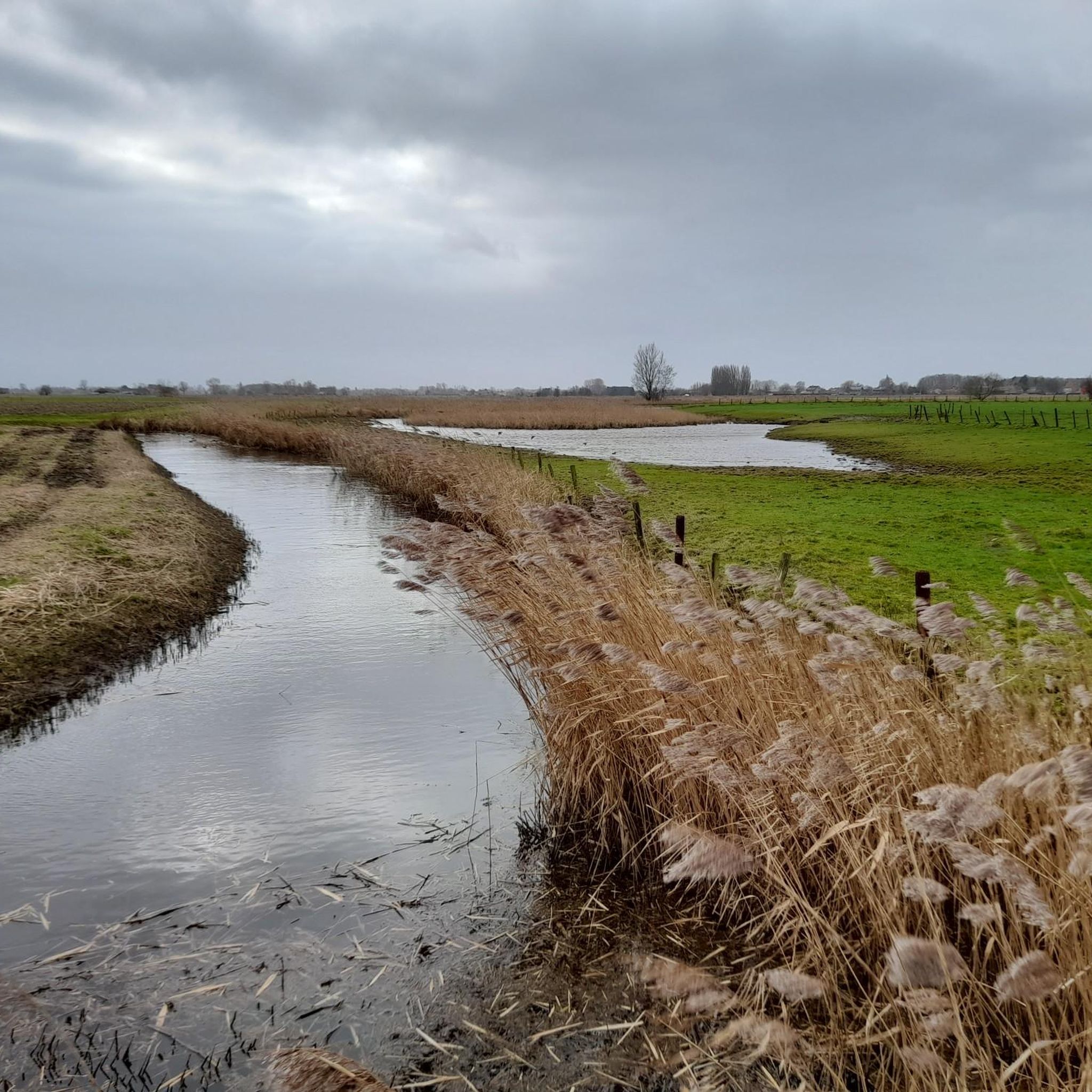
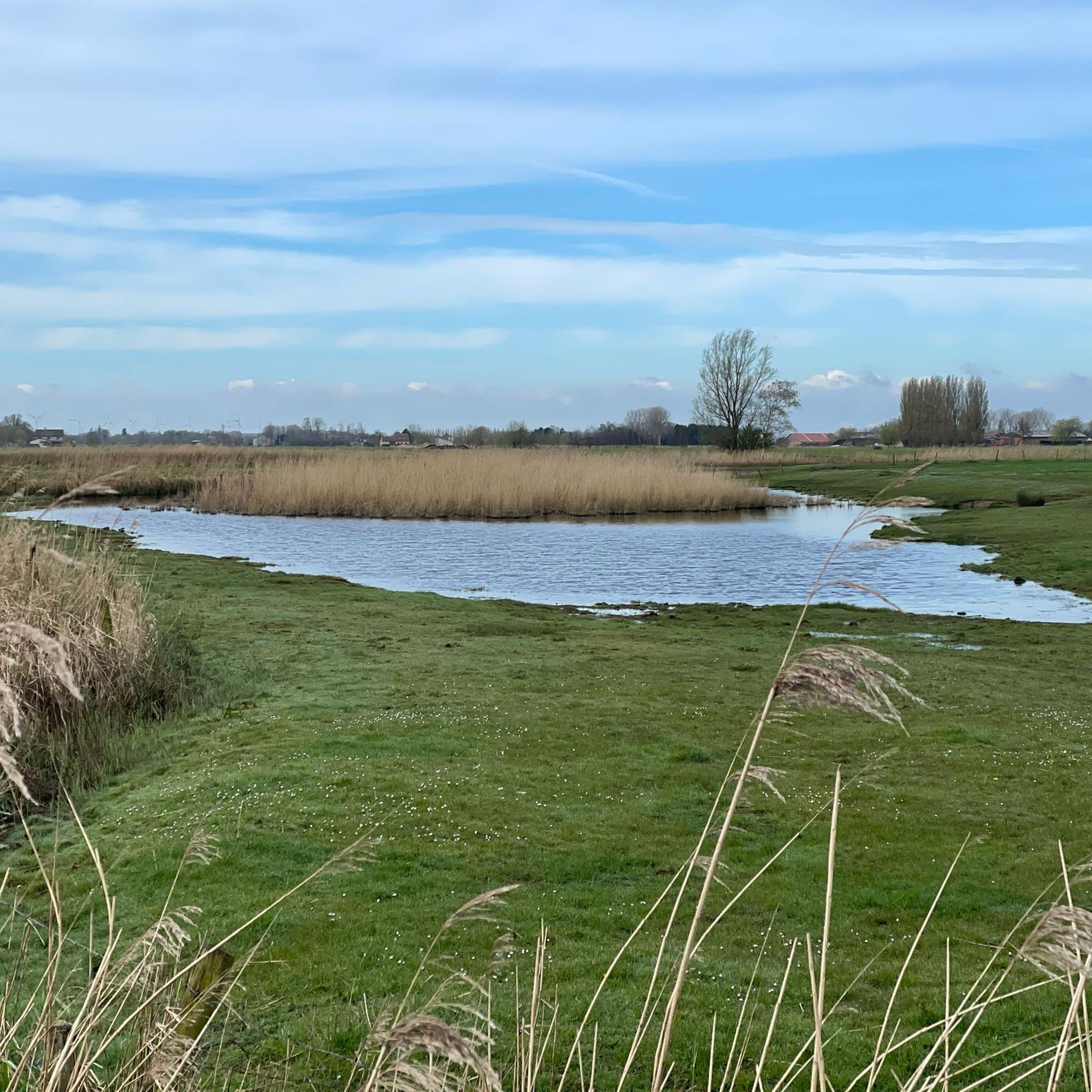
Touring cycling around Assenede offers routes through a largely flat landscape, characterized by numerous creeks and historical peat meadow areas. The region features a water-rich environment, with waterways like the Mesurekreek and Vrouwkenshoekkreek, which are remnants of historical peat digging and floods. Cyclists can explore both open fields and wooded sections, such as the Lembeekse Bossen, providing varied scenery. The area's extensive network of cycling paths is well-suited for relaxed touring.
Best touring cycling routes around Assenede
- The most popular…
Last updated: October 8, 2026
4.4
(36)
173
riders
53.0km
03:04
50m
50m
Moderate bike ride. Good fitness required. Mostly paved surfaces. Suitable for all skill levels.
4.0
(1)
74
riders
91.0km
06:05
110m
110m
Hard bike ride. Very good fitness required. You may need to push your bike for some segments of this route.

4.0
(2)
66
riders
61.3km
04:11
80m
80m
Hard bike ride. Good fitness required. You may need to push your bike for some segments of this route.
4.1
(9)
47
riders
33.4km
01:57
40m
40m
Easy bike ride. Great for any fitness level. Mostly paved surfaces. Suitable for all skill levels.
5.0
(5)
36
riders
Moderate bike ride. Good fitness required. Mostly paved surfaces. Suitable for all skill levels.
Get access to more routes and recommendations from other explorers.
Already have an account?
Our route recommendations are based on thousands of hikes, rides, and runs completed by other people on komoot.
Start today with a free account
Your next adventure awaits.



Tips from the Community

According to legend, a young man who could not speak miraculously regained his voice by praying at the statue of Mary that hung here in an oak tree. A lively devotion developed at this spot. The oldest mention of a chapel dates back to 1457. At the beginning of the Calvinist rule (1577-78), the chapel was destroyed. In 1613, a new, larger chapel was consecrated. Archdukes Albrecht and Isabella visited the pilgrimage site in 1618. The 'courtyard around the chapel provides an oasis of green. In 1731, a certain J.B. Van Kerckvoorde, after a miraculous recovery, donated 15 processional chapels depicting the mysteries of Our Lady. The organ (1857) is attributed to P.C. Van Peteghem and has been protected as a monument since 1980; the chapel since 1994. source: information board on site
3
0

Dike cycle path towards Breskens
0
0

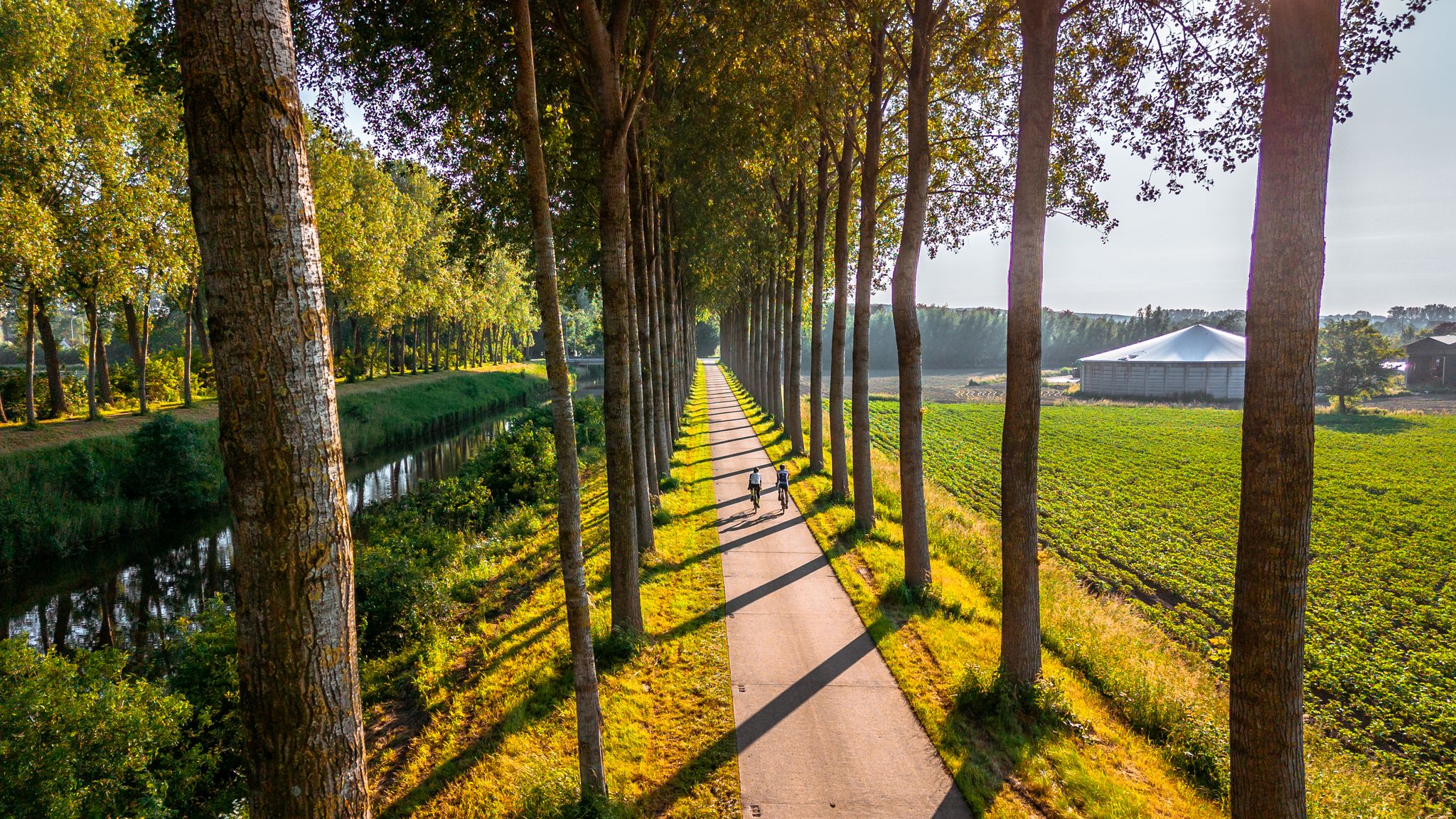
De Lieve is a historic inland waterway canal that was dug between 1251 and 1269 from Ghent to Damme, originally Aardenburg. The period of prosperity is situated in the 13th and 14th centuries. Despite the silting up of the Zwin (early 14th and early 15th centuries), the digging of the Sasse Vaart in the mid-16th century, and the digging of the Ghent - Bruges canal in 1613-1614, it retained its original function until the beginning of the 18th century. In Ghent, Evergem, and Lievegem, the Lieve has been preserved as an open watercourse in sections. The route within the municipality of Damme has been preserved as a wide strip in the landscape. Source: https://www.lievegem.be/de-lieve
7
0

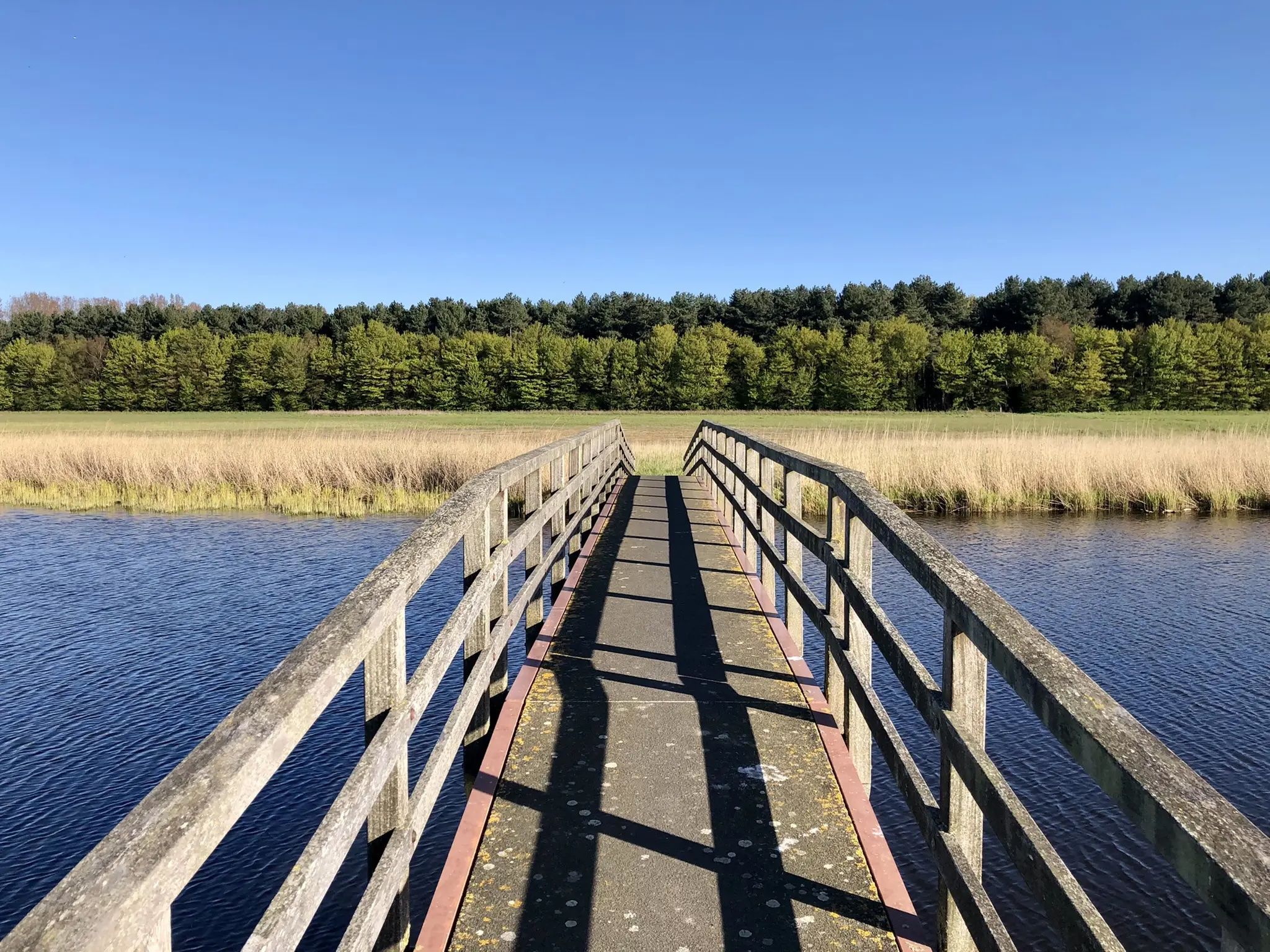
The Boerekreek is the largest creek (39 hectares) and was once known for its many water sports. Fishing is still permitted there, and another section of the creek is a nature reserve.
6
0
This creek area was once a mecca for eel fishing. Even today, you can still find specialized eel houses here.
7
0
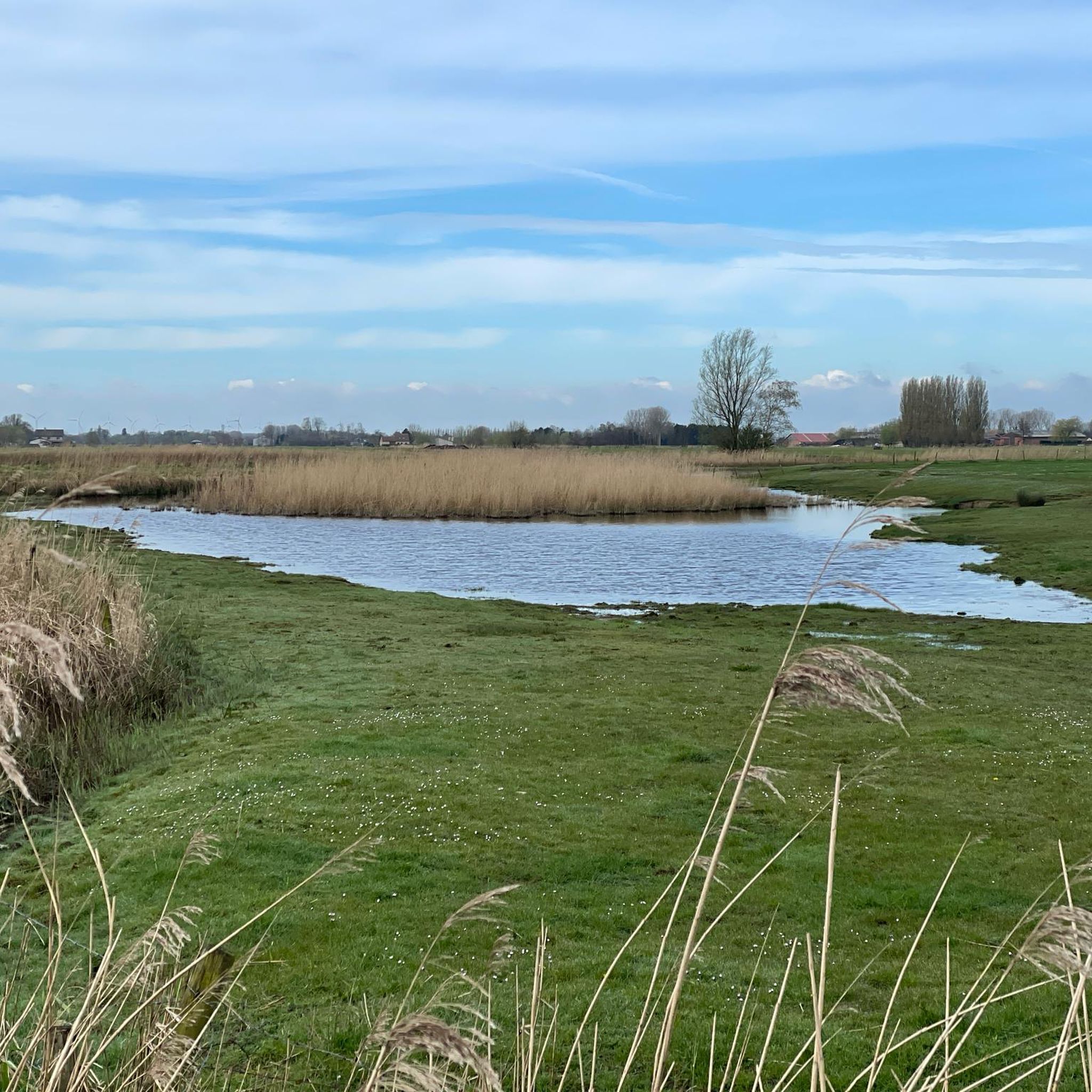
Hollandersgat Creek is a creek in the Meetjesland creek area southwest of the village of Sint-Margriete, which belongs to the East Flemish municipality of Sint-Laureins. Hollandersgat Creek extends from Blok Creek and is separated from it by a dam. The creek is a remnant of the Hollandersgat, which formed after the All Saints' Flood of 1570 and the subsequent inundations by the Geuzen. Hollandersgat Creek connects with Kruis Creek, which lies on Dutch territory and is connected to the Passageule via a complex creek system. (Wikipedia)
7
0
The Blokkreek is approximately 3 km long and meanders through the flat landscape. Peat was dug here during the early Middle Ages. These pits were later eroded further and further during countless floods and storm surges. (RouteYou)
7
0
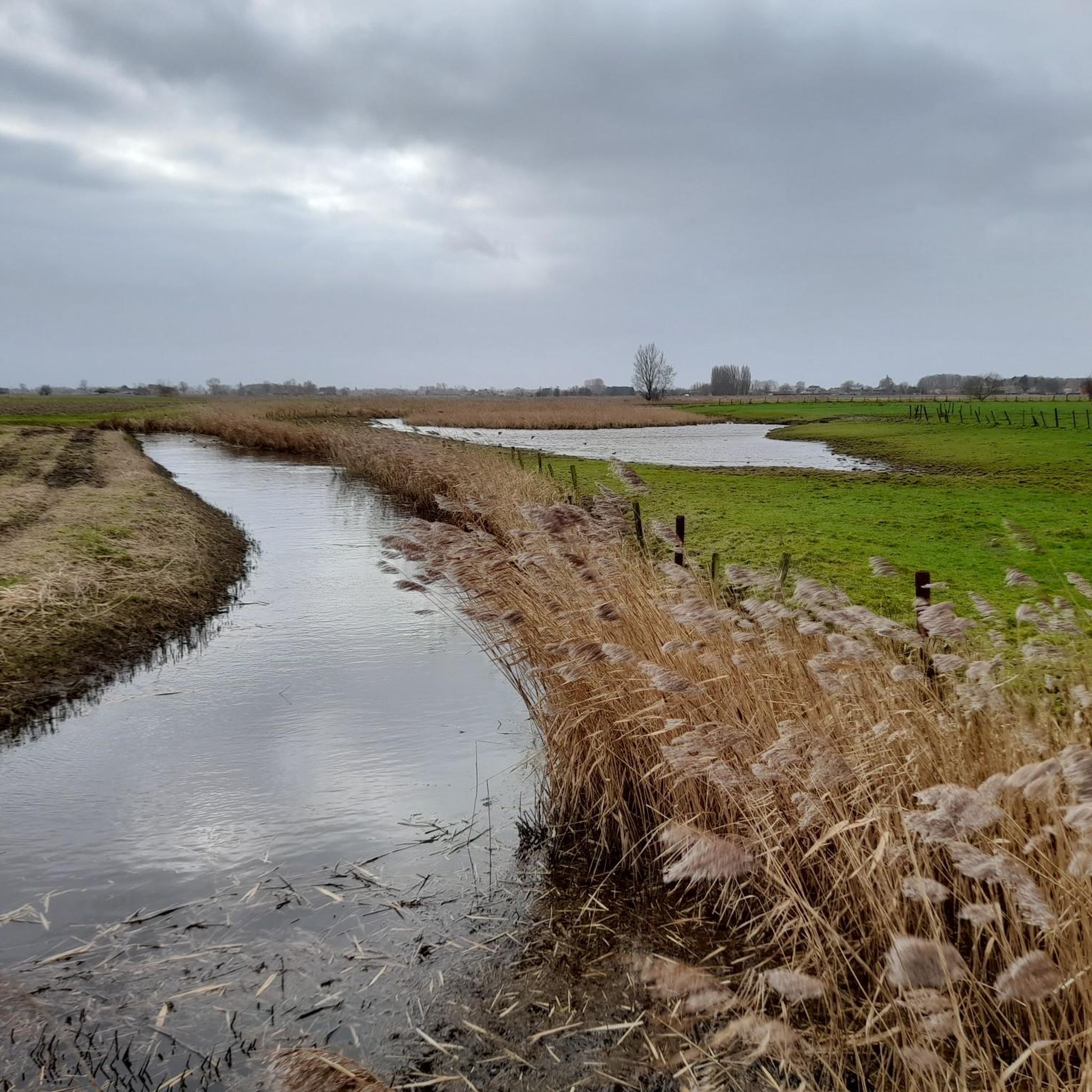
Vrouwkenshoekkreek is a creek in the Meetjesland creek area, north of the East Flemish town of Sint-Laureins. The creek is part of a larger creek system that also includes Blokkreek. Although it was a valuable creek, it was filled in the 1950s with sediment from the dredging of the nearby Leopold Canal. This resulted in the disappearance of the unique habitat, leaving only grassland where the creek once lay. In the 1990s, the site was purchased by Natuurpunt, and restoration work began in 2009, including the reestablishment of the connection with Blokkreek, located on Dutch territory (south of Sint Kruis), which had also undergone restoration. The restoration work was completed in 2012. In addition to its function as a nature reserve, the system can also be used for water storage. (Wikipedia)
7
0
Frequently Asked Questions
How many touring cycling routes are available in Assenede?
There are over 140 touring cycling routes around Assenede, offering a wide variety of options for different skill levels and preferences.
What kind of terrain can I expect when cycling in Assenede?
Assenede is characterized by a largely flat, polder landscape, making it ideal for touring cycling. You'll encounter extensive creek areas with a unique 'Scandinavian' feel, open agricultural fields, and some wooded sections like the Lembeekse Bossen. The routes are generally well-suited for relaxed touring.
Are there any easy touring cycling routes suitable for beginners or families?
Yes, Assenede offers many easy routes. Out of the 142 available routes, 78 are classified as easy, making them perfect for beginners or family outings. These routes typically navigate the flat landscape, often along the scenic creek areas.
What are the most scenic natural features to see while cycling in Assenede?
The region is renowned for its distinctive creek areas, such as the Mesurekreek, Vrouwkenshoekkreek, and Braakmankreek. These water-rich environments offer expansive views and are significant nature reserves. You can explore the Boerekreek or the Oostpolder Creek, which are popular highlights.
Are there any circular touring cycling routes in Assenede?
Many routes in Assenede are designed as loops. For example, the Mesurekreek – Vrouwkenshoekkreek loop from Boekhoute is a popular moderate route that takes you through the scenic creek landscape. Another option is the Lembeekse Bossen – Stoepe Chapel with pilgrimage path loop from Assenede, which combines natural beauty with cultural landmarks.
What cultural or historical landmarks can I discover along the cycling routes?
Beyond the natural beauty, you can explore Assenede's historic village center. Routes often pass by cultural landmarks like the Stoepe Chapel. You might also encounter the 'De Dijkwerker' statue, commemorating 15th-century dyke workers. The Van Vlaenderen's Mill is another interesting highlight to look out for.
What do other touring cyclists enjoy most about cycling in Assenede?
The area is highly rated by the komoot community, with an average score of 4.4 stars from over 120 reviews. Reviewers often praise the quiet, flat landscapes, the unique creek areas, and the well-maintained network of cycling paths that make for relaxed and enjoyable touring.
When is the best time of year to go touring cycling in Assenede?
Assenede's temperate maritime climate, with mild winters and cool summers, makes it suitable for year-round cycling. However, the spring and summer months generally offer the most pleasant weather conditions for exploring the flat polder and creek landscapes.
Are there any challenging touring cycling routes in Assenede?
While much of Assenede is flat, there are some routes that offer a greater challenge. The Cycle Path Along the Lieve – Meerbeek gravel path loop from Assenede is a difficult 88.7 km route that includes gravel sections and extends towards the Dutch border, providing a more demanding experience.
Are there places to stop for refreshments along the cycling routes?
Yes, the region offers opportunities for breaks. For instance, Café Passé is known for its beautiful views of the creek area, providing a pleasant spot to rest and refuel during your ride. Many routes pass through or near villages where you can find local establishments.
What are some other interesting places to see near Assenede that I can combine with a cycling trip?
Beyond Assenede itself, you can explore nearby attractions such as the Ghent–Bruges Canal Cycle Path, which offers further cycling opportunities. The Het Leen, the Schipdonk Canal and the Lieve area provides more natural beauty to discover.
Most popular attractions around Assenede

Get inspired with the komoot mobile app


Explore more
Browse the best Cycling routes in other regions.
