The best MTB trails around Poperinge
4.4
(54)
661
riders
82
rides
Mountain bike trails Poperinge are characterized by a diverse landscape of rolling hills, dense forests, and open meadows in West Flanders, Belgium. The region offers varied terrain, including quiet roads, tracks, and paths, with both paved and unpaved sections of ground and gravel. Routes often incorporate nearby hills such as Scherpenberg, Kemmelberg, and Monteberg, providing ascents and descents. The area is also known for its prominent hop fields, which many routes traverse.
Best mountain bike trails around Poperinge
- The most…
Last updated: October 18, 2026
4.6
(7)
111
riders
32.3km
01:56
160m
160m
Easy mountain bike ride.
4.9
(9)
111
riders
65.0km
04:51
770m
770m
Moderate mountain bike ride. Good fitness required. Advanced riding skills necessary.

3.5
(2)
21
riders
25.5km
01:59
360m
360m
Moderate mountain bike ride. Good fitness required. Advanced riding skills necessary.
4.0
(2)
20
riders
34.7km
02:13
100m
100m
Moderate mountain bike ride. Good fitness required.
5.0
(2)
27
riders
46.1km
02:35
170m
170m
Moderate mountain bike ride. Good fitness required.
Get access to more routes and recommendations from other explorers.
Already have an account?
Our route recommendations are based on thousands of hikes, rides, and runs completed by other people on komoot.
Start today with a free account
Your next adventure awaits.
Popular around Poperinge
Seven-day Cycling tour through the South-Flemish hills – Hilly Route
Flanders' Finest Cycle Routes: routes to discover Flemish nature and heritage
Waterside walks in Flanders
Hiking around Poperinge
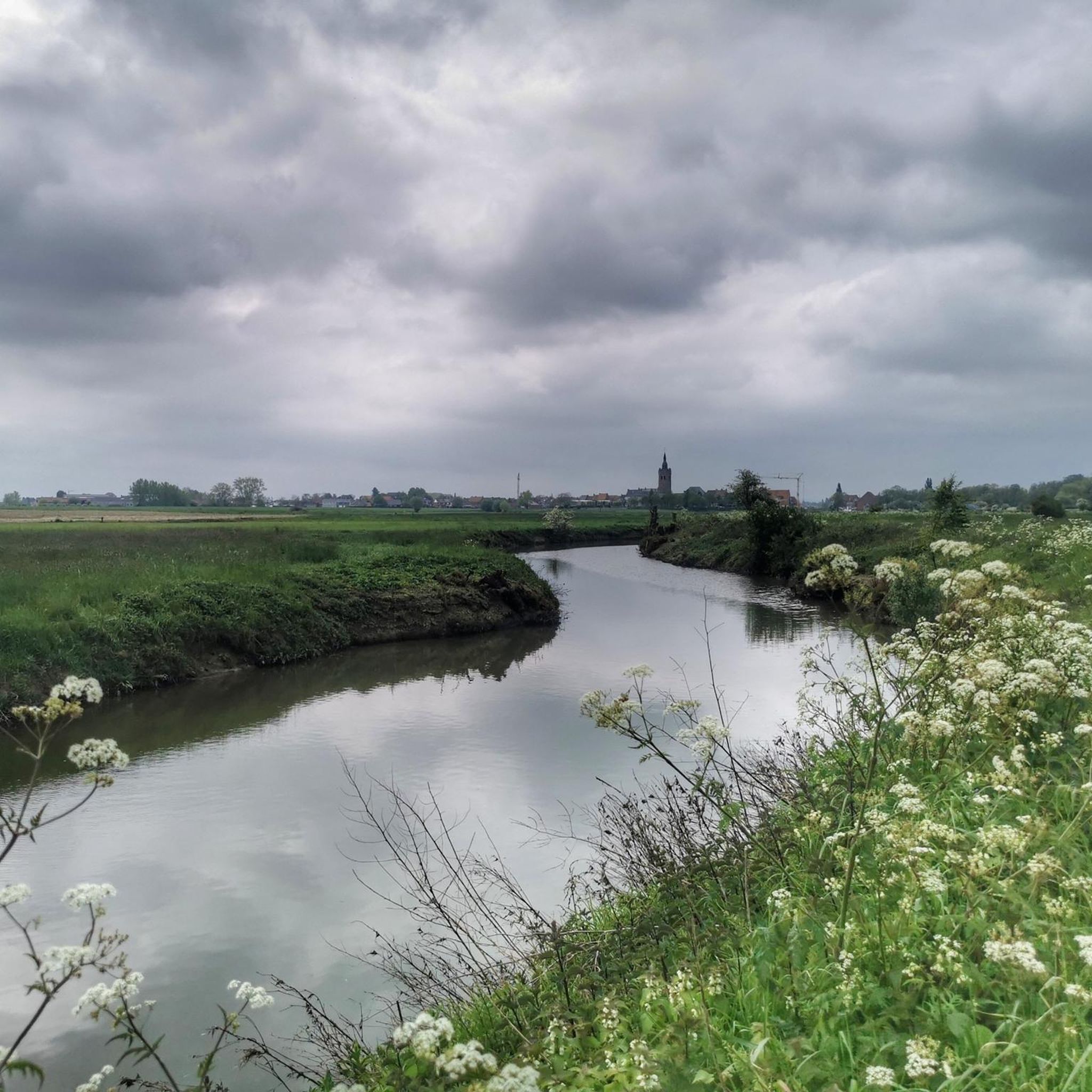
Cycling around Poperinge
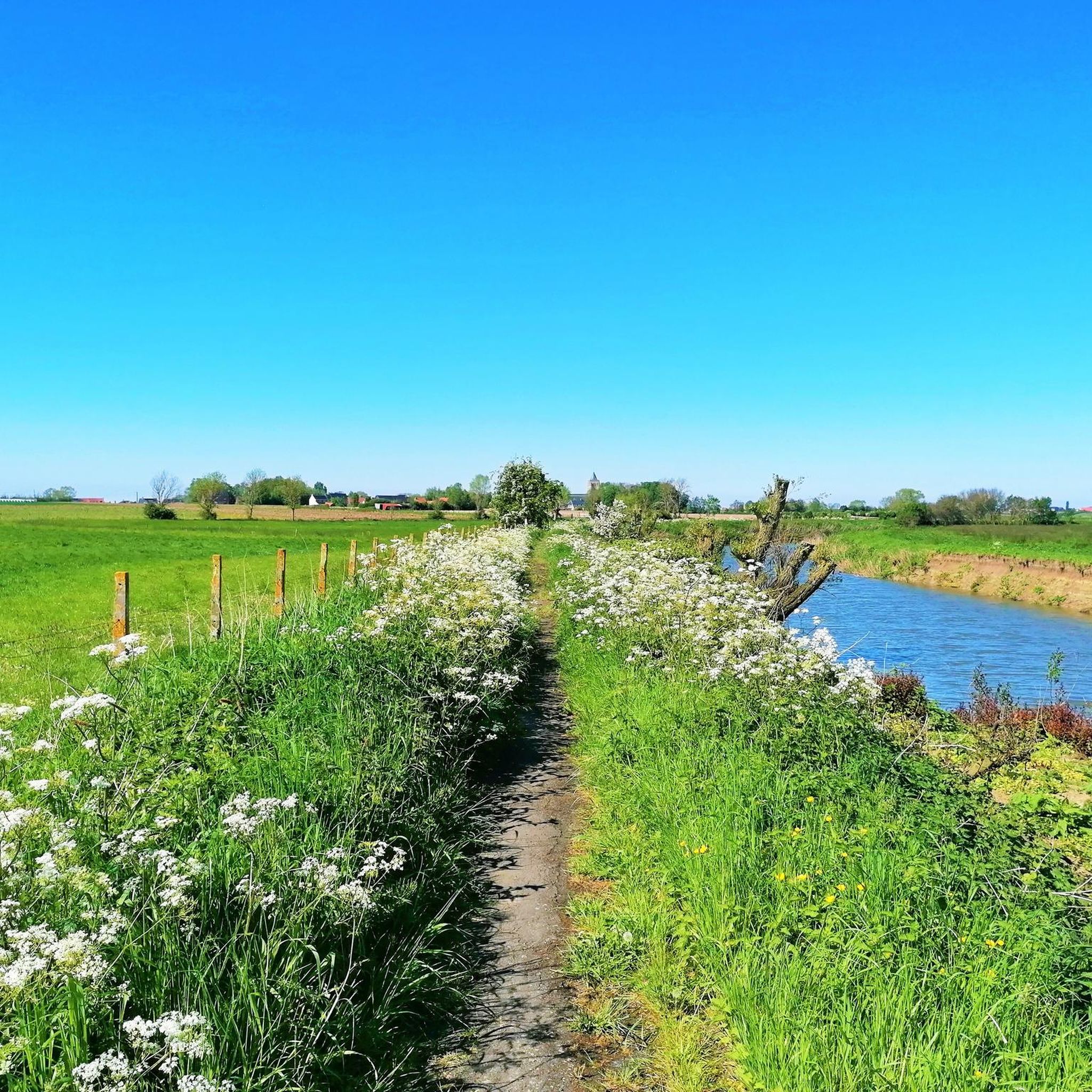
Road Cycling Routes around Poperinge
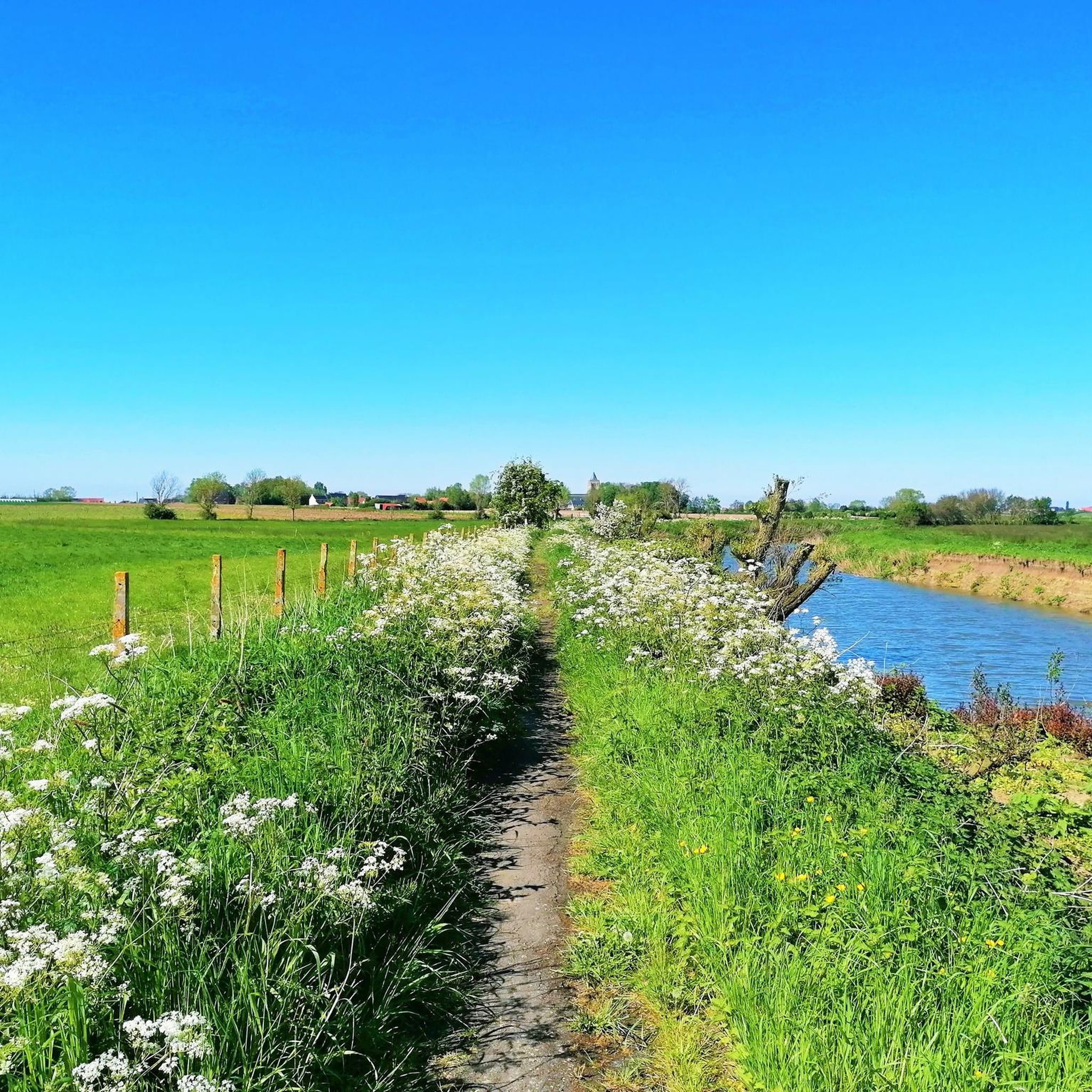
Running Trails around Poperinge

Gravel biking around Poperinge
Other adventures around Poperinge


Tips from the Community


St. Eligius Church: a church with scars ⛪ The St. Eligius Church in Westouter has a history dating back to the Middle Ages. The striking Romanesque octagonal east tower largely survived the devastation of the First World War. The bricked-up arch at the bottom still reveals the origin of the former basilica church. The rest of the church was rebuilt in 1922-1923 to a design by Jules Coomans, in the typical yellow polder brick. Around the church lie the Westouter British Cemetery and an impressive bluestone war memorial. A place where centuries of history and the scars of the Great War meet.
3
0
St. Eligius Church of Westouter: a church that remained standing ⛪ The St. Eligius Church of Westouter appears at first glance to be a neo-Gothic church, but a closer look reveals a much older story. The octagonal Romanesque east tower largely survived the destruction of the First World War. The bricked-up arch at the bottom still recalls the medieval cruciform church. After the war, the church was rebuilt in 1922-1923 to a design by Jules Coomans, with the typical yellow polder brick. This was not superfluous luxury, as the church had already experienced setbacks: in 1794, a fire destroyed the building, after which it was extended in the early 19th century. Even today, the war is still palpable here. The Westouter British Cemetery lies around the church, and in front of the church stands an impressive bluestone war memorial. A place where centuries of history and the scars of the Great War meet beautifully.
3
0
From Belgian WWI rest zone to Trappist pickup point Today, cyclists and beer lovers come here to pick up their reserved crate of Westvleteren. More than a hundred years ago, this was a very different place. At the end of 1917, the area around St. Sixtus Abbey was set up as a Belgian rest zone. Soldiers could catch their breath here after their deployment at the front. Initially, the monks feared that the Belgian troops would cause nuisance, but that concern proved unfounded. The soldiers behaved exemplarily and helped the abbey where needed. A British officer described the place as an “oasis of rest and peace in the middle of the war desert.” Today, that peace still reigns here, only with a very different mission: no soldiers resting, but cyclists picking up their crate of Blond, 8 or 12. 🍺 Tip: picking up your Westvleteren here? Then take a look at the information board. You are standing in a place where war history and Trappist beer come together beautifully today.
3
0

A bit steep, all what you need to waken up the muscles during an active walk.
0
0
A fairytale discovery! Deeply hidden among the rhododendrons and old trees of Kasteeldomein De Lovie, you'll suddenly stumble upon this magnificent historic garden pavilion. With its classic columns and unique domed roof, this memorable 'gloriette' looks like it's straight out of a romantic picture book. The ultimate secret tip to slow down and admire during your bike tour!
3
0
St. Sixtus Abbey & In de Vrede: Trappist beer with a touch of mystery 🍻 A bike tour through the Westhoek is not complete without a stop at the St. Sixtus Abbey of Westvleteren. The brewery itself remains closed to visitors, but the abbey walls and the information center Het Claustrum offer a beautiful glimpse into the lives of the monks and the rich history of this special place. Right next to the abbey, you'll find In de Vrede, the meeting center where you can enjoy a Westvleteren Blond, 8, or 12, accompanied by a snack on the terrace. In the abbey shop, depending on availability, you can also purchase Trappist beer and official glasses. A delightful stop where tranquility, history, and an authentic West Flemish beer moment come together!
3
0
The summit of the slope lies between the Rodeberg and the Vidaigneberg. Near the summit stands the Lijstermolen (Listers Mill). A chairlift runs between the Baneberg and the Vidaigneberg, gliding over the saddle valley between the two "mountains" and the vineyards of the Entre-Deux-Monts, offering panoramic views of northern France and the Belgian coastal plain. The summit is 140 meters high. The name comes from the Bane family, who owned the mountain in the 13th and 14th centuries. The slope is also sometimes called Gildestraat (Gilde Street). https://nl.wikipedia.org/wiki/Baneberg
0
0
Frequently Asked Questions
What kind of terrain can I expect on mountain bike trails around Poperinge?
The mountain bike trails around Poperinge feature a diverse landscape of rolling hills, dense forests, and expansive open meadows. You'll encounter varied surfaces, including quiet roads, tracks, and paths, with both paved and unpaved sections of ground and gravel. Routes often incorporate nearby hills like Scherpenberg, Kemmelberg, and Monteberg, providing engaging ascents and descents.
How many mountain bike trails are available around Poperinge?
There are over 80 mountain bike trails around Poperinge listed on komoot, catering to various skill levels. This includes 23 easy routes, 59 moderate routes, and 3 more challenging options.
Are there any family-friendly mountain bike routes in Poperinge?
Yes, Poperinge offers several easy mountain bike routes suitable for families. These routes typically feature less strenuous rides through varied countryside. An example is the Roman Diverticulum Abele – Hulhofdreef Offroad Path loop from Poperinge, which is an easy 20.1-mile (32.4 km) path.
What are the best seasons for mountain biking in Poperinge?
The best seasons for mountain biking in Poperinge are spring (March-May) and autumn (September-November), when the natural scenery is particularly vibrant. Summer months also offer longer daylight hours for extended rides, though it can be warmer.
What do other mountain bikers enjoy most about the trails in Poperinge?
The mountain bike trails around Poperinge are highly rated by the komoot community, with an average score of 4.5 stars from over 75 reviews. Riders often praise the diverse terrain, the scenic hop fields, and the variety of routes available for all skill levels.
Are there any circular mountain bike routes available?
Yes, many of the mountain bike routes in Poperinge are designed as circular loops, allowing you to start and end your ride in the same location. For example, the Scherpenberg Forest Trail – Kwadestraat loop from Couthofbos is a popular circular option.
What natural features or landmarks can I see along the mountain bike trails?
Many routes wind through Poperinge's prominent hop fields, offering a unique and scenic backdrop. You might also pass through dense forests like the Hellegat Forest and encounter historical sites, breweries, and charming villages. The region is also characterized by hills such as the Scherpenberg and Kemmelberg, providing scenic views.
Are there any challenging mountain bike trails in the Poperinge area?
Yes, for experienced riders seeking a challenge, there are difficult trails with significant elevation gains. For instance, the Hellegatbos Forest Path – The Hermitage loop from Poperinge is a difficult 79.3-kilometer route with substantial ascent.
Can I find places to eat or drink near the mountain bike trails?
The region's routes frequently pass by charming villages and towns, where you can find cafes, pubs, and breweries. Poperinge itself is known for its beer culture, offering opportunities to refuel and relax after your ride.
What are some notable hills or viewpoints accessible by mountain bike?
The Poperinge area, especially when combined with nearby Heuvelland, features several notable hills that offer invigorating climbs and scenic views. These include the Scherpenberg, Kemmelberg (with its IGM Kemmelberg Summit Marker), Monteberg, Rodeberg, and Vidaigneberg. You can also find viewpoints like Mont Noir (West).
Are there any other adventure activities available near Poperinge?
Beyond mountain biking, the 'Outside Adventure park' near Poperinge provides other high-octane activities such as quad biking, paintballing, go-karting, and rope climbing for those seeking additional thrills.
Most popular routes around Poperinge
Most popular attractions around Poperinge

Get inspired with the komoot mobile app


Explore more
Browse the best MTB trails in other regions.
